


Chronic foot ulcer healing depends on getting 3 things right — adequate debridement, consistent offloading, and addressing infection. Skipping any one stalls healing for months.
You’ve come to the right podiatry team. Dr. Tom Biernacki, DPM, FACFAS — board-certified foot & ankle surgeon with 3,000+ surgeries — explains exactly what chronic foot ulcer wound care means and what works. Call (810) 206-1402 to book at Howell or Bloomfield Township.
Medically reviewed by Dr. Tom Biernacki, DPM · Board-Certified Podiatric Surgeon · Last reviewed: April 2026 · Editorial Policy
Quick Answer
Chronic foot ulcers heal when three things are addressed together: debridement of non-viable tissue, offloading of pressure, and adequate blood supply. A wound that has not improved in four weeks needs its plan reassessed. Appointments in Howell + Bloomfield Township: (810) 206-1402.

Medically reviewed by Dr. Tom Biernacki, DPM — Board-Certified Podiatric Surgeon — Balance Foot & Ankle, Howell & Bloomfield Township, MI. Last updated April 2026.
▶ Watch
Medically Reviewed by Dr. Tom Biernacki, DPM — Board-Certified Podiatrist, Balance Foot & Ankle Specialists, Michigan. Last updated April 2026.
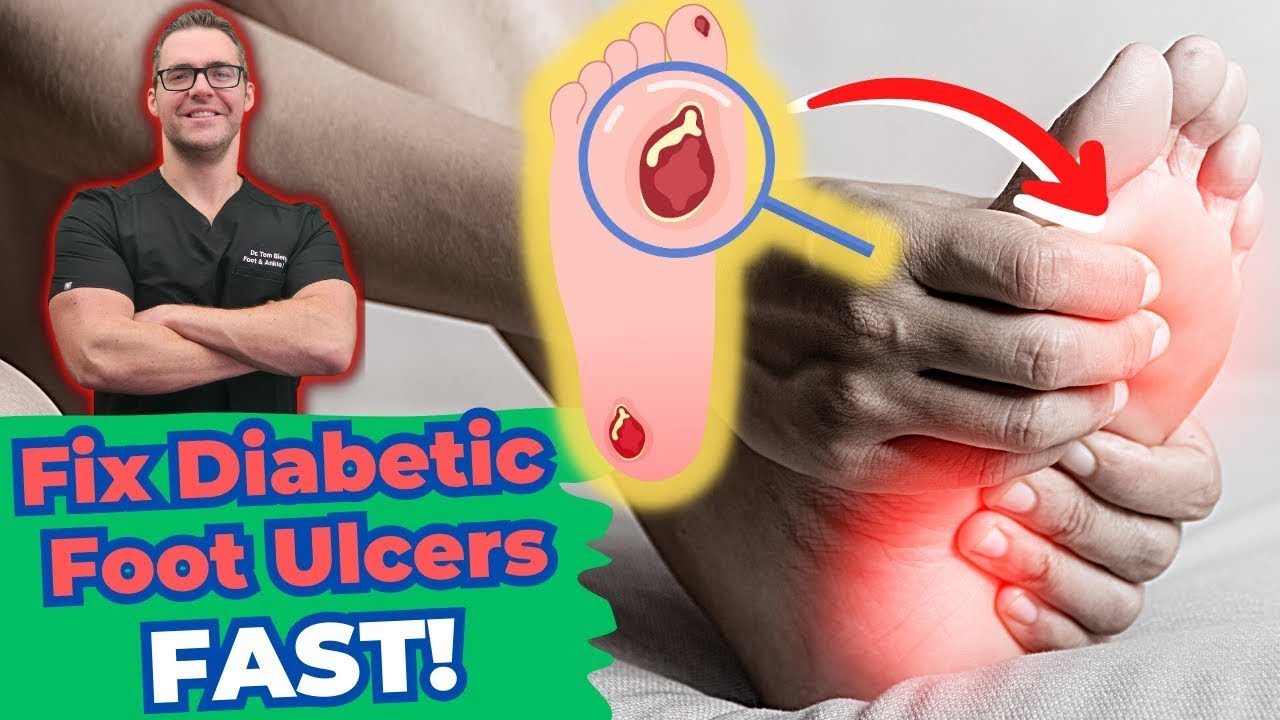
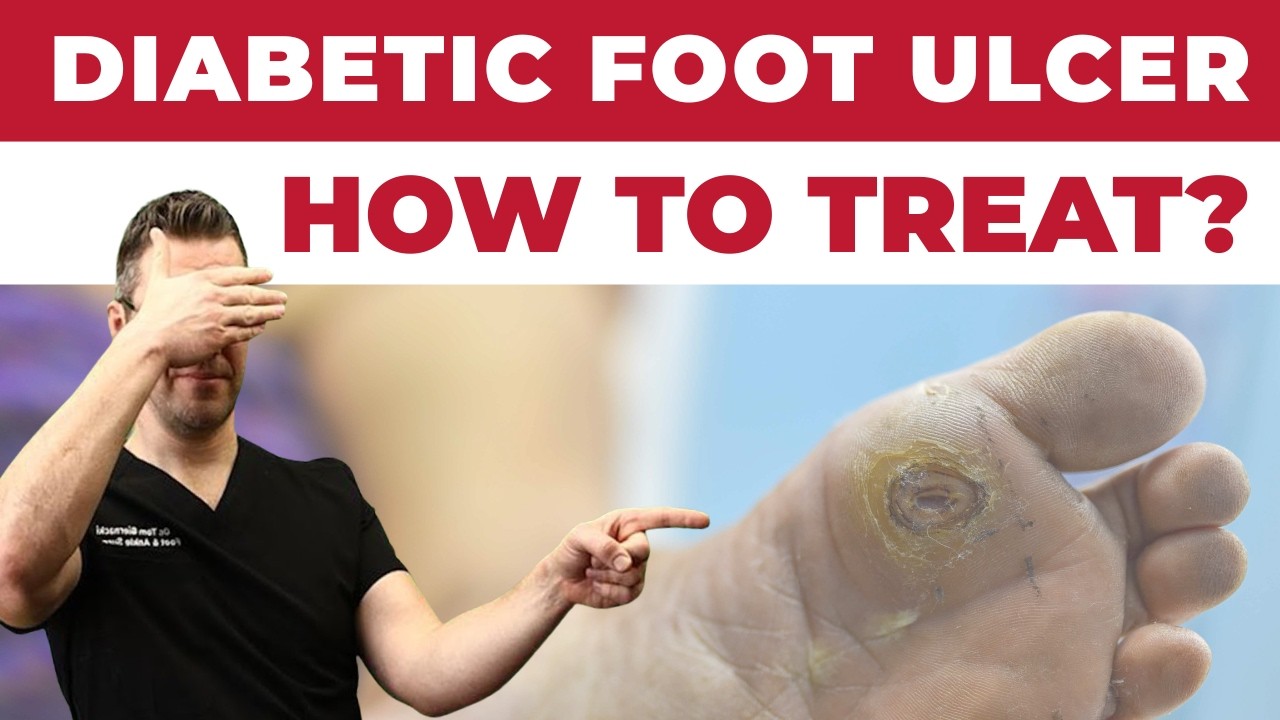
Chronic foot ulcers — particularly diabetic neuropathic ulcers and pressure ulcers — represent one of the most significant podiatric challenges in medicine. A diabetic foot ulcer is the precipitating event in approximately 85% of lower extremity amputations in people with diabetes. Yet with appropriate wound care incorporating the principles of debridement, infection control, and pressure offloading, the majority of diabetic foot ulcers can be healed and amputation prevented. The difference between healing and non-healing ulcers is almost always management strategy, not fate.
Why Diabetic Foot Ulcers Form
Diabetic neuropathic ulcers form through a specific pathophysiological sequence: peripheral sensory neuropathy eliminates pain perception, allowing repetitive mechanical pressure (from footwear, walking, or bony prominences) to cause tissue breakdown without the patient’s awareness. Peripheral arterial disease may reduce blood flow and impair healing. Immune dysfunction from chronic hyperglycemia impairs the cellular response to infection. The combination produces wounds that fail to heal through normal mechanisms and progressively deepen.
The most common locations are plantar pressure points: the first and fifth metatarsal heads, the heel, and sites beneath prominent foot deformities (bunions, Charcot deformity bony prominences).
The Wound Care Triad: Debridement, Offloading, Infection Control
1. Sharp Debridement
Debridement — surgical removal of necrotic, callused, and devitalized tissue — is the most critical active wound care intervention. Callus tissue over a wound margins increases local pressure by up to 30% and harbors bacterial biofilm that prevents healing. Sharp debridement with a scalpel removes hyperkeratotic wound borders, exposes healthy bleeding tissue, converts a chronic wound to an acute healing environment, and reduces bacterial bioburden. Dr. Biernacki performs sharp debridement at each wound care visit — this is not a “one-time” procedure but a recurring essential component of wound management.
2. Pressure Offloading
Offloading is the intervention most commonly omitted or inadequately performed in wound care protocols — yet without removing the mechanical cause of the ulcer, no dressing or medication can achieve healing. The gold standard for plantar diabetic foot ulcers is total contact casting (TCC), which distributes weight bearing across the entire plantar foot surface, reduces peak plantar pressure at the ulcer site by 80–90%, and — critically — cannot be removed by the patient (ensuring 24-hour compliance).
Removable cast walkers (RCW) are acceptable alternatives when TCC is not feasible, though they require patient compliance that may not always be achieved. Custom accommodative insoles and diabetic footwear are the long-term maintenance solution after ulcer closure.
3. Infection Recognition and Control
Not every wound requires antibiotics — superficial wound colonization with bacteria is universal and does not require systemic treatment. Wound infection — defined by clinical signs (increasing erythema, warmth, purulent drainage, odor, and pain) rather than bacterial swab culture alone — requires targeted antibiotic therapy based on deep wound culture (not swab), with surgical drainage of any abscess or devitalized tissue. Deep space infection, osteomyelitis (bone infection), and wet gangrene require urgent surgical consultation and inpatient management.
Advanced Wound Care Technologies
For wounds failing standard care protocols, Dr. Biernacki incorporates evidence-based advanced technologies:
- Bioengineered skin substitutes: Living or acellular matrices that deliver growth factors and cellular scaffolding to stimulate wound closure
- Negative pressure wound therapy (NPWT): Vacuum-assisted closure to reduce wound edema, promote granulation tissue, and manage exudate
- Platelet-rich plasma (PRP): Autologous growth factor concentrate applied topically to stimulate tissue regeneration
- Hyperbaric oxygen therapy (HBOT) referral: For ischemic wounds with adequate arterial supply but impaired cellular oxygen utilization
Prevention After Healing
Ulcer recurrence rate after healing is approximately 40% within one year without aggressive preventive measures — custom diabetic footwear, therapeutic custom orthotics, regular podiatric surveillance, and daily self-inspection are non-negotiable components of post-healing management in all diabetic patients.
Foot Wound Not Healing? Expert Wound Care Available.
Dr. Biernacki provides comprehensive diabetic foot ulcer and wound care at Balance Foot & Ankle — Bloomfield Township and Howell, MI.
📞 (810) 206-1402 | Book Online →
📍 Located in Michigan?
Our board-certified podiatrists treat this condition at two convenient locations. Book online 24/7 at either office.
Insurance Accepted
BCBS · Medicare · Aetna · Cigna · United Healthcare · HAP · Priority Health · Humana · View All →
Howell Office
4330 E Grand River Ave
Howell, MI 48843
Get Directions →
Bloomfield Township Office
43494 Woodward Ave, #208
Bloomfield Township, MI 48302
Get Directions →
More Podiatrist-Recommended Foot Health Essentials
Hoka Clifton 10

![Diabetic Foot Ulcer Treatment & Early Stages [Diabetic Neuropathy]](https://www.michiganfootdoctors.com/wp-content/cache/flying-press/736454be2c58ebb20f519158cfe72457.jpg)
Watch: Diabetic Foot Ulcer Treatment & Early Stages [Diabetic Neuropathy] — MichiganFootDoctors YouTube
Max-cushion everyday shoe — podiatrist favorite for walking and running.

OOFOS Recovery Slide

Impact-absorbing recovery sandal — wear after long days on your feet.
As an Amazon Associate, Balance Foot & Ankle earns from qualifying purchases. Product recommendations are based on clinical experience; prices and availability shown above update live from Amazon.

When to See a Podiatrist
If foot or ankle pain has been bothering you for more than a few weeks, home care alone may not be enough. Balance Foot & Ankle offers online booking 24/7 at our Howell and Bloomfield Township clinics — no referral needed in most cases. Bring your current shoes and a short list of symptoms and we’ll build you a treatment plan in one visit.
Call Balance Foot & Ankle: (810) 206-1402 · Book online · Offices in Howell & Bloomfield Township
In-Office Treatment at Balance Foot & Ankle
When conservative care isn’t enough, Dr. Tom Biernacki and the team at Balance Foot & Ankle offer advanced treatment options — including Diabetic Wound Care Michigan at our Howell and Bloomfield Township clinics.
Book online 24/7. Call (810) 206-1402 or book online.
Pros & Cons of Conservative Care for foot care
Advantages
- ✓ Conservative care first
- ✓ Book online 24/7
- ✓ Multiple insurance accepted
Considerations
- ✗ Self-treatment can mask issues
- ✗ See a podiatrist if pain >2 weeks
Dr. Tom’s Recommended Products for foot care
Affiliate disclosure: As an Amazon Associate, Balance Foot & Ankle earns from qualifying purchases. We only recommend products we use with patients.
Footnanny Heel Cream Dr. Tom’s Pick
Best for: Daily moisturizer for cracked heels
Ready to Get Back on Your Feet?
Appointments in Howell + Bloomfield Township. Most insurance accepted. Dr. Tom Biernacki, DPM & team.
Call Now: (810) 206-1402
Ready to feel better?
Appointments available in Howell and Bloomfield Township, Michigan.
Book Your VisitIn-Office Treatment at Balance Foot & Ankle
If home treatment isn’t providing relief for your foot skin conditions, our podiatry team at Balance Foot & Ankle can help with expert evaluations and advanced in-office care.
Book online 24/7. (810) 206-1402
VitaMedica Arnica Gel
Arnica gel plus 15 plant compounds for sore feet, plantar fasciitis flares and post-activity soreness. Apply a thin layer to the sore area.
Shop VitaMedica Arnica Gel →Get Expert Care at Balance Foot & Ankle
Appointments at our Howell and Bloomfield Township offices. Board-certified podiatric surgeons. Most insurance accepted.
Ready for Expert Care?
Appointments in Howell & Bloomfield Township, MI.
4.9★ | 1,200+ Reviews | 3,000+ Surgeries
Or call: (810) 206-1402

Dr. Tom Biernacki, DPM is a board-certified foot & ankle surgeon (ABFAS & ABPM) at Balance Foot & Ankle Specialists in Southeast Michigan. With over a decade of clinical experience, he specializes in heel pain, bunions, diabetic foot care, sports injuries, and minimally invasive surgery. Dr. Biernacki is a member of the APMA and ACFAS, and his patient education content on MichiganFootDoctors.com and YouTube has made him one of the most-followed foot & ankle educators on YouTube.