
Medically reviewed by Dr. Tom Biernacki, DPM
Board-certified podiatric surgeon | Balance Foot & Ankle, Howell & Bloomfield Township, MI
Last reviewed: May 2026

| Grade | Ligament Damage | Stability | Swelling/Bruising | Weight-Bearing | Recovery |
|---|---|---|---|---|---|
| Grade 1 | Microscopic tearing; ligament intact | Stable | Mild | Immediate with pain | 1–3 weeks |
| Grade 2 | Partial tear; ligament stretched | Mild–moderate laxity | Moderate; ecchymosis | Painful; possible with brace | 3–8 weeks |
| Grade 3 | Complete rupture (ATFL ± CFL) | Significant mechanical instability | Severe; diffuse bruising | Very painful; limited | 6–12+ weeks conservative; 6 months surgical |
| Treatment | Grade 3 Indication | Evidence | Return to Sport |
|---|---|---|---|
| Functional rehabilitation (RICE → progressive loading) | First-time grade 3 in most patients | High — equal to surgery in RCTs for first injury | 10–16 weeks |
| Walking boot (4–6 weeks) | Acute phase; allows healing in protected position | High | Starts after boot phase |
| Ankle brace (lace-up or semi-rigid) | Return to activity phase; chronic instability prevention | High | Worn for 6–12 months return to sport |
| Broström-Gould surgical repair | Failed 3–6 months conservative; chronic instability; high-demand athlete | High | 4–6 months post-op |
| Ligament reconstruction (allograft) | Tissue insufficient for primary repair; multiple prior sprains | Moderate–High | 6–9 months post-op |
| PRP injection | Adjunct to accelerate ligament healing (emerging) | Moderate | May shorten rehabilitation by 2–4 weeks |
A complete ligament tear is grade 3 — here is the recovery path and when surgery enters the picture.
You are in the right place. Dr. Tom Biernacki, DPM, FACFAS — board-certified foot & ankle surgeon with 3,000+ surgeries — explains exactly what ankle sprain grade 3 means and what works. Call (810) 206-1402 to book at Howell or Bloomfield Township.
Medically Reviewed | Dr. Tom Biernacki, DPM | Board-Certified Podiatrist | Balance Foot & Ankle, Michigan
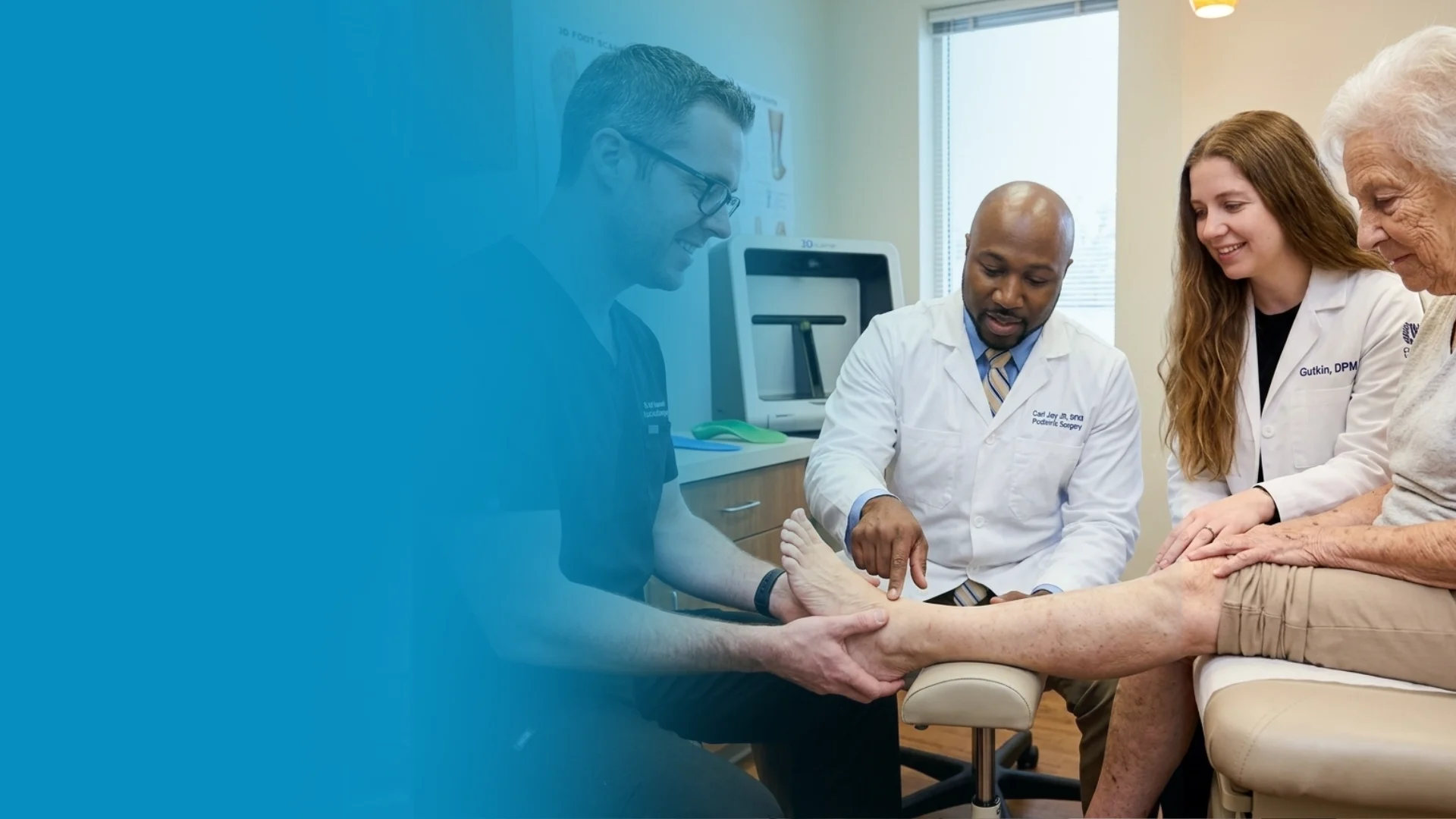

Watch: Fix TWISTED Ankle, ROLLED Ankle or SPRAINED Ankle Ligaments FASTER! — MichiganFootDoctors YouTube
Grade 3 Ankle Sprain: Quick Answer
A Grade 3 ankle sprain is a complete ligament tear – a severe injury requiring proper diagnosis and treatment to prevent chronic instability. We treat dozens of severe ankle sprains yearly at Balance Foot and Ankle. Here is the complete guide to Grade 3 ankle sprain recovery.
Grade 3 Definition
Grade 3 ankle sprain = complete tear of one or more ankle ligaments. Most commonly affected: Anterior talofibular ligament (ATFL); calcaneofibular ligament (CFL); posterior talofibular ligament (PTFL). Often associated with: ankle instability; sometimes minor avulsion fractures; rarely peroneal tendon injuries. Different from: Grade 1 (mild stretching) and Grade 2 (partial tear).
Symptoms
Classic Grade 3 presentation: Severe ankle pain with ankle inversion injury (rolling outward); sometimes audible “pop” or “snap”; significant swelling and bruising (often extensive); ankle instability (feels “loose”); inability to bear weight (90%+ of patients cannot put significant weight on injured ankle). RED FLAGS: Visible deformity (suggests fracture); cold pale foot (vascular injury); numbness (nerve injury). expert evaluation needed.
Diagnosis
Clinical exam: Significant tenderness over ligament location; positive anterior drawer test (anterior talofibular ligament tear); positive talar tilt test (calcaneofibular ligament tear); ankle instability on stress testing. Standard X-rays: Rule out associated fracture; usually negative for ligament injury. Stress X-rays: Show ankle instability with manual stress (sometimes performed). MRI: Best test – confirms complete ligament tears; identifies associated injuries.
Conservative Treatment (Most Cases)
Phase 1 (Week 0-2): Walking boot or cast; non-weight-bearing or partial weight bearing; ice; NSAIDs; elevation. Phase 2 (Week 2-6): Continue boot with progressive weight bearing; transition to lace-up or stirrup brace by week 6; physical therapy begins. Phase 3 (Week 6-12): Out of boot to athletic shoe with brace; PT focusing on strength and proprioception; gradual return to walking activities. Phase 4 (Months 3-6): Sport-specific drills; return to sport with continued bracing.
Surgical Treatment (Rare for Acute Sprain)
Indications: Failed conservative care 3-6 months; chronic ankle instability not responding to PT; high-level athletes wanting fastest return (controversial). Procedures: Brostrom-Gould procedure (most common); modified Brostrom; ligament reconstruction with tendon graft. Recovery: 4-6 months for sport return; longer than conservative care typically. Most acute Grade 3 sprains heal with conservative care.
Recovery Timeline
Pain control: 1-2 weeks. Walking in boot: 4-6 weeks. Out of boot to athletic shoe: 6-8 weeks. Walking distance: 8-10 weeks. Light running: 12-16 weeks. Cutting sports: 4-6 months. Final outcome: 6-12 months for full strength return. Brace use during sports often recommended for 6-12 months after recovery.
Common Complications
Chronic ankle instability: 20-40% of Grade 3 sprains develop chronic instability; needs structured rehabilitation. Recurrent sprains: Risk for years after initial injury. Anterior ankle impingement: Bone spurs or scar tissue at front of ankle. Peroneal tendon issues: Often coexist with chronic instability. Post-traumatic arthritis: Years later if instability not addressed.
Prevention of Chronic Issues
1. Proper acute treatment: walking boot, gradual weight bearing, structured PT. 2. Compliance with PT: proprioception and strengthening exercises essential. 3. Brace during sports: for at least 6-12 months post-injury, possibly longer for chronic instability. 4. Address biomechanics: custom orthotics for hindfoot alignment if needed. 5. Address foot deformities: high arches predispose to recurrent sprains. 6. Surgical reconstruction if chronic instability develops despite proper care.
Physical Therapy Protocol
Essential components: 1. Range of motion exercises: restore ankle mobility. 2. Strengthening: peroneal and tibialis posterior muscles. 3. Proprioception training: single-leg balance, BOSU ball, foam pad. 4. Plyometrics: jumping, hopping for sport-specific return. 5. Sport-specific drills: cutting, pivoting. Most patients need 6-12 weeks of PT for optimal recovery.
When to See a Podiatrist
See us for any suspected Grade 3 ankle sprain: severe pain after twisting injury; significant swelling and bruising; inability to bear weight; ankle feels loose or unstable; suspected need for advanced imaging or surgical evaluation. Book online 24/7 at Balance Foot and Ankle. In-office MRI referral as needed for complete diagnosis. Schedule online.
Podiatrist-Recommended Products


Frequently Asked Questions About Grade 3 Ankle Sprain
What is a Grade 3 ankle sprain?
Complete tear of one or more ankle ligaments (most commonly ATFL, CFL, PTFL). Severe injury with significant pain, swelling, bruising, ankle instability, and inability to bear weight in 90%+ of patients.
How long does Grade 3 ankle sprain take to heal?
Walking in boot 4-6 weeks; out of boot 6-8 weeks; light running 12-16 weeks; cutting sports 4-6 months; final outcome 6-12 months. Brace during sports for 6-12 months post-recovery.
Do Grade 3 ankle sprains need surgery?
Most heal with conservative treatment (walking boot, PT). Surgery considered for: failed 3-6 months conservative care; chronic ankle instability; high-level athletes wanting fastest return.
Can I walk on a Grade 3 ankle sprain?
Most patients cannot bear weight initially due to severe pain. Walking in boot starts week 4-6. Walking on uncovered Grade 3 sprain delays healing and increases chronic instability risk.
Whats the difference between Grade 1, 2, and 3 ankle sprains?
Grade 1: mild ligament stretching, minimal swelling, can bear weight. Grade 2: partial ligament tear, moderate swelling, painful weight bearing. Grade 3: complete ligament tear, severe swelling, cant bear weight.
Will I have permanent ankle instability after Grade 3 sprain?
20-40% develop chronic instability. Risk reduced by: proper acute treatment, structured PT, sports bracing for 6-12 months, addressing biomechanical issues, surgical reconstruction if conservative care fails.
What is Brostrom procedure?
Most common surgery for chronic ankle instability after failed conservative care. Repairs torn ligaments and reinforces with adjacent tissue. Recovery 4-6 months for sport return.
Related Resources from Balance Foot & Ankle
Still Dealing With Grade 3 Ankle Sprain?
Appointments at Balance Foot & Ankle in Howell & Bloomfield Township, MI.
Book Your Appointment⚠️ Most Common Mistake: Ignoring persistent foot pain and continuing normal activity without evaluation. Early podiatric care prevents minor foot issues from becoming chronic, difficult-to-treat conditions.
Frequently Asked Questions
In-Office Treatment at Balance Foot & Ankle
If home treatment isn’t providing relief for your foot or ankle condition, our podiatry team at Balance Foot & Ankle can help with expert evaluations and advanced in-office care.
Book online 24/7. (810) 206-1402
VitaMedica Arnica Gel
Arnica gel plus 15 plant compounds for sore feet, plantar fasciitis flares and post-activity soreness. Apply a thin layer to the sore area.
Shop VitaMedica Arnica Gel →🏥 Recommended by Dr. Biernacki — Foundation Wellness Products
These are the same products Dr. Biernacki recommends to his patients at Balance Foot & Ankle in Michigan. Available through our trusted partners.
OrthoInfo – AAOS: Sprained Ankle
Ready to Get Relief?
Book online 24/7 in Howell & Bloomfield Township, MI
4.9★ | 1,200+ Reviews | 3,000+ Surgeries
Or call: (810) 206-1402

Dr. Tom Biernacki, DPM is a board-certified foot & ankle surgeon (ABFAS & ABPM) at Balance Foot & Ankle Specialists in Southeast Michigan. With over a decade of clinical experience, he specializes in heel pain, bunions, diabetic foot care, sports injuries, and minimally invasive surgery. Dr. Biernacki is a member of the APMA and ACFAS, and his patient education content on MichiganFootDoctors.com and YouTube has made him one of the most-followed foot & ankle educators on YouTube.