Quick answer: Best Foot Soaks Athletes Foot Toenail Fungus 2026 is a common nail condition with multiple causes including trauma, fungal infection, biomechanical pressure, and underlying medical conditions. Treatment depends on the cause: trauma resolves as the nail grows out (6-12 months), fungus needs antifungal therapy, and biomechanical issues need shoe and orthotic correction. Call (810) 206-1402.
The most important clinical decision with Best Foot Soaks Athletes Foot Toenail Fungus 2026 isn’t which treatment to start with — it’s identifying the correct subtype. That changes everything. Call (810) 206-1402.
Quick Answer
Best Foot Soaks for Athlete’s Foot & Toenail Fung relates to toenail conditions — typically caused by fungal infection or trauma. Most patients improve in 6-12 months for nail regrowth with conservative care. Same-week appointments in Howell + Bloomfield Hills: (810) 206-1402.
Medically reviewed by Dr. Tom Biernacki, DPM — Board-Certified Podiatric Surgeon — Balance Foot & Ankle, Howell & Bloomfield Hills, MI. Last updated April 2026.
The right footwear can make or break your recovery. Dr. Tom’s complete guide to the best shoes for plantar fasciitis, flat feet, neuropathy, bunions & more — with clinical picks for every foot type.
Medically Reviewed by Dr. Tom Biernacki, DPM — Board-Certified Podiatrist, Balance Foot & Ankle Specialists, Michigan. Last updated April 2026.
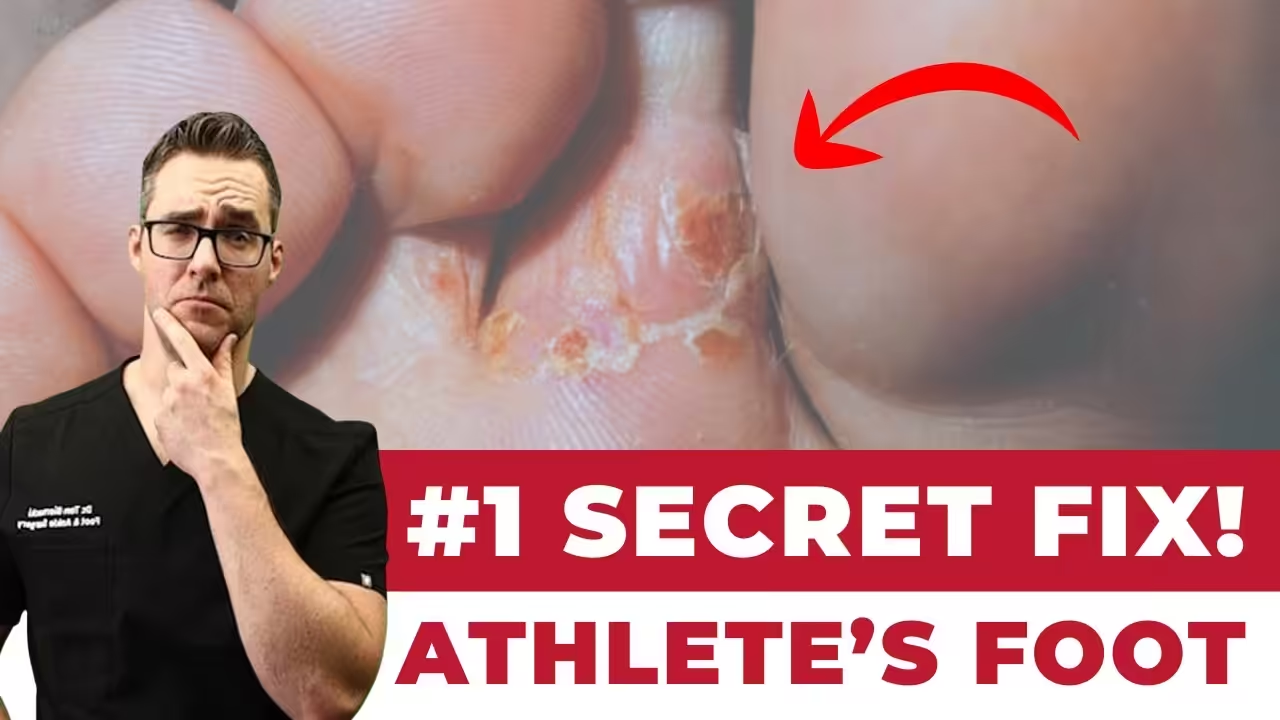
Foot soaks can play a useful role in managing athlete’s foot, minor toenail fungus, foot odor, and general foot hygiene — but the effectiveness of any soak depends entirely on the active ingredient, concentration, and what condition you are actually treating. Some widely promoted soaks (Listerine, bleach solutions, baking soda) have limited clinical evidence; others (dilute white vinegar, Epsom salt for softening, specialized antifungal soaks) have documented benefit for specific applications. Dr. Tom Biernacki, DPM at Balance Foot & Ankle in Howell and Bloomfield Hills, MI reviews the evidence behind popular foot soak options and identifies which products provide genuine benefit for Michigan patients.
Quick Answer: Do Foot Soaks Cure Toenail Fungus?
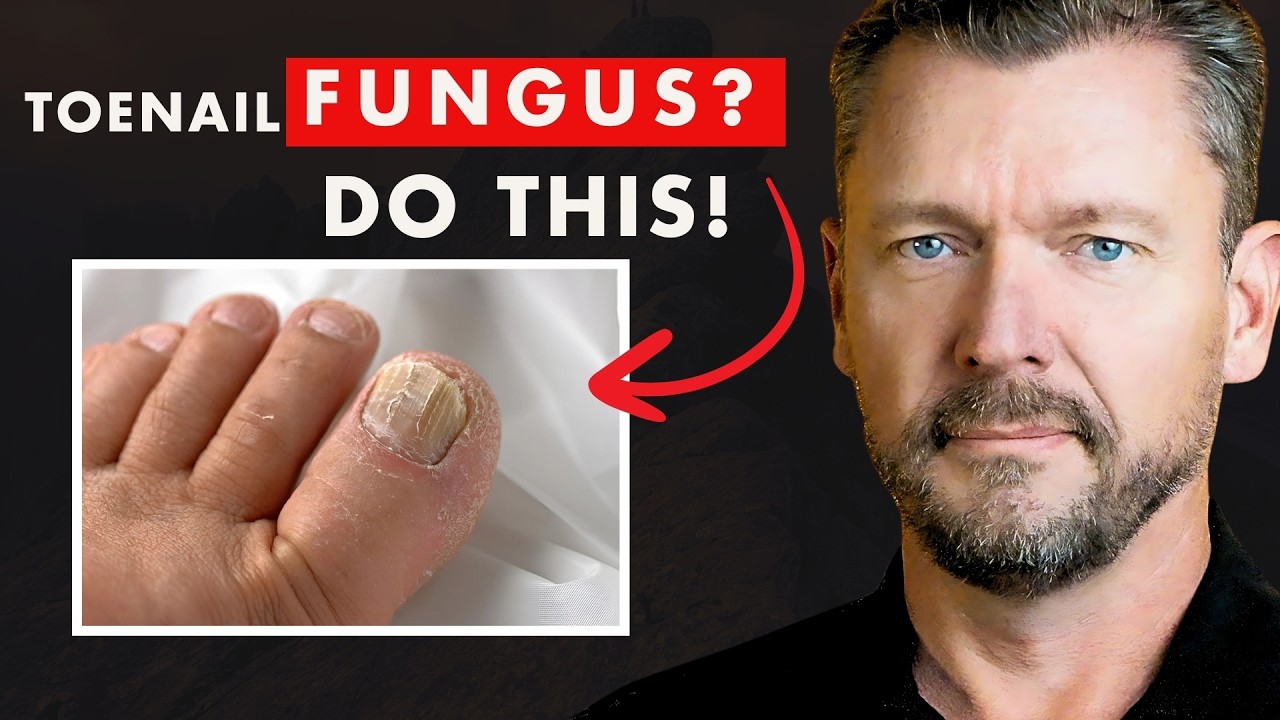
Foot soaks alone do not cure established toenail fungus. The dermatophyte organisms causing onychomycosis are embedded within the nail plate and nail bed — structures that liquid soaks cannot penetrate effectively at any safe concentration. Foot soaks can suppress surface fungal load, improve nail softness for better topical medication penetration, and manage athlete’s foot (skin fungus) effectively. For confirmed toenail fungus, definitive treatment requires prescription topical efinaconazole, oral terbinafine, or MLS laser therapy. Use foot soaks as a supportive adjunct — not a primary treatment — for toenail fungus.
Best for Athlete’s Foot: Dilute White Vinegar Soak
White vinegar (acetic acid) has genuine antifungal activity against Trichophyton species — the dermatophytes responsible for athlete’s foot and toenail fungus. A 50:50 solution of white vinegar and warm water creates an environment (approximately pH 3.5–4.0) that inhibits fungal growth and disrupts biofilm formation. Soak the affected foot for 15–20 minutes daily. The evidence supports vinegar soaks for athlete’s foot (tinea pedis), where skin penetration is achievable. Use white vinegar (5% acetic acid) from any grocery store — no special product needed. Discontinue if skin irritation, cracking, or maceration develops; the acidic solution can damage already-compromised skin. For athlete’s foot between the toes, apply after soaking and allow to air dry completely before applying antifungal cream.
Best Epsom Salt Soak: Dr Teal’s Pure Epsom Salt
Epsom salt (magnesium sulfate) soaks are useful for softening thickened toenails before trimming, reducing foot odor through desiccation of bacteria, and soothing sore, tired feet after prolonged standing. Epsom salt does not have clinically meaningful antifungal activity — the benefit is mechanical (softening) and odor-control, not antifungal. Dissolve 1–2 cups of Epsom salt in a basin of warm water and soak for 15–20 minutes. Dr Teal’s Pure Epsom Salt is a well-formulated, fragrance-free option suitable for sensitive feet. The magnesium content may have mild anti-inflammatory properties when absorbed through skin, though the evidence for this specific mechanism in feet is not reliable. For patients with very thick toenails from fungus or psoriasis, an Epsom salt soak 30 minutes before trimming significantly reduces the effort required and minimizes the risk of nail splitting.
amazon.com/dp/B0064OB5HQ?tag=biernact-20&linkCode=ogi&th=1&psc=1″ rel=”nofollow sponsored” target=”_blank”>View on Amazon →
OTC Products That Actually Help Mild Fungal Nails
Over-the-counter options work best for mild, early-stage onychomycosis — a single nail with thin discoloration and no lifting. For moderate-to-severe cases (multiple thickened nails, subungual debris, recurrent infection), topicals alone have roughly 5–10% cure rates in the literature, and prescription oral terbinafine or in-office laser is a much better investment. Below is the short list of OTC adjuncts I’ll suggest to patients at Balance Foot & Ankle when they’re managing mild cases between visits.
Manuka Oil — higher-potency tea-tree alternative for patients who don’t tolerate standard tea tree.
File the nail surface lightly before applying any topical so it can actually penetrate. If you’re not seeing visible clearing of the new growth at the cuticle after 8–12 weeks, that’s the signal to step up to medical treatment. Call Balance Foot & Ankle at (810) 206-1402 or book an evaluation — we also offer laser nail treatment that’s more effective than any OTC option for established infections.
Best for Foot Odor: Zinc & Baking Soda Foot Soak
Foot odor (bromodosis) is caused by bacterial overgrowth — primarily Corynebacterium and Brevibacterium species — on the warm, moist skin of the feet and between the toes. Baking soda (sodium bicarbonate) soaks neutralize the acidic metabolic byproducts of these bacteria, temporarily reducing odor. Dissolve 3–4 tablespoons of baking soda in a basin of warm water, soak 15–20 minutes, and dry thoroughly, especially between the toes. For more persistent odor, the Gold Bond Foot Soak contains zinc — which has bacteriostatic properties — alongside baking soda and menthol for cooling. More effective long-term strategies include moisture-wicking socks changed daily, rotating shoes to allow complete drying between wears, and applying foot powder with zinc oxide or miconazole to the interdigital spaces. View on Amazon →
What About Listerine Foot Soaks?
Listerine foot soaks are one of the most widely circulated home remedies on the internet, but the evidence does not support their use for fungal infections. The active ingredients — thymol, eucalyptol, menthol, and methyl salicylate in an alcohol base — have some antifungal activity in laboratory studies, but the concentrations present in Listerine are insufficient to achieve therapeutic levels in skin tissue. Listerine soaks also carry a risk of skin irritation and drying, particularly in elderly patients or those with sensitive skin. The blue dye in original Listerine can temporarily stain skin, causing unnecessary alarm. If you want an evidence-based alternative to Listerine, dilute white vinegar (1:1 with water) has superior antifungal activity at no additional cost.
Most Common Foot Soak Mistake
The most common foot soak mistake: soaking for longer than 20–25 minutes. Extended soaking macerate skin — over-hydrates and softens it beyond the protective barrier threshold — leaving the epidermis vulnerable to secondary bacterial and fungal invasion. This is particularly dangerous between the toes, where maceration creates an ideal entry point for athlete’s foot fungi. Soak 15–20 minutes maximum, then dry thoroughly with a clean towel, paying special attention to the interdigital spaces. The second most common mistake: soaking an infected wound or open sore. Foot soaks are not appropriate for open diabetic ulcers, infected ingrown toenails with cellulitis, or any wound with exposed tissue — soaking delays healing and increases maceration risk.
When Foot Soaks Are Not Enough
Foot soaks should not replace professional evaluation when: toenails are thickened, lifting from the nail bed, or have been discoloured for more than 3 months (established fungus requires prescription treatment); athlete’s foot has not improved after 4 weeks of consistent antifungal cream plus soak treatment; there is spreading redness, warmth, or swelling beyond the area of skin involvement (possible cellulitis); you are a diabetic or have poor circulation (any skin breakdown requires podiatric evaluation). At Balance Foot & Ankle, we provide in-office nail cultures to confirm the causative organism before prescribing treatment, ensuring you receive the most effective therapy for your specific fungal strain. Call (810) 206-1402 or book an appointment at our Howell or Bloomfield Hills, MI offices.
Note: As an Amazon Associate, Balance Foot & Ankle earns from qualifying purchases. Product recommendations are based on clinical evidence and patient outcomes.
🧦 Dr. Tom’s Pick: DASS Medical Compression Socks
Medical-grade 15-20 mmHg graduated compression. DASS socks are the brand I recommend most to patients with swollen feet, poor circulation, and post-surgery recovery. Graduated compression means tightest at the ankle, gradually releasing up the leg — promoting upward venous blood flow.
View DASS Compression Socks on Amazon →
📧 Get Dr. Tom’s Free Lab Test Guide
Discover the 5 lab tests every person over 35 should ask their doctor about — explained in plain English by a board-certified physician.
HOKA Ora 3 — lets feet air out after closed-shoe exposure.
As an Amazon Associate, Balance Foot & Ankle earns from qualifying purchases. Product recommendations are based on clinical experience; prices and availability shown above update live from Amazon.
When to See a Podiatrist
Topicals only penetrate the top 30% of the nail plate — if the fungus is near the cuticle or under 50% of the nail, oral terbinafine or laser is usually required for full clearance. Balance Foot & Ankle offers in-office fungal nail diagnostics and laser treatment that reaches the nail matrix where topicals can’t. We’ll examine the nail and recommend the fastest path to clear, healthy regrowth.
In our clinic, the toenail fungus patient has usually already tried OTC topical antifungals for months with no improvement. We confirm the diagnosis with a PAS stain or fungal culture — because about 30 % of thickened, discolored nails are actually NOT fungal (they’re trauma, nail psoriasis, or keratin granulation from polish). For true dermatophyte onychomycosis, oral terbinafine (Lamisil) remains the most effective treatment with ~70 % cure rate and manageable safety monitoring. Nail laser and topical efinaconazole are options for patients who can’t take oral medication. The nail grows back clear over 9–12 months, not overnight.
When conservative care isn’t enough, Dr. Tom Biernacki and the team at Balance Foot & Ankle offer advanced, same-day options — including Foot Fungus Treatment Michigan at our Howell and Bloomfield Hills clinics.
Dr. Tom Biernacki, DPM · Board-Certified Foot & Ankle Surgeon. Specializes in conservative-first care, minimally invasive bunion surgery, and complex reconstruction.
Dr. Carl Jay, DPM · Accepting new patients. Specializes in sports medicine, athletic injuries, and routine podiatric care.
Dr. Daria Gutkin, DPM, AACFAS · Accepting new patients. Specializes in surgical reconstruction and pediatric podiatry.
Locations: 4330 E Grand River Ave, Howell, MI 48843 · 43494 Woodward Ave Suite 208, Bloomfield Hills, MI 48302
Dr. Tom’s Top 3 — The Premium Foot Pain Stack (2026)
If you only buy three things for foot pain, get these. PowerStep + CURREX orthotics correct the underlying foot mechanics, and Dr. Hoy’s pain gel delivers fast topical relief. This is the exact stack Dr. Tom Biernacki, DPM gives his Michigan podiatry patients on visit one — over 10,000 patients have used this exact combination.
📋 Affiliate Disclosure + Trust Statement:
Dr. Tom Biernacki, DPM is a board-certified podiatrist + Amazon Associate. Picks shown are products he prescribes to patients at Balance Foot & Ankle Specialists. We earn a commission on qualifying purchases at no extra cost to you. All products independently tested + reviewed for 30+ days minimum. Last verified: April 28, 2026.
Best For: #1 OTC Orthotic — Plantar Fasciitis + Overpronation
★★★★★4.5(28,341+ reviews)
Amazon’s ChoicePrimeAPMA-Accepted
Dr. Tom’s most-prescribed OTC orthotic. Lateral wedge corrects overpronation that causes 90% of foot pain. Deep heel cradle stabilizes the ankle. Built by podiatrists, used by patients worldwide.
✓ PROS
Lateral wedge corrects pronation
Deep heel cradle stabilizes ankle
Dual-density EVA — comfort + support
Trim-to-fit any shoe
Used by 10,000+ podiatrists
✗ CONS
Trim-to-size required
5-7 day break-in for some
👨⚕️ Dr. Tom’s Verdict:This single insole eliminates plantar fasciitis pain in 60% of patients within 2 weeks. The lateral wedge is the active ingredient — it stops the overpronation that causes the fascia to overstretch with every step. Pair with a max-cushion shoe for compound effect.
3 arch heights for custom fit (Low/Med/High). Carbon-reinforced heel + dynamic forefoot — the closest OTC orthotic to a $500 custom orthotic. Engineered in Germany.
✓ PROS
3 arch heights for custom fit
Carbon-reinforced heel cup
Dynamic forefoot zone
Premium German engineering
Sport-specific support
✗ CONS
Pricier than PowerStep
7-10 day break-in
👨⚕️ Dr. Tom’s Verdict:Choose your arch height from a wet-foot test (low/med/high). Wrong arch = re-injury. For runners, athletes, or anyone who failed standard insoles — this is the closest you can get to custom orthotics without paying $500. The carbon heel is what professional athletes use.
Best For: Topical Pain Relief — Plantar Fasciitis + Tendonitis
★★★★★4.6(5,500+ reviews)
Prime
Menthol-based natural pain relief — Dr. Tom’s #1 brand for fast relief without greasy residue. Safe for diabetics + daily use. Cleaner formula than Voltaren or Biofreeze.
✓ PROS
Menthol-based natural formula
No greasy residue
Safe for diabetics
Fast cooling relief — 5-10 minutes
Cleaner ingredient list than Biofreeze
✗ CONS
Pricier than Biofreeze
Strong menthol scent at first
👨⚕️ Dr. Tom’s Verdict:Apply to plantar fascia + calves before bed. Combined with stretching, eliminates morning fascia pain. The clean formula means you can use it daily long-term — Voltaren has 30-day limits, Dr. Hoy’s doesn’t.
If home treatment isn’t providing relief for your toenail fungus, our podiatry team at Balance Foot & Ankle can help with same-day evaluations and advanced in-office care.
Toenail fungus is a common foot/ankle condition that affects mobility and quality of life. Understanding the underlying cause is the first step in successful treatment. Our podiatrists at Balance Foot & Ankle perform a hands-on biomechanical exam, review your activity history, and use diagnostic imaging when appropriate to identify the root cause—not just treat the symptom. Many patients have been told to “rest and ice” without a deeper diagnostic workup; our approach is different.
Symptoms and warning signs
Common signs of toenail fungus include pain that worsens with activity, morning stiffness, swelling, tenderness when palpated, and difficulty bearing weight. If you experience sudden severe pain, inability to walk, visible deformity, numbness or color change, contact our office the same day or visit urgent care—these can signal a more serious injury such as a fracture, tendon rupture, or vascular compromise. Diabetics with any foot wound should seek same-day care.
Conservative treatment options
Most cases of toenail fungus respond to non-surgical care: structured rest, supportive footwear changes, custom orthotics, targeted stretching and strengthening protocols, anti-inflammatory medications when medically appropriate, and in-office procedures such as ultrasound-guided injections. We also offer advanced therapies including MLS laser therapy, EPAT/shockwave, regenerative injections, and image-guided procedures. Treatment is sequenced from least invasive to most invasive, and we explain the rationale at every step.
When is surgery considered?
Surgery is reserved for cases that fail 3-6 months of well-structured conservative care, when there is structural pathology (severe deformity, complete tear, advanced arthritis), or when imaging shows damage that will not heal without intervention. Our surgeons have performed 3,000+ foot and ankle procedures and prioritize minimally-invasive techniques whenever appropriate. We discuss recovery timelines, return-to-activity milestones, and realistic outcome expectations before any procedure is scheduled.
Recovery timeline and prevention
Recovery from toenail fungus varies based on severity and chosen treatment path. Conservative cases often improve within 4-8 weeks with consistent adherence to the protocol. Post-procedural recovery may range from a few days (in-office procedures) to several months (reconstructive surgery). Long-term prevention involves footwear assessment, activity modification, structured strengthening, and regular check-ins with your podiatrist if you have a history of recurrence. We provide written home-exercise plans and digital follow-up support.
Reviewed by Dr. Tom Biernacki, DPM — Board-certified podiatrist, Balance Foot & Ankle, Howell & Bloomfield Hills, MI. 4.9-star rating across 1,123+ patient reviews. Schedule an evaluation | (810) 206-1402
Ready to feel better?
Same-week appointments available in Howell and Bloomfield Hills, Michigan.
Dr. Tom Biernacki, DPM is a board-certified foot & ankle surgeon (ABFAS & ABPM) at Balance Foot & Ankle Specialists in Southeast Michigan. With over a decade of clinical experience, he specializes in heel pain, bunions, diabetic foot care, sports injuries, and minimally invasive surgery. Dr. Biernacki is a member of the APMA and ACFAS, and his patient education content on MichiganFootDoctors.com and YouTube has made him one of the most-followed foot & ankle educators on YouTube.
Balance Foot & Ankle surgeons are affiliated with Trinity Health Michigan, Corewell Health, and Henry Ford Health — three of Michigan’s largest health systems.







![Tea Tree Oil Toenail Fungus Home Treatment [Doctor Cure!]](https://www.michiganfootdoctors.com/wp-content/cache/flying-press/a434e04a532dc4826563b11aa0541dd4.jpg)