
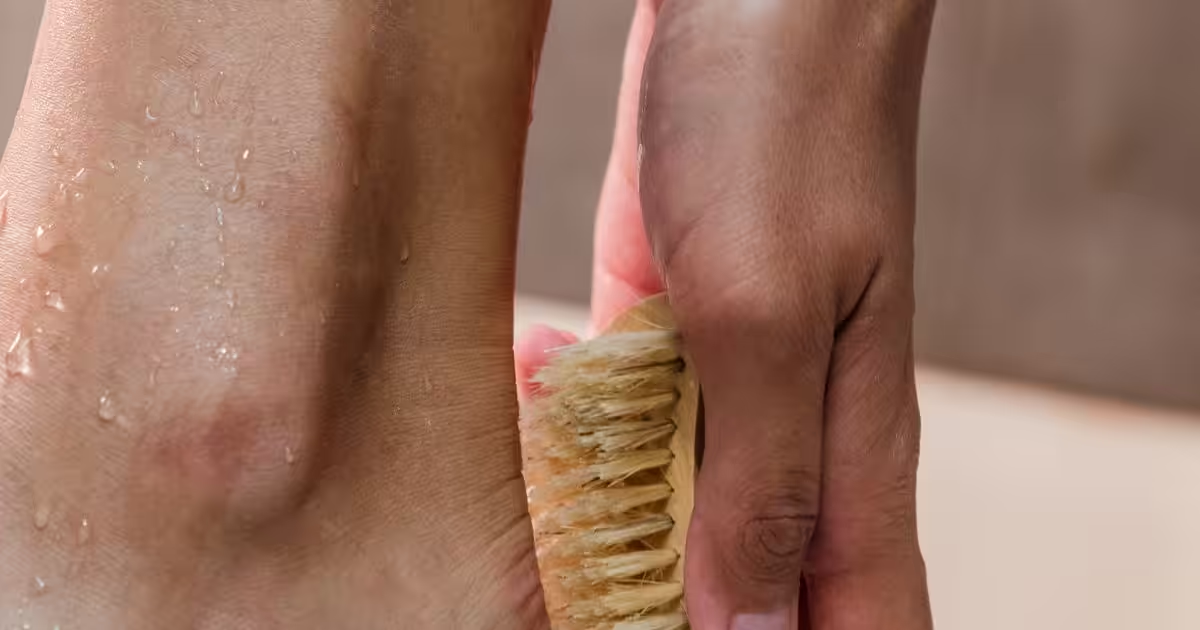
Quick answer: Athlete’s foot (tinea pedis) is a fungal skin infection that causes itching, burning, peeling, and cracked skin — most often between the toes. Mild cases usually clear with 2–4 weeks of an over-the-counter antifungal cream and strict foot hygiene. If it isn’t improving after 2 weeks, keeps coming back, involves your toenails, or you have diabetes, a podiatrist can prescribe stronger treatment and stop the cycle.
Ready to be seen? Book a real appointment time online, 24/7 — Howell or Bloomfield Township. Takes about a minute, 24/7.
Medically reviewed by Dr. Tom Biernacki, DPM, FACFAS — Balance Foot & Ankle, Howell & Bloomfield Township, MI. Same-week appointments: book online, or call (810) 206-1402.
What Is Athlete’s Foot?
Athlete’s foot is a contagious infection of the skin caused by dermatophyte fungi — the same family of fungi behind toenail fungus and ringworm. The fungus thrives in warm, damp environments: sweaty shoes, locker rooms, pool decks, and shared showers. Despite the name, you don’t have to be an athlete to get it; anyone whose feet stay warm and moist for long stretches of the day is at risk.
We see three common patterns in our Michigan offices:
- Between the toes (interdigital): the most common type — itchy, macerated, peeling skin, usually between the fourth and fifth toes.
- Moccasin type: chronic dry, scaly, thickened skin across the sole and heel that is often mistaken for simple dry skin. This type frequently spreads into the toenails.
- Vesicular type: sudden crops of small, fluid-filled blisters, usually on the arch or sole.
Symptoms and Warning Signs
Typical symptoms include itching or burning (worst right after removing shoes and socks), red or scaly patches, peeling or cracking skin between the toes, an unpleasant odor, and in moccasin-type infections, dry flaking skin along the sole that lotion never fixes. Scratching can spread the fungus to your hands, groin, or the other foot.
Seek care promptly if you notice: spreading redness or swelling, warmth, pus, red streaks up the foot or leg, fever, or an open crack that won’t close. These are signs the fungal infection has opened the door to a bacterial infection (cellulitis), which needs same-day medical attention. If you have diabetes, neuropathy, or poor circulation, treat any athlete’s foot as a medical issue, not a nuisance — small skin cracks are a leading entry point for the serious foot infections we work hard to prevent. Same-week appointments are available at our Howell and Bloomfield Township offices — call (810) 206-1402.
How to Treat Athlete’s Foot at Home
Mild, first-time athlete’s foot usually responds well to consistent home treatment:
- Use an over-the-counter antifungal daily. Terbinafine cream (Lamisil AT) typically works in 1–2 weeks; clotrimazole or miconazole creams usually need a full 4 weeks. Apply to clean, fully dried feet, and continue for at least one week after the skin looks normal — stopping early is the #1 reason it comes back.
- Keep feet dry. Dry carefully between the toes after every shower, change socks whenever they’re damp, and choose moisture-wicking socks over cotton.
- Rotate and treat your shoes. Alternate pairs so each has 24–48 hours to dry out, and use an antifungal powder or spray inside shoes — reinfection from shoes is extremely common.
- Protect your feet in shared spaces. Wear sandals in locker rooms, gym showers, and around pools, and don’t share towels or nail tools.
If you’ve done all of this for 2 weeks and the rash isn’t clearly improving — or it keeps returning every few months — the infection is usually deeper than creams can reach, or your toenails are re-seeding it. That’s the point where an in-office evaluation saves you months of frustration. Book your visit online.
When to See a Podiatrist
- No real improvement after 2 weeks of over-the-counter treatment, or symptoms that return soon after stopping
- Thickened, yellow, or crumbly toenails alongside the skin infection — a sign of toenail fungus, which needs its own treatment plan
- You have diabetes, peripheral neuropathy, or poor circulation — see us at the first sign of skin breakdown (our diabetic foot care program exists for exactly this)
- Painful cracks (fissures), blisters, or any sign of bacterial infection
- You’re simply not sure it’s athlete’s foot — eczema, psoriasis, and contact dermatitis mimic it, and treating the wrong condition wastes weeks
How We Treat Stubborn Athlete’s Foot at Balance Foot & Ankle
At our Howell and Bloomfield Township offices, treatment starts with confirming the diagnosis — when the picture isn’t clear, a quick skin scraping tells us whether we’re truly dealing with fungus. From there, your plan may include prescription-strength topical antifungals, a short course of oral antifungal medication for moccasin-type or recurrent infections (prescribed and monitored by your doctor), treatment of infected toenails so they stop re-seeding the skin, medicated drying agents for sweaty feet, and a personalized prevention routine built around your work, sports, and footwear. If cracked skin has led to a bacterial infection, we treat that the same day.
Most patients are surprised how fast the right treatment works after months of fighting it with store creams — and most insurance plans, including Medicare, cover these visits. See our insurance page for the full list.
Frequently Asked Questions
How long does athlete’s foot take to go away?
With consistent over-the-counter treatment, mild cases between the toes typically clear in 2–4 weeks. Moccasin-type infections on the sole often take longer and frequently need prescription treatment. Whatever you use, continue treatment at least a week past the last visible symptoms to prevent relapse.
Why does my athlete’s foot keep coming back?
The usual culprits are stopping treatment too early, reinfection from untreated shoes, and fungal toenails acting as a reservoir that re-seeds the skin. A podiatrist can break the cycle by treating the nails and skin together and building a prevention routine that fits your daily life.
Is athlete’s foot contagious?
Yes. It spreads through direct contact and through contaminated floors, towels, socks, and shoes. Wear sandals in shared wet areas, keep your own towel, and treat the infection promptly to protect the people you live with.
Is it athlete’s foot or just dry skin?
If “dry skin” on your soles never improves with moisturizer, itches, or comes with any peeling between the toes or nail changes, suspect moccasin-type athlete’s foot. This is one of the most commonly missed fungal infections we diagnose — a quick exam settles it.
Do you treat athlete’s foot near me?
Yes — Balance Foot & Ankle treats athlete’s foot and fungal nail infections at 4330 E Grand River Ave, Howell, MI 48843 and 43494 Woodward Ave #208, Bloomfield Township, MI 48302, serving Livingston and Oakland County. Same-week appointments are usually available.
Stop the Itch for Good
If athlete’s foot is hanging on, spreading, or keeps coming back, we’ll find out why and fix it — usually in one or two visits. Book online at our Howell or Bloomfield Township office, or call (810) 206-1402. 4.9★ from 1,123+ patient reviews on Google.