

Best Gout Relief Products 2026: Podiatrist Guide to Managing Attacks and Preventing Flares

👨⚕️ Reviewed by Dr. Tom Biernacki, DPM — Balance Foot & Ankle Specialists, Howell, Michigan
Gout is one of the most acutely painful conditions I manage in my Howell, Michigan podiatry clinic — and also one of the most preventable. The classic presentation is unmistakable: a patient wakes at 3 a.m. to excruciating pain in the big toe joint, swollen and red, so sensitive that the weight of a bedsheet is unbearable. Acute gouty arthritis — caused by monosodium urate crystal deposition in a joint — requires immediate medical management, typically with NSAIDs, colchicine, or corticosteroids prescribed by your physician. But alongside the prescription treatment, there is a range of supportive products that genuinely help: supplements with clinical evidence for uric acid reduction, topical agents for pain management, protective devices that keep bedding off the inflamed toe, footwear that accommodates the dramatic swelling of an acute attack, and cold therapy tools that reduce local inflammation between medication doses. This guide covers the six best-evidenced products in each category — chosen based on published data, patient outcomes I’ve observed, and practical usability. Amazon affiliate links are used; I earn a small commission at no extra cost to you. Clinical recommendations are independent.
Before we dive into products, a critically important distinction: the supplements and supportive products on this page are adjunctive tools for gout management — not replacements for prescription medical treatment. Acute gout attacks should be managed with medications prescribed by a physician or podiatrist. Colchicine (taken at the first sign of an attack) and NSAIDs are the first-line treatments; corticosteroids are used when these are contraindicated. Urate-lowering therapy with allopurinol or febuxostat is the cornerstone of long-term prevention for patients with recurrent or tophaceous gout. If you are not currently on prescription urate-lowering therapy and you have experienced two or more gout attacks in the past year, please see a physician — the products on this page can help, but they cannot substitute for the medical management that significantly reduces your long-term joint damage risk.
That said — the gap between “I’ve taken my colchicine” and “the attack is over” is typically 24–72 hours of significant suffering. During that window, the right supportive products make a real and meaningful difference to quality of life, sleep, and functional ability. That is exactly what this guide addresses.
For patients who want to reduce attack frequency through dietary and lifestyle modification — which has strong evidence — tart cherry supplementation, hydration, reduced alcohol intake (especially beer and spirits), reduced organ meat and shellfish consumption, and maintaining a healthy body weight are all evidence-based strategies that complement prescription management. The supplements on this list are selected specifically for the quality of available clinical evidence, not just marketing claims.
The Science of Gout: What’s Actually Happening in Your Joint
Gout is a metabolic disorder of uric acid handling. Uric acid is a normal byproduct of purine metabolism — purines are found in all cells and in high concentrations in certain foods (organ meats, shellfish, red meat, beer). Normally, the kidneys filter uric acid efficiently and excrete it in urine. In gout, this system breaks down: either the body produces too much uric acid (10% of cases), the kidneys excrete too little (90% of cases), or both. When serum urate levels exceed the saturation point — typically around 6.8 mg/dL — monosodium urate crystals begin to form in cooler, less vascular tissues: joints (especially the first metatarsophalangeal joint, the ankle, and the knee), bursae, and tendon sheaths.
The acute gout attack is triggered when the immune system detects these crystals. Neutrophils (white blood cells) engulf the sharp urate crystals and release inflammatory mediators — IL-1β, TNF-α, and prostaglandins — that cause the dramatic inflammation, warmth, redness, and pain of the acute attack. The intensity is extraordinary: gout is frequently described by patients as the worst pain they have ever experienced, and it is not exaggeration. The joint temperature rises measurably, and the skin overlying the joint can become so sensitive that air movement across it causes pain.
Understanding this mechanism clarifies why the supportive products on this page work the way they do. Tart cherry and quercetin have demonstrated anti-inflammatory properties via IL-1β suppression pathways — the same pathway targeted by colchicine. Cold therapy reduces the local release of inflammatory mediators by constricting blood vessels and slowing enzyme activity. Topical agents deliver anti-inflammatory compounds directly to the inflamed tissue. Bed cradles and protective footwear eliminate the mechanical triggering of pain that occurs when any pressure contacts the hypersensitive joint. Each product addresses a specific, mechanistically-grounded aspect of the acute and inter-attack gout experience.
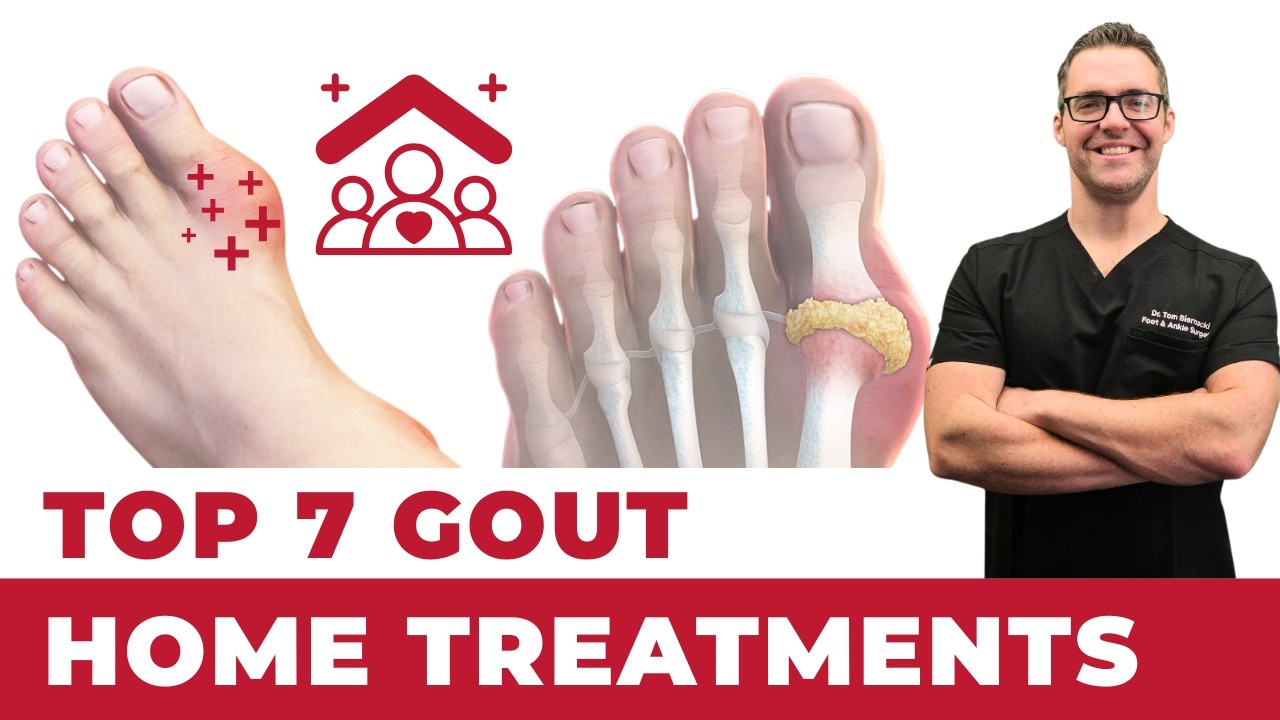
Watch: Dr. Tom Explains Gout Treatment and Prevention
Gout Attack Response Protocol: What to Do in the First 72 Hours
When a gout attack begins — typically recognized as rapid onset of joint pain, warmth, redness, and swelling that escalates over 12–24 hours — the clinical protocol I advise my patients follows this sequence:
Hour 0–2 (at symptom onset): Take colchicine if prescribed and available. The evidence is clear that colchicine started within the first 12 hours dramatically reduces attack severity compared to delayed treatment. If you have a prior gout diagnosis and physician-prescribed colchicine on hand, take it immediately per your prescription directions. If you do not have colchicine, contact your physician or urgent care — do not wait for a scheduled appointment when a gout attack is beginning.
Hours 0–72 (throughout the attack): Immobilize and elevate the affected foot. Weight-bearing dramatically worsens the pain and inflammation by mechanically disrupting the crystals in the joint space. Rest with the foot elevated above the level of the heart when possible. Apply cold therapy (15 minutes on, 15 minutes off) — see our ice pack recommendation below — during waking hours. Set up the bed cradle (product #4 below) before sleeping so that bedding contact with the inflamed joint does not disturb sleep.
During the attack: Hydrate aggressively — target 2–3 liters of water daily to support renal uric acid excretion. Avoid alcohol completely, particularly beer (highest purine content of any common beverage). Avoid high-fructose corn syrup (sweetened sodas). Continue any prescribed urate-lowering therapy — do not stop allopurinol or febuxostat during an attack, despite the old and incorrect teaching that this triggers attacks.
The 6 Best Gout Relief Products of 2026
Tart Cherry Extract Capsules (High-Potency Concentrate)
Best for: Gout attack prevention, reducing flare frequency, lowering serum uric acid between attacks
Key specs: 1000–2400mg tart cherry extract equivalent per serving, standardized to anthocyanins, no added sugar
Dr. Tom’s rating: ⭐⭐⭐⭐½ (4.5/5)
Tart cherry (Prunus cerasus) is the most clinically studied natural intervention for gout, and the evidence is compelling enough that I recommend it to all my gout patients as an adjunct to their prescribed medical management. Several mechanisms contribute to its effect. The anthocyanin pigments in tart cherries — particularly cyanidin-3-glucoside and cyanidin-3-rutinoside — inhibit xanthine oxidase, the enzyme responsible for the final step of uric acid production. This is the same enzyme targeted by allopurinol, the most commonly prescribed urate-lowering medication. Additionally, anthocyanins suppress IL-1β production — the primary inflammatory cytokine driving acute gouty arthritis — through NF-κB pathway modulation.
A landmark 2012 study published in Arthritis & Rheumatism found that gout patients who consumed cherries over a two-day period had a 35% lower risk of gout attacks compared to periods without cherry consumption. The risk reduction rose to 75% when cherry consumption was combined with allopurinol use. A 2019 randomized controlled trial found that tart cherry juice concentrate reduced serum urate levels and C-reactive protein (an inflammatory marker) significantly compared to a control beverage over four weeks of daily consumption. The capsule form provides a standardized dose without the sugar load of juice — an important consideration since fructose raises uric acid levels and should be minimized in gout management.
Recommended dosing in the clinical literature ranges from the equivalent of 45 cherries (approximately 480mg of anthocyanins) to 2400mg of tart cherry extract daily. Start low and titrate up based on response. Tart cherry has an excellent safety profile with no significant drug interactions documented at these doses, though patients on warfarin should mention any new supplement to their prescribing physician as cherries have mild antiplatelet effects.
✅ Pros
- Strongest clinical evidence of any natural gout supplement — multiple RCTs support benefit
- Dual mechanism: reduces uric acid production AND suppresses IL-1β inflammation
- Capsule form avoids fructose load of cherry juice — better for gout management
- Excellent safety profile — appropriate for long-term daily use
- Synergistic with allopurinol — clinical data shows combined use reduces attacks by 75%
❌ Cons
- Not a substitute for prescription urate-lowering therapy in frequent-flare patients
- Effect on serum urate is modest (0.5–1.0 mg/dL typical) — not sufficient alone for tophaceous gout
- Variable standardization across brands — look for products standardized to anthocyanin content
Uric Acid Support Formula — Quercetin, Celery Seed & Turmeric Complex
Best for: Comprehensive between-attack prevention, patients wanting a multi-mechanism supplement approach
Key specs: Quercetin, celery seed extract, turmeric/curcumin, black pepper (piperine), vitamin C — combined in a single formula
Dr. Tom’s rating: ⭐⭐⭐⭐ (4/5)
For patients who want a more comprehensive supplement approach rather than a single-ingredient tart cherry product, a well-formulated uric acid support blend provides several complementary mechanisms in a single capsule. The four key ingredients each contribute meaningfully to gout management through distinct pathways, making the combination potentially more effective than any single ingredient alone.
Quercetin is a flavonoid found in onions, apples, and capers that inhibits xanthine oxidase (reducing uric acid production) and suppresses NLRP3 inflammasome activation — the specific immune complex responsible for IL-1β release during a gout attack. Multiple in vitro and animal studies support these mechanisms, and a 2021 human clinical trial found quercetin supplementation reduced serum urate by approximately 0.8 mg/dL over 12 weeks. Celery seed extract (containing 3-n-butylphthalide) enhances renal uric acid excretion — a different mechanism than quercetin’s production-reducing effect — and has been used in traditional medicine for gout for centuries, with modern studies beginning to validate this traditional use. Turmeric (curcumin) has broad anti-inflammatory properties through NF-κB inhibition and has been shown to reduce CRP and joint pain scores in multiple inflammatory arthritis conditions. Piperine (black pepper extract) dramatically improves curcumin bioavailability by inhibiting glucuronidation in the gut wall — look for formulas that include it.
✅ Pros
- Multiple complementary mechanisms: reduces uric acid production, enhances excretion, suppresses inflammation
- Quercetin + turmeric combination targets both urate and inflammation simultaneously
- Piperine inclusion significantly improves curcumin absorption
- Single daily capsule replaces multiple separate supplements
- Good option for patients who haven’t responded fully to tart cherry alone
❌ Cons
- Less single-ingredient clinical data than tart cherry extract
- Quality varies significantly between brands — choose GMP-certified manufacturers
- Turmeric and quercetin may interact with blood thinners — discuss with physician
- Not a substitute for prescription management in moderate-to-severe gout
Penetrex Joint & Muscle Relief Cream
Best for: Localized joint pain during and between gout attacks, patients unable to take oral NSAIDs
Key specs: Arnica, glucosamine, Boswellia, vitamin B6 — fast-absorbing cream, non-greasy, no parabens
Dr. Tom’s rating: ⭐⭐⭐⭐ (4/5)
Penetrex is one of the better-formulated topical analgesic and anti-inflammatory products available without a prescription, and it has a dedicated following among gout patients specifically. The formula combines arnica (clinically studied for joint inflammation and bruising), glucosamine (structural joint support), Boswellia serrata extract (a potent 5-lipoxygenase inhibitor that reduces leukotriene-mediated inflammation), and vitamin B6. The combination approaches joint pain management from multiple angles simultaneously — addressing both the inflammatory mediators and the structural tissue response.
The advantage of topical application for gout is direct tissue delivery: the cream is applied over the inflamed joint, penetrates through the skin, and delivers active ingredients to the periarticular tissue without requiring systemic absorption and distribution. This is particularly valuable for patients who cannot tolerate oral NSAIDs due to gastrointestinal ulcer history, renal impairment, or cardiovascular contraindications. The cream does not raise systemic drug levels significantly and has no significant drug interactions. Apply a generous amount directly over the inflamed joint, massage gently in circular motions until absorbed, and allow 20–30 minutes before assessing response. Many patients report noticeable comfort improvement within 30–60 minutes of application. Reapply every 4–6 hours as needed during acute attacks.
A practical note: during the most acute phase of a gout attack — when even light touch is agonizing — the massage required to apply topical cream may not be tolerable. In this case, gently dab the cream on rather than massaging, or wait until the attack begins to resolve (typically 24–48 hours after starting prescription treatment) before initiating topical therapy.
✅ Pros
- Safe for patients who cannot take oral NSAIDs
- Multi-ingredient formula — arnica, Boswellia, glucosamine together
- Non-greasy, fast-absorbing — can be applied under a compression sock
- No significant systemic drug interactions
- Can be used during and between attacks for ongoing joint support
❌ Cons
- Cannot be massaged in during extreme acute-phase sensitivity — dab only then
- Less acute anti-inflammatory effect than prescription topical NSAIDs (diclofenac gel)
- Some patients with very sensitive skin may react to arnica
Bed Cradle / Sheet Tent for Gout Foot Protection
Best for: Nighttime sleep during acute gout attacks — essential for any patient whose bedding triggers pain
Key specs: Folding steel or aluminum arc frame, lifts bedding 8–12 inches above foot, fits under standard bedding, adjustable width
Dr. Tom’s rating: ⭐⭐⭐⭐⭐ (5/5)
This is the product on this list that I most frequently wish patients had bought before their first severe attack rather than after. The bed cradle is a simple arched frame that sits under your bedding and lifts the sheets and blankets completely off the foot, creating a tent-like space over the inflamed joint. It sounds like a minor comfort measure, but for the gout patient lying awake at 3 a.m. with a toe so sensitive that a single thread of bedsheet landing on it causes severe pain, a bed cradle is absolutely significant.
The physiology of nighttime gout pain is well understood: body temperature drops during sleep, reducing uric acid solubility and promoting crystal formation. The first metatarsophalangeal joint cools disproportionately because of its distal location and low blood flow. When the inflamed joint is additionally compressed by bedding weight — even the light pressure of a cotton sheet — the mechanical stimulus of joint capsule distortion triggers intense pain and sleep disruption. The bed cradle eliminates this trigger completely. Patients who use one consistently report dramatically improved sleep quality during acute attacks, which in turn supports recovery.
Most bed cradles are made of lightweight powder-coated steel or aluminum, fold flat for storage, and fit across the width of a standard bed. They are placed under the fitted sheet or under the top sheet — either works. The arch height should be sufficient to keep even heavy winter blankets from touching the foot when the patient shifts position during sleep. Look for a cradle that is at least 12 inches tall (arch height) and 20 inches wide to cover both feet — gout can migrate to the opposite foot or the ankle in the same attack. The cost is under $30 for most models and they last for years.
✅ Pros
- Eliminates the bedding-contact pain that is the primary cause of gout sleep disruption
- Immediate relief — works the first night without a break-in period
- Inexpensive ($15–$30) and reusable for years
- Useful for any foot condition causing touch hypersensitivity — not just gout
- Folds flat for travel — can pack in a suitcase for gout attacks away from home
❌ Cons
- Can shift position during sleep if not secured under the mattress — position carefully
- Partner sleep disruption if they reach under blankets and encounter the frame
- Lighter-weight models can tip if bumped — look for a heavier gauge steel version
Extra-Wide Adjustable-Closure Post-Op / Gout Shoe
Best for: Walking during acute gout attacks when the swollen foot cannot fit in any normal shoe
Key specs: Open-toe design or very deep toe box, triple velcro closure, extra-depth construction, wide widths, hard sole
Dr. Tom’s rating: ⭐⭐⭐⭐½ (4.5/5)
One of the practical problems my gout patients face is basic mobility during an attack. The first metatarsophalangeal joint swells dramatically — sometimes to twice its normal size — making it physically impossible to put a foot into any standard shoe. Patients describe wrapping their foot in a plastic bag or wearing sandals outdoors in Michigan winters rather than face the agony of forcing a swollen foot into a shoe. A post-operative / gout shoe solves this problem with a velcro-closure design that allows the shoe to be opened completely flat, slipped onto the foot without forcing the toe into any enclosed space, and then fastened at whatever width the swollen foot requires.
The post-op shoe design — originally developed for use after forefoot surgery — is exactly what the gout patient needs: open toe (nothing contacts the inflamed toe joint), velcro closure that adjusts to any width from normal to significantly edematous, hard rubber outsole that protects the foot from ground surface contact during walking, and a flat rigid midsole that reduces forefoot flex during the push-off phase (every degree of first MTP joint motion during gait causes significant pain during an acute gout attack). I keep several sizes of post-op shoes in my office and frequently dispense them on the spot when a patient arrives during an acute attack unable to tolerate their shoes.
For home use, having one post-op shoe on hand before your next gout attack is excellent preparation. They are available in men’s and women’s sizes and can typically be ordered to arrive within 1–2 days. Do not wait until you are in the middle of an attack to order — the anticipatory purchase is infinitely more comfortable than hobbling around for three days while waiting for delivery.
✅ Pros
- Completely flat opening — swollen gout foot slides in without toe compression
- Adjustable velcro fits foot at any swelling stage, from onset to peak edema
- Hard sole prevents metatarsophalangeal joint flexion during walking — reduces pain with each step
- Open toe design — no pressure on the inflamed joint whatsoever
- Inexpensive and reusable across multiple attacks
❌ Cons
- Not weather-appropriate for Michigan winters without a protective wrap or sock
- Aesthetically clinical — not suitable for public-facing professional situations
- Hard flat sole causes gait alteration — not for extended walking or stairs
Flexible Gel Ice Pack for Foot & Ankle
Best for: Acute gout attack inflammation management, inter-attack urate crystal deposition reduction
Key specs: Stays pliable when frozen, contoured for foot and ankle, velcro or elastic strap included, reusable
Dr. Tom’s rating: ⭐⭐⭐⭐½ (4.5/5)
Cold therapy — cryotherapy — has reliable clinical evidence as an adjunct to pharmacological gout treatment. A well-designed 2015 randomized controlled trial found that ice application (20 minutes, four times daily) to the gouty joint significantly reduced pain scores and inflammatory markers compared to a control group receiving only pharmacological treatment. The mechanism is straightforward: cold reduces local blood flow, decreasing the delivery of inflammatory mediators; slows enzyme reaction rates, reducing prostaglandin and cytokine production; and temporarily reduces nerve conduction velocity, providing direct analgesic effect.
The challenge of ice application for gout — unlike for ankle sprains or knee pain — is that the inflamed joint is often so touch-sensitive during an acute attack that placing anything directly on it is itself painful. The solution is indirect application: wrap the ice pack in a single thin towel layer rather than applying it directly to the skin. This reduces the thermal gradient enough to make application tolerable while maintaining adequate cooling. A gel-filled pack that remains flexible even when frozen conforms to the irregular geometry of the foot and first metatarsophalangeal joint better than a rigid ice pack, reducing the peak pressure applied during cold therapy. Apply for 15–20 minutes, then remove for at least 15 minutes before reapplication to prevent frostbite risk.
Between attacks, cold therapy also has a preventive role: lower tissue temperatures reduce uric acid solubility at the local level, but more importantly, regular cold application reduces the chronic low-grade inflammation in gouty joints that occurs even between acute attacks. Patients with recurrent gout who apply cold therapy daily between attacks consistently report fewer attacks than those who only apply ice during acute phases.
✅ Pros
- Clinical RCT evidence supports cold therapy as adjunct to gout medication
- Stays pliable when frozen — conforms to foot geometry for even cooling
- Velcro or elastic strap holds pack in place without manual support
- Reusable — one pack lasts through many attack cycles
- Safe for regular between-attack use for ongoing inflammation management
❌ Cons
- Direct application may be too painful during the most acute phase — use towel layer
- 15-minute maximum application time per session — requires discipline to avoid overuse
- Not a substitute for pharmacological anti-inflammatory treatment
Gout Relief Product Comparison 2026
At-a-glance comparison of all six podiatrist-recommended gout relief products — matched to the phase of gout management where each is most effective.
| Product | Category | Use Phase | Daily Use? | Rx Interaction? |
|---|---|---|---|---|
| Tart Cherry Extract | Supplement | Prevention + Attack | ✅ Yes | Mild (warfarin) |
| Uric Acid Support Stack | Supplement | Prevention | ✅ Yes | Moderate (blood thinners) |
| Penetrex Topical Cream | Topical | Attack + Inter-attack | ✅ Yes | None significant |
| Bed Cradle | Protective Device | Acute Attack Only | During attacks | None |
| Gout Shoe | Footwear | Acute Attack Only | During attacks | None |
| Flexible Ice Pack | Cold Therapy | Attack + Inter-attack | ✅ Yes | None |
More Podiatrist-Recommended Gout Essentials
Wide Cushion Shoe
New Balance 1080 V14 — prevents first-MTP pressure during a gout flare.
OOFOS Recovery Slide

Watch: TOP 5 Drinks to Reverse High URIC ACID & GOUT! — MichiganFootDoctors YouTube
Impact-free big-toe-area comfort during acute gout attacks.
Extra-Depth Walking Shoe
Orthofeet Sprint — roomy toe box reduces pressure on inflamed joints.
As an Amazon Associate, Balance Foot & Ankle earns from qualifying purchases. Product recommendations are based on clinical experience; prices and availability shown above update live from Amazon.

When to See a Podiatrist
Untreated gout flares cause permanent joint erosion. Balance Foot & Ankle checks uric acid levels, prescribes allopurinol or febuxostat for chronic prevention, and drains the joint for immediate flare relief. Don’t just ice and ibuprofen through attacks — get on a prevention protocol that stops them for good.
Call Balance Foot & Ankle: (810) 206-1402 · Book online · Offices in Howell & Bloomfield Township
Frequently Asked Questions About Gout Relief
What foods trigger gout attacks and what should I avoid?
The highest-purine foods that most reliably trigger gout attacks are organ meats (liver, kidney, sweetbreads — avoid entirely), shellfish (especially mussels, scallops, clams — limit severely), oily fish in large amounts (sardines, anchovies, herring), red meat in large portions, and alcohol — especially beer (which combines high purine content with fructose and dehydration effects). High-fructose corn syrup beverages (regular sodas, fruit drinks) are strongly associated with gout independent of purine content — fructose raises uric acid by increasing ATP degradation to AMP, which is metabolized to uric acid. The most impactful dietary change for most of my gout patients is eliminating beer and regular sodas while increasing water intake to 2–3 liters daily. Contrary to popular belief, moderate consumption of low-purine vegetables (including spinach, asparagus, and mushrooms — all of which contain some purines) does not meaningfully increase gout risk and should not be avoided.
Is cherry juice as effective as cherry extract capsules for gout?
Cherry juice has the clinical evidence — most of the original gout studies used Montmorency tart cherry juice concentrate or fresh cherries. However, juice has significant drawbacks for gout patients: the sweetened versions contain fructose (which raises uric acid), and unsweetened tart cherry juice is extremely sour and calorie-containing in the quantities studied. A standard serving of cherry juice concentrate provides approximately 12g of sugar per tablespoon. Cherry extract capsules standardized to anthocyanin content provide the active compounds without the sugar load, making them superior for long-term daily use in most gout patients. If you prefer juice, use a small amount (1–2 tablespoons) of 100% tart cherry concentrate diluted in water — not sweetened cherry drinks. For the capsule form, look for products specifying the equivalent cherry amount or the anthocyanin content per dose.
When should I see a podiatrist for gout versus managing at home?
See a podiatrist or physician for any first gout attack — the diagnosis needs to be confirmed (joint aspiration looking for urate crystals is the gold standard, though clinical diagnosis is often made based on symptoms and serum urate). For established gout patients: see your doctor for any attack that does not improve significantly within 72 hours of beginning treatment, any attack involving a joint other than the great toe or ankle (knee or wrist gout needs different evaluation), any signs of infection (fever above 38.5°C, rapidly spreading redness beyond the joint, pustular skin lesions), and if you are having two or more attacks per year — this frequency warrants prescription urate-lowering therapy regardless of how well you manage individual attacks. At Balance Foot & Ankle in Howell, Michigan, we offer same-day or next-day appointments for active gout attacks when available — we can perform in-office joint aspiration for diagnosis and corticosteroid injection for acute attack management when oral medications are contraindicated.
Can gout damage my joints permanently if left untreated?
Yes — this is one of the most important reasons to take gout seriously beyond the acute pain management. Chronic gout with persistently elevated serum urate leads to tophaceous gout: the formation of large urate crystal deposits (tophi) in joints, bursae, tendons, and soft tissues. Tophi cause progressive joint destruction through mechanical erosion and chronic inflammatory response — the resulting damage is irreversible and resembles severe osteoarthritis radiographically. The first metatarsophalangeal joint is the most commonly affected, but tophi can develop in the hands, elbows, ears, and Achilles tendon. Additionally, chronic hyperuricemia is independently associated with chronic kidney disease progression, cardiovascular disease, and hypertension — the clinical importance of gout management extends well beyond joint pain. Prescription urate-lowering therapy (allopurinol or febuxostat targeting serum urate below 6.0 mg/dL) dramatically slows and often reverses tophus formation and prevents joint destruction when started early and maintained consistently.
Can I exercise during a gout attack?
During the acute phase of a gout attack, exercise of the affected joint is contraindicated — even gentle range-of-motion exercise of the inflamed first metatarsophalangeal joint will worsen pain and extend the attack. Complete rest and elevation of the foot are the appropriate approach during the first 24–48 hours of peak inflammation. After the acute attack resolves — typically 5–10 days with treatment — gradual resumption of low-impact activity is appropriate. Upper body exercise and swimming can be maintained during an attack as they do not load the foot. For long-term gout prevention, regular aerobic exercise (150 minutes per week of moderate-intensity activity) significantly reduces serum urate levels and improves insulin sensitivity — high insulin levels impair renal uric acid excretion. Losing excess body weight is one of the most powerful modifiable interventions for gout prevention, as adipose tissue impairs uric acid excretion through multiple mechanisms.
⚠️ Emergency Signs: When Gout Requires Immediate Medical Care
Most gout attacks, while extremely painful, are not medical emergencies. However, contact your physician or go to urgent care immediately if you experience:
- Fever above 38.5°C (101.3°F) — may indicate septic arthritis (joint infection) rather than gout, which requires antibiotics and potentially drainage
- Rapidly expanding redness beyond the joint — may indicate cellulitis requiring IV antibiotics
- Multiple joints simultaneously inflamed — atypical for gout; may indicate reactive arthritis, rheumatoid arthritis flare, or systemic infection
- Joint swelling in a child or adolescent — gout is rare in this age group; septic arthritis is more likely
- No improvement after 72 hours of appropriate treatment — warrants re-evaluation and possible joint aspiration
For gout evaluation and treatment in Howell, Michigan: (810) 206-1402 | Balance Foot & Ankle online contact
The Gout Prevention Diet: Evidence-Based Guidelines
Diet accounts for approximately 30% of serum urate variation — genetics and renal handling of uric acid account for the majority. This means diet alone rarely normalizes serum urate in patients with significant hyperuricemia, but dietary modification is a meaningful and evidence-supported complement to medical management. Here are the dietary recommendations I give to every gout patient in my practice, based on current American College of Rheumatology guidelines and published clinical nutrition research.
Foods to Minimize or Avoid
Organ meats and high-purine proteins: Liver, kidney, brain, sweetbreads, and heart are the highest-purine foods available and should be eliminated entirely for gout patients. Shellfish (especially mussels, clams, scallops, oysters), sardines, anchovies, mackerel, and herring are also high-purine and should be limited to occasional servings at most. Red meat consumption should be reduced to no more than 4–6 ounces per serving, two to three times per week — not eliminated, as lean protein sources are important for metabolic health. Game meats (venison, elk) tend to be lower in fat but can be high in purines depending on the cut.
Alcohol, particularly beer: Beer is the most strongly gout-associated alcoholic beverage for three reasons: high purine content (from brewer’s yeast), high carbohydrate load (raising insulin, which impairs uric acid excretion), and acute diuretic effect (causing dehydration that concentrates urate). Spirits (whiskey, vodka) have a significant but lesser effect. Wine, interestingly, has the weakest association with gout risk in epidemiological studies — though any alcohol during an acute attack should be avoided completely. The safest approach for frequent-flare patients is complete alcohol abstinence.
High-fructose corn syrup: Regular soda, sweetened fruit drinks, and foods with high-fructose corn syrup raise uric acid through a pathway entirely separate from purine metabolism — fructose increases hepatic ATP breakdown, generating AMP that is metabolized to uric acid. Diet sodas do not have this effect. Replacing regular soda with water, unsweetened teas, or diet options is one of the highest-impact dietary changes for gout patients who drink sweetened beverages regularly.
Foods That May Help Reduce Gout Risk
Low-fat dairy: Multiple large epidemiological studies have found an inverse relationship between low-fat dairy consumption and gout risk. Skim milk and low-fat yogurt contain orotic acid, which promotes renal uric acid excretion, and casein and lactalbumin proteins have been shown to lower serum urate in controlled feeding studies. Including 1–2 servings of low-fat dairy daily is reasonable for most gout patients without contraindications.
Coffee: Regular coffee consumption is associated with lower serum urate and reduced gout risk in multiple large cohort studies. The mechanism is not caffeine — decaffeinated coffee shows a similar protective association — but rather other compounds in coffee that inhibit xanthine oxidase. This does not mean patients should start drinking coffee to treat gout, but gout patients who already drink coffee can be reassured that it is not contributing to their risk and may be mildly protective.
Cherries and cherry products: As discussed in the product reviews above, cherries and tart cherry extract have the strongest evidence base of any food or food-derived supplement for gout prevention. Eating approximately 20–25 fresh Montmorency tart cherries daily (or equivalent through supplementation) during high-risk periods may reduce flare frequency.
Vitamin C: High-dose vitamin C (500mg daily) has been shown in randomized trials to lower serum urate by approximately 0.5 mg/dL through enhanced renal uric acid excretion. This modest but consistent effect adds value when combined with other interventions. Vitamin C is safe at this dose for most patients, though those with kidney stones or hemochromatosis should discuss with their physician first.
Related Foot Health Resources
- Gout: Complete Condition Guide from Dr. Tom
- Best Ice Packs for Foot Pain 2026
- Best TENS Units for Foot & Ankle Pain 2026
- Best Men’s Wide Width Shoes 2026
- Best Foot Massagers 2026
- Schedule an Appointment at Balance Foot & Ankle
Struggling with Recurrent Gout Attacks?
If you are experiencing two or more gout attacks per year, you may be a candidate for prescription urate-lowering therapy that can dramatically reduce or eliminate your attack frequency. Dr. Tom Biernacki, DPM, manages gout at Balance Foot & Ankle Specialists in Howell, Michigan — including in-office joint aspiration for diagnosis, corticosteroid injection for acute management, and coordination with your primary care physician for long-term urate control.
📍 Balance Foot & Ankle Specialists
Howell, Michigan | Livingston County & Surrounding Areas
📞 (810) 206-1402
In Our Clinic
A gout flare in our clinic looks dramatic: the big toe MTP joint is red, hot, swollen, and so tender the patient can’t tolerate a bedsheet. Our first priority is to rule out septic arthritis, which can look identical — if the patient is febrile or the presentation is atypical, joint aspiration is mandatory. For a confirmed gout flare, we use oral colchicine or NSAIDs acutely, then coordinate with their primary doctor on long-term uric acid control (allopurinol). Dietary triggers we review: beer, organ meats, shellfish, and dehydration. Patients who address both acute and chronic management rarely have repeat visits.
In-Office Treatment at Balance Foot & Ankle
When conservative care isn’t enough, Dr. Tom Biernacki and the team at Balance Foot & Ankle offer advanced treatment options — including Gout Treatment Michigan at our Howell and Bloomfield Township clinics.
Book online 24/7. Call (810) 206-1402 or book online.
In-Office Treatment at Balance Foot & Ankle
If home treatment isn’t providing relief for your gout, our podiatry team at Balance Foot & Ankle can help with expert evaluations and advanced in-office care.
Book online 24/7. (810) 206-1402
Ready to feel better?
Appointments available in Howell and Bloomfield Township, Michigan.
Get Expert Care at Balance Foot & Ankle
Appointments at our Howell and Bloomfield Township offices. Board-certified podiatric surgeons. Most insurance accepted.
Appointments in Howell & Bloomfield Township
Three board-certified podiatric surgeons. 1,200+ five-star reviews. Most insurance accepted.

Dr. Tom Biernacki, DPM is a board-certified foot & ankle surgeon (ABFAS & ABPM) at Balance Foot & Ankle Specialists in Southeast Michigan. With over a decade of clinical experience, he specializes in heel pain, bunions, diabetic foot care, sports injuries, and minimally invasive surgery. Dr. Biernacki is a member of the APMA and ACFAS, and his patient education content on MichiganFootDoctors.com and YouTube has made him one of the most-followed foot & ankle educators on YouTube.