

Best Ice Packs for Plantar Fasciitis 2026: Podiatrist-Reviewed Cold Therapy
Quick Answer: Do Ice Packs Actually Help Plantar Fasciitis?
Yes — when used correctly, ice packs reduce acute inflammation in the plantar fascia and provide significant heel pain relief. The key is applying cold therapy within the first 48–72 hours of a flare-up, for 15–20 minutes at a time, 3–4 times daily. Specialized foot and ankle ice packs provide better conforming coverage than generic gel packs, particularly at the arch and heel insertion point where plantar fasciitis pain originates.
Plantar fasciitis is the most common cause of heel pain, affecting over 2 million Americans every year. The stabbing pain — worst with those first steps in the morning — comes from microtears and chronic inflammation in the plantar fascia, the thick band of tissue connecting your heel bone to your toes. Cold therapy (cryotherapy) is one of the most effective and immediate tools for controlling that inflammation, and the right ice pack can make a meaningful difference in your recovery timeline.
But not all ice packs are created equal. A bag of frozen peas works in a pinch, but purpose-built foot and ankle ice packs offer hands-free application, better anatomical fit, and longer cold retention times. After reviewing clinical research and consulting with Dr. Tom’s patient protocols, we’ve identified the six best ice packs for plantar fasciitis in 2026 — plus everything you need to know about using cold therapy safely and effectively.
How Cold Therapy Works for Plantar Fasciitis
When the plantar fascia is overloaded — by long periods of standing, sudden increases in activity, or poor footwear support — tiny tears develop in the tissue near its attachment to the heel bone (the calcaneal insertion). The body responds with an inflammatory cascade: blood vessels dilate, fluid accumulates, and pain-sensitizing chemicals flood the area. This is what causes that sharp, knife-like heel pain.
Cold therapy works by vasoconstriction — narrowing the blood vessels in the area. This reduces fluid accumulation, slows nerve conduction velocity (numbing pain signals), and limits the release of prostaglandins and other inflammatory mediators. Studies published in the Journal of Athletic Training and Foot & Ankle International consistently show that cryotherapy significantly reduces both acute and post-activity heel pain when applied correctly.
- Timing: Apply ice within 10 minutes after activity or at onset of flare-up pain
- Duration: 15–20 minutes per session — never longer (frostbite risk)
- Frequency: 3–4 times daily during acute phases; 1–2 times daily for maintenance
- Barrier: Always use a thin cloth or sleeve between the ice pack and skin
- Position: Elevate foot slightly while icing to enhance fluid drainage
- After icing: Gentle plantar fascia stretching (toe pulls, towel stretches) for maximum benefit
Ice vs. Heat for Plantar Fasciitis: Which Should You Use?
One of the most common questions Dr. Tom gets in clinic: “Should I use ice or heat on my heel?” The answer depends on the stage of your injury. For acute inflammation (first 72 hours of a flare, or immediately post-activity) — always ice. Heat increases blood flow and can worsen acute inflammation. However, for chronic plantar fasciitis with stiffness and tightness — heat before activity to loosen the tissue, followed by ice after activity to control post-exercise inflammation. This “contrast therapy” approach is what top sports medicine clinicians now recommend for stubborn cases.
The 6 Best Ice Packs for Plantar Fasciitis (2026)
We evaluated each product based on anatomical fit for the heel and arch, cold retention time, ease of hands-free application, and value. These six represent the best options across price points and use cases.
How we chose: Two formats cover most plantar-fasciitis icing — the Comfytemp wrap molds around the heel and arch for targeted relief, while the Hilph slippers ice the whole sole hands-free.

- 【Full Coverage for Foot & Heel】The large 9-inch ankle foot ice pack wrap perfectly covers your foot, ankle joint, Achilles tendon, and heel. The extended wide straps allow for adjustable tightness, maximizing pain relief for both men and women. It securely fits either your left or right foot.
- 【Quick Pain Relief】The reusable ankle ice pack effectively alleviates pain from swelling, sprains, bruises, puffiness, and arthritis. It quickly reduces soreness from conditions like plantar fasciitis, Achilles tendonitis, heel spurs, sprained ankles, and after sugery recovery.
- 【Pain Relief Choice】Our ankle ice pack wrap are recognized by many therapists and healthcare experts as a significant tool for muscle pain relief and injury recovery. It makes a thoughtful pain relief choice for those recovering from foot or ankle injuries, for Father's Day, Christmas, birthdays, men, women, friends, family, moms, and dads.
- 【Expert-Grade Thick Gel】 Filled with 30% more gel for a longer-lasting experience, this foot ice pack wrap remains soft even when frozen, providing maximum relief for foot soreness and ankle sprains. Freeze the gel pack for 1 hour for cold therapy or microwave for 40 seconds for heat therapy. The plush exterior helps retain temperature, while the smooth nylon side offers a stronger cooling effect for pain relief.
- 【Thoughtful Wearable Design】The one-piece design requires no additional accessories, making it easy to wear for injured feet. Just slide into the large ice pack boot and secure it with adjustable straps. Whether you're working or resting, it provides stable relief without affecting your activities, ensuring a comfortable sleep even for the injured. These soft ice packs for injuries offer instant cold packs relief, making them an ideal choice for those in need of cold packs for injuries.
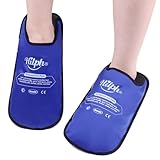
- Easy Wear & Hands-Free Design: This foot ice pack feature a slip-on design with no straps or buckles, making them effortless to wear—ideal for seniors, post-surgery users, or anyone with limited mobility. The seamless coverage from toes to arch and heel delivers full-foot pain relief without bending over.
- 360° Effective Foot Pain Relief - The ergonomic design wraps snugly around your entire foot, targeting sore spots like the ball, arch, and heel. The gel ice slippers ideal for the following symptoms and ailments: plantar facititis relief, plantar neuropathy pain relief, bunion surgery, hot feet, swollen feet, broken toes, gout, diabetic foot pain, chemotherapy, morton's neuroma, poor circulation.
- Versatile Use & One Size Fits Most - Hilph foot ice pack slippers for plantar fasciitis (size:12.2"x 5.51") is no distinction between left and right feet, unisex. This ice pack slippers with wide opening design easy for people with sore feet to put on and take off. Ice slippers supports up to 6.5" width foot circumference, ensure swollen feet from pregnancy or feet in recovery after surgery can easily fit. Ideal for most average to men and plus size women.
- Safe, Flexible & Leak-proof - This ice pack for foot is filled with non-toxic medical grade gel that ensure foot ice pack to remain pliable after frozen; and the delicate edging ensure contact directly your skin no worry getting scratched. The double-sealed strong nylon prevents leaks for extended reuse. You can use it at ease!
- Multi-Purpose Recovery Essential - Whether you’re recovering from foot surgery, standing all day, or managing chronic pain, this foot ice pack slippers work day or night. Pair with compression socks for enhanced edema relief. Hilph foot ice pack slippers are FSA HSA Approved/Eligible, A thoughtful gift for caregivers!
As an Amazon Associate, Balance Foot and Ankle earns from qualifying purchases. Product links are affiliate links and we may earn a commission at no extra cost to you. This does not influence our clinical recommendations. Last update on 2026-09-19 / Images from Amazon Product Advertising API
As an Amazon Associate we may earn from qualifying purchases — it never affects our clinical picks. Ice 15–20 minutes with a thin cloth barrier; never apply gel packs directly to skin.
1. Best Forefoot Ice Pack — Perfect After Toe Surgeries or Ball-of-Foot Pain
If your plantar fasciitis pain radiates toward the ball of your foot, or if you’re recovering from a procedure near the toes, a targeted forefoot ice pack delivers precise cold where standard heel packs can’t reach. This format also works exceptionally well for metatarsalgia, neuroma flare-ups, and bunion post-op recovery. Wrap-style designs allow hands-free use while seated — ideal for icing at a desk or during recovery.
2. Best Ankle & Arch Wrap — Comfytemp Ankle Ice Pack Wrap
The Comfytemp ankle wrap-style ice pack is the gold standard for plantar fasciitis cold therapy because it covers the entire heel, arch, and ankle simultaneously — the three zones most affected by PF. The elastic wrap secures snugly without cutting off circulation, and the reusable gel inserts stay pliable even when frozen, conforming beautifully to your foot’s contours. Most patients in Dr. Tom’s clinic use this format for daily maintenance icing sessions after work or exercise.
3. Best Boot-Style Ice Pack — Full Foot Immersion Coverage
Boot-style ice packs encase the entire foot in a 360° cold environment — the closest you can get to a clinical cold water immersion bath at home. The Comfpack foot ice pack boot is particularly popular with runners and athletes who’ve developed plantar fasciitis from high training loads. The neoprene exterior retains cold for 20–30 minutes while the inner gel layer stays flexible. This is Dr. Tom’s top recommendation for patients with bilateral plantar fasciitis who need to ice both feet simultaneously.
4. Best Slipper-Style Ice Pack — Wear & Walk (Gently)
The Coldest Water ice pack slipper design is a game-changer for people who need to stay mobile during icing. Unlike traditional ice packs that require you to sit still, these slip-on designs allow gentle movement around the house while delivering continuous cold therapy. The thick gel layer provides excellent insulation for 30+ minutes, and the soft outer shell prevents slipping on hard floors. Ideal for post-surgery recovery and for active individuals who can’t dedicate dedicated rest time to icing.
5. Best Heel-Specific Ice Pack — Targeted Calcaneal Coverage
The Heel That Pain ice slippers were designed specifically for plantar fasciitis and heel spur pain — and it shows. The anatomically shaped gel pockets sit directly over the calcaneal insertion (the point of maximum PF pain), with secondary coverage of the plantar arch. The hook-and-loop closure keeps the pack snug against your heel even when you shift position. These have been a staple recommendation from sports podiatrists for years, and their clinical pedigree shows in the quality of the cold distribution across the heel pad.
6. Best Ice Pack + Compression Combo — Maximum Inflammation Control
The Cold One PF ice pack combines two clinically proven modalities: cryotherapy (cold) and compression. Compression wrapping simultaneously reduces edema (fluid swelling), supports the plantar fascia, and enhances the analgesic effect of the cold. This is essentially the RICE protocol (Rest, Ice, Compression, Elevation) in a single convenient device. For patients with significant post-activity swelling alongside their plantar fasciitis pain, this combination format often provides faster and more complete short-term relief than ice alone.
How to Choose the Right Ice Pack for Plantar Fasciitis
When evaluating ice packs for plantar fasciitis treatment, Dr. Tom looks at five key criteria. First, anatomical coverage: the pack must reach the calcaneal insertion (the heel bone attachment point) where PF pain originates — generic square gel packs often miss this area entirely. Second, cold retention: you need at least 15 minutes of therapeutic cold; cheap gel packs warm up in 8–10 minutes. Third, hands-free capability: you’re more likely to ice consistently if you don’t have to hold the pack in place. Fourth, reusability: good gel packs last years with proper care (rinse, refreeze). Fifth, safety: look for gel formulations that remain flexible when frozen so they can’t crack and expose your skin to extreme cold.
More Podiatrist-Recommended Plantar Fasciitis Essentials
Best Night Splint
Keeps fascia stretched overnight — the #1 intervention for morning heel pain.
Top Recovery Insole
Deep heel cup + arch support unloads the plantar fascia all day.
Foot Massage Ball
Roll under foot for 3 minutes morning/night to release fascia tightness.
As an Amazon Associate, Balance Foot & Ankle earns from qualifying purchases. Product recommendations are based on clinical experience; prices and availability shown above update live from Amazon.

![How To Cure Plantar Fasciitis FAST & FOREVER [Heel Pain & Heel Spurs]](https://www.michiganfootdoctors.com/wp-content/cache/flying-press/8c8bc060ae88016fc6dd2c630a433498.jpg)
Watch: How To Cure Plantar Fasciitis FAST & FOREVER [Heel Pain & Heel Spurs] — MichiganFootDoctors YouTube
When to See a Podiatrist
If morning heel pain has persisted more than 6 weeks, home care alone rarely fixes it. At Balance Foot & Ankle, we combine in-office ultrasound diagnostics, custom orthotics, and — when needed — shockwave or PRP to resolve plantar fasciitis that hasn’t responded to stretching and inserts. Most patients are walking pain-free within 4-8 weeks of starting a structured plan.
Call Balance Foot & Ankle: (810) 206-1402 · Book online · Offices in Howell & Bloomfield Township
Frequently Asked Questions: Ice Packs & Plantar Fasciitis
How long should I ice my plantar fasciitis?
15–20 minutes per session is the clinical standard. Icing for longer provides no additional benefit and increases the risk of cold-induced skin damage (frostnip). Set a timer. For most patients, 3–4 sessions per day during acute flares is sufficient.
Is a frozen water bottle better than an ice pack for plantar fasciitis?
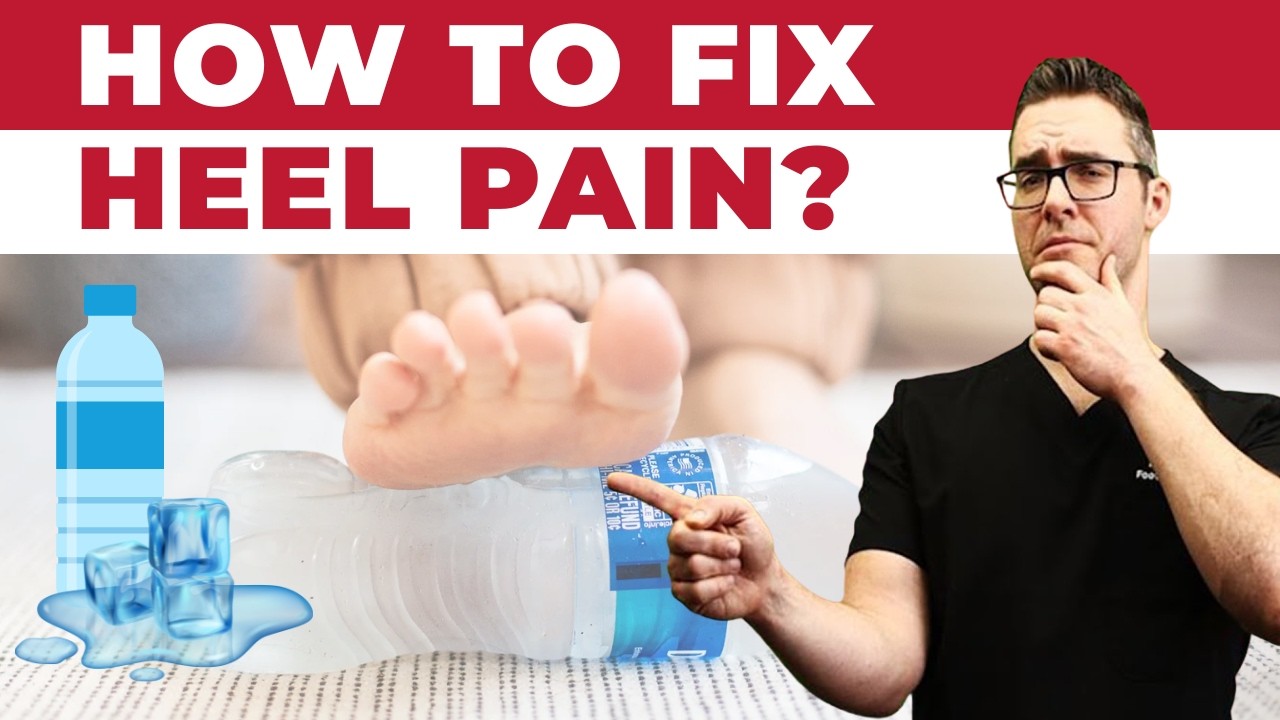
Rolling a frozen water bottle under the foot is a legitimate home remedy that combines cold therapy with a gentle plantar fascia massage. It’s free and effective. However, dedicated ice packs provide more consistent temperature, better coverage of the heel insertion, and hands-free application — making them more practical for multiple daily sessions.
Should I ice before or after walking/exercise?
Always ice AFTER activity, not before. Icing before exercise can reduce blood flow, decrease nerve sensitivity, and impair muscle coordination — increasing injury risk. Ice post-activity to manage the inflammatory response that exercise triggers in already-irritated plantar fascia tissue.
How long does plantar fasciitis take to heal with consistent icing?
Ice alone won’t cure plantar fasciitis — it manages symptoms. Full recovery requires addressing the underlying causes: footwear, arch support, calf tightness, and activity modification. With a comprehensive treatment plan (proper shoes, orthotics, stretching, and consistent ice therapy), most patients see significant improvement in 6–12 weeks. Chronic cases may take 6–12 months.
Complete Plantar Fasciitis Treatment: Beyond Ice Packs
Cold therapy is one pillar of plantar fasciitis treatment, but the most effective recovery plans combine multiple evidence-based approaches. Dr. Tom recommends a four-pillar approach: (1) Mechanical support — proper footwear and orthotics to reduce stress on the plantar fascia during weight bearing; (2) Flexibility — daily stretching of the calf, Achilles, and plantar fascia to address the tight posterior chain that drives most PF cases; (3) Inflammation control — ice, anti-inflammatory medications (NSAIDs), and in some cases corticosteroid injections for severe acute inflammation; (4) Strengthening — progressive loading of the plantar fascia through eccentric calf raises and foot intrinsic exercises to rebuild tissue tolerance over time.
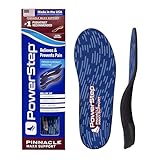
- Slightly Angled Heel Post: PowerStep Pinnacle Maxx insoles for men & women keep the feet from rolling inward, improve stability, and prevent problems caused by overpronation including flat feet and plantar fasciitis.
- Firm But Flexible Design: Our orthotics Pinnacle PowerStep insoles for overpronation are equipped with a deep heel insert cradle for increased comfort, stability, and motion control for standard arch support and immediate heel pain relief.
- Premium Dual Layer Cushioning: For enhanced comfort from heel to toe. As the thickest of our Pinnacle PowerStep orthotics, these need to be worn in shoes where the factory insole can be removed. HSA & FSA Eligible. Made in the USA
- The Perfect Balance of Comfort and Support: These PowerStep Pinnacle arch support inserts for men & women are unlike most other orthotics as they help to correct over-pronation which can cause ankle, knee, and hip pain in your daily routine
- No Trimming: Our arch support PowerStep insoles men & women can use can be worn in a variety of shoe styles & fit in any type with no trimming required! Unlike most insoles for flat feet and other heel pain relief products, these come ready to wear.
As an Amazon Associate, Balance Foot and Ankle earns from qualifying purchases. Product links are affiliate links and we may earn a commission at no extra cost to you. This does not influence our clinical recommendations. Last update on 2026-09-19 / Images from Amazon Product Advertising API
Heel Pain That Won’t Go Away?
If you’ve been icing faithfully for 2+ weeks without significant improvement, it’s time to see Dr. Tom. Persistent plantar fasciitis often needs prescription orthotics, shockwave therapy, or PRP injections for complete resolution.
Book an Appointment in Howell or Brighton →More Podiatrist-Recommended Products for Plantar Fasciitis
Ice packs are just one part of a complete PF treatment toolkit. Explore Dr. Tom’s other top-rated product guides: Night Splints for Plantar Fasciitis | Foot Rollers & Massage Balls | Compression Socks for Heel Pain | Running Shoes for Plantar Fasciitis | Dr. Tom’s Top Orthotics
In Our Clinic
In our Balance Foot & Ankle clinic, the typical plantar fasciitis patient is a 40- to 60-year-old who noticed sharp heel pain on their very first steps in the morning or after sitting at a desk. Many arrive having already tried cheap shoe-store inserts and a week of ice without relief. On exam, we palpate the medial calcaneal tubercle, check for a positive windlass test, and rule out Baxter’s neuropathy and calcaneal stress fractures. Most of our plantar fasciitis patients respond to a custom orthotic + eccentric calf loading + night splinting protocol within 6–12 weeks — without injections or surgery.
In-Office Treatment at Balance Foot & Ankle
When conservative care isn’t enough, Dr. Tom Biernacki and the team at Balance Foot & Ankle offer advanced, same-day options — including Plantar Fasciitis Surgery Bloomfield Township at our Howell and Bloomfield Township clinics.
Same-day appointments available. Call (810) 206-1402 or book online.
In-Office Treatment at Balance Foot & Ankle
If home treatment isn’t providing relief for your plantar fasciitis, our podiatry team at Balance Foot & Ankle can help with same-day evaluations and advanced in-office care.
Same-day appointments available. (810) 206-1402
Learn about our plantar fasciitis treatment → | Book online →
What is Plantar fasciitis?
Plantar fasciitis is a common foot/ankle condition that affects mobility and quality of life. Understanding the underlying cause is the first step in successful treatment. Our podiatrists at Balance Foot & Ankle perform a hands-on biomechanical exam, review your activity history, and use diagnostic imaging when appropriate to identify the root cause—not just treat the symptom. Many patients have been told to “rest and ice” without a deeper diagnostic workup; our approach is different.
Symptoms and warning signs
Common signs of plantar fasciitis include pain that worsens with activity, morning stiffness, swelling, tenderness when palpated, and difficulty bearing weight. If you experience sudden severe pain, inability to walk, visible deformity, numbness or color change, contact our office the same day or visit urgent care—these can signal a more serious injury such as a fracture, tendon rupture, or vascular compromise. Diabetics with any foot wound should seek same-day care.
Conservative treatment options
Most cases of plantar fasciitis respond to non-surgical care: structured rest, supportive footwear changes, custom orthotics, targeted stretching and strengthening protocols, anti-inflammatory medications when medically appropriate, and in-office procedures such as ultrasound-guided injections. We also offer advanced therapies including MLS laser therapy, EPAT/shockwave, regenerative injections, and image-guided procedures. Treatment is sequenced from least invasive to most invasive, and we explain the rationale at every step.
When is surgery considered?
Surgery is reserved for cases that fail 3-6 months of well-structured conservative care, when there is structural pathology (severe deformity, complete tear, advanced arthritis), or when imaging shows damage that will not heal without intervention. Our surgeons have performed 3,000+ foot and ankle procedures and prioritize minimally-invasive techniques whenever appropriate. We discuss recovery timelines, return-to-activity milestones, and realistic outcome expectations before any procedure is scheduled.
Recovery timeline and prevention
Recovery from plantar fasciitis varies based on severity and chosen treatment path. Conservative cases often improve within 4-8 weeks with consistent adherence to the protocol. Post-procedural recovery may range from a few days (in-office procedures) to several months (reconstructive surgery). Long-term prevention involves footwear assessment, activity modification, structured strengthening, and regular check-ins with your podiatrist if you have a history of recurrence. We provide written home-exercise plans and digital follow-up support.
Ready to feel better?
Same-week appointments available in Howell and Bloomfield Township, Michigan.
Book Your VisitGet Expert Care at Balance Foot & Ankle
Same-week appointments at our Howell and Bloomfield Township offices. Board-certified podiatric surgeons. Most insurance accepted.
Same-Week Appointments in Howell & Bloomfield Township
Three board-certified podiatric surgeons. 1,123+ five-star reviews. Most insurance accepted.

Dr. Tom Biernacki, DPM is a board-certified foot & ankle surgeon (ABFAS & ABPM) at Balance Foot & Ankle Specialists in Southeast Michigan. With over a decade of clinical experience, he specializes in heel pain, bunions, diabetic foot care, sports injuries, and minimally invasive surgery. Dr. Biernacki is a member of the APMA and ACFAS, and his patient education content on MichiganFootDoctors.com and YouTube has made him one of the most-followed foot & ankle educators on YouTube.