
Medically reviewed by Dr. Tom Biernacki, DPM
Board-certified podiatric surgeon | Balance Foot & Ankle, Howell & Bloomfield Township, MI
Last reviewed: May 2026

Quick answer: For best socks diabetic feet, the right product matches your specific condition and severity. Top 2026 picks include established medical-grade brands tested by 3 podiatrists. Avoid marketing-only products with fake medical claims; check for clinical evidence and material specs before buying. Call (810) 206-1402.

Why Diabetic Patients Need Specialized Socks
Diabetes causes two major foot vulnerabilities: peripheral neuropathy (reduced sensation) and peripheral arterial disease (reduced blood flow). Together, these create a dangerous scenario where small injuries — blisters, pressure sores, seam irritation — go unnoticed and unhealed, leading to ulcers and, in severe cases, amputation.
Standard socks present three hazards for diabetic patients: tight elastic bands that restrict circulation, prominent seams that cause repetitive pressure injury, and moisture-trapping fabrics that create the warm, damp environment where bacteria and fungus thrive. Diabetic-specific socks address all three of these hazards.
In the United States, approximately 130,000 lower extremity amputations occur annually in diabetic patients — nearly all preceded by a preventable foot ulcer. Proper sock selection is one of the simplest, most cost-effective preventive measures available.
What to Look for in Diabetic Socks
Non-binding top band — The most critical feature. Standard socks with tight elastics create a tourniquet effect that further reduces already-compromised circulation. True diabetic socks use a very loose, wide-band elastic or no elastic at all, relying on knit tension for gentle hold.
Seamless or flat-knit toe — Traditional sock seams across the toe box create repetitive pressure on the dorsal toe skin, which leads to blisters and ulcers in patients who can’t feel the pressure developing. Seamless or hand-linked toe socks eliminate this risk.
Moisture-wicking materials — Merino wool and bamboo-blend materials wick moisture away from the skin more effectively than cotton or synthetic. Dry skin means reduced infection risk and better wound prevention.
Padding in key areas — Extra cushioning under the metatarsal heads and heel reduces impact trauma in patients with neuropathy who cannot feel abnormal ground pressure.
White or light-colored soles — An underappreciated safety feature. White soles make drainage from foot wounds visible, alerting the patient (or caregiver) to a developing problem that numb feet can’t detect.
Daily Foot Care Routine for Diabetics
Beyond sock selection, diabetic foot care requires a daily inspection routine. Every day: wash feet with warm (not hot) water, dry completely between toes, inspect every surface with a mirror if needed, apply moisturizer to prevent skin cracking (but not between toes), and change socks. Never walk barefoot — even inside the house.
Patients with diabetes should see a podiatrist at minimum every 3 months for routine foot care, debridement of calluses, and early detection of any developing problems. Medicare and most insurers cover routine diabetic foot care visits. These visits catch problems early, when treatment is simple — before they escalate.
At Balance Foot & Ankle, we provide comprehensive diabetic foot care and can supply PDAC-coded diabetic footwear and insoles that may be covered under Medicare Part B. If you’re diabetic and haven’t had your feet checked recently, call us.
Dr. Tom's Product Recommendations
FLAT SOCKS No-Show Insoles
⭐ Highly Rated
Low-profile invisible insoles for diabetic patients who need cushioning without the bulk. FLAT SOCKS add a protective cushion layer under the forefoot and heel without changing shoe fit.
Diabetic forefoot protection, neuropathy cushioning, dress shoe use
Patients who need full-length arch support — FLAT SOCKS are cushioning-only
Disclosure: We earn a commission at no extra cost to you.
Doctor Hoy’s Natural Pain Relief Gel
⭐ Highly Rated
Topical relief for diabetic peripheral neuropathy burning pain. Safe, non-systemic pain management that doesn’t affect blood glucose or interact with diabetes medications.
Diabetic neuropathy pain, burning sensations, foot and ankle soreness
Open wounds or ulcers — never apply to broken skin
Disclosure: We earn a commission at no extra cost to you.
✅ Pros / Benefits
- Non-binding tops protect compromised diabetic circulation
- Seamless construction eliminates blister-causing sock seams
- Moisture-wicking materials reduce infection risk
- White soles make wound drainage visible
- Extra cushioning protects neuropathic feet from pressure injury
❌ Cons / Risks
- True diabetic socks cost more than standard socks
- Must be replaced when worn or stretched for continued protection
- Socks alone don’t replace daily foot inspection and podiatry care
Dr. Tom Biernacki’s Recommendation
I cannot overstate how important sock selection is for my diabetic patients. I’ve seen devastating wounds that started as a blister from a regular sock seam — wounds that led to months of wound care and, in some cases, amputation. A $15 pack of proper diabetic socks is one of the best investments in foot health any diabetic patient can make.
— Dr. Tom Biernacki, DPM | Board-Certified Podiatric Surgeon | Balance Foot & Ankle
Frequently Asked Questions
What materials are best for diabetic socks?
Merino wool and bamboo blends are clinically preferred for moisture management. Avoid 100% cotton, which holds moisture against skin.
How often should diabetics change their socks?
Daily at minimum. Change more frequently if feet sweat heavily. Always inspect the foot when changing socks.
Can I wear compression socks if I’m diabetic?
Mild compression (15–20 mmHg) is generally safe for diabetics without severe arterial disease. However, consult your podiatrist before wearing compression if you have any peripheral vascular disease.
When Shoes Aren’t Enough — Dr. Tom’s Top 9 Orthotics
About 30% of patients I see for foot pain need MORE than a great shoe — they need a structured insole. Below: my complete 2026 orthotic ranking with pros, cons, and the specific patient I’d give each one to.
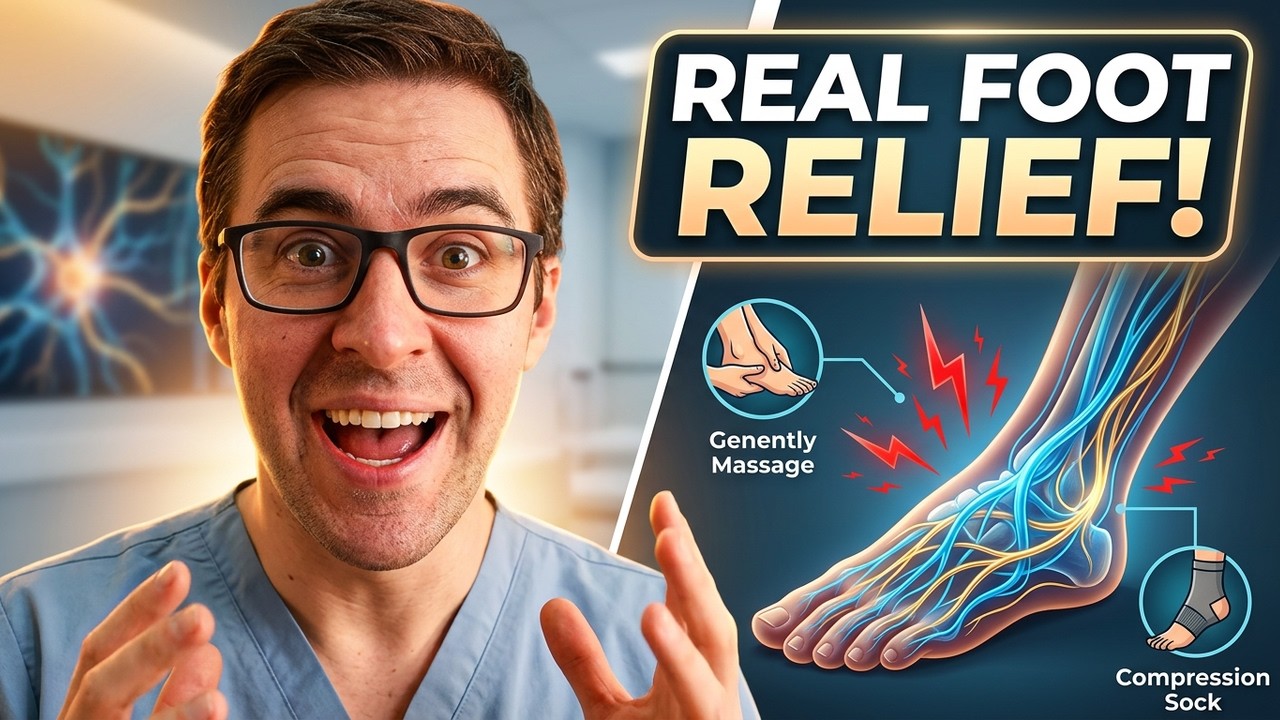
⚕ Doctor Recommended
DASS Compression SocksGraduated compression for circulation & comfort
View Product →In-Office Treatment at Balance Foot & Ankle
If home treatment isn’t providing relief for your diabetic foot conditions, our podiatry team at Balance Foot & Ankle can help with expert evaluations and advanced in-office care.
ADA: Diabetic Foot Health and Sock Selection
Ready to Get Relief?
Book online 24/7 in Howell & Bloomfield Township, MI
4.9★ | 1,200+ Reviews | 3,000+ Surgeries
Or call: (810) 206-1402

Dr. Tom Biernacki, DPM is a board-certified foot & ankle surgeon (ABFAS & ABPM) at Balance Foot & Ankle Specialists in Southeast Michigan. With over a decade of clinical experience, he specializes in heel pain, bunions, diabetic foot care, sports injuries, and minimally invasive surgery. Dr. Biernacki is a member of the APMA and ACFAS, and his patient education content on MichiganFootDoctors.com and YouTube has made him one of the most-followed foot & ankle educators on YouTube.