
✅ Medically reviewed by Dr. Thomas Biernacki, DPM — Board-Certified Podiatrist · Last updated April 6, 2026
Last Updated: March 2026 | Reading Time: 8 min
This article is for informational purposes only and does not replace professional medical advice. Schedule an appointment for personalized care.
Best Walking Shoes for Seniors: Comfort, Support & Fall Prevention (2026)
Why Shoe Choice Matters More As We Age
As a podiatrist, I see the consequences of poor footwear every day — and nowhere are the stakes higher than in older adults. The right shoes can prevent falls (the leading cause of injury-related death in adults over 65), reduce joint pain, and keep seniors active and independent. The wrong shoes — especially flimsy slippers, worn-out athletic shoes, or fashion footwear with poor support — contribute directly to the falls and injuries I see in clinic.
What Makes a Good Walking Shoe for Seniors?
Six key features I look for: (1) Non-slip sole with a rubber outsole that grips wet and dry surfaces reliably; (2) Wide toe box to accommodate common age-related changes like bunions, hammertoes, and general foot widening; (3) Arch support to reduce plantar fasciitis and arch fatigue; (4) Firm heel counter for rear-foot stability and ankle control; (5) Easy closure — velcro or slip-on options for those with limited hand dexterity or bending challenges; (6) Adequate cushioning as the fat pads on the balls and heels of feet thin with age, requiring more external cushioning.
Top Walking Shoe Picks for Seniors
Best Overall: New Balance 990v6
The New Balance 990 series has been a staple recommendation for decades — and for good reason. Made in the USA, available in multiple widths (2E, 4E), premium ENCAP midsole cushioning, extremely durable, and approved by the American Podiatric Medical Association. It’s the shoe I recommend most frequently for seniors with no specific conditions.
Best for Maximum Cushioning: Hoka Bondi 8
Hoka’s maximum-cushion platform is exceptional for seniors with arthritis, heel pain, or general joint pain. The thick EVA midsole absorbs ground impact dramatically, and the Meta-Rocker geometry promotes natural walking motion even with a stiffer gait. Wide versions available.
Best Slip-On Option: Skechers Go Walk 7
For seniors who struggle with laces, the Skechers Go Walk series offers remarkable support in an easy slip-on format. The Air-Cooled Goga Mat insole provides excellent cushioning, and the lightweight construction reduces foot fatigue on longer walks. Not for high-intensity use, but excellent for daily walking.
Best for Stability/Fall Prevention: Brooks Addiction Walker 2
The Brooks Addiction Walker is specifically designed for overpronators and people who need maximum stability. The motion control features make it one of the best fall-prevention shoes on the market — it resists excessive inward roll that contributes to ankle rolling and falls.
Best for Diabetic Feet: Dr. Comfort Stallion Therapeutic Shoe
Medicare-covered diabetic shoes provide extra depth, seamless interior lining, and accommodation for custom orthotics — all critical for diabetic patients. The Dr. Comfort line is widely available and highly regarded. Ask us about qualifying for Medicare diabetic shoe benefits.
Shoes to Avoid
Please steer older adults away from: thin-soled flat shoes with no support, worn-out sneakers (replace every 300-500 miles or when the heel counter collapses), backless slippers (major fall risk), high heels (obvious), and tight fashion shoes that compress the toes.
Products Our Doctors Recommend
- Full Podiatrist Shoe Guide — recommendations by condition
- Orthotics & Insoles for Seniors
- Browse All Products →
📧 Get Dr. Tom’s Free Lab Test Guide
Discover the 5 lab tests every person over 35 should ask their doctor about — explained in plain English by a board-certified physician.
Foot pain or fall concerns in an older loved one? We offer comprehensive senior foot evaluations and Medicare-covered diabetic shoe fitting.
📞 Call (810) 206-1402 | 📅 Book Online →
Serving Howell, Bloomfield Hills, and communities across Livingston & Oakland Counties. Home visits available.
Frequently Asked Questions
How often should seniors replace their walking shoes?
Every 6-12 months for daily walkers, or when the heel counter collapses and you can fold the back of the shoe easily. The midsole cushioning degrades before the outsole shows visible wear — a common mistake is keeping shoes past their useful cushioning life.
What shoes reduce fall risk in seniors?
Shoes with low heel-to-toe drop (close to the ground), non-slip rubber outsoles, wide bases, and firm heel counters reduce fall risk most significantly. Avoid slippery leather soles, thick platforms that reduce ground feel, and backless slippers.
Are Hoka shoes good for elderly people?
Yes, with one caveat: the thick platform provides excellent cushioning but can slightly reduce ground-feel proprioception. For seniors with balance concerns, try the Hoka Bondi with its built-in stability features rather than more minimal Hoka models.
Can Medicare pay for special shoes?
Yes. Medicare Part B covers one pair of therapeutic shoes per year for qualified diabetic patients, including the shoe fitting service. Qualifying requirements include a diagnosis of diabetes and documentation by your podiatrist or physician. We help patients access this benefit regularly.
My mother has swollen ankles — what shoe works best?
Shoes with adjustable velcro straps or extra-wide/extra-depth options accommodate edema. Look for shoes with a roomy toe box and adjustable closure that can be loosened as swelling changes throughout the day. For significant swelling, a compression stocking should be considered as well.
About the Author: Dr. Tom Biernacki, DPM is a board-certified podiatric surgeon and founder of Balance Foot & Ankle Specialists, with locations in Howell and Bloomfield Hills, Michigan. He has treated over 5,000 patients and his YouTube channel has been viewed over 1 million times.
Related Treatment Guides
- Plantar Fasciitis & Heel Pain Treatment
- Custom 3D Orthotics
- Sports Foot & Ankle Injury Treatment
- Bunion Treatment
Medical References & Sources
- American Podiatric Medical Association — Patient Education
- American Orthopaedic Foot & Ankle Society — Foot Conditions
Dr. Tom’s Recommended Products for Podiatrist-Recommended Footwear
📍 Located in Michigan?
Our board-certified podiatrists treat this condition at two convenient locations. Same-day appointments often available.
These are products I personally use and recommend to my patients at Balance Foot & Ankle.
- Brooks Ghost 16 — The most versatile podiatrist-recommended running shoe — neutral cushion for normal-to-mild-pronation feet
- Brooks Adrenaline GTS 24 — GuidRails support for overpronators — the #1 stability shoe prescribed at Balance Foot & Ankle
- HOKA Clifton 9 — Maximum cushion with meta-rocker geometry — reduces plantar fascia and metatarsal load with every step
Affiliate disclosure: As an Amazon Associate, Balance Foot & Ankle earns from qualifying purchases. We only recommend products we trust for our own patients.
Dr. Tom’s Recommended Insoles
PowerStep is the brand I prescribe most — medical-grade OTC support without the custom orthotic price tag.
- PowerStep Pinnacle Insoles — The OTC orthotic I recommend most — medical-grade arch support at a fraction of custom orthotic cost. Works in most shoes.
- PowerStep Maxx Insoles — For severe arch pain or flat feet — maximum correction and support when Pinnacle isn’t enough.
Affiliate disclosure: As an Amazon Associate, Balance Foot & Ankle earns from qualifying purchases. We only recommend products we trust for our own patients.
Join 950,000+ Learning About Foot Health
Dr. Tom shares honest medical advice, supplement reviews, and treatment guides you won’t find anywhere else.
Subscribe on YouTube →In-Office Treatment at Balance Foot & Ankle
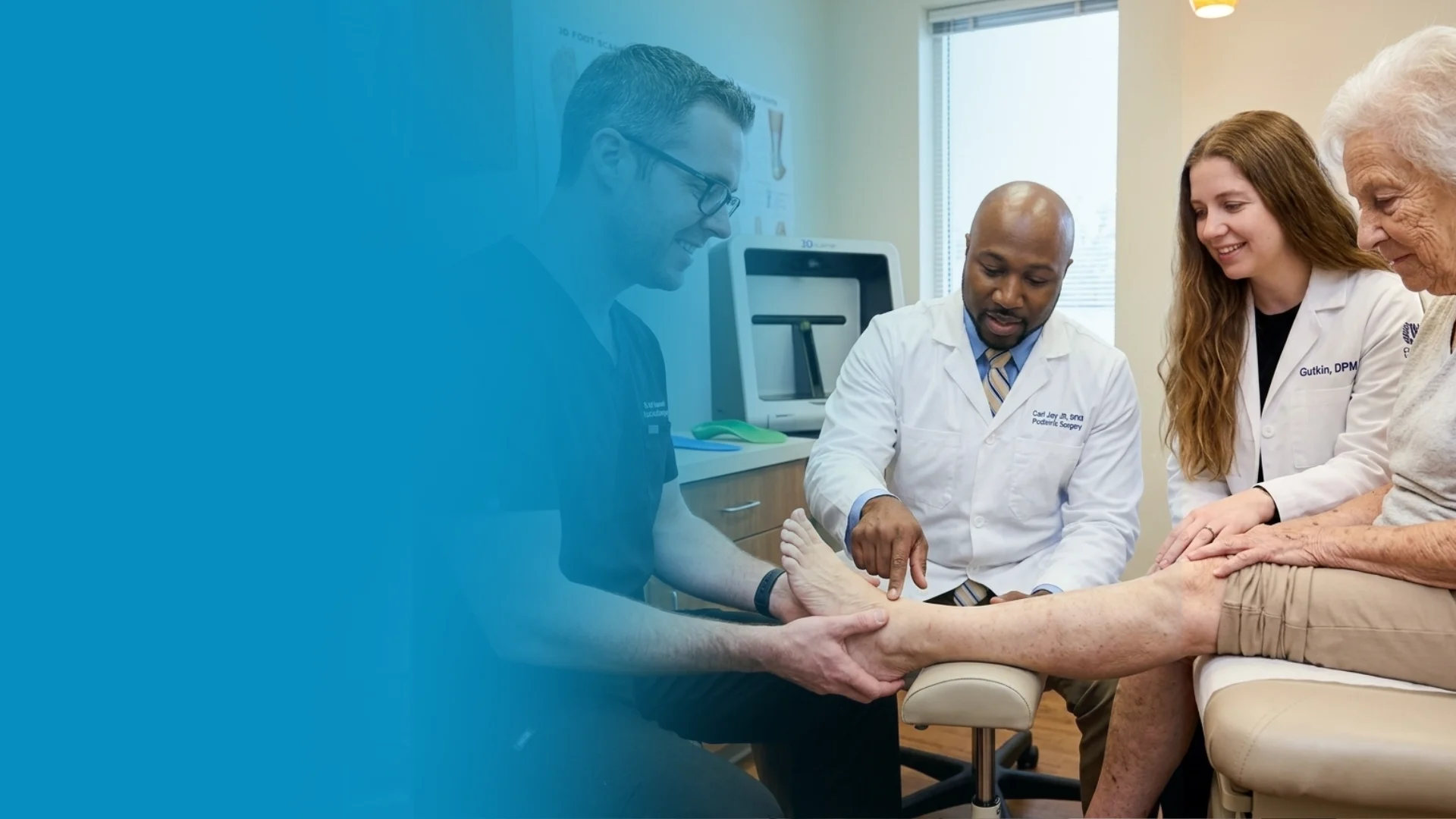
For seniors with foot pain that limits walking or increases fall risk, our clinic offers comprehensive geriatric foot evaluation, custom orthotics with accommodative cushioning for age-related fat pad atrophy, gait analysis to identify fall risk factors, diabetic foot assessments, and footwear counseling specific to senior mobility needs. Dr. Tom helps seniors maintain independence through proper foot care and supportive footwear.
Same-day appointments available. (810) 206-1402 · Book now →
→ Learn about custom orthotics
Dr. Tom’s Recommended Products for Seniors
PowerStep Pinnacle Orthotic Insoles — The OTC orthotic I recommend most in our clinic. Medical-grade arch support with cushioning ideal for age-related fat pad thinning. Not ideal for: shoes without removable insoles.
Doctor Hoy’s Natural Pain Relief Gel — Natural topical pain relief I use in our clinic. Arnica + camphor formula — gentle enough for daily use on arthritic feet and ankles. Not ideal for: open wounds or thin/fragile skin.
DASS Medical Compression Socks (15-20mmHg) — Graduated compression reduces swelling and improves circulation during walks. Start with 15-20mmHg for comfortable daily wear. Not ideal for: severe PAD without physician clearance.
Affiliate disclosure: We may earn a commission on products purchased through our links, at no extra cost to you. All recommendations are based on clinical experience.
→ Browse all recommended products · Foundation Wellness portfolio
Frequently Asked Questions About Walking Shoes for Seniors
What makes a good walking shoe for seniors?
Seniors need shoes with a firm heel counter for stability, a low-profile sole (no thick platforms that increase fall risk), a wide toe box for arthritic toes, a non-slip rubber outsole, and easy entry (slip-on or velcro). Lightweight construction reduces fatigue. Avoid completely flat shoes, heavy boots, and shoes with worn-out midsoles.
How often should seniors replace walking shoes?
Replace walking shoes every 6 months or 300-500 miles, whichever comes first. Seniors often wear shoes past their support lifespan because the outsole still looks fine — but the midsole cushioning compresses over time. If your feet hurt more at the end of a walk than they used to, it may be time for new shoes.
Are orthotics worth it for seniors?
Yes, especially for seniors with flat feet, arthritis, diabetic neuropathy, or fat pad atrophy. Custom orthotics provide targeted support and cushioning that over-the-counter insoles cannot match. Medicare covers custom orthotics for qualifying diabetic patients. Even OTC orthotics like PowerStep Pinnacle provide significantly more support than standard shoe insoles.
Related Guides
- Podiatrist-Recommended Shoes 2026
- Best Walking Shoes (Podiatrist Picks)
- Best Shoes for Standing All Day
- Best Orthotics for Foot Pain
- Best Compression Socks
- Custom Orthotics Guide
Serving Howell, MI 48843 and Bloomfield Hills, MI 48302. Schedule your appointment today · (810) 206-1402
Seniors — The Right Shoes Prevent Falls
Our podiatrists recommend walking shoes that combine stability, support, and traction to keep seniors safe and active. Custom orthotics add personalized support for aging feet.
Clinical References
- Menz HB, et al. “Foot problems as a risk factor for falls in community-dwelling older people.” Gerontology. 2006;52(3):174-180.
- Hatton AL, et al. “Footwear interventions: a review of their sensorimotor and mechanical effects on balance performance and gait in older adults.” Journal of the American Podiatric Medical Association. 2013;103(6):516-533.
- Mickle KJ, et al. “ISB Clinical Biomechanics Award 2009: toe weakness and deformity increase the risk of falls in older people.” Journal of Biomechanics. 2009;42(10):1412-1418.
When to See a Podiatrist
Home products are a great start, but if your symptoms persist beyond 2 weeks, worsen, or include swelling, redness, or difficulty walking, it’s time to see a board-certified podiatrist. Our doctors offer same-week appointments at both locations.
Call (810) 206-1402 or book online for a same-week appointment.

Dr. Tom Biernacki, DPM is a double board-certified podiatrist and foot & ankle surgeon at Balance Foot & Ankle Specialists in Southeast Michigan. With over a decade of clinical experience, he specializes in heel pain, bunions, diabetic foot care, sports injuries, and minimally invasive surgery. Dr. Biernacki is a member of the APMA and ACFAS, and his patient education content on MichiganFootDoctors.com and YouTube has reached over one million views.