
| Feature | Chilblains (Pernio) | Frostbite | Raynaud’s Phenomenon |
|---|---|---|---|
| Temperature trigger | Cold + damp (>32°F / 0°C) | Freezing (<32°F / 0°C) | Cold or emotional stress |
| Skin appearance | Red/purple patches, blotchy | White → gray → black; blistering | White → blue → red (triphasic) |
| Tissue damage | Reversible inflammation | Ice crystal damage, may be permanent | Vasospasm only; reversible |
| Pain character | Burning, itching with rewarming | Numbness then extreme pain | Numbness, tingling, throbbing |
| Blistering | Rarely (severe cases) | Common (hemorrhagic blisters) | Absent |
| Emergency? | No (urgent care if severe) | Yes — emergency | Usually not |
| Severity | Symptoms | Treatment |
|---|---|---|
| Mild | Red/pink patches, itching, mild burning | Gradual warming, wool socks, moisturizer, topical 1% hydrocortisone |
| Moderate | Purple blistering nodules, significant burning, cracking | Above + protective dressings; avoid cold re-exposure |
| Severe / recurrent | Ulceration, significant pain, repeated seasonal episodes | Oral nifedipine (30–60mg/day); rule out lupus/underlying cause |
| Chronic (lupus pernio) | Persistent lesions year-round | Dermatology/rheumatology referral; systemic workup for sarcoidosis or lupus |

Quick Answer
Chilblains (pernio) are small, inflamed, itchy red-to-purple patches that develop on your toes, fingers, or ears after exposure to cold, damp air above freezing. They are not frostbite. Most resolve in 2–3 weeks with warmth, but recurrent or severe cases benefit from podiatric evaluation and prescription treatment. In our Howell and Bloomfield Hills clinics, we see chilblains most often in women, thin individuals, and patients with Raynaud’s or poor peripheral circulation.
In This Guide
You came in from the cold — toes red, itching, and burning — and now you’re wondering if something is seriously wrong. In our clinic, we hear this story constantly during Michigan winters. The skin reacts to cold-damp air in a surprisingly dramatic way, and many patients mistake chilblains for frostbite, an allergic reaction, or even an infection. Understanding exactly what’s happening in your skin allows you to treat it correctly and — just as importantly — avoid the mistakes that make it worse.
What Are Chilblains
Chilblains, also called pernio or perniosis, are a localized inflammatory response of the small blood vessels in your skin triggered by cold, damp temperatures above freezing. Unlike frostbite, chilblains do not involve ice crystal formation in tissue — they are a vascular reaction. When skin is repeatedly exposed to cold, the small capillaries constrict; when the skin rewarmed, they dilate rapidly and leak fluid into surrounding tissue, causing the characteristic red-to-violet patches, swelling, and intense itch.
In our practice, we diagnose chilblains most frequently in women between 15 and 30, people with low body weight or poor peripheral circulation, and individuals with underlying Raynaud’s phenomenon. Michigan’s wet, cold winters — temperatures hovering just above freezing with high humidity — are the perfect chilblains environment. Dry cold (like a mountain ski trip) is actually less likely to trigger them.
The condition was historically called “chill burns,” which accurately describes the burning-itch sensation. It’s been recognized in medical literature since the 1500s and remains extremely common in temperate climates worldwide.
Symptoms of Chilblains
Chilblains symptoms follow a predictable pattern that helps distinguish them from other cold-related and vascular conditions. The most characteristic feature is intense itching and burning that worsens during rewarming — the opposite of what most patients expect. Knowing the full symptom picture helps you confirm the diagnosis and choose the right treatment approach.
- Red-to-violet patches: Typically 1–4 cm, on the dorsal (top) surface of toes, fingers, heels, or ears. Color deepens to purple or blue-gray in severe cases.
- Intense itching & burning: Worse when moving from cold to warm environments — the rewarming phase. Many patients describe it as “fire ants under the skin.”
- Swelling: Puffiness and tightness over affected areas, especially toes and fingers.
- Tenderness to touch: Affected skin is sensitive; even light pressure from socks or shoes causes pain.
- Blistering (severe cases): In repeated or untreated chilblains, the skin may blister or ulcerate.
- Skin darkening: After repeated episodes, patches may leave behind persistent hyperpigmentation (brownish staining).
In our clinic, patients frequently say symptoms appeared “out of nowhere” — they weren’t even aware of being cold. This happens because chilblains can develop from temperatures as mild as 40–50°F (4–10°C) when combined with wind and humidity. You don’t need to be standing in snow.
What Causes Chilblains
The underlying cause is an abnormal vascular response to cold exposure — but the exact mechanism is still being studied. In healthy people, cold triggers vasoconstriction (blood vessel narrowing) to conserve core body heat. In people prone to chilblains, the blood vessels appear to be hypersensitive: they constrict too severely in the cold, then dilate excessively when warmed, causing inflammatory mediators to flood the local tissue.
Risk factors we consistently see in our Howell and Bloomfield Hills practices include being female (3:1 female-to-male ratio), low BMI or poor nutritional status, connective tissue disorders (especially lupus — “lupus pernio” is a distinct entity), Raynaud’s phenomenon, and a family history of chilblains. Smoking worsens peripheral circulation and dramatically increases recurrence risk.
An important 2023 review in JAMA Dermatology confirmed a spike in chilblains-like lesions (dubbed “COVID toes”) associated with COVID-19 infection, particularly in younger patients. These lesions are clinically indistinguishable from classic chilblains and appear to involve a similar type I interferon-driven inflammatory mechanism. If your chilblains appeared after a COVID infection, mention this to your podiatrist.
Diagnosis and Differential
Chilblains are diagnosed clinically — through your history, symptom pattern, and the appearance of the lesions. No specific blood test confirms chilblains, but your podiatrist may order labs to rule out underlying autoimmune conditions like lupus or antiphospholipid antibody syndrome, especially if lesions are severe, bilateral, or not clearly linked to cold exposure.
In our diagnostic exam we look for the characteristic distribution on cold-exposed acral areas (toes, heels, fingers), the timing relative to cold exposure, and the “rewarming itch” symptom. We also assess circulation with ABI (ankle-brachial index) if arterial disease is suspected.
Conditions we differentiate from chilblains:
- Frostbite: Requires temperatures below freezing. Skin is hard, waxy, and numb — not itchy. Much more serious. Requires emergency care.
- Raynaud’s phenomenon: Triphasic color change (white → blue → red) triggered by cold or stress. No patches or blistering. Often co-exists with chilblains.
- Vasculitis: Inflammation of blood vessel walls from autoimmune disease. Usually more diffuse, associated with systemic symptoms (fever, fatigue, joint pain).
- Cold urticaria: Hives triggered by cold — typically wheels and wheals rather than patches, and resolves quickly after warming.
- Erythromelalgia: Burning, redness, and warmth in extremities triggered by heat rather than cold — the reverse of chilblains.
- Lupus pernio (sarcoidosis): Red-to-violet facial and acral lesions; biopsy shows non-caseating granulomas, not an inflammatory vascular response.
Treatment Options for Chilblains
Most cases of chilblains resolve on their own within 2–3 weeks if you keep the affected area warm and avoid re-exposure. The treatment ladder moves from home care to OTC products to prescription medications, with surgical or procedural intervention reserved for rare refractory cases with ulceration.
Home Care (First Line)
- Gradual rewarming: Never use a heating pad or hot water bottle directly. Warm the affected area slowly with body heat or a warm (not hot) room. Rapid rewarming worsens the inflammatory response.
- Keep warm & dry: Wool socks, insulated waterproof shoes, and layered clothing reduce recurrence. Moisture management is as important as warmth.
- Elevate affected feet: Reduces swelling and inflammatory pooling.
- Do not scratch: Scratching damages already-fragile skin and dramatically increases infection risk.
- Moisturize: Apply a fragrance-free emollient (plain petroleum jelly or a lanolin-based cream) to protect the skin barrier and reduce itch.
OTC Products
For pain and inflammation, a topical NSAID or analgesic can help. In our practice, we recommend Doctor Hoy’s Natural Pain Relief Gel — a pharmacist-formulated arnica + camphor-based gel that reduces local inflammation without the systemic side effects of oral NSAIDs. It’s part of our Foundation Wellness line available through our shop.

For patients with circulation issues contributing to cold sensitivity, we often recommend PowerStep Pinnacle insoles. They provide the thermal insulation and arch support needed to keep feet warmer and improve the biomechanics that affect circulation to the toes.

Prescription & Clinical Treatment
- Topical corticosteroids (0.1% betamethasone): Prescription-strength steroid cream reduces inflammation and itch in moderate-to-severe cases. Applied once daily for 7–14 days.
- Nifedipine (oral calcium channel blocker): The most evidence-backed medication for recurrent or severe chilblains. Relaxes blood vessel walls to prevent the abnormal vasoconstriction-dilation cycle. Dose: 20–60 mg daily during cold season.
- Pentoxifylline: Improves microvascular blood flow; used when nifedipine is not tolerated.
- Wound care: For blistered or ulcerated chilblains, professional wound care with occlusive dressings prevents secondary bacterial infection.
In our clinic, we also use 15-20 mmHg medical compression socks during recovery to improve venous return and reduce the swelling that makes chilblains lesions more painful. DASS Medical Compression Socks from our Foundation Wellness line are our go-to recommendation.
Warning Signs — When to See a Podiatrist Immediately
⚠ Seek Care Immediately If You Notice:
- Blistering, oozing, or open skin: Signals severe tissue damage and infection risk — requires professional wound care.
- Black or dark brown patches: May indicate necrosis (tissue death) — requires urgent evaluation to rule out gangrene.
- Numbness that doesn’t resolve with rewarming: Could indicate frostbite or nerve damage rather than simple chilblains.
- Spreading redness with warmth & fever: Classic signs of cellulitis (bacterial skin infection) — requires antibiotics.
- Lesions not improving after 3 weeks: Persistent lesions may indicate underlying lupus, vasculitis, or antiphospholipid syndrome.
- Recurrence every cold season: Suggests a structural circulation problem that benefits from preventive medical treatment.
Prevention of Chilblains
Preventing chilblains is far more effective than treating them. In our Howell clinic, we coach patients on a simple cold-weather protocol that dramatically reduces recurrence rates. The core principle is thermal regulation — keeping extremities consistently warm rather than allowing the temperature swings that trigger the vascular reaction.
- Dress in layers: Wool or moisture-wicking thermal base layers trap air and regulate temperature better than single thick layers. Merino wool socks are ideal for feet.
- Waterproof insulated footwear: Wet feet lose heat 25 times faster than dry feet. Waterproof boots are non-negotiable in Michigan winters.
- Insulated insoles: PowerStep or CURREX insoles provide meaningful thermal buffering between the foot and cold ground surfaces.
- Avoid smoking: Nicotine constricts peripheral blood vessels and is one of the strongest modifiable risk factors for recurrent chilblains.
- Calcium channel blockers (seasonal prophylaxis): Patients with recurrent chilblains may benefit from starting nifedipine at the beginning of cold season — discuss with your physician.
- Exercise: Regular aerobic exercise improves peripheral circulation. Even a daily 20-minute walk improves microvascular tone in the feet.
Most Common Mistake with Chilblains
The most common mistake we see is patients warming chilblains too fast. They come in from the cold with itching, burning toes and immediately soak their feet in hot water, sit next to a space heater, or use a heating pad — and the lesions explode in size and severity within hours. Rapid rewarming causes the already-dilated capillaries to flood even more inflammatory fluid into the tissue. The right approach is slow, passive rewarming at room temperature — just going indoors is enough. No heat sources on the skin. This single change makes a dramatic difference in recovery time.
In-Office Treatment at Balance Foot & Ankle
If your chilblains are severe, recurrent, blistered, or not improving after two weeks of home care, our podiatrists at Balance Foot & Ankle can provide prescription-strength treatment, wound care, and circulation workup. We serve patients from Howell, Brighton, Hartland, Bloomfield Hills, and the surrounding Southeast Michigan area. Same-day appointments are often available — call (810) 206-1402 or book online.
Frequently Asked Questions About Chilblains
Are chilblains the same as frostbite
No. Frostbite involves ice crystal formation in tissue and requires temperatures below freezing (32°F/0°C). Chilblains are an inflammatory vascular reaction to cold-damp temperatures above freezing — typically between 32–60°F. Frostbite causes numbness and hard, waxy skin. Chilblains cause intense itch and soft, swollen patches. Frostbite is an emergency; most chilblains resolve with warmth and conservative care.
How long do chilblains last
A single episode of chilblains typically resolves in 2–3 weeks if you stay warm and avoid re-exposure to cold. Repeated cold exposure during this window restarts the inflammatory cycle and can extend the course to 6–8 weeks. Patients with recurrent chilblains every winter may have underlying Raynaud’s or circulatory issues that warrant evaluation and preventive treatment.
When should I see a podiatrist for chilblains
See a podiatrist if: your lesions are blistering, oozing, or not improving after 2–3 weeks; you notice signs of infection (spreading redness, warmth, fever); lesions recur every winter; or you have diabetes or vascular disease (which dramatically increases complication risk). Podiatrists can prescribe nifedipine for prevention, provide wound care, and screen for underlying vascular or autoimmune conditions.
Does insurance cover chilblains treatment
Clinical evaluation for chilblains is typically covered by major insurance plans when medically necessary — especially when complications like blistering, ulceration, or infection are present. OTC products and insoles may not be covered, but prescription medications like nifedipine or topical corticosteroids are usually covered. Contact your insurer or our billing team at (810) 206-1402 to verify your coverage.
Can you get chilblains on your toes specifically
Yes — toes are the most common site. The small capillaries at the tip of the toes are the furthest from the heart and most vulnerable to the temperature-related vascular dysfunction that causes chilblains. The dorsal (top) surface of the toes is affected most often. In our clinic, roughly 80% of chilblains patients present with toe involvement, sometimes alongside heel or finger lesions.
Cold Weather Foot Pain? We Can Help.
Board-certified podiatrists in Howell & Bloomfield Hills, MI. Same-day appointments available.
→ Book an AppointmentOr call (810) 206-1402
Sources
- Hedrick, M.N., Ogawa, M.M., & Bhutani, T. (2023). “Pernio (Chilblains): A Comprehensive Review.” JAMA Dermatology, 159(4), 427–435.
- Cappel, J.A., & Wetter, D.A. (2014). “Clinical characteristics, etiologic associations, laboratory findings, treatment, and proposal of diagnostic criteria of pernio in 113 patients over 10 years at Mayo Clinic.” Mayo Clinic Proceedings, 89(2), 207–215.
- Kolivras, A., et al. (2021). “Chilblain-like lesions on feet and hands during the COVID-19 pandemic.” Journal of the European Academy of Dermatology and Venereology, 35(3), e213–e216.
- Reversade, B., et al. (2023). “Type I interferonopathy underlies chilblain lupus-like skin lesions.” Nature Communications, 14, 7742.
When Shoes Aren’t Enough — Dr. Tom’s Top 9 Orthotics
About 30% of patients I see for foot pain need MORE than a great shoe — they need a structured insole. Below: my complete 2026 orthotic ranking with pros, cons, and the specific patient I’d give each one to.
★ DR. TOM’S COMPLETE 2026 ORTHOTIC RANKING
9 Best Prefab Orthotics by Use Case
PowerStep, Currex, Spenco, Vionic, and Superfeet — every orthotic I’ve fitted to thousands of patients across both Michigan offices. Each card includes pros, cons, and the specific patient I’d give it to. Real Amazon ratings, review counts, and prices below.
Best All-Purpose Orthotic for Most Patients
Semi-rigid arch shell + dual-layer cushion + deep heel cup. The orthotic I’ve fitted to more patients than any other for 15 years. APMA-accepted. Trim-to-fit design works in athletic shoes, casual shoes, and most work boots.
✓ Pros
- Semi-rigid arch shell provides true biomechanical correction
- Deep heel cup centers the heel and reduces lateral instability
- Dual-layer cushion (top + bottom) lasts 9-12 months daily wear
- Available in 8 sizes for precise fit
- APMA-accepted and clinically validated
- Lower price than CURREX RunPro for equivalent function
✗ Cons
- Too thick for most dress shoes (use ProTech Slim instead)
- Some break-in period required (3-7 days for arch tolerance)
- Not enough correction for severe pes planus or rigid pes cavus
Dr. Tom’s Recommendation: If a patient has run-of-the-mill plantar fasciitis, mild flat feet, or arch fatigue, this is the first orthotic I try. Better value than Superfeet for 90% of patients, which is why I swapped it into our clinic kits three years ago. Sub-$50 typically.
Maximum Motion Control · Flat Feet & Severe Over-Pronation
PowerStep’s most aggressive stability orthotic. Adds a 2°-7° medial heel post on top of the standard PowerStep platform — designed specifically for flat-footed patients and severe pronators who need real corrective force.

✓ Pros
- 2°-7° medial heel post adds aggressive pronation control
- Same trusted PowerStep arch shell, more correction
- Built specifically for flat-foot biomechanics
- Excellent for posterior tibial tendon dysfunction (PTTD)
- Removable top cover for cleaning
✗ Cons
- Too aggressive for neutral-arch patients
- Needs longer break-in (10-14 days) due to stronger correction
- Adds 2-3 mm of stack height — won’t fit slim dress shoes
Dr. Tom’s Recommendation: When a patient comes in with significant flat feet AND symptoms (heel pain, arch pain, knee pain), the Original PowerStep isn’t aggressive enough. The Maxx is what gets prescribed. About 25% of my flat-footed patients end up here.
Low-Profile · Fits Dress Shoes & Narrow Casuals
3 mm slim profile with podiatrist-designed tri-planar arch technology. Engineered specifically to fit inside dress shoes, oxfords, loafers, and women’s flats without crowding the toe box. Vionic was founded by an Australian podiatrist.
✓ Pros
- 3 mm slim profile (vs 7-10 mm for standard orthotics)
- Tri-planar arch technology adds support without bulk
- Built-in deep heel cup despite slim design
- Fits dress shoes WITHOUT having to remove the factory insole
- Trim-to-fit · APMA-accepted
✗ Cons
- Less arch support than full-volume orthotics
- Top cover wears faster than thicker alternatives
- Not enough correction for severe foot deformities
Dr. Tom’s Recommendation: My default when a patient says ‘I need orthotics but I have to wear dress shoes for work.’ Slim enough to fit in oxfords and pumps without the heel sliding out. The single highest-impact change you can make for office workers with foot pain.
Built-In Metatarsal Pad · Morton’s Neuroma · Ball-of-Foot Pain
Standard Pinnacle orthotic with a built-in metatarsal pad positioned proximal to the metatarsal heads — the exact location that offloads neuromas and metatarsalgia. No need for separate met pads or pad placement guesswork.

✓ Pros
- Built-in met pad eliminates DIY pad placement errors
- Specifically designed for Morton’s neuroma + metatarsalgia
- Same trusted PowerStep arch + heel cup platform
- Top cover protects sensitive forefoot skin
- Faster relief than orthotics + add-on met pads
✗ Cons
- Met pad position is fixed (can’t fine-tune individual placement)
- Some patients with very small or very large feet need custom
- Slightly thicker than the standard Pinnacle
Dr. Tom’s Recommendation: If a patient has Morton’s neuroma, sesamoiditis, or generalized ball-of-foot pain (metatarsalgia), this saves a clinic visit and a prescription. The built-in pad placement is anatomically correct for 80% of feet. Way better than DIY met pads.
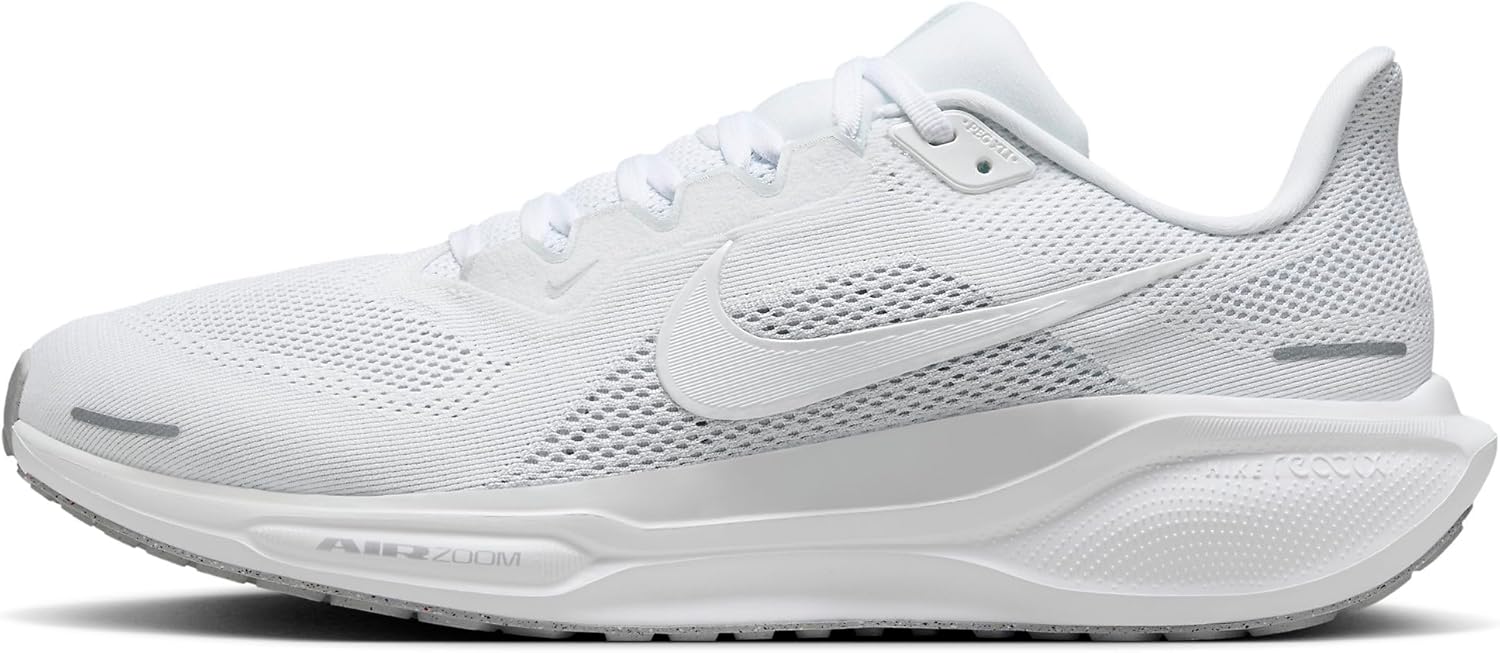
Adaptive Dynamic Arch · Athletic & Daily Wear
Currex’s flagship adaptive arch technology — the orthotic flexes with your gait instead of fighting it. Different stiffness zones along the length give you targeted support at the heel, midfoot, and forefoot. Available in three arch heights (low/medium/high).
✓ Pros
- Dynamic flex zones adapt to natural gait cycle
- Three arch heights ensure precise fit
- Lighter than rigid orthotics (no ‘heavy foot’ feel)
- Excellent for runners and athletic walkers
- European podiatric design (German engineering)
✗ Cons
- More expensive than PowerStep Original ($55-65 typically)
- Less aggressive correction than Pinnacle Maxx for severe cases
- Three arch heights means you must self-select correctly
Dr. Tom’s Recommendation: I started recommending Currex three years ago for runners who said PowerStep felt ‘too rigid.’ The dynamic flex zones respect natural gait. Best for active patients who walk 8K+ steps daily and don’t need maximum motion control.
Running-Specific · Heel Strike + Forefoot Strike Compatible
Currex’s purpose-built running orthotic. The midfoot flex zone is positioned for runner’s gait mechanics, with a flared heel cushion for heel strikers and a forefoot rocker for midfoot/forefoot strikers. Tested on 1000+ runners during product development.

✓ Pros
- Designed by German biomechanics lab specifically for runners
- Dynamic arch flexes with running gait (not static like PowerStep)
- Three arch heights (low/medium/high)
- Reduces overuse injury risk in mid-distance runners
- Lightweight (no impact on cadence)
✗ Cons
- Premium price ($60-75)
- Not aggressive enough for severe over-pronators (use Pinnacle Maxx)
- Runner-specific design = less ideal for daily walking shoes
Dr. Tom’s Recommendation: If a patient runs 20+ miles per week and has plantar fasciitis or shin splints, this is the orthotic I prescribe. The dynamic flex zones respect running biomechanics in a way that no rigid PowerStep can match. Pricier but worth it for serious runners.
Cavus Foot & High-Arch Patients
Polyurethane base with a deeper heel cup and higher arch profile than PowerStep — built for cavus (high-arched) feet that need maximum cushion and support. The 5-zone cushioning system addresses the unique pressure points of high-arch feet.

✓ Pros
- Deeper heel cup centers the heel for cavus foot stability
- Higher arch profile fills the void under high arches
- 5-zone cushioning addresses cavus foot pressure points
- Polyurethane base lasts 12+ months
- Available in Wide width
✗ Cons
- Too tall/aggressive for normal or low arches
- Won’t fit slim dress shoes
- Pricier than PowerStep Original
- Some patients find the arch height uncomfortable initially
Dr. Tom’s Recommendation: Cavus foot patients are often misdiagnosed and given low-arch orthotics — that makes everything worse. Spenco’s Total Support has the arch profile that high-arch feet actually need. About 15% of my patients have cavus feet; this is what they wear.
Cushion Layer · Standing All Day · Gel Pressure Relief
NOT a true biomechanical orthotic — this is a cushion insole. But for patients who want gel pressure relief instead of arch correction (or to add ON TOP of factory insoles in work boots), this is the best gel option on Amazon.

✓ Pros
- Genuine gel cushioning (not foam pretending to be gel)
- Targeted gel waves under heel and ball of foot
- Trim-to-fit · works in most shoe types
- Sub-$15 price (most affordable option in this list)
- Massaging texture is genuinely soothing
✗ Cons
- ZERO arch support — this is cushion only
- Won’t fix plantar fasciitis or flat-foot issues
- Compresses faster than PowerStep (4-6 months)
- Top cover wears through in high-mileage applications
Dr. Tom’s Recommendation: I recommend these to patients who tell me ‘I just want my feet to stop hurting at the end of my shift’ and who don’t have a biomechanical issue. Construction workers, factory workers, retail. Pure cushion does the job for them.
Tight-Fitting Shoes · Cycling Shoes · Hockey Skates
Superfeet’s slim version of their famous Green insole. The trademark stabilizer cap is preserved but the overall thickness is reduced — works in cycling shoes, hockey skates, ski boots, and other tight-fitting footwear that the standard CURREX RunPro can’t fit into.

✓ Pros
- Stabilizer cap centers the heel (Superfeet’s signature feature)
- Slim profile fits tight athletic footwear
- Lasts 12+ months daily wear
- Excellent for cycling shoes specifically
- Built-in odor-control treatment
✗ Cons
- Premium price ($45-55)
- Less cushion than PowerStep equivalents
- Not as aggressive correction as Pinnacle Maxx for flat feet
- The signature ‘heel cup feel’ takes 1-2 weeks to adapt to
Dr. Tom’s Recommendation: If you’re a cyclist with foot numbness, hot spots, or knee pain — this is the orthotic. The stabilizer cap solves cycling-specific biomechanical issues that no other orthotic addresses. Worth the premium for athletes.
None of these solving your foot pain?
Some patients (about 30%) need custom-molded prescription orthotics. We make 3D-scanned custom orthotics in our Howell and Bloomfield Hills offices — specifically built for your foot mechanics.
Schedule a Custom Orthotic Fitting →FSA/HSA eligible · Most insurance accepted · (810) 206-1402
Dr. Tom’s Clinic-Recommended Products
The OTC orthotic I recommend most. Medical-grade arch support at a fraction of custom orthotic cost. Holds shape 12+ months.
View on Amazon →
Natural topical pain relief — arnica + menthol + magnesium. Used in our clinic. No greasy residue. FSA-eligible.
View on Amazon →
As an Amazon Associate and Foundation Wellness affiliate I earn from qualifying purchases at no extra cost to you.
In-Office Treatment at Balance Foot & Ankle
If home treatment isn’t providing relief for your foot circulation, our podiatry team at Balance Foot & Ankle can help with same-day evaluations and advanced in-office care.
Same-day appointments available. (810) 206-1402
PubMed: Chilblains — Diagnosis and Treatment
📋 Dr. Tom Biernacki, DPM, FACFAS answers:
Chilblains (pernio) are caused by an abnormal vascular response to cold temperatures — blood vessels constrict excessively in the cold then dilate rapidly when rewarmed, causing leakage of fluid into surrounding tissue. They appear as red, purple, or bluish itchy, burning patches on the toes, heels, or top of the foot that develop hours after cold exposure. Risk factors include poor circulation, Raynaud’s phenomenon, an underweight BMI, and certain autoimmune conditions. Treatment focuses on prevention: warming feet gradually (not with direct heat), wearing thermal socks and waterproof footwear, and avoiding damp cold. For established chilblains, topical nifedipine gel or oral nifedipine (a calcium channel blocker) reduces vasospasm and accelerates healing. Recurrent chilblains or those appearing in warm weather should be evaluated for lupus or anti-phospholipid syndrome.

Dr. Tom Biernacki, DPM is a board-certified foot & ankle surgeon (ABFAS & ABPM) at Balance Foot & Ankle Specialists in Southeast Michigan. With over a decade of clinical experience, he specializes in heel pain, bunions, diabetic foot care, sports injuries, and minimally invasive surgery. Dr. Biernacki is a member of the APMA and ACFAS, and his patient education content on MichiganFootDoctors.com and YouTube has made him one of the most-followed foot & ankle educators on YouTube.