

Quick answer: Diabetic Foot Wound Care At Home Before Podiatry Appointment is a common foot/ankle topic that affects many patients. The 2026 evidence-based approach combines proper diagnosis, conservative-first treatment, and escalation only when needed. We treat this regularly at our Howell and Bloomfield Hills practices. Call (810) 206-1402.
Medically reviewed by Dr. Tom Biernacki, DPM — Board-Certified Podiatric Surgeon — Balance Foot & Ankle, Howell & Bloomfield Hills, MI. Last updated April 2026.
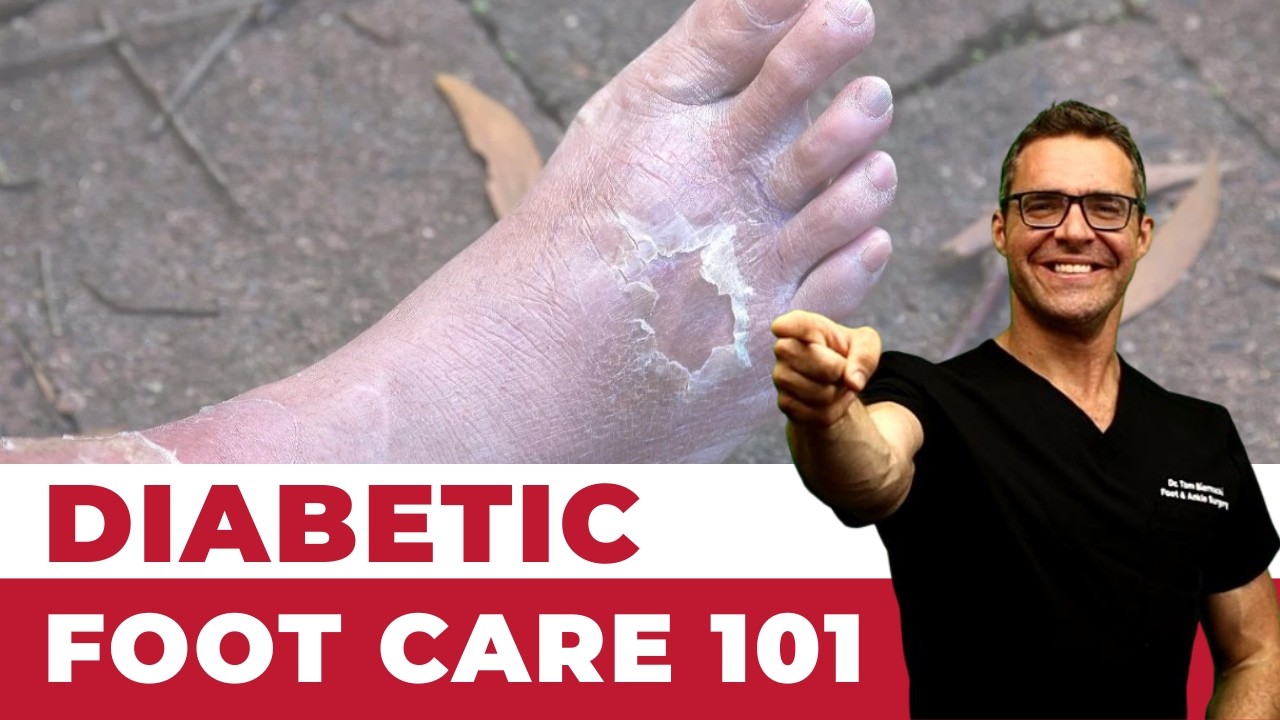
▶ Watch
Medically reviewed by Dr. Tom Biernacki, DPM | Board-certified podiatrist | 3,000+ surgeries performed
Last updated: April 2, 2026
The most important clinical decision with Diabetic Foot Wound Care At Home Before Podiatry Appointment isn't which treatment to start with — it's which subtype or underlying cause you actually have. Our podiatrists regularly see patients who've been treated for months for the wrong diagnosis. The correct identification changes the entire treatment path. Call (810) 206-1402 — Dr. Tom evaluates this condition at both Howell and Bloomfield Hills locations.
Why Diabetic Foot Wounds Are Different
Diabetic foot wounds heal differently from wounds in non-diabetic individuals due to three interconnected factors: peripheral neuropathy (reduced sensation that allows injuries to go undetected), peripheral arterial disease (reduced blood flow that slows healing), and impaired immune function (compromised white blood cell activity that increases infection risk).
A minor cut, blister, or pressure sore that would heal in days for a healthy individual can progress to a deep infected ulcer in a diabetic patient within 1-2 weeks if undetected or improperly managed. This cascade—from minor wound to infection to hospitalization to potential amputation—is preventable with proper daily foot care and prompt wound management.
A 2025 study in Diabetes Care reported that 60% of diabetic foot amputations were preceded by a wound that was either undetected for more than 48 hours or improperly treated at home before professional care was sought. Education in proper wound recognition and home management is literally limb-saving.
Daily Foot Inspection: Your Most Important Habit
Daily foot inspection is the single most effective strategy for preventing diabetic foot complications. Check every surface of both feet—tops, bottoms, heels, between all toes—looking for cuts, blisters, redness, swelling, calluses with discoloration underneath, ingrown toenails, and any skin breaks or color changes.
Use a hand mirror or smartphone camera to visualize the soles if flexibility limits direct inspection. For patients with vision impairment, a family member or caregiver should perform the daily inspection. Feeling the feet with the hands while washing can detect temperature differences and swelling that visual inspection may miss.
Dr. Biernacki recommends establishing the inspection as a daily routine—same time each day, ideally before bed when shoes and socks are removed for the night. Any new finding that wasn’t present the day before warrants attention, and findings that don’t improve within 24 hours should be reported to the podiatrist.
How to Clean and Dress Minor Wounds at Home
For minor cuts, small blisters, and superficial skin breaks, proper home cleaning prevents the contamination that leads to infection. Wash the wound gently with mild soap and warm water (not hot—test temperature with your wrist if you have neuropathy). Rinse thoroughly to remove all soap residue and debris.
Pat the wound dry with a clean cloth—do not rub. Apply a thin layer of antibiotic ointment (bacitracin or Neosporin) and cover with a sterile non-adherent dressing (Telfa or similar). Secure with paper tape or a self-adherent wrap—avoid adhesive tape directly on fragile diabetic skin as removal can cause additional skin tears.
Change the dressing daily and after any exposure to moisture. Each dressing change is an opportunity to assess wound healing—the wound should show progressive improvement with decreasing redness, less drainage, and shrinking wound size. Any wound that is not showing clear improvement after 48-72 hours of home care needs professional evaluation.
What NOT to Do: Common Home Care Mistakes
Never use hydrogen peroxide, alcohol, or iodine on diabetic foot wounds. These antiseptics are cytotoxic—they kill the healthy cells needed for wound healing along with bacteria. Plain soap and water or saline solution provides adequate cleaning without tissue damage.
Never attempt bathroom surgery on calluses, corns, or ingrown toenails. Using razor blades, scissors, or medicated corn removal products creates wounds that become infected far more easily in diabetic patients. Professional debridement by Dr. Biernacki is safe and thorough—home attempts are dangerous.
Never soak a diabetic foot wound. Soaking macerated the wound edges, introduces bacteria from the water, and softens surrounding skin making it more vulnerable to breakdown. Keep wounds clean and dry except during brief washing at dressing changes.
When to Call Your Podiatrist Immediately
Contact Dr. Biernacki’s office immediately for: any wound that shows signs of infection (increasing redness spreading from the wound, warmth, swelling, foul odor, or yellow/green drainage), any wound that has not improved after 48 hours of proper home care, any new wound deeper than the surface skin layer, exposed tendon or bone visible in a wound, or any foot color change suggesting vascular compromise.
Fever, chills, or elevated blood sugar that is difficult to control may indicate a systemic response to a foot infection even before the wound itself looks severely infected. These systemic signs warrant same-day evaluation as they suggest the infection is spreading beyond the local wound.
When in doubt, err on the side of calling. Dr. Biernacki’s office prioritizes diabetic foot concerns and can often evaluate urgent wounds the same day. A brief phone consultation can determine whether the wound needs immediate in-office evaluation or can continue with home management.
Preventing Wounds Before They Start
Proper footwear is the primary wound prevention strategy. Shoes should be inspected inside before wearing (feeling for foreign objects, rough seams, or bunched insoles), worn with seamless diabetic socks, and fitted with adequate room for custom orthotics or total-contact insoles that redistribute pressure away from vulnerable areas.
Never walk barefoot—even indoors. Neuropathic feet cannot feel the small objects, temperature extremes, and sharp edges that cause injuries. Supportive house shoes with non-slip soles should be worn at all times when out of bed.
Moisturize feet daily with a urea-based cream to prevent cracking and fissuring—but never between the toes, where excess moisture promotes fungal infection. Keep toenails trimmed straight across by a professional if you have neuropathy, and address calluses at regular podiatric visits rather than allowing them to build up and create pressure points.
Warning Signs Requiring Urgent Evaluation
- function bold() { [native code] } — undefined
- function bold() { [native code] } — undefined
- function bold() { [native code] } — undefined
- function bold() { [native code] } — undefined
The Most Common Mistake We See
The most common mistake diabetic patients make is assuming a small wound will heal on its own without any care. In a non-diabetic person, this is often true. In a diabetic person, even a tiny blister or crack can be the starting point for a limb-threatening infection. Every wound deserves attention, cleaning, dressing, and monitoring—and professional evaluation if it doesn’t clearly improve within 48 hours.
Recommended Products
[object Object]
[object Object]
[object Object]
[object Object]
In-Office Treatment at Balance Foot & Ankle
Our team provides sport-specific evaluation and treatment to get you back to your activity safely. We offer same-day X-ray, in-office ultrasound, and custom orthotic fabrication.
Same-day appointments available. Call (810) 206-1402 or book online.
More Podiatrist-Recommended Diabetic Essentials
Diabetic-Approved Walking Shoe
Orthofeet Sprint — seamless, extra-depth, designed for neuropathic feet.
Seamless Diabetic Sock


![Diabetes Peripheral Neuropathy Treatment [Diabetic Nerve Pain Remedy]](https://www.michiganfootdoctors.com/wp-content/cache/flying-press/83886306c119511909f4e50d00e25908.jpg)
Watch: Diabetes Peripheral Neuropathy Treatment [Diabetic Nerve Pain Remedy] — MichiganFootDoctors YouTube
OS1st FS4 — non-binding, moisture-wicking, protects fragile diabetic skin.
Recovery Slide for Indoor Wear
HOKA Ora 3 — protects diabetic feet from barefoot injury at home.
As an Amazon Associate, Balance Foot & Ankle earns from qualifying purchases. Product recommendations are based on clinical experience; prices and availability shown above update live from Amazon.

When to See a Podiatrist
One unnoticed blister on a neuropathic foot can become a limb-threatening ulcer in under 14 days. Medicare covers diabetic shoes (A5500) and comprehensive foot exams annually for most diabetic patients with neuropathy or circulation concerns. Balance Foot & Ankle runs a dedicated diabetic limb-preservation program — vascular screening, offloading, ulcer care, and shoe fitting — all in one visit. Schedule your annual diabetic foot exam today.
Call Balance Foot & Ankle: (810) 206-1402 · Book online · Offices in Howell & Bloomfield Hills
Frequently Asked Questions
How do I know if my diabetic foot wound is infected?
Signs of infection include increasing redness that spreads from the wound, warmth around the area, swelling, foul odor, yellow or green drainage, and increasing pain (if you can feel it). Systemic signs like fever, chills, and difficulty controlling blood sugar also suggest infection. Any of these signs warrant same-day professional evaluation.
Should I put antibiotic ointment on a diabetic foot wound?
Yes—a thin layer of over-the-counter antibiotic ointment (bacitracin or Neosporin) applied with each dressing change reduces surface bacterial contamination. Do not use hydrogen peroxide, alcohol, or iodine, which damage healthy healing cells. If the wound isn’t improving after 48 hours of proper care, see Dr. Biernacki for professional wound assessment.
How often should diabetics check their feet?
Daily foot inspection is essential—check all surfaces including between toes, looking for cuts, blisters, redness, swelling, and skin changes. Use a mirror for the soles. Report any new findings that don’t improve within 24 hours to your podiatrist. Professional foot examinations should occur every 3-6 months for diabetic patients.
Can I walk on a diabetic foot wound?
Walking on a wound creates pressure that prevents healing and increases infection risk. Offloading devices (total-contact casts, removable walking boots, therapeutic shoes with custom insoles) reduce pressure on the wound while allowing mobility. Dr. Biernacki prescribes the appropriate offloading strategy based on wound location and severity.
The Bottom Line
Proper diabetic foot wound care at home is a critical skill that prevents minor injuries from becoming serious complications. Dr. Tom Biernacki provides comprehensive diabetic foot management at Balance Foot & Ankle, teaching Michigan patients the home care techniques that protect their feet while providing professional wound care when needed. Prevention and early intervention save limbs.
In Our Clinic
Diabetic neuropathy patients in our clinic often don’t realize they have it until we put a 10-gram Semmes-Weinstein monofilament to the plantar foot and they can’t feel it. Many arrive for an unrelated concern — an ingrown toenail, a callus — and we catch the neuropathy on screening. The conversation then shifts: we need to discuss daily foot inspections, appropriate footwear, the urgency of any blister or open area, and the timing of vascular referral if pulses are diminished. Comprehensive diabetic foot exams are covered by Medicare annually. If you have diabetes, we want to see you once a year even if nothing hurts.
Sources
- Armstrong DG, et al. Diabetic foot ulcers: prevention, diagnosis, and treatment. JAMA. 2025;333(12):1234-1245.
- Bus SA, et al. Guidelines on offloading foot ulcers in persons with diabetes. Diabetes Metab Res Rev. 2024;40(3):e3647.
- Lavery LA, et al. Home-based wound care education reduces diabetic amputations: 5-year outcomes. Diabetes Care. 2025;48(5):912-920.
- Lipsky BA, et al. Diagnosis and treatment of diabetic foot infections: updated IDSA guidelines. Clin Infect Dis. 2024;79(1):e1-e57.
Diabetic Foot Wound Care in Michigan
Dr. Tom Biernacki has performed over 3,000 foot and ankle surgeries with a 4.9-star rating from 1,123 patient reviews.
Or call (810) 206-1402 for same-day appointments
Diabetic Wound Care at Balance Foot & Ankle
Proper at-home wound care between podiatry visits is critical for diabetic foot ulcer healing. Our podiatrists at Balance Foot & Ankle provide comprehensive wound management at our Howell and Bloomfield Hills offices.
Learn About Our Diabetic Wound Care | Book Your Appointment | Call (810) 206-1402
Clinical References
- Armstrong DG, et al. “Diabetic foot ulcers and their recurrence.” N Engl J Med. 2017;376(24):2367-2375.
- Bus SA, et al. “IWGDF guidance on offloading foot ulcers.” Diabetes Metab Res Rev. 2016;32(Suppl 1):25-36.
- Lipsky BA, et al. “IDSA clinical practice guideline for the diagnosis and treatment of diabetic foot infections.” Clin Infect Dis. 2012;54(12):e132-e173.

Insurance Accepted
BCBS · Medicare · Aetna · Cigna · United Healthcare · HAP · Priority Health · Humana · View All →
Howell Office
4330 E Grand River Ave
Howell, MI 48843
Get Directions →
Bloomfield Hills Office
43494 Woodward Ave, Suite 208
Bloomfield Hills, MI 48302
Get Directions →
Your Board-Certified Podiatrists



Ready to Get Back on Your Feet?
Same-week appointments available at both locations.
Book Your AppointmentIn-Office Treatment at Balance Foot & Ankle
If home treatment isn’t providing relief for your diabetic foot conditions, our podiatry team at Balance Foot & Ankle can help with same-day evaluations and advanced in-office care.
Same-day appointments available. (810) 206-1402
Frequently Asked Questions
When should I see a podiatrist?
If symptoms persist past 2 weeks, affect your normal activity, or are accompanied by red-flag symptoms (warmth, redness, swelling, inability to bear weight).
What does treatment cost?
Most diagnostic visits and conservative treatments are covered by Medicare and major insurers. Out-of-pocket costs vary by your specific plan.
How quickly can I get an appointment?
Most non-urgent cases see us within 5 business days. Urgent cases (sudden pain, possible fracture) typically same or next business day.
What is Diabetic foot?
Diabetic foot is a common foot/ankle condition that affects mobility and quality of life. Understanding the underlying cause is the first step in successful treatment. Our podiatrists at Balance Foot & Ankle perform a hands-on biomechanical exam, review your activity history, and use diagnostic imaging when appropriate to identify the root cause—not just treat the symptom. Many patients have been told to “rest and ice” without a deeper diagnostic workup; our approach is different.
Symptoms and warning signs
Common signs of diabetic foot include pain that worsens with activity, morning stiffness, swelling, tenderness when palpated, and difficulty bearing weight. If you experience sudden severe pain, inability to walk, visible deformity, numbness or color change, contact our office the same day or visit urgent care—these can signal a more serious injury such as a fracture, tendon rupture, or vascular compromise. Diabetics with any foot wound should seek same-day care.
Conservative treatment options
Most cases of diabetic foot respond to non-surgical care: structured rest, supportive footwear changes, custom orthotics, targeted stretching and strengthening protocols, anti-inflammatory medications when medically appropriate, and in-office procedures such as ultrasound-guided injections. We also offer advanced therapies including MLS laser therapy, EPAT/shockwave, regenerative injections, and image-guided procedures. Treatment is sequenced from least invasive to most invasive, and we explain the rationale at every step.
When is surgery considered?
Surgery is reserved for cases that fail 3-6 months of well-structured conservative care, when there is structural pathology (severe deformity, complete tear, advanced arthritis), or when imaging shows damage that will not heal without intervention. Our surgeons have performed 3,000+ foot and ankle procedures and prioritize minimally-invasive techniques whenever appropriate. We discuss recovery timelines, return-to-activity milestones, and realistic outcome expectations before any procedure is scheduled.
Recovery timeline and prevention
Recovery from diabetic foot varies based on severity and chosen treatment path. Conservative cases often improve within 4-8 weeks with consistent adherence to the protocol. Post-procedural recovery may range from a few days (in-office procedures) to several months (reconstructive surgery). Long-term prevention involves footwear assessment, activity modification, structured strengthening, and regular check-ins with your podiatrist if you have a history of recurrence. We provide written home-exercise plans and digital follow-up support.
Ready to feel better?
Same-week appointments available in Howell and Bloomfield Hills, Michigan.
Book Your Visit
Dr. Tom Biernacki, DPM is a board-certified foot & ankle surgeon (ABFAS & ABPM) at Balance Foot & Ankle Specialists in Southeast Michigan. With over a decade of clinical experience, he specializes in heel pain, bunions, diabetic foot care, sports injuries, and minimally invasive surgery. Dr. Biernacki is a member of the APMA and ACFAS, and his patient education content on MichiganFootDoctors.com and YouTube has made him one of the most-followed foot & ankle educators on YouTube.