
Quick answer: Foot Care Nurses Healthcare Workers Long Shifts 3 is a common foot/ankle topic that affects many patients. The 2026 evidence-based approach combines proper diagnosis, conservative-first treatment, and escalation only when needed. We treat this regularly at our Howell and Bloomfield Hills practices. Call (810) 206-1402.

Medically Reviewed by Dr. Tom Biernacki, DPM, FACFAS — Board-certified podiatrist & foot surgeon | Balance Foot & Ankle | Last updated: May 2026
Nurses and healthcare workers develop foot pain from prolonged standing on hard floors, poor footwear, and shift-pattern fatigue. The most effective interventions are supportive occupational footwear (firm heel counter, cushioned midsole), compression socks for 8–12 hour shifts, and custom orthotics for structural issues like flat feet or plantar fasciitis. Pain persisting beyond 2–3 weeks warrants podiatric evaluation.
Why Healthcare Workers Have Some of the Highest Rates of Foot Pain
Studies consistently show that nurses, OR technicians, and floor staff log 8,000–18,000 steps per shift — often on concrete or linoleum with minimal padding. Unlike running, where the foot cycles through landing and push-off, prolonged standing compresses the plantar fascia, metatarsal heads, and ankle joints in a sustained, damaging load pattern. The result: plantar fasciitis, metatarsalgia, and Achilles tendinopathy are 2–3× more prevalent in healthcare workers than in the general population.
Most Common Foot Conditions in Nurses & Healthcare Workers
| Condition | Cause in Healthcare Setting | First-Line Fix |
|---|---|---|
| Plantar fasciitis | Sustained standing, flat shoes, concrete floors | Arch-support shoes + morning calf stretch |
| Metatarsalgia | Thin midsole clogs, wide forefoot splay | Metatarsal pad, wider toe box shoe |
| Achilles tendinopathy | Cumulative overload from shift-to-shift | Eccentric heel drops, heel lift |
| Posterior tibial tendon pain | Overpronation amplified by long hours | Medial arch support, motion control shoe |
| Varicose veins / edema | Prolonged venous pooling, gravity load | 15–20 mmHg compression socks |
| Stress fractures (2nd/3rd met) | Repetitive microtrauma without recovery time | Immediate podiatry evaluation + X-ray |
Shoe and Equipment Recommendations for Long Shifts
The single highest-impact change most healthcare workers can make is switching to occupational footwear with three key features: a firm heel counter (no heel collapse under load), a cushioned midsole of at least 20mm, and a rocker sole geometry that reduces forefoot pressure during the push-off phase. Brands consistently recommended by podiatrists for healthcare workers include Hoka Bondi (maximum cushion), Dansko Professional (rocker sole, heel stability), New Balance 990 series, and Brooks Addiction Walker. Avoid flat clogs without arch support regardless of brand reputation.
Compression Socks: Which Compression Level Is Right?
- 8–15 mmHg — light compression; appropriate for mild fatigue and prevention in healthy workers
- 15–20 mmHg — moderate compression; the most commonly recommended for nursing shifts; reduces end-of-shift edema significantly
- 20–30 mmHg — firm compression; appropriate for documented varicose veins, chronic venous insufficiency, or post-DVT; requires physician or podiatrist recommendation
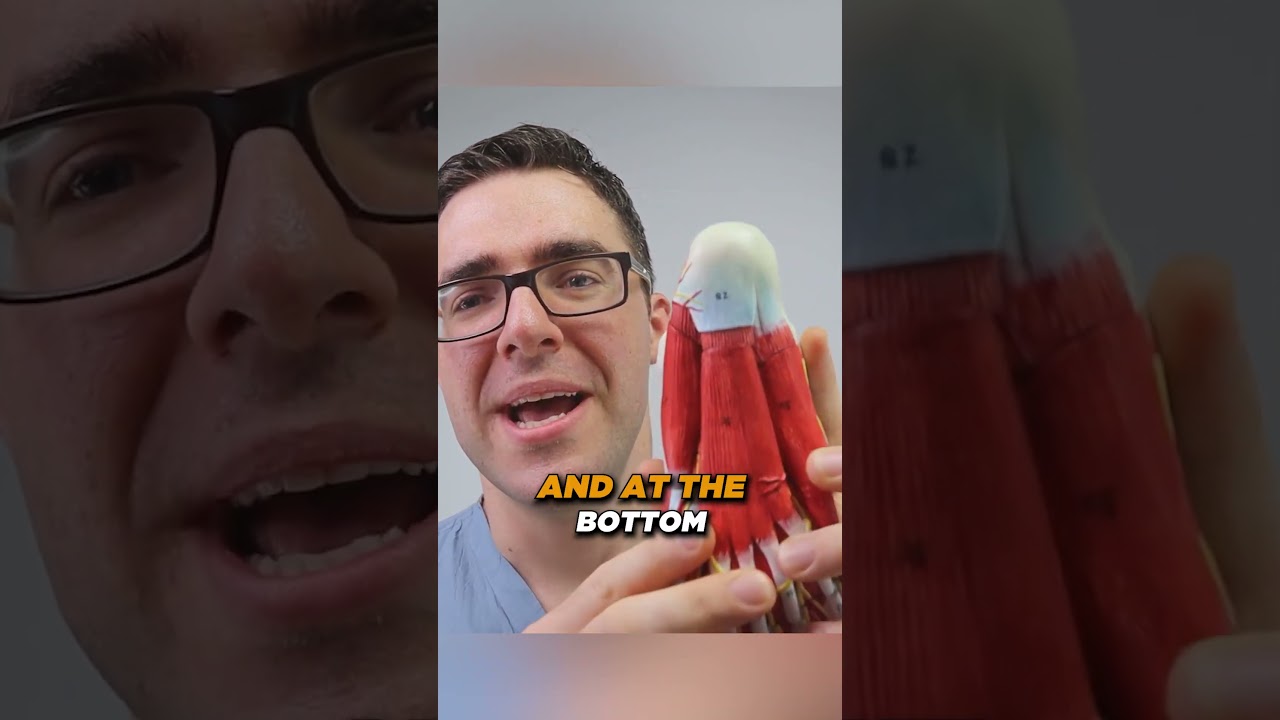
Watch: Why Does the Back of My Foot Hurt After Long Shifts?
Dr. Tom Biernacki explains heel and posterior foot pain — one of the most common complaints in healthcare workers — and the clinical approach to diagnosing and resolving it quickly:
The most common mistake healthcare workers make is treating foot pain as an occupational inevitability — “it just comes with the job” — and pushing through it for months before seeking care. This delay allows acute conditions like plantar fasciitis to become chronic and calcified (heel spurs), and stress fractures to progress from micro-cracks to complete breaks. In our clinic, nurses who come in within 4–6 weeks of symptom onset resolve their condition 60–70% faster than those who wait 6+ months. Foot pain is not something you should accept as part of your shift — it is treatable, often within a few visits.
Frequently Asked Questions
What type of shoe is best for nurses working 12-hour shifts?
For 12-hour shifts, the key specs are: at least 20mm of midsole cushioning, a firm heel counter that doesn’t compress under pressure, a rocker or curved sole to reduce forefoot stress, and a toe box wide enough to prevent metatarsal compression. Top podiatrist-recommended options include Hoka Bondi (maximum cushion), Dansko Professional (rocker sole, durable), New Balance 990v5 (motion control, structured), and Asics Gel-Kayano (cushion + stability). Avoid flat-soled clogs or canvas sneakers for full shifts — they lack the structural support needed.
Do compression socks actually help with foot pain from standing?
Yes — for the right type of foot pain. Compression socks in the 15–20 mmHg range are most effective for reducing end-of-shift swelling, preventing varicose vein progression, and decreasing fatigue-related aching in the calf and arch. They are less effective for mechanical pain causes like plantar fasciitis or stress fractures, which require structural interventions. Many healthcare workers find that combining compression socks with supportive footwear and custom orthotics produces the most significant quality-of-life improvement.
Can I get custom orthotics covered by insurance for work-related foot pain?
Custom orthotics are covered by most PPO plans and Medicare Part B when medically necessary — meaning when a physician or podiatrist documents a structural foot condition (flat feet, plantar fasciitis, excessive pronation, etc.) contributing to pain or dysfunction. Occupational wear pattern is often documented as a contributing factor. At Balance Foot & Ankle, we handle pre-authorization and documentation. Call (810) 206-1402 to verify your specific coverage before scheduling.
How quickly can a podiatrist treat work-related foot pain?
Many conditions are treated at the first visit. Cortisone injections for plantar fasciitis or bursitis are done in-office and provide relief within 24–72 hours for most patients. Custom orthotic casting takes one visit; the devices are delivered within 2–3 weeks. For more complex conditions like stress fractures or posterior tibial tendon dysfunction, a multi-visit protocol is needed, but the treatment plan is established at the first appointment. Same-day appointments are available at our Howell and Bloomfield Hills offices.
Are there stretches I can do during a shift to reduce foot pain?
Yes — three evidence-supported stretches work well during breaks: (1) Seated calf stretch — cross one ankle over the opposite knee, pull the foot toward you, hold 30 seconds; repeat 3×. (2) Towel or wall plantar fascia stretch — push toes back against a wall or towel, hold 20–30 seconds. (3) Intrinsic foot strengthening — toe spreads and short foot exercises, done seated. These don’t replace orthotics or proper footwear but significantly reduce cumulative strain when done consistently on breaks.
Foot Pain Affecting Your Ability to Work? See Us This Week.
Same-day appointments in Howell and Bloomfield Hills, MI. Dr. Tom Biernacki DPM — board-certified podiatrist with 3,000+ procedures. Most nursing and healthcare insurance plans accepted.
Book a Same-Day Visit (810) 206-1402Related Articles
- Plantar Fasciitis: Causes, Symptoms & Treatment
- Custom Orthotics in Michigan
- Metatarsalgia: Ball of Foot Pain
- Podiatrist-Recommended Shoes
- When to See a Podiatrist
In-Office Treatment at Balance Foot & Ankle
If home treatment isn’t providing relief for your foot pain, our podiatry team at Balance Foot & Ankle can help with same-day evaluations and advanced in-office care.
No products found.
Same-day appointments available. (810) 206-1402
Doctor Hoy’s Natural Pain Relief Gel
Natural topical pain relief I use in our clinic. Arnica + camphor formula — apply directly to the area 3–4x daily. ($20–25)
Shop Doctor Hoy’s →Frequently Asked Questions

When should I see a podiatrist?
If symptoms persist past 2 weeks, affect your normal activity, or are accompanied by red-flag symptoms (warmth, redness, swelling, inability to bear weight).
What does treatment cost?
Most diagnostic visits and conservative treatments are covered by Medicare and major insurers. Out-of-pocket costs vary by your specific plan.
APMA: Footwear for Healthcare Workers
How quickly can I get an appointment?
Most non-urgent cases see us within 5 business days. Urgent cases (sudden pain, possible fracture) typically same or next business day.

Dr. Tom Biernacki, DPM is a board-certified foot & ankle surgeon (ABFAS & ABPM) at Balance Foot & Ankle Specialists in Southeast Michigan. With over a decade of clinical experience, he specializes in heel pain, bunions, diabetic foot care, sports injuries, and minimally invasive surgery. Dr. Biernacki is a member of the APMA and ACFAS, and his patient education content on MichiganFootDoctors.com and YouTube has made him one of the most-followed foot & ankle educators on YouTube.