
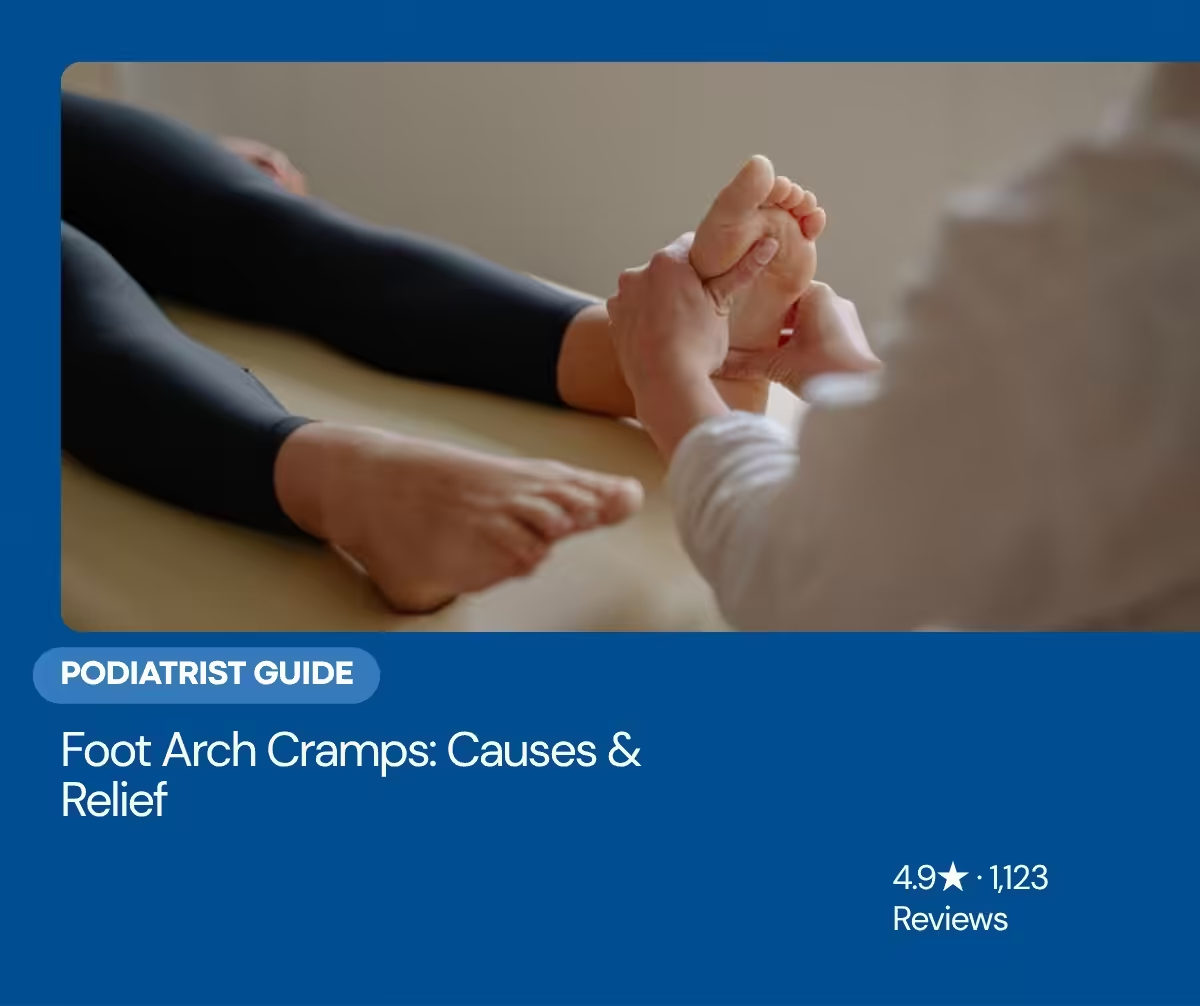
Quick answer: Arch foot cramps are usually caused by low magnesium, dehydration, flat feet overloading intrinsic muscles, or muscle fatigue. For immediate relief: pull toes back, stand on the foot, and massage the arch. Long-term: magnesium supplementation, better hydration, arch-supportive footwear, and intrinsic foot strengthening resolve most cases within 4–6 weeks.
In This Article

Few things are more sudden and alarming than a violent cramping spasm in the arch of your foot — especially when it wakes you out of a deep sleep at 3 a.m. While most arch cramps are benign, they’re also usually a signal that something in your body’s balance of minerals, hydration, or muscle mechanics is off. Here’s exactly what causes them and how to make them stop.
What Causes Arch Foot Cramps?
Medically reviewed by Dr. Tom Biernacki, DPM
Board-certified podiatric surgeon | Balance Foot & Ankle | Last reviewed: May 2026
Arch foot cramps occur when the intrinsic muscles of the foot — primarily the flexor digitorum brevis, abductor hallucis, and quadratus plantae — involuntarily contract and fail to relax. This can happen for a range of reasons from simple dehydration to an underlying neuromuscular condition. In our clinic, the vast majority of patients have at least one correctable cause.
- Dehydration and electrolyte imbalance: Low magnesium is the most common biochemical cause of muscle cramps — magnesium regulates the calcium channels that trigger muscle contraction. Low potassium and sodium also contribute. A 2020 review in Magnesium Research found that 48% of patients with recurrent nocturnal cramps had suboptimal serum magnesium.
- Overuse and muscle fatigue: A long walk in flat shoes, standing on concrete for hours, or a sudden increase in athletic activity exhausts the small intrinsic foot muscles, which cramp as a fatigue response.
- Flat feet (overpronation): When the arch collapses excessively, the intrinsic muscles work overtime trying to support the foot. This chronic overload makes them prime candidates for cramping.
- Ill-fitting footwear: Narrow shoes, high heels, or shoes with no arch support force the foot muscles to work in shortened or lengthened positions for hours, predisposing them to spasm.
- Nerve-related causes: Tarsal tunnel syndrome (compression of the tibial nerve at the ankle) can cause cramping, burning, and tingling in the arch, often worse at night.
- Medications: Diuretics (water pills), statins, and some beta-blockers deplete magnesium and potassium, directly increasing cramp frequency.
- Peripheral neuropathy: In diabetic patients, nerve damage to the foot’s intrinsic muscles can cause spasms and cramping alongside the classic burning pain.
Key takeaway: The most common correctable causes of arch cramps are low magnesium, dehydration, flat feet without support, and muscle fatigue from overuse — all highly responsive to targeted treatment.
How to Stop an Arch Cramp Immediately
When a cramp hits, the goal is to interrupt the involuntary contraction cycle as quickly as possible. These techniques work within 30–60 seconds for most patients.
- Dorsiflexion stretch: Pull your toes upward toward your shin to stretch the plantar fascia and intrinsic muscles. Hold for 30 seconds. This is the single most effective immediate relief maneuver.
- Weight-bearing: Stand up and put weight on the cramped foot — the proprioceptive input and muscle lengthening under load often breaks the spasm.
- Massage: Firm thumb pressure along the arch, from heel to ball of foot, helps manually relax the contracted muscle fibers.
- Warm towel or heating pad: Heat relaxes muscle tone and increases blood flow — particularly helpful for recurrent nocturnal cramps.
Prevention: Long-Term Strategies
Stopping cramps permanently requires addressing their root cause, not just the acute episode. In our practice, the following protocol resolves recurrent arch cramps in the majority of patients within 4–6 weeks.
- Magnesium supplementation: Magnesium glycinate 200–400mg before bed is well-tolerated and specifically targets nocturnal cramps. Discuss with your doctor if you take medications that interact with magnesium (certain antibiotics, heart medications).
- Hydration: Aim for pale yellow urine throughout the day. Increase electrolyte intake (sports drinks or electrolyte tablets) during heavy exercise or heat.
- Arch-supportive footwear and orthotics: Custom orthotics correct excessive pronation and reduce intrinsic muscle overload — one of the most consistent interventions we recommend for recurrent arch cramping with flat feet.
- Intrinsic foot strengthening: Towel scrunches, marble pickups, and short-foot exercises build the intrinsic muscles’ endurance so they fatigue less easily.
- Calf and plantar fascia stretching: Tight calves restrict dorsiflexion and shift load onto the plantar structures — daily gastrocnemius and soleus stretching reduces plantar muscle stress significantly.
Dr. Tom’s Picks for Arch Cramp Relief
Contains arnica + menthol + magnesium — the magnesium component directly addresses muscle cramping. Apply during or immediately after cramp episodes.
View on Amazon →
Arch muscles cramp when they’re overworking without support. Pinnacle’s semi-rigid arch takes the load off the intrinsic muscles — often eliminates cramping entirely.
View on Amazon →
As an Amazon Associate I earn from qualifying purchases. As a Foundation Wellness partner I may also earn commission. Recommendations based on clinical experience.
⚠️ When to see a podiatrist or doctor:
- Cramps that occur multiple times per week and aren’t improving with hydration and stretching
- Cramps accompanied by numbness, tingling, or burning (possible tarsal tunnel syndrome or neuropathy)
- Known diabetes — foot cramping may signal worsening peripheral neuropathy
- Cramps in multiple muscle groups, not just the foot (may indicate systemic electrolyte disorder)
The Most Common Mistake We See
The most common mistake is dismissing recurrent arch cramps as just “dehydration” without evaluating the foot’s structural mechanics. Many patients who hydrate and take magnesium still cramp because their flat feet are chronically overloading the intrinsic muscles. When we add custom orthotics to their regime, the cramps resolve where diet and hydration alone failed.
Frequently Asked Questions
The Bottom Line
Arch foot cramps are almost always caused by a combination of electrolyte deficiency, muscle fatigue, and structural foot mechanics — all of which are correctable. If your cramps are frequent, worsening, or accompanied by numbness or tingling, a podiatry evaluation will identify whether the cause is structural (flat feet, tarsal tunnel) or systemic (neuropathy, electrolyte disorder). We’re here to help at Balance Foot & Ankle in Howell and Bloomfield Township.
Sources
- Garrison SR et al. Magnesium for skeletal muscle cramps. Cochrane Database Syst Rev. 2020.
- Maughan RJ, Shirreffs SM. Muscle cramping during exercise: causes, solutions, and questions remaining. Sports Med. 2019.
- Miller KC et al. Exercise-associated muscle cramps: causes, treatment and prevention. Sports Med. 2022.
Related Conditions
Ready to Get Relief?
Same-day appointments available in Howell & Bloomfield Township, MI
4.9★ | 1,123 Reviews | 3,000+ Surgeries
Or call: (810) 206-1402
Dr. Tom’s Recommended Products for Arch Foot Cramps:
- Magnesium Glycinate 400mg (Amazon) — The #1 supplement for nocturnal foot cramps. Magnesium deficiency is the most overlooked cause of arch cramping. Glycinate form has best absorption and lowest GI side effects — 400mg before bed.
- PowerStep Pinnacle Insoles — Biomechanical correction addresses the structural cause of arch cramps. Flat feet and overworked intrinsic muscles cramp more — proper arch support reduces the load on the muscles that spasm.
- Doctor Hoy’s Natural Pain Relief Gel — For immediate cramp relief — rub firmly into the arch during a cramp episode to activate the skin receptors that interrupt the spasm cycle. Arnica + camphor.
Frequent arch cramps may signal nerve or vascular involvement. Cramps >3× per week deserve evaluation. Learn about neuropathy treatment → or book a neurovascular evaluation · (810) 206-1402
Foot pain typically responds best to early podiatrist evaluation, conservative treatments such as supportive footwear and targeted physical therapy, and—when needed—custom orthotics or in-office procedures. Most patients see meaningful improvement within 4-6 weeks of starting a structured treatment plan. Schedule an evaluation at our Howell or Bloomfield Township office for a clinical assessment.
In-Office Treatment at Balance Foot & Ankle
 Reviewed by Dr. Tom Biernacki, DPM, FACFAS
Board-certified foot & ankle surgeon · 3,000+ surgeries · @MichiganFootDoctors (950K+ subscribers)
Last reviewed May 11, 2026 · (810) 206-1402
Reviewed by Dr. Tom Biernacki, DPM, FACFAS
Board-certified foot & ankle surgeon · 3,000+ surgeries · @MichiganFootDoctors (950K+ subscribers)
Last reviewed May 11, 2026 · (810) 206-1402
When home care and the right footwear aren’t enough for arch cramps or foot muscle cramping, our team at Balance Foot & Ankle provides advanced evaluation and treatment at our Howell and Bloomfield Township locations. Same-day appointments are available for acute and chronic conditions.
Same-day appointments available. (810) 206-1402
Learn about our custom orthotics for arch pain → | Book online →
Our podiatrists treat the underlying cause, not just the symptom. Same-week appointments at our Howell and Bloomfield Township, Michigan offices.
Get Expert Care at Balance Foot & Ankle
Same-week appointments at our Howell and Bloomfield Township offices. Board-certified podiatric surgeons. Most insurance accepted.
Same-Week Appointments in Howell & Bloomfield Township
Three board-certified podiatric surgeons. 1,123+ five-star reviews. Most insurance accepted.

Dr. Tom Biernacki, DPM is a board-certified foot & ankle surgeon (ABFAS & ABPM) at Balance Foot & Ankle Specialists in Southeast Michigan. With over a decade of clinical experience, he specializes in heel pain, bunions, diabetic foot care, sports injuries, and minimally invasive surgery. Dr. Biernacki is a member of the APMA and ACFAS, and his patient education content on MichiganFootDoctors.com and YouTube has made him one of the most-followed foot & ankle educators on YouTube.
More questions patients ask
What causes cramps in the arch of the foot?
Arch foot cramps have multiple causes: muscle fatigue and overuse (especially in athletes or those on their feet all day), electrolyte deficiencies (magnesium most important, also potassium, calcium, and sodium), dehydration, peripheral neuropathy (abnormal nerve signals cause muscle cramping), plantar fascia tightness, poor footwear with inadequate arch support, hypothyroidism, and peripheral vascular disease (reduced blood flow to foot muscles). At Balance Foot & Ankle in Howell (4330 E Grand River) and Bloomfield Township (43494 Woodward Ave #208), we diagnose and treat the underlying cause of arch cramps — call (810) 206-1402.
How do I relieve an arch cramp immediately?
For immediate arch cramp relief: stretch the arch by pulling your toes toward your shin (dorsiflexion), flex and extend your foot repeatedly to pump blood into the cramping muscle, stand and walk on the affected foot (weight bearing often stops cramps), massage the arch firmly with your thumb, apply warm (not hot) towel or heating pad to relax the muscle, and hydrate immediately. Prevention after the cramp: supplement magnesium glycinate (200–400 mg daily), increase potassium intake, and evaluate footwear. At Balance Foot & Ankle, serving Howell and Bloomfield Township, MI, we address recurrent foot cramps — call (810) 206-1402.
Can dehydration cause foot arch cramps?
Yes — dehydration is a significant trigger for muscle cramps anywhere in the body, including the foot arch. Dehydration reduces blood volume, making muscles more irritable and prone to involuntary contractions. Electrolytes (especially sodium, potassium, and magnesium) that regulate muscle function are also depleted with dehydration. Athletes, those working in heat, and elderly patients are particularly susceptible. Increasing fluid intake to 8–12 glasses daily reduces cramping frequency. For persistent cramps despite adequate hydration, electrolyte and metabolic testing is warranted. Balance Foot & Ankle evaluates and treats recurrent foot cramps — call (810) 206-1402.
Are magnesium supplements good for foot arch cramps?
Yes — magnesium is the single most effective supplement for muscle cramps, including those in the foot arch. Magnesium controls muscle relaxation by counteracting calcium's muscle-contracting effects. Magnesium deficiency leads to excessive muscle excitability and cramping. Many people are deficient due to poor dietary intake and nutrient depletion from stress, diuretics, and processed foods. Magnesium glycinate (200–400 mg at bedtime) reduces nocturnal and activity-related foot cramps within 2–4 weeks in most deficient individuals. At Balance Foot & Ankle in Howell and Bloomfield Township, we recommend magnesium as first-line for recurrent cramps — call (810) 206-1402.
Can foot arch cramps indicate a serious condition?
While most arch cramps are benign and related to dehydration, electrolyte deficiency, or muscle fatigue, persistent or severe cramping can indicate: peripheral neuropathy (diabetic, idiopathic, or from B12 deficiency), peripheral artery disease (reduced circulation causing muscle ischemia), hypothyroidism (metabolic cause of cramps), chronic kidney disease (electrolyte imbalances), or medication side effects (statins, diuretics, ACE inhibitors can all cause muscle cramps). If cramps are frequent, severe, associated with weakness, or accompanied by other symptoms, professional evaluation is warranted. At Balance Foot & Ankle, we identify treatable underlying causes — call (810) 206-1402.
Still have a question about coverage or cost? Book online and we will check your benefits before your visit: Book in Howell · Book in Bloomfield Township. Prefer to talk it through first? Call (810) 206-1402.