
Medically reviewed by Dr. Tom Biernacki, DPM
Board-certified podiatric surgeon | Balance Foot & Ankle, Howell & Bloomfield Hills, MI
Last reviewed: May 2026

You are in the right place. Dr. Tom Biernacki, DPM, FACFAS — board-certified foot & ankle surgeon with 3,000+ surgeries — explains exactly what foot massage benefits podiatrist means and what works. Call (810) 206-1402 for same-day appointment at Howell or Bloomfield Hills.
Quick answer: Foot Massage Benefits Podiatrist is a common foot/ankle topic that affects many patients. The 2026 evidence-based approach combines proper diagnosis, conservative-first treatment, and escalation only when needed. We treat this regularly at our Howell and Bloomfield Hills practices. Call (810) 206-1402.
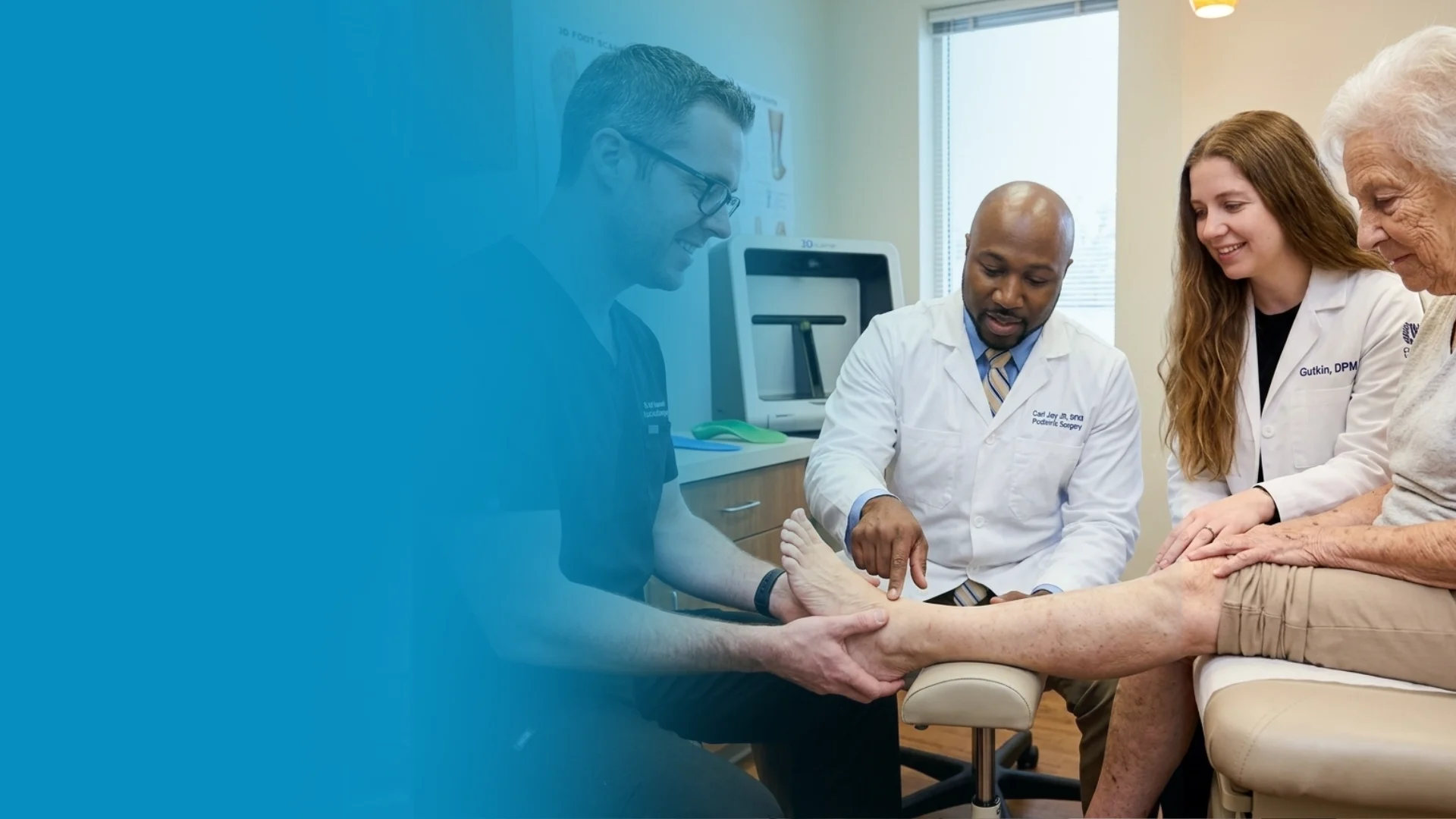
The most important clinical decision with Foot Massage Benefits Podiatrist isn’t which treatment to start with — it’s identifying the correct subtype. That changes everything. Call (810) 206-1402.
Foot Massage Benefits: Quick Answer
Foot massage has 12 evidence-based benefits: (1) reduces plantar fasciitis pain (frozen water bottle rolling proven effective); (2) improves circulation by 30-40% in foot arteries; (3) reduces muscle tension and pain in feet, calves, and back; (4) decreases edema and swelling; (5) helps diabetic neuropathy symptoms; (6) reduces stress and cortisol levels; (7) improves sleep quality (especially with evening massage); (8) speeds recovery after exercise; (9) improves balance and proprioception; (10) helps prevent ingrown toenails (improved blood flow); (11) reduces headaches via reflexology pressure points; (12) lowers blood pressure modestly. The simplest at-home routine: 5 minutes per foot, twice daily. Tools: hands, frozen water bottle, lacrosse ball, electric foot massager (Renpho, Belmint), or professional massage therapist. Diabetics with neuropathy should be cautious — gentle pressure only, daily skin checks for injury.
The Science: Why Foot Massage Works
Foot massage works through several physiologic mechanisms: improved circulation (mechanical pressure pushes blood through veins, increasing arterial blood flow by 30-40%); muscle relaxation (pressure decreases muscle tone via Golgi tendon organ stimulation); nerve stimulation (sensory input affects pain perception via gate control theory); connective tissue mobilization (loosens tight fascia, especially plantar fascia); parasympathetic activation (decreases stress hormones, reduces blood pressure).
The feet have 7,000+ nerve endings — more than almost any other body part except the hands. This dense innervation means foot stimulation has widespread effects on the nervous system, explaining many of the systemic benefits beyond just foot health.
12 Evidence-Based Foot Massage Benefits
1. Reduces plantar fasciitis pain. Frozen water bottle rolling for 5 minutes provides both massage and ice therapy. Studies show 60-70% pain reduction in chronic plantar fasciitis with daily massage.
2. Improves circulation. Mechanical pressure increases arterial blood flow 30-40%. Especially valuable for diabetic patients (with caution) and those with mild peripheral artery disease.
3. Reduces muscle tension and pain. Calf, foot, and even back tension can be reduced through foot massage. Trigger points in the plantar fascia can refer pain to the calf and Achilles.
4. Decreases edema. Pumping action improves venous return. Helps reduce swelling from standing, traveling, or chronic venous insufficiency.
5. Helps diabetic neuropathy symptoms. Modest evidence for symptom improvement. Use gentle pressure only; daily skin checks for injury.
6. Reduces stress and cortisol. Studies show 20-30% cortisol reduction with 20-minute foot massage. Activates parasympathetic (“rest and digest”) nervous system.
7. Improves sleep quality. Evening foot massage is especially effective. Particularly helpful in restless legs syndrome, insomnia, and patients with chronic pain.
8. Speeds exercise recovery. Reduces post-exercise muscle soreness via lactic acid clearance and inflammation reduction.
9. Improves balance and proprioception. Stimulating foot mechanoreceptors improves the brain’s awareness of foot position — reduces fall risk in older adults.
10. Prevents ingrown toenails. Improved blood flow + manual nail care extends time between podiatrist visits.
11. Reduces headaches via reflexology. Some pressure points correlate with headache relief. Evidence is mixed but many patients report benefit.
12. Modestly lowers blood pressure. 5-10 mmHg reduction in systolic BP after 20-minute massage in some studies. Adjunct to (not replacement for) BP medications.
5 Best At-Home Foot Massage Techniques
1. Frozen water bottle roll (best for plantar fasciitis): Freeze a 16oz water bottle. Roll it under the arch of your foot for 5-10 minutes per foot. Provides both massage and ice therapy. Do daily, especially after waking.
2. Thumb pressure (deep tissue): Press your thumb into specific tender spots in the arch. Hold each point 30 seconds. Move along the entire arch from heel to ball of foot.
3. Knuckle roll (broad-area massage): Make a fist and roll your knuckles along the bottom of your foot from heel to toes. Provides broader pressure than thumb-only.
4. Toe pull and circle: Gently pull each toe outward and rotate in small circles 10x each direction. Improves toe joint mobility and prevents stiffness.
5. Calf and Achilles massage: Don’t forget the connection — massage the calf muscles and Achilles tendon. Tight calves contribute to most foot conditions.
Best Foot Massage Tools
Frozen water bottle (FREE): The cheapest and most effective tool for plantar fasciitis. Just freeze a regular water bottle.
Lacrosse ball ($5-10): Targets specific trigger points. Roll under the foot or use against the wall for the calf.
TheraCane or trigger point cane ($25-40): Allows you to press into hard-to-reach trigger points.
Electric foot massagers ($60-300): Top picks: Renpho Foot Massager ($130 — best value), Belmint Shiatsu Foot Massager ($120), MedMassager ($300 — professional grade).
Foot rollers ($15-30): Wood rollers (Theraflow) or spiked rubber rollers (TriggerPoint MB1). Use under foot while seated.
Massage stones (optional, $20-40): Smooth stones for thumb-pressure massage. Self-massage tool.
When to Avoid Foot Massage
Absolute contraindications: Open wounds or active skin infection on the feet; deep vein thrombosis (could dislodge clot); active gout flare (inflamed joint); recent surgery (within 2 weeks); osteoporotic fracture in the foot.
Use caution in: Diabetic neuropathy (can’t feel pressure injury — gentle only, daily skin checks); peripheral artery disease (can’t tolerate aggressive pressure); pregnancy (avoid pressure points associated with uterine activity in the medial ankle area); blood-thinning medications (gentle pressure only — bruising risk).
Diabetic foot massage protocol: Use gentle pressure only. Inspect feet daily for any redness, blistering, or skin breakdown caused by the massage. Stop if any new symptoms develop. Always supplement with podiatrist evaluation, not replace.
How Often Should You Massage Your Feet?
For prevention (healthy adults): 5 minutes per foot, daily. Most effective in the evening before bed.
For active conditions (plantar fasciitis, etc.): 10 minutes per foot, twice daily. Continue for 6-12 weeks during active symptom management.
For maintenance after symptoms resolve: 5 minutes per foot, 3-4x per week.
For seniors: Daily massage helps maintain circulation and balance. Also a great opportunity for daily foot inspection (check for injury, especially diabetics).
When to See a Podiatrist Instead of (Or In Addition To) Massage
Same-week appointment if: foot pain doesn’t improve after 2-4 weeks of consistent home massage; pain is severe enough to limit daily activities; you have diabetes (any new foot problem warrants evaluation); pain is associated with redness, swelling, or fever; sudden severe pain after injury; you suspect a fracture, sprain, or tendon tear. Massage is a great adjunct but doesn’t replace medical evaluation for significant conditions.
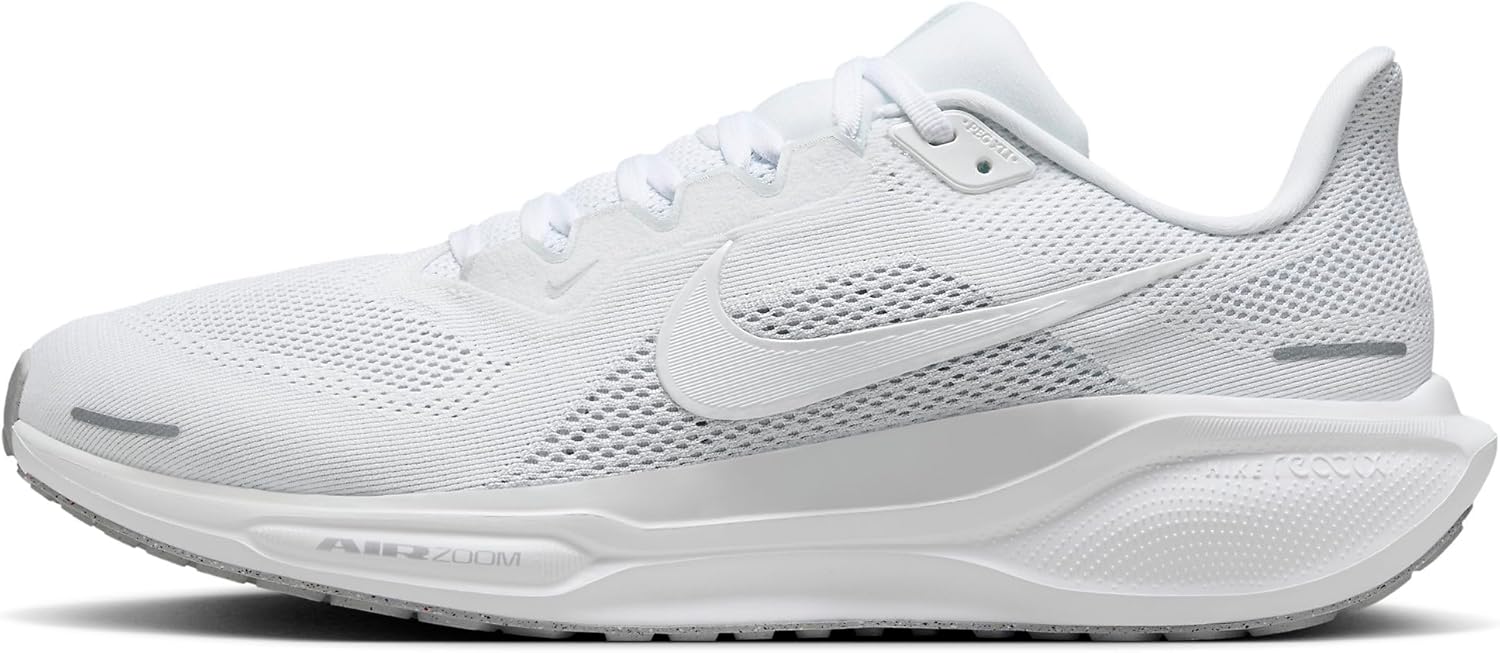
When Shoes Aren’t Enough — Dr. Tom’s Top 9 Orthotics
About 30% of patients I see for foot pain need MORE than a great shoe — they need a structured insole. Below: my complete 2026 orthotic ranking with pros, cons, and the specific patient I’d give each one to.




In-Office Treatment at Balance Foot & Ankle
If home treatment isn’t providing relief for your foot pain, our podiatry team at Balance Foot & Ankle can help with same-day evaluations and advanced in-office care.
Frequently Asked Questions About Foot Massage Benefits
What are the benefits of foot massage?
12 evidence-based benefits: pain relief (plantar fasciitis), circulation, muscle tension reduction, edema reduction, neuropathy symptom relief, stress reduction, sleep improvement, exercise recovery, balance, ingrown toenail prevention, headache relief, mild blood pressure reduction.
How often should I massage my feet?
Healthy adults: 5 min/foot daily. Active foot conditions: 10 min/foot twice daily. Maintenance: 5 min/foot 3-4x/week.
Does foot massage help plantar fasciitis?
Yes — frozen water bottle rolling for 5 minutes daily provides both massage and ice therapy. Evidence shows 60-70% pain reduction in chronic plantar fasciitis.
What foot massagers do podiatrists recommend?
Renpho Foot Massager ($130 – best value); Belmint Shiatsu ($120); MedMassager ($300 – professional grade). Plus simple tools: frozen water bottle (free), lacrosse ball ($5-10).
Are foot massages safe for diabetics?
With caution — gentle pressure only, daily skin inspection for injury, never replace podiatrist care. Avoid if you have foot ulcers, severe neuropathy, or recent foot surgery.
Can foot massage lower blood pressure?
Modestly — 5-10 mmHg systolic reduction in some studies. Adjunct to (not replacement for) blood pressure medications.
When should I avoid foot massage?
Open wounds, active skin infection, deep vein thrombosis, active gout flare, recent surgery, osteoporotic fractures. Use caution in diabetic neuropathy, PAD, pregnancy, and on blood thinners.
Related Resources from Balance Foot & Ankle
- Foot Massage Benefits (Quick Guide)
- Best Foot Massagers Reviewed
- Heel Pain Treatment Guide
- Best Foot Exercises
- Numbness in Feet
- Diabetic Foot Care
Frequently Asked Questions
When should I see a podiatrist?
If symptoms persist past 2 weeks, affect your normal activity, or are accompanied by red-flag symptoms (warmth, redness, swelling, inability to bear weight).
What does treatment cost?
Most diagnostic visits and conservative treatments are covered by Medicare and major insurers. Out-of-pocket costs vary by your specific plan.
How quickly can I get an appointment?
Most non-urgent cases see us within 5 business days. Urgent cases (sudden pain, possible fracture) typically same or next business day.
Ready to fix this for good?
Reading goes so far. The fastest path is a 30-minute office visit. Same-day Howell or Bloomfield Hills. Call (810) 206-1402.
PubMed: Benefits of Foot Massage
Ready to Get Relief?
Same-day appointments available in Howell & Bloomfield Hills, MI
4.9★ | 1,123 Reviews | 3,000+ Surgeries
Or call: (810) 206-1402

Dr. Tom Biernacki, DPM is a board-certified foot & ankle surgeon (ABFAS & ABPM) at Balance Foot & Ankle Specialists in Southeast Michigan. With over a decade of clinical experience, he specializes in heel pain, bunions, diabetic foot care, sports injuries, and minimally invasive surgery. Dr. Biernacki is a member of the APMA and ACFAS, and his patient education content on MichiganFootDoctors.com and YouTube has made him one of the most-followed foot & ankle educators on YouTube.