
Medically reviewed by Dr. Tom Biernacki, DPM
Board-certified podiatric surgeon | Balance Foot & Ankle, Howell & Bloomfield Township, MI
Last reviewed: May 2026

| Cowboy Boot Feature | Foot Impact | Resulting Problem | Solution |
|---|---|---|---|
| Pointed toe box | Forefoot compression | Bunion worsening; Morton’s neuroma; hammertoe | Square toe style; boot stretching; gel toe pads |
| Heel elevation (1.5–2″) | Shortens Achilles; reduces PF tension | Achilles shortening; post-removal plantar fasciitis | Calf stretching; transition gradually when switching shoes |
| Leather sole (hard) | Minimal shock absorption | Metatarsal stress fractures; heel bruising | Resole with crepe or rubber; add cushion insole |
| Stiff shaft | Restricts ankle dorsiflexion | Altered gait; knee/hip compensation; calf tightness | Regular calf stretching; limit all-day wear |
| No lacing (slip-on) | Foot slides forward; toe compression | Subungual hematoma; toe crowding | Proper sizing (heel should fit snugly); heel grip pads |
| Foot Condition | Cowboy Boot Compatible? | Modification Needed |
|---|---|---|
| Plantar fasciitis | Yes — heel lift reduces PF tension | Add thin OTC arch insert; calf stretch after wearing |
| Achilles tendinopathy | Yes — heel lift reduces Achilles tension | Good choice during treatment phase; calf stretch when removing |
| Bunion (hallux valgus) | Challenging — pointed toe worsens | Square-toe style required; cobbler stretching; bunion pad |
| Morton’s neuroma | No (most styles) — forefoot compression | Square-toe or wide-toe styles only; metatarsal pad |
| Hammertoes | Challenging — toe crowding worsens | Toe crest pads; extra depth boots; limit wear time |
| Diabetic foot | Generally no — seams and narrow toe pose risk | Prescribed diabetic therapeutic footwear; custom boot if medically necessary |
Quick answer: Foot Pain From Cowboy Boots has multiple potential causes including mechanical, neurological, vascular, and inflammatory. The most common causes we identify are overuse, ill-fitting shoes, and biomechanical imbalance. Red flags requiring urgent evaluation: warmth/redness (infection), inability to bear weight (fracture), and unilateral swelling without injury (DVT). Call (810) 206-1402.
![How to Cure Plantar Fasciitis in One Week? [FAST Heel Pain Relief!]](https://www.michiganfootdoctors.com/wp-content/cache/flying-press/b5600c3bfb9845a6095da8266d8b5363.jpg)
Watch: How to Cure Plantar Fasciitis in One Week? [FAST Heel Pain Relief!] — MichiganFootDoctors YouTube
The most important clinical decision with Foot Pain From Cowboy Boots isn’t which treatment to start with — it’s identifying the correct subtype. That changes everything. Call (810) 206-1402.
Foot Pain From Cowboy Boots: Quick Answer
Cowboy boots cause specific foot pain – the pointed toe, raised heel, and rigid construction create unique foot challenges. We help dozens of cowboy boot wearers yearly at Balance Foot and Ankle. Here is the comprehensive cowboy boot foot pain guide.
Why Cowboy Boots Cause Foot Pain
Cowboy boot demands: Pointed toe (compresses forefoot); raised heel (1.5-2.5 inches typical); rigid leather construction; tight fit at instep (designed to slip on/off but stay on); lack of cushion (most styles); long days for working cowboys; rodeo specific demands. Function follows form: originally designed for horse riding (pointed toe for stirrup, heel to keep foot in stirrup) – features cause issues with extended walking.
Most Common Cowboy Boot Foot Issues
1. Bunion progression: From pointed toe pressure. 2. Hammertoe development: From toe compression. 3. Mortons neuroma: Forefoot pressure. 4. Sesamoiditis: From forefoot loading. 5. Achilles tendinitis: From raised heel. 6. Calf tightness: From sustained heel position. 7. Plantar fasciitis (paradoxically): When transitioning to flat shoes. 8. Toenail issues: Compressed nails. 9. Heel pain: From hard sole. 10. Knee/back pain: From mechanics.
Cowboy Boot Selection
Top brands for foot health: Tony Lama; Lucchese; Ariat (more comfort technology); Justin; Old Gringo; Frye. Features for comfort: Wider toe box (some brands); cushioned insole; not extreme heel height; quality leather; proper sizing. Modern variations: Round-toe styles (less forefoot compression); square-toe styles (similar); ropers (lower heel, more comfort).
Cowboy Boots for Different Uses
Working cowboys: Need traditional cowboy boot design for actual horse work; consider modifications. Recreational riding: Some flexibility in choice; lower heel rope styles work. Western fashion: Comfort can be prioritized over tradition. Country dancing: Specific dance boots; less heel; smoother sole. Daily wear: Limit time in cowboy boots if possible; alternate with other shoes.
Custom Orthotics for Cowboy Boots
Cowboy boot orthotic considerations: Must fit in narrow boot; address pointed toe issues; reduce forefoot pressure; address arch issues. Challenges: Tight space; pointed toe limits design; need very low-profile. Many western wearers benefit: Especially with bunion, hammertoe, Mortons neuroma. Sometimes need shoe modifications: stretching, additional padding.
Bunion and Hammertoe Issues
Cowboy boots and forefoot deformities: Common problem. Pattern: Years of pointed-toe boots accelerate bunion/hammertoe progression; existing deformities aggravated; sometimes severe deformity development. Solutions: Limit cowboy boot wear; modify boots (stretching at bunion/hammertoe areas); bunion sleeves/pads; address deformities with podiatrist; consider non-pointed alternatives.
Heel Height Considerations
Cowboy boot heels: 1.5-2.5 inches typical; some up to 3 inches. Effects: Achilles shortening over time; calf tightening; forefoot loading; balance changes. Walking-related issues: Originally designed for riding, not walking; long walks in cowboy boots cause foot pain in many. Lower-heeled options: Roper boots (lower heel); some modern styles with reduced heel.
Daily Cowboy Boot Strategy
For daily wearers: Quality fitted boots with comfort features; rotate with other shoes; address developing pain; quality socks; not all-day everyday wear; consider work boots for actual work. For occasional wearers: Limit time; quality fitted boots; address developing pain; bring backup shoes for long events. Ranching/working cowboys: balance work requirements with foot health.
Calf and Achilles Considerations
Calf shortening: Long-term cowboy boot wear can shorten Achilles tendon. Solutions: Daily calf stretching; rotate with flat shoes; gradual transitions when changing shoe types; eccentric calf strengthening; address Achilles issues promptly. Some long-term wearers: cant comfortably walk in flat shoes due to shortened Achilles – reversible with stretching but takes time.
When to See a Podiatrist
See us if: cowboy boot foot pain persists despite boot changes; bunion or hammertoe progression; Mortons neuroma symptoms; persistent forefoot pain; need orthotic evaluation; chronic conditions worsening; calf/Achilles tightness affecting other activities; need western wear shoe modification recommendations. Same-week appointments at Balance Foot and Ankle. Schedule online.
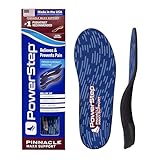
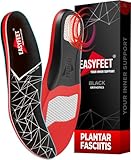
Podiatrist-Recommended Products


Frequently Asked Questions About Foot Pain From Cowboy Boots
Why do cowboy boots hurt my feet?
Pointed toe (compresses forefoot); raised heel (1.5-2.5 inches typical); rigid leather construction; tight fit at instep; lack of cushion. Originally designed for horse riding – features cause issues with extended walking.
What cowboy boots are most comfortable?
Top brands: Tony Lama; Lucchese; Ariat (more comfort technology); Justin; Old Gringo; Frye. Features: wider toe box (some brands); cushioned insole; not extreme heel height; quality leather. Modern variations: round-toe, square-toe styles.
Can cowboy boots cause bunions?
YES – common problem. Pattern: years of pointed-toe boots accelerate bunion/hammertoe progression; existing deformities aggravated; sometimes severe deformity development. Solutions: limit cowboy boot wear; modify boots; bunion sleeves; address with podiatrist.
Are cowboy boots bad for your back?
Can be. Heel changes posture and gait; forefoot loading affects mechanics; Achilles shortening over time. Long walks especially problematic. Some users develop knee/back pain. Consider lower-heeled rope styles for daily wear.
Can I wear orthotics in cowboy boots?
YES with cowboy boot-appropriate orthotics. Challenges: tight space; pointed toe limits design; need very low-profile. Many western wearers benefit, especially with bunion, hammertoe, Mortons neuroma. Sometimes need boot modifications.
How do I prevent calf tightness from cowboy boots?
Daily calf stretching; rotate with flat shoes; gradual transitions when changing shoe types; eccentric calf strengthening; address Achilles issues promptly. Long-term wearers may have shortened Achilles – reversible with consistent stretching.
When should I see a podiatrist about cowboy boot foot pain?
Pain persists despite boot changes; bunion or hammertoe progression; Mortons neuroma symptoms; persistent forefoot pain; need orthotic evaluation; chronic conditions worsening; calf/Achilles tightness affecting other activities.
Related Resources from Balance Foot & Ankle
Still Dealing With Foot Pain From Cowboy Boots?
Same-week appointments at Balance Foot & Ankle in Howell & Bloomfield Township, MI.
Book Your Appointment⚕ Doctor Recommended
Doctor Hoy’s Natural Pain ReliefTopical relief for foot & ankle pain
View Product →APMA: Footwear and Foot Health
Ready to Get Relief?
Same-day appointments available in Howell & Bloomfield Township, MI
4.9★ | 1,123 Reviews | 3,000+ Surgeries
Or call: (810) 206-1402

Dr. Tom Biernacki, DPM is a board-certified foot & ankle surgeon (ABFAS & ABPM) at Balance Foot & Ankle Specialists in Southeast Michigan. With over a decade of clinical experience, he specializes in heel pain, bunions, diabetic foot care, sports injuries, and minimally invasive surgery. Dr. Biernacki is a member of the APMA and ACFAS, and his patient education content on MichiganFootDoctors.com and YouTube has made him one of the most-followed foot & ankle educators on YouTube.