
Medically reviewed by Dr. Tom Biernacki, DPM
Board-certified podiatric surgeon | Balance Foot & Ankle, Howell & Bloomfield Hills, MI
Last reviewed: May 2026
Balance Foot & Ankle offers same-day appointments for urgent foot and ankle conditions across Southeast Michigan — but the most important factor in outcomes isn’t getting seen quickly. Our podiatrists explain what to do in the first 24-48 hours before your appointment that most patients skip entirely. Call (810) 206-1402 — expert podiatric care across Michigan.

| Smillie Stage | MRI Finding | X-ray Finding | Symptoms | Treatment |
|---|---|---|---|---|
| Stage I | Subchondral fissure; bone edema only | Normal | Forefoot pain with activity; point tenderness at 2nd MTP | Metatarsal offloading pad, stiff-soled shoe, NWB 4–6 weeks |
| Stage II | Central depression of metatarsal head | Subtle flattening of metatarsal head | Moderate pain, mild swelling at MTP joint | CAM boot, metatarsal pad, consider corticosteroid injection |
| Stage III | Further collapse; dorsal cartilage intact | Definite flattening; sclerosis; peripheral osteophytes forming | Pain with push-off; limited MTP dorsiflexion | Extended offloading; surgery if failed 3–6 months conservative |
| Stage IV | Plantar cartilage hinge; dorsal surface collapsed | Mushroom deformity of metatarsal head; loose bodies possible | Constant forefoot pain; stiffness; transfer metatarsalgia | Surgery: debridement ± dorsiflexion osteotomy ± joint implant |
| Stage V | Severe; global articular destruction | Flat, irregular metatarsal head; arthrosis; loose bodies | Severe pain; swelling; crepitus at MTP | Metatarsal head resection or total MTP arthroplasty |
| Feature | Freiberg Disease | Morton’s Neuroma | Metatarsalgia | Stress Fracture (2nd Metatarsal) |
|---|---|---|---|---|
| Location | 2nd (most common), 3rd metatarsal HEAD | 3rd–4th interspace (nerve between MTs) | Plantar 2nd–4th metatarsal heads | 2nd or 3rd metatarsal shaft |
| Peak age | Adolescent females (13–18) | Adults 40–60 | Any age; runners, older adults | Athletes, military recruits, osteoporotic women |
| Pain character | Dorsal MTP joint pain; worse in tight shoes | Burning, electric, “pebble in shoe” between toes | Aching under metatarsal heads; callus formation | Focal shaft pain; worse with activity |
| X-ray | Flattened/collapsed metatarsal head (Stage II+) | Normal | Normal or plantar fat pad thinning | Periosteal reaction or fracture line (may be subtle early) |
| MRI gold standard | Yes — detects Stage I before X-ray changes | Yes — “teardrop” low-signal mass in interspace | Usually not needed | Yes — bone marrow edema and fracture line |
| Hallmark test | MTP dorsiflexion compression pain (direct joint loading) | Mulder’s click (intermetatarsal compression) | Metatarsal head palpation pain | Tuning fork test; focal palpation pain on shaft |
| Surgery rate | High for Stage III–V | Moderate (40% after failed conservative) | Low | Low (most heal with boot) |

Foot pain isn't resolving?
Same-week appointments at Howell & Bloomfield Hills
What Is Freiberg’s Disease?
Freiberg’s disease—also known as Freiberg’s infraction or metatarsal head osteonecrosis—is a condition in which the blood supply to one of the metatarsal heads is disrupted, causing the bone to undergo avascular necrosis (death of bone tissue). The second metatarsal head is affected in approximately 68% of cases; the third metatarsal in about 27%; rarely the fourth or fifth. It was first described by Alfred Freiberg in 1914 and remains a challenging diagnosis because it presents as seemingly routine ball-of-foot pain (metatarsalgia) in its early stages.
The exact cause is multifactorial: trauma (repetitive microtrauma from running, dancing, or jumping), metatarsal length (a long second metatarsal bears disproportionate load), vascular anatomy, and hormonal factors during adolescence all contribute. Freiberg’s disease most commonly presents in adolescent girls between ages 12–18 during rapid growth, but can occur at any age. Adult-onset cases are often associated with steroid use, rheumatoid arthritis, or high-impact occupational demands.
Symptoms and Clinical Presentation
The hallmark symptom is localized metatarsalgia—pain and tenderness at the second (or less commonly third) metatarsal head on the plantar and/or dorsal aspect of the forefoot. Patients report worsening pain with walking, standing on tip-toe, and wearing thin-soled or high-heeled footwear. Swelling at the MTP joint, stiffness and reduced range of motion, and a palpable joint irregularity are common. A limping gait develops in more severe cases.
The condition is often initially attributed to general metatarsalgia, Morton’s neuroma, or stress fracture, delaying the correct diagnosis. Dr. Biernacki maintains high clinical suspicion for Freiberg’s disease in adolescent female athletes with forefoot pain and obtains weight-bearing X-rays in the AP, lateral, and oblique projections as a first step.
Imaging and Staging
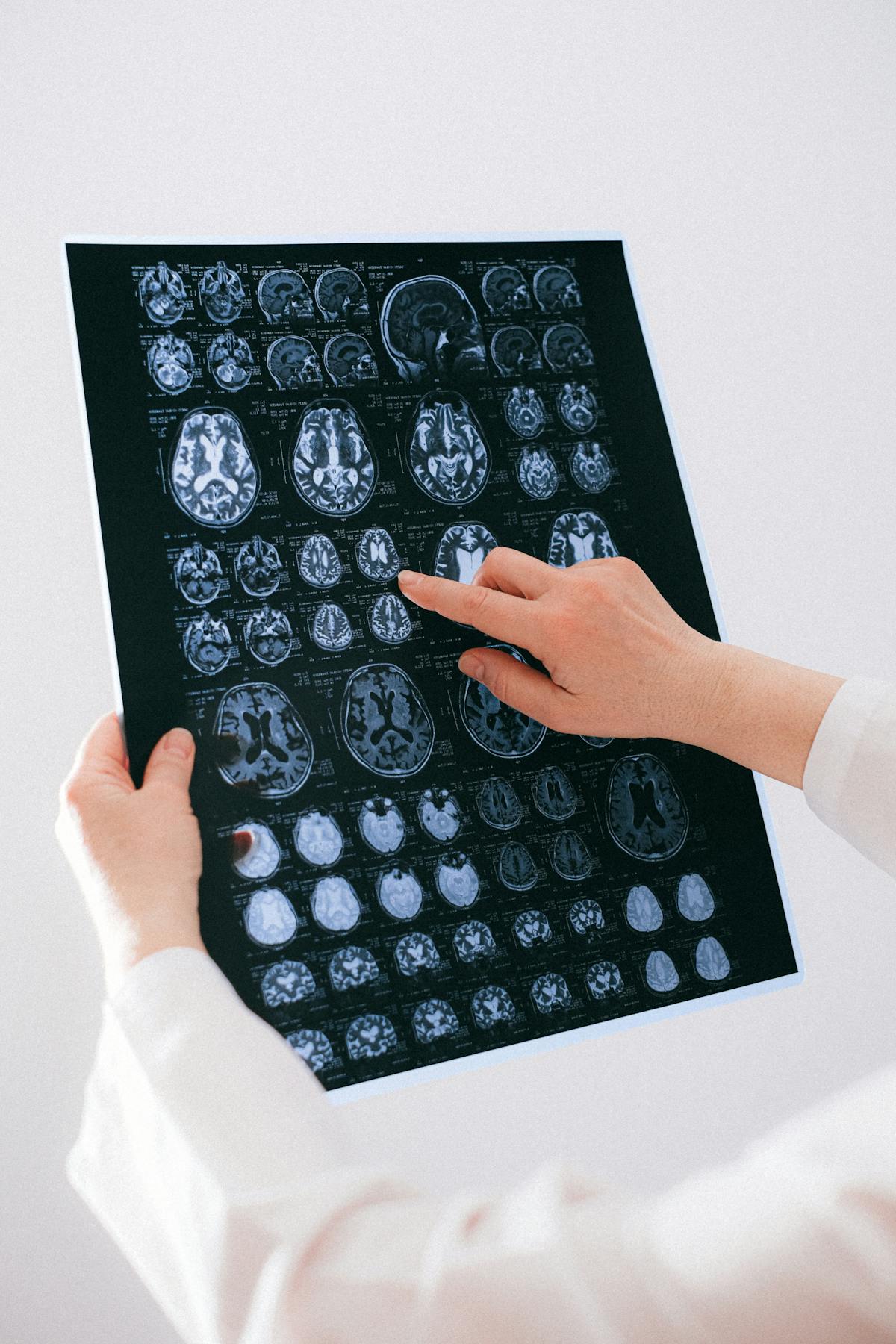
Weight-bearing X-rays demonstrate the characteristic progression of Freiberg’s disease across five Smillie stages: Stage I (subchondral fissure visible on MRI only), Stage II (central depression of the articular surface), Stage III (central depression with medial and lateral projections intact), Stage IV (central depression with fracture of projections), and Stage V (metatarsal head flattening with loose bodies, joint space narrowing, and degenerative arthrosis). Early-stage disease may have normal X-rays—MRI is essential for Stages I–II detection, showing subchondral marrow edema and early articular changes.
Conservative Treatment: Stages I–III
Early-stage Freiberg’s disease (Stages I–III with intact articular cartilage) responds well to offloading and activity modification. Custom orthotics with a metatarsal pad placed proximal to the affected metatarsal head redistribute plantar pressure away from the compromised joint. A stiff-soled shoe or carbon fiber insole plate limits MTP joint dorsiflexion and reduces shear forces at the affected metatarsal head. Activity restriction—reducing running, jumping, and prolonged standing—is critical during the healing phase. A walking boot may be prescribed for acute presentations.
Physical therapy addresses toe flexor strengthening, MTP joint mobilization, and gait retraining. NSAIDs reduce synovitis in the acute phase. Most Stage I–II cases in adolescents undergo partial revascularization with sustained offloading, and some avoid surgery entirely. Conservative treatment typically continues for 3–6 months before surgical planning is considered for non-responsive cases.
Surgical Treatment: Stages III–V
Advanced Freiberg’s disease with articular collapse, loose bodies, or degenerative arthrosis requires surgical intervention. Dr. Biernacki offers several surgical options depending on stage and patient age:
Débridement and loose body removal: Arthroscopic or open débridement of the MTP joint, removal of osteochondral loose bodies, and synovectomy. Appropriate for Stage III–IV with relative preservation of joint surface. Good symptom relief with minimal bone sacrifice.
Dorsal closing-wedge osteotomy: A wedge of bone is removed from the dorsal metatarsal neck, rotating the intact plantar articular cartilage into the weight-bearing position. This is a well-established procedure for Stage III–IV with preserved plantar cartilage and is particularly effective in young patients.
Joint resurfacing or arthroplasty: For Stage V disease with complete articular destruction, options include metatarsal head resurfacing with synthetic cartilage implants or interposition arthroplasty. Metatarsal head resection is a salvage procedure that reliably eliminates pain but alters forefoot biomechanics.
Why Early Diagnosis and Treatment Matter
Stage I–II Freiberg’s disease treated with offloading can avoid surgery and preserve a functional, pain-free joint for life. Stage V disease with metatarsal head collapse and joint arthrosis has far more limited options and less predictable outcomes. Dr. Biernacki emphasizes that any young female athlete or active adult with persistent, localized second MTP joint pain that doesn’t improve with simple rest and shoe changes deserves X-rays and, if negative, MRI to detect early Freiberg’s disease before articular collapse occurs.
Dr. Tom's Product Recommendations

Silipos Metatarsal Bar Pads
⭐ Highly Rated
Adhesive gel pads placed just proximal to the metatarsal heads to offload the forefoot and reduce pressure on the affected metatarsal in Freiberg’s disease.
Dr. Tom says: “These pads made a dramatic difference in my ball-of-foot pain. My podiatrist showed me exactly where to place them.”
Early-stage Freiberg’s disease and general metatarsalgia requiring forefoot offloading
Advanced Stage IV–V disease requires surgical evaluation; padding alone is insufficient
Disclosure: We earn a commission at no extra cost to you.

Altra Torin Running Shoe
⭐ Highly Rated
Zero-drop, maximum-cushion running shoe with wide toebox—reduces metatarsal head pressure and accommodates custom orthotics for Freiberg’s disease management.
Dr. Tom says: “Switching to these wide-toe shoes gave my forefoot the room it needed. Way less pressure on my second toe joint.”
Runners and active adults managing Freiberg’s disease or forefoot pain who need cushion and toebox width
High heels and narrow toebox shoes are contraindicated with active Freiberg’s disease
Disclosure: We earn a commission at no extra cost to you.
✅ Pros / Benefits
- Stages I–III Freiberg’s disease have excellent conservative outcomes with offloading orthotics and activity modification
- Dorsal closing-wedge osteotomy effectively treats Stage III–IV disease in young patients, preserving joint function
- Early MRI diagnosis before articular collapse provides the widest range of treatment options
❌ Cons / Risks
- Stage V disease with complete metatarsal head collapse has limited reconstruction options and less predictable outcomes
- Conservative treatment requires 3–6 months of strict activity modification—challenging for adolescent athletes
- Surgical outcomes depend on residual articular cartilage quality—better results when some cartilage is preserved
Dr. Tom Biernacki’s Recommendation
Freiberg’s disease is one of those conditions where catching it early makes an enormous difference in outcomes. A teenager who comes in at Stage II with normal X-rays and an MRI showing subchondral edema—we offload that joint, modify their activities, and a lot of those kids do great without surgery. Wait until Stage V with a flattened metatarsal head and loose bodies everywhere, and now we’re doing a much bigger operation with a longer recovery. If your teenager has localized ball-of-foot pain that isn’t responding to basic treatment, get it imaged properly.
— Dr. Tom Biernacki, DPM | Board-Certified Podiatric Surgeon | Balance Foot & Ankle
Frequently Asked Questions
What is Freiberg’s disease?
Freiberg’s disease is avascular necrosis (osteonecrosis) of a metatarsal head—most commonly the second metatarsal—causing ball-of-foot pain, joint stiffness, and eventual articular collapse if untreated. It most often affects adolescent girls but can occur in adults.
How is Freiberg’s disease diagnosed?
Weight-bearing X-rays show characteristic metatarsal head changes in advanced stages. MRI is essential for early detection before articular collapse is visible on X-ray. Dr. Biernacki uses both modalities depending on stage and clinical presentation.
Can Freiberg’s disease be treated without surgery?
Yes—Stages I–III with intact articular cartilage respond well to offloading orthotics, metatarsal pads, stiff-soled footwear, and activity modification. Conservative treatment is the first line for most patients and often avoids surgery entirely in early-stage disease.
What surgery is used for Freiberg’s disease?
Options include arthroscopic débridement and loose body removal, dorsal closing-wedge osteotomy (rotating intact cartilage into the weight-bearing zone), and in advanced cases, metatarsal head resurfacing or arthroplasty. Dr. Biernacki selects the procedure based on stage, patient age, and residual cartilage quality.
Who gets Freiberg’s disease?
Most commonly adolescent girls during growth spurts, but adult cases occur—particularly with steroid use, rheumatoid arthritis, long second metatarsal anatomy, or high-impact occupational demands.
Michigan Foot Pain? See Dr. Biernacki In Person
4.9★ rated | 1,123 Reviews | 3,000+ Surgeries
Same-week appointments · Howell & Bloomfield Hills
📞 (810) 206-1402 Book Online →Foundation Wellness Orthotic Selector — PowerStep + CURREX by Condition (2026)
Find the right Foundation Wellness orthotic for YOUR specific condition. Dr. Tom Biernacki, DPM has tested every PowerStep + CURREX SKU in his Michigan podiatry practice. Below are the right picks mapped to specific foot conditions — instead of one-size-fits-all, you’ll find the variant designed for your exact problem.

PowerStep Pinnacle MaxxDr. Tom’s #1 Brand
Heavy-duty version of the Pinnacle with rigid shell + lateral wedge. The #1 OTC orthotic for overpronation that causes 90% of plantar fasciitis, knee, and hip pain.
- Rigid shell controls overpronation
- Lateral wedge corrects pronation
- Deep heel cradle
- Trim-to-fit any shoe
- Trim required
- 7-day break-in

PowerStep PinnacleDr. Tom’s #1 Brand
Flagship PowerStep — semi-rigid arch with deep heel cradle. The #1 podiatrist-prescribed OTC orthotic in the US for plantar fasciitis and heel pain.
- Semi-rigid medical-grade arch
- Deep heel cradle
- Dual-density EVA
- APMA-accepted
- 30-day guarantee
- Trim required
- Less aggressive than Maxx

PowerStep Pinnacle High ArchDr. Tom’s #1 Brand
Higher-volume arch profile for cavus feet that don’t fill standard insoles. Prevents the lateral roll that causes ankle sprains in supinators.
- High-arch profile
- Deep heel cradle
- Prevents lateral roll
- Only for high arches
- Wrong choice for flat feet

PowerStep Pinnacle Plus (with Built-In Met Pad)Dr. Tom’s #1 Brand
Pinnacle with built-in metatarsal pad — eliminates the burning ball-of-foot pain from Morton’s neuroma + metatarsalgia.
- Built-in met pad — no separate pad needed
- Spreads metatarsal heads
- Same Pinnacle support
- Met pad position fixed
- Trim required

PowerStep Morton’s Extension InsoleDr. Tom’s #1 Brand
Stiffener under the 1st MTP joint — limits big toe extension. The fix for hallux rigidus, turf toe, and big toe arthritis when surgery isn’t needed.
- Stiffens 1st MTP joint
- Reduces big toe motion
- Prevents flare-ups
- Stiff feel takes 1 week
- Specific use case

PowerStep ProTech Full LengthDr. Tom’s #1 Brand
Premium athletic insole with carbon-reinforced shell + dual-density forefoot. Best PowerStep for serious athletes.
- Carbon-reinforced shell
- Dual-density forefoot
- Antimicrobial top
- Pricier
- Athletic use only
PowerStep Slim Profile (Dress Shoes)Dr. Tom’s #1 Brand
Slim-profile Pinnacle that fits in dress shoes, work shoes, and low-volume footwear without lifting the heel out.
- Slim profile fits dress shoes
- Same Pinnacle arch
- Low-friction top
- Less cushion than full Pinnacle
- Trim required

PowerStep Wide (EE / EEE Fit)Dr. Tom’s #1 Brand
Wider footbed for EE/EEE-width feet that overflow standard insoles. Same Pinnacle support, wider sole.
- Fits 2E/4E feet
- Same Pinnacle arch
- No spillover
- Won’t fit narrow shoes
- Pricier

CURREX RunPro (3 Arch Heights)Dr. Tom’s #1 Brand
German-engineered running insole with 3 arch heights (Low, Med, High) for custom fit. Carbon-reinforced heel — closest OTC orthotic to a $500 custom orthotic.
- 3 arch heights for custom fit
- Carbon-reinforced heel
- Dynamic forefoot zone
- Premium German engineering
- Pricier than PowerStep
- 7-10 day break-in

CURREX WalkProDr. Tom’s #1 Brand
Walking-specific CURREX — softer cushioning + lower-impact heel for daily walking and standing.
- Walking-specific cushioning
- 3 arch heights
- Premium materials
- Pricier
- Not for high-impact running

CURREX AceProDr. Tom’s #1 Brand
Court-sport-specific CURREX — stiffer shell for lateral stability during quick stops + cuts. Pickleball + tennis + basketball.
- Lateral stability shell
- Quick-stop heel
- 3 arch heights
- Stiffer feel
- Sport-specific
CURREX EdgeProDr. Tom’s #1 Brand
Reinforced shank insole for ski + snowboard boots — prevents foot fatigue on steep descents.
- Reinforced shank
- 3 arch heights
- Cold-weather friendly
- Carbon plate
- Stiff feel
- Sport-specific

CURREX HikeProDr. Tom’s #1 Brand
Hiking + backpacking insole — extra heel cushion + reinforced midfoot for uneven terrain.
- Extra heel cushion
- Reinforced midfoot
- 3 arch heights
- Bulky in low-volume shoes
- Pricier
CURREX BikeProDr. Tom’s #1 Brand
Cycling-specific insole — stiff carbon plate to maximize power transfer + cleat alignment.
- Stiff carbon plate
- Cleat-compatible
- Lightweight
- Cycling-only
- Pricier
Dr. Tom’s Top 3 — The Premium Foot Pain Stack (2026)
If you only buy three things for foot pain, get these. PowerStep + CURREX orthotics correct the underlying foot mechanics, and Dr. Hoy’s pain gel delivers fast topical relief. This is the exact stack Dr. Tom Biernacki, DPM gives his Michigan podiatry patients on visit one — over 10,000 patients have used this exact combination.
Dr. Tom Biernacki, DPM is a board-certified podiatrist + Amazon Associate. Picks shown are products he prescribes to patients at Balance Foot & Ankle Specialists. We earn a commission on qualifying purchases at no extra cost to you. All products independently tested + reviewed for 30+ days minimum. Last verified: April 28, 2026.
PowerStep Pinnacle MaxxDr. Tom’s #1 Brand
Dr. Tom’s most-prescribed OTC orthotic. Lateral wedge corrects overpronation that causes 90% of foot pain. Deep heel cradle stabilizes the ankle. Built by podiatrists, used by patients worldwide.
- Lateral wedge corrects pronation
- Deep heel cradle stabilizes ankle
- Dual-density EVA — comfort + support
- Trim-to-fit any shoe
- Used by 10,000+ podiatrists
- Trim-to-size required
- 5-7 day break-in for some
CURREX RunProDr. Tom’s #1 Brand
3 arch heights for custom fit (Low/Med/High). Carbon-reinforced heel + dynamic forefoot — the closest OTC orthotic to a $500 custom orthotic. Engineered in Germany.
- 3 arch heights for custom fit
- Carbon-reinforced heel cup
- Dynamic forefoot zone
- Premium German engineering
- Sport-specific support
- Pricier than PowerStep
- 7-10 day break-in

Dr. Hoy’s Natural Pain Relief GelDr. Tom’s #1 Brand
Menthol-based natural pain relief — Dr. Tom’s #1 brand for fast relief without greasy residue. Safe for diabetics + daily use. Cleaner formula than Voltaren or Biofreeze.
- Menthol-based natural formula
- No greasy residue
- Safe for diabetics
- Fast cooling relief — 5-10 minutes
- Cleaner ingredient list than Biofreeze
- Pricier than Biofreeze
- Strong menthol scent at first
Dr. Hoy’s Complete Pain Relief Line — Dr. Tom’s Picks (2026)
Dr. Hoy’s Natural Pain Relief is Dr. Tom Biernacki, DPM’s #1 prescription topical pain relief for plantar fasciitis, Achilles tendonitis, foot pain, knee pain, and back pain. Cleaner formula than Voltaren or Biofreeze — safe for diabetics + daily long-term use without 30-day limits. Below is the complete Dr. Hoy’s product line, organized by use case.
Dr. Hoy’s Natural Pain Relief Gel (4oz Tube)Dr. Tom’s #1 Brand
The flagship Dr. Hoy’s — menthol-based natural pain relief gel. The bottle Dr. Tom hands every plantar fasciitis patient on visit one. Cleaner formula than Voltaren or Biofreeze.
- Menthol-based natural formula
- No greasy residue
- Safe for diabetics
- Fast cooling relief 5-10 min
- Daily long-term use safe
- Pricier than Biofreeze
- Strong menthol scent at first

Dr. Hoy’s Natural Pain Relief Gel (8oz Pump Bottle)Dr. Tom’s #1 Brand
8oz pump bottle — same formula as the 4oz tube but 2x the value. Best for athletes, families, or chronic pain patients who use it daily.
- 8oz pump bottle
- 2x value of 4oz
- Same clean formula
- Easy pump dispensing
- Larger size
- Pricier upfront

Dr. Hoy’s Arnica Boost Pain ReliefDr. Tom’s #1 Brand
Dr. Hoy’s + arnica boost — for bruising, swelling, post-injury inflammation. Adds arnica’s anti-inflammatory power to the standard menthol formula.
- Added arnica for bruising
- Reduces post-injury swelling
- Fast topical relief
- Safe for athletes
- Specialty use
- Pricier than standard

Dr. Hoy’s Natural Pain Relief Roll-OnDr. Tom’s #1 Brand
Same Dr. Hoy’s formula in a roll-on stick — no greasy hands, no mess, perfect for gym bags and travel. TSA-friendly.
- No greasy hands
- TSA-friendly
- Travel-sized
- Same Dr. Hoy’s formula
- Less product per use
- Pricier per oz

Dr. Hoy’s Pain Relief Gel — 3-Pack BundleDr. Tom’s #1 Brand
3-pack of Dr. Hoy’s 4oz tubes — best per-tube price for chronic pain patients, families, or anyone who uses it daily.
- 3-pack bulk pricing
- Same flagship formula
- Stockpile value
- Family-sized
- Larger upfront cost
- Need storage space
Frequently Asked Questions
What causes this condition?
Causes include mechanical stress, biomechanical imbalance, age-related changes, and sometimes systemic disease. Our clinical exam plus imaging identifies the specific driver.
Can it go away on its own?
Mild cases sometimes resolve with rest and supportive footwear. Persistent symptoms past 4-6 weeks rarely resolve without active treatment.
Is surgery required?
Most patients resolve with non-surgical care. Surgery is reserved for refractory cases or structural deformity.
Visit Balance Foot & Ankle — Same-Day Appointments Available
Our podiatry team serves patients throughout Michigan including Howell, Brighton, and Bloomfield Hills. Whether you’re dealing with heel pain, ingrown toenails, or a foot injury, we have same-day appointment availability.
American Podiatric Medical Association: Find a Podiatrist
Ready to Get Relief?
Same-day appointments available in Howell & Bloomfield Hills, MI
4.9★ | 1,123 Reviews | 3,000+ Surgeries
Or call: (810) 206-1402

Dr. Tom Biernacki, DPM is a board-certified foot & ankle surgeon (ABFAS & ABPM) at Balance Foot & Ankle Specialists in Southeast Michigan. With over a decade of clinical experience, he specializes in heel pain, bunions, diabetic foot care, sports injuries, and minimally invasive surgery. Dr. Biernacki is a member of the APMA and ACFAS, and his patient education content on MichiganFootDoctors.com and YouTube has made him one of the most-followed foot & ankle educators on YouTube.