


You are in the right place. Dr. Tom Biernacki, DPM, FACFAS — board-certified foot & ankle surgeon with 3,000+ surgeries — explains exactly what fungal toenail onychomycosis treatment means and what works. Call (810) 206-1402 for same-day appointment at Howell or Bloomfield Township.
Quick answer: Treatment for fungal toenail onychomycosis treatment follows a stepwise approach: 1) conservative care first (rest, ice, supportive footwear, OTC anti-inflammatories), 2) physical therapy and targeted exercises, 3) in-office treatments (injections, custom orthotics) if conservative fails at 4-6 weeks, 4) surgery for refractory cases. Most patients resolve at step 1 or 2. Call (810) 206-1402.
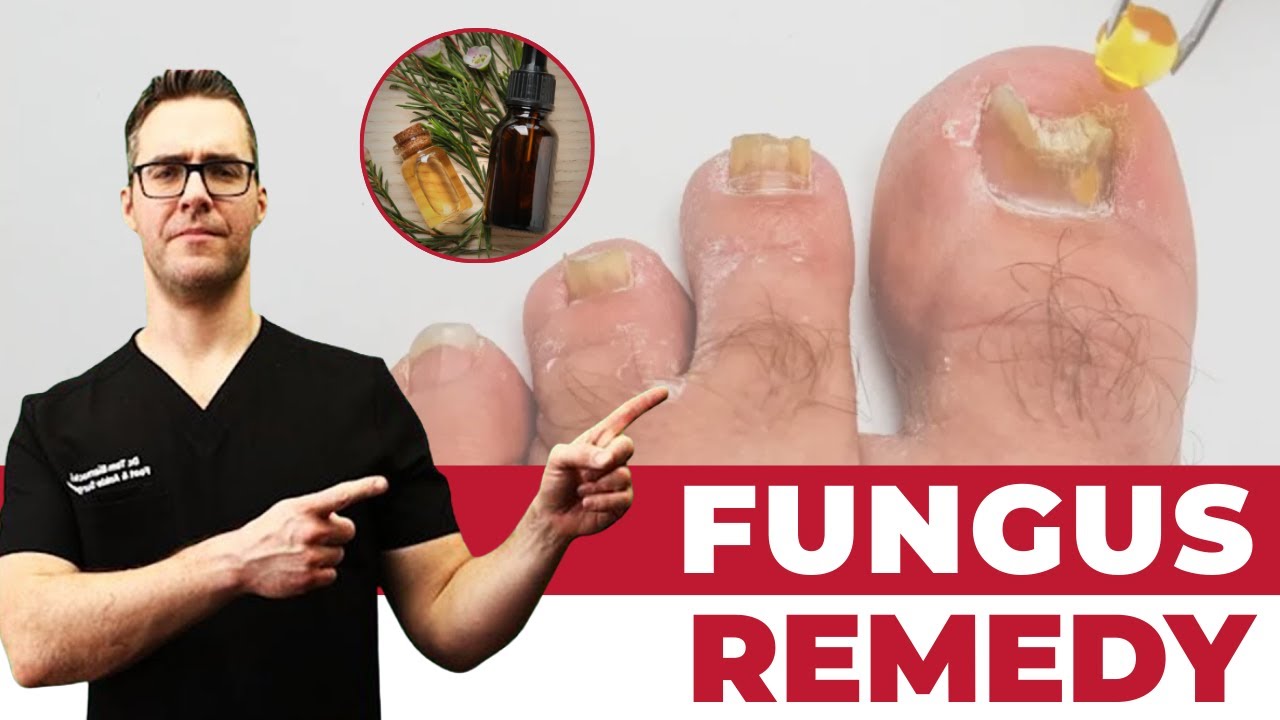
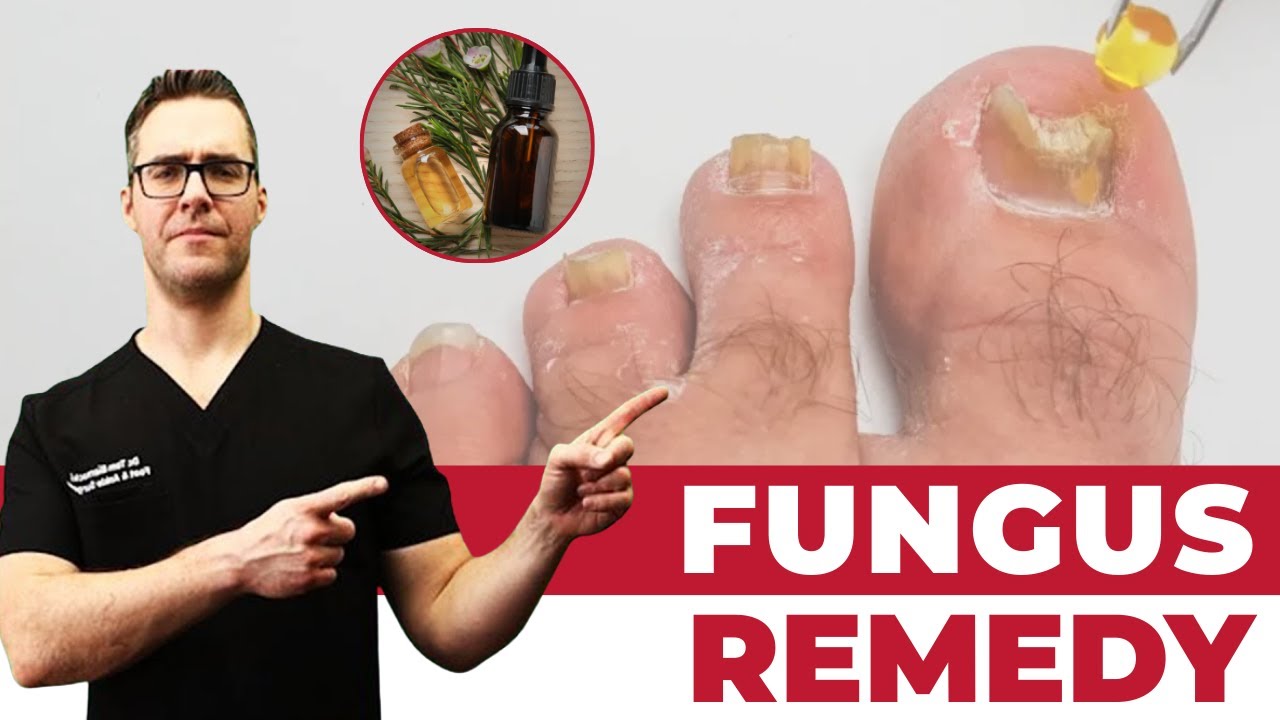
Watch: Tea Tree Oil Toenail Fungus Home Treatment — MichiganFootDoctors YouTube

Medically Reviewed by Dr. Tom Biernacki, DPM, FACFAS — Board-certified podiatrist & foot surgeon | Balance Foot & Ankle | Last updated: May 2026
Quick Answer: Fungal Toenail Treatment (Onychomycosis)
Onychomycosis is a dermatophyte (fungal) infection causing yellow-brown nail discolouration, thickening, crumbling, and separation from the nail bed. It does not resolve without treatment. Over-the-counter topicals are ineffective for established infections — proven treatments include prescription oral terbinafine (12-week course), prescription topical efinaconazole or tavaborole, and MLS laser therapy. Treatment must continue until a healthy nail has fully grown out — 9–12 months for toenails.
Fungal toenail infection is the most common nail condition I treat in practice, and the one most frequently mismanaged by patients who wait years hoping it will resolve on its own. It won’t. Onychomycosis is a living infection in the nail matrix — the nail factory that produces new nail tissue — and once established there, it requires clinical-grade treatment to eradicate. The good news: we have highly effective options, and with the right treatment, most patients achieve a clear nail within 12 months.
This guide covers how to distinguish onychomycosis from look-alike conditions, treatment options and their evidence base, what determines treatment choice, and how to prevent recurrence — which affects up to 25% of treated patients without prevention protocols.
How to Recognize Fungal Toenail Infection
Classic onychomycosis presents as yellow-brown discolouration beginning at the distal (free edge) or lateral (side) nail border and progressing toward the cuticle. As the infection advances, the nail thickens, accumulates subungual debris (crumbling material under the nail plate), becomes brittle, and may separate from the nail bed (onycholysis). Pain is typically absent unless severe thickening creates shoe pressure. Several conditions mimic onychomycosis — psoriatic nail disease, nail trauma, lichen planus nail involvement, and simple discolouration from nail polish — which is why laboratory confirmation (nail culture or PCR) is valuable before committing to a 12-week oral antifungal course.
Onychomycosis Treatment Options: Evidence Comparison
| Treatment | Mechanism | Cure Rate | Best For |
|---|---|---|---|
| Oral terbinafine | Squalene epoxidase inhibitor; fungicidal | ~76% mycological cure | Moderate–severe involvement; dermatophytes |
| Oral itraconazole | Lanosterol 14α-demethylase inhibitor | ~63% mycological cure | Non-dermatophyte molds, Candida |
| Efinaconazole 10% (topical) | Triazole antifungal; penetrates nail plate | ~55% complete cure (48 weeks) | Mild–moderate; cannot take oral antifungals |
| Tavaborole 5% (topical) | Boron-based; leucyl-tRNA synthetase inhibitor | ~35% complete cure (48 weeks) | Mild involvement; oral contraindicated |
| MLS Laser | Dual-wavelength thermal disruption of fungal cell membranes | ~80–85% improvement rate (3 sessions) | Cannot take oral antifungals; all severity levels |
| OTC topicals (ciclopirox etc.) | Shallow nail penetration | <10% cure for established infections | Not recommended for true onychomycosis |
The nail plate is a dense keratin structure 0.5–0.7mm thick. Over-the-counter topical antifungals — Lotrimin, Lamisil AT cream, tea tree oil, Vicks VapoRub — do not penetrate the nail plate in concentrations sufficient to reach the nail matrix where the fungus lives. Patients who use these products for 6–12 months and see no improvement have not “failed treatment” — they were never actually treating the infection. Prescription topicals (efinaconazole, tavaborole) are specifically formulated for nail penetration. I see patients who waited 5+ years using OTC products before seeking clinical care — the infection was larger and harder to eradicate than if caught earlier.
Watch: Toenail Fungus Treatment — Dr. Tom Biernacki
Book a nail evaluation → | (810) 206-1402
Oral Terbinafine: What Patients Need to Know
Oral terbinafine is the most effective pharmacological treatment for dermatophyte onychomycosis — the most common type. The standard course is one 250mg tablet daily for 12 weeks (toenails), compared to 6 weeks for fingernails. Terbinafine achieves nail concentrations far exceeding the minimum inhibitory concentration for Trichophyton species and persists in nail tissue for months after the course ends, meaning the drug continues working through the nail regrowth period. Liver function monitoring (LFTs) is recommended at baseline and mid-treatment for patients with hepatic risk factors. Reported hepatotoxicity is rare (~1 in 50,000) but the monitoring protocol protects patients. I obtain nail culture to confirm dermatophyte species before prescribing to ensure terbinafine is the appropriate choice.
Preventing Recurrence: The Protocol That Matters as Much as Treatment
Onychomycosis recurs in 20–25% of successfully treated patients — almost always because the environmental reservoir (shoes, shower surfaces, gym floors) was not addressed. Prevention requires decontaminating all footwear with antifungal spray (Lamisil spray or equivalent), discarding old shoes worn during active infection, applying antifungal powder daily to feet and inside shoes, wearing moisture-wicking socks, and using flip-flops in public showers and pool areas indefinitely. Patients with athlete’s foot concurrent with nail infection must treat both simultaneously — untreated tinea pedis is the most common source of nail re-infection.
Frequently Asked Questions
How long does it take for a treated toenail to look normal?
The great toenail grows approximately 1–1.5mm per month — a full nail takes 9–12 months to grow out completely. Even after successful treatment eliminates the fungus, the existing infected nail tissue does not transform back to normal. You must wait for the nail to grow out while new, healthy nail tissue grows in at the base. This is why treatment feels slow — you are waiting for biology, not medication. Starting treatment now means normal nails by next year.
Can I get nail fungus from a pedicure salon?
Yes — improperly sterilized pedicure tools and foot baths are a known transmission route for onychomycosis. Dermatophytes survive on surfaces and instruments for days to weeks. If using nail salons, bring your own tools or verify that the salon uses hospital-grade sterilization (autoclave) between clients. Salons that reuse tubs without proper disinfection present meaningful infection risk. Patients who have been getting regular pedicures should also inform salon staff of the infection to prevent transmission to other clients.
Is toenail fungus contagious to family members?
Yes — dermatophytes are transmissible within households, primarily through shared bathrooms, shower floors, and bath mats. Family members sharing a bathroom with an infected person should use their own towels, wear footwear in shared bathing areas, and apply antifungal powder preventively. Treatment of the identified patient reduces household transmission risk but does not eliminate it until the infection is fully cleared.
Should I be concerned about toenail fungus if I have diabetes?
Yes — diabetes significantly increases the risk of onychomycosis and its complications. Fungal-infected nails are thicker, more brittle, and more prone to traumatic separation from the nail bed, creating portal-of-entry wounds on the foot. For diabetic patients, I recommend aggressive treatment of all fungal nail infections and more frequent nail care appointments — typically every 8–10 weeks. Diabetic patients also require baseline liver function tests before oral antifungal therapy, and I closely monitor their progress.
Does nail fungus ever go away on its own?
No — established onychomycosis with matrix involvement does not self-resolve. The fungus lives in the nail matrix (the nail root) where immune cells cannot easily reach it, and it continuously produces infected nail tissue as long as it remains. Some very early, superficial infections occasionally stabilize, but true onychomycosis requires antifungal treatment to eliminate. The longer an infection remains untreated, the greater the nail matrix involvement and the harder the infection becomes to eradicate. Early treatment means shorter treatment duration and better outcomes. Call (810) 206-1402 for same-day nail evaluation in Howell or Bloomfield Township.
Fungal Nail Treatment — Same-Day Evaluation Available
Nail culture, prescription antifungals, MLS laser therapy — Howell & Bloomfield Township, MI
Book Appointment (810) 206-1402Related: White Chalky Toenails | Toenails Peeling Off | White Patches on Toenails | Black Spot Under Toenail
Frequently Asked Questions
How long does treatment take to work?
Most patients see improvement in 4-8 weeks with consistent conservative care. Persistent symptoms after 8 weeks need imaging and escalation.
When is surgery needed?
Surgery is reserved for cases that fail 3-6 months of conservative care, structural deformities, or fractures requiring stabilization.
Is this covered by insurance?
Most diagnostic visits and conservative treatments are covered by Medicare and major insurers. Custom orthotics often require diabetic or post-surgical justification.

Dr. Tom Biernacki, DPM is a board-certified foot & ankle surgeon (ABFAS & ABPM) at Balance Foot & Ankle Specialists in Southeast Michigan. With over a decade of clinical experience, he specializes in heel pain, bunions, diabetic foot care, sports injuries, and minimally invasive surgery. Dr. Biernacki is a member of the APMA and ACFAS, and his patient education content on MichiganFootDoctors.com and YouTube has made him one of the most-followed foot & ankle educators on YouTube.
More questions patients ask
What is the best treatment for toenail fungus?
The most effective treatments combine approaches: oral antifungal medication (terbinafine) has a 70-80% cure rate, while laser therapy and topical treatments can be effective for milder cases. Dr. Biernacki develops individualized treatment plans based on severity, number of nails affected, and patient health history. Treatment typically takes 3-6 months due to slow nail growth. Call 810-206-1402 for evaluation.
How do I know if I have toenail fungus?
Signs of toenail fungus include yellowing or whitening of the nail, thickening, crumbling edges, separation from the nail bed, and a foul odor. It can be confused with nail psoriasis, trauma, or other conditions, so professional diagnosis is recommended. Dr. Biernacki can confirm the diagnosis and rule out other conditions during an in-office evaluation.
Still have a question about coverage or cost? Book online and we will check your benefits before your visit: Book in Howell · Book in Bloomfield Township. Prefer to talk it through first? Call (810) 206-1402.