

What Is Hallux Valgus Surgery?
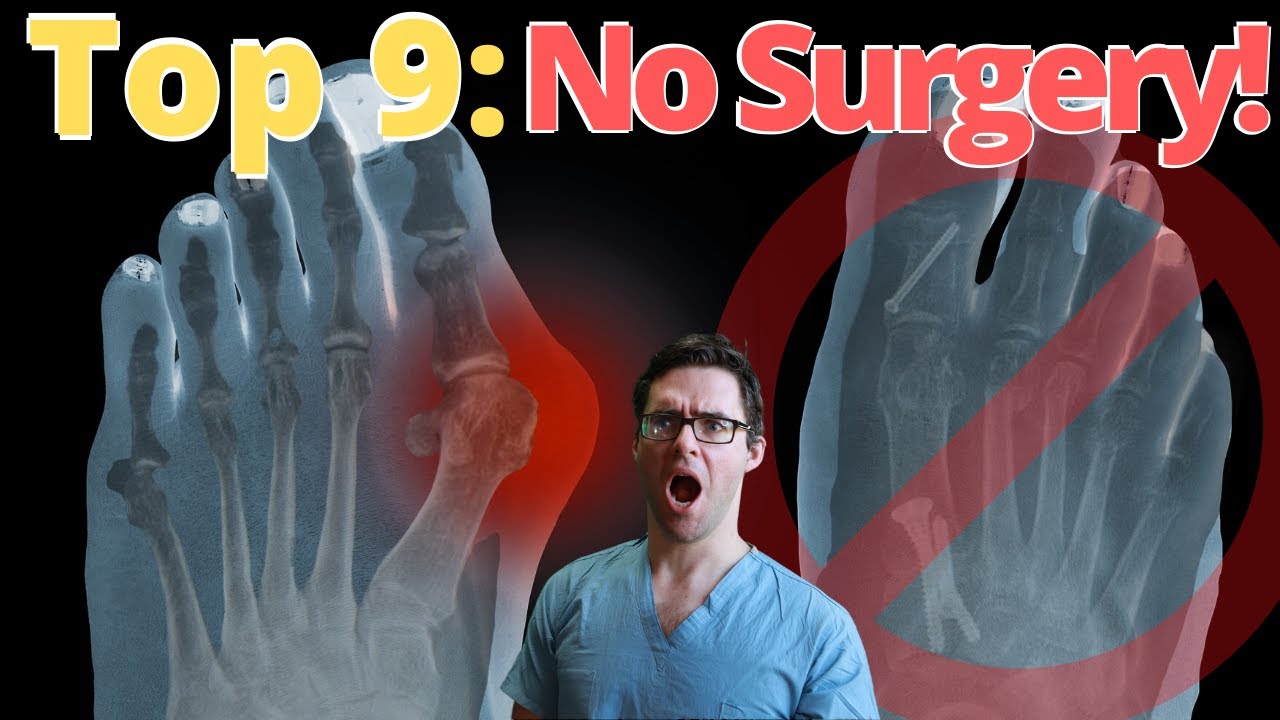
Hallux valgus is the medical term for a bunion—the progressive deformity of the first metatarsophalangeal (MTP) joint in which the big toe angles toward the second toe and a bony prominence develops at the inner side of the foot. When conservative treatment (wide shoes, orthotics, padding, and anti-inflammatory medications) fails to control pain and functional limitation, surgical correction is considered.
Over 100 surgical procedures for hallux valgus have been described, but the most commonly performed are osteotomies (bone cuts to realign the first metatarsal and big toe) combined with soft tissue balancing. The most common procedures include the Austin/Chevron osteotomy for mild-to-moderate deformity, the Scarf or Ludloff osteotomy for moderate deformity, and the Lapidus procedure (first tarsometatarsal joint fusion) for severe deformity or hypermobile first ray. The recovery timeline varies by procedure, with fusions generally requiring longer non-weight-bearing periods than osteotomies.
Week-by-Week Recovery Timeline
Weeks 1–2: Acute Recovery
The first two weeks after bunion surgery focus on pain control, swelling management, and wound healing. Most patients go home the same day. The foot is placed in a bulky dressing or surgical boot. Weight-bearing status depends on the procedure performed—many osteotomy patients are allowed protected weight-bearing in a surgical boot from day one; Lapidus fusion patients are typically non-weight-bearing for 6–8 weeks. Elevation of the foot above heart level for most of the day is critical to control swelling, which drives early pain. Pain is typically managed with a combination of acetaminophen, NSAIDs, and short-term opioids if needed. The surgical dressing should not be disturbed until the first follow-up visit at 10–14 days.
Weeks 2–6: Early Healing
Sutures are typically removed at 2 weeks if wound healing is satisfactory. Progressive weight-bearing continues for osteotomy patients. X-rays are taken to verify bone alignment and early healing. Swelling remains significant—it is normal for the foot to swell substantially with activity during this period. An important principle: any activity beyond what is prescribed increases swelling, which delays healing. Patience with activity restrictions during this period is the most important determinant of final outcome. By 6 weeks, many osteotomy patients begin transitioning toward supportive athletic footwear.
Weeks 6–12: Transition to Normal Footwear
For osteotomy patients, transition to a wide, supportive shoe typically occurs between 6 and 10 weeks based on healing X-rays and swelling. For Lapidus patients, weight-bearing begins around 6–8 weeks, and shoe transition follows 4–6 weeks after that. Physical therapy for range-of-motion exercises, toe strengthening, and scar mobilization may begin during this phase. Swelling remains significant and continues to improve over months. Narrow or fashionable shoes should be avoided until 4–6 months minimum—wearing restrictive footwear too early is a common cause of recurrence.
3–6 Months: Return to Full Activity
Most patients return to comfortable daily shoe wear at 3–4 months. Return to low-impact exercise (walking, cycling, swimming) typically occurs at 3–4 months. Return to running and impact sports is generally at 4–6 months for osteotomy patients and 6 months or later for Lapidus patients once fusion is confirmed on X-ray. Full resolution of swelling—particularly at the end of the day—takes 6–12 months. Final aesthetic results, including reduction of the bunion bump’s visibility, continue improving over the first year as swelling subsides and remodeling occurs.
Optimizing Your Recovery
The most common reasons for prolonged recovery or suboptimal outcomes: insufficient elevation in the first 2 weeks (leading to excessive swelling), returning to regular footwear too early, inadequate compliance with weight-bearing restrictions, and not attending follow-up appointments where X-rays confirm healing. Smoking significantly impairs bone healing and is a relative contraindication to elective foot surgery—cessation before surgery and throughout recovery is important. Vitamin D and calcium supplementation supports bone healing in patients with deficiency.
Frequently Asked Questions
How long does bunion surgery recovery take?
The basic recovery from bunion surgery—getting back to daily activities in comfortable shoes—takes approximately 6–10 weeks for most osteotomy procedures and 10–14 weeks for Lapidus (joint fusion) procedures. Return to athletic activities typically takes 4–6 months. However, full recovery—including complete resolution of swelling, return to any shoe style, and final aesthetic outcome—takes 9–12 months. Many patients feel substantially better by 3 months but should understand that the final result isn’t visible until the end of the first year. The procedure type, extent of deformity correction, patient age and health, and compliance with recovery instructions all affect individual timelines.
Can I walk after bunion surgery?
For most osteotomy procedures (Chevron, Austin, Scarf), patients are allowed protected weight-bearing in a surgical boot starting day one or within the first week. This is one of the major advances in modern bunion surgery—older techniques often required 6 weeks of non-weight-bearing. The Lapidus procedure (first tarsometatarsal fusion) typically requires 6–8 weeks of non-weight-bearing to allow the fusion to consolidate before loading. The specific weight-bearing protocol is determined by your surgeon based on the procedure performed, bone quality, and fixation stability. During the first weeks, even when weight-bearing is permitted, walking should be limited—excessive activity increases swelling and can compromise healing.
Will my bunion come back after surgery?
Bunion recurrence after surgery does occur but should be uncommon with appropriate procedure selection and patient compliance. The recurrence rate for modern procedures is approximately 5–15% at 10 years depending on technique and patient factors. Recurrence is more likely when: the underlying cause (hypermobile first ray, flat foot) isn’t addressed at surgery, narrow or pointed shoes are returned to too early after surgery, patients with severe deformity are treated with procedures designed for mild-to-moderate correction, and in younger patients with growing feet. Wearing wide, supportive footwear long-term after surgery significantly reduces recurrence risk. Custom orthotics after recovery can help control biomechanical factors that contributed to the original deformity.
Medical References & Sources
- American Orthopaedic Foot & Ankle Society — Bunions
- PubMed Research — Hallux Valgus Osteotomy Outcomes
- PubMed Research — Lapidus Procedure Outcomes
Dr. Tom Biernacki, DPM is a board-certified podiatric surgeon at Balance Foot & Ankle in Howell and Bloomfield Hills, Michigan. He performs bunion surgery including Chevron osteotomy, Scarf osteotomy, and Lapidus procedure, with individualized recovery protocols for each patient.
Dr. Tom’s Recommended Products for Bunions
📍 Located in Michigan?
Our board-certified podiatrists treat this condition at two convenient locations. Same-day appointments often available.
These are products I personally use and recommend to my patients at Balance Foot & Ankle.
- Correct Toes Toe Spacers — Silicone spacers realign toes to natural position — reduces bunion pain and slows deformity progression
- NatraCure Gel Toe Separator and Bunion Guard — Gel cushion with integrated spacer — immediate pain relief for bunion friction against shoe box
- New Balance 928v3 Walking Shoe — Wide toe box with ROLLBAR stability — gives the bunion room while controlling overpronation that worsens deviation
📧 Get Dr. Tom’s Free Lab Test Guide
Discover the 5 lab tests every person over 35 should ask their doctor about — explained in plain English by a board-certified physician.
Affiliate disclosure: As an Amazon Associate, Balance Foot & Ankle earns from qualifying purchases. We only recommend products we trust for our own patients.
Join 950,000+ Learning About Foot Health
Dr. Tom shares honest medical advice, supplement reviews, and treatment guides you won’t find anywhere else.
Subscribe on YouTube →
Dr. Tom Biernacki, DPM is a double board-certified podiatrist and foot & ankle surgeon at Balance Foot & Ankle Specialists in Southeast Michigan. With over a decade of clinical experience, he specializes in heel pain, bunions, diabetic foot care, sports injuries, and minimally invasive surgery. Dr. Biernacki is a member of the APMA and ACFAS, and his patient education content on MichiganFootDoctors.com and YouTube has reached over one million views.