
Medically reviewed by Dr. Tom Biernacki, DPM
Board-certified podiatric surgeon | Balance Foot & Ankle, Howell & Bloomfield Hills, MI
Last reviewed: May 2026

Quick answer: Heel Spur Removal Surgery is a common foot/ankle topic that affects many patients. The 2026 evidence-based approach combines proper diagnosis, conservative-first treatment, and escalation only when needed. We treat this regularly at our Howell and Bloomfield Hills practices. Call (810) 206-1402.
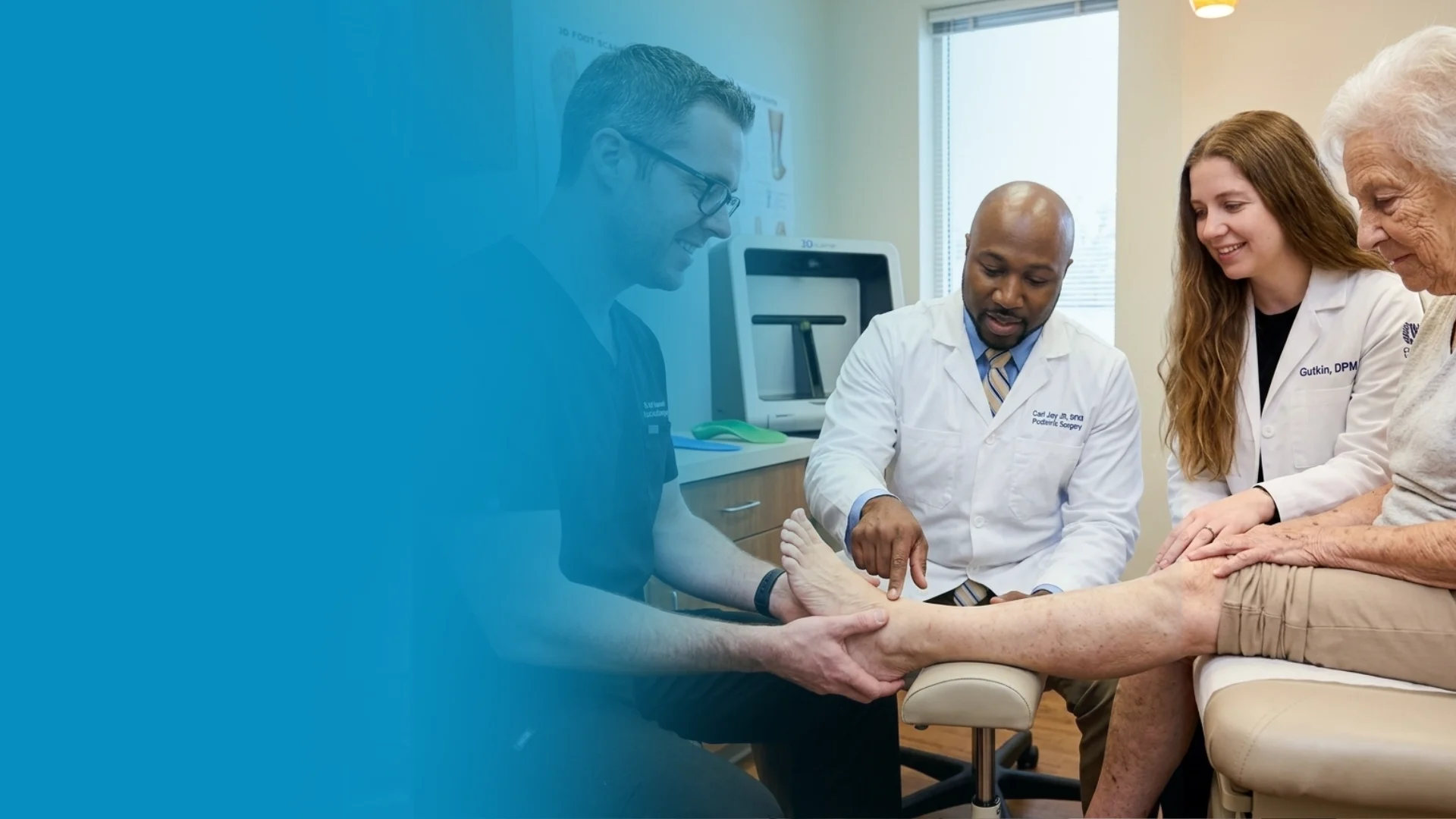
The most important clinical decision with Heel Spur Removal Surgery isn’t which treatment to start with — it’s identifying the correct subtype. That changes everything. Call (810) 206-1402.
Heel Spur Removal Surgery: Quick Answer
Heel spur surgery is one of the most over-recommended foot procedures in America. The truth: most heel pain is plantar fasciitis, NOT the spur itself. We see hundreds of patients each year at Balance Foot and Ankle who were told they needed surgery – and 90% improve with conservative care first. Here is what to know before any heel spur procedure.
What Is a Heel Spur Anyway?
A heel spur (calcaneal spur) is a bony growth that develops on the bottom or back of the heel bone (calcaneus), usually in response to long-term traction from the plantar fascia or Achilles tendon. The spur itself is rarely painful – the inflammation around it (plantar fasciitis or insertional Achilles tendinitis) is what hurts.
Why Most Heel Spur Surgery Is Unnecessary
50-70% of people over 50 have heel spurs visible on X-ray, but only a fraction have heel pain. Studies show plantar fascia release surgery has 80-95% success rates – but conservative care has 90% success in the first 6 months. If anyone recommends heel spur surgery before 6 months of proper conservative care, get a second opinion.
Conservative Treatment That Works (Try First)
Custom orthotics with deep heel cup and plantar fascia relief. Calf and plantar fascia stretching 3-4x daily. Night splints for 4-8 weeks. Cortisone injection (max 2-3 lifetime). Shockwave therapy (ESWT) for stubborn cases. Walking boot for 4-6 weeks for severe pain. 90% of patients improve within 3-6 months on this protocol.
When Surgery Is Actually Indicated
Surgery should only be considered after 6+ months of consistent, properly executed conservative care has failed. Indications include: severe persistent pain, significant tear of the plantar fascia, or rare cases of giant heel spur (>1 cm) directly impinging on tissue. Even then, plantar fascia release – not spur removal – is usually the surgery of choice.
Types of Heel Spur Surgery
1. Endoscopic Plantar Fascia Release (EPFR): 2 small incisions, partial release of plantar fascia, spur usually NOT removed. Outpatient. 2. Open Plantar Fascia Release with Spur Removal: Larger incision, both fascia release and spur excision. Higher complication rate. 3. Topaz Coblation: Minimally invasive radiofrequency, less common.
Recovery Timeline
Endoscopic: Walking boot 2-3 weeks, return to work 2-3 weeks (desk) or 4-6 weeks (active), full recovery 3-6 months. Open surgery: Walking boot 4-6 weeks, return to work 4-6 weeks, full recovery 6-12 months. Athletic activity returns at 4-6 months for most patients.
Cost and Insurance Coverage
Most insurance plans (Medicare, BCBS, Aetna, UHC, Priority Health) cover heel spur surgery when documented conservative care has failed for 6+ months. Out-of-pocket costs vary by plan – typically $500-$3,000 for facility + surgeon fees after insurance. We verify coverage and provide written estimates before scheduling.
Risks and Complications
Even with experienced surgeons: persistent pain (10-15%), arch collapse (rare with partial release, more common with full release), nerve damage (3-5%), infection (1-2%), recurrence (5-10%). These rates are why conservative care should always be exhausted first.
Get a Second Opinion First
If a doctor recommends heel spur surgery without 6+ months of conservative care including custom orthotics, night splints, stretching, and at least one cortisone injection – get a second opinion. Schedule a second opinion at Balance Foot and Ankle. We have done thousands of foot surgeries and know when surgery is – and is not – the right answer.
When Shoes Aren’t Enough — Dr. Tom’s Top 9 Orthotics
About 30% of patients I see for foot pain need MORE than a great shoe — they need a structured insole. Below: my complete 2026 orthotic ranking with pros, cons, and the specific patient I’d give each one to.


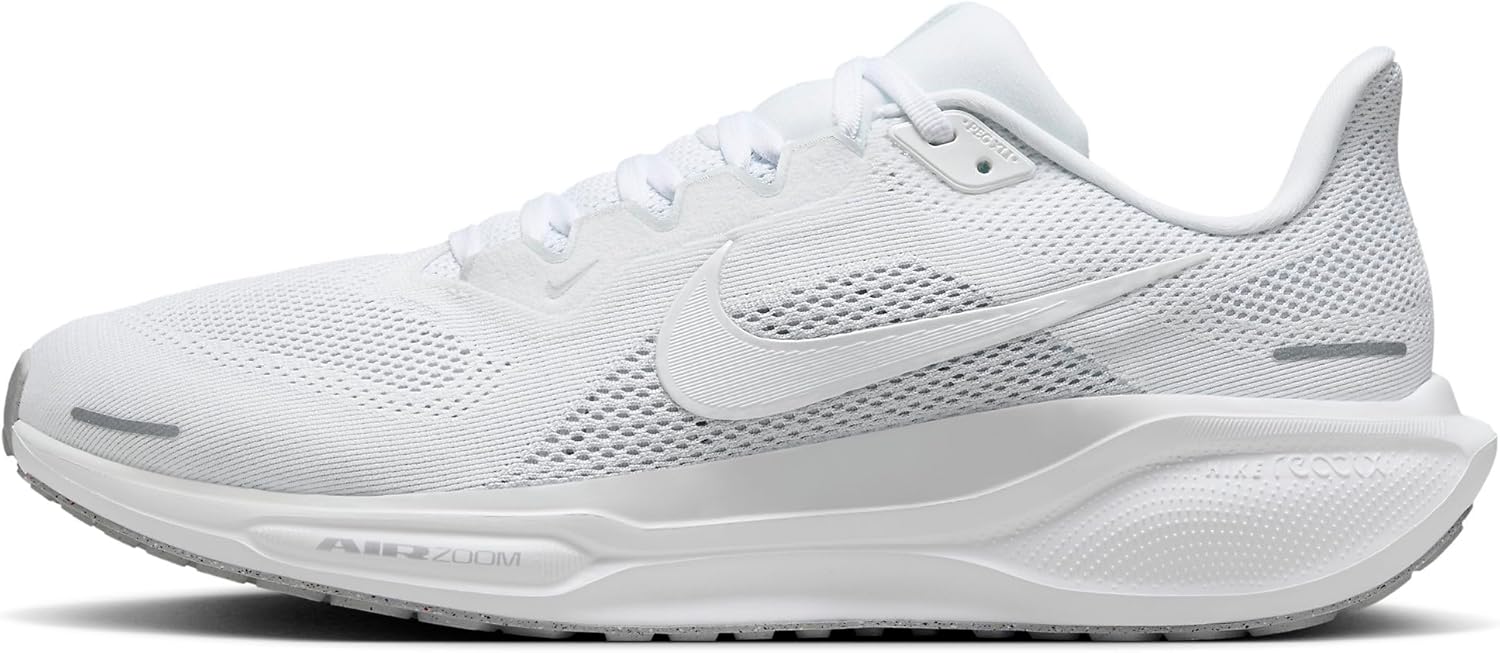


Podiatrist-Recommended Products

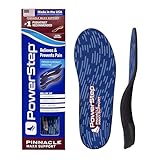
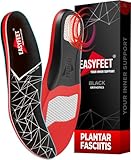

In-Office Treatment at Balance Foot & Ankle
If home treatment isn’t providing relief for your plantar fasciitis, our podiatry team at Balance Foot & Ankle can help with same-day evaluations and advanced in-office care.
Frequently Asked Questions About Heel Spur Removal Surgery
Do I really need heel spur surgery?
Probably not. 90% of heel pain resolves with 6 months of proper conservative care (orthotics, stretching, night splints, possibly injection). Surgery should only be considered after that has failed.
How much does heel spur surgery cost?
Insurance typically covers it after conservative care fails. Out-of-pocket usually runs $500-$3,000 after insurance. Cash-pay rates run $4,000-$10,000.
How long is recovery from heel spur surgery?
Endoscopic: 2-3 weeks in a boot, 3-6 months to full recovery. Open: 4-6 weeks in a boot, 6-12 months to full recovery.
What is the success rate of heel spur surgery?
Plantar fascia release has 80-95% success when patient selection is appropriate. Success drops significantly when surgery is done before adequate conservative care.
Will the spur grow back?
Spurs can recur, but most surgical pain relief comes from the fascia release – not spur removal. Recurrence rate of pain is 5-10% with proper rehabilitation.
Can I avoid surgery entirely?
Most patients can. Custom orthotics, night splints, stretching protocol, and shockwave therapy resolve 90% of cases. We have several non-surgical options that work better than surgery for most patients.
Is heel spur surgery the same as plantar fasciitis surgery?
They overlap – the surgery is usually called “plantar fascia release” and may or may not include spur removal. The fascia release does most of the pain relief.
Related Resources from Balance Foot & Ankle
Frequently Asked Questions
When should I see a podiatrist?
If symptoms persist past 2 weeks, affect your normal activity, or are accompanied by red-flag symptoms (warmth, redness, swelling, inability to bear weight).
What does treatment cost?
Most diagnostic visits and conservative treatments are covered by Medicare and major insurers. Out-of-pocket costs vary by your specific plan.
How quickly can I get an appointment?
Most non-urgent cases see us within 5 business days. Urgent cases (sudden pain, possible fracture) typically same or next business day.
Ready to Get Relief?
Same-day appointments available in Howell & Bloomfield Hills, MI
4.9★ | 1,123 Reviews | 3,000+ Surgeries
Or call: (810) 206-1402

Dr. Tom Biernacki, DPM is a board-certified foot & ankle surgeon (ABFAS & ABPM) at Balance Foot & Ankle Specialists in Southeast Michigan. With over a decade of clinical experience, he specializes in heel pain, bunions, diabetic foot care, sports injuries, and minimally invasive surgery. Dr. Biernacki is a member of the APMA and ACFAS, and his patient education content on MichiganFootDoctors.com and YouTube has made him one of the most-followed foot & ankle educators on YouTube.