
Medically reviewed by Dr. Tom Biernacki, DPM
Board-certified podiatric surgeon | Balance Foot & Ankle, Howell & Bloomfield Township, MI
Last reviewed: May 2026

Quick answer: Achilles Rupture Recovery Time is a common foot/ankle topic that affects many patients. The 2026 evidence-based approach combines proper diagnosis, conservative-first treatment, and escalation only when needed. We treat this regularly at our Howell and Bloomfield Township practices. Call (810) 206-1402.
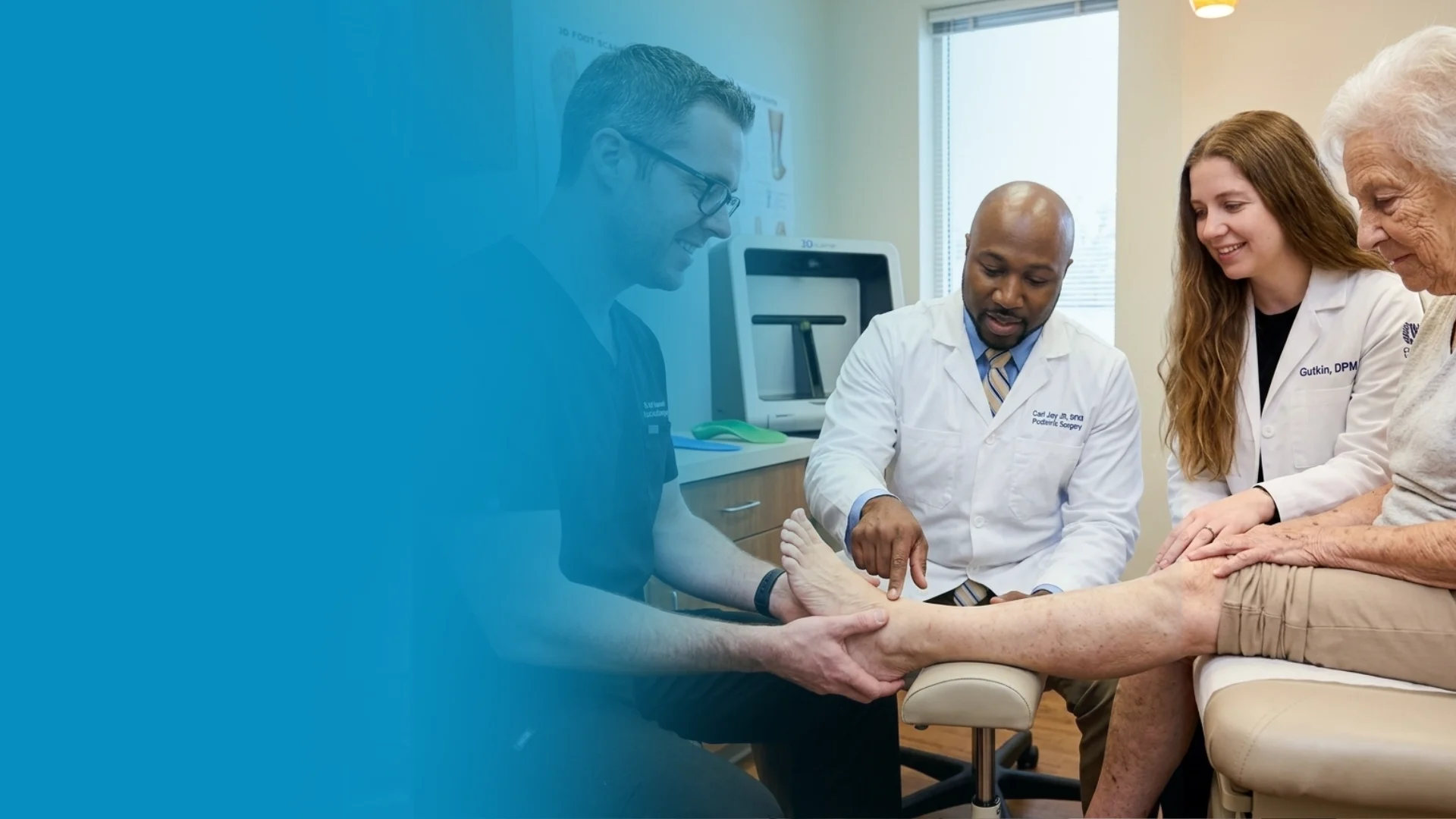
Achilles Rupture Recovery Time: Quick Answer
An Achilles tendon rupture is one of the most common athletic injuries in adults over 30 – and the recovery is long whether you have surgery or not. We treat dozens of these each year at Balance Foot and Ankle. Here is the realistic week-by-week timeline so you know what to expect.
Surgery vs. Non-Surgery: Which Is Right?
Modern functional bracing protocols for non-surgical treatment now have similar re-rupture rates (4-8%) to surgical repair (2-5%) when patients comply with early protected weight-bearing. Surgery is preferred for: athletes returning to high-level competition, complete proximal tears, and certain anatomic patterns. Non-surgery is preferred for: patients over 60, smokers, diabetics, those with skin issues over the heel.
Week 0-2: Diagnosis and Initial Treatment
Surgery: Outpatient procedure within 1-2 weeks of injury. Plaster splint in plantar flexion. NO weight-bearing. Crutches required. Non-surgery: Functional brace or boot in 20-30 degrees plantar flexion immediately. NO weight-bearing weeks 0-2. Pain typically severe early, eases by day 5-7.
Week 2-4: Transition to Boot
Surgery: Stitches removed week 2. Transition from splint to walking boot with 4 heel wedges. Begin gentle ankle motion. Still NO weight-bearing. Non-surgery: Same boot protocol. Begin partial weight-bearing on crutches by week 4 in some protocols. Gentle plantar flexion exercises begin.
Week 4-6: Begin Weight-Bearing
Both pathways: Begin full weight-bearing in boot with all heel wedges (about 30 degrees plantar flexion). Walking is awkward and limited. Physical therapy starts: gentle range-of-motion, isometric calf strengthening. Most patients return to desk work this phase.
Week 6-8: Wedge Reduction
Heel wedges in the boot are removed one at a time, every 1-2 weeks, gradually bringing the foot to neutral. Continued PT focuses on motion and progressive loading. Most patients return to driving at week 6-8 if right foot was injured.
Week 8-12: Out of the Boot
Transition out of boot into supportive shoes with heel lifts (1-2 cm). Walking gait normalizes over 2-3 weeks. PT progresses to standing calf raises (double-leg first, then single-leg by week 12). Pool walking allowed. Stationary biking permitted.
Month 3-6: Strength and Function
Single-leg calf raises (target 25 reps by month 4-5). Eccentric calf strengthening. Light jogging may begin around month 4-5 for surgical patients, month 5-6 for non-surgical. Plyometrics added month 5-6. Most return to recreational sport by month 6.
Month 6-12: Return to Athletics
Cutting sports (basketball, soccer, tennis) typically permitted at 6-9 months for surgical, 9-12 months for non-surgical patients. Strength and power often reach pre-injury levels by 12 months but may take 18-24 months. Re-rupture risk peaks in months 6-12 when patients feel “fine” but tendon is still healing.
Returning to Work
Desk work: 1-3 weeks. Light activity work: 6-10 weeks. Heavy manual labor: 4-6 months. Construction, emergency services, military: 6-12 months. Document each visit for FMLA, disability, and workers compensation paperwork – we provide this routinely.
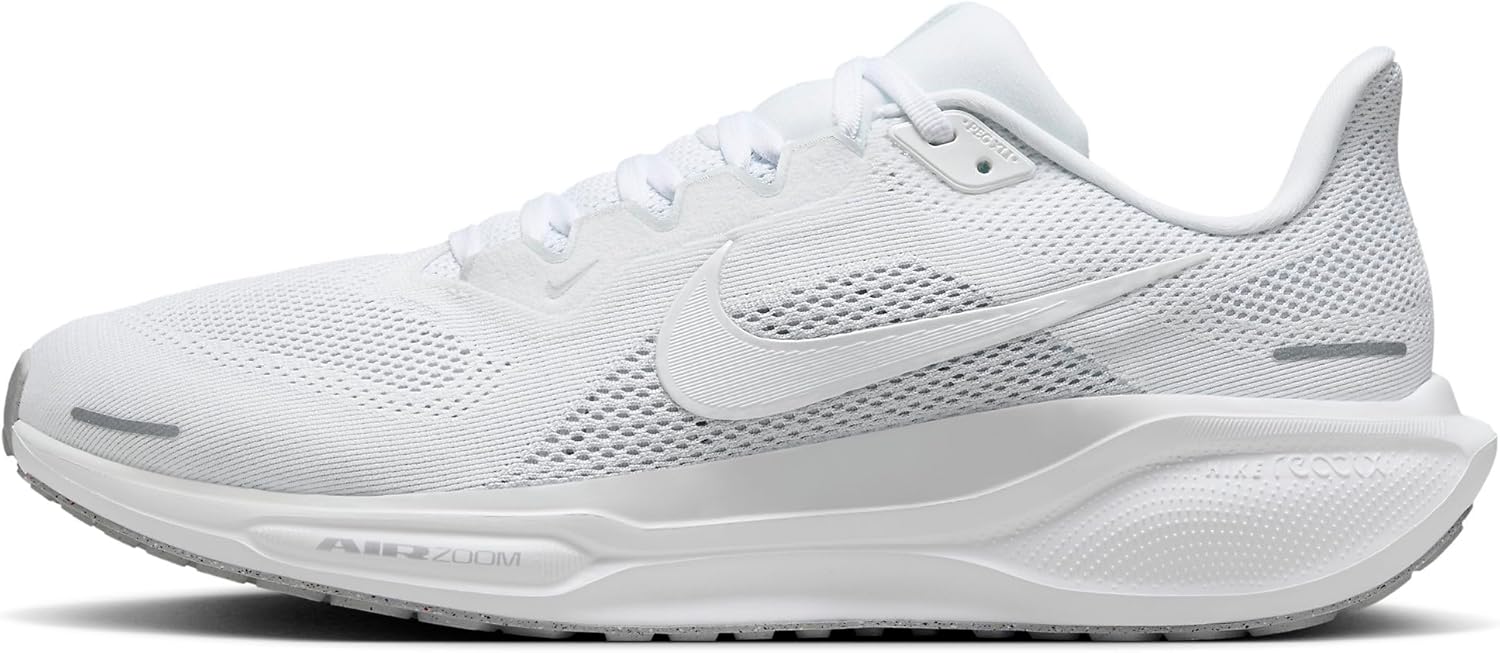
When Shoes Aren’t Enough — Dr. Tom’s Top 9 Orthotics
About 30% of patients I see for foot pain need MORE than a great shoe — they need a structured insole. Below: my complete 2026 orthotic ranking with pros, cons, and the specific patient I’d give each one to.




Long-Term Outcomes
85-95% of patients return to their pre-injury activity level by 12-18 months. Calf strength may remain 5-10% reduced long-term. Re-rupture rate stabilizes at 4-8% lifetime risk. Risk of contralateral Achilles rupture is 6% within 10 years – so prevention matters. Get a second opinion if your recovery is not on track.
In-Office Treatment at Balance Foot & Ankle
If home treatment isn’t providing relief for your Achilles tendinitis, our podiatry team at Balance Foot & Ankle can help with same-week evaluations and advanced in-office care.
Frequently Asked Questions About Achilles Rupture Recovery Time
How long until I can walk normally after Achilles rupture?
Boot-walking starts week 4-6. Out of the boot at week 8-10. Normal gait by week 12-16. Pre-injury walking at month 4-6.
When can I drive after Achilles surgery?
Right Achilles: 6-8 weeks (must be out of boot for emergency braking). Left Achilles with automatic transmission: 2-3 weeks once comfortable in boot.
Is surgery better than non-surgery for Achilles rupture?
Modern studies show similar re-rupture rates with proper functional bracing. Surgery is preferred for high-level athletes. Non-surgery is preferred for older patients, smokers, diabetics, or those with skin issues.
When can I run again after Achilles rupture?
Light jogging 4-6 months. Recreational running 6-9 months. Competitive running 9-12 months. Some patients never return to high-impact sport – this is acceptable.
How painful is Achilles rupture?
Severe initially – patients describe a “kick from behind” then sharp pain. Pain eases significantly by day 5-7. Boot-walking is uncomfortable but manageable.
What is the re-rupture rate?
2-5% with surgery, 4-8% with proper functional bracing. Risk is highest in months 6-12 when patients return to activity too aggressively.
Will my calf be smaller after Achilles rupture?
Yes – calf atrophy is normal during recovery. Most regain 90-95% of size with proper rehab over 12-18 months. Some permanent 5-10% reduction is common.
Related Resources from Balance Foot & Ankle
What is Achilles tendon?
Achilles tendon is a common foot/ankle condition that affects mobility and quality of life. Understanding the underlying cause is the first step in successful treatment. Our podiatrists at Balance Foot & Ankle perform a hands-on biomechanical exam, review your activity history, and use diagnostic imaging when appropriate to identify the root cause—not just treat the symptom. Many patients have been told to “rest and ice” without a deeper diagnostic workup; our approach is different.
Symptoms and warning signs
Common signs of Achilles tendon include pain that worsens with activity, morning stiffness, swelling, tenderness when palpated, and difficulty bearing weight. If you experience sudden severe pain, inability to walk, visible deformity, numbness or color change, contact our office the same day or visit urgent care—these can signal a more serious injury such as a fracture, tendon rupture, or vascular compromise. Diabetics with any foot wound should seek same-day care.
Conservative treatment options
Most cases of Achilles tendon respond to non-surgical care: structured rest, supportive footwear changes, custom orthotics, targeted stretching and strengthening protocols, anti-inflammatory medications when medically appropriate, and in-office procedures such as ultrasound-guided injections. We also offer advanced therapies including laser therapy, EPAT/shockwave, regenerative injections, and image-guided procedures. Treatment is sequenced from least invasive to most invasive, and we explain the rationale at every step.
When is surgery considered?
Surgery is reserved for cases that fail 3-6 months of well-structured conservative care, when there is structural pathology (severe deformity, complete tear, advanced arthritis), or when imaging shows damage that will not heal without intervention. Our surgeons have performed 3,000+ foot and ankle procedures and prioritize minimally-invasive techniques whenever appropriate. We discuss recovery timelines, return-to-activity milestones, and realistic outcome expectations before any procedure is scheduled.
Recovery timeline and prevention
Recovery from Achilles tendon varies based on severity and chosen treatment path. Conservative cases often improve within 4-8 weeks with consistent adherence to the protocol. Post-procedural recovery may range from a few days (in-office procedures) to several months (reconstructive surgery). Long-term prevention involves footwear assessment, activity modification, structured strengthening, and regular check-ins with your podiatrist if you have a history of recurrence. We provide written home-exercise plans and digital follow-up support.
OrthoInfo – AAOS: Achilles Tendinitis
Ready to Get Relief?
Same-week appointments available in Howell & Bloomfield Township, MI
4.9★ | 1,123 Reviews | 3,000+ Surgeries
Or call: (810) 206-1402

Dr. Tom Biernacki, DPM is a board-certified foot & ankle surgeon (ABFAS & ABPM) at Balance Foot & Ankle Specialists in Southeast Michigan. With over a decade of clinical experience, he specializes in heel pain, bunions, diabetic foot care, sports injuries, and minimally invasive surgery. Dr. Biernacki is a member of the APMA and ACFAS, and his patient education content on MichiganFootDoctors.com and YouTube has made him one of the most-followed foot & ankle educators on YouTube.