
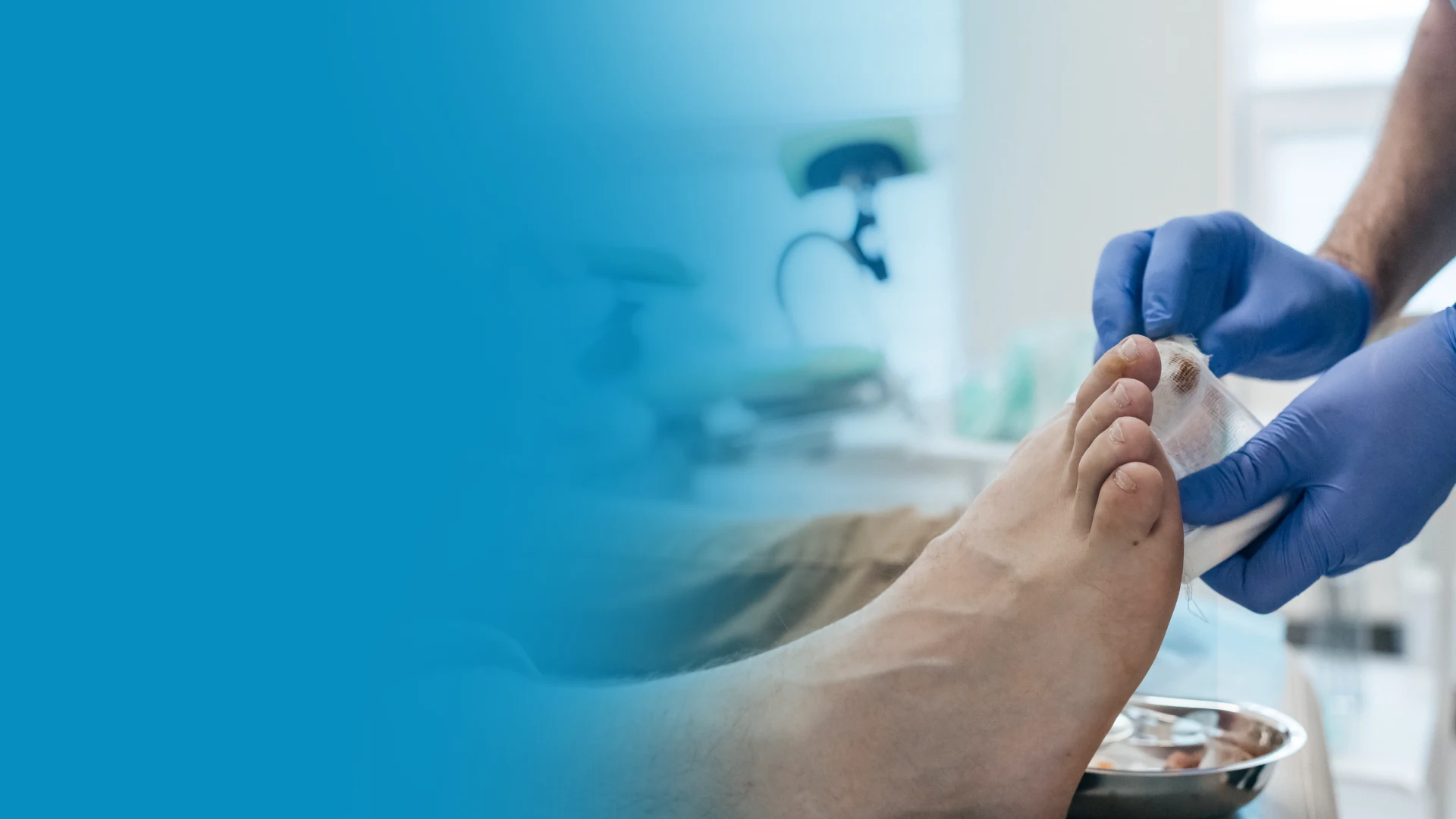

Preventing toenail fungus from spreading requires shoe disinfection, sock rotation, dedicated nail clippers, and avoiding shared bathroom surfaces. Skipping any one of these is how reinfection happens.
You’ve come to the right podiatry team. Dr. Tom Biernacki, DPM, FACFAS — board-certified foot & ankle surgeon with 3,000+ surgeries — explains exactly what preventing toenail fungus spread means and what works. Call (810) 206-1402 for same-week appointment at Howell or Bloomfield Township.
Quick answer: How to prevent toenail fungus spreading the right way: 1) prepare the area properly, 2) use the correct technique demonstrated by a podiatrist, 3) avoid the common mistakes that worsen the problem. We see complications in clinic from improper home care. The full step-by-step guide below shows the right method. Call (810) 206-1402.
Medically reviewed by Dr. Tom Biernacki, DPM · Board-Certified Podiatric Surgeon · Last reviewed: April 2026 · Editorial Policy
Quick Answer
How to Stop Toenail Fungus From Spreading to Other Nails and relates to toenail conditions — typically caused by fungal infection or trauma. Most patients improve in 6-12 months for nail regrowth with conservative care. Same-week appointments in Howell + Bloomfield Township: (810) 206-1402.
Medically reviewed by Dr. Tom Biernacki, DPM — Board-Certified Podiatric Surgeon — Balance Foot & Ankle, Howell & Bloomfield Township, MI. Last updated April 2026.
▶ Watch
👟 Dr. Tom Also Recommends
Podiatrist Recommended Shoes 2026: Dr. Tom’s Top Picks for Every Condition
The right footwear can make or break your recovery. Dr. Tom’s complete guide to the best shoes for plantar fasciitis, flat feet, neuropathy, bunions & more — with clinical picks for every foot type.
See Dr. Tom’s Top Shoe Picks →Medically Reviewed by Dr. Tom Biernacki, DPM — Board-Certified Podiatrist, Balance Foot & Ankle Specialists, Michigan. Last updated April 2026.
Toenail fungus is contagious — and without deliberate precautions, it spreads to other nails, to the skin of the foot (athlete’s foot), and to household members who share bathrooms, pool areas, or changing areas. Here is a practical, specific protocol for containing the infection while treating it.
Understanding How It Spreads
Dermatophyte fungi (the most common cause of toenail fungus) are transmitted by:
- Direct contact — walking barefoot on infected surfaces (shower floors, pool decks, gym locker rooms); sharing nail clippers, files, or shoes
- Self-spread (auto-inoculation) — fungus from an infected nail spreads to adjacent nails through the nail fold; athlete’s foot on the skin spreads to nails when scratching or handling infected skin
- Household spread — sharing shower facilities without decontamination; shared towels or mats
Steps to Prevent Spreading to Other Nails
- Treat athlete’s foot simultaneously — athlete’s foot (tinea pedis) is often the source of continued nail reinfection; apply antifungal cream to the entire foot skin (not just nails) throughout treatment
- Separate nail tools — dedicate a separate nail clipper and file to the infected nails; do not use these tools on healthy nails; disinfect tools after each use with isopropyl alcohol
- Clip infected nails carefully — trim straight across; avoid spreading clippings; dispose of clippings immediately; wash hands thoroughly after handling infected nails
- Apply antifungal treatment to healthy adjacent nails preventively — applying OTC antifungal cream (clotrimazole) to the nail folds of healthy adjacent nails during treatment provides a preventive barrier
- Keep nails short and dry — long nails accumulate debris and create a microenvironment favorable to fungal growth
Steps to Prevent Spreading to Household Members
- Never share nail tools, towels, or footwear — fungal spores persist on shared items
- Wear shower shoes or flip flops in shared bathrooms — even in your own home if a household member could be exposed to shower floor contamination
- Disinfect the shower floor weekly — diluted bleach solution (1 part bleach to 10 parts water) or antifungal spray applied to the shower floor effectively reduces fungal load
- Wear socks — keep the infected foot covered in household common areas
Decontaminating Your Shoes
This is the step most patients skip — and the most common reason treatment fails or reinfection occurs. Shoes harbor fungal spores for months after the nail infection appears to have cleared. During and after treatment: apply antifungal powder (clotrimazole powder, Zeasorb AF) inside all shoes regularly; consider UV shoe sanitizers; replace heavily used athletic shoes after completing treatment.
The Most Important Step: Get Effective Treatment
All prevention steps are futile if the active infection is not being treated effectively. Prescription antifungal therapy (oral terbinafine or prescription topical efinaconazole) plus professional nail debridement achieves significantly higher cure rates than OTC products alone. Dr. Biernacki at Balance Foot & Ankle provides the most effective available treatment protocols.
Ready to Eliminate Toenail Fungus?
Dr. Biernacki at Balance Foot & Ankle provides prescription antifungal therapy, laser treatment, and professional nail debridement to clear toenail fungus effectively. Same-week appointments available.
Book My Fungus Treatment Appointment →
or call (810) 206-1402
📍 Located in Michigan?
Our board-certified podiatrists treat this condition at two convenient locations. Most new patients are seen the same week.
Insurance Accepted
BCBS · Medicare · Aetna · Cigna · United Healthcare · HAP · Priority Health · Humana · View All →
Howell Office
4330 E Grand River Ave
Howell, MI 48843
Get Directions →
Bloomfield Township Office
43494 Woodward Ave, #208
Bloomfield Township, MI 48302
Get Directions →
Your Board-Certified Podiatrists



Ready to Get Back on Your Feet?
Same-week appointments available at both locations.
Book Your AppointmentMore Podiatrist-Recommended Fungus Essentials
Breathable Diabetic Shoe
Orthofeet Sprint — deep, breathable design reduces fungal growth.
Moisture-Wicking Sock

Watch: Tea Tree Oil Toenail Fungus Home Treatment [Doctor Cure!] — MichiganFootDoctors YouTube
OS1st FS4 — keeps feet dry, eliminating the warm-wet environment fungus needs.
Breathable Recovery Slide
HOKA Ora 3 — lets feet air out after closed-shoe exposure.
As an Amazon Associate, Balance Foot & Ankle earns from qualifying purchases. Product recommendations are based on clinical experience; prices and availability shown above update live from Amazon.

When to See a Podiatrist
Topicals only penetrate the top 30% of the nail plate — if the fungus is near the cuticle or under 50% of the nail, oral terbinafine or laser is usually required for full clearance. Balance Foot & Ankle offers in-office fungal nail diagnostics and laser treatment that reaches the nail matrix where topicals can’t. We’ll examine the nail and recommend the fastest path to clear, healthy regrowth.
Call Balance Foot & Ankle: (810) 206-1402 · Book online · Offices in Howell & Bloomfield Township
Watch: Dr. Tom explains
Podiatrist-recommended products
As an Amazon Associate, Dr. Tom earns from qualifying purchases.
Skin-safe adjunct
View on Amazon →Antimicrobial top cover
View on Amazon →Moisture offload
View on Amazon →Inflammation control
View on Amazon →Related resources
Ready to solve this? Book today.
Same-week appointments · Howell & Bloomfield Township · 4.9★ (1,123+ reviews)
☎ (810) 206-1402Book Online →In Our Clinic
In our clinic, the toenail fungus patient has usually already tried OTC topical antifungals for months with no improvement. We confirm the diagnosis with a PAS stain or fungal culture — because about 30 % of thickened, discolored nails are actually NOT fungal (they’re trauma, nail psoriasis, or keratin granulation from polish). For true dermatophyte onychomycosis, oral terbinafine (Lamisil) remains the most effective treatment with ~70 % cure rate and manageable safety monitoring. Nail laser and topical efinaconazole are options for patients who can’t take oral medication. The nail grows back clear over 9–12 months, not overnight.
In-Office Treatment at Balance Foot & Ankle
When conservative care isn’t enough, Dr. Tom Biernacki and the team at Balance Foot & Ankle offer advanced, same-day options — including Foot Fungus Treatment Michigan at our Howell and Bloomfield Township clinics.
Same-week appointments available. Call (810) 206-1402 or book online.
Pros & Cons of Conservative Care for toenail conditions
Advantages
- ✓ Most cases resolve at home
- ✓ Same-week appointments available
- ✓ Permanent fix exists
Considerations
- ✗ Recurrence common without prevention
- ✗ Diabetics need professional care
Dr. Tom’s Recommended Products for toenail conditions
Affiliate disclosure: As an Amazon Associate, Balance Foot & Ankle earns from qualifying purchases. We only recommend products we use with patients.
Tolcylen Antifungal Solution Dr. Tom’s Pick
Best for: Most effective topical for fungus
Ready to Get Back on Your Feet?
Same-week appointments in Howell + Bloomfield Township. Most insurance accepted. Dr. Tom Biernacki, DPM & team.
Book Today — Same-Week Appointments Available
Call Now: (810) 206-1402
About Your Care Team at Balance Foot & Ankle
Dr. Tom Biernacki, DPM · Board-Certified Foot & Ankle Surgeon. Specializes in conservative-first care, minimally invasive bunion surgery, and complex reconstruction.
Dr. Carl Jay, DPM · Accepting new patients. Specializes in sports medicine, athletic injuries, and routine podiatric care.
Dr. Daria Gutkin, DPM, AACFAS · Accepting new patients. Specializes in surgical reconstruction and pediatric podiatry.
Locations: 4330 E Grand River Ave, Howell, MI 48843 · 43494 Woodward Ave Suite 208, Bloomfield Township, MI 48302
Hours: Mon–Fri 8:00 AM – 5:00 PM · (810) 206-1402
Frequently Asked Questions
How long does this take?
Most home protocols take 5-15 minutes per session. Improvement visible in 2-4 weeks with consistent application.
When should I stop and see a doctor?
Stop and see a podiatrist if you see redness spreading, pus, increased pain, or fever. These signal infection requiring professional care.
Can I do this if I have diabetes?
Diabetic patients should consult a podiatrist before home foot care. Reduced sensation can hide complications.
What is Toenail fungus?
Toenail fungus is a common foot/ankle condition that affects mobility and quality of life. Understanding the underlying cause is the first step in successful treatment. Our podiatrists at Balance Foot & Ankle perform a hands-on biomechanical exam, review your activity history, and use diagnostic imaging when appropriate to identify the root cause—not just treat the symptom. Many patients have been told to “rest and ice” without a deeper diagnostic workup; our approach is different.
Symptoms and warning signs
Common signs of toenail fungus include pain that worsens with activity, morning stiffness, swelling, tenderness when palpated, and difficulty bearing weight. If you experience sudden severe pain, inability to walk, visible deformity, numbness or color change, contact our office the same day or visit urgent care—these can signal a more serious injury such as a fracture, tendon rupture, or vascular compromise. Diabetics with any foot wound should seek same-day care.
Conservative treatment options
Most cases of toenail fungus respond to non-surgical care: structured rest, supportive footwear changes, custom orthotics, targeted stretching and strengthening protocols, anti-inflammatory medications when medically appropriate, and in-office procedures such as ultrasound-guided injections. We also offer advanced therapies including laser therapy, EPAT/shockwave, regenerative injections, and image-guided procedures. Treatment is sequenced from least invasive to most invasive, and we explain the rationale at every step.
When is surgery considered?
Surgery is reserved for cases that fail 3-6 months of well-structured conservative care, when there is structural pathology (severe deformity, complete tear, advanced arthritis), or when imaging shows damage that will not heal without intervention. Our surgeons have performed 3,000+ foot and ankle procedures and prioritize minimally-invasive techniques whenever appropriate. We discuss recovery timelines, return-to-activity milestones, and realistic outcome expectations before any procedure is scheduled.
Recovery timeline and prevention
Recovery from toenail fungus varies based on severity and chosen treatment path. Conservative cases often improve within 4-8 weeks with consistent adherence to the protocol. Post-procedural recovery may range from a few days (in-office procedures) to several months (reconstructive surgery). Long-term prevention involves footwear assessment, activity modification, structured strengthening, and regular check-ins with your podiatrist if you have a history of recurrence. We provide written home-exercise plans and digital follow-up support.
Ready to feel better?
Same-week appointments available in Howell and Bloomfield Township, Michigan.
Book Your VisitIn-Office Treatment at Balance Foot & Ankle
If home treatment isn’t providing relief for your toenail fungus, our podiatry team at Balance Foot & Ankle can help with same-week evaluations and advanced in-office care.
Same-week appointments available. (810) 206-1402
Learn about our laser toenail fungus treatment → | Book online →
Get Expert Care at Balance Foot & Ankle
Same-week appointments at our Howell and Bloomfield Township offices. Board-certified podiatric surgeons. Most insurance accepted.
Ready for Expert Care?
Same-week appointments in Howell & Bloomfield Township, MI.
4.9★ | 1,123 Reviews | 3,000+ Surgeries
Or call: (810) 206-1402

Dr. Tom Biernacki, DPM is a board-certified foot & ankle surgeon (ABFAS & ABPM) at Balance Foot & Ankle Specialists in Southeast Michigan. With over a decade of clinical experience, he specializes in heel pain, bunions, diabetic foot care, sports injuries, and minimally invasive surgery. Dr. Biernacki is a member of the APMA and ACFAS, and his patient education content on MichiganFootDoctors.com and YouTube has made him one of the most-followed foot & ankle educators on YouTube.
More questions patients ask
What is the best treatment for toenail fungus?
The most effective treatments combine approaches: oral antifungal medication (terbinafine) has a 70-80% cure rate, while laser therapy and topical treatments can be effective for milder cases. Dr. Biernacki develops individualized treatment plans based on severity, number of nails affected, and patient health history. Treatment typically takes 3-6 months due to slow nail growth. Call 810-206-1402 for evaluation.
Is toenail fungus contagious?
Yes, toenail fungus (onychomycosis) is caused by dermatophyte fungi that spread through direct contact and contaminated surfaces. High-risk environments include public pools, gym showers, and locker rooms. Prevention includes wearing shower shoes in public areas, keeping feet dry, using antifungal powder, and not sharing nail tools.
How do I know if I have toenail fungus?
Signs of toenail fungus include yellowing or whitening of the nail, thickening, crumbling edges, separation from the nail bed, and a foul odor. It can be confused with nail psoriasis, trauma, or other conditions, so professional diagnosis is recommended. Dr. Biernacki can confirm the diagnosis and rule out other conditions during an in-office evaluation.
Still have a question about coverage or cost? Book online and we will check your benefits before your visit: Book in Howell · Book in Bloomfield Township. Prefer to talk it through first? Call (810) 206-1402.