

Medically reviewed by Dr. Tom Biernacki, DPM — Board-Certified Podiatric Surgeon — Balance Foot & Ankle, Howell & Bloomfield Hills, MI. Last updated April 2026.
▶ Watch

Medically reviewed by Dr. Tom Biernacki, DPM | Board-certified podiatrist | 3,000+ surgeries performed
Last updated: April 2, 2026
Quick Answer
Bunions are progressive — they never get smaller on their own and will continue to worsen without intervention. The good news is that strategic conservative management can significantly slow progression, reduce pain, and delay or even prevent the need for surgery when started early enough.
Understanding Why Bunions Progress
A bunion (hallux valgus) is a progressive misalignment of the first metatarsophalangeal joint where the big toe drifts toward the second toe while the metatarsal bone angles inward, creating the visible bump on the side of the foot. Once this misalignment begins, the mechanical forces of walking actually drive further progression — each step pushes the big toe further out of alignment.
The joint capsule and ligaments on the inner side of the big toe joint stretch and weaken as the deformity progresses, while the structures on the outer side tighten and contract. This imbalance becomes self-reinforcing: the more the toe drifts, the stronger the forces that push it further. Tendons that normally pull the toe straight begin to bowstring across the joint, adding to the deforming forces.
Genetics play the primary role in determining who develops bunions — the foot structure you inherit determines your susceptibility. However, the rate at which a bunion progresses is significantly influenced by modifiable factors including footwear choices, activity patterns, body weight, and whether you address biomechanical imbalances with proper support. This is where intervention can make a real difference.
Footwear Strategies That Slow Bunion Progression
Footwear is the single most impactful modifiable factor in bunion progression. Shoes with a narrow, pointed toe box compress the big toe toward the lesser toes, directly accelerating the deformity. Switching to shoes with a wide, rounded, or squared toe box that allows the toes to spread naturally removes this compressive force and is the most important first step.
Heel height matters significantly. Every inch of heel elevation shifts body weight forward onto the forefoot and increases pressure across the bunion joint. Keeping heel height below one inch for daily wear dramatically reduces the mechanical forces driving the deformity. When higher heels are worn for special occasions, limit the duration of wear.
Shoe flexibility at the ball of the foot is another consideration. A shoe that bends easily at the metatarsal break point allows the big toe joint to move through its natural range of motion without excessive stress. Rigid soles that force the foot to work harder with each step can increase joint inflammation. Look for shoes with adequate toe box depth to avoid pressure on the top of the bunion.
Orthotic Support to Control Biomechanical Forces
Custom or high-quality over-the-counter orthotic devices address the underlying biomechanical factors that drive bunion progression. Excessive pronation — the inward rolling of the foot during gait — is the most common biomechanical contributor. An orthotic that controls pronation stabilizes the first ray (the big toe metatarsal) and reduces the ground reaction forces that push the toe into valgus.
The orthotic should provide firm medial arch support and may include a first ray cutout that allows the first metatarsal to plantar flex naturally during push-off. This seemingly small detail reduces the compensatory forces that develop when the first metatarsal is blocked from its normal motion and contributes to bunion progression.
Wearing orthotics consistently — not just during exercise — is essential. The cumulative forces of daily walking are what drive slow bunion progression. An orthotic worn only during exercise addresses perhaps 10 percent of your daily steps while ignoring the other 90 percent. Invest in orthotics for your most-worn daily shoes and make consistent use a priority.
Exercises and Stretches That Help
Toe spacer exercises using silicone separators placed between the big toe and second toe gently stretch the contracted lateral structures and help maintain joint mobility. Wearing toe spacers for 15 to 30 minutes daily while resting can slow the soft tissue contracture that contributes to progressive deformity.
Big toe strengthening exercises target the abductor hallucis muscle — the muscle responsible for pulling the big toe back toward midline. Short-foot exercises, towel scrunches, and specific abductor hallucis activation drills maintain the muscular forces that oppose the bunion deformity. While these exercises alone cannot reverse a bunion, they help maintain the balance of forces around the joint.
Calf stretching is often overlooked in bunion management but is critically important. Tight calf muscles increase forefoot pressure during walking, which overloads the bunion joint. Maintaining adequate ankle dorsiflexion through regular gastrocnemius and soleus stretching reduces the forces that accelerate bunion progression and alleviates associated forefoot pain.
Splints, Toe Spacers, and Bunion Pads
Nighttime bunion splints hold the big toe in a more corrected position during sleep. While they cannot permanently realign the joint, consistent nightly use can slow the rate of progression by stretching contracted lateral structures and maintaining joint range of motion. They are most effective in early to moderate bunions before the deformity becomes rigid.
Daytime toe spacers are thinner silicone devices worn between the first and second toes inside shoes. They gently encourage toe alignment during walking and reduce the friction between the toes that causes pain and calluses. For best results, use them in shoes with adequate toe box width — cramming a spacer into a narrow shoe increases rather than decreases pressure.
Bunion pads — gel or moleskin cushions applied over the bunion prominence — do not slow progression but can significantly reduce pain from shoe pressure. They protect the medial eminence from friction and distribute pressure over a larger area. These are a comfort measure, not a corrective measure, and should be used alongside other strategies rather than as a sole intervention.
When Conservative Measures Are Not Enough
Despite best efforts at conservative management, some bunions will continue to progress due to the underlying structural and genetic factors that drive the deformity. Regular monitoring with periodic X-rays helps track the angular measurements that define bunion severity. If progression continues despite consistent conservative treatment, surgical correction should be considered before the deformity becomes severe.
Early surgical intervention — when the bunion is moderate rather than severe — generally produces better outcomes with simpler procedures and faster recovery. Waiting until the bunion is severe often requires more complex reconstruction, longer recovery, and carries a higher risk of recurrence. The decision to proceed with surgery should be based on progressive deformity, functional limitation, and failure of conservative measures.
Modern bunion surgery has advanced significantly. Minimally invasive techniques, improved fixation methods, and better understanding of the three-dimensional nature of bunion deformity have made surgery more precise and recovery faster. Your podiatric surgeon can explain the specific procedure recommended for your bunion type and what to expect during recovery.
Expert Bunion Care at Balance Foot & Ankle
At Balance Foot & Ankle Specialists, Dr. Tom Biernacki provides comprehensive bunion management from early conservative strategies through surgical correction when needed. We use digital weight-bearing X-rays to accurately measure bunion angles, assess progression, and guide treatment decisions based on objective data.
Our conservative approach includes custom orthotic fabrication, footwear counseling, exercise prescription, and regular monitoring. When surgery becomes necessary, we offer the latest minimally invasive techniques including the Lapiplasty 3D bunion correction that addresses the root cause of the deformity in all three anatomic planes.
With offices in Howell and Bloomfield Hills, we serve patients throughout Southeast Michigan. Whether your bunion is just beginning or has been progressing for years, schedule an evaluation to develop a plan that protects your foot function for the long term.
Warning Signs Requiring Urgent Evaluation
- function bold() { [native code] } — undefined
- function bold() { [native code] } — undefined
- function bold() { [native code] } — undefined
- function bold() { [native code] } — undefined
The Most Common Mistake We See
The most common mistake patients make with bunions is assuming that because they do not hurt much, they do not need attention. Bunions often progress painlessly for years until they reach a tipping point where the deformity suddenly begins causing significant symptoms and functional limitations. By that stage, the window for effective conservative management has narrowed considerably. Starting preventive strategies when the bunion is mild preserves far more options than waiting until the deformity demands surgical correction.
Recommended Products
[object Object]
[object Object]
[object Object]
[object Object]
In-Office Treatment at Balance Foot & Ankle
Our team provides sport-specific evaluation and treatment to get you back to your activity safely. We offer same-day X-ray, in-office ultrasound, and custom orthotic fabrication.
Same-day appointments available. Call (810) 206-1402 or book online.
More Podiatrist-Recommended Bunion Essentials
Bunion-Friendly Stability Shoe
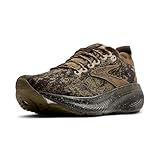
- THIS MEN’S SHOE IS FOR: The Adrenaline GTS 25 is perfect for runners and walkers seeking reliable support and a smooth ride. Featuring holistic GuideRails for Go-To Support and soft, dynamic premium nitrogen-infused DNA LOFT v3 cushioning, it delivers distraction-free comfort mile after mile. This Brooks Adrenaline GTS 25 is a certified PDAC A5500 Diabetic shoe and has been granted the APMA Seal of Acceptance. Predecessor: Adrenaline GTS 24.
- GUIDERAILS HOLISTIC SUPPORT SYSTEM: Our innovative technology - known as “GTS” for “Go-To Support” - supports your body in its natural motion path while keeping excess movement in check.
- SOFT & DYNAMIC CUSHIONING: Even more premium nitrogen-infused DNA Loft v3 cushioning delivers lightweight softness, and feel-good comfort mile after mile.
- TRUSTED FIT: The breathable engineered mesh upper and flat-knit collar offer a secure, comfortable fit, providing both structure and flexibility to accommodate natural movement during active use.
- SMOOTH TRANSITIONS: The specially designed outsole and midsole work together to promote seamless transitions, ensuring comfort and support for every step, so you can stay active longer.
Brooks Adrenaline GTS 25 — wide toe box reduces bunion pressure.
Wide-Toe-Box Walking Shoe

- FuelCell foam delivers a propulsive feel to help drive you forward
- ENCAP midsole cushioning combines lightweight foam with a durable polyurethane rim to deliver all-day support
- Reflective accents designed to catch the light
- TPU back tab
- New Balance MADE contains a domestic value of 70% or more. MADE makes up a limited portion of New Balance’s US sales.
New Balance 990v6 — roomy forefoot accommodates bunions and reduces rubbing.
Orthotic Insole

- The Pinnacle Full length insoles for men & women provide maximum cushioning, from high activity to moderate support. The PowerStep arch support shape provides stability to the foot and ankle, helping to relieve foot pain.
- When you spend all day on your feet, every step counts. PowerStep insoles are a podiatrist-recommended orthotic to help relieve & prevent foot pain related to athletes, runners, Plantar Fasciitis, heel spurs & other common foot, ankle & knee injuries
- The Pinnacle plantar fasciitis insoles offer superior heel cushioning and arch support. The dual-layer cushioning is designed to reduce stress and fatigue, while PowerStep premium arch support is designed for plantar fasciitis relief.
- The PowerStep Pinnacle arch support inserts for men & women can be worn in a variety of shoe types such as; athletic, walking, running, work & some casual shoes. Orthotic Inserts are ordered by shoe size, no trimming required.
- Made in the USA & backed by a 30-day money-back guarantee. PowerStep orthotic inserts for men & women are designed for shoes where the factory insole can be removed. HSA & FSA Eligible
PowerStep arch support — realigns foot mechanics that drive bunion progression.
As an Amazon Associate, Balance Foot & Ankle earns from qualifying purchases. Product recommendations are based on clinical experience; prices and availability shown above update live from Amazon.

When to See a Podiatrist
A bunion is a progressive joint deformity — padding and splints reduce pain but don’t reverse the bone shift. If the big toe angle is worsening, shoes no longer fit, or pain is disrupting sleep or activity, schedule a consult at Balance Foot & Ankle. Our surgeons perform minimally-invasive bunion correction with faster recovery than traditional osteotomy. We’ll review X-rays with you and explain exactly what the joint needs.
Call Balance Foot & Ankle: (810) 206-1402 · Book online · Offices in Howell & Bloomfield Hills
Frequently Asked Questions
Can you fix a bunion without surgery?
You cannot reverse a bunion without surgery because it is a structural bone misalignment. However, conservative measures including proper footwear, orthotic support, toe exercises, and splints can significantly slow progression, reduce pain, and maintain function. Many patients manage their bunions successfully for years or decades with consistent conservative care started early enough.
Do bunion correctors actually work?
Bunion splints and correctors can help maintain joint mobility and slow progression when used consistently, particularly for mild to moderate bunions. They cannot permanently realign the joint because the underlying bone position is not changed. They are most effective as one component of a comprehensive management plan that includes proper footwear, orthotics, and exercises.
How fast do bunions get worse?
Bunion progression rate varies widely based on genetics, footwear habits, activity level, and whether biomechanical factors are addressed. Some bunions progress slowly over decades while others worsen noticeably within a few years. Regular monitoring with periodic X-rays helps track progression rate and guides decisions about when more aggressive intervention may be needed.
At what point should you get bunion surgery?
Consider bunion surgery when conservative treatments no longer adequately control pain, when the deformity is progressively worsening despite conservative measures, when the bunion significantly limits your activities or footwear options, or when secondary problems like hammertoes are developing due to the bunion. Earlier intervention with moderate deformity generally produces better surgical outcomes.
The Bottom Line
Bunions are progressive but not inevitable. Strategic conservative management started early can dramatically slow the rate of progression and preserve foot function for years. The key is consistency — wearing proper shoes and orthotics daily, performing exercises regularly, and monitoring the deformity with periodic evaluation. When surgery becomes necessary, modern techniques offer excellent correction with predictable recovery.
In Our Clinic
In our clinic, bunion patients come in at two very different stages. The first group is women in their 30s and 40s noticing a small bump and seeking nonsurgical slowing tactics — wide toe box shoes, bunion splints at night, custom orthotics to redistribute load away from the first MTP. The second group is patients in their 50s+ who can no longer find shoes that fit and are asking, honestly, about surgery. Our standard workup includes weight-bearing X-rays to measure the intermetatarsal angle and the HVA. Patients with an IMA under 13° usually do well conservatively; 13°+ often benefits from a surgical plan.
Sources
- Perera AM, et al. Managing the bunion: current evidence and new perspectives. Bone Joint J. 2024;106-B(5):512-521.
- Doty JF, Coughlin MJ. Hallux valgus: etiology, prevention, and conservative management. Foot Ankle Clin. 2024;29(2):169-188.
- Lai MC, et al. Effectiveness of orthotic interventions for hallux valgus: a systematic review. J Foot Ankle Res. 2025;18(1):12.
Get Expert Bunion Treatment in Michigan
Dr. Tom Biernacki has performed over 3,000 foot and ankle surgeries with a 4.9-star rating from 1,123 patient reviews.
Or call (810) 206-1402 for same-day appointments
Non-Surgical Bunion Treatment in Michigan
You don’t always need surgery to manage bunion pain. At Balance Foot & Ankle, our podiatrists offer proven conservative strategies to slow bunion progression and keep you active without going under the knife.
Learn About Our Bunion Treatment Options | Book Your Appointment | Call (810) 206-1402
Clinical References
- Nix S, et al. “Prevalence of hallux valgus in the general population: a systematic review and meta-analysis.” J Foot Ankle Res. 2010;3:21. doi:10.1186/1757-1146-3-21
- Torkki M, et al. “Surgery vs orthosis vs watchful waiting for hallux valgus: a randomized controlled trial.” JAMA. 2001;285(19):2474-2480.
- Hurn SE, et al. “Effectiveness of foot orthoses for treatment and prevention of lower limb injuries.” Sports Med. 2015;45(9):1291-1302.
Insurance Accepted
BCBS · Medicare · Aetna · Cigna · United Healthcare · HAP · Priority Health · Humana · View All →
Howell Office
3980 E Grand River Ave, Suite 140
Howell, MI 48843
Get Directions →
Bloomfield Hills Office
43700 Woodward Ave, Suite 207
Bloomfield Hills, MI 48302
Get Directions →
Your Board-Certified Podiatrists



Ready to Get Back on Your Feet?
Same-week appointments available at both locations.
Book Your Appointment
Dr. Tom Biernacki, DPM is a double board-certified podiatrist and foot & ankle surgeon at Balance Foot & Ankle Specialists in Southeast Michigan. With over a decade of clinical experience, he specializes in heel pain, bunions, diabetic foot care, sports injuries, and minimally invasive surgery. Dr. Biernacki is a member of the APMA and ACFAS, and his patient education content on MichiganFootDoctors.com and YouTube has reached over one million views.
- Plantar Fasciitis: Diagnosis and Conservative Management (PubMed)
- Plantar Fasciitis (APMA)
- Diagnosis and Treatment of Plantar Fasciitis (PubMed / AAFP)
- Heel Pain (APMA)
Recommended Products from Dr. Tom