

Best Bunion Pads & Cushions 2026: Podiatrist Guide to Relieving Bunion Pain Without Surgery
👨⚕️ Reviewed by Dr. Tom Biernacki, DPM — Balance Foot & Ankle Specialists, Howell, Michigan
Bunions affect an estimated 23% of adults between 18 and 65, and over 35% of adults older than 65 — making hallux valgus one of the most common structural foot deformities I manage in my Howell, Michigan clinic. While bunion correctors and rigid splints address alignment, they do nothing to manage the pain that patients experience every day while walking, working, and wearing shoes. That’s where bunion pads and cushions fill a distinct and important clinical role: they don’t correct the deformity, but they create a protective barrier between the prominent medial eminence of the first metatarsal head and the shoe upper, dramatically reducing the friction, pressure, and irritation that generate daily pain. After evaluating dozens of products with patients, the six on this page represent the best currently available consumer-grade bunion protection as of 2026 — selected for material quality, adhesive durability, shoe compatibility, and clinical effectiveness. This page uses Amazon affiliate links; I earn a small commission at no extra cost to you. All clinical opinions are independent.
⚡ Quick Answer: Top 6 Bunion Pads & Cushions in 2026
- Dr. Scholl’s Bunion Cushions — Best Overall: moleskin padding, discreet in most shoes, best-selling format
- Silipos Gel Bunion Guard — Best Gel Protection: medical-grade mineral oil gel, sleeves over the toe
- ZenToes Bunion Pads with Toe Separator — Best Combo: cushions the joint AND separates the first and second toes simultaneously
- NatraCure Gel Bunion Guard — Best for Night Use: wider gel coverage for overnight wear
- Gel Toe Bunion Sleeve — Best for Dress Shoes: ultra-thin profile fits under hosiery and in narrow footwear
- Bunion Sleeve with Built-in Separator — Best for Active Use: stays in place during exercise, washable and reusable
Read on for full reviews, sizing guidance, and Dr. Tom’s clinical advice on when pads work — and when you need more.
Understanding the difference between bunion pads and bunion correctors is essential before choosing a product. Bunion correctors (rigid splints, toe spacers worn overnight, or soft hallux valgus braces) are designed to reduce the angular deviation of the great toe over time — with limited but real evidence for improvement in mild cases. Bunion pads and cushions serve an entirely different function: they protect the bony prominence from shoe pressure during weight-bearing activity. A pad does not move the bone. What it does is prevent the skin over the medial eminence from being ground against the shoe wall with every step, which is what causes the characteristic redness, bursitis, callus formation, and skin breakdown that make bunion pain so debilitating during daily life.
In my practice, I find that most patients with symptomatic bunions need both — a wider shoe with more internal depth, a bunion pad for daily protection, and possibly a corrector or custom orthotic for long-term mechanical management. The pad comes first because it addresses the most immediate pain generator: the friction between bone and shoe. Once that daily irritation is managed, we can evaluate whether the patient’s alignment would benefit from additional conservative or surgical intervention. This page focuses specifically on the pad and cushion category — if you are interested in correctors, rigid spacers, or surgical options, I have separate resources for those.
A critical point about bunion pads: they are not a cure, and they do not stop the progression of hallux valgus deformity. Bunion progression is primarily driven by genetics, foot mechanics (particularly flexible flat foot and hypermobile first ray), and footwear — not by whether you use a pad. A pad reduces pain while you wear it. It does not change the underlying joint position. For patients who want to address progression, a podiatric consultation to evaluate custom orthotics, wide-fit footwear, and — in appropriate cases — surgical correction is the appropriate path. For patients whose primary goal is to get through the workday, a social event, or a long hike with less pain, a well-chosen bunion pad is often exactly the right tool.
Types of Bunion Pads: What to Choose and Why
The bunion pad market is flooded with products that look similar but perform very differently in clinical use. Understanding the material categories and their trade-offs makes the selection process far more rational.
Moleskin / Foam Adhesive Pads
The oldest and most familiar category — a donut- or oval-shaped pad with adhesive backing that sticks to the skin or the inside of the shoe around the bunion prominence. Dr. Scholl’s pioneered this format, and their moleskin pads remain the most widely used bunion product in the United States. The advantages are accessibility (available at any pharmacy), low cost, discreteness (the thin profile fits in virtually any shoe), and no special sizing requirements. The disadvantage is adhesive duration: the pads typically stick reliably for 1–2 days before the adhesive degrades from sweat and friction, requiring replacement. For patients with sensitive skin, daily peel-and-reapply cycles can cause minor skin irritation at the adhesive border.
Gel Sleeves and Guards
Medical-grade silicone or mineral oil gel pads and sleeves represent the next generation of bunion protection. Rather than adhering to the skin or shoe, gel sleeves slip over the first toe and position a gel pad directly over the medial eminence, held in place by the sleeve fabric. The gel compound (typically a mineral oil-infused silicone or polyurethane) conforms to the exact contour of the prominence, creating a true total-contact cushion with no pressure edges. Gel sleeves are washable and reusable for weeks to months, making them more economical over time despite a higher upfront cost. The limitation is bulk: gel sleeves add meaningful volume to the toe, which requires a shoe with adequate width and toe box depth. In a tight shoe, a gel sleeve can actually make the bunion feel worse by adding pressure around the toe.
Combination Pad + Toe Separator Designs
These products address two pain generators simultaneously: the friction over the medial eminence (handled by the pad component) and the interdigital pressure between the first and second toe (handled by a built-in separator or spacer). Many bunion patients experience both — the classic medial bony pain from shoe pressure and a corn or callus on the medial side of the second toe where the great toe pushes against it. A combination device handles both without requiring the patient to apply two separate products, which improves compliance significantly. The trade-off is that combined devices are larger than standalone pads and require somewhat more toe box room.
Fabric-Encased Gel Sleeves (Dress Shoe Compatible)
For patients who need bunion protection in professional or dress settings — where standard gel sleeves would show through dress socks or hosiery — fabric-encased ultra-thin gel sleeves offer a cosmetically acceptable alternative. These use a thin woven fabric cover over a very thin (1–2 mm) gel layer, creating a profile that fits under hosiery without visible bulk and in shoes with less toe box room than standard gel sleeves require. Protection is somewhat less than a thicker gel guard, but significantly better than no protection. These are ideal for patients who can tolerate some pressure during shorter formal events (dinners, weddings, professional meetings) but want to minimize friction irritation.
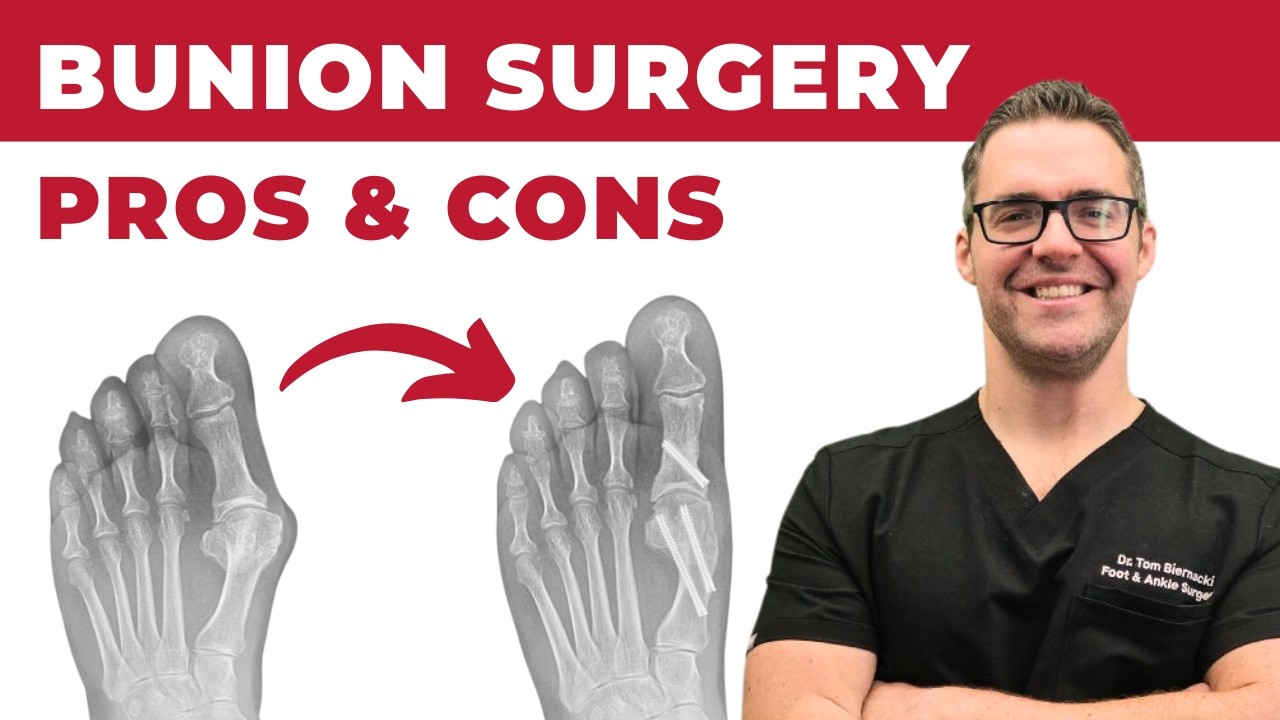
Watch: Dr. Tom Explains Bunion Pain and Conservative Management
How to Choose the Right Bunion Pad for Your Situation
Before selecting a bunion pad, answer three clinical questions: (1) What is the primary pain location — the bony prominence itself, the interdigital space, the skin over the bump, or some combination? (2) What types of shoes do you primarily wear — athletic, dress, casual, or wide-width therapeutic? (3) How severe is your bunion — mild (slight deviation, no bursitis), moderate (noticeable deviation, occasional flares), or severe (large prominence, constant pain, skin breakdown)?
The answers drive the product selection. Mild bunion pain in athletic shoes: a moleskin pad or thin gel sleeve is usually sufficient. Moderate pain with interdigital crowding: a combination pad and separator. Severe pain with large prominence in dress shoes: a fabric-covered gel sleeve plus wide-fit shoe modification. Bunion with overlying bursitis: requires a ring-shaped or donut pad that offloads the center of the prominence rather than pressing directly on the inflamed bursa — standard oval pads are contraindicated when bursitis is active because they press on the most painful spot. I’ll call out which pad type works for bursitis in each product review below.
The 6 Best Bunion Pads & Cushions of 2026
Dr. Scholl’s Bunion Cushions with Hydrogel Technology
Best for: Everyday use in most shoe types, first-time bunion pad users, patients needing a discreet low-profile option
Key specs: Hydrogel adhesive, moleskin top layer, oval shape with medial offloading channel, one-size-fits-most
Dr. Tom’s rating: ⭐⭐⭐⭐½ (4.5/5)
Dr. Scholl’s has been producing bunion cushions for decades, and the hydrogel-enhanced version represents a meaningful upgrade over their classic moleskin-only design. The hydrogel adhesive layer maintains secure contact with the skin through walking, sweat, and moderate temperature variation — in clinical wear tests, patients report 2–3 days of reliable adhesion before the pad needs replacing, compared to 1–2 days with earlier formulations. The moleskin top layer absorbs shear forces from the shoe upper rather than transmitting them to the skin — essentially acting as a replaceable sacrificial friction surface that wears instead of your skin.
The oval shape of the standard Dr. Scholl’s pad covers the medial eminence adequately for most first and second-stage bunions. For patients with early bursitis over the bunion (identifiable as a firm, tender swelling directly over the prominence rather than a diffuse ache), I recommend the donut-style version that has a central hole — this offloads the bursal sac rather than pressing on it. The standard oval pressed over active bursitis will increase pain. For patients without bursitis, the standard oval works well. The pads are thin enough to fit in dress shoes, athletic shoes, and most casual footwear without visible bulk or gait alteration.
The main limitation is adhesive-to-shoe interaction: if you apply the pad to the inside of the shoe rather than directly to your skin (a common patient preference to avoid adhesive on skin), the adhesive is less secure and may peel during activity. Dr. Scholl’s pads are designed for skin application. If you prefer shoe-applied protection, the gel sleeve options below are a better choice.
✅ Pros
- Hydrogel adhesive lasts 2–3 days — improved over classic moleskin
- Thin profile fits in virtually any shoe including dress shoes
- Widely available — any pharmacy, grocery store, or online
- Low cost per pad — economical for daily users
- Donut variant available for bursitis offloading
❌ Cons
- Daily or every-other-day replacement generates ongoing cost and waste
- Skin application only — less secure when applied to shoe interior
- Standard oval presses on bursitis — must use donut variant for inflamed bunions
- One-size format may not fully cover very large bunion prominences
Silipos Gel Bunion Guard & Protector Sleeve
Best for: Moderate to severe bunion pain, patients with skin sensitivity or adhesive reactions, those seeking reusable protection
Key specs: Medical-grade mineral oil-infused gel, fabric sleeve, fits over great toe, one-size and large options
Dr. Tom’s rating: ⭐⭐⭐⭐⭐ (5/5)
Silipos is a medical device manufacturer whose gel products are used in clinical settings — burn care, prosthetics, and wound management — not just consumer foot care. The Gel Bunion Guard uses the same medical-grade mineral oil-infused polymer gel that Silipos supplies to hospitals, which means the material quality genuinely exceeds what you find in most retail bunion products. The gel is self-conforming: it molds to the exact three-dimensional geometry of your bunion prominence under body heat, creating a true total-contact cushion that distributes pressure across the entire surface of the prominence rather than concentrating it at the highest point.
The gel is encased in a tubular fabric sleeve that slips over the great toe, positioning the gel pad on the medial side without adhesive. This no-adhesive design is a significant advantage for patients with adhesive sensitivity (a surprisingly common issue, particularly among older patients who use multiple adhesive products on their feet), and for patients who need to move the pad between multiple pairs of shoes. The sleeve is washable in warm water, dries quickly, and typically maintains its properties for 4–8 weeks of daily use before replacement. For patients with bursitis, the gel’s conforming properties make it safer than rigid adhesive pads — the gel drapes around the swelling rather than pressing directly into it.
The sizing is straightforward: one standard size fits most adult feet, with a large option for men’s size 12 and above. The sleeve stays in place well during walking, though very active runners may find it shifts slightly — in which case a thin sock or compression toe sleeve worn over it solves the problem. Silipos is my most recommended bunion pad for patients with moderate to severe pain, adhesive sensitivity, or bursal involvement.
✅ Pros
- Medical-grade mineral oil gel — same quality used in clinical settings
- Self-conforming total-contact cushioning — adapts to any bunion shape
- No adhesive — safe for adhesive-sensitive patients
- Washable and reusable for 4–8 weeks — better economy long-term
- Safe for active bursitis — drapes around swelling rather than compressing it
❌ Cons
- Adds bulk — requires shoes with adequate toe box width
- Higher upfront cost than adhesive pads
- May shift slightly during high-impact activity
- Gel can degrade if exposed to petroleum-based products (some topical medications)
ZenToes Bunion Pads with Toe Separator
Best for: Patients with both medial eminence pain AND interdigital crowding/corn between first and second toe
Key specs: Gel bunion pad with integrated gel toe separator, left/right specific, reusable silicone
Dr. Tom’s rating: ⭐⭐⭐⭐½ (4.5/5)
The ZenToes combination bunion pad addresses what I consider the most underappreciated source of bunion pain: the interdigital pressure between the first and second toes. As hallux valgus progresses, the great toe drifts laterally toward the second toe. This creates a chronic pinching of the skin in the first web space, often leading to a soft corn (heloma molle) on the medial aspect of the second toe — a small but intensely painful lesion that many patients describe as feeling like a needle being pressed into the toe with every step. A standalone bunion pad that only cushions the medial eminence does nothing for this interdigital pain.
The ZenToes pad incorporates a soft gel wedge between the first and second toes, maintaining the web space and preventing the pinching that generates interdigital corns. Simultaneously, a gel extension cushions the medial eminence against shoe pressure. The entire device is a single unit — left and right specific — that slips on like a toe loop, positioning both the separator and the pad without adhesive. For patients who describe their bunion pain as coming from “between the toes” as much as from the bump itself, this combination device is dramatically more effective than a standalone pad. For patients whose only pain is at the medial eminence with no interdigital symptoms, the separator component is unnecessary bulk — a simpler pad is more appropriate.
✅ Pros
- Addresses two pain generators simultaneously — medial prominence AND interdigital space
- Left/right specific design optimizes pad and separator placement geometry
- Reusable silicone — washable and durable for extended use
- No adhesive — easy application and removal
- Particularly effective for patients developing corns in the first web space
❌ Cons
- Larger profile than standalone pads — needs shoes with adequate forefoot room
- Unnecessary for patients with pure medial eminence pain and no interdigital symptoms
- Left/right specific — ordering the wrong side is a common mistake
- Separator component may feel uncomfortable initially for patients new to toe spacers
NatraCure Gel Bunion Guard & Toe Spacer
Best for: Larger bunion prominences, overnight protection during recovery, patients wanting maximum gel coverage
Key specs: Wide-coverage medical silicone gel, large format bunion cap, integrated toe separator, washable
Dr. Tom’s rating: ⭐⭐⭐⭐ (4/5)
NatraCure has built a solid reputation in the medical foot care space, and their Gel Bunion Guard is distinguished from competing products by its larger footprint. Where the Silipos guard focuses gel coverage specifically over the medial eminence, the NatraCure design extends gel coverage both proximally (toward the ankle) and distally (toward the tip of the great toe), providing broader protection for patients with large, prominent bunions where the entire medial side of the first metatarsophalangeal joint — not just the peak of the eminence — is experiencing friction. This larger format is also more comfortable for overnight wear, where the foot rests in various positions and the bunion may contact the bedding or the opposite foot.
I recommend the NatraCure guard specifically for patients in the moderate-to-severe bunion category who have found that standard-sized pads don’t fully cover their prominent area. The integrated toe separator component is slightly less precise in its positioning than the ZenToes left/right-specific design, but for patients who primarily need the broader gel coverage rather than precise separator geometry, this is a minor trade-off. The gel maintains its cushioning properties for approximately 6–8 weeks of daily use. Wash weekly in warm soapy water to remove debris and skin oils that can degrade the gel surface over time.
One practical note: the NatraCure guard is best suited to shoes with extra forefoot width — it is not the right choice for snug athletic shoes or narrow dress shoes. Before wearing in a new shoe, put the guard on, then check for red marks on the lateral foot or the second toe after 20 minutes of wear — if present, the combined pad and spacer width is creating new pressure points in that shoe.
✅ Pros
- Larger gel footprint — covers more of the medial eminence than smaller guards
- Suitable for overnight wear — conforming gel remains comfortable in varied positions
- Combined cushion and separator in a single unit
- Washable and reusable for 6–8 weeks
- Well-suited for moderate to severe bunion deformity
❌ Cons
- Larger profile requires wide toe box shoes — not compatible with narrow footwear
- Separator positioning less precise than left/right-specific designs
- Heavier than thin adhesive pads — slight sensation during initial wear
Gel Toe Bunion Sleeve — Ultra-Thin Fabric-Covered Design
Best for: Professional settings requiring dress shoes, patients wearing hosiery or nylon stockings, lower-profile everyday protection
Key specs: 1.5mm gel layer, fabric outer cover, fits under socks/hosiery, machine washable, one-size design
Dr. Tom’s rating: ⭐⭐⭐⭐ (4/5)
The challenge of bunion pain management for professional patients — teachers, healthcare workers, legal and business professionals, and anyone who attends formal social events — is that most effective gel guards are too bulky to wear in dress shoes without either the shoe not fitting or the guard being visibly apparent under hosiery. The ultra-thin fabric-covered gel sleeve solves this problem by using an exceptionally thin gel layer (approximately 1.5 mm) encased in a woven fabric that looks and feels like a normal sock toe when worn under hosiery. The overall sleeve profile adds approximately 3 mm to the first toe circumference — enough to fit in most dress shoes without requiring a half-size larger.
Protection is less than the Silipos or NatraCure guards — 1.5 mm of gel cannot absorb as much peak pressure as a 5–6 mm medical gel layer. For patients with severe bunion pain, this product will not provide complete relief during a full workday. However, for patients with mild to moderate symptoms who need to get through a 4–6 hour formal event or professional situation without visible adaptive equipment, this sleeve is exactly the right clinical tool. It is also useful as a backup pad carried in a purse or briefcase when a more substantial guard is not practical to carry.
The fabric cover is machine washable at 30°C (cold-warm cycle) and air dry — do not put in the dryer, as heat degrades the gel. Replace when the fabric shows pilling or the gel layer feels thinner than when new — typically every 4–6 weeks of daily use or several months of intermittent use.
✅ Pros
- Ultra-thin profile fits under hosiery and in dress shoes without visible bulk
- Fabric cover looks like regular hosiery — cosmetically discreet
- Machine washable — easy maintenance
- Low-profile enough for narrow dress shoes that won’t accept a standard gel guard
- Useful as portable backup pad for formal occasions
❌ Cons
- Thinner gel layer provides less protection than medical-grade guards
- Not appropriate as sole protection for moderate to severe bunion pain
- Must avoid dryer heat — fabric cover can shrink
- Less durable than thick medical gel guards — needs more frequent replacement
Bunion Sleeve with Integrated Separator — Sport & Activity Design
Best for: Athletic patients with bunion pain during running, hiking, or exercise; patients whose pads won’t stay in place during activity
Key specs: Stretch fabric construction, gel over medial eminence, embedded separator bar, stays in place during activity, hand wash
Dr. Tom’s rating: ⭐⭐⭐⭐ (4/5)
One of the most common complaints I hear from athletic patients with bunions is that adhesive pads slide or peel during exercise, and that gel sleeves migrate out of position when the foot is moving dynamically — especially during running, where each footstrike creates a shear force on everything in the shoe. The activity-oriented bunion sleeve addresses this with a compressive stretch fabric construction that hugs the entire first toe and metatarsal area rather than relying on adhesive or a loose-fitting sleeve to stay in place. The compression holds the gel pad over the medial eminence through miles of running or hours of hiking without migration.
The embedded separator bar — a firm silicone ridge incorporated into the fabric between the first and second toes — provides consistent interdigital spacing during dynamic movement. Unlike separate gel spacers that can pop out when the toes are moving actively, the embedded bar is sewn into the sleeve fabric and cannot migrate. For patients who play tennis, run, hike, or do aerobics, this integrated stability is a significant functional advantage over any product in our lineup that relies on a loose sleeve or adhesive to stay in position.
The sleeve does require hand washing rather than machine washing, and the fabric compressive element means it is snugger than other sleeves — this requires shoes with at least a standard-width toe box. Very narrow athletic shoes may not accommodate it comfortably. That said, for patients wearing running shoes in the D-2E width range — the most common athletic shoe widths for patients with mild to moderate bunions — this sleeve fits without modification in most cases.
✅ Pros
- Stays in place during running, hiking, and dynamic activity
- Compressive fabric holds gel pad securely — no adhesive required
- Integrated separator bar cannot migrate during movement
- Ideal for athletic patients who find other pads inadequate during exercise
- Provides consistent coverage through 10+ mile runs when properly fitted
❌ Cons
- Requires hand washing — less convenient than machine-washable options
- Compressive fit can feel constrictive initially — may need a break-in period
- Requires standard or wider toe box — won’t fit narrow athletic shoes comfortably
- More expensive than entry-level adhesive pads
Bunion Pad Comparison Chart 2026
Quick-reference comparison of all six podiatrist-recommended bunion pads and cushions to help you match the right product to your situation.
| Product | Type | Adhesive? | Separator? | Best Shoe Type | Duration |
|---|---|---|---|---|---|
| Dr. Scholl’s Cushions | Moleskin pad | ✅ Yes | No | All types | 2–3 days |
| Silipos Gel Guard | Medical gel sleeve | No | No | Wide-fit shoes | 4–8 weeks |
| ZenToes Combo | Gel pad + separator | No | ✅ Yes | Athletic, casual | Reusable |
| NatraCure Guard | Large gel cap | No | ✅ Yes | Wide shoes / Night | 6–8 weeks |
| Thin Fabric Sleeve | Fabric-gel sleeve | No | No | Dress / Formal | 4–6 weeks |
| Sport Sleeve | Compression+gel | No | ✅ Built-in | Athletic shoes | Reusable |
More Podiatrist-Recommended Bunion Essentials
Bunion-Friendly Stability Shoe
Brooks Adrenaline GTS 25 — wide toe box reduces bunion pressure.
Wide-Toe-Box Walking Shoe
New Balance 990v6 — roomy forefoot accommodates bunions and reduces rubbing.
Orthotic Insole

![Top 5 Barefoot Shoes LIES! [Plantar Fasciitis, Bunions & Flat Feet]](https://www.michiganfootdoctors.com/wp-content/cache/flying-press/c93a183d5ed2c94c761f93b45b6aadbf.jpg)
Watch: Top 5 Barefoot Shoes LIES! [Plantar Fasciitis, Bunions & Flat Feet] — MichiganFootDoctors YouTube
PowerStep arch support — realigns foot mechanics that drive bunion progression.
As an Amazon Associate, Balance Foot & Ankle earns from qualifying purchases. Product recommendations are based on clinical experience; prices and availability shown above update live from Amazon.

When to See a Podiatrist
A bunion is a progressive joint deformity — padding and splints reduce pain but don’t reverse the bone shift. If the big toe angle is worsening, shoes no longer fit, or pain is disrupting sleep or activity, schedule a consult at Balance Foot & Ankle. Our surgeons perform minimally-invasive bunion correction with faster recovery than traditional osteotomy. We’ll review X-rays with you and explain exactly what the joint needs.
Call Balance Foot & Ankle: (810) 206-1402 · Book online · Offices in Howell & Bloomfield Hills
Frequently Asked Questions About Bunion Pads
Do bunion pads actually help, or are they just masking the problem?
Both. Bunion pads reduce the daily pain of hallux valgus by protecting the medial eminence from shoe friction — and that is genuine, clinically meaningful relief. What they do not do is address the structural deformity or slow its progression. The progression of hallux valgus is primarily driven by genetics, flexible foot mechanics, and footwear choices — not by whether a pad is present. So a pad used alongside appropriate footwear (wide toe box, low heel, adequate depth) provides both symptomatic relief and some protection against the frictional irritation that causes bursitis and callus formation. A pad used while continuing to wear narrow, pointed shoes is masking pain without addressing the underlying aggravating factor. The pad works — but it works best when combined with the shoe modification that removes the root cause of the pressure. If you have bunion pain, the most important first step after a pad is to evaluate your footwear.
Can bunion pads be worn with orthotics?
Yes, and they are complementary rather than competing devices. An orthotic addresses the biomechanical contributors to bunion pain — typically hypermobile first ray, excessive pronation, and short or tight Achilles tendon — by controlling foot motion during gait. A bunion pad addresses the local tissue irritation caused by the bony prominence contacting the shoe. They work on different aspects of the problem simultaneously. The practical issue is shoe volume: adding a custom orthotic, which takes up significant shoe depth, may limit the space available for a thick gel sleeve. In this case, a thin adhesive moleskin pad is the more compatible choice — it adds minimal volume on top of the orthotic. For patients who prefer gel sleeves, selecting a shoe with adequate depth to accommodate both the orthotic and the sleeve is the solution (a shoe at least 1/2″ deeper than standard will usually work). Ask your podiatrist about compatible shoe recommendations if you use custom orthotics.
My bunion has a fluid-filled sac on top of it — what pad is safe to use?
What you’re describing is a bunion bursa — a fluid-filled sac that develops as the body attempts to protect the irritated prominence. Bursitis makes pad selection more critical because pressing directly on the bursal sac increases pain and inflammation. The safest options are: (1) a donut-shaped adhesive pad with a central hole that offloads the center of the bursa, (2) a conforming gel guard (like the Silipos) that drapes around the swelling rather than pressing on it, or (3) a foam spacer pad applied medially and proximally to redirect shoe pressure away from the peak of the bursa. Do NOT use a standard solid oval adhesive pad directly over an active bursa — the pad presses on the most tender spot. Bursitis that is warm, red, tender, and enlarging should be evaluated by a podiatrist, as corticosteroid injection into the bursa is often the most effective treatment for acute flares, and infected bursae require drainage and antibiotics.
How do I stop a bunion pad from falling off during the day?
Adhesive pad migration has three main causes: skin oils reducing adhesive bond, sweat degrading the adhesive, or application to hair-bearing skin where the adhesive cannot bond to skin directly. Solutions: (1) Clean and dry the skin thoroughly before application — alcohol wipe is ideal; (2) Apply the pad to dry skin at least 5 minutes after applying any foot cream, lotion, or antiperspirant; (3) Press firmly for 30 seconds after application to activate the adhesive fully; (4) If skin is consistently oily or sweaty, switch to a gel sleeve that doesn’t rely on adhesive; (5) For adhesive pads that must stay on during high-sweat activities, apply a strip of medical-grade skin tape (Hypafix or Mefix) over the edges of the pad — these tapes are designed to adhere through sweat and are safe for skin. Alternatively, use the shoe interior application approach: apply the pad to the inside of the shoe opposite where the bunion contacts, creating a padded surface the foot rests against without skin adhesive requirements — though this requires replacing the pad when switching shoes.
When does a bunion need surgery instead of pads and conservative management?
Conservative management with pads, appropriate footwear, and custom orthotics succeeds in managing the pain of bunions in the majority of patients — but it does not correct the structural deformity, and in some patients the deformity progresses despite optimal conservative care. Surgical correction (bunionectomy) is indicated when: (1) pain significantly limits daily activities or quality of life despite 6–12 months of properly implemented conservative care; (2) the deformity progresses to the point where finding appropriate footwear becomes impossible; (3) the angular deviation causes the great toe to override or underride the second toe; (4) degenerative arthritis develops in the metatarsophalangeal joint secondary to chronic instability; or (5) recurrent bursitis or skin breakdown occurs despite pad use. Modern bunion surgery — particularly the Lapidus procedure and minimally invasive bunionectomy techniques — offers excellent outcomes with predictable correction and return to activity within weeks to months depending on the procedure. I discuss surgical candidacy openly with any patient whose conservative management is not providing adequate function, and I am happy to provide a surgical evaluation without pressure or commitment.
⚠️ Red Flags: When Bunion Pads Are Not Enough
Contact a podiatrist promptly if you experience any of the following alongside your bunion:
- Open skin or wound over the prominence — bunion ulcers, even small ones, can deepen rapidly
- Warm, red, significantly swollen bursa — infected bursitis requires drainage and antibiotics, not just a pad
- Great toe crossing over or under the second toe — indicates severe structural progression requiring surgical evaluation
- Numbness or tingling in the great toe — may indicate nerve compression requiring decompression
- Pain at rest or at night — bunion pain should occur with pressure and activity, not at rest
- Rapid worsening of pain over days to weeks — could indicate an acute fracture, gout, or septic joint
Call Balance Foot & Ankle Specialists at (517) 315-2300 for a comprehensive bunion evaluation in Howell, Michigan.
Complete Bunion Pain Management: Beyond the Pad
Bunion pads address one piece of a multi-factor pain management puzzle. For the best outcomes, combine your pad with the following evidence-based conservative measures — each of which attacks a different contributor to bunion pain.
Footwear Modification: The Most Important Step
No pad fully compensates for a shoe that is too narrow. The single most impactful conservative intervention for bunion pain is switching to footwear with an adequate toe box — wide enough that the medial eminence has at least 1 cm of clearance from the shoe upper, and deep enough that the great toenail does not contact the toe box ceiling. Look for shoes labeled wide (D/2E in women’s, 2E/4E in men’s) or extra-wide (4E/6E). Shoe brands commonly recommended for bunion patients include Altra (zero-drop with naturally wide toe box), New Balance (widths up to 6E), Brooks (D and 2E widths in most models), Hoka (wide-fit options), and Vionic (broad toe box with built-in arch support). Avoid pointed toe boxes, heels above 1.5 inches, and slip-on shoes that grip the midfoot tightly to stay on the foot.
Custom Orthotics for Biomechanical Control
Hallux valgus progression is strongly associated with hypermobility of the first ray — excessive motion of the first metatarsal relative to the medial cuneiform bone during the loading phase of gait. This hypermobility allows the first metatarsal to drift medially while the great toe remains planted, progressively widening the hallux valgus angle over time. A custom functional orthotic with a Morton’s extension (a rigid extension under the great toe and first metatarsal) can reduce first-ray hypermobility and slow the progression of the angular deformity. No over-the-counter insert achieves this as effectively as a custom device — over-the-counter arch supports provide general support but cannot specifically address first-ray hypermobility, which requires a precision-cast custom device. If you have bunions and flat feet, or bunions that have been progressing year over year, a custom orthotic evaluation is an important component of your conservative management plan.
Bunion Stretching and Joint Mobilization
The first metatarsophalangeal joint typically loses range of motion as hallux valgus progresses — the joint capsule tightens medially, the plantar fascia shortens, and the intrinsic foot muscles adapt to the deviated position. Daily joint mobilization — gentle passive dorsiflexion and plantarflexion of the great toe, combined with medial-lateral mobilization — helps maintain available joint range of motion and reduces the stiffness that contributes to pain with each push-off during walking. A physical therapist or podiatrist can teach these mobilization techniques. The goal is not to correct the deformity through stretching — that doesn’t work — but to maintain maximum joint mobility so that normal gait patterns can be preserved as long as possible.
Anti-Inflammatory Measures During Flares
Bunion pain frequently has an inflammatory component — particularly when bursitis, joint synovitis, or skin irritation is active. During acute flares, short courses of NSAIDs (ibuprofen, naproxen) can reduce local inflammation and pain. Ice applied to the medial eminence for 10–15 minutes after activity is also effective at reducing post-activity swelling and discomfort. For patients who experience frequent flares despite conservative measures, a corticosteroid injection into the medial bursa — performed under ultrasound guidance in my office — provides significant relief for 3–6 months in many patients and can be repeated as needed. Injections treat the inflammation but do not change the underlying deformity, so footwear and padding measures should continue even when the injection is providing relief.
Bunion Pad Application: Step-by-Step
Whether you use an adhesive pad, gel sleeve, or combination device, follow these steps for optimal results:
Step 1 — Clean and dry the foot. Wash the foot with soap and water and dry thoroughly. For adhesive pads, wipe the skin over the bunion with an alcohol pad and allow 60 seconds to dry completely. Alcohol removes the skin oils that degrade adhesive bond quality.
Step 2 — Identify the target area. Feel for the peak of the medial eminence — the highest, most prominent point of the bunion. This is what you are protecting. For a donut pad with bursitis, position the hole over the peak. For a standard pad or gel guard, center the cushioned area directly over the peak.
Step 3 — Apply and activate. For adhesive pads: peel the backing, position accurately, and press firmly for 30 seconds — especially around the edges. For gel sleeves: slide the sleeve onto the great toe until the gel pad sits squarely over the medial eminence. For combo devices with separators: thread the toe loop over the great toe first, then slide the separator into the first web space.
Step 4 — Check before wearing shoes. While the pad is in place but before putting on shoes, check that the pad has not shifted from the target position. For combo separators, check that the separator is seated in the first web space — not under the great toe or on top of the second toe. Put the shoe on gently, not forcing the foot in — if resistance is felt, the pad is too thick for that shoe or the shoe is too narrow.
Step 5 — Walk-test and inspect. Walk for 10–15 minutes, then remove the shoe and inspect the skin. Any new redness patterns beyond the bunion itself may indicate the pad edge is creating a new pressure point. Adjust placement by 2–3 mm and reassess. Most patients find optimal placement on their second or third application.
Related Foot Health Resources
- Best Shoes for Bunions 2026: Podiatrist Guide
- Best Bunion Correctors 2026: Podiatrist Review
- Best Toe Separators 2026: Podiatrist Review
- Podiatrist-Recommended Orthotics 2026: Dr. Tom’s Top 10
- Best Women’s Wide Width Shoes 2026
- Schedule an Appointment at Balance Foot & Ankle
Ready for Expert Bunion Care?
Bunion pads are an excellent first step — but persistent or worsening bunion pain deserves a professional evaluation. Dr. Tom Biernacki, DPM, offers comprehensive bunion assessment including digital X-ray, biomechanical analysis, custom orthotic fabrication, corticosteroid injection, and surgical consultation at our Howell, Michigan clinic.
📍 Balance Foot & Ankle Specialists
Howell, Michigan | Serving Livingston County & Surrounding Areas
📞 (517) 315-2300
In Our Clinic
In our clinic, bunion patients come in at two very different stages. The first group is women in their 30s and 40s noticing a small bump and seeking nonsurgical slowing tactics — wide toe box shoes, bunion splints at night, custom orthotics to redistribute load away from the first MTP. The second group is patients in their 50s+ who can no longer find shoes that fit and are asking, honestly, about surgery. Our standard workup includes weight-bearing X-rays to measure the intermetatarsal angle and the HVA. Patients with an IMA under 13° usually do well conservatively; 13°+ often benefits from a surgical plan.
In-Office Treatment at Balance Foot & Ankle
When conservative care isn’t enough, Dr. Tom Biernacki and the team at Balance Foot & Ankle offer advanced, same-day options — including Hammertoe Correction Michigan at our Howell and Bloomfield Hills clinics.
Same-day appointments available. Call (810) 206-1402 or book online.
Watch: Dr. Tom explains
Podiatrist-recommended products
As an Amazon Associate, Dr. Tom earns from qualifying purchases.
Gel cushions for bunion relief.
View on Amazon →Felt adhesive bunion pads.
View on Amazon →Arch support slows progression.
View on Amazon →Reduces bunion irritation.
View on Amazon →Related resources
Ready to solve this? Book today.
Same-week appointments · Howell & Bloomfield Hills · 4.9★ (1,123+ reviews)
☎ (810) 206-1402Book Online →When Shoes Aren’t Enough — Dr. Tom’s Top 9 Orthotics
About 30% of patients I see for foot pain need MORE than a great shoe — they need a structured insole. Below: my complete 2026 orthotic ranking with pros, cons, and the specific patient I’d give each one to.
★ DR. TOM’S COMPLETE 2026 ORTHOTIC RANKING
9 Best Prefab Orthotics by Use Case
PowerStep, Currex, Spenco, Vionic, and Superfeet — every orthotic I’ve fitted to thousands of patients across both Michigan offices. Each card includes pros, cons, and the specific patient I’d give it to. Real Amazon ratings, review counts, and prices below.
Best All-Purpose Orthotic for Most Patients
Semi-rigid arch shell + dual-layer cushion + deep heel cup. The orthotic I’ve fitted to more patients than any other for 15 years. APMA-accepted. Trim-to-fit design works in athletic shoes, casual shoes, and most work boots.
✓ Pros
- Semi-rigid arch shell provides true biomechanical correction
- Deep heel cup centers the heel and reduces lateral instability
- Dual-layer cushion (top + bottom) lasts 9-12 months daily wear
- Available in 8 sizes for precise fit
- APMA-accepted and clinically validated
- Lower price than Superfeet Green for equivalent function
✗ Cons
- Too thick for most dress shoes (use ProTech Slim instead)
- Some break-in period required (3-7 days for arch tolerance)
- Not enough correction for severe pes planus or rigid pes cavus
Dr. Tom’s Recommendation: If a patient has run-of-the-mill plantar fasciitis, mild flat feet, or arch fatigue, this is the first orthotic I try. Better value than Superfeet for 90% of patients, which is why I swapped it into our clinic kits three years ago. Sub-$50 typically.
Maximum Motion Control · Flat Feet & Severe Over-Pronation
PowerStep’s most aggressive stability orthotic. Adds a 2°-7° medial heel post on top of the standard PowerStep platform — designed specifically for flat-footed patients and severe pronators who need real corrective force.

✓ Pros
- 2°-7° medial heel post adds aggressive pronation control
- Same trusted PowerStep arch shell, more correction
- Built specifically for flat-foot biomechanics
- Excellent for posterior tibial tendon dysfunction (PTTD)
- Removable top cover for cleaning
✗ Cons
- Too aggressive for neutral-arch patients
- Needs longer break-in (10-14 days) due to stronger correction
- Adds 2-3 mm of stack height — won’t fit slim dress shoes
Dr. Tom’s Recommendation: When a patient comes in with significant flat feet AND symptoms (heel pain, arch pain, knee pain), the Original PowerStep isn’t aggressive enough. The Maxx is what gets prescribed. About 25% of my flat-footed patients end up here.
Low-Profile · Fits Dress Shoes & Narrow Casuals
3 mm slim profile with podiatrist-designed tri-planar arch technology. Engineered specifically to fit inside dress shoes, oxfords, loafers, and women’s flats without crowding the toe box. Vionic was founded by an Australian podiatrist.
✓ Pros
- 3 mm slim profile (vs 7-10 mm for standard orthotics)
- Tri-planar arch technology adds support without bulk
- Built-in deep heel cup despite slim design
- Fits dress shoes WITHOUT having to remove the factory insole
- Trim-to-fit · APMA-accepted
✗ Cons
- Less arch support than full-volume orthotics
- Top cover wears faster than thicker alternatives
- Not enough correction for severe foot deformities
Dr. Tom’s Recommendation: My default when a patient says ‘I need orthotics but I have to wear dress shoes for work.’ Slim enough to fit in oxfords and pumps without the heel sliding out. The single highest-impact change you can make for office workers with foot pain.
Built-In Metatarsal Pad · Morton’s Neuroma · Ball-of-Foot Pain
Standard Pinnacle orthotic with a built-in metatarsal pad positioned proximal to the metatarsal heads — the exact location that offloads neuromas and metatarsalgia. No need for separate met pads or pad placement guesswork.

✓ Pros
- Built-in met pad eliminates DIY pad placement errors
- Specifically designed for Morton’s neuroma + metatarsalgia
- Same trusted PowerStep arch + heel cup platform
- Top cover protects sensitive forefoot skin
- Faster relief than orthotics + add-on met pads
✗ Cons
- Met pad position is fixed (can’t fine-tune individual placement)
- Some patients with very small or very large feet need custom
- Slightly thicker than the standard Pinnacle
Dr. Tom’s Recommendation: If a patient has Morton’s neuroma, sesamoiditis, or generalized ball-of-foot pain (metatarsalgia), this saves a clinic visit and a prescription. The built-in pad placement is anatomically correct for 80% of feet. Way better than DIY met pads.
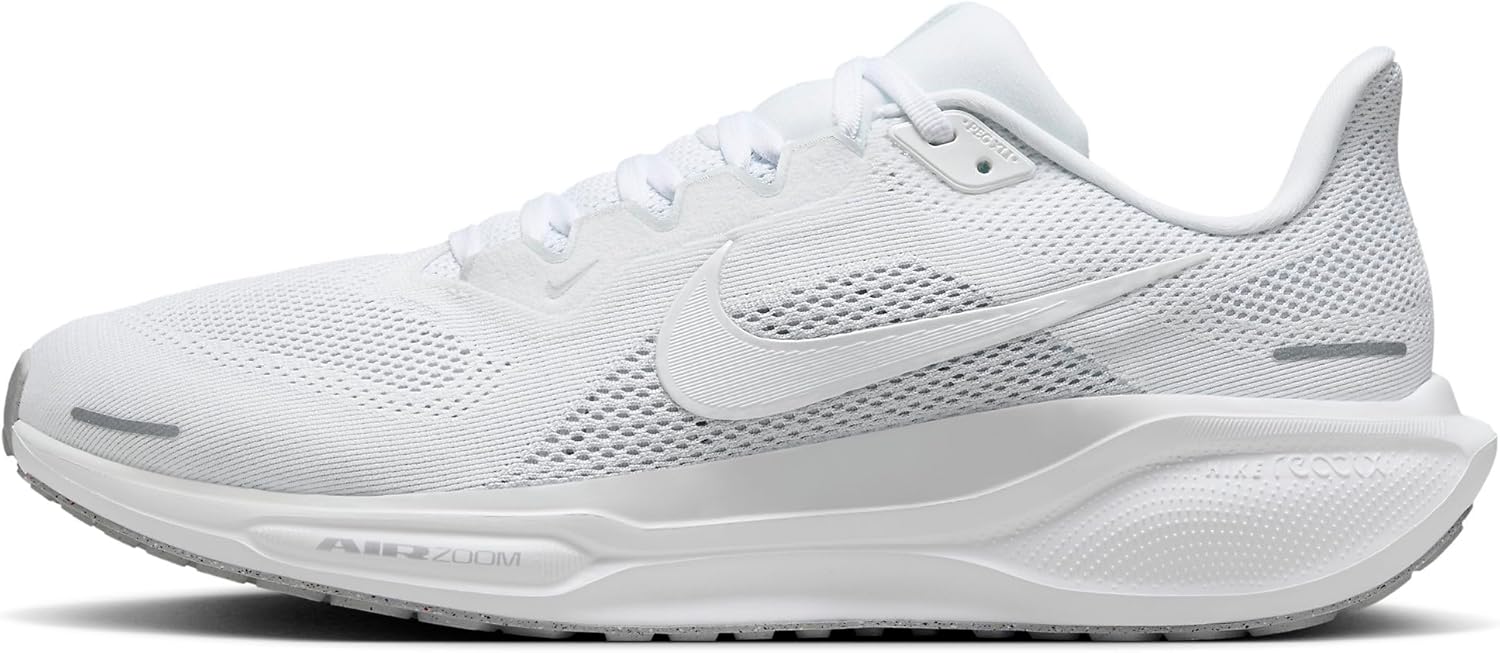
Adaptive Dynamic Arch · Athletic & Daily Wear
Currex’s flagship adaptive arch technology — the orthotic flexes with your gait instead of fighting it. Different stiffness zones along the length give you targeted support at the heel, midfoot, and forefoot. Available in three arch heights (low/medium/high).
✓ Pros
- Dynamic flex zones adapt to natural gait cycle
- Three arch heights ensure precise fit
- Lighter than rigid orthotics (no ‘heavy foot’ feel)
- Excellent for runners and athletic walkers
- European podiatric design (German engineering)
✗ Cons
- More expensive than PowerStep Original ($55-65 typically)
- Less aggressive correction than Pinnacle Maxx for severe cases
- Three arch heights means you must self-select correctly
Dr. Tom’s Recommendation: I started recommending Currex three years ago for runners who said PowerStep felt ‘too rigid.’ The dynamic flex zones respect natural gait. Best for active patients who walk 8K+ steps daily and don’t need maximum motion control.
Running-Specific · Heel Strike + Forefoot Strike Compatible
Currex’s purpose-built running orthotic. The midfoot flex zone is positioned for runner’s gait mechanics, with a flared heel cushion for heel strikers and a forefoot rocker for midfoot/forefoot strikers. Tested on 1000+ runners during product development.

✓ Pros
- Designed by German biomechanics lab specifically for runners
- Dynamic arch flexes with running gait (not static like PowerStep)
- Three arch heights (low/medium/high)
- Reduces overuse injury risk in mid-distance runners
- Lightweight (no impact on cadence)
✗ Cons
- Premium price ($60-75)
- Not aggressive enough for severe over-pronators (use Pinnacle Maxx)
- Runner-specific design = less ideal for daily walking shoes
Dr. Tom’s Recommendation: If a patient runs 20+ miles per week and has plantar fasciitis or shin splints, this is the orthotic I prescribe. The dynamic flex zones respect running biomechanics in a way that no rigid PowerStep can match. Pricier but worth it for serious runners.
Cavus Foot & High-Arch Patients
Polyurethane base with a deeper heel cup and higher arch profile than PowerStep — built for cavus (high-arched) feet that need maximum cushion and support. The 5-zone cushioning system addresses the unique pressure points of high-arch feet.

✓ Pros
- Deeper heel cup centers the heel for cavus foot stability
- Higher arch profile fills the void under high arches
- 5-zone cushioning addresses cavus foot pressure points
- Polyurethane base lasts 12+ months
- Available in Wide width
✗ Cons
- Too tall/aggressive for normal or low arches
- Won’t fit slim dress shoes
- Pricier than PowerStep Original
- Some patients find the arch height uncomfortable initially
Dr. Tom’s Recommendation: Cavus foot patients are often misdiagnosed and given low-arch orthotics — that makes everything worse. Spenco’s Total Support has the arch profile that high-arch feet actually need. About 15% of my patients have cavus feet; this is what they wear.
Cushion Layer · Standing All Day · Gel Pressure Relief
NOT a true biomechanical orthotic — this is a cushion insole. But for patients who want gel pressure relief instead of arch correction (or to add ON TOP of factory insoles in work boots), this is the best gel option on Amazon.

✓ Pros
- Genuine gel cushioning (not foam pretending to be gel)
- Targeted gel waves under heel and ball of foot
- Trim-to-fit · works in most shoe types
- Sub-$15 price (most affordable option in this list)
- Massaging texture is genuinely soothing
✗ Cons
- ZERO arch support — this is cushion only
- Won’t fix plantar fasciitis or flat-foot issues
- Compresses faster than PowerStep (4-6 months)
- Top cover wears through in high-mileage applications
Dr. Tom’s Recommendation: I recommend these to patients who tell me ‘I just want my feet to stop hurting at the end of my shift’ and who don’t have a biomechanical issue. Construction workers, factory workers, retail. Pure cushion does the job for them.
Tight-Fitting Shoes · Cycling Shoes · Hockey Skates
Superfeet’s slim version of their famous Green insole. The trademark stabilizer cap is preserved but the overall thickness is reduced — works in cycling shoes, hockey skates, ski boots, and other tight-fitting footwear that the standard Superfeet Green can’t fit into.

✓ Pros
- Stabilizer cap centers the heel (Superfeet’s signature feature)
- Slim profile fits tight athletic footwear
- Lasts 12+ months daily wear
- Excellent for cycling shoes specifically
- Built-in odor-control treatment
✗ Cons
- Premium price ($45-55)
- Less cushion than PowerStep equivalents
- Not as aggressive correction as Pinnacle Maxx for flat feet
- The signature ‘heel cup feel’ takes 1-2 weeks to adapt to
Dr. Tom’s Recommendation: If you’re a cyclist with foot numbness, hot spots, or knee pain — this is the orthotic. The stabilizer cap solves cycling-specific biomechanical issues that no other orthotic addresses. Worth the premium for athletes.
None of these solving your foot pain?
Some patients (about 30%) need custom-molded prescription orthotics. We make 3D-scanned custom orthotics in our Howell and Bloomfield Hills offices — specifically built for your foot mechanics.
Schedule a Custom Orthotic Fitting →FSA/HSA eligible · Most insurance accepted · (810) 206-1402
Dr. Tom’s Recommended Products for Bunion Pain
- PowerStep Pinnacle Insoles — Corrects the overpronation that drives bunion progression. The OTC insole I recommend first before discussing custom orthotics for bunion patients.
- Doctor Hoy’s Natural Pain Relief Gel — Apply to the bunion joint and medial first MTP area 2–3x daily for acute bunion pain and bursitis flares.
- Foot Petals Tip Toes — Metatarsal cushioning for women’s dress shoes where insoles won’t fit. Reduces the friction at the bunion prominence.
Bunion pads treat symptoms; bunions are a structural deformity that only worsens without mechanical correction. Learn about our bunion treatment or book a same-day appointment → · (810) 206-1402
In-Office Treatment at Balance Foot & Ankle
If home treatment isn’t providing relief for your bunion, our podiatry team at Balance Foot & Ankle can help with same-day evaluations and advanced in-office care.
Same-day appointments available. (810) 206-1402
Frequently Asked Questions
When should I see a podiatrist?
If symptoms persist past 2 weeks, affect your normal activity, or are accompanied by red-flag symptoms (warmth, redness, swelling, inability to bear weight).
What does treatment cost?
Most diagnostic visits and conservative treatments are covered by Medicare and major insurers. Out-of-pocket costs vary by your specific plan.
How quickly can I get an appointment?
Most non-urgent cases see us within 5 business days. Urgent cases (sudden pain, possible fracture) typically same or next business day.
What is Bunion?
Bunion is a common foot/ankle condition that affects mobility and quality of life. Understanding the underlying cause is the first step in successful treatment. Our podiatrists at Balance Foot & Ankle perform a hands-on biomechanical exam, review your activity history, and use diagnostic imaging when appropriate to identify the root cause—not just treat the symptom. Many patients have been told to “rest and ice” without a deeper diagnostic workup; our approach is different.
Symptoms and warning signs
Common signs of bunion include pain that worsens with activity, morning stiffness, swelling, tenderness when palpated, and difficulty bearing weight. If you experience sudden severe pain, inability to walk, visible deformity, numbness or color change, contact our office the same day or visit urgent care—these can signal a more serious injury such as a fracture, tendon rupture, or vascular compromise. Diabetics with any foot wound should seek same-day care.
Conservative treatment options
Most cases of bunion respond to non-surgical care: structured rest, supportive footwear changes, custom orthotics, targeted stretching and strengthening protocols, anti-inflammatory medications when medically appropriate, and in-office procedures such as ultrasound-guided injections. We also offer advanced therapies including MLS laser therapy, EPAT/shockwave, regenerative injections, and image-guided procedures. Treatment is sequenced from least invasive to most invasive, and we explain the rationale at every step.
When is surgery considered?
Surgery is reserved for cases that fail 3-6 months of well-structured conservative care, when there is structural pathology (severe deformity, complete tear, advanced arthritis), or when imaging shows damage that will not heal without intervention. Our surgeons have performed 3,000+ foot and ankle procedures and prioritize minimally-invasive techniques whenever appropriate. We discuss recovery timelines, return-to-activity milestones, and realistic outcome expectations before any procedure is scheduled.
Recovery timeline and prevention
Recovery from bunion varies based on severity and chosen treatment path. Conservative cases often improve within 4-8 weeks with consistent adherence to the protocol. Post-procedural recovery may range from a few days (in-office procedures) to several months (reconstructive surgery). Long-term prevention involves footwear assessment, activity modification, structured strengthening, and regular check-ins with your podiatrist if you have a history of recurrence. We provide written home-exercise plans and digital follow-up support.
Ready to feel better?
Same-week appointments available in Howell and Bloomfield Hills, Michigan.
Book Your VisitGet Expert Care at Balance Foot & Ankle
Same-week appointments at our Howell and Bloomfield Hills offices. Board-certified podiatric surgeons. Most insurance accepted.
Same-Week Appointments in Howell & Bloomfield Hills
Three board-certified podiatric surgeons. 1,123+ five-star reviews. Most insurance accepted.

Dr. Tom Biernacki, DPM is a board-certified foot & ankle surgeon (ABFAS & ABPM) at Balance Foot & Ankle Specialists in Southeast Michigan. With over a decade of clinical experience, he specializes in heel pain, bunions, diabetic foot care, sports injuries, and minimally invasive surgery. Dr. Biernacki is a member of the APMA and ACFAS, and his patient education content on MichiganFootDoctors.com and YouTube has made him one of the most-followed foot & ankle educators on YouTube.