
Medically reviewed by Dr. Tom Biernacki, DPM
Board-certified podiatric surgeon | Balance Foot & Ankle, Howell & Bloomfield Hills, MI
Last reviewed: May 2026
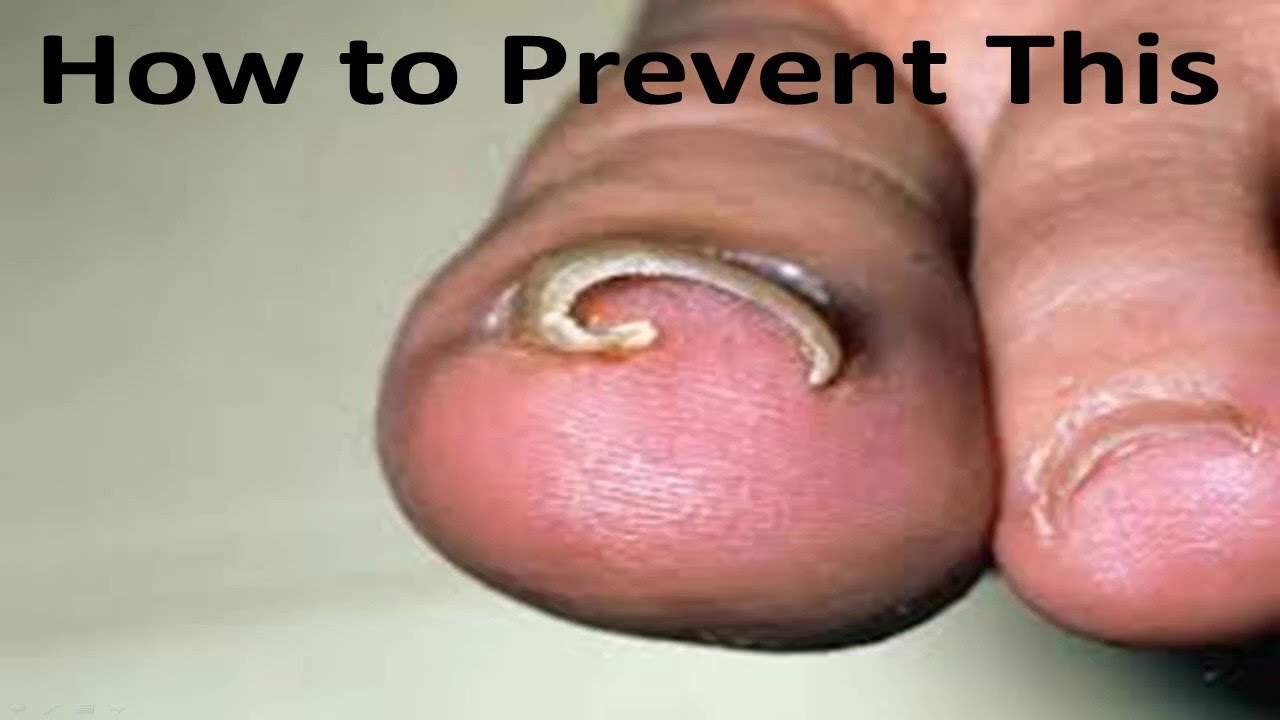
Part of our complete guide: Ingrown Toenail Removal — Staging, Procedure & Recovery
The most important clinical decision with Infected Ingrown Toenail Home Treatment: What Works and What’s Dangerous isn’t which treatment to choose — it’s identifying which subtype you have first. Our podiatrists see patients treated for the wrong subtype for months before the correct diagnosis leads to full resolution. Call (810) 206-1402 — expert podiatric care across Michigan.
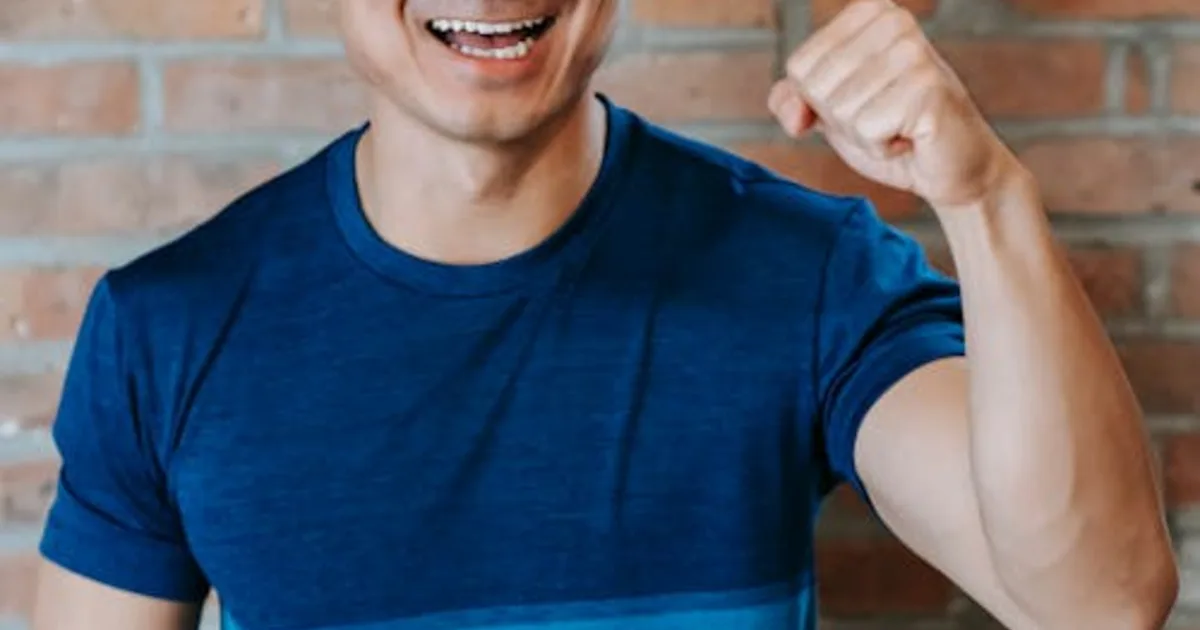
An infected ingrown toenail is one of the most painful foot conditions — and one of the most commonly mismanaged at home. While early-stage ingrown toenails respond well to conservative home care, an infected ingrown nail requires careful assessment to determine whether home treatment is safe or whether you need professional intervention. This guide gives you the evidence, the warning signs, and the decision framework.
Stages of Ingrown Toenail Infection
Ingrown toenail infections progress through distinct stages, and treatment appropriateness changes dramatically between them. Stage 1 involves nail border tenderness and slight swelling without frank pus. Stage 2 adds purulent drainage, granulation tissue (hypergranulation — a red, raised, moist tissue that bleeds easily), and increased swelling. Stage 3 is characterized by marked swelling, thickened skin overgrowth, chronic granulation tissue, and deformity. Home treatment is generally appropriate only for Stage 1 and possibly early Stage 2 without systemic signs.
Home Treatment Methods: What the Evidence Shows
| Method | Effectiveness | Appropriate Stage | How To | Risk |
|---|---|---|---|---|
| Warm water soaks | Moderate — softens tissue, reduces bacteria, aids drainage | 1–2 | 15–20 min 3× daily in warm (not hot) water; plain or dilute Epsom salt | Low; avoid if diabetic or circulation impaired |
| Cotton/dental floss wicking | Good for early lateral embedding — lifts nail edge off skin | 1 | After soak, gently lift nail edge and insert small cotton wisp to redirect growth | Low if gentle; can worsen if forced |
| Topical antibiotic ointment | Reduces surface bacterial load; prevents drying | 1–2 | Apply Neosporin or Bacitracin after soaks; cover with bandage | Low; neomycin allergy possible |
| Antibiotic soaks (Betadine) | Antimicrobial; dries granulation tissue slightly | 2 | Add 1 tsp Betadine to warm water soak; 10–15 min daily | Low; can impair wound healing with overuse |
| OTC nail braces (KleeNail, Onyfix) | Good for prevention and mild cases | 1 | Self-adhesive composite strip redirects nail curvature | Low if applied correctly |
| “V” cutting or cutting down the corner | INEFFECTIVE — folk remedy with no evidence | Never | N/A | High — worsens embedding, increases infection risk |
| Trying to dig out the nail border | DANGEROUS — causes trauma, bleeding, deeper infection | Never | N/A | High — can cause osteomyelitis if instruments not sterile |
The Home-Care Kit We Recommend (Early-Stage Only)
These five items cover the safe methods above — but only for an early-stage nail with redness and tenderness. If there’s pus, spreading redness, or you’re diabetic, home care is the wrong tool: call us at (810) 206-1402 for a same-week visit.
As an Amazon Associate, Balance Foot & Ankle earns from qualifying purchases. This doesn’t change what we recommend.
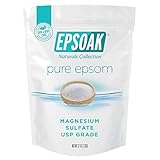
- 100% PURE EPSOM SALT (MAGNESIUM SULFATE USP): Unscented Epsom salt made with magnesium sulfate USP for a clean, simple soak with no added fragrance.
- AT-HOME BATH & FOOT SPA: Add to warm bath water or dissolve in a foot soak to relax after long days, workouts, or time on your feet.
- QUICK-DISSOLVING MEDIUM GRAIN: Naturally translucent crystals dissolve fast in warm water for an easy, no-hassle bath routine—add your favorite scent if desired.
- RESEALABLE 2. LB BAG: Easy to store and refill—ideal for frequent bath soaks, foot tubs, and everyday home use.
- MADE IN THE USA + CRUELTY-FREE CERTIFIED: Proudly made in the USA and cruelty-free certified for a product you can feel good about using.
The foundation: two 15-minute warm Epsom soaks daily to soften the nail fold.

- Trusted By Healthcare Professionals: The Betadine brand has been trusted and used in hospitals for over 50 years; Simply dab Betadine Antiseptic Solution, an antiseptic skin solution, over the minor wound after cleaning and let dry; use as directed
- Helps Prevent Infection: Betadine wound cleanser works on a broad range of germs and microbes; Helps stop infections before they start; the golden-brown color of povidone-iodine shows you where it has been applied
- 10% Povidone-Iodine: Betadine Antiseptic First Aid Solution is an aqueous Betadine Solution, an antiseptic wash with povidone-iodine 10% that kills germs promptly in minor cuts, scrapes, and burns
- Prep like the Pros: Betadine Antiseptic First Aid Solution with povidone iodine for wounds is infection protection you can trust in a convenient solution; Can be used on adults and children for minor wounds
- Gentle, No-Sting Promise: Betadine wound wash does not contain alcohol or hydrogen peroxide which may not sting; Betadine Antiseptic Solution is formulated with gentleness in mind

Paint the nail border after each soak — the antiseptic step that keeps an irritated border from becoming an infected one.

- Toenail clippers is extremely strong, effective and sharp; assist in toenail fungus treatment
- Made with a surgical-grade stainless steel, durable for long-lasting use
- Non-slip ergonomics handle gives comfortable, effortless & safe cutting
- Cured edge design perfect precision trimming for ingrown & thick toenails
- Present package & lifetime replacement warranty
When the nail grows out, trim straight across with a long-handled nipper — never down into the corner.
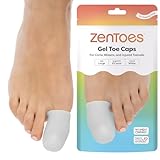
- Set of 6-Pack Gel Toe Caps – Choose Large (6 pieces for big toes) for Everyday Comfort – Soft gel toe protectors are designed to gently cover and fit the four smallest toes, helping you stay comfortable and supported throughout your day.
- Slim, Stay-Put Design – Low-profile caps slip easily into your favorite shoes, while the flexible sheath design helps keep each cap in place to reduce rubbing and pressure on sensitive spots.
- Soft, Cushioned Gel Sleeve – Pillowy gel cushions and protects your toes while helping keep skin feeling soft, smooth, and cared for with every step.
- Washable & Reusable – Durable, latex-free gel is easy to clean and made for repeated use, so you can enjoy lasting comfort day after day. Not intended for use on open or seeping wounds.
- Designed with Care in the USA – At ZenToes, we create thoughtful solutions to help you feel good on your feet. As a small, woman-owned business in Wisconsin, we’re here to support your happy steps every day.
Gel toe caps take shoe pressure off the border while it heals.
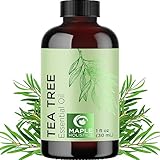
- Tea Tree Oil for Skin Benefits - Tea tree oil essential oil is one of the most potent and powerful essential oils for skin care that offers a wide range of cleansing hydrating and purifying benefits
- Tea Tree Oil for Hair Benefits - Always dilute 100% tea tree oil with a Maple Holistics carrier oil and reap the benefits of melaleuca essential oil that can transform dull dry and lackluster hair
- Tea Tree Oil for Scalp Care - The same way Melaleuca alternifolia tea tree oil for face can help cleanse and hydrate dry and blemished skin so too it can help clarify a dirty dry and flaky scalp
- Tea Tree Oil for Nails - Transform your nails with tea tree oil for toenail and fingernail purifying and cleansing as a great addition to a foot soak or nail rub to enhance the shine and strength
- Maple Holistics Quality - We are proud to be a leading name in aromatherapy essential oils and diffuser oils because we believe in the potent power of plants to help enhance the way you look and feel
Tea tree oil is a reasonable adjunct antiseptic between soaks — the evidence is modest, so treat it as a supplement to the protocol above, not a replacement.
Warning Signs That Require Immediate Professional Care
Stop home treatment and seek same-day professional evaluation if you notice: red streaking spreading up the foot or lower leg (indicates lymphangitis — a spreading bacterial infection); fever or chills; rapidly expanding swelling beyond the toe; a foul odor with significant pus; or any of these signs in a person with diabetes, poor circulation, or a compromised immune system. These presentations can escalate within hours to serious infections requiring IV antibiotics or surgical drainage.
Professional Treatment Options
| Procedure | Description | Recovery | Recurrence Rate | Best Indication |
|---|---|---|---|---|
| Partial nail avulsion (PNA) | Removal of the offending nail border under local anesthesia | 1–2 weeks tenderness; same-day walking | 20–30% without matrixectomy | Stage 2 or recurrent; first procedure |
| PNA + chemical matrixectomy (phenol) | Nail border removal + phenol applied to nail matrix to prevent regrowth | 2–3 weeks for phenol wound to close | 5–10% (permanent in most patients) | Recurrent ingrown nail; definitive treatment |
| Total nail avulsion | Entire nail removed; regrows in 12–18 months | 3–4 weeks | High without matrixectomy | Severe fungal + ingrown combination; nail deformity |
| Incision and drainage (I&D) | Lancing of abscess; irrigation | 48–72 hours | N/A — treats infection, not ingrown | Fluctuant abscess with pus collection |
| Oral antibiotics | Cephalexin, dicloxacillin, clindamycin (MRSA) | 7–14 days | N/A — adjunct to procedural care | Cellulitis extending beyond nail fold; fever |
| Nail bracing (professional application) | Composite or wire brace applied by podiatrist to correct nail curvature | None — worn 6–12 months | Low when combined with footwear counseling | Stage 1–2; desire to avoid surgery |
Long-Term Prevention
Most ingrown toenails result from three correctable factors: improper nail trimming (cutting curved instead of straight across), tight toe box footwear that compresses the nail borders, and nail-biting or picking. Cutting nails straight across — leaving them at or slightly past the fingertip — with a clean, sharp nail clipper eliminates the most common cause. Shoes with adequate toe box width and depth (at least half an inch between the longest toe and shoe tip) prevent ongoing compression.
For recurring ingrown toenails despite proper care, a permanent matrixectomy procedure at Balance Foot & Ankle offers a definitive cure. The procedure takes about 30 minutes under local anesthesia, has a 90–95% success rate, and most patients return to work or school the same day. Call us at (810) 206-1402 — offices in Howell and Bloomfield Hills.
American Academy of Dermatology: Ingrown Toenails
Ready to Get Relief?
Same-day appointments available in Howell & Bloomfield Hills, MI
4.9★ | 1,123 Reviews | 3,000+ Surgeries
Or call: (810) 206-1402
For a complete clinical overview: Toenail Problems Complete Guide — nail discoloration, ridges, fungus, and injury treated
Doctor Answer
Can you treat an infected ingrown toenail at home?
Mild ingrown toenail irritation without frank infection can be managed at home with warm salt water soaks for 15-20 minutes twice daily, gently placing a small piece of cotton or waxed dental floss under the nail corner to lift it away from the skin, and keeping the area clean and dry. However, a truly infected ingrown nail — red, swollen, draining pus, or causing significant pain — requires professional treatment. I strongly advise diabetic patients, those with poor circulation, or immunocompromised patients to see a podiatrist immediately rather than attempting home treatment.
Keep reading — your ingrown toenail questions, answered:

Dr. Tom Biernacki, DPM is a board-certified foot & ankle surgeon (ABFAS & ABPM) at Balance Foot & Ankle Specialists in Southeast Michigan. With over a decade of clinical experience, he specializes in heel pain, bunions, diabetic foot care, sports injuries, and minimally invasive surgery. Dr. Biernacki is a member of the APMA and ACFAS, and his patient education content on MichiganFootDoctors.com and YouTube has made him one of the most-followed foot & ankle educators on YouTube.