
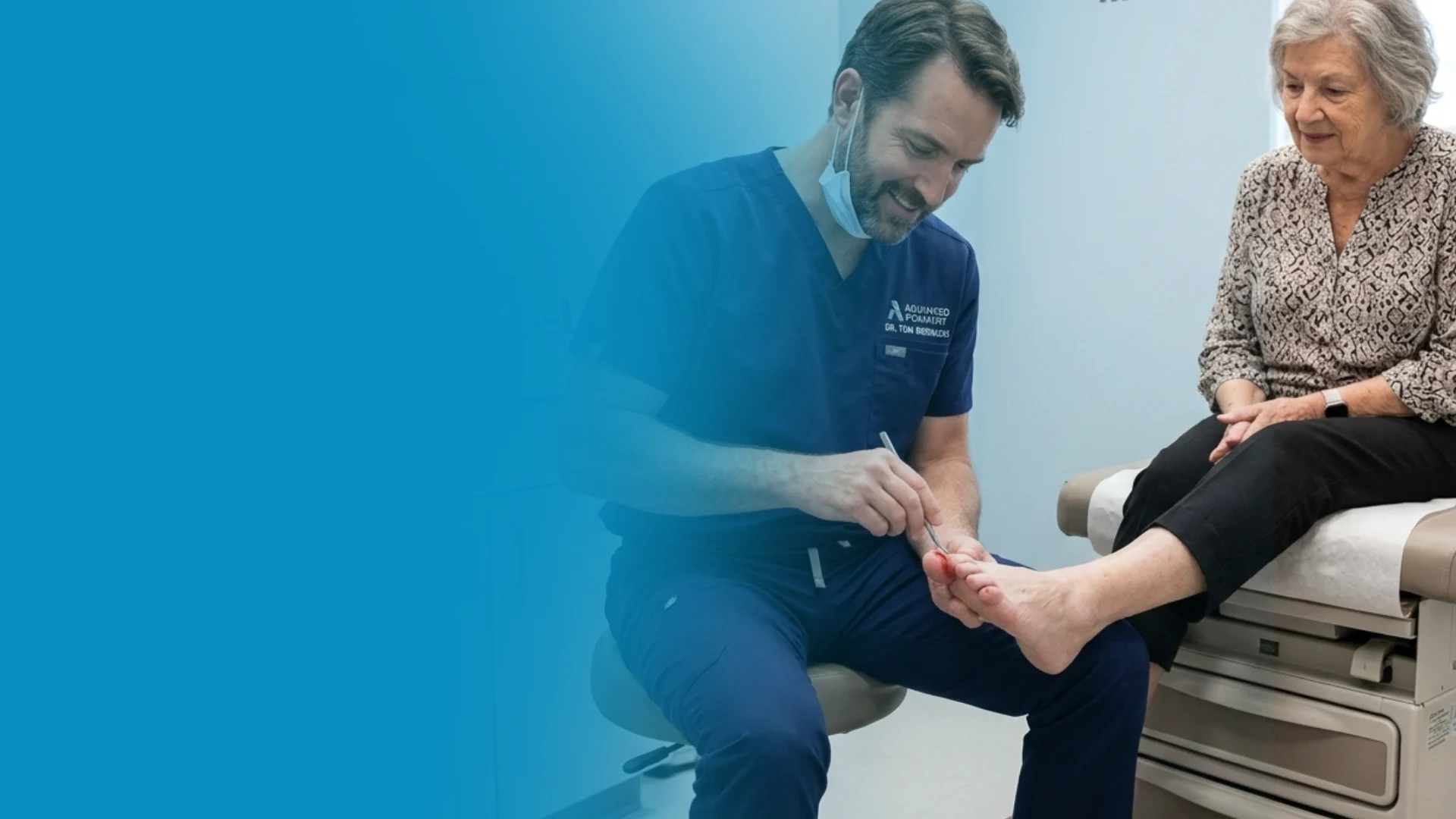

Phenol matrixectomy for chronic ingrown toenails takes about 15 minutes in office, has a 95%+ success rate, and prevents the same painful nail from regrowing into the same painful spot.
You’re in the right place. Dr. Tom Biernacki, DPM, FACFAS — board-certified foot & ankle surgeon with 3,000+ surgeries — explains exactly what phenol matrixectomy means and what works. Call (810) 206-1402 for same-day appointment at Howell or Bloomfield Hills.
Quick answer: Ingrown Toenail Phenol Matrixectomy Surgical Technique Guide is a common nail condition with multiple causes including trauma, fungal infection, biomechanical pressure, and underlying medical conditions. Treatment depends on the cause: trauma resolves as the nail grows out (6-12 months), fungus needs antifungal therapy, and biomechanical issues need shoe and orthotic correction. Call (810) 206-1402.
Medically reviewed by Dr. Tom Biernacki, DPM — Board-Certified Podiatric Surgeon — Balance Foot & Ankle, Howell & Bloomfield Hills, MI. Last updated April 2026.
▶ Watch
Medically Reviewed by Dr. Tom Biernacki, DPM — Board-Certified Podiatrist, Balance Foot & Ankle Specialists, Michigan. Last updated April 2026.
Ingrown toenails (onychocryptosis) are among the most common conditions treated in podiatric practice, and phenol-alcohol matrixectomy — chemical ablation of the offending nail matrix — has become the gold-standard procedure for recurrent or chronically infected ingrown toenails. Its combination of office-based convenience, local anesthetic administration, and >95% long-term success rate in preventing recurrence makes it the definitive treatment for the majority of patients requiring surgical intervention.
The most important clinical decision with Ingrown Toenail Phenol Matrixectomy Surgical Technique Guide isn’t which treatment to start with — it’s identifying the correct subtype. That changes everything. Call (810) 206-1402.
Classification and Indications for Surgery
The Heifetz grading system classifies ingrown toenails by severity: Stage I (mild — slight erythema and edema at the nail fold), Stage II (moderate — infection, drainage, and granulation tissue forming at the nail fold), Stage III (severe — chronic hypertrophic granulation tissue overgrowing the nail border, often with fungal superinfection). Stage I may respond to conservative care — cotton wisping under the nail border, proper nail trimming instruction, warm soaks, and wider footwear. Stage II–III reliably require procedural intervention. Indications for partial nail avulsion with phenol matrixectomy: recurrent ingrown toenails at the same border despite conservative care, Stage II–III ingrown toenails, patient preference for permanent solution over repeated conservative treatment, and diabetic or immunocompromised patients in whom recurrent nail fold infections pose disproportionate risk.
Phenol-Alcohol Matrixectomy: Procedural Steps
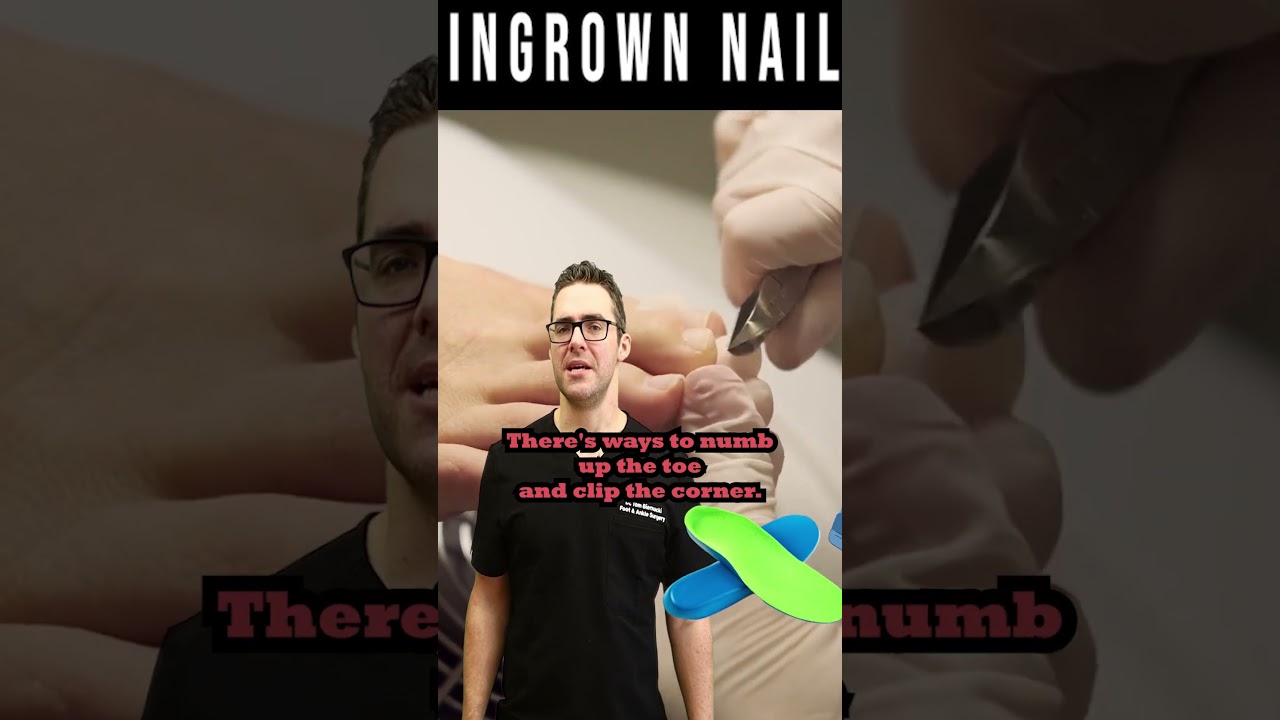
The procedure begins with a digital block — 1–2% lidocaine without epinephrine injected at the medial and lateral aspects of the toe base, achieving complete anesthesia in 3–5 minutes. A sterile tourniquet (Penrose drain or rubber band) is applied to the toe base for hemostasis. The offending nail border — typically 3–4mm — is separated from the nail bed with a nail elevator, cut longitudinally with nail-cutting scissors, and removed as a complete strip from the toe tip to the proximal matrix. Confirmation that the proximal nail matrix (germinal matrix) has been adequately exposed is critical — phenol applied only to the sterile matrix without reaching the germinal matrix produces recurrence. Phenol 88% is applied to the exposed matrix pocket with a cotton-tipped applicator for three 30-second applications, with a dry cotton tip wiping the pocket between each application. Alcohol irrigation (isopropyl or ethyl, 70%) is then used to neutralize residual phenol. The wound is dressed with petrolatum gauze and a compressive dressing. Post-procedure drainage for 1–2 weeks is expected and normal; the patient resumes normal activity the same day or next day.
Outcomes and Avoiding Complications
Properly performed phenol matrixectomy produces recurrence rates of 1–5% at long-term follow-up — significantly better than simple nail avulsion alone (50–70% recurrence). Chemical burn complications are avoided by strict alcohol neutralization, limiting phenol application time, and keeping phenol away from intact skin. Spicule formation — a thin residual nail spike growing from incompletely ablated matrix — is the most common complication and is treated with a brief re-matrixectomy at the incompletely ablated zone. Dr. Biernacki at Balance Foot & Ankle performs phenol matrixectomy for ingrown toenails in-office under local anesthesia with same-day return to activity. Call (810) 206-1402 for an appointment — relief is typically immediate upon drainage of the infected nail fold.
📧 Get Dr. Tom’s Free Lab Test Guide
Discover the 5 lab tests every person over 35 should ask their doctor about — explained in plain English by a board-certified physician.
📍 Located in Michigan?
Our board-certified podiatrists treat this condition at two convenient locations. Same-day appointments often available.
Comprehensive Nail Health Guide
The toenails are a window into your overall health. Changes in nail color, thickness, texture, or growth rate can signal local infection, systemic disease, or nutritional deficiency.
Common Nail Problems and Their Causes
- Thickened nails: Usually fungal infection (onychomycosis), but also trauma or psoriasis
- Yellow/brown nails: Fungal infection most common; also smoking, nail polish staining
- Vertical ridges: Normal aging; also low iron, B12 deficiency
- Horizontal ridges (Beau’s lines): Indicate systemic illness or nail trauma
- White spots: Usually minor trauma; less commonly zinc deficiency
- Spoon-shaped nails (koilonychia): Iron deficiency anemia
- Clubbing: Requires evaluation for heart or lung disease
Learn more about toenail fungus treatment and ingrown toenail treatment at Balance Foot & Ankle.
Related Conditions & Resources
Ready to Get Relief? We’re Here to Help.
Board-certified podiatrists Dr. Tom Biernacki, Dr. Carl Jay, and Dr. Daria Gutkin see patients daily at our Howell and Bloomfield Township, MI offices.
📅 Book Online 📞 (810) 206-1402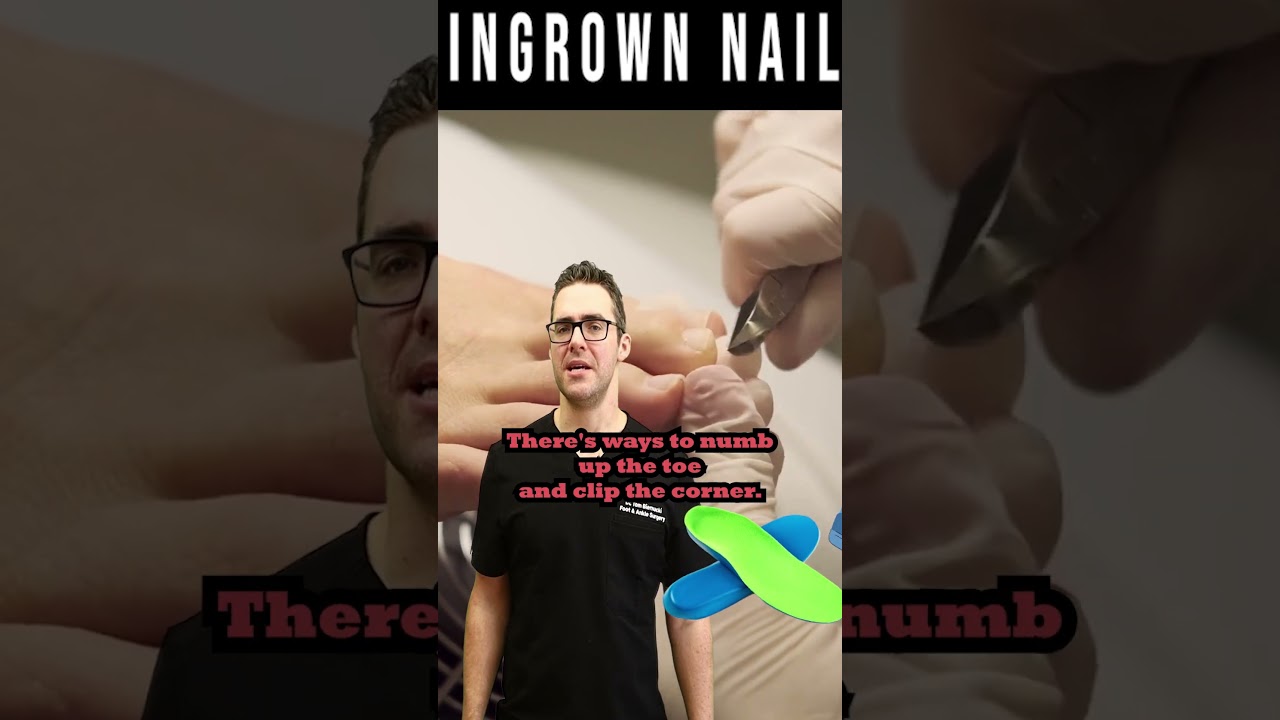
Insurance Accepted
BCBS · Medicare · Aetna · Cigna · United Healthcare · HAP · Priority Health · Humana · View All →
Howell Office
4330 E Grand River Ave
Howell, MI 48843
Get Directions →
Bloomfield Hills Office
43494 Woodward Ave, #208
Bloomfield Hills, MI 48302
Get Directions →
Your Board-Certified Podiatrists



Ready to Get Back on Your Feet?
Same-week appointments available at both locations.
Book Your AppointmentMore Podiatrist-Recommended Ingrown Essentials
Foot Massage Ball
Daily soft-tissue release around the nail edge reduces inflammation.
Moisture-Wicking Sock
Keeps the toe dry — reduces the bacterial load that feeds ingrown infections.
Top-Rated Arch Support Insole
Proper foot alignment reduces toe-jamming pressure that drives ingrowns.
As an Amazon Associate, Balance Foot & Ankle earns from qualifying purchases. Product recommendations are based on clinical experience; prices and availability shown above update live from Amazon.

![Tea Tree Oil Toenail Fungus Home Treatment [Doctor Cure!]](https://www.michiganfootdoctors.com/wp-content/cache/flying-press/a434e04a532dc4826563b11aa0541dd4.jpg)
Watch: Tea Tree Oil Toenail Fungus Home Treatment [Doctor Cure!] — MichiganFootDoctors YouTube
When to See a Podiatrist
Home care works for early ingrowns — but if redness, drainage, or granulation tissue has developed, the nail edge needs professional removal. At Balance Foot & Ankle, matrixectomy (permanent corner removal) is a 15-minute in-office procedure that prevents recurrence. Most patients walk out the same day and return to normal shoes within 48 hours.
Call Balance Foot & Ankle: (810) 206-1402 · Book online · Offices in Howell & Bloomfield Hills
In Our Clinic
Ingrown toenails are one of the most common same-day visits at our clinic. The patient has usually been soaking in Epsom salts and trying to “dig out” the edge themselves for several days before pain drives them in. If the nail corner is simply curling but the skin isn’t infected, a conservative trim and change in nail-cutting technique resolves it. If the surrounding tissue is red, swollen, or draining, we perform a partial nail avulsion under local anesthetic — this takes about 15 minutes in the office, patients walk out, and the recurrence rate with phenol ablation is very low.
In-Office Treatment at Balance Foot & Ankle
When conservative care isn’t enough, Dr. Tom Biernacki and the team at Balance Foot & Ankle offer advanced, same-day options — including Ingrown Toenail Treatment Michigan at our Howell and Bloomfield Hills clinics.
Same-day appointments available. Call (810) 206-1402 or book online.
Pros & Cons of Conservative Care for toenail conditions
Advantages
- ✓ Most cases resolve at home
- ✓ Same-week appointments available
- ✓ Permanent fix exists
Considerations
- ✗ Recurrence common without prevention
- ✗ Diabetics need professional care
Dr. Tom’s Recommended Products for toenail conditions
Affiliate disclosure: As an Amazon Associate, Balance Foot & Ankle earns from qualifying purchases. We only recommend products we use with patients.
Tolcylen Antifungal Solution Dr. Tom’s Pick
Best for: Most effective topical for fungus
Ready to Get Back on Your Feet?
Same-day appointments in Howell + Bloomfield Hills. Most insurance accepted. Dr. Tom Biernacki, DPM & team.
Book Today — Same-Day Appointments Available
Call Now: (810) 206-1402
About Your Care Team at Balance Foot & Ankle
Dr. Tom Biernacki, DPM · Board-Certified Foot & Ankle Surgeon. Specializes in conservative-first care, minimally invasive bunion surgery, and complex reconstruction.
Dr. Carl Jay, DPM · Accepting new patients. Specializes in sports medicine, athletic injuries, and routine podiatric care.
Dr. Daria Gutkin, DPM, AACFAS · Accepting new patients. Specializes in surgical reconstruction and pediatric podiatry.
Locations: 4330 E Grand River Ave, Howell, MI 48843 · 43494 Woodward Ave Suite 208, Bloomfield Hills, MI 48302
Hours: Mon–Fri 8:00 AM – 5:00 PM · (810) 206-1402
Frequently Asked Questions
How long does it take a toenail to grow back?
6-12 months for a full big toenail. Smaller toenails 4-6 months. Speed varies with age, circulation, and nutrition.
Will this affect other nails?
Trauma affects only the injured nail. Fungal infection can spread without treatment. Systemic causes affect multiple nails simultaneously.
Should I cover the nail or leave it open?
Cover with a breathable bandage during work or activity. Leave open at night for healing. Keep dry and clean.
What is Ingrown toenail?
Ingrown toenail is a common foot/ankle condition that affects mobility and quality of life. Understanding the underlying cause is the first step in successful treatment. Our podiatrists at Balance Foot & Ankle perform a hands-on biomechanical exam, review your activity history, and use diagnostic imaging when appropriate to identify the root cause—not just treat the symptom. Many patients have been told to “rest and ice” without a deeper diagnostic workup; our approach is different.
Symptoms and warning signs
Common signs of ingrown toenail include pain that worsens with activity, morning stiffness, swelling, tenderness when palpated, and difficulty bearing weight. If you experience sudden severe pain, inability to walk, visible deformity, numbness or color change, contact our office the same day or visit urgent care—these can signal a more serious injury such as a fracture, tendon rupture, or vascular compromise. Diabetics with any foot wound should seek same-day care.
Conservative treatment options
Most cases of ingrown toenail respond to non-surgical care: structured rest, supportive footwear changes, custom orthotics, targeted stretching and strengthening protocols, anti-inflammatory medications when medically appropriate, and in-office procedures such as ultrasound-guided injections. We also offer advanced therapies including MLS laser therapy, EPAT/shockwave, regenerative injections, and image-guided procedures. Treatment is sequenced from least invasive to most invasive, and we explain the rationale at every step.
When is surgery considered?
Surgery is reserved for cases that fail 3-6 months of well-structured conservative care, when there is structural pathology (severe deformity, complete tear, advanced arthritis), or when imaging shows damage that will not heal without intervention. Our surgeons have performed 3,000+ foot and ankle procedures and prioritize minimally-invasive techniques whenever appropriate. We discuss recovery timelines, return-to-activity milestones, and realistic outcome expectations before any procedure is scheduled.
Recovery timeline and prevention
Recovery from ingrown toenail varies based on severity and chosen treatment path. Conservative cases often improve within 4-8 weeks with consistent adherence to the protocol. Post-procedural recovery may range from a few days (in-office procedures) to several months (reconstructive surgery). Long-term prevention involves footwear assessment, activity modification, structured strengthening, and regular check-ins with your podiatrist if you have a history of recurrence. We provide written home-exercise plans and digital follow-up support.
Podiatrist-Recommended Products After Ingrown Toenail Procedure
- Doctor Hoy’s Natural Pain Relief Gel — soothing topical gel for post-matrixectomy pain management during nail bed healing
- Foot Petals Tip Toes — toe protection sleeves that cushion the raw nail fold from shoe contact during recovery
- PowerStep Pinnacle — proper arch support reduces the toe-box compression that causes recurrent ingrown nails
These are the same products Dr. Biernacki recommends in clinic. Available through our partner Foundation Wellness.
Ready to feel better?
Same-week appointments available in Howell and Bloomfield Hills, Michigan.
Book Your VisitIn-Office Treatment at Balance Foot & Ankle
If home treatment isn’t providing relief for your ingrown toenails, our podiatry team at Balance Foot & Ankle can help with same-day evaluations and advanced in-office care.
Same-day appointments available. (810) 206-1402
Get Expert Care at Balance Foot & Ankle
Same-week appointments at our Howell and Bloomfield Hills offices. Board-certified podiatric surgeons. Most insurance accepted.
Ready for Expert Care?
Same-day appointments in Howell & Bloomfield Hills, MI.
4.9★ | 1,123 Reviews | 3,000+ Surgeries
Or call: (810) 206-1402

Dr. Tom Biernacki, DPM is a board-certified foot & ankle surgeon (ABFAS & ABPM) at Balance Foot & Ankle Specialists in Southeast Michigan. With over a decade of clinical experience, he specializes in heel pain, bunions, diabetic foot care, sports injuries, and minimally invasive surgery. Dr. Biernacki is a member of the APMA and ACFAS, and his patient education content on MichiganFootDoctors.com and YouTube has made him one of the most-followed foot & ankle educators on YouTube.