
Medically reviewed by Dr. Tom Biernacki, DPM
Board-certified podiatric surgeon | Balance Foot & Ankle, Howell & Bloomfield Hills, MI
Last reviewed: May 2026
Balance Foot & Ankle offers same-day appointments for urgent foot and ankle conditions across Southeast Michigan — but the most important factor in outcomes isn’t getting seen quickly. Our podiatrists explain what to do in the first 24-48 hours before your appointment that most patients skip entirely. Call (810) 206-1402 — expert podiatric care across Michigan.

| Condition | Location | Pain Type | Key Test | Ultrasound / MRI | Differentiator |
|---|---|---|---|---|---|
| Intermetatarsal Bursitis | Between MT heads; web space | Aching, pressure, deep forefoot burning | Web space squeeze; direct bursal compression | Hypoechoic fluid-filled bursa between MT heads on U/S | Fluid collection without nerve mass on U/S; no Mulder’s click |
| Morton’s Neuroma | 3rd web space most common (2nd) | Electric, burning, cramping into toes | Mulder’s click; web space pinch | Hypoechoic mass >5 mm; fusiform nerve thickening | Discrete nerve mass >5 mm; neurogenic radiation; Mulder’s click |
| Metatarsalgia (Mechanical) | Under MT heads (plantar) | Diffuse pressure; callus; worse barefoot | MT head palpation; barefoot gait | Normal web space; MT head changes possible | Plantar not web space; callus present; no bursa on U/S |
| Plantar Plate Tear | 2nd MTP joint plantar | Sharp plantar MTP pain; toe drift | Drawer test (Lachman MTP) | MRI/U/S: plantar plate defect | Dorsal instability; crossover toe; plantar plate tear on MRI |
| Stress Fracture (MT) | MT shaft (2nd / 3rd most common) | Focal bone pain; activity-related | Tuning fork; focal point tenderness | MRI: periosteal edema; cortical break | Focal shaft tenderness; no web space tenderness; activity history |
| Treatment | Indication | Protocol | Success Rate | Notes |
|---|---|---|---|---|
| Footwear Modification + MT Pad | All patients — first-line | Wide toe box; low heel; MT dome pad proximal to heads; rocker-bottom sole | 50–65% improvement in mild/moderate bursitis | Immediate; trial 6–8 weeks before injection |
| Ultrasound-Guided Corticosteroid Injection | Confirmed bursa on U/S; failed shoe modification | Triamcinolone 20–40 mg + lidocaine directly into bursal sac under U/S guidance | 65–75% at 6–8 weeks; may require repeat | U/S guidance improves accuracy; max 2–3 injections; watch for fat pad atrophy |
| Custom Orthotics | Biomechanical overload; overpronation; recurrent bursitis | Intrinsic forefoot posting + MT accommodation; reduces intermetatarsal shear and compression forces | 60–70% reduction in recurrence | Most effective when biomechanical cause identified; combined with shoes |
| Physical Therapy + Intrinsic Strengthening | Chronic recurrent; adjunct after injection | Toe spreading exercises; interosseous strengthening; intrinsic foot muscles; avoid impact barefoot | 50–65% as adjunct | Reduces long-term recurrence; complements all other treatments |
| Surgical Bursectomy | Recalcitrant bursitis after 2+ injections; failed conservative 6+ months | Dorsal web space approach; excise inflamed bursal tissue; decompress intermetatarsal space; address any concurrent neuroma | 80–85% resolution | Often combined with neuroma excision if present; permanent relief in most |
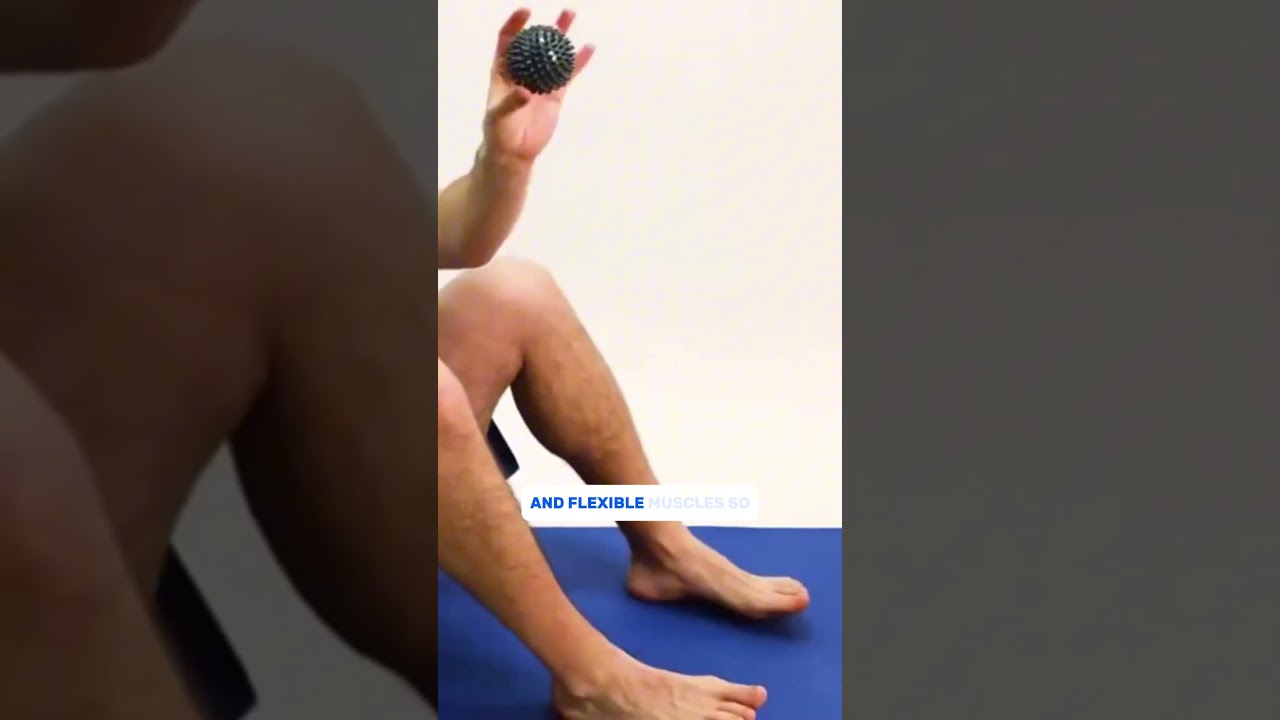
![Metatarsalgia Treatment [BEST Ball of Foot Pain RELIEF 2024]](https://www.michiganfootdoctors.com/wp-content/cache/flying-press/d7857672675f2bf191a8e896b2f7208b.jpg)
Watch: Metatarsalgia Treatment [BEST Ball of Foot Pain RELIEF 2024] — MichiganFootDoctors YouTube
Foot pain isn't resolving?
Same-week appointments at Howell & Bloomfield Hills
Medically Reviewed | Dr. Tom Biernacki, DPM | Board-Certified Podiatric Surgeon | Balance Foot & Ankle, Michigan
Forefoot burning pain between the 2nd–3rd or 3rd–4th metatarsal heads is one of the most common complaints in podiatric practice — and one of the most frequently misdiagnosed. Intermetatarsal bursitis, while often lumped together with Morton’s neuroma, is a distinct inflammatory condition requiring specific management. At Balance Foot & Ankle PLLC, Dr. Tom Biernacki uses high-resolution diagnostic ultrasound and MRI to precisely characterize forefoot pain and deliver targeted treatment.
Anatomy: Intermetatarsal Bursae
Small intermetatarsal bursae normally exist between the metatarsal heads to reduce friction between structures during toe motion. When repetitive pressure — from narrow shoes, high heels, forefoot overload, or inflammatory arthritis — irritates these bursae, they fill with fluid and become inflamed. The resultant distension compresses the adjacent interdigital nerve, which is why intermetatarsal bursitis so closely mimics Morton’s neuroma clinically. In fact, the two conditions frequently coexist: a neuromatous interdigital nerve surrounded by an inflamed bursa is common on MRI.
Symptoms and Clinical Presentation
Patients typically describe burning, aching, or tingling pain in the forefoot, specifically between metatarsal heads — most commonly between the 2nd–3rd or 3rd–4th web spaces. Pain worsens with narrow or pointed shoes, prolonged standing, and high heels. The “Mulder’s click” (a palpable click when squeezing the metatarsals together while pressing on the interspace from below) is positive in both neuroma and bursitis. Numbness or tingling in adjacent toes suggests significant nerve compression. Pain is typically relieved by removing shoes and massaging the forefoot.
Diagnostic Imaging
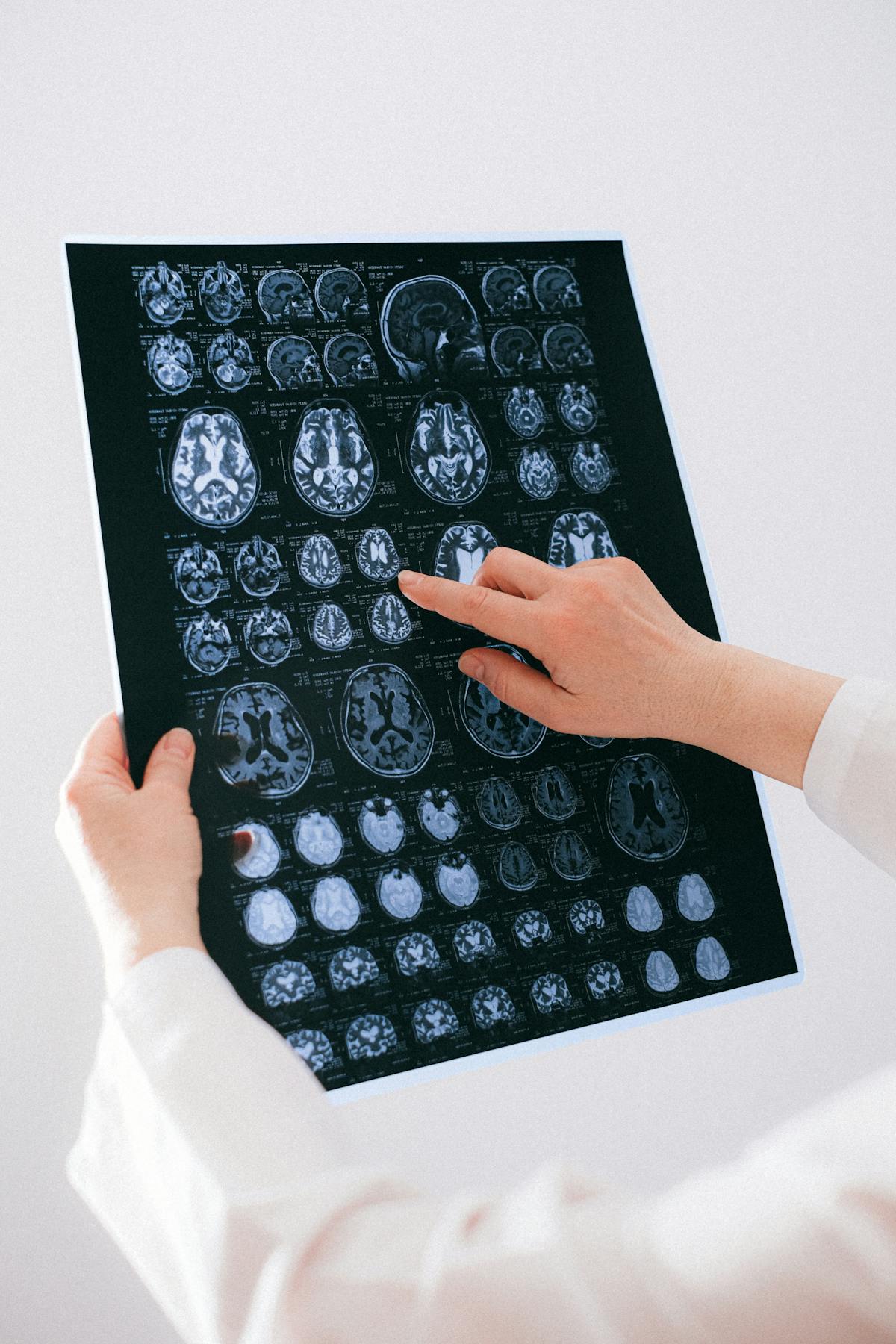
High-resolution ultrasound (10–15MHz) is the first-line imaging modality — it identifies hypoechoic fluid-filled bursae between metatarsal heads in real-time, with dynamic compression to assess fluid movement. Ultrasound also differentiates bursitis from neuroma based on echogenicity and location: neuromas are typically more echoic (brighter) than bursae, and neuromas are located plantar to the intermetatarsal ligament while bursae straddle it. MRI provides definitive characterization when ultrasound is equivocal — T2 sequences show fluid-bright bursae and T1 post-contrast enhancement in inflamed tissue.
Conservative Treatment
First-line treatment is footwear modification: wide toe-box shoes eliminate transverse compression on the forefoot, dramatically reducing bursal irritation. Metatarsal pads placed just proximal to the metatarsal heads redistribute plantar pressure away from the 2nd–3rd metatarsal heads. Over-the-counter NSAIDs reduce acute bursal inflammation. These measures resolve intermetatarsal bursitis in 60–70% of patients within 6–8 weeks.
Ultrasound-Guided Corticosteroid Injection
For refractory cases, ultrasound-guided injection of corticosteroid (triamcinolone acetonide 40mg) directly into the bursal sac provides excellent, rapid relief. Real-time ultrasound guidance ensures precise depot placement into the inflamed bursa rather than into adjacent neurovascular structures. Studies report 70–80% satisfaction after a single injection; a second injection can be performed 6–8 weeks later if partial relief was achieved. No more than two injections are recommended per web space to avoid fat pad atrophy and plantar plate weakening.
Surgical Excision for Refractory Bursitis
When conservative treatment and injections fail, surgical excision of the bursa and any associated neuroma is performed through a dorsal incision between the metatarsal heads. The intermetatarsal ligament is released, the bursa is excised, and the nerve is evaluated — if a concurrent neuroma is present, neurectomy is performed. Recovery involves a protected walking shoe for 2–3 weeks and return to normal footwear at 4–6 weeks. Success rates for surgical excision exceed 80% for carefully selected patients.
Dr. Tom's Product Recommendations
Metatarsal Pads for Forefoot Pain
⭐ Highly Rated
Adhesive metatarsal pads that redistribute forefoot pressure away from metatarsal heads. First-line conservative treatment for intermetatarsal bursitis and metatarsalgia.
Dr. Tom says: “These little pads made a huge difference — the burning between my toes nearly disappeared after the first day.”
Intermetatarsal bursitis, metatarsalgia, Morton’s neuroma, forefoot pain
Not a substitute for proper footwear modification and medical evaluation
Disclosure: We earn a commission at no extra cost to you.
Wide Toe Box Comfort Walking Shoes
⭐ Highly Rated
Extra-wide toe box walking shoes that eliminate transverse forefoot compression. Essential footwear for patients with intermetatarsal bursitis, neuroma, and bunions.
Dr. Tom says: “Switching to wide toe box shoes eliminated my forefoot burning completely within two weeks — wish I had done this years ago.”
Intermetatarsal bursitis, Morton’s neuroma, bunions, broad forefeet
Fashion or dress shoe occasions — carry as a daily wear option
Disclosure: We earn a commission at no extra cost to you.
✅ Pros / Benefits
- Ultrasound-guided injection delivers corticosteroid precisely into the bursa with 70–80% success
- Conservative measures (metatarsal pads + wide shoes) resolve 60–70% of cases without injections
- Surgical excision provides definitive treatment for refractory cases with 80%+ success rates
❌ Cons / Risks
- Intermetatarsal bursitis and Morton’s neuroma frequently coexist, complicating treatment planning
- High heels and narrow shoes must be permanently eliminated — compliance is essential
- Surgical excision carries permanent numbness risk in adjacent toes from interdigital nerve sacrifice
Dr. Tom Biernacki’s Recommendation
Intermetatarsal bursitis is probably the most underdiagnosed condition in my forefoot practice. Patients come in convinced they have a neuroma — and half the time they’re right. But a significant number have pure bursitis, and those cases respond beautifully to a precise ultrasound-guided injection. The key is the imaging: I won’t inject blind into the forefoot. Ultrasound lets me see the bursa, put the needle tip exactly where I want it, and watch the fluid disperse. That precision translates directly into better outcomes.
— Dr. Tom Biernacki, DPM | Board-Certified Podiatric Surgeon | Balance Foot & Ankle
Frequently Asked Questions
What is intermetatarsal bursitis?
Intermetatarsal bursitis is inflammation of the small fluid-filled sacs (bursae) located between the metatarsal heads in the forefoot. It typically causes burning, aching pain in the ball of the foot, most commonly in the 2nd–3rd or 3rd–4th web spaces. It is closely related to Morton’s neuroma and often coexists with it. Narrow shoes, high heels, and prolonged standing are common triggers.
How is intermetatarsal bursitis different from Morton’s neuroma?
Both conditions cause burning forefoot pain between metatarsal heads and are clinically similar. Intermetatarsal bursitis involves fluid-filled inflammation of the bursal sac, while Morton’s neuroma is a fibrous thickening (perineural fibrosis) of the interdigital nerve. They frequently coexist. High-resolution ultrasound or MRI distinguishes them based on the appearance and location of the pathology — bursae appear as fluid-filled sacs, while neuromas are solid fibrous masses.
Can a cortisone shot cure intermetatarsal bursitis?
Ultrasound-guided corticosteroid injection into the bursa resolves symptoms in approximately 70–80% of patients after one injection. A second injection can be given if initial relief is partial. However, injections treat the inflammation — not the underlying cause (footwear compression, biomechanical overload). Without footwear modification and metatarsal pad support, bursitis frequently recurs. Dr. Biernacki combines injection with footwear counseling for lasting results.
When is surgery needed for intermetatarsal bursitis?
Surgery is considered after failure of conservative measures (footwear modification, metatarsal pads) and two ultrasound-guided injections over 6–12 months. Surgical excision of the bursa through a dorsal incision achieves 80%+ success in carefully selected patients. When concurrent Morton’s neuroma is present, neurectomy is performed simultaneously. Recovery is rapid — most patients return to normal footwear within 4–6 weeks.
Michigan Foot Pain? See Dr. Biernacki In Person
4.9★ rated | 1,123 Reviews | 3,000+ Surgeries
Same-week appointments · Howell & Bloomfield Hills
📞 (810) 206-1402 Book Online →Frequently Asked Questions
When should I see a podiatrist?
If symptoms persist past 2 weeks, affect your normal activity, or are accompanied by red-flag symptoms (warmth, redness, swelling, inability to bear weight).
What does treatment cost?
Most diagnostic visits and conservative treatments are covered by Medicare and major insurers. Out-of-pocket costs vary by your specific plan.
How quickly can I get an appointment?
Most non-urgent cases see us within 5 business days. Urgent cases (sudden pain, possible fracture) typically same or next business day.
In-Office Treatment at Balance Foot & Ankle
If home treatment isn’t providing relief for your metatarsalgia, our podiatry team at Balance Foot & Ankle can help with same-day evaluations and advanced in-office care.
Ready to Get Relief?
Same-day appointments available in Howell & Bloomfield Hills, MI
4.9★ | 1,123 Reviews | 3,000+ Surgeries
Or call: (810) 206-1402

Dr. Tom Biernacki, DPM is a board-certified foot & ankle surgeon (ABFAS & ABPM) at Balance Foot & Ankle Specialists in Southeast Michigan. With over a decade of clinical experience, he specializes in heel pain, bunions, diabetic foot care, sports injuries, and minimally invasive surgery. Dr. Biernacki is a member of the APMA and ACFAS, and his patient education content on MichiganFootDoctors.com and YouTube has made him one of the most-followed foot & ankle educators on YouTube.