
Medically reviewed by Dr. Tom Biernacki, DPM
Board-certified podiatric surgeon | Balance Foot & Ankle, Howell & Bloomfield Hills, MI
Last reviewed: May 2026

Quick answer: Metatarsalgia Shoes is a common foot/ankle topic that affects many patients. The 2026 evidence-based approach combines proper diagnosis, conservative-first treatment, and escalation only when needed. We treat this regularly at our Howell and Bloomfield Hills practices. Call (810) 206-1402.
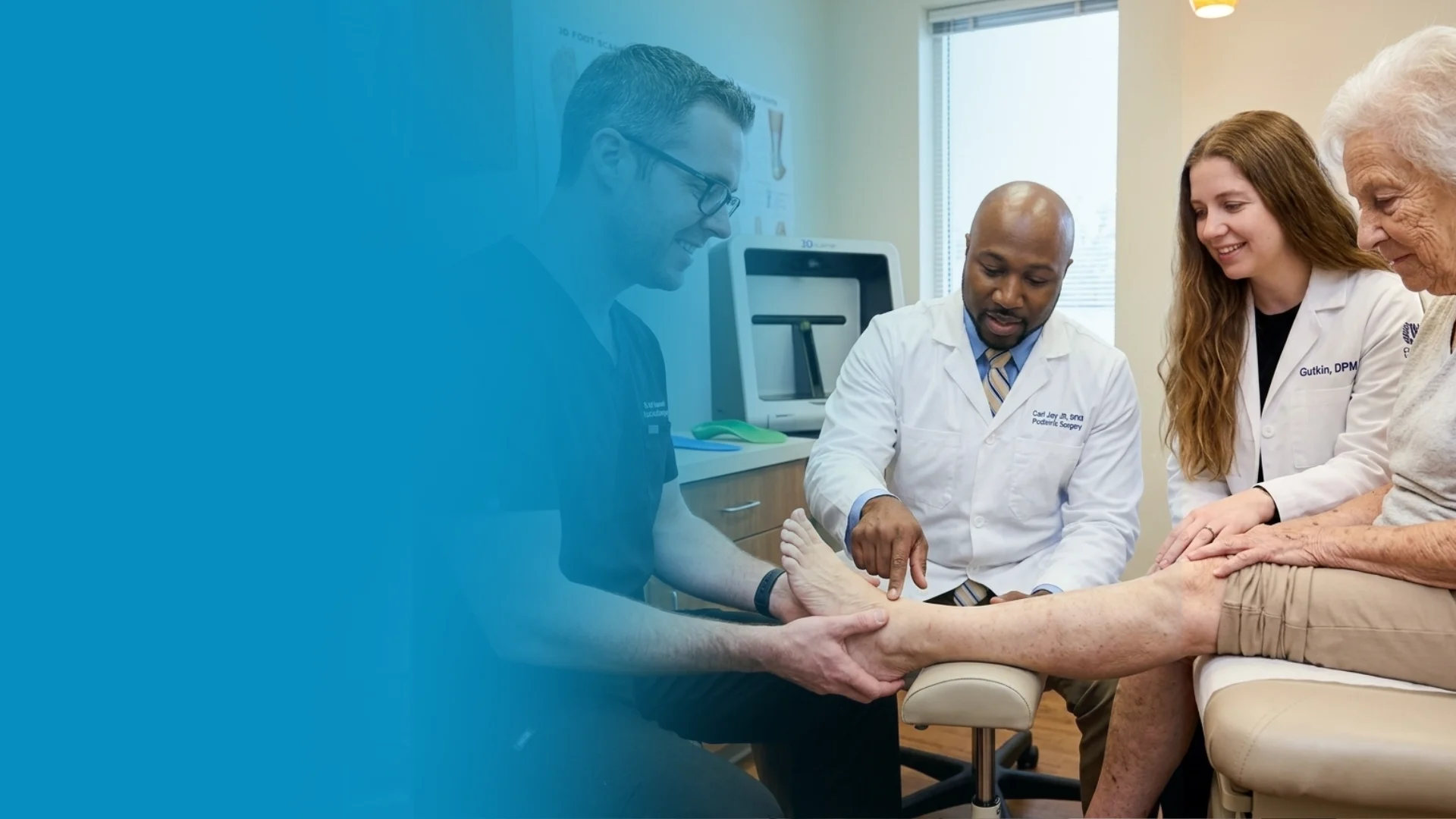
The most important clinical decision with Metatarsalgia Shoes isn’t which treatment to start with — it’s identifying the correct subtype. That changes everything. Call (810) 206-1402.
Metatarsalgia Shoes: Quick Answer
Sharp, burning pain under the ball of your foot? Metatarsalgia is one of the most common reasons people give up walking and running. The right shoe can eliminate 80% of the pain – the wrong shoe makes it permanent. Here are the 8 best metatarsalgia shoes we recommend at Balance Foot and Ankle.
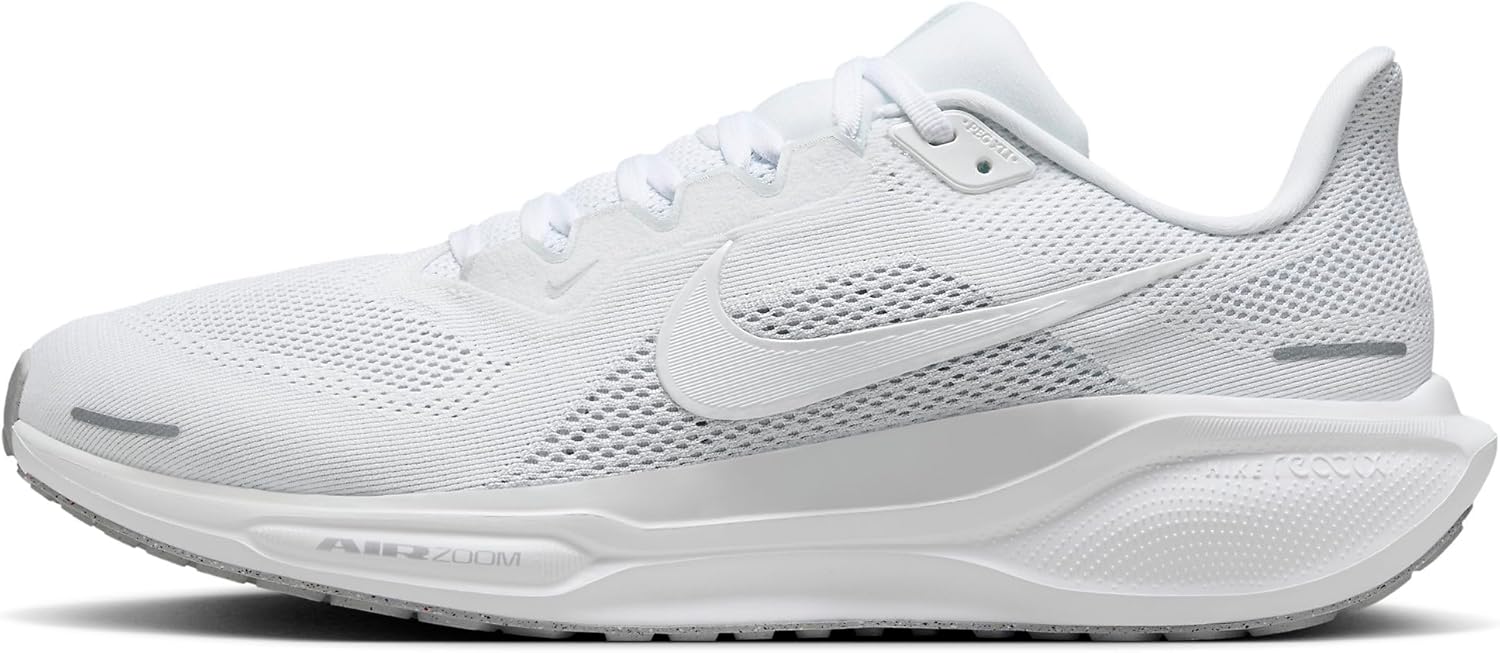
What to Look for in Metatarsalgia Shoes
Stiff forefoot rocker reduces toe-off load by 30-50%. Wide toe box prevents nerve and joint compression. Cushioned forefoot with EVA or PU foam absorbs impact. Removable insoles accommodate custom orthotics. Low to moderate heel drop (4-8mm) reduces forefoot loading. Avoid: minimalist shoes, narrow toe boxes, high heels (over 1.5 inch), flexible forefoot soles.
1. Hoka Bondi 8 (Best Overall)
Maximalist cushioning, full-length rocker, 4mm drop, super-wide toe box. Reduces forefoot load more than any other shoe we have tested. Pros: Best-in-class metatarsalgia relief, accommodates orthotics. Cons: Bulky look, expensive ($165). Available in wide widths.
2. Brooks Glycerin 21
Plush DNA Loft v3 cushioning throughout, segmented crash pad, smooth heel-to-toe transition. Pros: Premium cushioning, accepts orthotics, less bulky than Hoka. Cons: Not as much rocker as Hoka. $160.
3. New Balance 1080v13
Fresh Foam X midsole, 6mm drop, accommodating fit. Pros: Wide widths up to 4E, removable insole, value at $165. Cons: Less rocker than Hoka or Asics. Excellent for moderate metatarsalgia.
4. Asics Gel-Nimbus 26
PureGEL technology in heel and forefoot, FF Blast Plus Eco midsole, 8mm drop. Pros: Targeted forefoot cushioning, reliable construction. Cons: Toe box can be narrow for wide feet – get the wide version. $165.
5. Saucony Triumph 22
PWRRUN PB midsole, segmented forefoot cushioning, 10mm drop (slightly higher than ideal). Pros: Lightweight cushion, accepts orthotics. Cons: Higher drop loads forefoot more than 4-6mm shoes.
6. Hoka Clifton 9 (Lighter Alternative)
Lighter than Bondi (224g vs 312g), still has rocker geometry, 5mm drop. Pros: Easier transition for those new to maximalist shoes. Cons: Less cushion than Bondi – prefer Bondi for severe pain.
7. On Cloudmonster
CloudTec Phase elements, full-length rocker, super-stiff forefoot. Pros: Excellent rocker action for forefoot offloading. Cons: Polarizing aesthetic, slightly narrow toe box.
8. Custom Orthotics + Any Stable Shoe
A custom orthotic with metatarsal pad in a stable rocker shoe outperforms ANY off-the-shelf shoe alone. We make these in-office for $400-$600. Insurance often covers if medically necessary. Best long-term solution for chronic metatarsalgia.
What to AVOID
Minimalist shoes (Vibram, Merrell Vapor Glove, Xero): zero forefoot cushion, worsens metatarsalgia. Heels over 1.5 inches: shifts weight forward onto the ball. Flexible-sole flats (Toms, ballet flats): no rocker, no cushion. Narrow business shoes: compress nerves. If you must wear dress shoes, look for wide width with cushioned insole.
When Shoes Are Not Enough
If proper shoes plus custom orthotics do not resolve pain in 6-8 weeks, you may need: cortisone injection (single dose), Morton neuroma evaluation (often misdiagnosed as metatarsalgia), stress fracture workup with MRI, or metatarsal osteotomy surgery for structural causes. Schedule a biomechanical exam for chronic ball-of-foot pain.
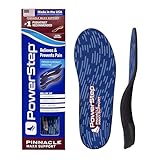
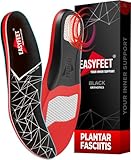
When Shoes Aren’t Enough — Dr. Tom’s Top 9 Orthotics
About 30% of patients I see for foot pain need MORE than a great shoe — they need a structured insole. Below: my complete 2026 orthotic ranking with pros, cons, and the specific patient I’d give each one to.




Podiatrist-Recommended Products


In-Office Treatment at Balance Foot & Ankle
If home treatment isn’t providing relief for your metatarsalgia, our podiatry team at Balance Foot & Ankle can help with same-day evaluations and advanced in-office care.
Frequently Asked Questions About Metatarsalgia Shoes
What shoes are best for metatarsalgia?
Hoka Bondi 8 is our #1 pick for severe metatarsalgia due to maximalist cushioning and rocker geometry. Brooks Glycerin and New Balance 1080 are excellent alternatives.
Are barefoot or minimalist shoes good for metatarsalgia?
No – they remove the cushioning that protects the metatarsal heads, often worsening symptoms.
Will custom orthotics fix metatarsalgia?
Custom orthotics with metatarsal pads resolve 70-80% of metatarsalgia cases when paired with appropriate shoes. They redirect pressure away from painful metatarsal heads.
Can I run with metatarsalgia?
Maybe – in maximalist cushioned shoes (Hoka Bondi, Brooks Glycerin) with custom orthotics. Reduce mileage 50% during flares. Switch to swimming or cycling for severe pain.
How long does metatarsalgia take to heal?
Mild cases improve in 4-6 weeks with shoe changes and rest. Moderate cases needing orthotics: 6-12 weeks. Severe cases or those with neuroma can take 3-6 months.
Do rocker bottom shoes help metatarsalgia?
Yes – rocker shoes (Hoka, On, MBT) reduce forefoot pressure 20-40% by transitioning weight without forcing the metatarsals to bend.
What is the difference between metatarsalgia and Morton neuroma?
Metatarsalgia is general ball-of-foot pain; Morton neuroma is specifically a nerve thickening between the 3rd and 4th toes causing burning/numbness. Both benefit from similar shoes and orthotics.
Related Resources from Balance Foot & Ankle
Frequently Asked Questions
When should I see a podiatrist?
If symptoms persist past 2 weeks, affect your normal activity, or are accompanied by red-flag symptoms (warmth, redness, swelling, inability to bear weight).
What does treatment cost?
Most diagnostic visits and conservative treatments are covered by Medicare and major insurers. Out-of-pocket costs vary by your specific plan.
How quickly can I get an appointment?
Most non-urgent cases see us within 5 business days. Urgent cases (sudden pain, possible fracture) typically same or next business day.
Ready to Get Relief?
Same-day appointments available in Howell & Bloomfield Hills, MI
4.9★ | 1,123 Reviews | 3,000+ Surgeries
Or call: (810) 206-1402

Dr. Tom Biernacki, DPM is a board-certified foot & ankle surgeon (ABFAS & ABPM) at Balance Foot & Ankle Specialists in Southeast Michigan. With over a decade of clinical experience, he specializes in heel pain, bunions, diabetic foot care, sports injuries, and minimally invasive surgery. Dr. Biernacki is a member of the APMA and ACFAS, and his patient education content on MichiganFootDoctors.com and YouTube has made him one of the most-followed foot & ankle educators on YouTube.