

![Diabetes Peripheral Neuropathy Treatment [Diabetic Nerve Pain Remedy]](https://www.michiganfootdoctors.com/wp-content/cache/flying-press/83886306c119511909f4e50d00e25908.jpg)
Watch: Diabetes Peripheral Neuropathy Treatment [Diabetic Nerve Pain Remedy] — MichiganFootDoctors YouTube
Medically reviewed by Dr. Tom Biernacki, DPM — Board-certified foot & ankle surgeon, 3,000+ surgeries performed. Updated April 2026 with current clinical evidence. This article reflects real practice experience from Balance Foot & Ankle Specialists in Howell and Bloomfield Hills, Michigan.
The most important clinical decision with Best Diabetic Shoes Medicare Covered Extra Depth isn’t which treatment to start with — it’s identifying the correct subtype. That changes everything. Call (810) 206-1402.
Quick Answer

Diabetic peripheral neuropathy is nerve damage from prolonged hyperglycaemia, causing burning, tingling, numbness, or loss of protective sensation in the feet. It will not reverse without addressing glucose control. Daily foot checks, proper footwear, and annual monofilament testing prevent ulceration.
Watch: Dr. Tom Biernacki, DPM
Medically reviewed by Dr. Tom Biernacki, DPM — Board-Certified Podiatric Surgeon — Balance Foot & Ankle, Howell & Bloomfield Hills, MI. Last updated April 2026.
▶ Watch
📋 Dr. Tom Also Recommends
Podiatrist Recommended Orthotics 2026: Dr. Tom’s Top 10 Insoles & Arch Supports
A podiatrist’s complete clinical guide to the best insoles — custom orthotics, OTC picks, and what actually works for plantar fasciitis, flat feet, neuropathy & more.
Read the Full Guide →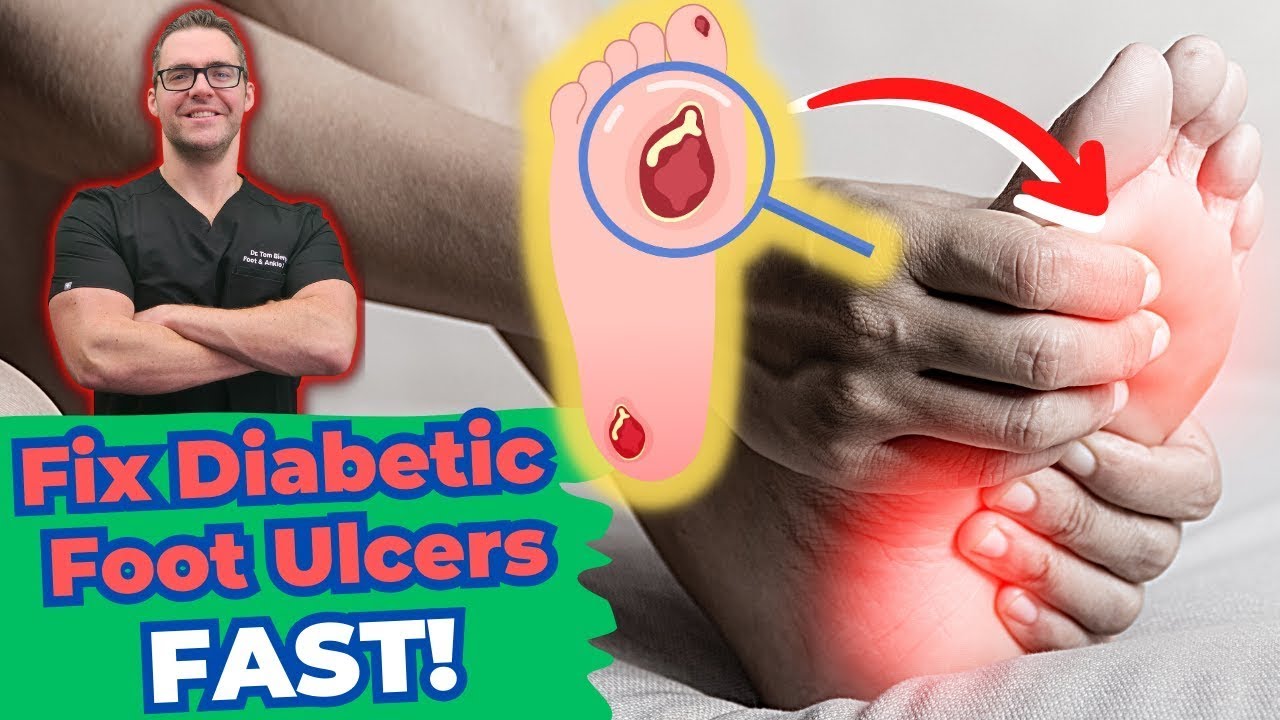
Medically Reviewed by Dr. Tom Biernacki, DPM — Board-Certified Podiatrist, Balance Foot & Ankle Specialists, Michigan. Last updated April 2026.
Medicare’s Therapeutic Shoe Program — What Diabetic Patients Are Entitled To
Medicare Part B’s Therapeutic Shoe Program provides significant footwear benefits for diabetic patients that most patients are unaware of: one pair of extra-depth shoes and three pairs of custom-molded insoles per calendar year, or one pair of custom-molded shoes (for patients with severe foot deformity) — covered at 80% after deductible for qualifying diabetic patients. Qualifying criteria: diagnosis of diabetes mellitus; one of the following diabetic foot conditions: peripheral neuropathy with documented evidence of callus formation; history of pre-ulcerative callus; history of foot ulceration; foot deformity; previous amputation; or poor circulation. The prescribing physician (primary care or endocrinologist) certifies the medical need; the podiatrist performs the footwear fitting and orders the appropriate shoe and insole. At Balance Foot & Ankle in Howell and Bloomfield Hills, Michigan, Dr. Tom Biernacki, DPM fits and prescribes diabetic footwear under the Medicare Therapeutic Shoe Program. Call (810) 206-1402.
Best Medicare-Eligible Diabetic Shoe 2026 — New Balance 928v3
📍 Located in Michigan?
Our board-certified podiatrists treat this condition at two convenient locations. Same-day appointments often available.
The New Balance 928v3 is an APMA-accepted, Medicare-eligible diabetic shoe that provides the protective features required for neuropathic foot care: seamless interior that eliminates the pressure points and friction sources that cause ulceration in insensate feet; extra-depth construction that accommodates custom diabetic insoles without compression; wide and extra-wide widths (2E, 4E) for edematous diabetic feet; ROLLBAR stability technology that controls the excessive pronation common in neuropathic flatfoot; and the Velcro closure that allows adjustment for daily foot swelling without requiring bending. Available as Medicare-billable under the Therapeutic Shoe Program through certified diabetic footwear providers. Best for: diabetic patients with neuropathy and foot swelling who need a Medicare-covered shoe with daily volume adjustment capability.
Best Diabetic Athletic Shoe 2026 — HOKA Bondi SR
The HOKA Bondi SR provides maximum-cushion protection for diabetic patients who remain active — the 38mm foam midsole absorbs the impact forces that create callus and pre-ulcerative pressure in neuropathic feet better than any standard-cushion shoe. The meta-rocker geometry redistributes plantar pressure away from the metatarsal heads — the most common ulceration site in diabetic patients — toward the midfoot. The slip-resistant outsole is appropriate for patients with balance impairment from neuropathy. While the Bondi SR’s thick foam cannot accommodate a full custom diabetic insole as easily as a traditional extra-depth shoe, a trimmed custom insole fits within the removable OEM footbed space. Best for: active diabetic patients who walk 5,000+ steps daily and need maximum plantar pressure distribution; patients with metatarsal head callus or pre-ulcerative lesions.
Diabetic Insole Requirements — Why OTC Insoles Are Insufficient
The standard OTC arch support insole is not an appropriate substitute for a Medicare diabetic therapeutic insole in neuropathic patients — the functional requirements are fundamentally different. OTC insoles are designed for arch support and comfort in sensate patients who will feel pressure and discomfort before ulceration occurs. Medicare diabetic insoles are custom-molded to the patient’s specific plantar surface geometry, made from multi-density materials that distribute plantar pressure across the maximum surface area, and include metatarsal offloading material positioned at the patient’s specific pressure points identified by pressure mapping. The clinical goal of a diabetic insole is not comfort — it is pressure redistribution below the threshold that creates plantar callus and pre-ulcerative lesions in a patient who cannot feel whether pressure is occurring. This distinction makes custom diabetic insoles a medical device rather than a comfort product.
Diabetic Shoe Fitting at Balance Foot & Ankle
At Balance Foot & Ankle, we perform Medicare-compliant diabetic footwear fitting including pressure plate assessment to identify high-risk plantar pressure areas, selection of appropriate extra-depth shoe model, and fabrication of custom diabetic insoles with metatarsal offloading. The Medicare Therapeutic Shoe Program benefit resets each calendar year — qualifying patients who have not used this benefit should contact us to initiate the fitting before year-end. Book online or call (810) 206-1402 — Howell and Bloomfield Hills, Michigan.
Dr. Tom’s Recommended Insoles
PowerStep is the brand I prescribe most — medical-grade OTC support without the custom orthotic price tag.
- PowerStep Pinnacle Insoles — The OTC orthotic I recommend most — medical-grade arch support at a fraction of custom orthotic cost. Works in most shoes.
- PowerStep Maxx Insoles — For severe arch pain or flat feet — maximum correction and support when Pinnacle isn’t enough.
Affiliate disclosure: As an Amazon Associate, Balance Foot & Ankle earns from qualifying purchases. We only recommend products we trust for our own patients.
👟 Dr. Tom’s Pick: CURREX RunPro Insoles for Runners
CURREX RunPro are biomechanically tuned running insoles with 3 arch profiles (low, medium, high) to match your foot type. Unlike generic insoles, they’re engineered specifically for the high-impact demands of running — reducing pronation stress and metatarsal loading.
View CURREX RunPro on Amazon →
Affiliate disclosure: As an Amazon Associate, Balance Foot & Ankle earns from qualifying purchases.
💊 Dr. Tom’s Pick: Doctor Hoy’s Natural Pain Relief
A topical pain relief gel I recommend to patients: arnica, camphor, and natural anti-inflammatories. No prescription needed. Apply directly to the painful area for fast-acting relief. Great for sore feet, heel pain, and joint discomfort.
View Doctor Hoy’s on Amazon →
Affiliate disclosure: As an Amazon Associate, Balance Foot & Ankle earns from qualifying purchases.
Join 950,000+ Learning About Foot Health
Dr. Tom shares honest medical advice, supplement reviews, and treatment guides you won’t find anywhere else.
📧 Get Dr. Tom’s Free Lab Test Guide
Discover the 5 lab tests every person over 35 should ask their doctor about — explained in plain English by a board-certified physician.
🔗 Related Care & Resources
Treated by Dr. Tom Biernacki DPM — Board-certified podiatric surgeon at Balance Foot & Ankle in Howell & Bloomfield Hills, MI.
Schedule an Appointment →
or call (810) 206-1402
Insurance Accepted
BCBS · Medicare · Aetna · Cigna · United Healthcare · HAP · Priority Health · Humana · View All →
Howell Office
4330 E Grand River Ave
Howell, MI 48843
Get Directions →
Bloomfield Hills Office
43494 Woodward Ave, #208
Bloomfield Hills, MI 48302
Get Directions →
Your Board-Certified Podiatrists



Ready to Get Back on Your Feet?
Same-week appointments available at both locations.
Book Your Appointment👟 Dr. Tom’s Complete Footwear Library
Podiatrist-Approved Guides for Every Foot Type & Condition
Clinically reviewed by Dr. Tom Biernacki, DPM — Board-Certified Podiatrist
All guides are written and reviewed by licensed podiatrists. Schedule an appointment →
In-Office Treatment at Balance Foot & Ankle
If home care isn’t resolving your diabetic foot concern, a visit with a board-certified podiatrist is the fastest path to accurate diagnosis and a personalized plan. At Balance Foot & Ankle Specialists, Dr. Tom Biernacki, Dr. Carl Jay, and Dr. Daria Gutkin offer same-day and next-day appointments at both our Howell and Bloomfield Hills offices. We perform on-site diagnostic ultrasound, digital X-ray, conservative care, advanced regenerative treatments, and minimally invasive surgery when indicated.
Call (810) 206-1402 or request an appointment online. Most insurance plans accepted, including Medicare, Blue Cross Blue Shield, Aetna, Cigna, and United Healthcare.
Dr. Tom’s Diabetic Shoe + Foot Protection Stack
- PowerStep Pinnacle — Medicare diabetic shoes include a custom insert allowance: PowerStep Pinnacle inside any extra-depth diabetic shoe upgrades the therapeutic insole — reducing plantar pressure concentration at callus-prone sites in neuropathic feet.
- FLAT SOCKS No-Sock Insoles — Diabetic feet in extra-depth shoes: FLAT SOCKS moisture-wicking inserts eliminate the shoe moisture that causes maceration and skin breakdown in neuropathic feet with reduced sensation — the highest-risk foot for blister-to-ulcer progression.
- DASS Medical Compression Socks — Diabetic feet with peripheral edema: graduated compression reduces the venous pooling that causes the swelling making extra-depth shoes necessary — addressing the root cause of diabetic foot volume changes.
Any open wound, blister, or skin breakdown in a diabetic foot requires same-day evaluation. Diabetic foot infections progress to osteomyelitis within days. Balance Foot & Ankle → (810) 206-1402
Frequently Asked Questions
When should I see a podiatrist?
If symptoms persist past 2 weeks, affect your normal activity, or are accompanied by red-flag symptoms (warmth, redness, swelling, inability to bear weight).
What does treatment cost?
Most diagnostic visits and conservative treatments are covered by Medicare and major insurers. Out-of-pocket costs vary by your specific plan.
How quickly can I get an appointment?
Most non-urgent cases see us within 5 business days. Urgent cases (sudden pain, possible fracture) typically same or next business day.
What is Diabetic foot?
Diabetic foot is a common foot/ankle condition that affects mobility and quality of life. Understanding the underlying cause is the first step in successful treatment. Our podiatrists at Balance Foot & Ankle perform a hands-on biomechanical exam, review your activity history, and use diagnostic imaging when appropriate to identify the root cause—not just treat the symptom. Many patients have been told to “rest and ice” without a deeper diagnostic workup; our approach is different.
Symptoms and warning signs
Common signs of diabetic foot include pain that worsens with activity, morning stiffness, swelling, tenderness when palpated, and difficulty bearing weight. If you experience sudden severe pain, inability to walk, visible deformity, numbness or color change, contact our office the same day or visit urgent care—these can signal a more serious injury such as a fracture, tendon rupture, or vascular compromise. Diabetics with any foot wound should seek same-day care.
Conservative treatment options
Most cases of diabetic foot respond to non-surgical care: structured rest, supportive footwear changes, custom orthotics, targeted stretching and strengthening protocols, anti-inflammatory medications when medically appropriate, and in-office procedures such as ultrasound-guided injections. We also offer advanced therapies including MLS laser therapy, EPAT/shockwave, regenerative injections, and image-guided procedures. Treatment is sequenced from least invasive to most invasive, and we explain the rationale at every step.
When is surgery considered?
Surgery is reserved for cases that fail 3-6 months of well-structured conservative care, when there is structural pathology (severe deformity, complete tear, advanced arthritis), or when imaging shows damage that will not heal without intervention. Our surgeons have performed 3,000+ foot and ankle procedures and prioritize minimally-invasive techniques whenever appropriate. We discuss recovery timelines, return-to-activity milestones, and realistic outcome expectations before any procedure is scheduled.
Recovery timeline and prevention
Recovery from diabetic foot varies based on severity and chosen treatment path. Conservative cases often improve within 4-8 weeks with consistent adherence to the protocol. Post-procedural recovery may range from a few days (in-office procedures) to several months (reconstructive surgery). Long-term prevention involves footwear assessment, activity modification, structured strengthening, and regular check-ins with your podiatrist if you have a history of recurrence. We provide written home-exercise plans and digital follow-up support.
Ready to feel better?
Same-week appointments available in Howell and Bloomfield Hills, Michigan.
Book Your VisitGet Expert Care at Balance Foot & Ankle
Same-week appointments at our Howell and Bloomfield Hills offices. Board-certified podiatric surgeons. Most insurance accepted.
Ready for Expert Care?
Same-day appointments in Howell & Bloomfield Hills, MI.
4.9★ | 1,123 Reviews | 3,000+ Surgeries
Or call: (810) 206-1402

Dr. Tom Biernacki, DPM is a board-certified foot & ankle surgeon (ABFAS & ABPM) at Balance Foot & Ankle Specialists in Southeast Michigan. With over a decade of clinical experience, he specializes in heel pain, bunions, diabetic foot care, sports injuries, and minimally invasive surgery. Dr. Biernacki is a member of the APMA and ACFAS, and his patient education content on MichiganFootDoctors.com and YouTube has made him one of the most-followed foot & ankle educators on YouTube.