

Medically reviewed by Dr. Tom Biernacki, DPM — Board-certified foot & ankle surgeon, 3,000+ surgeries performed. Updated April 2026 with current clinical evidence. This article reflects real practice experience from Balance Foot & Ankle Specialists in Howell and Bloomfield Hills, Michigan.
Quick Answer
A plantar wart is an HPV-caused skin growth on the sole of the foot. It looks like a callus but interrupts the skin lines and often shows tiny black dots (thrombosed capillaries). OTC 40% salicylic acid works for mild cases; persistent warts need cryotherapy, laser, or excision.
Watch: Dr. Tom Biernacki, DPM
/div>Medically reviewed by Dr. Tom Biernacki, DPM — Board-Certified Podiatric Surgeon — Balance Foot & Ankle, Howell & Bloomfield Hills, MI. Last updated April 2026.
▶ Watch
Medically Reviewed by Dr. Tom Biernacki, DPM — Board-Certified Podiatrist, Balance Foot & Ankle Specialists, Michigan. Last updated April 2026.
What Are Plantar Warts?
Plantar warts (verruca plantaris) are benign skin growths caused by infection with the human papillomavirus (HPV) — specifically strains 1, 2, 4, and 63 that preferentially infect the thick skin of the foot sole. Unlike warts elsewhere on the body, plantar warts grow inward rather than outward because the pressure of weight bearing pushes the lesion into the deeper layers of the skin. This endophytic growth makes them particularly painful when walking.
At Balance Foot & Ankle, we treat plantar warts in patients of all ages — from children who acquire them in school pools and gymnasiums to adults who develop them at fitness centers and public pools. We offer a complete range of treatment options tailored to wart size, location, duration, patient age, and treatment history.
How Plantar Warts Develop
HPV enters the foot through small breaks in the skin — microscopic cuts, cracks, or abrasions that are invisible to the naked eye. The virus thrives in warm, moist environments and can survive on contaminated surfaces for extended periods. Public pools, locker room floors, gym showers, yoga studio floors, and dorm bathrooms are high-transmission environments.
Not everyone exposed to HPV develops a wart — the immune system successfully suppresses the virus in most encounters. Children have a higher plantar wart incidence partly because their immune systems have not yet developed immunity to the specific HPV strains involved. Individuals with compromised immune function (from immunosuppressant medications, HIV, or other conditions) develop warts more readily and experience faster spread and growth.
Recognizing a Plantar Wart
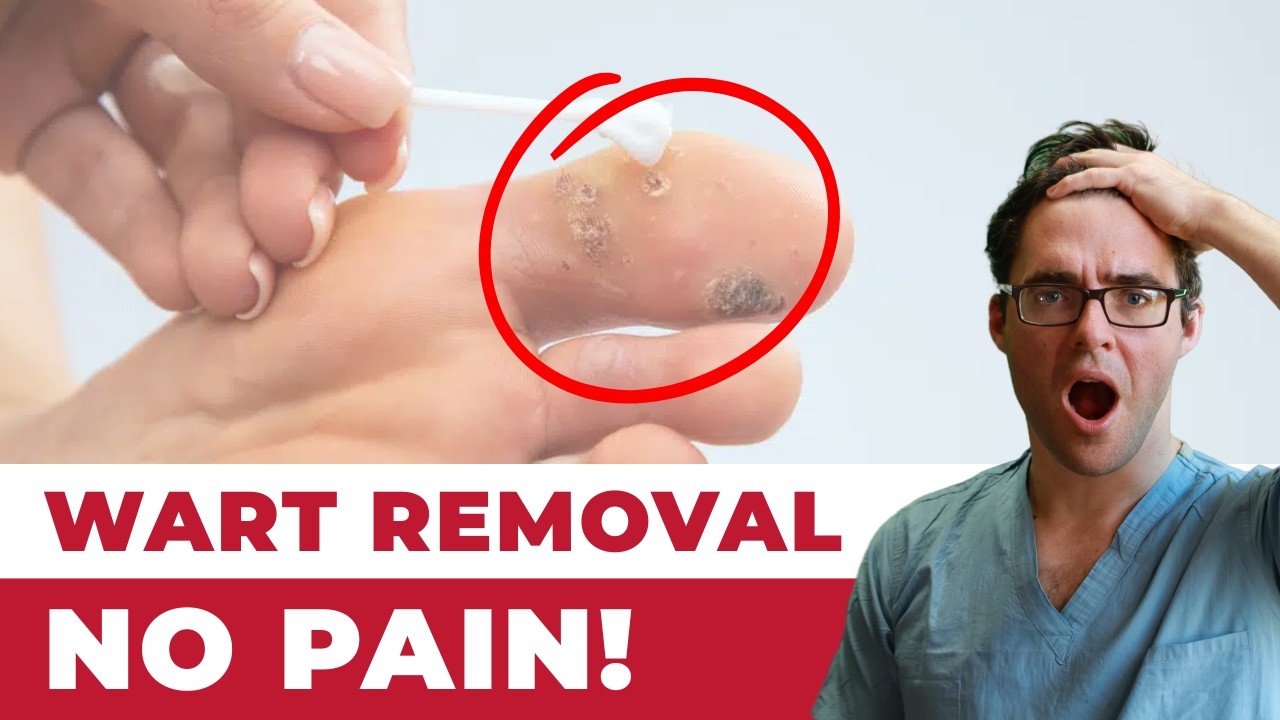
Plantar warts appear as rough, thickened, flat or slightly raised growths on the sole of the foot. The skin surface of the wart disrupts the normal skin lines (dermatoglyphics) — unlike calluses, which follow the skin line patterns. The most characteristic finding is small black or red dots within the wart — these are thrombosed (clotted) capillaries feeding the warty tissue and are visible when the overlying callus layer is pared down.
The pinch test distinguishes plantar warts from calluses: squeezing the wart from its sides (perpendicular to weight bearing) reproduces or worsens pain, while squeezing a callus from directly above does not. Calluses are painful with direct pressure but not with lateral squeeze; warts respond oppositely.
Mosaic warts — clusters of multiple small plantar warts growing together — appear as irregular plaques on the sole and may cover large areas of the foot. They can be more challenging to treat than isolated single warts.
Do Plantar Warts Go Away on Their Own?
Yes — most plantar warts in children and healthy adults will resolve spontaneously over 1 to 2 years as the immune system develops immunity to the specific HPV strain. However, waiting for spontaneous resolution is not always practical. Painful warts that limit normal walking, warts in mechanically sensitive locations (heel, ball of foot), rapidly enlarging warts, mosaic wart clusters, and warts in immunocompromised patients all benefit from active treatment rather than watchful waiting.
Treatment Options for Plantar Warts
Salicylic Acid
Over-the-counter salicylic acid preparations (Compound W, PowerStep Wart Remover) are appropriate first-line treatment for small, uncomplicated plantar warts. The keratolytic acid gradually dissolves the warty tissue layer by layer. The key to success is consistent daily application and soaking for 5 minutes before application to soften the tissue, filing down the dead skin between treatments with an emery board, and continuing treatment for 8 to 12 weeks. Compliance with the regimen determines outcome more than the product used.
Cryotherapy
In-office cryotherapy (liquid nitrogen application) freezes and kills the warty tissue. The freeze-thaw cycle disrupts cellular structure and stimulates an immune response against HPV. Most plantar warts require 2 to 4 treatment sessions spaced 2 to 4 weeks apart. Cryotherapy can be uncomfortable — particularly on the thick-skinned sole — and may produce a blister that requires drainage. Success rates for cryotherapy are approximately 60 to 70 percent for plantar warts.
Candida Antigen Injection
Intralesional Candida antigen injection stimulates a localized immune response at the wart site that often triggers systemic anti-HPV immunity capable of clearing warts throughout the body. Studies show 60 to 90 percent clearance rates including at sites distant from the injection, making it an excellent choice for patients with multiple warts or recurrent warts. The injection is performed in the office under local anesthesia and is typically well tolerated.
Laser Treatment
Pulsed dye laser (PDL) selectively targets the blood vessels feeding the wart, starving the warty tissue of its blood supply. CO2 laser ablation vaporizes the wart tissue directly. Both approaches achieve good success rates for resistant warts that have not responded to other treatments. Laser treatment is performed under local anesthesia with minimal downtime for most patients.
Surgical Curettage and Electrosurgery
Surgical curettage — scraping out the wart under local anesthesia — is highly effective for single, isolated warts. The wart is excised from the surrounding normal skin and the base is cauterized. Success rates are high for a single isolated wart, though scarring is possible and the procedure is not appropriate for large mosaic clusters or warts in high-pressure areas where scarring could be problematic.
Topical Immunotherapy
Topical sensitization agents (squaric acid, diphencyprone) applied periodically to the wart site create a contact allergy response that drives immune system clearance. These agents are effective for recalcitrant warts but require regular office visits for application and management.
Prevention
Consistent use of flip flops or shower shoes in all shared wet environments (pools, locker rooms, gym showers, yoga studios) dramatically reduces HPV exposure. Dry feet thoroughly after swimming or bathing, as HPV transmission is supportd by macerated (waterlogged) skin. Avoid direct contact with someone known to have active warts and do not share towels, socks, or footwear. Treat any warts promptly — early treatment prevents spread and reduces transmission risk.
If you have a painful growth on the sole of your foot or a lesion you suspect may be a plantar wart, contact Balance Foot & Ankle for evaluation and treatment. We serve patients throughout Southeast Michigan with same-week appointments available.
Ready to Relieve Your Foot Pain?
Board-certified podiatrists serving Southeast Michigan. Same-week appointments available.
Plantar Wart Treatment at Balance Foot & Ankle
Plantar warts can be painful and resistant to over-the-counter treatments. Dr. Tom Biernacki at Balance Foot & Ankle provides professional wart removal including cryotherapy, laser treatment, and surgical excision at our Howell and Bloomfield Hills offices.
Learn About Our Wart Treatment Options | Book Your Appointment | Call (810) 206-1402
Clinical References
- Lipke MM. “An armamentarium of wart treatments.” Clinical Medicine & Research. 2006;4(4):273-293.
- Sterling JC, et al. “Guidelines for the management of cutaneous warts.” British Journal of Dermatology. 2001;144(1):4-11.
- Vlahovic TC, Khan MT. “The human papillomavirus and its role in plantar warts.” Clinics in Podiatric Medicine and Surgery. 2016;33(1):55-71.
Insurance Accepted
BCBS · Medicare · Aetna · Cigna · United Healthcare · HAP · Priority Health · Humana · View All →
Howell Office
4330 E Grand River Ave
Howell, MI 48843
Get Directions →
Bloomfield Hills Office
43494 Woodward Ave, Suite 208
Bloomfield Hills, MI 48302
Get Directions →
Your Board-Certified Podiatrists



Ready to Get Back on Your Feet?
Same-week appointments available at both locations.
Book Your AppointmentWatch: Plantar Warts: Causes, Treatment & Removal
Dr. Tom on plantar warts — HPV pathology, OTC salicylic acid protocol, in-office cryo, laser, when to escalate.
Plantar Wart Treatment Kit
Systematic OTC approach before in-office escalation. Dr. Tom’s kit:
As an Amazon Associate, Balance Foot & Ankle earns from qualifying purchases. This supports our free patient education content.
12-week OTC first-line protocol.
Offloads plantar wart pressure pain.
Topical comfort after acid treatment.
Post-cryo in-office swelling relief.
Related: Athlete’s Foot · Fungal Nail Treatment · Book Same-Week Appointment
In-Office Treatment at Balance Foot & Ankle
If home care isn’t resolving your plantar wart, a visit with a board-certified podiatrist is the fastest path to accurate diagnosis and a personalized plan. At Balance Foot & Ankle Specialists, Dr. Tom Biernacki, Dr. Carl Jay, and Dr. Daria Gutkin offer same-day and next-day appointments at both our Howell and Bloomfield Hills offices. We perform on-site diagnostic ultrasound, digital X-ray, conservative care, advanced regenerative treatments, and minimally invasive surgery when indicated.
Call (810) 206-1402 or request an appointment online. Most insurance plans accepted, including Medicare, Blue Cross Blue Shield, Aetna, Cigna, and United Healthcare.
Differential Diagnosis: What Else Could It Be?
Several conditions share symptoms with Plantar Wart and are commonly misdiagnosed in the first office visit. Considering these alternatives is part of every Balance Foot & Ankle exam:
- Corn or callus. Skin lines run continuously through the lesion — wart interrupts them with black dots.
- Porokeratosis. Thin keratotic rim around a central plug, painful with side compression.
- Foreign body granuloma. History of stepping on something — ultrasound or X-ray finds the fragment.
If your symptoms don’t fit the textbook pattern, ask your podiatrist which differentials they ruled out — that conversation often shortcuts months of trial-and-error treatment.
In Our Clinic
Plantar warts in our clinic most often show up in active teenagers and adults who share locker-room showers. They hurt with lateral pinching (unlike calluses, which hurt with direct pressure), and on debridement we see the telltale black dots (thrombosed capillaries). For stubborn warts we use a layered approach: in-office cantharidin or liquid nitrogen, home 40 % salicylic acid nightly, occlusion with duct tape, and occasionally pulsed-dye laser for resistant lesions. Most clear within 3–6 months; the immune system does most of the work. We do NOT aggressively cut or burn — scars on the weight-bearing foot cause more pain than the wart.
Most Common Mistake We See
The most common mistake we see is: Digging at the wart with tools, which spreads HPV to surrounding skin. Fix: apply salicylic acid only to the wart surface, cover with tape, and replace every 2 days for 12 weeks.
Warning Signs That Need Same-Day Care
Seek immediate evaluation at Balance Foot & Ankle if you experience any of the following:
- Rapidly spreading lesions
- Not responding after 3 months of proper OTC treatment
- Diabetes or immunocompromise
- Bleeding or dark streaks (rule out melanoma)
Call (810) 206-1402 — same-day and next-day appointments at our Howell and Bloomfield Hills offices.
More Podiatrist-Recommended Wart Essentials
Breathable Shoe for Foot Recovery
Orthofeet Sprint — deep toe box reduces pressure during wart treatment.
Moisture-Wicking Sock


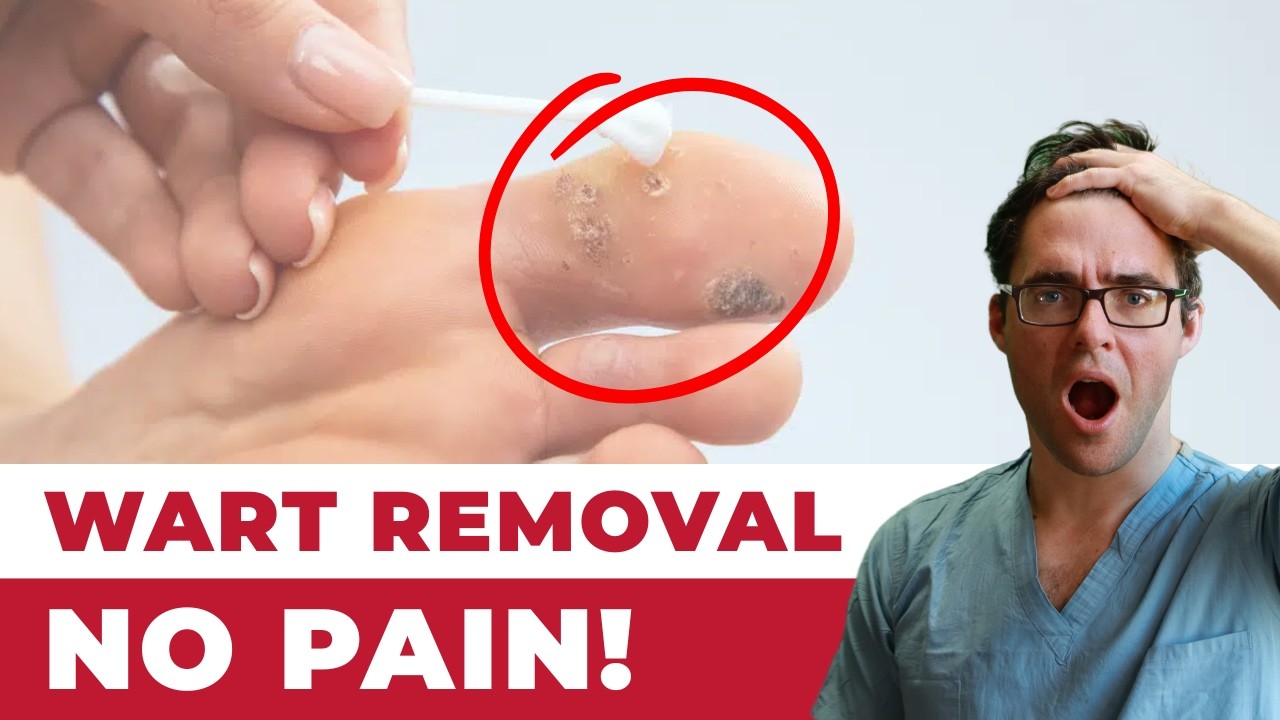
Watch: Plantar Wart Removal — MichiganFootDoctors YouTube
OS1st FS4 — dry environment supports wart treatment recovery.
Indoor Recovery Slide
HOKA Ora 3 — keeps treated area protected at home without occlusive pressure.
As an Amazon Associate, Balance Foot & Ankle earns from qualifying purchases. Product recommendations are based on clinical experience; prices and availability shown above update live from Amazon.
When to See a Podiatrist
Warts that have been frozen 3+ times without clearing usually need stronger treatment — cantharidin, Swift microwave therapy, or in-office excision. Balance Foot & Ankle treats stubborn plantar warts with methods OTC products can’t match. Most stubborn warts clear in 1-3 in-office visits.
Call Balance Foot & Ankle: (810) 206-1402 · Book online · Offices in Howell & Bloomfield Hills
When Shoes Aren’t Enough — Dr. Tom’s Top 9 Orthotics
About 30% of patients I see for foot pain need MORE than a great shoe — they need a structured insole. Below: my complete 2026 orthotic ranking with pros, cons, and the specific patient I’d give each one to.
★ DR. TOM’S COMPLETE 2026 ORTHOTIC RANKING
9 Best Prefab Orthotics by Use Case
PowerStep, Currex, Spenco, Vionic, and Superfeet — every orthotic I’ve fitted to thousands of patients across both Michigan offices. Each card includes pros, cons, and the specific patient I’d give it to. Real Amazon ratings, review counts, and prices below.
Best All-Purpose Orthotic for Most Patients
Semi-rigid arch shell + dual-layer cushion + deep heel cup. The orthotic I’ve fitted to more patients than any other for 15 years. APMA-accepted. Trim-to-fit design works in athletic shoes, casual shoes, and most work boots.

✓ Pros
- Semi-rigid arch shell provides true biomechanical correction
- Deep heel cup centers the heel and reduces lateral instability
- Dual-layer cushion (top + bottom) lasts 9-12 months daily wear
- Available in 8 sizes for precise fit
- APMA-accepted and clinically validated
- Lower price than Superfeet Green for equivalent function
✗ Cons
- Too thick for most dress shoes (use ProTech Slim instead)
- Some break-in period required (3-7 days for arch tolerance)
- Not enough correction for severe pes planus or rigid pes cavus
Dr. Tom’s Recommendation: If a patient has run-of-the-mill plantar fasciitis, mild flat feet, or arch fatigue, this is the first orthotic I try. Better value than Superfeet for 90% of patients, which is why I swapped it into our clinic kits three years ago. Sub-$50 typically.
Maximum Motion Control · Flat Feet & Severe Over-Pronation
PowerStep’s most aggressive stability orthotic. Adds a 2°-7° medial heel post on top of the standard PowerStep platform — designed specifically for flat-footed patients and severe pronators who need real corrective force.

✓ Pros
- 2°-7° medial heel post adds aggressive pronation control
- Same trusted PowerStep arch shell, more correction
- Built specifically for flat-foot biomechanics
- Excellent for posterior tibial tendon dysfunction (PTTD)
- Removable top cover for cleaning
✗ Cons
- Too aggressive for neutral-arch patients
- Needs longer break-in (10-14 days) due to stronger correction
- Adds 2-3 mm of stack height — won’t fit slim dress shoes
Dr. Tom’s Recommendation: When a patient comes in with significant flat feet AND symptoms (heel pain, arch pain, knee pain), the Original PowerStep isn’t aggressive enough. The Maxx is what gets prescribed. About 25% of my flat-footed patients end up here.
Low-Profile · Fits Dress Shoes & Narrow Casuals
3 mm slim profile with podiatrist-designed tri-planar arch technology. Engineered specifically to fit inside dress shoes, oxfords, loafers, and women’s flats without crowding the toe box. Vionic was founded by an Australian podiatrist.
✓ Pros
- 3 mm slim profile (vs 7-10 mm for standard orthotics)
- Tri-planar arch technology adds support without bulk
- Built-in deep heel cup despite slim design
- Fits dress shoes WITHOUT having to remove the factory insole
- Trim-to-fit · APMA-accepted
✗ Cons
- Less arch support than full-volume orthotics
- Top cover wears faster than thicker alternatives
- Not enough correction for severe foot deformities
Dr. Tom’s Recommendation: My default when a patient says ‘I need orthotics but I have to wear dress shoes for work.’ Slim enough to fit in oxfords and pumps without the heel sliding out. The single highest-impact change you can make for office workers with foot pain.
Built-In Metatarsal Pad · Morton’s Neuroma · Ball-of-Foot Pain
Standard Pinnacle orthotic with a built-in metatarsal pad positioned proximal to the metatarsal heads — the exact location that offloads neuromas and metatarsalgia. No need for separate met pads or pad placement guesswork.

✓ Pros
- Built-in met pad eliminates DIY pad placement errors
- Specifically designed for Morton’s neuroma + metatarsalgia
- Same trusted PowerStep arch + heel cup platform
- Top cover protects sensitive forefoot skin
- Faster relief than orthotics + add-on met pads
✗ Cons
- Met pad position is fixed (can’t fine-tune individual placement)
- Some patients with very small or very large feet need custom
- Slightly thicker than the standard Pinnacle
Dr. Tom’s Recommendation: If a patient has Morton’s neuroma, sesamoiditis, or generalized ball-of-foot pain (metatarsalgia), this saves a clinic visit and a prescription. The built-in pad placement is anatomically correct for 80% of feet. Way better than DIY met pads.
Adaptive Dynamic Arch · Athletic & Daily Wear
Currex’s flagship adaptive arch technology — the orthotic flexes with your gait instead of fighting it. Different stiffness zones along the length give you targeted support at the heel, midfoot, and forefoot. Available in three arch heights (low/medium/high).
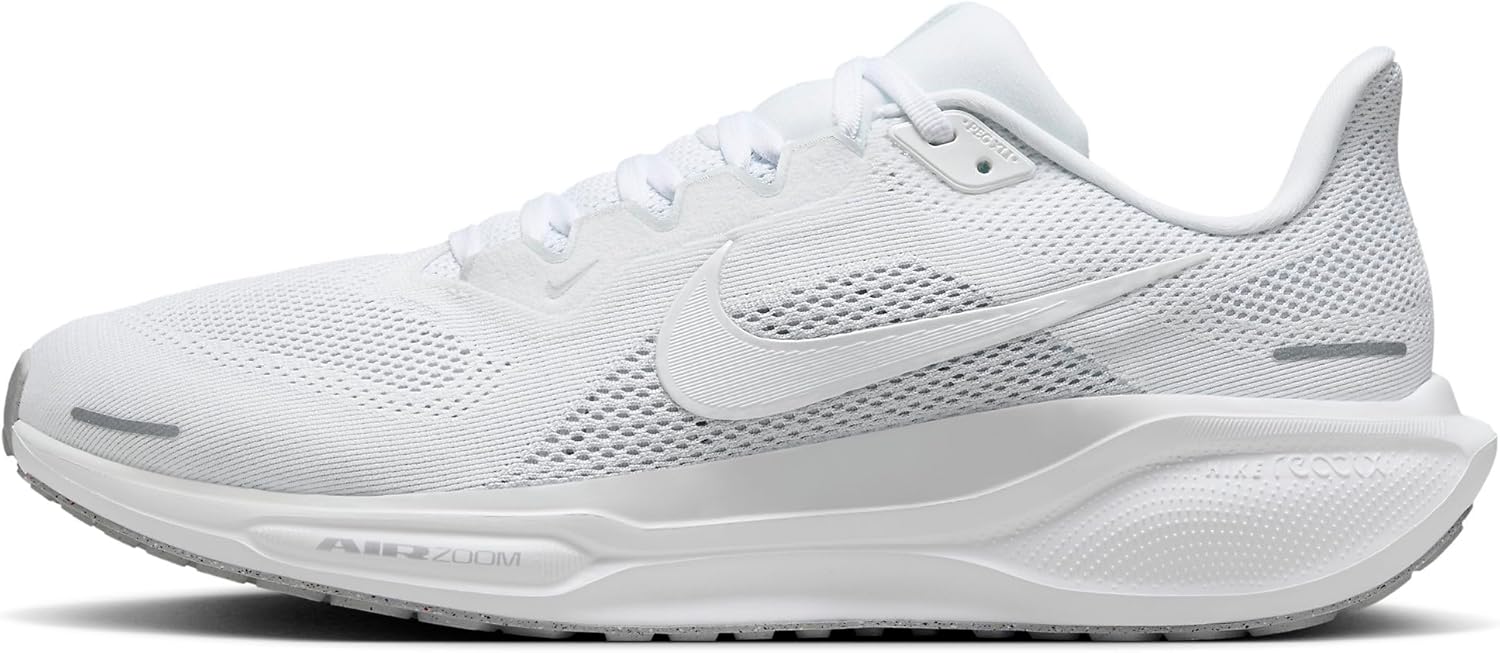
✓ Pros
- Dynamic flex zones adapt to natural gait cycle
- Three arch heights ensure precise fit
- Lighter than rigid orthotics (no ‘heavy foot’ feel)
- Excellent for runners and athletic walkers
- European podiatric design (German engineering)
✗ Cons
- More expensive than PowerStep Original ($55-65 typically)
- Less aggressive correction than Pinnacle Maxx for severe cases
- Three arch heights means you must self-select correctly
Dr. Tom’s Recommendation: I started recommending Currex three years ago for runners who said PowerStep felt ‘too rigid.’ The dynamic flex zones respect natural gait. Best for active patients who walk 8K+ steps daily and don’t need maximum motion control.
Running-Specific · Heel Strike + Forefoot Strike Compatible
Currex’s purpose-built running orthotic. The midfoot flex zone is positioned for runner’s gait mechanics, with a flared heel cushion for heel strikers and a forefoot rocker for midfoot/forefoot strikers. Tested on 1000+ runners during product development.
✓ Pros
- Designed by German biomechanics lab specifically for runners
- Dynamic arch flexes with running gait (not static like PowerStep)
- Three arch heights (low/medium/high)
- Reduces overuse injury risk in mid-distance runners
- Lightweight (no impact on cadence)
✗ Cons
- Premium price ($60-75)
- Not aggressive enough for severe over-pronators (use Pinnacle Maxx)
- Runner-specific design = less ideal for daily walking shoes
Dr. Tom’s Recommendation: If a patient runs 20+ miles per week and has plantar fasciitis or shin splints, this is the orthotic I prescribe. The dynamic flex zones respect running biomechanics in a way that no rigid PowerStep can match. Pricier but worth it for serious runners.
Cavus Foot & High-Arch Patients
Polyurethane base with a deeper heel cup and higher arch profile than PowerStep — built for cavus (high-arched) feet that need maximum cushion and support. The 5-zone cushioning system addresses the unique pressure points of high-arch feet.

✓ Pros
- Deeper heel cup centers the heel for cavus foot stability
- Higher arch profile fills the void under high arches
- 5-zone cushioning addresses cavus foot pressure points
- Polyurethane base lasts 12+ months
- Available in Wide width
✗ Cons
- Too tall/aggressive for normal or low arches
- Won’t fit slim dress shoes
- Pricier than PowerStep Original
- Some patients find the arch height uncomfortable initially
Dr. Tom’s Recommendation: Cavus foot patients are often misdiagnosed and given low-arch orthotics — that makes everything worse. Spenco’s Total Support has the arch profile that high-arch feet actually need. About 15% of my patients have cavus feet; this is what they wear.
Cushion Layer · Standing All Day · Gel Pressure Relief
NOT a true biomechanical orthotic — this is a cushion insole. But for patients who want gel pressure relief instead of arch correction (or to add ON TOP of factory insoles in work boots), this is the best gel option on Amazon.

✓ Pros
- Genuine gel cushioning (not foam pretending to be gel)
- Targeted gel waves under heel and ball of foot
- Trim-to-fit · works in most shoe types
- Sub-$15 price (most affordable option in this list)
- Massaging texture is genuinely soothing
✗ Cons
- ZERO arch support — this is cushion only
- Won’t fix plantar fasciitis or flat-foot issues
- Compresses faster than PowerStep (4-6 months)
- Top cover wears through in high-mileage applications
Dr. Tom’s Recommendation: I recommend these to patients who tell me ‘I just want my feet to stop hurting at the end of my shift’ and who don’t have a biomechanical issue. Construction workers, factory workers, retail. Pure cushion does the job for them.
Tight-Fitting Shoes · Cycling Shoes · Hockey Skates
Superfeet’s slim version of their famous Green insole. The trademark stabilizer cap is preserved but the overall thickness is reduced — works in cycling shoes, hockey skates, ski boots, and other tight-fitting footwear that the standard Superfeet Green can’t fit into.

✓ Pros
- Stabilizer cap centers the heel (Superfeet’s signature feature)
- Slim profile fits tight athletic footwear
- Lasts 12+ months daily wear
- Excellent for cycling shoes specifically
- Built-in odor-control treatment
✗ Cons
- Premium price ($45-55)
- Less cushion than PowerStep equivalents
- Not as aggressive correction as Pinnacle Maxx for flat feet
- The signature ‘heel cup feel’ takes 1-2 weeks to adapt to
Dr. Tom’s Recommendation: If you’re a cyclist with foot numbness, hot spots, or knee pain — this is the orthotic. The stabilizer cap solves cycling-specific biomechanical issues that no other orthotic addresses. Worth the premium for athletes.
None of these solving your foot pain?
Some patients (about 30%) need custom-molded prescription orthotics. We make 3D-scanned custom orthotics in our Howell and Bloomfield Hills offices — specifically built for your foot mechanics.
Schedule a Custom Orthotic Fitting →FSA/HSA eligible · Most insurance accepted · (810) 206-1402
Frequently Asked Questions
How long does treatment take to work?
Most patients see improvement in 4-8 weeks with consistent conservative care. Persistent symptoms after 8 weeks need imaging and escalation.
When is surgery needed?
Surgery is reserved for cases that fail 3-6 months of conservative care, structural deformities, or fractures requiring stabilization.
American Academy of Dermatology: Warts
Is this covered by insurance?
Most diagnostic visits and conservative treatments are covered by Medicare and major insurers. Custom orthotics often require diabetic or post-surgical justification.

Dr. Tom Biernacki, DPM is a board-certified foot & ankle surgeon (ABFAS & ABPM) at Balance Foot & Ankle Specialists in Southeast Michigan. With over a decade of clinical experience, he specializes in heel pain, bunions, diabetic foot care, sports injuries, and minimally invasive surgery. Dr. Biernacki is a member of the APMA and ACFAS, and his patient education content on MichiganFootDoctors.com and YouTube has made him one of the most-followed foot & ankle educators on YouTube.