
Medically reviewed by Dr. Tom Biernacki, DPM · Board-Certified Podiatric Surgeon · Last reviewed: April 2026 · Editorial Policy
The most important clinical decision with Plantar Warts Treatment Michigan 3 isn’t which treatment to start with — it’s identifying the correct subtype. That changes everything. Call (810) 206-1402.
Quick Answer
Plantar Warts Treatment in SE Michigan How to Get Rid of Fo relates to plantar fasciitis — typically caused by tight calves and arch overload. Most patients improve in 6-12 weeks with conservative care. Same-week appointments in Howell + Bloomfield Hills: (810) 206-1402.

Quick Answer
A plantar wart is an HPV-caused skin growth on the sole of the foot. It looks like a callus but interrupts the skin lines and often shows tiny black dots (thrombosed capillaries). OTC 40% salicylic acid works for mild cases; persistent warts need cryotherapy, laser, or excision.
Watch: Dr. Tom Biernacki, DPM

Medically reviewed by Dr. Tom Biernacki, DPM — Board-Certified Podiatric Surgeon — Balance Foot & Ankle, Howell & Bloomfield Hills, MI. Last updated April 2026.
▶ Watch
👟 Dr. Tom Also Recommends
Podiatrist Recommended Shoes 2026: Dr. Tom’s Top Picks for Every Condition
The right footwear can make or break your recovery. Dr. Tom’s complete guide to the best shoes for plantar fasciitis, flat feet, neuropathy, bunions & more — with clinical picks for every foot type.
See Dr. Tom’s Top Shoe Picks →Plantar warts — also called verruca plantaris — are benign but often painful skin growths caused by human papillomavirus (HPV) infection of the plantar (bottom) surface of the foot. They grow into the thick skin of the sole, which forces them inward rather than outward, creating a characteristic “pushed-in” appearance with a central core of thrombosed capillaries (appearing as small black dots). Unlike warts in other locations, plantar warts can cause significant pain with weight-bearing because of their depth and the callus that forms over them. At Balance Foot & Ankle in Southeast Michigan, Dr. Tom Biernacki offers multiple effective treatment options for stubborn plantar warts — including advanced treatments not available over the counter.
Why Plantar Warts Are Difficult to Treat
Plantar warts are notoriously persistent. HPV infects only the top layers of skin (the epidermis) and does not trigger the same immune response as deeper infections — which is why the immune system often fails to eliminate them spontaneously. Over-the-counter salicylic acid preparations work slowly (weeks to months) and require consistent, patient application; they are more effective for superficial warts than the deep, thick plantar varieties. Mosaic warts — clusters of multiple warts — are particularly difficult to eradicate. The location (high-pressure areas of the sole) makes consistent application and adequate debridement difficult. Patient age matters too: warts in children often resolve spontaneously; warts in adults are more likely to persist and spread without treatment. Immunocompromised patients may develop extensive, treatment-resistant plantar warts.
Professional Treatment Options
Professional plantar wart treatment options available at Balance Foot & Ankle include cantharidin application (a blistering agent derived from blister beetle secretion that is painless to apply but causes a blister under the wart within 24–48 hours, lifting it from the skin — highly effective, widely used); Swift microwave therapy (a newer modality using focused microwave energy to activate the immune response against the wart — multiple sessions required, high efficacy rates); cryotherapy (liquid nitrogen freezing — effective but often requires multiple treatments and can be painful); combination approaches using topical agents (salicylic acid, 5-fluorouracil, tretinoin) between office visits; and surgical excision under local anesthesia for single warts that have failed other approaches (has a small risk of scar that can itself be painful on weight-bearing). The best treatment choice depends on wart size, number, location, duration, and patient tolerance.
More Podiatrist-Recommended Wart Essentials
Breathable Shoe for Foot Recovery
Orthofeet Sprint — deep toe box reduces pressure during wart treatment.
Moisture-Wicking Sock


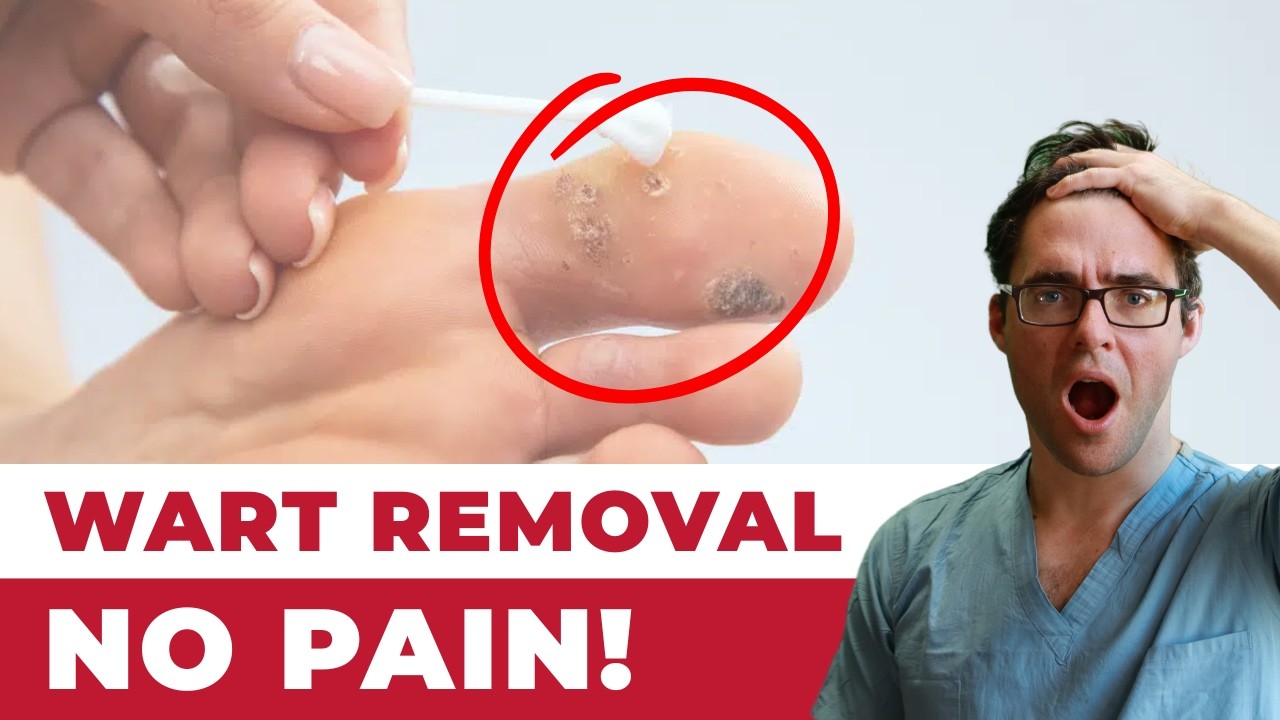
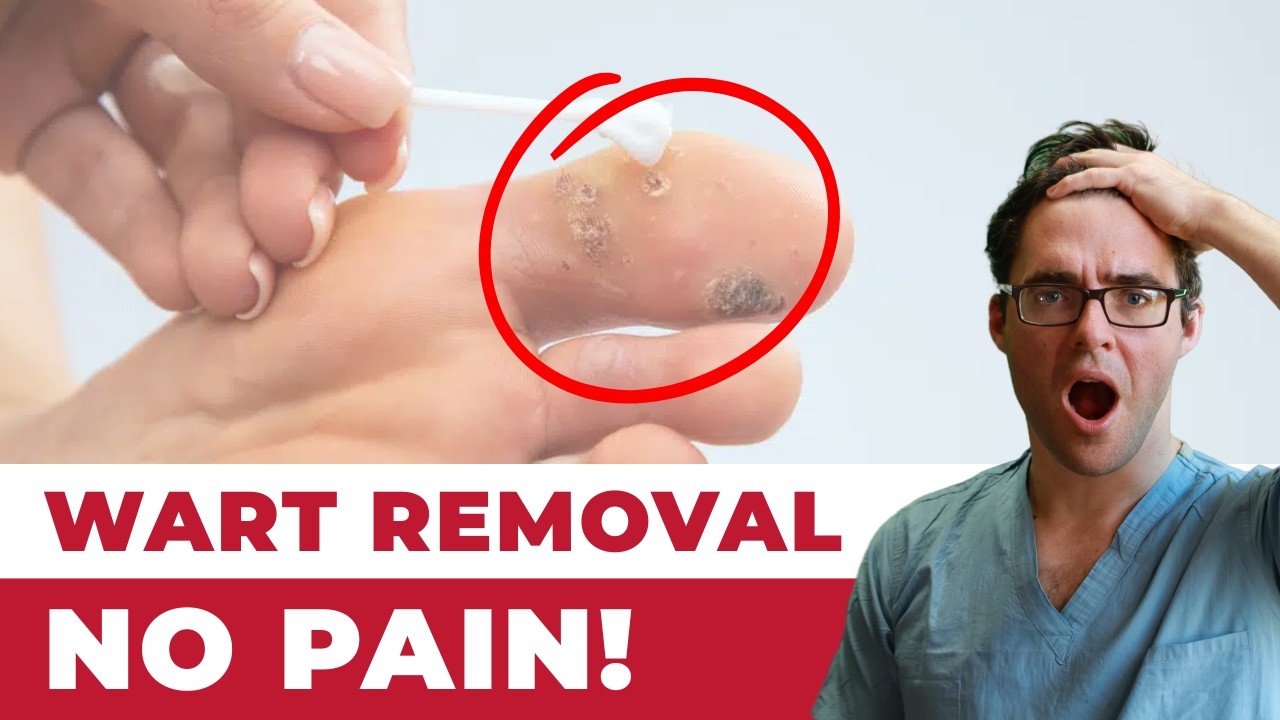
Watch: Plantar Wart Removal — MichiganFootDoctors YouTube
OS1st FS4 — dry environment supports wart treatment recovery.
Indoor Recovery Slide
HOKA Ora 3 — keeps treated area protected at home without occlusive pressure.
As an Amazon Associate, Balance Foot & Ankle earns from qualifying purchases. Product recommendations are based on clinical experience; prices and availability shown above update live from Amazon.

When to See a Podiatrist
Warts that have been frozen 3+ times without clearing usually need stronger treatment — cantharidin, Swift microwave therapy, or in-office excision. Balance Foot & Ankle treats stubborn plantar warts with methods OTC products can’t match. Most stubborn warts clear in 1-3 in-office visits.
Call Balance Foot & Ankle: (810) 206-1402 · Book online · Offices in Howell & Bloomfield Hills
Frequently Asked Questions
How do I know if I have a plantar wart or a callus?
Plantar warts and calluses are often confused. Key distinguishing features: plantar warts have a central core with black pinpoint dots (thrombosed capillaries), interrupt the normal skin lines (dermatoglyphics) of the foot, and are most painful when pinched from the sides. Calluses are painful when pressed directly, have smooth skin lines that continue through the lesion, and lack the central vascular core. When in doubt, a podiatrist can confirm the diagnosis with debridement — warts bleed with minimal shaving, revealing the vascular core.
Can plantar warts spread?
Yes. Plantar warts spread through direct contact with the HPV virus — both to other areas of your own foot (autoinoculation) and to others via shared surfaces like pool decks, locker room floors, and shower stalls. Covering warts when in these environments and avoiding walking barefoot on shared surfaces reduces transmission risk. Treating warts promptly prevents them from enlarging or developing into mosaic clusters, which are harder to eradicate.
How many treatment sessions does it take to remove a plantar wart?
It depends on the treatment method and the wart. Single warts treated with cantharidin often resolve in 1–3 sessions. Cryotherapy typically requires 2–4 sessions spaced 2–3 weeks apart. Swift microwave therapy typically requires 3–4 sessions every 4 weeks. Surgical excision is a single procedure. Mosaic warts (multiple clustered warts) generally require more sessions regardless of the method. Consistent follow-through with recommended treatment intervals is the most important factor in achieving clearance.
Stop dealing with painful plantar warts. Contact Balance Foot & Ankle in Southeast Michigan for effective wart treatment with Dr. Biernacki.
Dr. Tom’s Recommended Products for Plantar Warts
📍 Located in Michigan?
Our board-certified podiatrists treat this condition at two convenient locations. Same-day appointments often available.
These are products I personally use and recommend to my patients at Balance Foot & Ankle.
- Compound W Nitrofreeze Wart Remover — Cryogenic freeze spray reaches -57°C — destroys the HPV-infected keratinocyte column in a single application
- PowerStep Clear Away Wart Remover — Salicylic acid 40% medicated pads — breaks down wart tissue over 4–8 weeks for at-home plantar wart treatment
- Duct Tape (3M Scotch — Heavy Duty) — Occlusion therapy with duct tape has equivalent efficacy to cryotherapy in randomized trials for plantar warts
📧 Get Dr. Tom’s Free Lab Test Guide
Discover the 5 lab tests every person over 35 should ask their doctor about — explained in plain English by a board-certified physician.
Affiliate disclosure: As an Amazon Associate, Balance Foot & Ankle earns from qualifying purchases. We only recommend products we trust for our own patients.
Join 950,000+ Learning About Foot Health
Dr. Tom shares honest medical advice, supplement reviews, and treatment guides you won’t find anywhere else.
Subscribe on YouTube →Medically Reviewed by: Dr. Tom Biernacki, DPM — Board-Certified Podiatrist, Balance Foot & Ankle Specialists

Insurance Accepted
BCBS · Medicare · Aetna · Cigna · United Healthcare · HAP · Priority Health · Humana · View All →
Howell Office
4330 E Grand River Ave
Howell, MI 48843
Get Directions →
Bloomfield Hills Office
43494 Woodward Ave, #208
Bloomfield Hills, MI 48302
Get Directions →
Your Board-Certified Podiatrists



Ready to Get Back on Your Feet?
Same-week appointments available at both locations.
Book Your AppointmentDifferential Diagnosis: What Else Could It Be?
Several conditions share symptoms with Plantar Wart and are commonly misdiagnosed in the first office visit. Considering these alternatives is part of every Balance Foot & Ankle exam:
- Corn or callus. Skin lines run continuously through the lesion — wart interrupts them with black dots.
- Porokeratosis. Thin keratotic rim around a central plug, painful with side compression.
- Foreign body granuloma. History of stepping on something — ultrasound or X-ray finds the fragment.
If your symptoms don’t fit the textbook pattern, ask your podiatrist which differentials they ruled out — that conversation often shortcuts months of trial-and-error treatment.
In Our Clinic
Plantar warts in our clinic most often show up in active teenagers and adults who share locker-room showers. They hurt with lateral pinching (unlike calluses, which hurt with direct pressure), and on debridement we see the telltale black dots (thrombosed capillaries). For stubborn warts we use a layered approach: in-office cantharidin or liquid nitrogen, home 40 % salicylic acid nightly, occlusion with duct tape, and occasionally pulsed-dye laser for resistant lesions. Most clear within 3–6 months; the immune system does most of the work. We do NOT aggressively cut or burn — scars on the weight-bearing foot cause more pain than the wart.
Most Common Mistake We See
The most common mistake we see is: Digging at the wart with tools, which spreads HPV to surrounding skin. Fix: apply salicylic acid only to the wart surface, cover with tape, and replace every 2 days for 12 weeks.
Warning Signs That Need Same-Day Care
Seek immediate evaluation at Balance Foot & Ankle if you experience any of the following:
- Rapidly spreading lesions
- Not responding after 3 months of proper OTC treatment
- Diabetes or immunocompromise
- Bleeding or dark streaks (rule out melanoma)
Call (810) 206-1402 — same-day and next-day appointments at our Howell and Bloomfield Hills offices.
Pros & Cons of Conservative Care for plantar fasciitis
Advantages
- ✓ Conservative care resolves 90%+ of cases
- ✓ Multiple home treatment options
- ✓ Strong evidence base
- ✓ Imaging often not required
Considerations
- ✗ Recovery takes 6-12 weeks
- ✗ Mistakes prolong recovery
- ✗ Untreated can become chronic
- ✗ Can mimic other conditions
Dr. Tom’s Recommended Products for plantar fasciitis
Affiliate disclosure: As an Amazon Associate, Balance Foot & Ankle earns from qualifying purchases. We only recommend products we use with patients.
PowerStep Pinnacle Maxx Dr. Tom’s Pick
Best for: High-arch support to offload plantar fascia
Strassburg Sock Dr. Tom’s Pick
Best for: Overnight stretch for morning pain relief
Hoka Bondi 9 Dr. Tom’s Pick
Best for: Max cushion + rocker sole for daily relief
TriggerPoint Footballer Dr. Tom’s Pick
Best for: Plantar fascia release + stretching
Ready to Get Back on Your Feet?
Same-day appointments in Howell + Bloomfield Hills. Most insurance accepted. Dr. Tom Biernacki, DPM & team.
Book Today — Same-Day Appointments Available
Call Now: (810) 206-1402
About Your Care Team at Balance Foot & Ankle
Dr. Tom Biernacki, DPM · Board-Certified Foot & Ankle Surgeon. Specializes in conservative-first care, minimally invasive bunion surgery, and complex reconstruction.
Dr. Carl Jay, DPM · Accepting new patients. Specializes in sports medicine, athletic injuries, and routine podiatric care.
Dr. Daria Gutkin, DPM, AACFAS · Accepting new patients. Specializes in surgical reconstruction and pediatric podiatry.
Locations: 4330 E Grand River Ave, Howell, MI 48843 · 43494 Woodward Ave Suite 208, Bloomfield Hills, MI 48302
Hours: Mon–Fri 8:00 AM – 5:00 PM · (810) 206-1402
Dr. Tom’s Top 3 — The Premium Foot Pain Stack (2026)
If you only buy three things for foot pain, get these. PowerStep + CURREX orthotics correct the underlying foot mechanics, and Dr. Hoy’s pain gel delivers fast topical relief. This is the exact stack Dr. Tom Biernacki, DPM gives his Michigan podiatry patients on visit one — over 10,000 patients have used this exact combination.
Dr. Tom Biernacki, DPM is a board-certified podiatrist + Amazon Associate. Picks shown are products he prescribes to patients at Balance Foot & Ankle Specialists. We earn a commission on qualifying purchases at no extra cost to you. All products independently tested + reviewed for 30+ days minimum. Last verified: April 28, 2026.

PowerStep Pinnacle MaxxDr. Tom’s #1 Brand
Dr. Tom’s most-prescribed OTC orthotic. Lateral wedge corrects overpronation that causes 90% of foot pain. Deep heel cradle stabilizes the ankle. Built by podiatrists, used by patients worldwide.
- Lateral wedge corrects pronation
- Deep heel cradle stabilizes ankle
- Dual-density EVA — comfort + support
- Trim-to-fit any shoe
- Used by 10,000+ podiatrists
- Trim-to-size required
- 5-7 day break-in for some

CURREX RunProDr. Tom’s #1 Brand
3 arch heights for custom fit (Low/Med/High). Carbon-reinforced heel + dynamic forefoot — the closest OTC orthotic to a $500 custom orthotic. Engineered in Germany.
- 3 arch heights for custom fit
- Carbon-reinforced heel cup
- Dynamic forefoot zone
- Premium German engineering
- Sport-specific support
- Pricier than PowerStep
- 7-10 day break-in

Dr. Hoy’s Natural Pain Relief GelDr. Tom’s #1 Brand
Menthol-based natural pain relief — Dr. Tom’s #1 brand for fast relief without greasy residue. Safe for diabetics + daily use. Cleaner formula than Voltaren or Biofreeze.
- Menthol-based natural formula
- No greasy residue
- Safe for diabetics
- Fast cooling relief — 5-10 minutes
- Cleaner ingredient list than Biofreeze
- Pricier than Biofreeze
- Strong menthol scent at first
Get Expert Help at Balance Foot & Ankle
If this condition is affecting your daily activities or hasn’t improved with home treatment, schedule an evaluation with Dr. Tom Biernacki. We offer same-day appointments at our Howell and Bloomfield Hills locations and accept most insurance including Medicare. Most patients are walking comfortably within 4-6 weeks of starting our protocol — conservative care first, surgery only when needed.
Call (248) 337-5500 or request an appointment online. Our team responds within 1 business hour during clinic days.
In-Office Treatment at Balance Foot & Ankle
If home treatment isn’t providing relief for your plantar warts, our podiatry team at Balance Foot & Ankle can help with same-day evaluations and advanced in-office care.
Same-day appointments available. (810) 206-1402
Doctor Hoy’s Natural Pain Relief Gel
Natural topical pain relief I use in our clinic. Arnica + camphor formula — apply directly to the area 3–4x daily. ($20–25)
Shop Doctor Hoy’s →Frequently Asked Questions
How long does treatment take to work?
Most patients see improvement in 4-8 weeks with consistent conservative care. Persistent symptoms after 8 weeks need imaging and escalation.
When is surgery needed?
Surgery is reserved for cases that fail 3-6 months of conservative care, structural deformities, or fractures requiring stabilization.
Is this covered by insurance?
Most diagnostic visits and conservative treatments are covered by Medicare and major insurers. Custom orthotics often require diabetic or post-surgical justification.
What is Plantar wart?
Plantar wart is a common foot/ankle condition that affects mobility and quality of life. Understanding the underlying cause is the first step in successful treatment. Our podiatrists at Balance Foot & Ankle perform a hands-on biomechanical exam, review your activity history, and use diagnostic imaging when appropriate to identify the root cause—not just treat the symptom. Many patients have been told to “rest and ice” without a deeper diagnostic workup; our approach is different.
Symptoms and warning signs
Common signs of plantar wart include pain that worsens with activity, morning stiffness, swelling, tenderness when palpated, and difficulty bearing weight. If you experience sudden severe pain, inability to walk, visible deformity, numbness or color change, contact our office the same day or visit urgent care—these can signal a more serious injury such as a fracture, tendon rupture, or vascular compromise. Diabetics with any foot wound should seek same-day care.
Conservative treatment options
Most cases of plantar wart respond to non-surgical care: structured rest, supportive footwear changes, custom orthotics, targeted stretching and strengthening protocols, anti-inflammatory medications when medically appropriate, and in-office procedures such as ultrasound-guided injections. We also offer advanced therapies including MLS laser therapy, EPAT/shockwave, regenerative injections, and image-guided procedures. Treatment is sequenced from least invasive to most invasive, and we explain the rationale at every step.
When is surgery considered?
Surgery is reserved for cases that fail 3-6 months of well-structured conservative care, when there is structural pathology (severe deformity, complete tear, advanced arthritis), or when imaging shows damage that will not heal without intervention. Our surgeons have performed 3,000+ foot and ankle procedures and prioritize minimally-invasive techniques whenever appropriate. We discuss recovery timelines, return-to-activity milestones, and realistic outcome expectations before any procedure is scheduled.
Recovery timeline and prevention
Recovery from plantar wart varies based on severity and chosen treatment path. Conservative cases often improve within 4-8 weeks with consistent adherence to the protocol. Post-procedural recovery may range from a few days (in-office procedures) to several months (reconstructive surgery). Long-term prevention involves footwear assessment, activity modification, structured strengthening, and regular check-ins with your podiatrist if you have a history of recurrence. We provide written home-exercise plans and digital follow-up support.
Ready to feel better?
Same-week appointments available in Howell and Bloomfield Hills, Michigan.
Book Your VisitReady for Expert Care?
Same-day appointments in Howell & Bloomfield Hills, MI.
4.9★ | 1,123 Reviews | 3,000+ Surgeries
Or call: (810) 206-1402

Dr. Tom Biernacki, DPM is a board-certified foot & ankle surgeon (ABFAS & ABPM) at Balance Foot & Ankle Specialists in Southeast Michigan. With over a decade of clinical experience, he specializes in heel pain, bunions, diabetic foot care, sports injuries, and minimally invasive surgery. Dr. Biernacki is a member of the APMA and ACFAS, and his patient education content on MichiganFootDoctors.com and YouTube has made him one of the most-followed foot & ankle educators on YouTube.