

This page covers the clinical evaluation, evidence-based treatment options, and recovery timeline for second toe pain: 5 causes & treatment at Balance Foot & Ankle in Michigan. To book at our Howell or Bloomfield Township offices, call (810) 206-1402.
| Condition | Pain Location | Key Finding | Stage / Grade | Treatment |
|---|---|---|---|---|
| 2nd MTP Capsulitis (Early) | Plantar 2nd MTP head | Swelling, plantar tenderness; toe in neutral alignment | Grade 1–2 (plantar plate attenuated) | Metatarsal pad, taping, stiff-sole shoe, cortisone injection |
| Crossover Toe (Moderate) | Plantar + dorsal 2nd MTP | Toe drifts medial; positive Lachman test (vertical stress) | Grade 3 (plantar plate partial tear) | Taping, splint, custom orthotic; surgical consult if progressing |
| Crossover Toe (Severe / Rupture) | Plantar 2nd MTP; toe crosses hallux | Complete medial drift; unstable joint; floating toe | Grade 4 (complete plantar plate rupture) | Plantar plate repair + Weil osteotomy ± tendon transfer |
| Hammertoe (2nd Digit) | Dorsal PIP joint (corn) | Fixed or flexible PIP flexion contracture; corn on dorsum | Flexible vs. rigid | Padding; flexor tenotomy (flexible); PIP arthroplasty / fusion (rigid) |
| 2nd Metatarsal Stress Fracture | Dorsal 2nd metatarsal shaft | Point tenderness on metatarsal shaft; diffuse swelling | Acute vs. chronic (nonunion risk) | Stiff-sole shoe or boot 4–6 weeks; NWB if displacement |
| Morton’s Neuroma (2nd–3rd Space) | Between 2nd and 3rd toes | Mulder’s click; electric shock radiation into toes | Interdigital neuroma | Wide shoe, metatarsal pad, injection; neurectomy if refractory |
| Crossover Toe — Surgical Options | Procedure | Indication | Recovery |
|---|---|---|---|
| Weil Osteotomy | Shortens and elevates 2nd metatarsal head; decompresses joint | All grades with MTP joint involved | Post-op shoe 4–6 weeks; full activity 8–12 weeks |
| Plantar Plate Repair | Suture repair of torn plantar plate via plantar or dorsal approach | Grade 2–4 plantar plate tear | NWB 2 weeks; post-op shoe 4–6 weeks; full at 3–4 months |
| Flexor-to-Extensor Tendon Transfer | FDL tendon rerouted dorsally to correct MTP extension deformity | Grade 3–4 with dorsal subluxation | Post-op shoe 4–6 weeks |
| PIP Joint Arthroplasty / Fusion | Correction of hammertoe component at PIP joint (combined with above) | Fixed hammertoe + crossover | Post-op shoe 4–6 weeks; K-wire removed at 4 weeks |
Second-toe pain is most often plantar plate tear, capsulitis, Morton’s neuroma, or stress fracture — and how the pain behaves with weight-bearing narrows it down within minutes.
You’re in the right place. Dr. Tom Biernacki, DPM, FACFAS — board-certified foot & ankle surgeon with 3,000+ surgeries — explains exactly what second toe pain means and what works. Call (810) 206-1402 to book at Howell or Bloomfield Township.
![Is Bunion Surgery Worth It? [Big Toe Joint Arthritis]](https://www.michiganfootdoctors.com/wp-content/cache/flying-press/4d8e920078e90c668ed71e7676d6aac3.jpg)
Watch: Is Bunion Surgery Worth It? [Big Toe Joint Arthritis] — MichiganFootDoctors YouTube
Pain specifically in the second toe — or at its base where it meets the ball of the foot — is one of the most frequently underdiagnosed forefoot problems we see. Patients arrive having been told they have “a touch of Morton’s neuroma” or “mild metatarsalgia” when the actual diagnosis is a plantar plate tear that, if left untreated, will cause the second toe to cross over the first and become a permanent deformity requiring reconstructive surgery.
The second toe is anatomically disadvantaged — it frequently has the longest metatarsal (especially in Morton’s foot type), bears the second-highest plantar pressures after the first ray, and has a plantar plate that is relatively thin compared to the first MTP. All of this makes precise diagnosis here more important than almost anywhere else in the foot.
Why the Second Toe Is Vulnerable
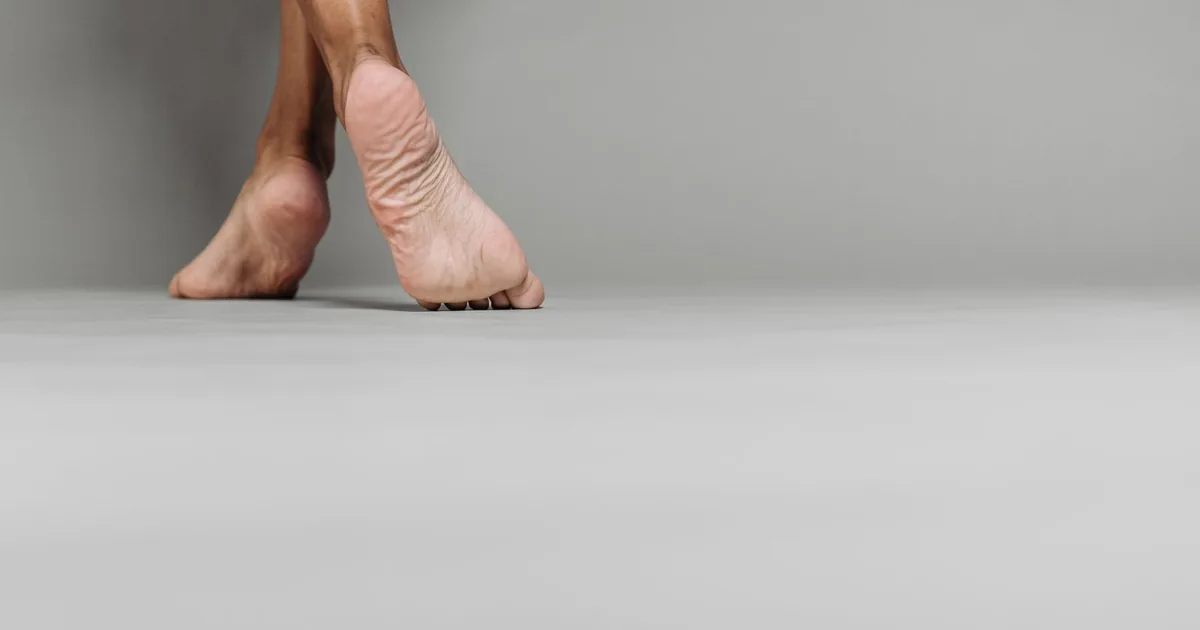
The second metatarsophalangeal (MTP) joint is the most commonly affected by plantar plate and capsular pathology in the forefoot, for several structural reasons. First, in a significant percentage of people (Morton’s foot), the second metatarsal is longer than the first — concentrating disproportionate loading on the second MTP during push-off. Second, the second MTP joint lacks the lateral stabilization of its neighboring joints, relying heavily on the plantar plate for inferior stability. Third, the second toe sits in the primary pressure zone of most shoe toe boxes, meaning tight footwear creates focal compression that first and last toes in the corners often escape.
Plantar Plate Tear
The plantar plate is a 2–5mm thick fibrocartilaginous ligament that runs from the metatarsal neck to the proximal phalanx on the plantar (bottom) surface of each MTP joint. It is the primary restraint against dorsal subluxation (the toe being pushed upward) at the MTP joint. Repetitive hyperextension at push-off — especially in runners, hikers, and people wearing heeled shoes — creates micro-tears in this structure.
Symptoms: pain directly under the second MTP joint (at the ball of the foot, level with the base of the second toe), swelling of the MTP joint visible on the dorsal surface, and the classic early clinical sign of the toe beginning to drift away from the third toe (the “V-sign”). The Lachman test — gripping the proximal phalanx and applying a dorsal shearing force — produces pain and abnormal mobility when the plantar plate is torn.
Treatment: the earlier the better. A metatarsal pad placed proximal to the metatarsal heads offloads the plantar plate. Buddy taping the second toe to the third prevents the drift that leads to crossover deformity. A stiff-soled shoe or short walking boot reduces hyperextension at push-off. Untreated partial tears progress to complete rupture and crossover toe — a deformity that requires plantar plate primary repair surgery to correct.
Second MTP Capsulitis
MTP capsulitis is inflammation of the joint capsule itself rather than a structural tear of the plantar plate. The symptoms overlap significantly with early plantar plate injury — diffuse pain and swelling at the base of the second toe, worsened by barefoot walking on hard surfaces, better with rest. Capsulitis typically has a more diffuse, aching quality compared to the sharper pain of a significant plantar plate tear.
Capsulitis frequently coexists with early plantar plate degeneration — the two conditions exist on the same pathological spectrum. Treatment is essentially identical in the early stages: metatarsal pad, activity modification, NSAIDs, and sometimes a corticosteroid injection into the MTP joint under ultrasound guidance for acute relief. The critical point: a steroid injection into an MTP joint with a significant plantar plate tear can accelerate rupture. This is why ultrasound assessment before injection is standard of care in our clinic.
Morton’s Neuroma (2nd–3rd Web Space)
While most textbooks place Morton’s neuroma classically in the 3rd–4th web space, 20–30% of neuromas occur in the 2nd–3rd interspace — producing burning, electric, or “marble under the foot” pain that radiates into the second and third toes. Second-web-space neuroma is frequently confused with second MTP capsulitis because both cause pain in approximately the same location from the plantar surface.
Distinguishing features: neuroma pain is neurological in character (burning, electric, radiating into toes), is provoked by the Mulder’s click sign (lateral forefoot compression while pressing dorsally into the web space), and is reproduced by direct palpation in the 2nd–3rd web space rather than directly under the MTP joint. Ultrasound confirms a hypoechoic mass in the web space.
Second Metatarsal Stress Fracture
The second metatarsal is the most common site for metatarsal stress fractures — a combination of its central position, its relatively rigid articulation at the Lisfranc joint complex, and the disproportionate loading in Morton’s foot type. Pain is sharply focal over the metatarsal shaft, clearly worse with the single-leg hop test, and present even at walking speeds. Unlike the other second toe pain conditions, stress fracture pain may persist at rest and is often worse at night.
X-rays are negative for the first 2–3 weeks (the periosteal reaction that makes fractures visible on X-ray takes time to develop). MRI detects the stress reaction from day one — bone marrow edema appears immediately. A walking boot for 4–6 weeks, with complete cessation of running, is the standard of care. Return to running before radiographic healing confirmation risks complete fracture displacement.
Crossover Toe Deformity
Crossover toe is the end-stage result of untreated plantar plate rupture — the second toe drifts medially and dorsally over the first toe as the plantar plate loses its ability to hold the MTP joint in neutral position. Once the deformity is established and the soft tissue contracture has formed, conservative treatment cannot reduce the toe. Surgical plantar plate repair combined with metatarsal osteotomy and/or flexor-to-extensor tendon transfer is required. The deformity is entirely preventable with early diagnosis and treatment of the plantar plate tear.
| Condition | Pain Location | Distinguishing Sign | Imaging |
|---|---|---|---|
| Plantar plate tear | Directly under 2nd MTP, plantar | Lachman test positive; V-sign toe drift | Ultrasound / MRI arthrogram |
| MTP capsulitis | Diffuse 2nd MTP joint, plantar + dorsal | Diffuse tenderness; no Lachman instability | Ultrasound (capsular thickening) |
| Morton’s neuroma (2nd–3rd space) | Between 2nd and 3rd metatarsal heads | Mulder’s click; burning radiation into toes | Ultrasound (hypoechoic mass) |
| Metatarsal stress fracture | Shaft of 2nd metatarsal | Hop test positive; focal bone tenderness | MRI (early), X-ray (late) |
Treatment Options
Conservative treatment for second toe pain prioritizes offloading the affected structure while the diagnosis is confirmed. A metatarsal pad placed just proximal to the metatarsal heads reduces forefoot plantar pressure by 25–40% and is the single most universally applicable early intervention across all forefoot diagnoses. Buddy taping the second toe to the third (for plantar plate injury) prevents progressive drift while healing occurs.
Sale

PowerStep Pinnacle High Arch Orthotic Insoles, Plantar Fasciitis Relief, Supination Heel Pain, Arch Support, PowerStep Insoles for Women and Men, Made in USA (Men’s 10-10.5, Women’s 12)
- High Arch Support: PowerStep supination insoles deliver firm, flexible high arch support plus a deep heel cradle for comfort, stability & motion control, helping align feet, reduce pain, and protect against ball & heel pressure.
- All Day Comfort & Support: PowerStep Pinnacle High shoe inserts for women and men use premium dual layer cushioning to deliver heel to toe comfort and responsive bounce back with every step, without going flat.
- Relieves & Helps Prevent Pain: PowerStep Pinnacle High insoles for supination can help alleviate common foot conditions often linked to supination, including plantar fasciitis, Achilles tendonitis, fat pad atrophy, and Morton’s neuroma.
- No Trimming: PowerStep insoles move easily from shoe to shoe. Inserts are sized by shoe size for footwear with removable factory insoles. Designed for walking, running, work & casual dress shoes; pairs well with best walking shoes for women and men.
- Made in the USA: We stand behind our PowerStep Insoles for women and men. Proudly made in the USA & backed by a 30-day money-back guarantee. HSA & FSA Eligible
Dr. Tom’s Recommended Products for Second Toe Pain
PowerStep Pinnacle Insoles — Our first-choice OTC insole for second MTP pain in non-runners. The metatarsal rise (built-in) and firm arch support redistribute forefoot loading away from the second MTP joint. Not ideal for: acute stress fracture requiring rigid boot offloading; very narrow dress shoes without adequate depth.
Doctor Hoy’s Natural Pain Relief Gel — Topical arnica + camphor for the localized inflammation at the second MTP joint. Apply directly over the base of the second toe 2–3x daily. Not ideal for: open wound, broken skin, or arnica allergy.
Stiff-soled footwear (rocker sole or a rigid carbon fiber insole) reduces MTP dorsiflexion at push-off, the primary mechanical driver of plantar plate and capsular stress. For confirmed plantar plate tear, a short walking boot for 4–6 weeks allows the partial tear to consolidate before progressive loading resumes. Ultrasound-guided corticosteroid injection into the MTP joint provides acute capsulitis relief — but must be performed with caution when plantar plate integrity is uncertain.
Red Flags
⚠ Red Flags Requiring Prompt Evaluation
- Second toe visibly drifting toward or crossing the first toe — plantar plate rupture with crossover deformity developing; surgical window closing
- Focal bone tenderness with positive hop test — stress fracture; stop running and get MRI
- Swelling, warmth, and redness isolated to one joint — gout, septic joint, or reactive arthritis; may require aspiration
- Numbness and burning radiation into multiple toes — Morton’s neuroma or tarsal tunnel; nerve evaluation needed
- No improvement after 4–6 weeks of conservative care — diagnostic ultrasound to differentiate plantar plate tear from capsulitis before injection decisions
Most Common Mistake with Second Toe Pain
The most common and consequential mistake we see in our clinic is a plantar plate tear being diagnosed as “capsulitis” or “metatarsalgia” and treated with a cortisone injection into the MTP joint. A steroid injection reduces the acute inflammatory pain dramatically — but in a joint where the plantar plate has a structural tear, it also accelerates the degradation of the remaining plantar plate tissue, hastening the progression to complete rupture and crossover toe deformity.
The fix: any second MTP joint pain that includes a positive Lachman test, toe drift, or dorsal MTP swelling should be assessed with musculoskeletal ultrasound before any injection is administered. Ultrasound distinctly shows plantar plate integrity. If the plate is torn, the treatment is mechanical offloading and buddy taping — not injection. Catching a Grade 1 or 2 plantar plate tear conservatively prevents a surgery that requires 6–12 weeks in a boot and months of rehabilitation.
We offer in-office diagnostic ultrasound and Lachman testing to distinguish plantar plate tears from capsulitis before any injection decisions. Early plantar plate diagnosis is the single most important thing we can do to prevent crossover toe deformity and surgery.
Call: (810) 206-1402 · Book Online
Frequently Asked Questions
What causes pain at the base of the second toe?
Pain at the base of the second toe most commonly results from plantar plate tear, MTP capsulitis, Morton’s neuroma (2nd–3rd web space), or a second metatarsal stress fracture. The character and precise location of pain distinguish them: plantar plate and capsulitis pain is directly under the MTP joint; neuroma pain is between the metatarsal heads with radiation into the toes; stress fracture pain is over the bone shaft. Ultrasound and MRI provide definitive diagnosis.
Can a plantar plate tear heal on its own?
Partial (Grade 1–2) plantar plate tears can heal conservatively with proper immobilization (walking boot 4–6 weeks), metatarsal pad offloading, and buddy taping to prevent drift. Complete rupture (Grade 3–4) or tears with established toe deformity do not heal conservatively and require surgical plantar plate repair. Early diagnosis is critical — the treatment approach and outcome are very different at Grade 1 versus Grade 3.
How do I know if I have a plantar plate tear or Morton’s neuroma?
The most reliable distinction: plantar plate pain is directly under the MTP joint (bottom of the ball of the foot at the specific toe) and is reproduced by the Lachman drawer test. Morton’s neuroma pain is in the web space between two metatarsal heads, neurological in character (burning, electric, radiating into two adjacent toes), and reproduced by the Mulder’s click sign. Ultrasound confirms both diagnoses definitively in an outpatient setting.
When should I see a podiatrist for second toe pain?
See a podiatrist if second toe pain has been present for more than 2 weeks, if the toe is visibly drifting toward the first toe, if pain is present at rest or at night, or if you have a swollen, warm MTP joint. The plantar plate tear window for conservative treatment is short — once crossover deformity develops, surgery is the only correction. An ultrasound examination in our clinic takes 15 minutes and directly determines your treatment path.
Sources
- Nery C, et al. Plantar plate tears: results of repair using a modified flexor digitorum longus tendon transfer. Foot Ankle Int. 2012;33(7):542–549.
- Deland JT, Sung IH. The medial crossover toe: a cadaveric dissection. Foot Ankle Int. 2000;21(5):375–378.
- Klein EE, et al. Clinical examination of plantar plate abnormality: a diagnostic perspective. Foot Ankle Int. 2013;34(6):800–804.
- Pastides PS, et al. Morton’s neuroma: a clinical versus radiological diagnosis. Foot Ankle Surg. 2012;18(4):260–264.
- Jain S, Mannan K. The diagnosis and management of Morton’s neuroma. Foot Ankle Surg. 2013;19(1):3–8.
Second Toe Pain? Get the Right Diagnosis Before It’s Too Late.
A missed plantar plate tear becomes crossover toe — a deformity that requires surgery. Dr. Tom Biernacki offers in-office ultrasound evaluation and same-day diagnosis at Balance Foot & Ankle in Howell and Bloomfield Township.
4.9★ across 1,200+ patient reviews
Book Your Evaluation
(810) 206-1402
Howell: 4330 E Grand River Ave · Bloomfield Township: 43494 Woodward Ave #208
Ready to feel better?
Appointments available in Howell and Bloomfield Township, Michigan.
Dr. Tom’s First-Line Pain Relief Kit
The topical I use in our clinic and send patients home with. Arnica + menthol + magnesium — natural, FSA-eligible, no greasy residue. Apply directly 3–4x daily to the painful area.
Proper arch support is the #1 mechanical fix for most foot pain. The OTC insole I recommend most — semi-rigid heel cradle, firm arch. Sub-$50 vs $400+ custom orthotics.
For swelling, cramping, and post-activity pain. Truly graduated compression. Diabetic-friendly knit, no constricting top band. 15-20 or 20-30 mmHg.
As an Amazon Associate and Foundation Wellness affiliate I earn from qualifying purchases at no extra cost to you.
Our podiatrists treat the underlying cause, not just the symptom. Appointments at our Howell and Bloomfield Township, Michigan offices.
Get Expert Care at Balance Foot & Ankle
Appointments at our Howell and Bloomfield Township offices. Board-certified podiatric surgeons. Most insurance accepted.
Appointments in Howell & Bloomfield Township
Three board-certified podiatric surgeons. 1,200+ five-star reviews. Most insurance accepted.

Dr. Tom Biernacki, DPM is a board-certified foot & ankle surgeon (ABFAS & ABPM) at Balance Foot & Ankle Specialists in Southeast Michigan. With over a decade of clinical experience, he specializes in heel pain, bunions, diabetic foot care, sports injuries, and minimally invasive surgery. Dr. Biernacki is a member of the APMA and ACFAS, and his patient education content on MichiganFootDoctors.com and YouTube has made him one of the most-followed foot & ankle educators on YouTube.