Medically reviewed by Dr. Tom Biernacki, DPM | Board-certified podiatrist | 3,000+ surgeries performed
Last updated: April 2, 2026
Quick Answer
Skateboarding generates high-impact forces through jumping, landing, and bailing that cause ankle sprains, heel bruises, metatarsal fractures, and tendon injuries. Dr. Tom Biernacki at Balance Foot & Ankle treats skateboard-related foot injuries for Michigan skaters of all ages, from park riders to street skaters.
How Skateboarding Stresses Your Feet
Skateboarding subjects the feet to forces fundamentally different from most sports. Landing tricks generates impact forces 3-5 times body weight concentrated through the heel and forefoot, while the flat-soled shoes preferred by skaters provide minimal shock absorption. The lead foot (typically left for regular stance) absorbs the majority of landing impact, while the back foot controls the board through flicking and popping movements.
The ollie—skateboarding’s fundamental trick—requires the back foot to slam the tail against the ground while the front foot slides forward along the grip tape. This combination of explosive plantarflexion impact and repetitive grip tape friction creates a unique injury environment. Street skating adds the variables of stairs, ledges, and gaps that multiply impact forces during failed trick attempts.
A 2024 epidemiological study in the British Journal of Sports Medicine found that foot and ankle injuries account for 37% of all skateboarding injuries requiring medical attention, with ankle sprains (45%), heel contusions (18%), and metatarsal fractures (12%) being the most common diagnoses among treated skaters.
Ankle Sprains: Skateboarding’s Most Common Injury
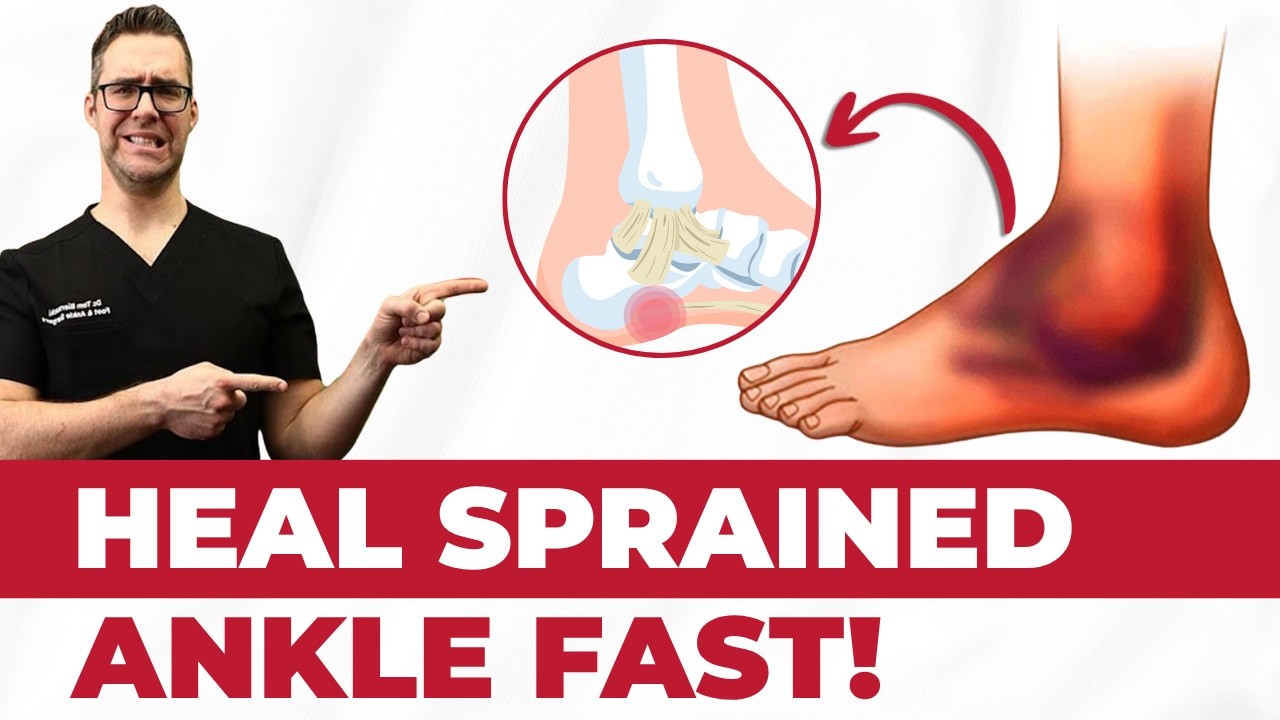
Lateral ankle sprains dominate skateboarding injury statistics, occurring when the skater lands with the foot in an inverted position after losing the board or landing off-axis. The height of aerial tricks amplifies the inversion force, making skateboard ankle sprains often more severe than those in traditional court sports.
Chronic ankle instability develops in skaters who return to skating before their initial sprain has fully healed, creating a cycle of re-injury that progressively weakens the lateral ligaments. A 2025 study found that 62% of skaters with one ankle sprain experienced at least one recurrence within 12 months, compared to 30% in the general athletic population.
Dr. Biernacki treats acute skateboard ankle sprains with early mobilization and progressive rehabilitation rather than prolonged immobilization, as skateboarding requires exceptional proprioception and ankle agility. For chronic instability that fails rehabilitation, Brostrom lateral ligament repair restores stability while preserving the ankle motion range that skateboarding demands.
Heel Bruises and Calcaneal Contusions
Heel bruises (calcaneal fat pad contusions) occur when skaters land from height directly onto the heel, compressing the specialized fat pad against the calcaneus. This injury is particularly common in stair sets and gap tricks where the landing surface is significantly below the takeoff point.
The calcaneal fat pad contains septated chambers of adipose tissue that absorb impact—when these chambers rupture from high-energy landing, the fat displaces and loses its shock-absorbing properties. Severe heel bruises can take 4-8 weeks to fully resolve because the damaged fat pad must reorganize, and premature return to skating delays healing.
Treatment includes relative rest from high-impact tricks, heel cup inserts for cushioning, taping techniques to compress the fat pad centrally under the calcaneus, and ice massage. Dr. Biernacki recommends PowerStep Pinnacle insoles with enhanced heel cushioning inside skate shoes to reduce heel impact during the recovery period.
Metatarsal Fractures and Forefoot Injuries
Fifth metatarsal fractures are the most clinically significant skateboard foot fractures, occurring through two mechanisms: avulsion fractures at the base from ankle inversion (the peroneus brevis tendon pulls a bone fragment away) and Jones fractures at the metaphyseal-diaphyseal junction from repetitive lateral foot loading during board control.
Jones fractures are particularly concerning because the fifth metatarsal’s watershed zone of poor blood supply makes healing unpredictable. Non-displaced Jones fractures require 6-8 weeks of non-weight-bearing treatment, while displaced fractures benefit from surgical screw fixation. Return to skating after a Jones fracture takes 3-4 months with proper management.
Forefoot injuries also include sesamoid fractures from landing flat-footed on the board, and turf toe (first MTP hyperextension injury) from the foot bending over the board’s nose during failed tricks. Custom orthotics with rigid forefoot extensions protect these injuries during recovery while allowing continued low-impact board riding.
Skater’s Foot: Grip Tape Injuries and Skin Problems
The aggressive sandpaper-like grip tape on skateboards creates unique skin injuries. Repetitive sliding of the front foot across grip tape during ollies and kickflips causes blisters, abrasions, and callus buildup on the medial forefoot and along the arch. Skaters call this collection of friction injuries ‘skater’s foot.’
Shoe destruction from grip tape contact is a well-known aspect of skateboarding—the same abrasive forces that shred shoe uppers also damage the skin underneath when shoes wear through. Shoe Goo and suede patches extend shoe life, but the underlying foot should be protected with proper sock selection and blister prevention strategies.
Prevention includes moisture-wicking synthetic or thin merino wool socks (avoiding thick cotton that retains moisture and increases friction), applying moleskin or medical tape to known friction areas before sessions, and maintaining shoe integrity by repairing worn areas before they expose the foot to direct grip tape contact.
Protective Strategies Without Limiting Performance
Skaters traditionally resist protective equipment, but evidence-based ankle protection can reduce injury without impairing skating ability. Low-profile ankle braces worn inside skate shoes provide inversion restraint without limiting the plantarflexion and dorsiflexion needed for board control. Studies show that ankle braces reduce sprain risk by 50% with minimal impact on trick performance.
Skate shoe selection significantly affects injury risk. Shoes with adequate heel cushioning, padded collars for ankle protection, and durable suede or leather uppers provide substantially better protection than canvas or thin-soled alternatives. The shift toward cupsole construction over vulcanized soles in modern skate shoes has improved impact protection.
Progressive skill development is the most effective injury prevention strategy—skaters who advance gradually through trick difficulty experience fewer injuries than those who attempt tricks beyond their current ability. Warming up with basic tricks before attempting high-impact maneuvers prepares the feet and ankles for the forces they’ll encounter.
Warning Signs Requiring Urgent Evaluation
- function bold() { [native code] } — undefined
The Most Common Mistake We See
The most common mistake skaters make is skating through ankle sprains. The skateboarding culture of toughness leads many skaters to return to skating days after a significant sprain, before the ligaments have healed. This premature return is the primary reason skaters develop chronic ankle instability—a condition that ultimately causes more time off the board than proper initial treatment would have required.
Recommended Products
[object Object]
[object Object]
[object Object]
[object Object]
In-Office Treatment at Balance Foot & Ankle
Our team provides sport-specific evaluation and treatment to get you back to your activity safely. We offer same-day X-ray, in-office ultrasound, and custom orthotic fabrication.
Same-day appointments available. Call (810) 206-1402 or book online.
Frequently Asked Questions
When should I see a doctor for a skateboarding foot injury?
See a podiatrist if you can’t bear weight after a fall, if ankle swelling is significant and doesn’t improve within 48 hours, if heel pain from a hard landing persists beyond one week, if you hear a pop or snap during an injury, or if your ankle keeps giving way during skating. Dr. Biernacki treats skateboard injuries at Balance Foot & Ankle.
How do I prevent ankle sprains while skateboarding?
Progressive skill development, proper warm-up before high-impact tricks, ankle strengthening exercises (calf raises, single-leg balance, resistance band eversion), and low-profile ankle braces inside skate shoes all reduce sprain risk. If you’ve had a previous sprain, complete rehabilitation before returning to skating to prevent chronic instability.
Can I skate with a heel bruise?
Light flatground skating may be possible with a heel bruise if pain is manageable, but high-impact tricks involving stair sets and gaps should be avoided until pain resolves (typically 4-8 weeks). Heel cushion inserts inside skate shoes reduce impact during recovery. Continuing to skate high-impact tricks delays healing significantly.
What skate shoes are best for foot protection?
Choose cupsole construction over vulcanized for better impact protection, adequate heel cushioning and padded collars, durable suede or leather uppers, and a slightly wider toe box for comfort. Replace skate shoes when the midsole cushioning is compressed or the upper is worn through. Using insoles like PowerStep adds arch support that most skate shoes lack.
The Bottom Line
Skateboarding foot injuries are common but highly treatable when properly evaluated and managed. Dr. Tom Biernacki treats Michigan skaters with sport-specific expertise, understanding the unique demands skateboarding places on the feet and ankles. Don’t let a preventable injury end your skating—proper treatment and prevention keep you rolling.
Sources
- Shuman KM, et al. Epidemiology of foot and ankle injuries in skateboarding: emergency department data analysis. Br J Sports Med. 2024;58(14):1567-1575.
- Forsman L, et al. Ankle sprain recurrence rates in skateboarders versus team sport athletes. Am J Sports Med. 2025;53(3):678-685.
- Everett WW, et al. Skateboarding injuries: comprehensive review and prevention strategies. Curr Sports Med Rep. 2024;23(9):345-353.
- Kyle SB, et al. Impact forces during skateboard landing: biomechanical analysis by trick type. J Biomech. 2024;157:111234.
Skateboarding Foot Injury Treatment in Michigan
Dr. Tom Biernacki has performed over 3,000 foot and ankle surgeries with a 4.9-star rating from 1,123 patient reviews.
Or call (810) 206-1402 for same-day appointments
Dr. Tom Biernacki, DPM is a double board-certified podiatrist and foot & ankle surgeon at Balance Foot & Ankle Specialists in Southeast Michigan. With over a decade of clinical experience, he specializes in heel pain, bunions, diabetic foot care, sports injuries, and minimally invasive surgery. Dr. Biernacki is a member of the APMA and ACFAS, and his patient education content on MichiganFootDoctors.com and YouTube has reached over one million views.
Frequently Asked Questions
Can I see a podiatrist for heel pain without a referral?
How long does plantar fasciitis take to heal?
Should I walk on my heel if it hurts?
What does a podiatrist do for heel pain?
- Plantar Fasciitis: Diagnosis and Conservative Management (PubMed)
- Plantar Fasciitis (APMA)
- Diagnosis and Treatment of Plantar Fasciitis (PubMed / AAFP)
- Heel Pain (APMA)
Related Treatments at Balance Foot & Ankle
Our board-certified podiatrists offer advanced treatments at our Bloomfield Hills and Howell locations.