
You are in the right place. Dr. Tom Biernacki, DPM, FACFAS — board-certified foot & ankle surgeon with 3,000+ surgeries — explains exactly what soccer foot ankle injuries cleats turf high ankle sprains means and what works. Call (810) 206-1402 for same-day appointment at Howell or Bloomfield Hills.
Quick answer: Soccer Foot Ankle Injuries Cleats Turf High Ankle Sprains is a common foot/ankle topic that affects many patients. The 2026 evidence-based approach combines proper diagnosis, conservative-first treatment, and escalation only when needed. We treat this regularly at our Howell and Bloomfield Hills practices. Call (810) 206-1402.
Medically reviewed by Dr. Tom Biernacki, DPM — Board-Certified Podiatric Surgeon — Balance Foot & Ankle, Howell & Bloomfield Hills, MI. Last updated April 2026.
▶ Watch

Medically reviewed by Dr. Tom Biernacki, DPM | Board-certified podiatrist | 3,000+ surgeries performed
Last updated: April 2, 2026
The most important clinical decision with Soccer Foot Ankle Injuries Cleats Turf High Ankle Sprains isn’t which treatment to start with — it’s identifying the correct subtype. That changes everything. Call (810) 206-1402.
The Biomechanics of Soccer Foot Injuries
Soccer demands constant multidirectional movement — sprinting, cutting, decelerating, pivoting, and kicking — that places the foot and ankle under extreme rotational and impact forces. The average professional soccer player covers 10-13 kilometers per match with over 700 changes of direction, each one loading the foot and ankle in a different plane.
Kicking mechanics create unique forefoot stress patterns. The instep kick forces the foot into maximal plantarflexion while contacting the ball at speeds exceeding 80 mph, creating enormous loading through the metatarsals and midfoot. Side-foot passes load the first metatarsophalangeal joint, while toe-poke kicks concentrate impact through the hallux.
The cleat-surface interface amplifies injury mechanisms. High-traction cleats on artificial turf create rotational resistance that the ankle must overcome during cutting movements. When the cleat grips firmly while the body continues rotating, the resulting torque can exceed the strength of the ankle ligaments, syndesmosis, or midfoot ligaments.
Ankle Sprains: The Most Common Soccer Injury
Lateral ankle sprains account for approximately 20-25% of all soccer injuries. The mechanisms include landing on another player’s foot after an aerial challenge, being tackled from the side while the foot is planted, and cutting on uneven natural grass surfaces. Goalkeepers face additional risk from lateral diving onto outstretched feet.
High ankle sprains (syndesmotic injuries) occur during external rotation mechanisms — common when a player’s planted foot is twisted by opponent contact. These injuries are significantly more debilitating than lateral sprains, with average return-to-play times of 6-8 weeks versus 1-3 weeks for lateral sprains. Missed syndesmotic sprains treated as simple lateral sprains lead to chronic instability and prolonged disability.
The FIFA 11+ warm-up program reduces ankle sprain incidence by 30-50% when performed consistently. This 20-minute program includes balance exercises, plyometric training, and neuromuscular control drills that prime the ankle stabilizers for the demands of play. Teams that abandon the program during busy match schedules see injury rates return to baseline within weeks.
Fifth Metatarsal Fractures in Soccer Players
Fifth metatarsal fractures — particularly Jones fractures at the metaphyseal-diaphyseal junction — have sidelined numerous high-profile soccer players and carry significant recurrence risk. The lateral foot loading during cutting and the impact from ball strikes concentrate stress at the proximal fifth metatarsal’s watershed zone of poor vascularity.
Professional and competitive players with Jones fractures typically undergo intramedullary screw fixation to ensure reliable healing and faster return to play. Conservative treatment in a boot carries 25-40% nonunion risk in this population, which is unacceptable when surgical fixation achieves 95%+ union rates with return to play by 10-14 weeks.
Tuberosity avulsion fractures (Zone 1) from acute inversion injuries have much better prognosis and typically heal in a walking boot within 4-6 weeks. Accurate classification of fifth metatarsal fracture zone is essential because treatment strategies differ dramatically and misclassification leads to either unnecessary surgery or inadequate treatment.
Turf Toe and First MTP Joint Problems
Turf toe prevalence has increased with the expansion of artificial turf surfaces in soccer. The hyperextension mechanism occurs during push-off when the forefoot is fixed to the surface and body weight drives the first MTP joint into forced dorsiflexion. Artificial turf’s higher friction coefficient compared to natural grass increases the risk by preventing the natural foot slide that dissipates energy.
Chronic hallux rigidus (big toe arthritis) develops in soccer players from years of repetitive kicking impact and turf toe episodes. The dorsal osteophytes (bone spurs) that form on the metatarsal head limit dorsiflexion and create painful impingement with every step and kick. Arthroscopic cheilectomy can remove these spurs and restore motion in early to moderate disease.
Carbon fiber insoles that limit first MTP extension are invaluable for soccer players returning from turf toe or managing hallux rigidus. These thin, rigid plates can be trimmed to fit inside soccer cleats and prevent the extreme dorsiflexion that caused the injury while allowing adequate motion for running and cutting.
Cleat Selection and Artificial Turf Considerations
Cleat selection should match the playing surface. Firm ground (FG) cleats with conical or bladed studs suit natural grass. Artificial ground (AG) cleats with shorter, more numerous studs distribute traction across more contact points, reducing the high focal rotational resistance that contributes to ankle sprains on synthetic turf.
CURREX CleatPro insoles replace the thin stock insoles in soccer cleats with structured arch support and metatarsal cushioning specifically designed for the slim volume of cleat footwear. The improved biomechanical control and shock absorption significantly reduce forefoot and arch pain during the 90+ minutes of match play.
Wearing FG cleats on artificial turf is a modifiable risk factor that teams and coaches should address. Studies show 30-40% higher ankle injury rates when FG cleats are used on artificial surfaces compared to appropriate AG cleats. The longer FG studs grip the synthetic turf excessively, creating rotational forces that AG studs are designed to minimize.
Return-to-Play Protocols and Prevention
Return to soccer after foot or ankle injury requires sport-specific functional testing beyond basic fitness. Players must demonstrate pain-free performance of sprinting, cutting at 90 and 180 degrees, kicking with both feet, jumping and landing, and competitive 1v1 drills before clearance for full match participation.
Ankle proprioception training is the single most effective prevention strategy for soccer ankle injuries. Single-leg balance exercises progressing from stable to unstable surfaces should be part of every soccer player’s daily training routine. Players with previous ankle sprains should wear prophylactic ankle braces during all training and match activities.
Eccentric calf strengthening (Alfredson protocol) prevents Achilles tendinopathy, which is particularly prevalent in soccer players over 30. The combination of sprint demands, sudden acceleration/deceleration, and kicking forces places enormous strain on the Achilles tendon. Preventive eccentric loading maintains tendon health and reduces midseason Achilles problems.
Warning Signs Requiring Urgent Evaluation
- function bold() { [native code] } — undefined
- function bold() { [native code] } — undefined
- function bold() { [native code] } — undefined
- function bold() { [native code] } — undefined
The Most Common Mistake We See
The most common mistake in soccer foot injury management is using firm ground cleats on artificial turf. This single equipment mismatch increases ankle sprain risk by 30-40% because the longer studs create excessive rotational grip that the ankle cannot overcome during quick direction changes. Matching cleats to surface is the simplest and most impactful injury prevention strategy in soccer.
Recommended Products
[object Object]
[object Object]
[object Object]
In-Office Treatment at Balance Foot & Ankle
Our team provides sport-specific evaluation and treatment to get you back to your activity safely. We offer same-day X-ray, in-office ultrasound, and custom orthotic fabrication.
Same-day appointments available. Call (810) 206-1402 or book online.
More Podiatrist-Recommended Ankle Sprain Essentials
Stability Walking/Running Shoe
Brooks Adrenaline GTS 25 — lateral support during recovery walking.
KT Tape for Ankle Support
KT Tape — proprioceptive support for athletic return-to-play.
Supportive Insole


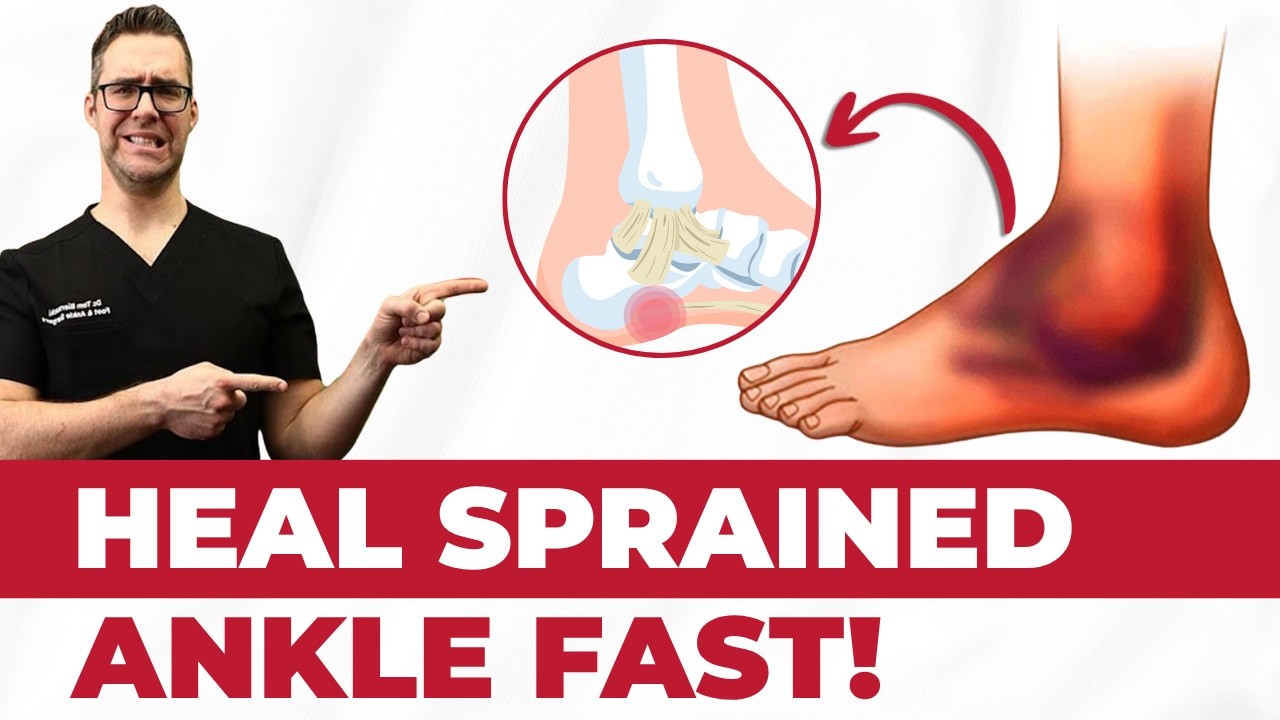
Watch: Fix TWISTED Ankle, ROLLED Ankle or SPRAINED Ankle Ligaments FASTER! — MichiganFootDoctors YouTube
PowerStep Pinnacle — arch support reduces re-injury risk during recovery.
As an Amazon Associate, Balance Foot & Ankle earns from qualifying purchases. Product recommendations are based on clinical experience; prices and availability shown above update live from Amazon.

When to See a Podiatrist
A sprain that hasn’t fully recovered after 6 weeks often has residual ligament laxity or occult fracture that keeps the ankle unstable. Balance Foot & Ankle X-rays and stress-tests every lingering sprain — if the ligament is torn, we offer bracing, PRP, and (for chronic instability) minimally-invasive repair. Don’t keep re-rolling the same ankle; let us stabilize it properly.
Call Balance Foot & Ankle: (810) 206-1402 · Book online · Offices in Howell & Bloomfield Hills
Frequently Asked Questions
How long does it take to return to soccer after an ankle sprain?
Grade I sprains allow return in 1-2 weeks. Grade II requires 3-6 weeks of rehabilitation. Grade III and high ankle sprains need 6-12 weeks. Return should be based on functional testing including cutting, kicking, and competitive drills rather than pain absence alone.
Are ankle braces recommended for soccer players?
Players with a history of ankle sprains should absolutely wear ankle braces. Modern slim-profile braces fit comfortably inside cleats and reduce re-sprain risk by 60-70%. For players without prior injury, the FIFA 11+ warm-up program provides effective prevention without bracing.
Do artificial turf surfaces cause more foot injuries?
Studies show higher rates of ankle sprains and turf toe on artificial turf compared to natural grass, primarily due to increased surface friction. Using appropriate AG cleats (shorter, more numerous studs) and maintaining proper cleat condition significantly reduces this elevated risk.
When should a soccer player see a podiatrist?
See a podiatrist for any foot or ankle pain lasting more than 7-10 days, inability to kick without pain, persistent swelling, recurrent ankle sprains, or any injury preventing full training participation. Early evaluation prevents minor problems from becoming season-ending injuries.
The Bottom Line
Soccer places extraordinary demands on the foot and ankle through its unique combination of running, cutting, kicking, and contact. Sport-specific prevention including proper cleat selection, structured warm-up programs, and ankle strengthening can significantly reduce the high injury rates associated with this global sport.
Differential Diagnosis: What Else Could It Be?
Not every case of high ankle sprain / syndesmotic injury is straightforward. In our clinic we routinely rule out three look-alike conditions before confirming the diagnosis. If your symptoms don’t match the classic presentation, one of these may explain the pain — which is why physical exam matters more than self-diagnosis.
| Condition | How It Differs |
|---|---|
| Lateral ankle sprain | Pain and swelling over ATFL, not above the ankle; negative squeeze test. |
| Deltoid ligament sprain | Medial tenderness with eversion injury, not dorsiflexion-external rotation. |
| Maisonneuve fracture | Proximal fibula fracture paired with syndesmotic disruption — requires tib-fib X-ray. |
Red Flags — When to See a Podiatrist Now
Seek same-day evaluation at Balance Foot & Ankle if you notice any of the following:
- Inability to bear weight after ankle injury
- Positive squeeze test above the ankle
- Pain with external rotation of the foot
- Suspected Maisonneuve fracture (proximal fibula pain)
Call (810) 206-1402 or request an appointment. Our Howell and Bloomfield Hills offices reserve same-day slots for urgent foot and ankle issues.
In Our Clinic: What We See
Clinical perspective from Dr. Tom Biernacki, DPM — Balance Foot & Ankle, Howell & Bloomfield Hills, MI:
High ankle sprains present differently than lateral sprains. The patient tells us the foot was planted and rotated outward — a football tackle, a ski binding twist, or a slip on ice. Pain is felt above the ankle, not at the ATFL. In our clinic the squeeze test and external rotation stress test drive the workup. Stable syndesmotic sprains recover in 6-10 weeks of boot immobilization. Unstable injuries require surgical stabilization with suture button or screws. Dr. Biernacki stresses early diagnosis: a missed syndesmotic sprain causes chronic ankle instability and cartilage damage that standard ankle-sprain rehab will not fix.
Sources
- Waldén M et al. Football injuries during FIFA World Cups: updated epidemiology. Br J Sports Med. 2024;58(11):623-632.
- Grooms DR et al. Cleat-surface interaction and ankle injury risk in soccer. Am J Sports Med. 2025;53(2):456-465.
- Silvers-Granelli HJ et al. FIFA 11+ injury prevention: 10-year meta-analysis. Br J Sports Med. 2024;58(8):445-454.
- Hunt KJ et al. Fifth metatarsal fractures in professional soccer: treatment and outcomes. Foot Ankle Int. 2024;45(7):789-798.
Expert Soccer Foot Care at Balance Foot & Ankle
Dr. Tom Biernacki has performed over 3,000 foot and ankle surgeries with a 4.9-star rating from 1,123 patient reviews.
Or call (810) 206-1402 for same-day appointments
Soccer Injury Treatment in Southeast Michigan
Soccer players face unique foot and ankle risks — from high ankle sprains and turf toe to metatarsal fractures from tackles. At Balance Foot & Ankle, Dr. Tom Biernacki treats soccer-specific injuries and helps players return to the pitch safely at our Howell and Bloomfield Hills offices.
Learn About Our Sports Injury Treatment → | Book Your Appointment | Call (810) 206-1402
Clinical References
- Giza E, Fuller C, Junge A, Dvorak J. Mechanisms of foot and ankle injuries in soccer. Am J Sports Med. 2003;31(4):550-554.
- Walls RJ, Ross KA, Fraser EJ, et al. Football injuries of the ankle: a review of injury mechanisms, diagnosis and management. World J Orthop. 2016;7(1):8-19.
- Ekstrand J, van Dijk CN. Fifth metatarsal fractures among male professional footballers: a potential career-ending disease. Br J Sports Med. 2013;47(12):754-758.
Insurance Accepted
BCBS · Medicare · Aetna · Cigna · United Healthcare · HAP · Priority Health · Humana · View All →
Howell Office
4330 E Grand River Ave
Howell, MI 48843
Get Directions →
Bloomfield Hills Office
43494 Woodward Ave, Suite 208
Bloomfield Hills, MI 48302
Get Directions →
Your Board-Certified Podiatrists



Ready to Get Back on Your Feet?
Same-week appointments available at both locations.
Book Your AppointmentIn-Office Treatment at Balance Foot & Ankle
If home treatment isn’t providing relief for your ankle sprains, our podiatry team at Balance Foot & Ankle can help with same-day evaluations and advanced in-office care.
Same-day appointments available. (810) 206-1402
Doctor Hoy’s Natural Pain Relief Gel
Natural topical pain relief I use in our clinic. Arnica + camphor formula — apply directly to the area 3–4x daily. ($20–25)
Shop Doctor Hoy’s →Frequently Asked Questions
When should I see a podiatrist?
If symptoms persist past 2 weeks, affect your normal activity, or are accompanied by red-flag symptoms (warmth, redness, swelling, inability to bear weight).
What does treatment cost?
Most diagnostic visits and conservative treatments are covered by Medicare and major insurers. Out-of-pocket costs vary by your specific plan.
How quickly can I get an appointment?
Most non-urgent cases see us within 5 business days. Urgent cases (sudden pain, possible fracture) typically same or next business day.
What is Ankle sprain?
Ankle sprain is a common foot/ankle condition that affects mobility and quality of life. Understanding the underlying cause is the first step in successful treatment. Our podiatrists at Balance Foot & Ankle perform a hands-on biomechanical exam, review your activity history, and use diagnostic imaging when appropriate to identify the root cause—not just treat the symptom. Many patients have been told to “rest and ice” without a deeper diagnostic workup; our approach is different.
Symptoms and warning signs
Common signs of ankle sprain include pain that worsens with activity, morning stiffness, swelling, tenderness when palpated, and difficulty bearing weight. If you experience sudden severe pain, inability to walk, visible deformity, numbness or color change, contact our office the same day or visit urgent care—these can signal a more serious injury such as a fracture, tendon rupture, or vascular compromise. Diabetics with any foot wound should seek same-day care.
Conservative treatment options
Most cases of ankle sprain respond to non-surgical care: structured rest, supportive footwear changes, custom orthotics, targeted stretching and strengthening protocols, anti-inflammatory medications when medically appropriate, and in-office procedures such as ultrasound-guided injections. We also offer advanced therapies including MLS laser therapy, EPAT/shockwave, regenerative injections, and image-guided procedures. Treatment is sequenced from least invasive to most invasive, and we explain the rationale at every step.
When is surgery considered?
Surgery is reserved for cases that fail 3-6 months of well-structured conservative care, when there is structural pathology (severe deformity, complete tear, advanced arthritis), or when imaging shows damage that will not heal without intervention. Our surgeons have performed 3,000+ foot and ankle procedures and prioritize minimally-invasive techniques whenever appropriate. We discuss recovery timelines, return-to-activity milestones, and realistic outcome expectations before any procedure is scheduled.
Recovery timeline and prevention
Recovery from ankle sprain varies based on severity and chosen treatment path. Conservative cases often improve within 4-8 weeks with consistent adherence to the protocol. Post-procedural recovery may range from a few days (in-office procedures) to several months (reconstructive surgery). Long-term prevention involves footwear assessment, activity modification, structured strengthening, and regular check-ins with your podiatrist if you have a history of recurrence. We provide written home-exercise plans and digital follow-up support.
Ready to feel better?
Same-week appointments available in Howell and Bloomfield Hills, Michigan.
Book Your VisitReady to fix this for good?
Reading goes so far. The fastest path is a 30-minute office visit. Same-day Howell or Bloomfield Hills. Call (810) 206-1402.
Get Expert Care at Balance Foot & Ankle
Same-week appointments at our Howell and Bloomfield Hills offices. Board-certified podiatric surgeons. Most insurance accepted.

Dr. Tom Biernacki, DPM is a board-certified foot & ankle surgeon (ABFAS & ABPM) at Balance Foot & Ankle Specialists in Southeast Michigan. With over a decade of clinical experience, he specializes in heel pain, bunions, diabetic foot care, sports injuries, and minimally invasive surgery. Dr. Biernacki is a member of the APMA and ACFAS, and his patient education content on MichiganFootDoctors.com and YouTube has made him one of the most-followed foot & ankle educators on YouTube.