Board Certified Podiatrists | Expert Foot & Ankle Care
(810) 206-1402 Patient Portal

Tendon Transfer Surgery for Foot Drop: Restoring Active Dorsiflexion After Nerve Injury

Medically reviewed by Dr. Tom Biernacki, DPM — Board-certified foot & ankle surgeon, 3,000+ surgeries performed. Updated April 2026 with current clinical evidence. This article reflects real practice experience from Balance Foot & Ankle Specialists in Howell and Bloomfield Hills, Michigan.

Quick Answer

Most foot and ankle problems respond to conservative care — proper footwear, supportive inserts, activity modification, and targeted stretching — within 4-8 weeks. Persistent pain beyond that window, or any symptom that prevents walking, warrants a podiatric evaluation to rule out fracture, tendon tear, or systemic cause.

Medically reviewed by Dr. Tom Biernacki, DPM — Board-Certified Podiatric Surgeon — Balance Foot & Ankle, Howell & Bloomfield Hills, MI. Last updated April 2026.

🩺 Medical Review: This article was written and reviewed by Dr. Thomas Biernacki, DPM, board-qualified podiatric surgeon at Balance Foot & Ankle Specialists. Last updated April 2026.

Quick Answer: Tendon transfer surgery for foot drop reroutes a functioning tendon — most commonly the posterior tibial tendon — to replace the paralyzed anterior tibial tendon, restoring active dorsiflexion (the ability to lift the foot). This procedure eliminates the need for an ankle-foot orthosis (AFO) in selected patients, restoring a more natural gait pattern after peroneal nerve injury, L4-L5 radiculopathy, or other causes of foot drop that haven’t recovered with conservative treatment.

Foot drop — the inability to actively lift the front of the foot — dramatically impacts mobility, safety, and quality of life. Every step requires conscious effort to avoid tripping, and the compensatory “steppage gait” is both exhausting and stigmatizing. While AFO bracing manages the problem externally, tendon transfer surgery offers selected patients the possibility of walking without a brace by creating a new internal mechanism for dorsiflexion.

Table of Contents

Understanding Foot Drop

Foot drop is not a disease itself but a symptom of underlying nerve or muscle dysfunction. The anterior tibial muscle — powered by the deep peroneal nerve — is the primary dorsiflexor, responsible for lifting the foot during the swing phase of gait. When this nerve-muscle pathway fails, the foot hangs limp during walking, catching on the ground and causing tripping. The extensor hallucis longus and extensor digitorum longus muscles also contribute to dorsiflexion and are typically affected simultaneously. Patients compensate by excessively flexing the hip and knee (steppage gait) or circumducting the leg (swinging it outward), both of which are energy-intensive and create secondary problems in the hip, knee, and lower back over time.

Causes of Foot Drop

The most common cause of foot drop is common peroneal nerve injury at the fibular head — the nerve wraps around the lateral knee where it’s vulnerable to compression, trauma, or surgical damage. Lumbar radiculopathy at L4-L5 compresses the nerve root that supplies the anterior compartment muscles, causing foot drop with associated back and leg pain. Sciatic nerve injury from hip surgery, injection injury, or trauma can produce foot drop along with other nerve deficits. Stroke and other central nervous system conditions cause foot drop through upper motor neuron dysfunction, though these patients typically aren’t candidates for peripheral tendon transfer. Charcot-Marie-Tooth disease and other hereditary neuropathies cause progressive foot drop. Compartment syndrome of the anterior leg compartment, diabetes-related peroneal neuropathy, and lumbar spinal stenosis are additional causes. Identifying the specific cause determines whether the foot drop may recover spontaneously or requires surgical intervention.

When Is Tendon Transfer Surgery Indicated?

Tendon transfer surgery is considered when foot drop has been present for at least 12-18 months without recovery, as peripheral nerves regenerate at approximately 1 mm per day and need adequate time. EMG/NCS testing confirms the absence of reinnervation potential in the anterior compartment muscles. The ideal candidate has a single nerve injury (rather than progressive disease), full passive ankle range of motion, a functioning posterior tibial muscle (the tendon to be transferred), and realistic expectations about outcomes. Patients who cannot tolerate AFO bracing due to skin sensitivity, volume fluctuation, or lifestyle requirements are strong candidates. Age is less important than overall health and motivation for rehabilitation. Patients with central nervous system causes (stroke, spinal cord injury) generally require different approaches than peripheral tendon transfer.

Posterior Tibial Tendon Transfer Technique

The posterior tibial tendon transfer is the gold standard procedure for foot drop. The posterior tibial muscle — normally a powerful inverter and plantar flexor — is detached from its insertion on the navicular bone and rerouted through the interosseous membrane to the dorsum of the foot, where it’s secured to the middle cuneiform or lateral cuneiform bone. This converts the muscle’s pull from plantarflexion/inversion to dorsiflexion, effectively replacing the paralyzed anterior tibial muscle’s function. The posterior tibial tendon is ideal for transfer because it has similar strength to the anterior tibial muscle, its excursion (range of motion) is adequate for dorsiflexion, and its loss from its original position is tolerable because other muscles partially compensate for its inverting function.

The Bridle Procedure

The Bridle procedure is a modification that provides more balanced dorsiflexion and eversion. In this technique, the transferred posterior tibial tendon is connected to both the anterior tibial tendon stump and the peroneus longus tendon on the lateral side of the foot, creating a “bridle” across the dorsal ankle. This three-way connection ensures that the single transferred muscle lifts the foot evenly without the inversion tendency that a standard posterior tibial transfer can produce. The Bridle procedure is particularly valuable when the peroneal muscles are also non-functional, as it provides both dorsiflexion and eversion in a single reconstruction. Results show reliable improvement in gait and reduced AFO dependence in properly selected patients.

Preoperative Evaluation for Tendon Transfer

Thorough preoperative evaluation determines candidacy and predicts outcomes. EMG and nerve conduction studies confirm the diagnosis, identify which muscles are functional and which are denervated, and help rule out ongoing reinnervation that would favor continued observation. MRI evaluates the posterior tibial tendon’s integrity and size — a healthy, full-thickness tendon is essential for successful transfer. Passive ankle range of motion must be full (at least neutral dorsiflexion) because the transfer cannot overcome a fixed equinus contracture. If passive dorsiflexion is limited, Achilles lengthening or gastrocnemius recession is performed simultaneously. Manual muscle testing confirms at least grade 4/5 strength in the posterior tibial muscle. Vascular assessment ensures adequate blood flow for healing. The patient’s overall health, motivation, and ability to comply with the extended rehabilitation protocol are assessed — this surgery requires committed post-operative participation.

Surgical Technique Details

The surgery involves three to four incisions and takes approximately 2-3 hours. First, a medial incision exposes and detaches the posterior tibial tendon from its navicular insertion. Second, a posterior medial incision mobilizes the tendon proximally to maximize excursion. Third, a window is created in the interosseous membrane between the tibia and fibula — this is the critical step that reroutes the tendon from the posterior compartment to the anterior compartment. Finally, an anterior incision over the dorsal foot anchors the tendon into bone using an interference screw, suture anchor, or bone tunnel technique. Tension setting is critical — the transfer must be tight enough to hold the foot at neutral dorsiflexion with the knee extended. Concurrent procedures such as Achilles tendon lengthening, toe extensor tendon transfers, or Jones procedure for claw toe deformity may be performed simultaneously to optimize the overall result.

Recovery Timeline After Tendon Transfer

Affiliate Disclosure: This page contains affiliate links to products we recommend. If you purchase through these links, Balance Foot & Ankle may earn a small commission at no additional cost to you. We only recommend products we use with our patients.

Recovery from posterior tibial tendon transfer follows a strict protocol to protect the transfer while it heals. Weeks 0-6: non-weight-bearing in a short leg cast with the ankle in slight dorsiflexion to protect the transfer. The cast maintains the tendon at its set tension while the bone-tendon interface heals. Weeks 6-8: transition to a walking boot with gradual weight-bearing as tolerated. The boot maintains dorsiflexion positioning while allowing controlled loading. Weeks 8-12: progressive transition to supportive shoes with PowerStep Pinnacle Maxx insoles for maximum arch support and stability. Active physical therapy begins focusing on retraining the transferred tendon. Months 3-6: progressive strengthening, gait retraining, and return to normal activities. Maximum improvement typically occurs by 12 months post-surgery.

Rehabilitation Protocol for Tendon Transfer

Rehabilitation after tendon transfer requires a fundamentally different approach than typical post-surgical therapy. The brain must learn to activate the posterior tibial muscle in a completely new pattern — instead of inverting the foot, the patient must learn to use this muscle to dorsiflex the foot. This neuromuscular retraining is the most critical and challenging aspect of recovery. Initial exercises focus on isolated muscle activation: the patient attempts to “pull the foot up” while a therapist provides biofeedback about which muscles are firing. Mirror therapy — watching the other foot dorsiflex while attempting the same on the surgical side — accelerates motor learning. Electrical muscle stimulation helps identify and strengthen the transferred tendon’s new action. Progressive resistance training builds strength once activation is reliable. Gait retraining on a treadmill with mirrors allows real-time correction of walking patterns. Most patients require 3-6 months of dedicated therapy to achieve functional dorsiflexion.

Expected Outcomes After Tendon Transfer

Realistic expectations are essential for patient satisfaction. Most successful posterior tibial tendon transfers achieve 10-15 degrees of active dorsiflexion — enough to clear the foot during the swing phase without an AFO. Studies report 80-90% of patients are able to discontinue daily AFO use after successful transfer, though some may use a smaller ankle support for demanding activities. The transferred muscle typically reaches grade 3-4/5 strength, which is sufficient for functional walking but may not match the strength of a normal anterior tibial muscle. The gait pattern improves significantly — the steppage gait resolves and walking becomes more energy-efficient. Patient satisfaction rates are consistently high (85-95%) because the improvement in daily function and independence from bracing profoundly impacts quality of life. Eversion weakness may develop from losing the posterior tibial tendon’s inverting function, but this is usually mild and manageable with PowerStep Pinnacle insoles that provide arch support.

Complications and Risks of Tendon Transfer

As with any surgery, tendon transfer carries risks that patients should understand. Transfer failure — where the tendon detaches from bone or stretches out over time — occurs in approximately 5-10% of cases and may require revision surgery. Overcorrection (calcaneus deformity) results from setting the transfer too tight, causing the foot to remain dorsiflexed. Undercorrection (persistent foot drop) results from insufficient tension or tendon stretching during healing. Acquired flatfoot can develop from losing the posterior tibial tendon’s arch-supporting function, managed with PowerStep Pinnacle Maxx insoles. Wound complications, infection, and nerve injury at the surgical sites are standard surgical risks. The interosseous membrane window can cause anterior compartment tightness. Failure to achieve neuromuscular retraining despite adequate surgical technique occurs when the brain cannot adapt to the new muscle function, emphasizing the importance of committed rehabilitation.

Footwear After Tendon Transfer Surgery

Proper footwear after tendon transfer protects the surgical result and optimizes long-term function. Supportive shoes with firm heel counters and mild rocker soles facilitate the new dorsiflexion pattern. PowerStep Pinnacle insoles provide essential arch support that compensates for the loss of posterior tibial tendon function at its original insertion. Avoid completely flat or flexible shoes that provide no structural support. Athletic shoes with good motion control features work well for daily wear. For patients who develop mild flatfoot after transfer, PowerStep Pinnacle Maxx insoles provide enhanced arch support and pronation control. High heels and unsupportive sandals should be avoided permanently, as the transferred tendon works best when the foot is in a stable, supported position.

Long-Term Management After Tendon Transfer

Long-term success depends on ongoing attention to foot mechanics and muscle maintenance. Continued daily exercises — dorsiflexion resistance training and balance work — maintain the strength and coordination of the transferred tendon. Annual podiatric evaluation monitors for progressive flatfoot, transfer stretching, or developing arthritis in the ankle or subtalar joint. Orthotic insole use is permanent — the loss of the posterior tibial tendon’s original function requires ongoing biomechanical support. DASS compression sleeves help manage any residual ankle swelling and provide proprioceptive support during higher-demand activities. Weight management reduces stress on the surgically altered foot mechanics. Most patients maintain their surgical improvement for decades with proper care and consistent orthotic use.

Recovery from tendon transfer surgery requires products that support the surgically altered foot mechanics while promoting healing and comfort.

PowerStep Pinnacle Maxx Orthotic Insoles

PowerStep Pinnacle Maxx orthotic insoles are essential after posterior tibial tendon transfer because the transferred tendon no longer supports the medial arch at its original insertion. The Pinnacle Maxx provides maximum arch support and motion control that compensates for this functional loss, preventing the progressive flatfoot that can develop post-transfer. I recommend PowerStep Maxx insoles to every tendon transfer patient as a permanent part of their footwear regimen.

PowerStep Pinnacle Orthotic Insoles

For patients whose arch remains well-supported after transfer, PowerStep Pinnacle orthotic insoles provide balanced arch support with more cushioning flexibility. The double-layer cushioning absorbs impact forces during the gait retraining phase when walking mechanics are still being refined. Having both PowerStep models allows patients to match support level to their specific daily needs and activities.

Doctor Hoy’s Natural Pain Relief Gel

Doctor Hoy’s Natural Pain Relief Gel provides topical pain management during the rehabilitation phase when muscles and tendons are working in new patterns. Doctor Hoy’s gel applied before physical therapy sessions increases comfort during the often-challenging neuromuscular retraining exercises. The menthol-based formula doesn’t interfere with muscle activation or biofeedback technology used in therapy.

Doctor Hoy’s Arnica Boost Recovery Cream

Doctor Hoy’s Arnica Boost Recovery Cream supports healing during the months-long recovery process. Applied nightly to the surgical areas once incisions are healed, Doctor Hoy’s arnica cream reduces the chronic low-level inflammation that accompanies tendon healing and remodeling. The arnica-menthol combination soothes muscles that are adapting to their new functional demands.

DASS Original Dynamic Ankle Stabilizing System

The DASS Original Dynamic Ankle Stabilizing System provides graduated compression and proprioceptive support that’s particularly valuable during the gait retraining phase. DASS compression sleeves control post-surgical swelling while providing the sensory feedback that helps the brain recognize the ankle’s position during the new dorsiflexion pattern. DASS sleeves also provide ongoing ankle support for patients returning to higher-demand activities after recovery.

Complete Tendon Transfer Recovery Kit

🏥 Dr. Biernacki’s Tendon Transfer Recovery Kit:

For comprehensive post-transfer support, I recommend:

PowerStep Pinnacle Maxx Insoles — essential arch support replacing posterior tibial function
PowerStep Pinnacle Insoles — balanced support for lighter activities
Doctor Hoy’s Pain Relief Gel — pre-therapy pain management
Doctor Hoy’s Arnica Boost Cream — nighttime recovery support
DASS Compression Sleeves — swelling control and proprioceptive feedback

This combination addresses the three pillars of tendon transfer recovery: biomechanical compensation, pain management, and neuromuscular retraining support.

The Most Common Tendon Transfer Mistake

🔑 Key Takeaway: I evaluated a 49-year-old Troy man who had posterior tibial tendon transfer for foot drop from a peroneal nerve injury 2 years earlier. The surgery was technically well-performed, but he stopped physical therapy after only 6 weeks because “it was too frustrating.” Without completing the neuromuscular retraining, his brain never fully learned to activate the transferred tendon for dorsiflexion. He was still wearing an AFO daily despite having a functioning transfer. After restarting intensive therapy with biofeedback and mirror training, he achieved grade 4/5 dorsiflexion strength within 4 months and discontinued his AFO. The surgical procedure is only half the solution — the neuromuscular retraining is equally critical. Patients who commit to 3-6 months of dedicated rehabilitation achieve significantly better outcomes than those who quit early.

Warning Signs After Tendon Transfer Surgery

⚠️ Contact your surgeon immediately if you experience:

1. Sudden loss of dorsiflexion after initial improvement — may indicate transfer rupture or anchor failure requiring urgent evaluation
2. Increasing pain at the dorsal foot anchoring site — possible hardware irritation or tendon pullout
3. Progressive flatfoot developing on the surgical side — loss of posterior tibial function may need orthotic escalation
4. Wound drainage or redness beyond 2 weeks post-surgery — possible infection at one of the multiple incision sites
5. Inability to activate any dorsiflexion after 3 months of therapy — may need reassessment of transfer integrity
6. New medial ankle pain or swelling — could indicate strain on structures compensating for lost posterior tibial function
7. Foot inverting strongly when attempting dorsiflexion — transfer may not be properly routed through the interosseous membrane
8. Calf swelling, warmth, or pain — DVT risk is elevated during the prolonged non-weight-bearing period

In-Office Treatment at Balance Foot & Ankle

If home care isn’t resolving your your foot or ankle concern, a visit with a board-certified podiatrist is the fastest path to accurate diagnosis and a personalized plan. At Balance Foot & Ankle Specialists, Dr. Tom Biernacki, Dr. Carl Jay, and Dr. Daria Gutkin offer same-day and next-day appointments at both our Howell and Bloomfield Hills offices. We perform on-site diagnostic ultrasound, digital X-ray, conservative care, advanced regenerative treatments, and minimally invasive surgery when indicated.

Call (810) 206-1402 or request an appointment online. Most insurance plans accepted, including Medicare, Blue Cross Blue Shield, Aetna, Cigna, and United Healthcare.

Frequently Asked Questions About Tendon Transfer for Foot Drop

How long does recovery from tendon transfer take?

The complete recovery timeline spans 6-12 months. The first 6 weeks are non-weight-bearing in a cast. Weeks 6-12 involve progressive weight-bearing in a boot and early rehabilitation. Months 3-6 focus on intensive neuromuscular retraining and strengthening. Maximum improvement typically occurs by 12 months. Most patients achieve functional dorsiflexion by 4-6 months with dedicated rehabilitation. Using PowerStep Pinnacle Maxx insoles from the time you transition to shoes supports the foot throughout recovery.

Will I be able to walk without an AFO after surgery?

Approximately 80-90% of patients with successful posterior tibial tendon transfer are able to discontinue daily AFO use. Most achieve enough active dorsiflexion (10-15 degrees) to clear the foot during walking. Some patients keep an AFO available for demanding activities or long walks as a precaution, though they don’t need it for daily indoor and outdoor walking. Consistent rehabilitation is the biggest predictor of AFO independence.

Can I run after tendon transfer surgery?

Light jogging is possible for some patients 6-12 months after surgery, but competitive running is generally not realistic. The transferred tendon typically achieves grade 3-4/5 strength — adequate for walking and light recreational activity but not the rapid, forceful dorsiflexion required for running at competitive speeds. Walking, cycling, swimming, and elliptical training are excellent exercise options that work well within the transfer’s functional range.

Does losing the posterior tibial tendon cause flatfoot?

Mild flatfoot development is possible after posterior tibial tendon transfer because the transferred tendon no longer supports the medial arch at its original insertion. However, this is usually manageable with PowerStep Pinnacle Maxx insoles and rarely causes significant symptoms. Other muscles partially compensate for the lost inverting function. The trade-off — mild flatfoot versus foot drop requiring lifelong AFO use — strongly favors the transfer for most patients.

What if tendon transfer surgery fails?

If the initial transfer fails or produces insufficient dorsiflexion, revision surgery may be possible depending on the cause of failure. If the tendon is still viable but at insufficient tension, it can be re-tensioned. If the tendon has ruptured, alternative tendons (peroneus longus) may be used. For patients where tendon transfer isn’t salvageable, ankle fusion in a functional position or return to AFO bracing remain effective options. Complete transfer failure is uncommon when surgery is performed by experienced surgeons and followed by committed rehabilitation.

Sources

  1. Rodriguez RP. The Bridle procedure in the treatment of paralysis of the foot. Foot Ankle. 1992;13(2):63-69.
  2. Vigasio A, Marcoccio I, Patelli A, Mattiuzzo V, Prestini G. New tendon transfer for correction of drop-foot in common peroneal nerve palsy. Clin Orthop Relat Res. 2008;466(6):1454-1466.
  3. Hove LM, Gjerdet NR. Posterior tibial tendon transfer for drop foot: 20 cases followed for 1-5 years. Acta Orthop Scand. 2000;71(1):71-74.
  4. McCall RE, Frederick HA, McCluskey GM, Riordan DC. The Bridle procedure: a new treatment for equinus and equinovarus deformities in children. J Pediatr Orthop. 1991;11(1):83-89.
  5. Yeap JS, Birch R, Singh D. Long-term results of tibialis posterior tendon transfer for drop-foot. Int Orthop. 2001;25(2):114-118.

Watch: Understanding Tendon Transfer for Foot Drop

Schedule Your Foot Drop Evaluation

Living with Foot Drop? Explore Your Options.

Dr. Biernacki at Balance Foot & Ankle Specialists provides comprehensive foot drop evaluation including EMG coordination, surgical candidacy assessment, and personalized treatment planning for both conservative and surgical approaches.

Book Your Consultation →

📍 Serving Southeast Michigan from our Novi office — most insurance plans accepted

Dr. Tom’s Recommended Products: See our clinically tested product recommendations for this condition. View Dr. Tom’s recommended products →

When to See a Podiatrist for Foot Drop

If you are dragging your foot when walking, tripping on stairs, or wearing an AFO brace, tendon transfer surgery may restore active dorsiflexion and eliminate the need for bracing. At Balance Foot & Ankle, Dr. Tom Biernacki evaluates foot drop and performs tendon transfer procedures at our Howell and Bloomfield Hills offices.

Book a consultation
Call (810) 206-1402

Clinical References

  1. Rodriguez RP. The Bridle procedure in the treatment of paralysis of the foot. Foot Ankle. 1992;13(2):63-69. doi:10.1177/107110079201300202
  2. Vigasio A, Marcoccio I, Patelli A, et al. New tendon transfer for correction of drop-foot in common peroneal nerve palsy. Clin Orthop Relat Res. 2008;466(6):1454-1466. doi:10.1007/s11999-008-0249-9
  3. Johnson JE, Paxton ES, Lippe J, et al. Outcomes of the Bridle procedure for the treatment of foot drop. Foot Ankle Int. 2015;36(11):1287-1296. doi:10.1177/1071100715593149

Insurance Accepted

BCBS · Medicare · Aetna · Cigna · United Healthcare · HAP · Priority Health · Humana · View All →

Ready to Get Back on Your Feet?

Same-week appointments available at both locations.

Book Your Appointment

(810) 206-1402

Watch: Tendon Transfer Surgery for Foot Drop

Dr. Tom on tendon transfer for foot drop — posterior tib transfer, bridle procedure, nerve vs transfer decisions.

Play video

Book Same-Week Appointment · (810) 206-1402

Foot Drop Adjunct Kit

Pre/post tendon transfer support. AFO bracing remains gold standard:

As an Amazon Associate, Balance Foot & Ankle earns from qualifying purchases. This supports our free patient education content.

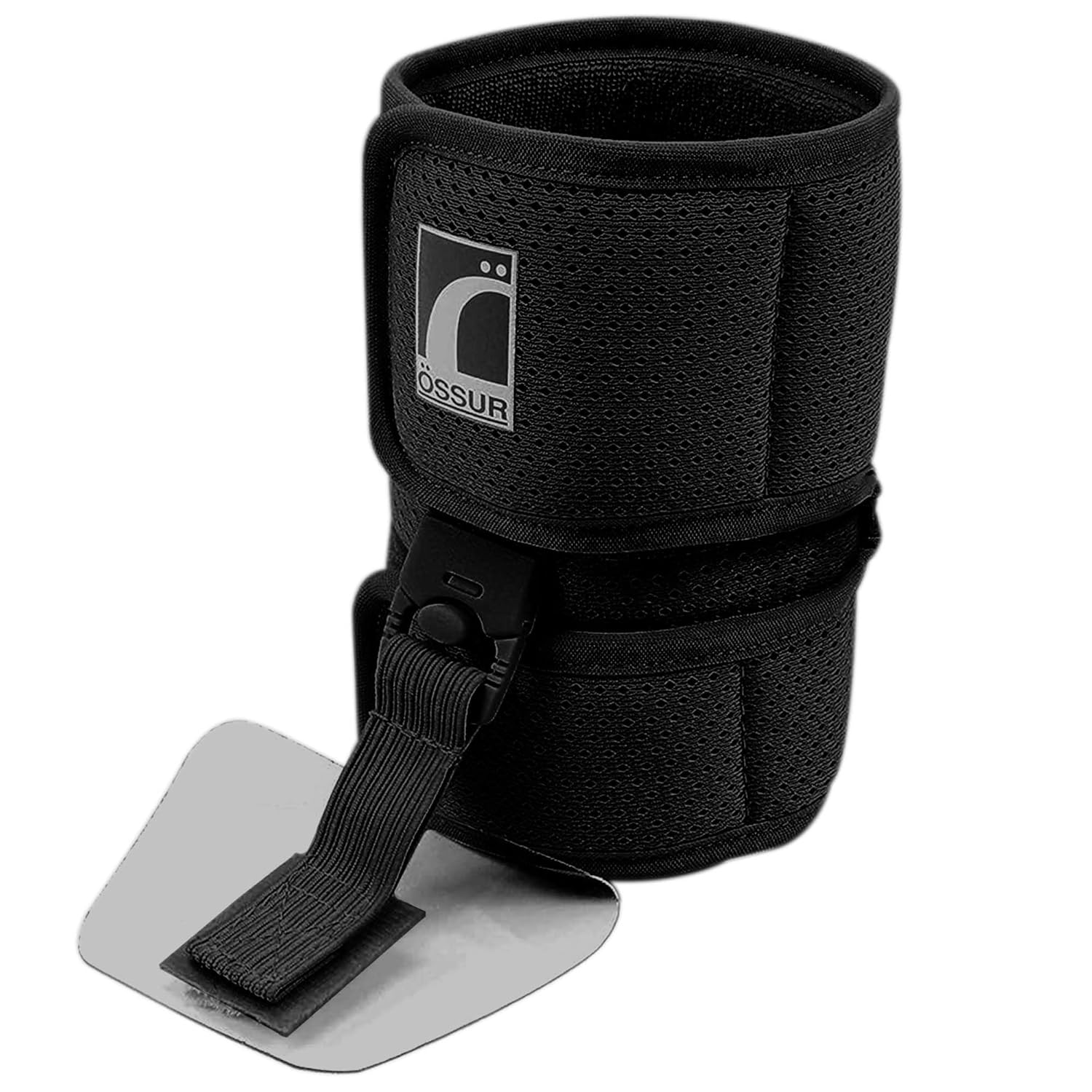
Ankle Brace →

Supplemental lateral support during gait retraining.

Stability Insoles →

Arch support inside AFO-fitting shoe.

FlexiKold Ice Pack →

Post-op edema control.

Doctor Hoy’s Pain Gel →

Peri-incisional topical comfort.

Related: Sports Medicine · Nerve Injury Care · Book Pre-Op Consultation

Book Same-Week Appointment →

Most Common Mistake We See

The most common mistake we see is: Waiting too long before seeking care. Fix: any foot pain lasting more than 4 weeks, or any sudden severe symptom, deserves a professional evaluation rather than more rest.

Warning Signs That Need Same-Day Care

Seek immediate evaluation at Balance Foot & Ankle if you experience any of the following:

  • Unable to bear weight
  • Severe swelling with skin colour change
  • Fever with foot pain (possible infection)
  • Diabetes plus any new foot symptom

Call (810) 206-1402 — same-day and next-day appointments at our Howell and Bloomfield Hills offices.

When Shoes Aren’t Enough — Dr. Tom’s Top 9 Orthotics

About 30% of patients I see for foot pain need MORE than a great shoe — they need a structured insole. Below: my complete 2026 orthotic ranking with pros, cons, and the specific patient I’d give each one to.

★ DR. TOM’S COMPLETE 2026 ORTHOTIC RANKING

9 Best Prefab Orthotics by Use Case

PowerStep, Currex, Spenco, Vionic, and PowerStep Pinnacle — every orthotic I’ve fitted to thousands of patients across both Michigan offices. Each card includes pros, cons, and the specific patient I’d give it to. Real Amazon ratings, review counts, and prices below.

★ EDITOR’S CHOICE · BEST OVERALL

Best All-Purpose Orthotic for Most Patients

Semi-rigid arch shell + dual-layer cushion + deep heel cup. The orthotic I’ve fitted to more patients than any other for 15 years. APMA-accepted. Trim-to-fit design works in athletic shoes, casual shoes, and most work boots.

✓ Pros

  • Semi-rigid arch shell provides true biomechanical correction
  • Deep heel cup centers the heel and reduces lateral instability
  • Dual-layer cushion (top + bottom) lasts 9-12 months daily wear
  • Available in 8 sizes for precise fit
  • APMA-accepted and clinically validated
  • Lower price than PowerStep Pinnacle for equivalent function

✗ Cons

  • Too thick for most dress shoes (use ProTech Slim instead)
  • Some break-in period required (3-7 days for arch tolerance)
  • Not enough correction for severe pes planus or rigid pes cavus

Dr. Tom’s Recommendation: If a patient has run-of-the-mill plantar fasciitis, mild flat feet, or arch fatigue, this is the first orthotic I try. Better value than PowerStep Pinnacle for 90% of patients, which is why I swapped it into our clinic kits three years ago. Sub-$50 typically.

BEST FOR FLAT FEET

Maximum Motion Control · Flat Feet & Severe Over-Pronation

PowerStep’s most aggressive stability orthotic. Adds a 2°-7° medial heel post on top of the standard PowerStep platform — designed specifically for flat-footed patients and severe pronators who need real corrective force.

✓ Pros

  • 2°-7° medial heel post adds aggressive pronation control
  • Same trusted PowerStep arch shell, more correction
  • Built specifically for flat-foot biomechanics
  • Excellent for posterior tibial tendon dysfunction (PTTD)
  • Removable top cover for cleaning

✗ Cons

  • Too aggressive for neutral-arch patients
  • Needs longer break-in (10-14 days) due to stronger correction
  • Adds 2-3 mm of stack height — won’t fit slim dress shoes

Dr. Tom’s Recommendation: When a patient comes in with significant flat feet AND symptoms (heel pain, arch pain, knee pain), the Original PowerStep isn’t aggressive enough. The Maxx is what gets prescribed. About 25% of my flat-footed patients end up here.

BEST SLIM FIT · DRESS SHOES

Low-Profile · Fits Dress Shoes & Narrow Casuals

3 mm slim profile with podiatrist-designed tri-planar arch technology. Engineered specifically to fit inside dress shoes, oxfords, loafers, and women’s flats without crowding the toe box. Vionic was founded by an Australian podiatrist.

✓ Pros

  • 3 mm slim profile (vs 7-10 mm for standard orthotics)
  • Tri-planar arch technology adds support without bulk
  • Built-in deep heel cup despite slim design
  • Fits dress shoes WITHOUT having to remove the factory insole
  • Trim-to-fit · APMA-accepted

✗ Cons

  • Less arch support than full-volume orthotics
  • Top cover wears faster than thicker alternatives
  • Not enough correction for severe foot deformities

Dr. Tom’s Recommendation: My default when a patient says ‘I need orthotics but I have to wear dress shoes for work.’ Slim enough to fit in oxfords and pumps without the heel sliding out. The single highest-impact change you can make for office workers with foot pain.

BEST FOR FOREFOOT PAIN

Built-In Metatarsal Pad · Morton’s Neuroma · Ball-of-Foot Pain

Standard Pinnacle orthotic with a built-in metatarsal pad positioned proximal to the metatarsal heads — the exact location that offloads neuromas and metatarsalgia. No need for separate met pads or pad placement guesswork.

✓ Pros

  • Built-in met pad eliminates DIY pad placement errors
  • Specifically designed for Morton’s neuroma + metatarsalgia
  • Same trusted PowerStep arch + heel cup platform
  • Top cover protects sensitive forefoot skin
  • Faster relief than orthotics + add-on met pads

✗ Cons

  • Met pad position is fixed (can’t fine-tune individual placement)
  • Some patients with very small or very large feet need custom
  • Slightly thicker than the standard Pinnacle

Dr. Tom’s Recommendation: If a patient has Morton’s neuroma, sesamoiditis, or generalized ball-of-foot pain (metatarsalgia), this saves a clinic visit and a prescription. The built-in pad placement is anatomically correct for 80% of feet. Way better than DIY met pads.

BEST DYNAMIC ARCH · CURREX

Adaptive Dynamic Arch · Athletic & Daily Wear

Currex’s flagship adaptive arch technology — the orthotic flexes with your gait instead of fighting it. Different stiffness zones along the length give you targeted support at the heel, midfoot, and forefoot. Available in three arch heights (low/medium/high).

✓ Pros

  • Dynamic flex zones adapt to natural gait cycle
  • Three arch heights ensure precise fit
  • Lighter than rigid orthotics (no ‘heavy foot’ feel)
  • Excellent for runners and athletic walkers
  • European podiatric design (German engineering)

✗ Cons

  • More expensive than PowerStep Original ($55-65 typically)
  • Less aggressive correction than Pinnacle Maxx for severe cases
  • Three arch heights means you must self-select correctly

Dr. Tom’s Recommendation: I started recommending Currex three years ago for runners who said PowerStep felt ‘too rigid.’ The dynamic flex zones respect natural gait. Best for active patients who walk 8K+ steps daily and don’t need maximum motion control.

BEST FOR RUNNERS · CURREX RUNPRO

Running-Specific · Heel Strike + Forefoot Strike Compatible

Currex’s purpose-built running orthotic. The midfoot flex zone is positioned for runner’s gait mechanics, with a flared heel cushion for heel strikers and a forefoot rocker for midfoot/forefoot strikers. Tested on 1000+ runners during product development.

✓ Pros

  • Designed by German biomechanics lab specifically for runners
  • Dynamic arch flexes with running gait (not static like PowerStep)
  • Three arch heights (low/medium/high)
  • Reduces overuse injury risk in mid-distance runners
  • Lightweight (no impact on cadence)

✗ Cons

  • Premium price ($60-75)
  • Not aggressive enough for severe over-pronators (use Pinnacle Maxx)
  • Runner-specific design = less ideal for daily walking shoes

Dr. Tom’s Recommendation: If a patient runs 20+ miles per week and has plantar fasciitis or shin splints, this is the orthotic I prescribe. The dynamic flex zones respect running biomechanics in a way that no rigid PowerStep can match. Pricier but worth it for serious runners.

BEST FOR HIGH ARCHES

Cavus Foot & High-Arch Patients

Polyurethane base with a deeper heel cup and higher arch profile than PowerStep — built for cavus (high-arched) feet that need maximum cushion and support. The 5-zone cushioning system addresses the unique pressure points of high-arch feet.

✓ Pros

  • Deeper heel cup centers the heel for cavus foot stability
  • Higher arch profile fills the void under high arches
  • 5-zone cushioning addresses cavus foot pressure points
  • Polyurethane base lasts 12+ months
  • Available in Wide width

✗ Cons

  • Too tall/aggressive for normal or low arches
  • Won’t fit slim dress shoes
  • Pricier than PowerStep Original
  • Some patients find the arch height uncomfortable initially

Dr. Tom’s Recommendation: Cavus foot patients are often misdiagnosed and given low-arch orthotics — that makes everything worse. Spenco’s Total Support has the arch profile that high-arch feet actually need. About 15% of my patients have cavus feet; this is what they wear.

BEST GEL CUSHION

Cushion Layer · Standing All Day · Gel Pressure Relief

NOT a true biomechanical orthotic — this is a cushion insole. But for patients who want gel pressure relief instead of arch correction (or to add ON TOP of factory insoles in work boots), this is the best gel option on Amazon.

✓ Pros

  • Genuine gel cushioning (not foam pretending to be gel)
  • Targeted gel waves under heel and ball of foot
  • Trim-to-fit · works in most shoe types
  • Sub-$15 price (most affordable option in this list)
  • Massaging texture is genuinely soothing

✗ Cons

  • ZERO arch support — this is cushion only
  • Won’t fix plantar fasciitis or flat-foot issues
  • Compresses faster than PowerStep (4-6 months)
  • Top cover wears through in high-mileage applications

Dr. Tom’s Recommendation: I recommend these to patients who tell me ‘I just want my feet to stop hurting at the end of my shift’ and who don’t have a biomechanical issue. Construction workers, factory workers, retail. Pure cushion does the job for them.

BEST LOW-VOLUME · PowerStep Pinnacle

Tight-Fitting Shoes · Cycling Shoes · Hockey Skates

PowerStep Pinnacle’s slim version of their famous Green insole. The trademark stabilizer cap is preserved but the overall thickness is reduced — works in cycling shoes, hockey skates, ski boots, and other tight-fitting footwear that the standard PowerStep Pinnacle can’t fit into.

✓ Pros

  • Stabilizer cap centers the heel (PowerStep Pinnacle’s signature feature)
  • Slim profile fits tight athletic footwear
  • Lasts 12+ months daily wear
  • Excellent for cycling shoes specifically
  • Built-in odor-control treatment

✗ Cons

  • Premium price ($45-55)
  • Less cushion than PowerStep equivalents
  • Not as aggressive correction as Pinnacle Maxx for flat feet
  • The signature ‘heel cup feel’ takes 1-2 weeks to adapt to

Dr. Tom’s Recommendation: If you’re a cyclist with foot numbness, hot spots, or knee pain — this is the orthotic. The stabilizer cap solves cycling-specific biomechanical issues that no other orthotic addresses. Worth the premium for athletes.

None of these solving your foot pain?

Some patients (about 30%) need custom-molded prescription orthotics. We make 3D-scanned custom orthotics in our Howell and Bloomfield Hills offices — specifically built for your foot mechanics.

Schedule a Custom Orthotic Fitting →

FSA/HSA eligible · Most insurance accepted · (810) 206-1402

Recommended Products for Heel Pain
Products personally used and recommended by Dr. Tom Biernacki, DPM. All available on Amazon.
Medical-grade arch support that offloads the plantar fascia. Our #1 recommendation for heel pain.
Best for: Daily wear, work shoes, athletic shoes
Apply to the heel and arch morning and evening for natural anti-inflammatory relief.
Best for: Morning heel pain, post-activity soreness
Graduated compression supports plantar fascia recovery and reduces morning stiffness.
Best for: Overnight recovery, all-day wear
These products work best with professional treatment. Book an appointment with Dr. Tom for a personalized treatment plan.
Medical References
  1. Plantar Fasciitis: Diagnosis and Conservative Management (PubMed)
  2. Plantar Fasciitis (APMA)
  3. Diagnosis and Treatment of Plantar Fasciitis (PubMed / AAFP)
  4. Heel Pain (APMA)
This article has been reviewed for medical accuracy by Dr. Tom Biernacki, DPM. References are provided for informational purposes.
Balance Foot & Ankle surgeons are affiliated with Trinity Health Michigan, Corewell Health, and Henry Ford Health — three of Michigan’s largest health systems.
📞 Call Now 📅 Book Now
} }) } } } } } }