

You are in the right place. Dr. Tom Biernacki, DPM, FACFAS — board-certified foot & ankle surgeon with 3,000+ surgeries — explains exactly what septic arthritis foot/ankle means and what actually works. Call (810) 206-1402 for a same-day appointment at our Howell or Bloomfield Hills office.
Quick answer: Treatment for septic arthritis foot ankle recognizing treating joint emergency follows a stepwise approach: 1) conservative care first (rest, ice, supportive footwear, OTC anti-inflammatories), 2) physical therapy and targeted exercises, 3) in-office treatments (injections, custom orthotics) if conservative fails at 4-6 weeks, 4) surgery for refractory cases. Most patients resolve at step 1 or 2. Call (810) 206-1402.
Medically reviewed by Dr. Tom Biernacki, DPM — Board-Certified Podiatric Surgeon — Balance Foot & Ankle, Howell & Bloomfield Hills, MI. Last updated April 2026.
🩺 Medical Review: This article was written and reviewed by Dr. Tom Biernacki, DPM, board-qualified podiatric surgeon at Balance Foot & Ankle Specialists. Last updated April 2026.
Quick Answer: Septic arthritis of the foot and ankle is a joint infection that constitutes a true medical emergency. Bacteria — most commonly Staphylococcus aureus — invade the joint space, causing rapid cartilage destruction that can permanently damage the joint within 24-48 hours if untreated. Symptoms include sudden severe joint pain, swelling, warmth, redness, inability to bear weight, and often fever. Treatment requires emergency joint aspiration, IV antibiotics, and frequently surgical irrigation and debridement. Early recognition and immediate treatment are critical for saving joint function.
Septic arthritis is one of the most urgent conditions I encounter as a podiatric surgeon. Unlike most foot and ankle problems that develop gradually, septic arthritis progresses rapidly and causes irreversible damage without emergency intervention. Understanding the warning signs can mean the difference between a full recovery and permanent joint destruction. This guide covers everything you need to know about recognizing, treating, and recovering from septic arthritis in the foot and ankle.
Table of Contents
- What Is Septic Arthritis?
- How Bacteria Enter the Joint
- Common Organisms
- Risk Factors
- Symptoms and Signs
- Commonly Affected Foot and Ankle Joints
- Diagnosis and Testing
- Joint Aspiration
- Antibiotic Treatment
- Surgical Irrigation and Debridement
- Recovery Timeline
- Complications of Septic Arthritis
- Post-Infection Joint Health
- Rehabilitation After Treatment
- Prevention Strategies
- Recommended Products
- Complete Recovery Kit
- Most Common Mistake
- Warning Signs
- FAQ
- Sources
- Video
What Is Septic Arthritis?
Septic arthritis is a bacterial infection within a joint space that triggers an aggressive inflammatory response destroying articular cartilage. The joint’s synovial membrane — the tissue lining the joint capsule — becomes infected, producing purulent (pus-containing) fluid that bathes the cartilage surfaces in bacteria and inflammatory enzymes. These enzymes, combined with the bacterial toxins, degrade the cartilage matrix within hours. Unlike other forms of arthritis that damage joints over years, septic arthritis can permanently destroy a joint in as little as 24-48 hours. The foot and ankle contain 33 joints, any of which can be affected, though the ankle, first MTP, subtalar, and midfoot joints are most commonly involved.
How Bacteria Enter the Joint
Bacteria reach the joint through three primary pathways. Hematogenous spread — bacteria traveling through the bloodstream from a distant infection site — is the most common mechanism. Urinary tract infections, skin infections, dental procedures, and IV drug use can seed bacteria into the blood that then colonize a joint. Direct inoculation occurs when bacteria enter through a penetrating wound, puncture injury (stepping on a nail), or during joint injection or surgery. Contiguous spread happens when infection from adjacent bone (osteomyelitis), soft tissue (cellulitis), or a skin ulcer extends into a nearby joint. In the foot, diabetic ulcers overlying joints are a particularly common pathway for contiguous spread, making diabetic patients especially vulnerable to septic arthritis.
Common Organisms Causing Septic Arthritis
Staphylococcus aureus is responsible for approximately 40-50% of all septic arthritis cases and is the most common organism in adults. Methicillin-resistant Staphylococcus aureus (MRSA) has become increasingly prevalent, complicating empiric antibiotic selection. Streptococcal species account for about 20% of cases. In patients with diabetes or immunocompromise, gram-negative organisms such as Escherichia coli and Pseudomonas aeruginosa become more common. Puncture wounds through shoes — particularly sneakers — classically cause Pseudomonas septic arthritis due to the organism living in the shoe’s moist environment. Gonococcal arthritis from Neisseria gonorrhoeae affects sexually active young adults and typically presents with a migratory polyarthritis pattern before localizing. Identifying the specific organism through joint fluid culture determines the targeted antibiotic regimen for successful treatment.
Risk Factors for Septic Arthritis
Several conditions dramatically increase the risk of developing septic arthritis. Diabetes mellitus is the single most significant risk factor in foot and ankle septic arthritis because it combines immune dysfunction, peripheral neuropathy (which masks early symptoms), and frequent skin breakdown. Rheumatoid arthritis patients face elevated risk due to both immunosuppressive medications and chronically inflamed joints that attract bacterial seeding. Joint replacement and previous joint surgery create surfaces where bacteria adhere more easily. Immunosuppression from chemotherapy, organ transplant medications, HIV, or chronic steroid use impairs the body’s ability to fight early infection. Intravenous drug use creates repeated bacteremia episodes. Advanced age reduces immune competence. Chronic kidney disease, liver disease, and alcoholism all impair immune function. Skin conditions causing chronic wounds or ulcers near joints provide direct bacterial access.
Symptoms and Signs of Septic Arthritis
The hallmark presentation is a hot, swollen, extremely painful joint with rapid onset — typically developing over hours rather than days. The affected joint becomes exquisitely tender to touch and painful with any attempted movement. Bearing weight is usually impossible due to the severity of pain. The overlying skin is red, warm, and tense from the inflammatory response. Fever is present in approximately 60-80% of cases, though elderly and immunocompromised patients may not mount a febrile response. Chills and malaise often accompany the local symptoms. In diabetic patients with neuropathy, the pain may be less prominent, and the primary finding may be unexplained swelling and warmth — making the diagnosis easier to miss in exactly the population at highest risk. Any hot, swollen joint should be considered septic until proven otherwise, especially in patients with risk factors.
Commonly Affected Foot and Ankle Joints
The ankle joint is the most commonly affected joint in the foot and ankle complex, accounting for approximately 10-15% of all septic arthritis cases across all body joints. Its large synovial cavity and significant blood supply make it vulnerable to hematogenous seeding. The first MTP joint (big toe joint) is affected through both hematogenous spread and contiguous extension from overlying bunion skin breakdown or gout (which is an important differential diagnosis). The subtalar joint can become infected from adjacent calcaneal osteomyelitis or diabetic heel ulcers. Midfoot joints (tarsometatarsal, naviculocuneiform) become infected primarily through contiguous spread from diabetic Charcot neuropathy or midfoot ulceration. Small toe interphalangeal joints are vulnerable when adjacent toe ulcers allow bacterial invasion. Multi-joint infection, while less common, carries significantly worse prognosis.
Diagnosis and Testing for Septic Arthritis
Rapid, accurate diagnosis is critical because treatment delay directly worsens outcomes. Blood tests reveal elevated white blood cell count, erythrocyte sedimentation rate (ESR), and C-reactive protein (CRP), though these are non-specific. Blood cultures are positive in 30-50% of hematogenous cases and should always be drawn before starting antibiotics. X-rays assess for joint space widening (indicating effusion), adjacent bone erosion, or pre-existing arthritis that may predispose to infection. MRI with contrast is the most sensitive imaging study, showing joint effusion, synovial enhancement, surrounding soft tissue involvement, and adjacent bone marrow edema that may indicate concurrent osteomyelitis. However, imaging should never delay the most important diagnostic test: joint aspiration.
Joint Aspiration: The Definitive Diagnostic Test
Arthrocentesis (joint aspiration) is both the diagnostic gold standard and the first therapeutic step. A needle is inserted into the affected joint and fluid is withdrawn for analysis. Septic joint fluid is typically turbid or purulent (cloudy to frankly pus-like), with a white blood cell count above 50,000 cells per microliter (often much higher), predominantly neutrophils (over 90%). Gram stain provides immediate provisional identification of the organism in approximately 50-75% of cases, allowing early targeted therapy. Culture of the joint fluid identifies the specific organism and antibiotic sensitivities. Crystal analysis is critical to differentiate from gout or pseudogout, which can mimic septic arthritis — importantly, crystal arthritis and septic arthritis can coexist, so finding crystals does not rule out infection. Joint aspiration should be performed emergently whenever septic arthritis is suspected, even before imaging studies are completed.
Antibiotic Treatment for Septic Arthritis
Intravenous antibiotics begin immediately after joint aspiration — treatment should not wait for culture results. Empiric therapy typically starts with vancomycin (covering MRSA) plus a third-generation cephalosporin (covering gram-negatives), adjusted once culture sensitivities return. For puncture wounds through shoes, anti-pseudomonal coverage is essential. IV antibiotics continue for a minimum of 2-4 weeks depending on the organism, response to treatment, and whether concurrent osteomyelitis is present. Some patients transition to oral antibiotics after initial IV therapy, particularly when cultures confirm a sensitive organism and inflammatory markers are trending down. Total antibiotic duration is typically 4-6 weeks. Monitoring includes serial CRP and ESR levels to confirm adequate treatment response. Premature antibiotic discontinuation is a common cause of treatment failure and relapse.
Surgical Irrigation and Debridement
Surgical intervention is frequently necessary to adequately clear the infection. Open arthrotomy with irrigation and debridement involves opening the joint, removing all infected tissue and purulent fluid, thoroughly irrigating with liters of saline, and debriding damaged synovium. Arthroscopic irrigation and debridement is an option for the ankle joint, offering the advantage of less tissue disruption and faster recovery while providing effective joint washout. Repeat irrigation may be necessary if infection markers don’t normalize or symptoms persist — serial operations every 48-72 hours until the joint is clean is a recognized treatment strategy. In severe cases with extensive cartilage destruction, joint resection or fusion may ultimately be required to manage the damaged joint after infection clearance. The timing and extent of surgical intervention depend on the joint involved, the organism, and the patient’s response to initial aspiration and antibiotics.
Recovery Timeline After Septic Arthritis
Recovery from septic arthritis is measured in months, not weeks. The acute infection phase requires hospitalization for IV antibiotics and possible surgery, lasting 1-3 weeks. Transition to outpatient IV antibiotics or oral antibiotics continues for 4-6 weeks total. Non-weight-bearing or limited weight-bearing continues until inflammation is controlled and joint healing begins — typically 4-8 weeks. Progressive weight-bearing with supportive footwear and PowerStep Pinnacle Maxx insoles begins once the infection is cleared and the joint is stable. Physical therapy starts after acute infection resolves to restore range of motion and strength. Full recovery — to whatever the new baseline will be — takes 3-6 months. Joint damage from the infection may result in permanent stiffness, pain, or arthritis requiring ongoing management.
Complications of Septic Arthritis
Despite appropriate treatment, septic arthritis carries significant complication risk. Post-infectious arthritis develops in approximately 40-50% of patients — the cartilage damage from the infection creates permanent degenerative changes that cause ongoing pain and stiffness. Joint destruction severe enough to require fusion occurs in 10-25% of cases, particularly when diagnosis or treatment was delayed. Osteomyelitis (bone infection) develops when bacteria spread from the joint into adjacent bone, significantly extending treatment duration. Septicemia can develop if the joint infection seeds bacteria back into the bloodstream. Mortality from septic arthritis remains 5-15% in the general population and higher in elderly and immunocompromised patients, underscoring the seriousness of this condition. Recurrence occurs in approximately 10% of cases, requiring vigilant monitoring.
Post-Infection Joint Health and Long-Term Care
After infection clearance, the affected joint often has permanent changes requiring ongoing management. Post-infectious arthritis responds to the same strategies as degenerative arthritis — orthotic support with PowerStep Pinnacle insoles redistributes forces away from the damaged joint. Anti-inflammatory management with Doctor Hoy’s Natural Pain Relief Gel and Doctor Hoy’s Arnica Boost cream provides topical pain and inflammation relief without systemic side effects. Joint stiffness requires ongoing range-of-motion exercises. Weight management reduces mechanical stress on the compromised joint. Supportive footwear becomes a permanent requirement. Annual monitoring with laboratory tests ensures the infection hasn’t recurred, particularly in immunocompromised patients.
Rehabilitation After Septic Arthritis Treatment
Rehabilitation after septic arthritis balances the need to restore joint motion with protecting healing tissues. Early gentle range-of-motion exercises prevent the severe stiffness that develops if the joint remains immobile during the treatment period. Physical therapy progresses from passive motion (therapist moves the joint) to active-assisted motion to independent active motion as healing permits. Strengthening exercises target muscles weakened during the prolonged non-weight-bearing period. Gait retraining addresses compensatory patterns that develop during weeks of protected weight-bearing. DASS compression sleeves help control residual joint swelling during the rehabilitation phase while providing proprioceptive support for ankle joint recovery. Aquatic therapy provides a low-impact environment for early weight-bearing exercises.
Prevention Strategies for Septic Arthritis
Prevention focuses on reducing bacterial entry opportunities and maintaining immune competence. Diabetic patients should perform daily foot inspections and seek immediate treatment for any skin breakdown, ulcer, or wound near a joint. Proper wound care and timely antibiotic treatment of skin infections prevent contiguous spread. Protective footwear prevents puncture wounds — never walk barefoot in areas where sharp objects may be present. Immunocompromised patients should report any new joint pain promptly. Patients with rheumatoid arthritis on immunosuppressive therapy need heightened awareness of infection signs. Joint injection procedures should always use strict sterile technique. Prompt treatment of urinary tract infections and other bacterial infections reduces hematogenous seeding risk. Good glycemic control in diabetic patients improves immune function and wound healing.
Recommended Products for Post-Septic Arthritis Recovery
After the acute infection is treated, these products support long-term joint health and functional recovery from the damage septic arthritis causes.
PowerStep Pinnacle Maxx Orthotic Insoles
PowerStep Pinnacle Maxx orthotic insoles provide maximum support for joints damaged by septic arthritis. The firm arch shell and motion control platform reduce mechanical stress through compromised joints, while the angled heel platform stabilizes the rearfoot. After ankle or subtalar joint infection, PowerStep Maxx insoles are essential for protecting the damaged joint during all weight-bearing activities. I recommend PowerStep Pinnacle Maxx insoles as the foundation of post-infection footwear management.
PowerStep Pinnacle Orthotic Insoles
For patients with milder post-infection joint changes, PowerStep Pinnacle insoles provide balanced arch support with additional cushioning that absorbs impact forces through sensitive joints. The double-layer cushioning is particularly valuable when joint cartilage has been damaged, as the insole absorbs forces that would otherwise transfer directly through compromised surfaces. PowerStep Pinnacle insoles work well for the transition from protected weight-bearing back to normal daily activities.
Doctor Hoy’s Natural Pain Relief Gel
Doctor Hoy’s Natural Pain Relief Gel provides safe topical pain management for the chronic aching that follows joint infection. Doctor Hoy’s gel is especially valuable because many post-septic arthritis patients want to minimize systemic anti-inflammatory medications after their extended antibiotic course. The menthol-based formula offers localized relief without additional medication burden. Apply Doctor Hoy’s pain relief gel before activities that stress the affected joint.
Doctor Hoy’s Arnica Boost Recovery Cream
Doctor Hoy’s Arnica Boost Recovery Cream addresses the chronic low-level inflammation that persists in joints damaged by infection. Applied nightly, Doctor Hoy’s arnica cream helps manage the residual inflammatory response while supporting tissue healing during the months-long recovery period. The arnica-menthol combination provides dual anti-inflammatory and analgesic benefits.
DASS Original Dynamic Ankle Stabilizing System
The DASS Original Dynamic Ankle Stabilizing System provides graduated compression essential during post-infection recovery. DASS compression sleeves manage residual joint swelling, provide proprioceptive support for joints with damaged ligamentous structures, and improve comfort during the rehabilitation phase. For ankle septic arthritis specifically, DASS sleeves help control the persistent effusion that can last months after infection clearance.
Complete Post-Infection Recovery Kit
🏥 Dr. Biernacki’s Post-Infection Recovery Kit:
For comprehensive recovery after septic arthritis treatment:
• PowerStep Pinnacle Maxx Insoles — maximum joint protection and biomechanical support
• PowerStep Pinnacle Insoles — cushioned support for transitional activities
• Doctor Hoy’s Pain Relief Gel — topical pain management without systemic medication
• Doctor Hoy’s Arnica Boost Cream — chronic inflammation management
• DASS Compression Sleeves — swelling control and joint support
This combination supports the three phases of post-infection recovery: joint protection, inflammation management, and functional rehabilitation.
The Most Common Septic Arthritis Mistake
🔑 Key Takeaway: I treated a 61-year-old Farmington Hills man with diabetes who developed sudden severe ankle pain and swelling. He assumed it was a gout flare — he had a history of gout — and treated himself at home with colchicine for 5 days before presenting to our office. By that point, the Staphylococcus aureus septic arthritis had caused significant cartilage destruction. He required surgical irrigation, 6 weeks of IV antibiotics, and ultimately developed post-infectious ankle arthritis requiring ongoing management with PowerStep Pinnacle Maxx insoles and DASS compression. Had he sought emergency evaluation within the first 24 hours, the outcome would likely have been far better. The critical lesson: any hot, swollen joint that develops suddenly must be evaluated emergently — never assume it’s gout or another benign condition without confirmation. Joint aspiration is the only way to definitively distinguish gout from septic arthritis, and the two can coexist.
Warning Signs — Seek Emergency Care Immediately
⚠️ GO TO THE EMERGENCY ROOM immediately if you experience:
1. Sudden severe joint pain with swelling developing over hours — the hallmark of septic arthritis requiring emergency aspiration
2. Hot, red, swollen joint with fever or chills — systemic signs of joint infection
3. Complete inability to bear weight on the affected foot — severe joint inflammation preventing function
4. Red streaking spreading from a foot wound toward a joint — infection tracking toward the joint space
5. Sudden joint swelling in a diabetic patient — high-risk population where delayed diagnosis causes worst outcomes
6. Joint pain and swelling after a puncture wound — direct inoculation septic arthritis develops rapidly
7. Worsening joint symptoms despite gout medication — may be septic arthritis misdiagnosed as gout
8. New joint swelling in an immunocompromised patient — reduced immune function means faster joint destruction
More Podiatrist-Recommended Arthritis Essentials
Cushioned Running Shoe

![How to Regrow Cartilage & Reverse OsteoArthritis? [Can We Do It?]](https://www.michiganfootdoctors.com/wp-content/cache/flying-press/6f8bfd0a4becc695adbde1cd9df37f15.jpg)
Watch: How to Regrow Cartilage & Reverse OsteoArthritis? [Can We Do It?] — MichiganFootDoctors YouTube
Hoka Clifton 10 — max cushioning reduces joint impact for arthritic feet.
Wide Walking Shoe
New Balance 990v6 — wide toe box accommodates arthritic first-MTP (hallux rigidus).

As an Amazon Associate, Balance Foot & Ankle earns from qualifying purchases. Product recommendations are based on clinical experience; prices and availability shown above update live from Amazon.
When to See a Podiatrist
Foot and ankle arthritis progresses silently — cartilage doesn’t regrow, but joint fusion, cheilectomy, and biologic injections can restore function at every stage. Balance Foot & Ankle offers the full arthritis spectrum: bracing, injections, and reconstructive surgery. Start with a consult so we can image the joint and give you a realistic 5-year outlook.
Call Balance Foot & Ankle: (810) 206-1402 · Book online · Offices in Howell & Bloomfield Hills
Frequently Asked Questions About Septic Arthritis
How quickly does septic arthritis destroy a joint?
Joint cartilage can sustain permanent damage within 24-48 hours of infection onset. The bacterial toxins and inflammatory enzymes produced by the immune response degrade the cartilage matrix rapidly. This is why septic arthritis is treated as a medical emergency — every hour of treatment delay increases the risk of permanent joint damage. Seeking care within the first 24 hours gives the best chance of preserving joint function.
Can septic arthritis be treated with antibiotics alone?
Some cases of septic arthritis resolve with aspiration and IV antibiotics alone, particularly when caught very early with a low bacterial burden. However, many cases require surgical irrigation and debridement to adequately remove infected material. The decision depends on the organism, response to initial treatment, and imaging findings. Repeated serial aspirations may serve as an alternative to surgery in some patients, but the threshold for surgical intervention should be low given the consequences of inadequate treatment.
How can I tell the difference between gout and septic arthritis?
You cannot reliably distinguish them clinically — both cause sudden severe joint pain, swelling, redness, and warmth. The only definitive test is joint aspiration with fluid analysis. Crystal analysis identifies gout (urate crystals) or pseudogout (calcium pyrophosphate crystals), while culture identifies bacterial infection. Critically, gout and septic arthritis can coexist — finding crystals does not rule out infection. If there’s any doubt, joint aspiration should be performed emergently.
Will my joint be normal after septic arthritis treatment?
Approximately 40-50% of patients develop post-infectious arthritis with some degree of permanent joint changes. The extent depends on how quickly treatment began, the virulence of the organism, and the patient’s immune status. Early treatment (within 24 hours) offers the best chance of full recovery. Ongoing management with orthotic support like PowerStep Pinnacle Maxx insoles and topical therapy can effectively manage residual symptoms.
Can septic arthritis come back?
Recurrence occurs in approximately 10% of cases, particularly in patients with persistent risk factors (diabetes, immunosuppression, rheumatoid arthritis). Completing the full antibiotic course is critical to prevent relapse. Monitoring inflammatory markers (CRP, ESR) during and after treatment helps confirm adequate infection clearance. Any recurrence of joint warmth, swelling, or pain should prompt immediate re-evaluation with repeat aspiration.
Sources
- Goldenberg DL. Septic arthritis. Lancet. 1998;351(9097):197-202.
- Mathews CJ, Weston VC, Jones A, Field M, Coakley G. Bacterial septic arthritis in adults. Lancet. 2010;375(9717):846-855.
- Sharff KA, Richards EP, Townes JM. Clinical management of septic arthritis. Curr Rheumatol Rep. 2013;15(6):332.
- Margaretten ME, Kohlwes J, Moore D, Bent S. Does this adult patient have septic arthritis? JAMA. 2007;297(13):1478-1488.
- García-De La Torre I. Advances in the management of septic arthritis. Rheum Dis Clin North Am. 2003;29(1):61-75.
Watch: Recognizing and Treating Joint Infections
Sudden Joint Pain? Don’t Wait.
Sudden Severe Joint Pain Needs Emergency Evaluation
If you’re experiencing sudden severe joint pain with swelling, warmth, and redness, this may be a joint emergency. Balance Foot & Ankle Specialists provides urgent evaluation with in-office joint aspiration capability.
Call for Urgent Evaluation →
📍 Serving Southeast Michigan from our Novi office — same-day urgent appointments available
Related Foot & Ankle Guides
- Best Foot Care Products
- Foot Pain Conditions
- Podiatrist Recommended Shoes
- Sports Foot Care
- Complete Foot Care Product Guide
Dr. Tom’s Recommended Products: See our clinically tested product recommendations for this condition. View Dr. Tom’s recommended products →
When to See a Podiatrist for a Hot, Swollen Joint
A suddenly hot, red, swollen foot or ankle joint is a medical urgency. Septic arthritis requires rapid diagnosis and treatment to prevent permanent joint damage. If you have a painful swollen joint with fever, seek evaluation immediately. At Balance Foot & Ankle, we provide urgent evaluations for acute joint conditions at our Howell and Bloomfield Hills offices.
→ Book an urgent appointment
→ Call (810) 206-1402
Clinical References
- Mathews CJ, Weston VC, Jones A, et al. Bacterial septic arthritis in adults. Lancet. 2010;375(9717):846-855. doi:10.1016/S0140-6736(09)61595-6
- Margaretten ME, Kohlwes J, Moore D, Bent S. Does this adult patient have septic arthritis? JAMA. 2007;297(13):1478-1488. doi:10.1001/jama.297.13.1478
- Coakley G, Mathews C, Field M, et al. BSR & BHPR, BOA, RCGP and BSAC guidelines for management of the hot swollen joint in adults. Rheumatology. 2006;45(8):1039-1041. doi:10.1093/rheumatology/kel163a
Insurance Accepted
BCBS · Medicare · Aetna · Cigna · United Healthcare · HAP · Priority Health · Humana · View All →
Howell Office
4330 E Grand River Ave
Howell, MI 48843
Get Directions →
Bloomfield Hills Office
43494 Woodward Ave, Suite 208
Bloomfield Hills, MI 48302
Get Directions →
Your Board-Certified Podiatrists



Ready to Get Back on Your Feet?
Same-week appointments available at both locations.
Book Your AppointmentWatch: Septic Arthritis of the Foot & Ankle
Dr. Tom on septic arthritis — emergency recognition, joint aspiration, antibiotic protocol, surgical washout indications, permanent joint damage risks.

Post-Washout Support Kit
After antibiotics + washout. Dr. Tom’s kit:
As an Amazon Associate, Balance Foot & Ankle earns from qualifying purchases. This supports our free patient education content.
Post-washout protection.
Return-to-weight-bearing support.
Post-surgical inflammation.
Topical joint relief (not on incision).
Related: Diabetic Joint Infection · Ankle Pain Hub · Book Emergency Consultation
When Shoes Aren’t Enough — Dr. Tom’s Top 9 Orthotics
About 30% of patients I see for foot pain need MORE than a great shoe — they need a structured insole. Below: my complete 2026 orthotic ranking with pros, cons, and the specific patient I’d give each one to.
★ DR. TOM’S COMPLETE 2026 ORTHOTIC RANKING
9 Best Prefab Orthotics by Use Case
PowerStep, Currex, Spenco, Vionic, and Superfeet — every orthotic I’ve fitted to thousands of patients across both Michigan offices. Each card includes pros, cons, and the specific patient I’d give it to. Real Amazon ratings, review counts, and prices below.
Best All-Purpose Orthotic for Most Patients
Semi-rigid arch shell + dual-layer cushion + deep heel cup. The orthotic I’ve fitted to more patients than any other for 15 years. APMA-accepted. Trim-to-fit design works in athletic shoes, casual shoes, and most work boots.
✓ Pros
- Semi-rigid arch shell provides true biomechanical correction
- Deep heel cup centers the heel and reduces lateral instability
- Dual-layer cushion (top + bottom) lasts 9-12 months daily wear
- Available in 8 sizes for precise fit
- APMA-accepted and clinically validated
- Lower price than Superfeet Green for equivalent function
✗ Cons
- Too thick for most dress shoes (use ProTech Slim instead)
- Some break-in period required (3-7 days for arch tolerance)
- Not enough correction for severe pes planus or rigid pes cavus
Dr. Tom’s Recommendation: If a patient has run-of-the-mill plantar fasciitis, mild flat feet, or arch fatigue, this is the first orthotic I try. Better value than Superfeet for 90% of patients, which is why I swapped it into our clinic kits three years ago. Sub-$50 typically.
Maximum Motion Control · Flat Feet & Severe Over-Pronation
PowerStep’s most aggressive stability orthotic. Adds a 2°-7° medial heel post on top of the standard PowerStep platform — designed specifically for flat-footed patients and severe pronators who need real corrective force.

✓ Pros
- 2°-7° medial heel post adds aggressive pronation control
- Same trusted PowerStep arch shell, more correction
- Built specifically for flat-foot biomechanics
- Excellent for posterior tibial tendon dysfunction (PTTD)
- Removable top cover for cleaning
✗ Cons
- Too aggressive for neutral-arch patients
- Needs longer break-in (10-14 days) due to stronger correction
- Adds 2-3 mm of stack height — won’t fit slim dress shoes
Dr. Tom’s Recommendation: When a patient comes in with significant flat feet AND symptoms (heel pain, arch pain, knee pain), the Original PowerStep isn’t aggressive enough. The Maxx is what gets prescribed. About 25% of my flat-footed patients end up here.
Low-Profile · Fits Dress Shoes & Narrow Casuals
3 mm slim profile with podiatrist-designed tri-planar arch technology. Engineered specifically to fit inside dress shoes, oxfords, loafers, and women’s flats without crowding the toe box. Vionic was founded by an Australian podiatrist.
✓ Pros
- 3 mm slim profile (vs 7-10 mm for standard orthotics)
- Tri-planar arch technology adds support without bulk
- Built-in deep heel cup despite slim design
- Fits dress shoes WITHOUT having to remove the factory insole
- Trim-to-fit · APMA-accepted
✗ Cons
- Less arch support than full-volume orthotics
- Top cover wears faster than thicker alternatives
- Not enough correction for severe foot deformities
Dr. Tom’s Recommendation: My default when a patient says ‘I need orthotics but I have to wear dress shoes for work.’ Slim enough to fit in oxfords and pumps without the heel sliding out. The single highest-impact change you can make for office workers with foot pain.
Built-In Metatarsal Pad · Morton’s Neuroma · Ball-of-Foot Pain
Standard Pinnacle orthotic with a built-in metatarsal pad positioned proximal to the metatarsal heads — the exact location that offloads neuromas and metatarsalgia. No need for separate met pads or pad placement guesswork.

✓ Pros
- Built-in met pad eliminates DIY pad placement errors
- Specifically designed for Morton’s neuroma + metatarsalgia
- Same trusted PowerStep arch + heel cup platform
- Top cover protects sensitive forefoot skin
- Faster relief than orthotics + add-on met pads
✗ Cons
- Met pad position is fixed (can’t fine-tune individual placement)
- Some patients with very small or very large feet need custom
- Slightly thicker than the standard Pinnacle
Dr. Tom’s Recommendation: If a patient has Morton’s neuroma, sesamoiditis, or generalized ball-of-foot pain (metatarsalgia), this saves a clinic visit and a prescription. The built-in pad placement is anatomically correct for 80% of feet. Way better than DIY met pads.
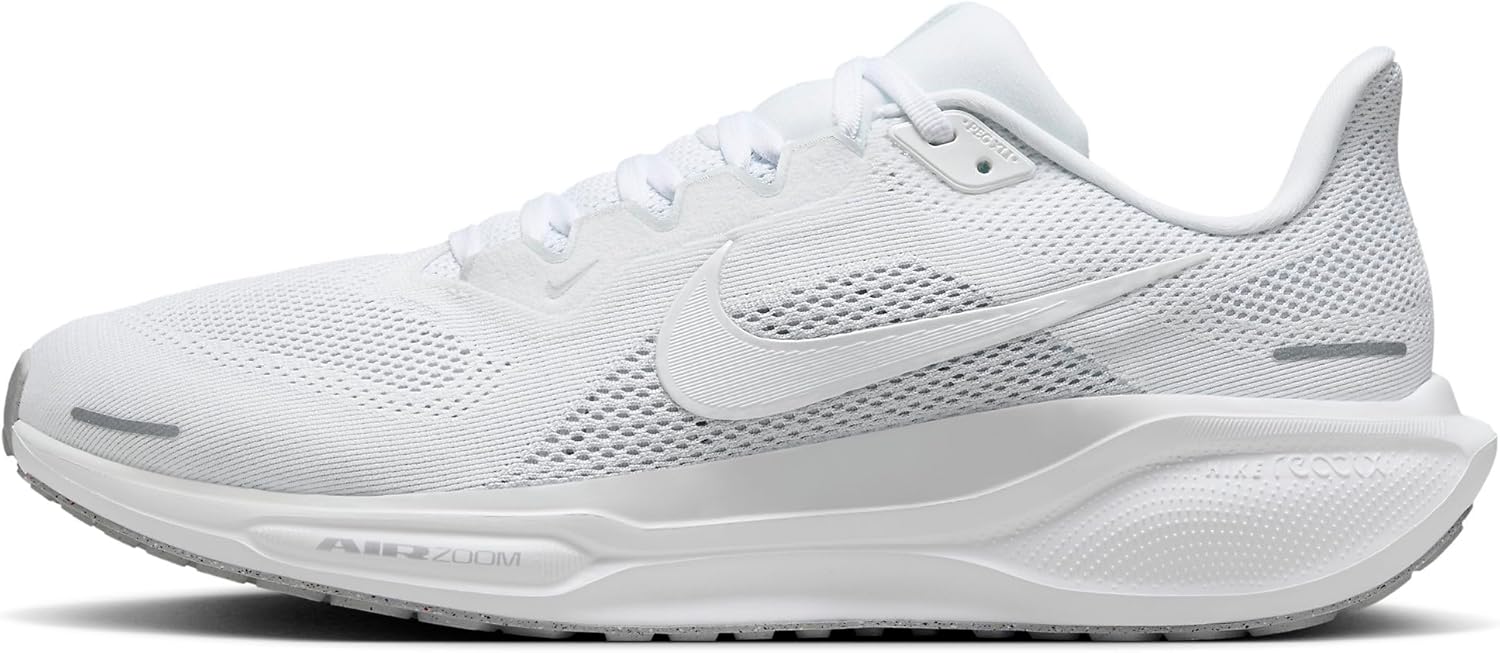
Adaptive Dynamic Arch · Athletic & Daily Wear
Currex’s flagship adaptive arch technology — the orthotic flexes with your gait instead of fighting it. Different stiffness zones along the length give you targeted support at the heel, midfoot, and forefoot. Available in three arch heights (low/medium/high).
✓ Pros
- Dynamic flex zones adapt to natural gait cycle
- Three arch heights ensure precise fit
- Lighter than rigid orthotics (no ‘heavy foot’ feel)
- Excellent for runners and athletic walkers
- European podiatric design (German engineering)
✗ Cons
- More expensive than PowerStep Original ($55-65 typically)
- Less aggressive correction than Pinnacle Maxx for severe cases
- Three arch heights means you must self-select correctly
Dr. Tom’s Recommendation: I started recommending Currex three years ago for runners who said PowerStep felt ‘too rigid.’ The dynamic flex zones respect natural gait. Best for active patients who walk 8K+ steps daily and don’t need maximum motion control.
Running-Specific · Heel Strike + Forefoot Strike Compatible
Currex’s purpose-built running orthotic. The midfoot flex zone is positioned for runner’s gait mechanics, with a flared heel cushion for heel strikers and a forefoot rocker for midfoot/forefoot strikers. Tested on 1000+ runners during product development.

✓ Pros
- Designed by German biomechanics lab specifically for runners
- Dynamic arch flexes with running gait (not static like PowerStep)
- Three arch heights (low/medium/high)
- Reduces overuse injury risk in mid-distance runners
- Lightweight (no impact on cadence)
✗ Cons
- Premium price ($60-75)
- Not aggressive enough for severe over-pronators (use Pinnacle Maxx)
- Runner-specific design = less ideal for daily walking shoes
Dr. Tom’s Recommendation: If a patient runs 20+ miles per week and has plantar fasciitis or shin splints, this is the orthotic I prescribe. The dynamic flex zones respect running biomechanics in a way that no rigid PowerStep can match. Pricier but worth it for serious runners.
Cavus Foot & High-Arch Patients
Polyurethane base with a deeper heel cup and higher arch profile than PowerStep — built for cavus (high-arched) feet that need maximum cushion and support. The 5-zone cushioning system addresses the unique pressure points of high-arch feet.

✓ Pros
- Deeper heel cup centers the heel for cavus foot stability
- Higher arch profile fills the void under high arches
- 5-zone cushioning addresses cavus foot pressure points
- Polyurethane base lasts 12+ months
- Available in Wide width
✗ Cons
- Too tall/aggressive for normal or low arches
- Won’t fit slim dress shoes
- Pricier than PowerStep Original
- Some patients find the arch height uncomfortable initially
Dr. Tom’s Recommendation: Cavus foot patients are often misdiagnosed and given low-arch orthotics — that makes everything worse. Spenco’s Total Support has the arch profile that high-arch feet actually need. About 15% of my patients have cavus feet; this is what they wear.
Cushion Layer · Standing All Day · Gel Pressure Relief
NOT a true biomechanical orthotic — this is a cushion insole. But for patients who want gel pressure relief instead of arch correction (or to add ON TOP of factory insoles in work boots), this is the best gel option on Amazon.

✓ Pros
- Genuine gel cushioning (not foam pretending to be gel)
- Targeted gel waves under heel and ball of foot
- Trim-to-fit · works in most shoe types
- Sub-$15 price (most affordable option in this list)
- Massaging texture is genuinely soothing
✗ Cons
- ZERO arch support — this is cushion only
- Won’t fix plantar fasciitis or flat-foot issues
- Compresses faster than PowerStep (4-6 months)
- Top cover wears through in high-mileage applications
Dr. Tom’s Recommendation: I recommend these to patients who tell me ‘I just want my feet to stop hurting at the end of my shift’ and who don’t have a biomechanical issue. Construction workers, factory workers, retail. Pure cushion does the job for them.
Tight-Fitting Shoes · Cycling Shoes · Hockey Skates
Superfeet’s slim version of their famous Green insole. The trademark stabilizer cap is preserved but the overall thickness is reduced — works in cycling shoes, hockey skates, ski boots, and other tight-fitting footwear that the standard Superfeet Green can’t fit into.

✓ Pros
- Stabilizer cap centers the heel (Superfeet’s signature feature)
- Slim profile fits tight athletic footwear
- Lasts 12+ months daily wear
- Excellent for cycling shoes specifically
- Built-in odor-control treatment
✗ Cons
- Premium price ($45-55)
- Less cushion than PowerStep equivalents
- Not as aggressive correction as Pinnacle Maxx for flat feet
- The signature ‘heel cup feel’ takes 1-2 weeks to adapt to
Dr. Tom’s Recommendation: If you’re a cyclist with foot numbness, hot spots, or knee pain — this is the orthotic. The stabilizer cap solves cycling-specific biomechanical issues that no other orthotic addresses. Worth the premium for athletes.
None of these solving your foot pain?
Some patients (about 30%) need custom-molded prescription orthotics. We make 3D-scanned custom orthotics in our Howell and Bloomfield Hills offices — specifically built for your foot mechanics.
Schedule a Custom Orthotic Fitting →FSA/HSA eligible · Most insurance accepted · (810) 206-1402
In-Office Treatment at Balance Foot & Ankle
If home treatment isn’t providing relief for your foot and ankle conditions, our podiatry team at Balance Foot & Ankle can help with same-day evaluations and advanced in-office care.
Same-day appointments available. (810) 206-1402
Frequently Asked Questions
How long does treatment take to work?
Most patients see improvement in 4-8 weeks with consistent conservative care. Persistent symptoms after 8 weeks need imaging and escalation.
When is surgery needed?
Surgery is reserved for cases that fail 3-6 months of conservative care, structural deformities, or fractures requiring stabilization.
NCBI: Septic Arthritis of the Foot — Emergency Recognition
Is this covered by insurance?
Most diagnostic visits and conservative treatments are covered by Medicare and major insurers. Custom orthotics often require diabetic or post-surgical justification.
Ready to fix this for good?
Reading goes only so far. The fastest path to relief is a 30-minute office visit with Dr. Biernacki — same-day Howell or Bloomfield Hills. Call (810) 206-1402 or use our online booking.
Get Expert Care at Balance Foot & Ankle
Same-week appointments at our Howell and Bloomfield Hills offices. Board-certified podiatric surgeons. Most insurance accepted.

Dr. Tom Biernacki, DPM is a board-certified foot & ankle surgeon (ABFAS & ABPM) at Balance Foot & Ankle Specialists in Southeast Michigan. With over a decade of clinical experience, he specializes in heel pain, bunions, diabetic foot care, sports injuries, and minimally invasive surgery. Dr. Biernacki is a member of the APMA and ACFAS, and his patient education content on MichiganFootDoctors.com and YouTube has made him one of the most-followed foot & ankle educators on YouTube.