
Medically reviewed by Dr. Tom Biernacki, DPM
Board-certified podiatric surgeon | Balance Foot & Ankle, Howell & Bloomfield Hills, MI
Last reviewed: May 2026
Balance Foot & Ankle offers same-day appointments for urgent foot and ankle conditions across Southeast Michigan — but the most important factor in outcomes isn’t getting seen quickly. Our podiatrists explain what to do in the first 24-48 hours before your appointment that most patients skip entirely. Call (810) 206-1402 — expert podiatric care across Michigan.

| Condition | Pain Location | Imaging | Risk Group | Return to Sport |
|---|---|---|---|---|
| Medial Tibial Stress Syndrome (Shin Splints) | Diffuse posteromedial tibia — lower 1/3 | Normal X-ray; periosteal edema on MRI (grade 1–2) | New runners; military recruits; rapid training increase | 2–6 weeks activity modification |
| Tibial Stress Fracture (Low Risk) | Posteromedial cortex; localized point tenderness | Cortical stress reaction / incomplete fracture on MRI or bone scan | Distance runners; female athletes (female athlete triad) | 6–8 weeks NWB or boot; 3–4 months return to sport |
| Tibial Stress Fracture (High Risk — Anterior) | Anterior (tension) cortex; localized; “dreaded black line” | “Dreaded black line” on X-ray or MRI — tension side cortex | Basketball, jumping athletes; high cortical stress | Surgical IM nail often needed; 4–6 months minimum |
| Tibial Shaft Fracture (Complete) | Severe acute pain; inability to bear weight | Complete fracture on X-ray | Trauma; fall; collision | Surgery (IM nail); 4–6 months |
| Treatment | Indication | Protocol | NWB Period | Return to Running |
|---|---|---|---|---|
| Activity Modification + Cross-Training | MTSS (shin splints); Grade 1–2 stress reaction | Reduce mileage 50%; pool running or cycling; gradual return plan | None required | 2–6 weeks |
| CAM Boot | Grade 3 stress reaction; low-risk tibial stress fracture | Boot 4–6 weeks; bone stimulator adjunct if delayed healing | 4–6 weeks (WBAT in boot) | 3–4 months |
| NWB Crutches + Boot | Posteromedial tibial stress fracture with significant marrow edema | NWB 4–6 weeks; transition to WB boot; gradual loading | 4–6 weeks | 3–5 months |
| Intramedullary Nail Fixation | Anterior “dreaded black line” stress fracture; complete tibial fracture; failed conservative at 6 months | IM nail under fluoroscopy; immediate WB often allowed | WB as tolerated post-op | 4–6 months post-op |
| Bone Stimulator (Adjunct) | Delayed healing; female athlete triad; stress fracture with metabolic risk factors | Pulsed electromagnetic field or ultrasound bone stimulator daily × 3–6 months | As per primary treatment | Accelerates healing by ~30% |
![Calcaneus Stress Fracture Treatment [Heel Stress Fracture RECOVERY!]](https://www.michiganfootdoctors.com/wp-content/cache/flying-press/cdfca81fb25b3ea56c6af7d70a9e3fb0.jpg)
Watch: Calcaneus Stress Fracture Treatment [Heel Stress Fracture RECOVERY!] — MichiganFootDoctors YouTube
Medically Reviewed | Dr. Tom Biernacki, DPM | Board-Certified Podiatric Surgeon | Balance Foot & Ankle, Michigan
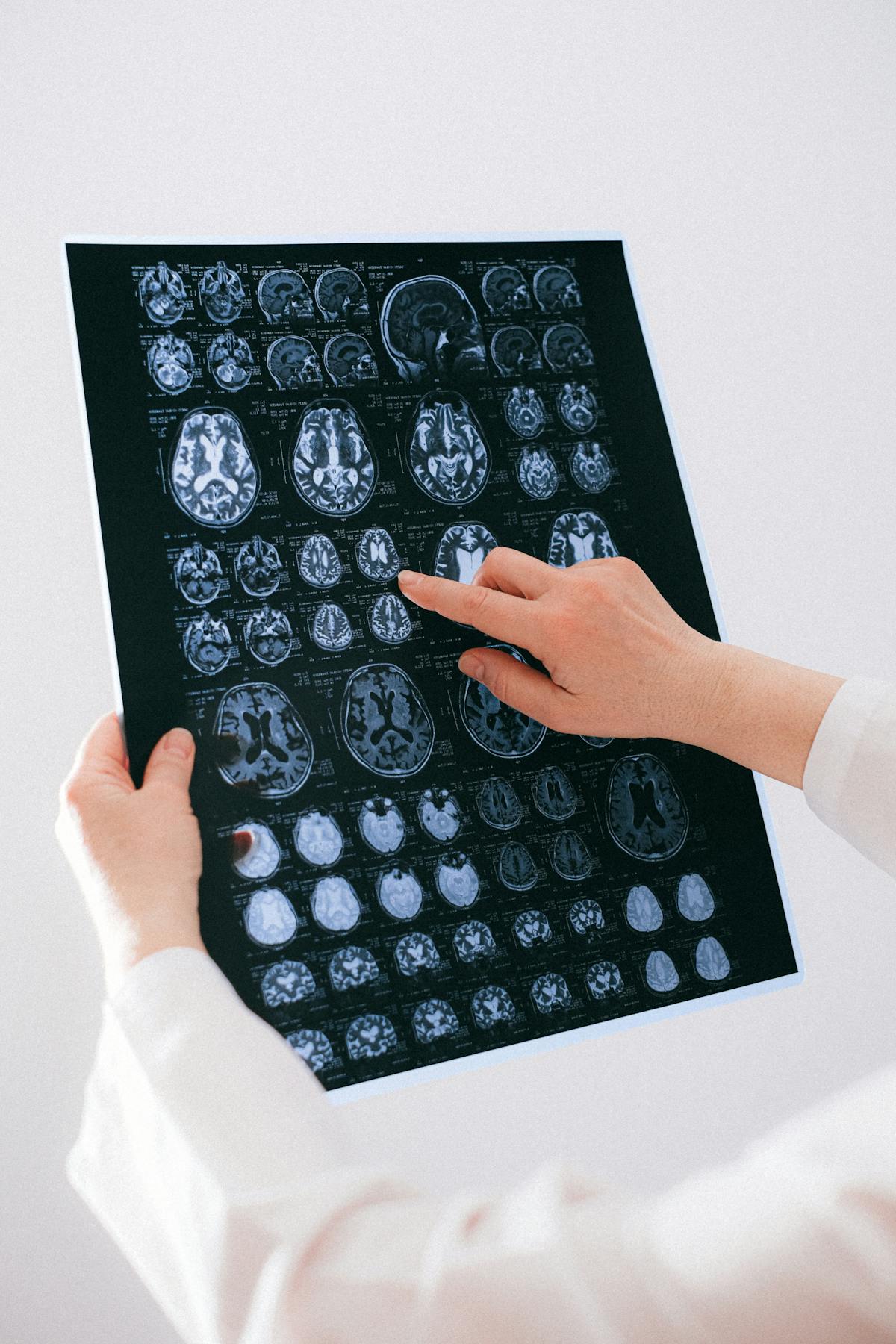
Pain along the inner shin — the posteromedial tibia — is among the most common complaints in running athletes. This pain exists on a spectrum from medial tibial stress syndrome (MTSS, commonly called “shin splints”) to frank tibial stress fracture, and distinguishing between these conditions is critical because treatment and return-to-sport timelines differ significantly. Balance Foot and Ankle in Howell, MI evaluates and treats shin pain in Michigan runners and athletes with evidence-based protocols that get athletes back to sport efficiently and safely.
The most important clinical decision with Tibial Stress Fracture Shin Splints Medial Tibial Stress Michigan Podiatrist isn’t which treatment to start with — it’s identifying the correct subtype. That changes everything. Call (810) 206-1402.
Shin Splints vs. Tibial Stress Fracture: The Spectrum
Medial tibial stress syndrome produces diffuse tenderness along a large segment (typically 5 cm or more) of the posteromedial tibial border. Pain is present at the beginning of a run and may improve with warm-up in early stages. A tibial stress fracture produces focal tenderness at a specific point — pain on palpation at a precise location on the tibia that reproduces the patient’s exact pain. Stress fracture pain does not improve with warm-up and typically worsens progressively throughout activity. The hop test — single-leg hopping on the affected side — is positive (pain reproduced) in tibial stress fractures and usually negative in pure MTSS.
Risk Factors and Causes
Overpronation (flat feet) is one of the most important biomechanical risk factors — the internal tibial rotation produced by excessive pronation creates bending stress on the tibial shaft. Inadequate calf and tibialis posterior strength allows the tibia to absorb forces that should be dissipated by the musculotendinous system. Sudden training load increases, low bone density, and inadequate nutrition (particularly the female athlete triad) amplify risk. Michigan cross-country and track runners are the highest-risk population Dr. Biernacki sees in his practice.
Diagnosis and Treatment
X-rays are frequently normal for both MTSS and early tibial stress fracture. MRI is the gold standard — stress fractures show focal periosteal and endosteal edema, while MTSS shows more diffuse periosteal signal. Bone scan can identify stress fractures but lacks specificity. MTSS is managed with training load reduction, custom orthotics to correct overpronation, and progressive strengthening. Tibial stress fractures require more significant load reduction — cross-training, cam boot for high-risk locations (anterior tibia), and return-to-running protocols that progress over 8-12 weeks. Anterior tibial stress fractures are high-risk for non-union and may require surgical fixation in athletes.
Products for Shin Splint and Stress Fracture Recovery
Dr. Tom's Product Recommendations
Calf Compression Sleeves Running
⭐ Highly Rated
Graduated compression sleeves that reduce tibial vibration and posteromedial compartment pressure during running. Dr. Biernacki recommends calf compression for Michigan runners with shin splints.
Dr. Tom says: “My podiatrist recommended calf compression sleeves for my shin splints and I noticed significantly less inner shin soreness during and after runs.”
Michigan runners with medial tibial stress syndrome needing vibration reduction and compartment pressure management during training
Compression sleeves manage shin splint symptoms but do not correct the overpronation biomechanics that cause MTSS — custom orthotics are needed for lasting correction
Disclosure: We earn a commission at no extra cost to you.
CURREX RunPro Insole Overpronation Control
⭐ Highly Rated
Dynamic running insole with medial arch support that controls tibial internal rotation from overpronation — the primary biomechanical driver of medial tibial stress syndrome and tibial stress fracture.
Dr. Tom says: “My podiatrist corrected my overpronation with CURREX insoles and my shin splints that had been limiting my marathon training resolved within three weeks.”
Michigan runners with overpronation-driven medial tibial stress syndrome who need dynamic arch support and pronation control in running footwear
Custom orthotics with medial wedging are superior to OTC insoles for significant flat-foot correction — professional evaluation determines which patients need custom solutions
Disclosure: We earn a commission at no extra cost to you.
Foam Roller Calf Self Myofascial Release
⭐ Highly Rated
Textured foam roller for calf self-myofascial release and tibialis posterior stretching. Reduces posterior compartment tightness that contributes to medial tibial stress syndrome.
Dr. Tom says: “My podiatrist added calf foam rolling to my shin splint treatment protocol and the combination with orthotics resolved my shin pain in 4 weeks.”
Runners with medial tibial stress syndrome and calf tightness needing daily self-myofascial release to reduce posterior compartment pressure during return-to-running
Do not foam roll over the site of a suspected tibial stress fracture — bone stress injuries require offloading, not compression. Consult Dr. Biernacki before foam rolling if fracture is suspected.
Disclosure: We earn a commission at no extra cost to you.
✅ Pros / Benefits
- MTSS typically resolves with training modification, orthotics, and strengthening within 4-8 weeks
- Early identification of tibial stress fracture prevents progression to complete fracture
- Custom orthotics correcting overpronation provide lasting prevention of recurrence
❌ Cons / Risks
- Anterior tibial stress fractures are high-risk and may require surgical fixation to ensure healing
- Return to full running after tibial stress fracture takes 3-4 months minimum
- Athletes with low bone density need metabolic bone evaluation beyond simple fracture management
Dr. Tom Biernacki’s Recommendation
The single biggest training mistake I see that causes shin stress injuries is running too many miles too soon on consecutive days without adequate recovery. The tibia needs 48-72 hours to remodel the microscopic damage from each run. When runners ignore this and train daily at high volume, the repair deficit accumulates until it becomes a stress fracture. I talk to every runner I treat about training periodization — it is the most important preventive medicine I can practice.
— Dr. Tom Biernacki, DPM | Board-Certified Podiatric Surgeon | Balance Foot & Ankle
Frequently Asked Questions
What is the difference between shin splints and a tibial stress fracture?
Shin splints (MTSS) produce diffuse tenderness along a large section of the inner shin, while tibial stress fractures produce point tenderness at a specific focal location. Stress fracture pain does not improve with warm-up and worsens progressively, while shin splint pain may improve slightly after warm-up in early stages.
Do shin splints require an X-ray?
Initial X-rays are typically normal for both conditions. MRI is the gold standard for differentiating MTSS from stress fracture and for grading injury severity. Clinical examination including the hop test helps determine imaging urgency.
How long do shin splints take to heal?
MTSS with proper training modification and orthotic correction typically resolves in 4-8 weeks. Tibial stress fractures require 8-12 weeks of significant activity restriction and then a gradual 4-6 week return to running.
Can I continue running with shin splints?
Mild MTSS may tolerate continued easy running with orthotic correction and mileage reduction. However, any worsening with activity, point tenderness, or pain that does not improve with warm-up requires complete running rest and professional evaluation before continuing.
Why do flat feet cause shin splints?
Overpronation causes excessive internal tibial rotation, creating a bending moment on the tibial shaft that the posteromedial tibial cortex must resist. Over time this repetitive bending stress causes periosteal inflammation (shin splints) or fatigue fracture (stress fracture).
Michigan Foot Pain? See Dr. Biernacki In Person
4.9★ rated | 1,123 Reviews | 3,000+ Surgeries
Same-week appointments · Howell & Bloomfield Hills
📞 (810) 206-1402 Book Online →Frequently Asked Questions
When should I see a podiatrist?
If symptoms persist past 2 weeks, affect your normal activity, or are accompanied by red-flag symptoms (warmth, redness, swelling, inability to bear weight).
What does treatment cost?
Most diagnostic visits and conservative treatments are covered by Medicare and major insurers. Out-of-pocket costs vary by your specific plan.
How quickly can I get an appointment?
Most non-urgent cases see us within 5 business days. Urgent cases (sudden pain, possible fracture) typically same or next business day.
In-Office Treatment at Balance Foot & Ankle
If home treatment isn’t providing relief for your stress fractures, our podiatry team at Balance Foot & Ankle can help with same-day evaluations and advanced in-office care.
Ready to Get Relief?
Same-day appointments available in Howell & Bloomfield Hills, MI
4.9★ | 1,123 Reviews | 3,000+ Surgeries
Or call: (810) 206-1402

Dr. Tom Biernacki, DPM is a board-certified foot & ankle surgeon (ABFAS & ABPM) at Balance Foot & Ankle Specialists in Southeast Michigan. With over a decade of clinical experience, he specializes in heel pain, bunions, diabetic foot care, sports injuries, and minimally invasive surgery. Dr. Biernacki is a member of the APMA and ACFAS, and his patient education content on MichiganFootDoctors.com and YouTube has made him one of the most-followed foot & ankle educators on YouTube.