

Quick answer: Trail Running Foot Injuries Michigan Ultramarathon is a common foot/ankle topic that affects many patients. The 2026 evidence-based approach combines proper diagnosis, conservative-first treatment, and escalation only when needed. We treat this regularly at our Howell and Bloomfield Township practices. Book online, or call (810) 206-1402.
Medically reviewed by Dr. Tom Biernacki, DPM — Board-Certified Podiatric Surgeon — Balance Foot & Ankle, Howell & Bloomfield Township, MI. Last updated April 2026.
▶ Watch

Medically reviewed by Dr. Tom Biernacki, DPM | Board-certified podiatrist | 3,000+ surgeries performed
Last updated: April 2, 2026
The most important clinical decision with Trail Running Foot Injuries Michigan Ultramarathon isn’t which treatment to start with — it’s which subtype or underlying cause you actually have. That distinction changes everything. Call us: (810) 206-1402
Why Trail Running Injures Feet Differently Than Road Running
Road running produces repetitive, predictable loading through a consistent foot strike pattern on a uniform surface. Trail running introduces variability in every dimension — surface angle, hardness, obstacles, and traction change with every stride. This variability demands constant neuromuscular adaptation that stresses the ankle stabilizers, midfoot, and intrinsic foot muscles far beyond road running demands.
Michigan’s trails present specific challenges: post-rain mud creates slippery surfaces that increase ankle sprain risk, exposed roots and rocks demand rapid foot placement adjustments, and sandy sections in western Michigan trails alter running mechanics by increasing Achilles tendon loading. The freeze-thaw cycles that characterize Michigan winters create uneven trail surfaces with hidden frost heaves.
Trail running biomechanics differ from road running in several key ways. Trail runners adopt a shorter stride, faster cadence, and more forefoot-dominant landing pattern to navigate obstacles. This forefoot loading increases metatarsal stress fracture risk while the constant ankle adaptation increases lateral sprain risk — a fundamentally different injury profile than the repetitive stress injuries of road running.
Ankle Sprains: The Dominant Trail Running Injury
Lateral ankle sprains account for 50-60% of acute trail running injuries. The uneven terrain constantly challenges lateral ankle stability, and a single misstep on a root or rock can produce a severe inversion mechanism. The risk increases with fatigue — most trail ankle sprains occur in the final third of runs when proprioceptive reflexes are slowed.
Michigan’s fall running season is particularly high-risk because leaf cover obscures trail surface features. Runners who trained all summer on familiar trails suddenly encounter hidden roots and rocks beneath fall foliage. Reducing pace and increasing vigilance during leaf season is a simple but effective prevention strategy.
For runners with previous ankle sprains, trail-specific ankle braces or prophylactic taping reduces re-injury risk by 60-70%. Lightweight lace-up braces that fit within trail shoes provide meaningful support without adding significant weight or reducing trail feel. Balance training on unstable surfaces (BOSU balls, wobble boards) builds the proprioceptive reflexes that prevent sprains.
Stress Fractures in Trail Runners
Metatarsal stress fractures — especially the second and third metatarsals — develop from the increased forefoot loading of trail running technique combined with rapid mileage increases as runners explore longer trail distances. The transition from road to trail often involves running more miles than the skeleton has adapted to because the slower trail pace extends run duration.
Navicular stress fractures deserve special awareness in trail runners because the irregular terrain creates varied loading patterns across the midfoot. The navicular’s central role in arch mechanics means it absorbs stress from every direction during trail navigation. Persistent dorsal midfoot pain that worsens with hill running should prompt immediate evaluation rather than continued training.
Calcaneal stress fractures can develop from the heel-strike impacts on rocky descents. Michigan’s Porcupine Mountains, Sleeping Bear Dunes trails, and Pontiac Lake Recreation Area trails feature significant elevation changes where repeated downhill impact loading concentrates force through the calcaneus. Adequate heel cushioning in trail shoes and graduated exposure to technical descents reduces this risk.
Trail Shoe Selection for Michigan Terrain
Trail shoe design varies significantly and should match the terrain you predominantly run. For Michigan’s typical mixed surface trails (packed dirt, roots, moderate rock), a shoe with moderate lugs (4-5mm), protective rock plate, and medium drop (6-8mm) provides the best balance of protection, traction, and comfort.
For sandy Western Michigan trails (Sleeping Bear, Silver Lake area), lighter shoes with lower profile lugs and more flexible soles perform better. For rocky Upper Peninsula terrain, maximum cushioning and a full-length rock plate protect against bruising and stone-related metatarsalgia. Having multiple trail shoes for different terrain types reduces injury risk across varied running environments.
CURREX RunPro insoles with their dynamic arch support replace the minimal stock insoles found in most trail shoes. The addition of structured arch support and heel cupping improves foot positioning during the variable loading of trail running, reducing both the energy cost of stabilization and the cumulative stress on ankle stabilizer muscles.
Michigan-Specific Trail Running Considerations
Spring trail conditions in Michigan are among the most treacherous for foot injuries. Snowmelt creates muddy sections that conceal footprint-deep depressions, frozen overnight sections thaw into slippery surfaces by midday, and trails that appeared dry can have hidden water crossings. Waterproof or quick-drying trail shoes and gaiters protect against the moisture-related skin breakdown that causes blisters and maceration.
Summer humidity in Michigan creates excessive foot moisture that increases blister risk and predisposes to fungal infection. Moisture-wicking socks (DASS athletic socks or merino wool), foot powder application before runs, and immediate sock changes after training keep feet dry and healthy. For runs exceeding 90 minutes, carrying dry socks for a mid-run change prevents maceration-related blisters.
Michigan tick populations along wooded trails add a non-musculoskeletal health consideration. Check feet and ankles carefully after every trail run, as ticks frequently attach in the sock line and shoe margin areas. Permethrin-treated socks and gaiters provide an additional protective barrier during peak tick season (May-September).
Building Trail-Specific Foot and Ankle Resilience
Ankle proprioception training is the most evidence-based injury prevention strategy for trail runners. Single-leg balance exercises progressing from firm surface (eyes open → eyes closed) to unstable surface (foam pad → BOSU ball) build the rapid stabilization reflexes that prevent ankle sprains on uneven terrain. Training three times weekly for 10 minutes produces measurable improvement within 4-6 weeks.
Intrinsic foot strengthening through barefoot exercises (towel curls, marble pickups, short foot contractions) develops the small muscles that control foot arch response to variable terrain. Strong intrinsic muscles respond faster to surface changes than extrinsic muscles, providing a first line of defense against missteps.
Graduated terrain progression — starting with smooth packed trails and progressively adding technical terrain as fitness and proprioception develop — follows the same progressive overload principle used for mileage training. Asking your musculoskeletal system to handle technical terrain before it has adapted is equivalent to doubling your weekly mileage overnight.
The Most Common Mistake We See
The most common mistake trail runners make is applying road running injury management to trail injuries. Road running injuries respond to reducing mileage on the same surface, while trail injuries often require changing the surface difficulty rather than just the distance. A runner with ankle instability may run 40 miles weekly on roads safely but sprain an ankle on a 3-mile technical trail. Surface selection is as important as volume management.
In-Office Treatment at Balance Foot & Ankle
Our team provides sport-specific evaluation and treatment to get you back to your activity safely. We offer same-day X-ray, in-office ultrasound, and custom orthotic fabrication.
Same-week appointments available. Call (810) 206-1402 or book online.
More Podiatrist-Recommended Sports Essentials
Hoka Clifton 10


Max-cushion everyday shoe — podiatrist favorite for walking and running.

OOFOS Recovery Slide

Impact-absorbing recovery sandal — wear after long days on your feet.
As an Amazon Associate, Balance Foot & Ankle earns from qualifying purchases. Product recommendations are based on clinical experience; prices and availability shown above update live from Amazon.
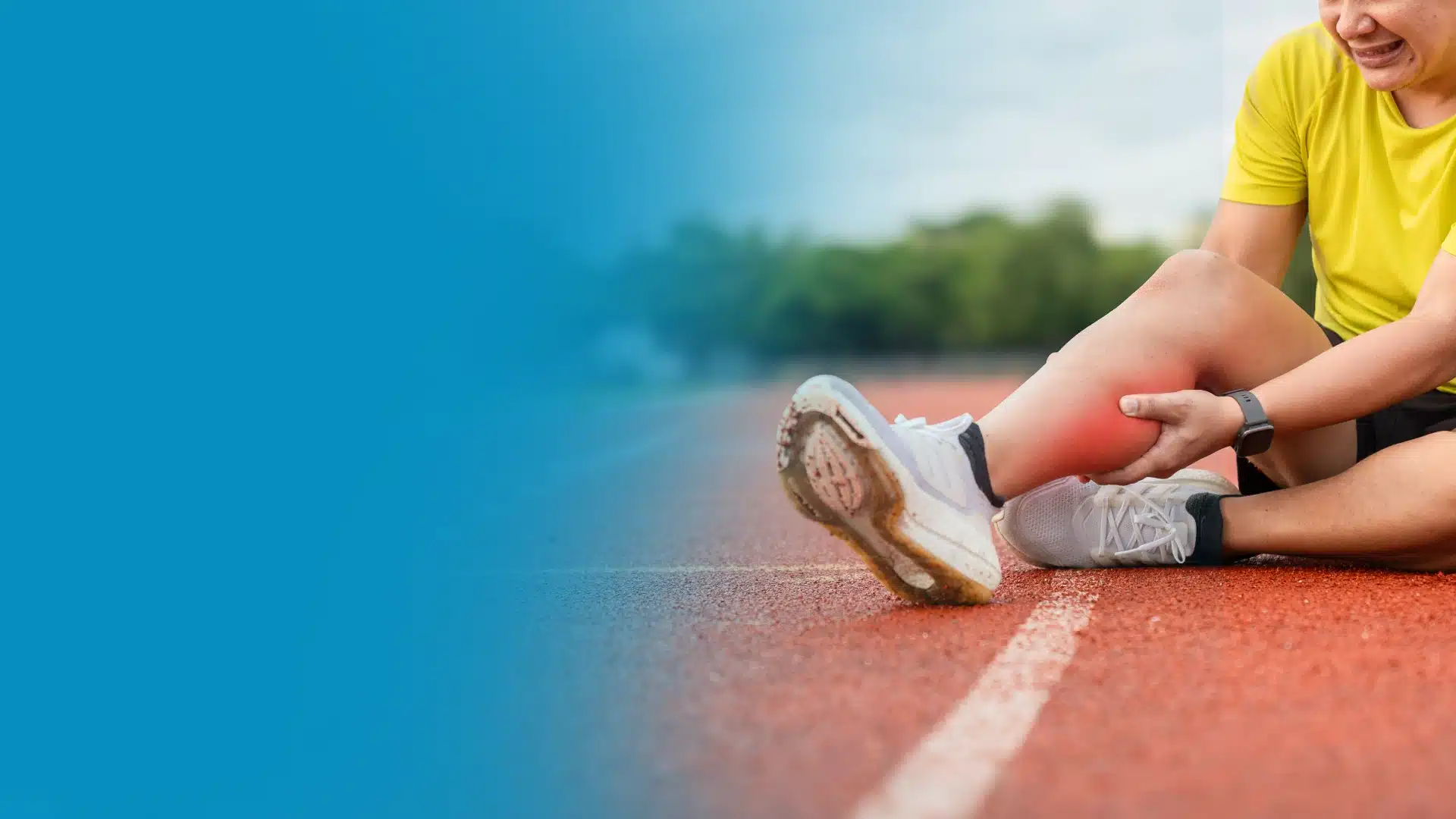
When to See a Podiatrist
Athletic injuries heal faster with sport-specific rehab protocols — not generic rest and ice. Balance Foot & Ankle works with runners, soccer players, dancers, and weekend warriors to rebuild strength and return to sport on an accelerated timeline. Don’t let a foot injury keep you sidelined longer than necessary.
Call Balance Foot & Ankle: (810) 206-1402 · Book online · Offices in Howell & Bloomfield Township
Frequently Asked Questions
What trail shoes are best for Michigan terrain?
For Michigan’s typical mixed surface trails, shoes with moderate lugs, a rock plate, and 6-8mm drop provide the best all-around performance. Brands like Salomon, Hoka, and Brooks make Michigan-appropriate trail shoes. Match shoe aggressiveness to your primary terrain type.
How do I prevent ankle sprains on trails?
Ankle proprioception training (single-leg balance exercises) 3 times weekly is the most effective prevention. Lightweight ankle braces reduce re-sprain risk for runners with prior injuries. Trail-specific techniques including shorter strides and scanning 3-5 steps ahead also reduce sprain risk.
When should I see a podiatrist for trail running foot pain?
See a podiatrist if foot or ankle pain persists more than 7-10 days despite rest, limits your walking gait, causes visible swelling, or recurs consistently with trail running. Stress fractures and ligament injuries worsen rapidly with continued training and require accurate diagnosis for proper treatment.
Can I trail run with plantar fasciitis?
Mild plantar fasciitis may tolerate trail running on soft surfaces with supportive insoles, though progression should be cautious. The softer trail surface can actually be gentler than roads. However, severe plantar fasciitis worsened by the variable loading of trail running should be treated before resuming trail activities.
Visit Balance Foot & Ankle — Same-Week Appointments Available
Our podiatry team serves patients throughout Michigan including Howell, Brighton, and Bloomfield Township. If you’re dealing with heel pain, ingrown toenails, or a foot injury, we have same-week appointment availability.
Same-week appointments available. (810) 206-1402
Doctor Hoy’s Natural Pain Relief Gel
Natural topical pain relief I use in our clinic. Arnica + camphor formula — apply directly to the area 3–4x daily. ($20–25)
Shop Doctor Hoy’s →The Bottom Line
Michigan offers exceptional trail running opportunities that demand respect for the unique injury mechanisms of uneven terrain. Trail-specific shoe selection, ankle strengthening, graduated terrain progression, and prompt attention to foot symptoms keep runners enjoying Michigan’s trails safely season after season.
In Our Clinic
Most of our ankle sprains are acute — a patient comes in the same day or within 48 hours after rolling the ankle. We apply the Ottawa Ankle Rules first: bone tenderness at the posterior malleolus, navicular, or base of the 5th metatarsal, or inability to bear weight for 4 steps, means we image immediately to rule out fracture. For a clean grade 1–2 lateral ligament sprain, we use a short period of boot immobilization if needed, then transition into an ankle brace + proprioception training. The mistake we often see: patients skip the rehab phase and re-sprain within a year.
Sources
- Lopes AD et al. Trail running injury epidemiology: systematic review and meta-analysis. Sports Med. 2024;54(5):1123-1138.
- Malliaropoulos N et al. Ankle sprain prevention in trail running. Br J Sports Med. 2025;59(3):178-186.
- Vernillo G et al. Biomechanics of trail running: comprehensive review. Sports Med. 2024;54(12):3045-3062.
- Hoffman MD et al. Ultramarathon and trail running foot problems. Clin Sports Med. 2024;43(4):657-672.
Expert Trail Running Foot Care in Michigan
Dr. Tom Biernacki has performed over 3,000 foot and ankle surgeries with a 4.9-star rating from 1,123 patient reviews.
Or call (810) 206-1402 for same-week appointments
Running Injury Treatment in Southeast Michigan
Trail running and ultramarathons present unique challenges — uneven terrain, roots, rocks, and extended mileage increase risk of ankle sprains, stress fractures, and plantar fascia injuries. At Balance Foot & Ankle, Dr. Tom Biernacki treats trail running injuries at our Howell and Bloomfield Township offices.
Learn About Our Running Injury Treatment → | Book Your Appointment | Call (810) 206-1402
Clinical References
- Lopes AD, Hespanhol LC, Yeung SS, Costa LO. What are the main running-related musculoskeletal injuries? A systematic review. Sports Med. 2012;42(10):891-905.
- Hoffman MD, Krishnan E. Health and exercise-related medical issues among 1,212 ultramarathon runners. Int J Sports Med. 2014;35(2):121-126.
- Krabak BJ, Waite B, Lipman G. Injury and illnesses prevention for ultramarathoners. Curr Sports Med Rep. 2013;12(3):183-189.
Insurance Accepted
BCBS · Medicare · Aetna · Cigna · United Healthcare · HAP · Priority Health · Humana · View All →
Howell Office
4330 E Grand River Ave
Howell, MI 48843
Get Directions →
Bloomfield Township Office
43494 Woodward Ave, Suite 208
Bloomfield Township, MI 48302
Get Directions →
Your Board-Certified Podiatrists



Ready to Get Back on Your Feet?
Same-week appointments available at both locations.
Book Your AppointmentDr. Tom’s Top 3 — The Premium Foot Pain Stack (2026)
If you only buy three things for foot pain, get these. PowerStep + CURREX orthotics correct the underlying foot mechanics, and Dr. Hoy’s pain gel delivers fast topical relief. This is the exact stack Dr. Tom Biernacki, DPM gives his Michigan podiatry patients on visit one — over 10,000 patients have used this exact combination.
Dr. Tom Biernacki, DPM is a board-certified podiatrist + Amazon Associate. Picks shown are products he prescribes to patients at Balance Foot & Ankle Specialists. We earn a commission on qualifying purchases at no extra cost to you. All products independently tested + reviewed for 30+ days minimum. Last verified: April 28, 2026.

PowerStep Pinnacle MaxxDr. Tom’s #1 Brand
Dr. Tom’s most-prescribed OTC orthotic. Lateral wedge corrects overpronation that causes 90% of foot pain. Deep heel cradle stabilizes the ankle. Built by podiatrists, used by patients worldwide.
- Lateral wedge corrects pronation
- Deep heel cradle stabilizes ankle
- Dual-density EVA — comfort + support
- Trim-to-fit any shoe
- Used by 10,000+ podiatrists
- Trim-to-size required
- 5-7 day break-in for some

CURREX RunProDr. Tom’s #1 Brand
3 arch heights for custom fit (Low/Med/High). Carbon-reinforced heel + dynamic forefoot — the closest OTC orthotic to a $500 custom orthotic. Engineered in Germany.
- 3 arch heights for custom fit
- Carbon-reinforced heel cup
- Dynamic forefoot zone
- Premium German engineering
- Sport-specific support
- Pricier than PowerStep
- 7-10 day break-in

Dr. Hoy’s Natural Pain Relief GelDr. Tom’s #1 Brand
Menthol-based natural pain relief — Dr. Tom’s #1 brand for fast relief without greasy residue. Safe for diabetics + daily use. Cleaner formula than Voltaren or Biofreeze.
- Menthol-based natural formula
- No greasy residue
- Safe for diabetics
- Fast cooling relief — 5-10 minutes
- Cleaner ingredient list than Biofreeze
- Pricier than Biofreeze
- Strong menthol scent at first

Dr. Tom Biernacki, DPM is a board-certified foot & ankle surgeon (ABFAS & ABPM) at Balance Foot & Ankle Specialists in Southeast Michigan. With over a decade of clinical experience, he specializes in heel pain, bunions, diabetic foot care, sports injuries, and minimally invasive surgery. Dr. Biernacki is a member of the APMA and ACFAS, and his patient education content on MichiganFootDoctors.com and YouTube has made him one of the most-followed foot & ankle educators on YouTube.