


Best Ankle Sprain Recovery Products 2026: Podiatrist Guide to Braces, Wraps, and Rehab Essentials
Ankle sprains are the most common musculoskeletal injury in athletic and general populations — accounting for approximately 2 million emergency room visits per year in the United States alone. The difference between a 2-week recovery and a 6-month chronic instability problem almost always comes down to what happens in the first 72 hours. As a podiatric surgeon who has evaluated and treated thousands of ankle sprains at Balance Foot & Ankle Specialists in Howell, Michigan, I’ve tested and recommended nearly every major ankle brace, compression system, and rehabilitation tool on the market. This guide presents the six products I most frequently recommend to patients — and the clinical reasoning behind each recommendation.
⚡ Dr. Tom’s Top 6 Ankle Sprain Recovery Products 2026
- Aircast A60 Ankle Support — Best overall brace for Grade I & II sprains; superior lateral support with minimal bulk
- McDavid 195 Ankle Brace with Straps — Best lace-up brace; exceptional figure-8 strap stability for return-to-sport
- ASO Ankle Stabilizing Orthosis — Best for long-term ankle instability prevention; the most worn ankle brace in sports medicine
- Vive Ankle Ice Wrap — Best cryotherapy device; maintains therapeutic temperature across the full lateral ankle complex
- KT Tape Pro Kinesiology Tape — Best proprioceptive support; enhances ankle position sense during functional rehab
- TheraBand Resistance Bands — Best for rehabilitation; progressive resistance for peroneal strengthening and proprioception training
Ankle sprains range from mild Grade I ligament stretches that heal in 5–7 days to complete Grade III tears requiring weeks of immobilization and potential surgical consultation. What determines your grade — and therefore your expected recovery timeline — is the pattern of ligament involvement, the degree of functional instability, and whether imaging rules out associated fractures (Ottawa Rules). The products in this guide address the entire recovery spectrum: acute swelling control in the first 72 hours, mechanical stability during the subacute walking phase, and progressive neuromuscular rehabilitation that prevents the chronic instability that affects up to 40% of ankle sprain patients who receive inadequate early treatment.
The most common mistake I see is treating ankle sprains as minor inconveniences. A lateral ankle sprain — the most common type, involving the anterior talofibular ligament (ATFL), calcaneofibular ligament (CFL), and posterior talofibular ligament (PTFL) in increasing severity — disrupts not only the mechanical restraints of the ankle but also the proprioceptive nerve endings embedded within those ligaments. When proprioception is impaired, the peroneal muscles cannot fire quickly enough to prevent a re-sprain. This is why up to 40% of people who sprain their ankle without proper rehabilitation will sprain it again within 12 months. The rehabilitation component — specifically the proprioceptive and peroneal strengthening exercises performed weeks 3 through 8 of recovery — is the factor that most reliably prevents the transition from acute injury to chronic ankle instability.
Each product in this guide was selected based on clinical evidence, patient outcomes in our practice, biomechanical properties appropriate to each phase of recovery, and real-world usability considerations that determine whether patients actually use the product consistently enough to benefit from it. A brace that is uncomfortable to wear is a brace that sits in a drawer — which is worse than no brace at all, because it creates false reassurance. These six products are ones patients actually use, consistently, throughout their recovery.
Ankle sprains are among the most frequently mismanaged orthopedic injuries in sports and everyday life. Understanding the anatomy, grading system, and physiological phases of healing transforms a vague “roll your ankle” complaint into a precise clinical problem with a predictable treatment pathway. This section covers the essential science that determines which products work, why they work, and when to use each one.
Ankle Sprain Anatomy: What Actually Tears When You Roll Your Ankle
The lateral ankle is stabilized by three primary ligaments that form a complex mechanical restraint system against excessive ankle inversion (the rolling-inward motion responsible for 85% of all ankle sprains). The anterior talofibular ligament (ATFL) is the weakest and most commonly injured — it runs from the anterior fibula to the lateral talus and is the primary restraint against anterior drawer and internal rotation stress when the ankle is plantarflexed. The calcaneofibular ligament (CFL) is stronger and provides coronal plane stability in neutral and dorsiflexed ankle positions. The posterior talofibular ligament (PTFL) is the strongest and is rarely injured in isolation — PTFL involvement indicates a severe, high-energy sprain.
Medial ankle sprains — involving the thick deltoid ligament complex — are far less common (approximately 5% of ankle sprains) because the deltoid is significantly stronger than the lateral complex. High ankle sprains (syndesmotic injuries) involve the anterior inferior tibiofibular ligament (AITFL) and interosseous membrane and occur when the ankle is subjected to external rotation force rather than inversion. Syndesmotic sprains take significantly longer to heal (8–12 weeks versus 2–6 weeks for lateral sprains) and are frequently misdiagnosed as standard lateral sprains, resulting in inadequate immobilization and prolonged recovery. The squeeze test and external rotation stress test help differentiate syndesmotic injuries during the initial evaluation.
Grading System: How Severe Is Your Ankle Sprain?
The universal grading system for lateral ankle sprains classifies injuries into three grades based on ligament involvement and functional impairment. Grade I sprains involve microscopic ligament fiber disruption without complete tearing — the ATFL is stretched but structurally intact. The ankle is stable to stress testing, tenderness is localized to the anterolateral ankle, swelling is mild, and most patients can bear weight with minimal discomfort within 24–48 hours. Recovery typically takes 5–14 days with appropriate treatment. Grade II sprains involve a partial tear of the ATFL and possibly partial CFL involvement. Swelling is moderate to significant, there is notable functional instability (the ankle feels “wobbly” on uneven surfaces), and bearing full weight initially is painful though usually possible. Recovery takes 3–6 weeks with proper bracing and progressive rehabilitation. Grade III sprains represent complete ligament rupture — typically complete ATFL tear plus complete or near-complete CFL tear. The ankle demonstrates significant mechanical laxity on stress testing, immediate severe swelling and ecchymosis develop, and weight-bearing is often impossible. Recovery takes 6–12 weeks for conservative management, and surgical stabilization (Brostrom-Gould procedure) is considered when conservative care fails after 4–6 months of documented instability.
Watch: Ankle Sprain vs. Fracture — Dr. Tom Explains the Difference
One of the most important questions after rolling your ankle is whether you have sprained a ligament or fractured a bone — because these injuries look similar, hurt similarly, and are often managed very differently. Dr. Tom Biernacki breaks down the Ottawa Ankle Rules, the clinical tests used to differentiate sprains from fractures, and what to do in the first 72 hours.

The PRICE Protocol: The Foundation of Ankle Sprain Treatment
Before evaluating any specific product, understanding the PRICE protocol provides the framework within which every ankle sprain intervention operates. PRICE stands for Protection, Rest, Ice, Compression, and Elevation — and the evidence for this approach, when applied correctly within the first 72 hours of injury, is unambiguous: it reduces swelling, limits secondary tissue damage from inflammatory mediators, and significantly shortens recovery time compared to no initial management.
Protection does not mean complete immobilization — it means protecting the ankle from re-injury during the acute phase while allowing controlled mobility. A rigid plastic cast is rarely appropriate for standard lateral ankle sprains; a functional ankle brace that limits inversion while allowing dorsiflexion and plantarflexion provides the right balance of protection and mobility. Rest in the modern evidence base means relative rest — avoiding the activities that caused the injury while maintaining as much general activity as the pain allows. Complete bed rest is counterproductive after 24–48 hours as it delays the revascularization and collagen remodeling that heal ligament tissue. Ice (cryotherapy) applied correctly significantly reduces the prostaglandin-mediated inflammatory response in the acute phase — but technique matters enormously, as discussed in the Vive Ice Wrap review. Compression through an elastic bandage or ankle brace reduces edema formation by increasing interstitial hydrostatic pressure. Elevation of the ankle above heart level uses gravity to reduce hydrostatic pressure in the ankle capillary bed, dramatically reducing swelling accumulation in the first 24 hours.
The six products in this guide each address one or more components of the PRICE protocol and the subsequent rehabilitation phase. Understanding which phase each product serves — and combining them in the right sequence — is what transforms individual product recommendations into a coherent recovery system.
Product Reviews: Best Ankle Sprain Recovery Products 2026
Aircast A60 Ankle Support — Optimal Lateral Stability Without Bulk
Best for: Grade I and Grade II lateral ankle sprains, return-to-sport after acute phase, athletes who need reliable lateral support without the bulk of a traditional lace-up brace, patients with recurring ankle sprains who need daily preventive support
The Aircast A60 is the ankle brace I most frequently recommend for Grade I and Grade II lateral ankle sprains because it solves the primary tension between adequate mechanical support and wearable design. Its defining feature is the 60-degree stabilizing ankle strap that mirrors the anatomical orientation of the anterior talofibular ligament — the most commonly torn structure in lateral ankle sprains. This angular strap geometry creates a targeted mechanical restraint against inversion stress that generic ankle sleeves and wrap-style supports simply cannot replicate.
The A60’s shell is a semi-rigid thermoplastic that cradles the medial and lateral malleolus, distributing impact forces across a larger surface area rather than concentrating them at the injured ligament complex. This is biomechanically significant: during early return-to-activity after a Grade II sprain, ground reaction forces during walking can still generate ankle inversion moments that exceed the tensile strength of partially healed ATFL tissue. The rigid shell provides a fail-safe restraint when the partially healed ligament cannot. Unlike bulkier traditional stirrup braces (like the original Aircast Air Stirrup), the A60’s low-profile design fits inside most athletic footwear without significantly raising the foot within the shoe.
Clinical experience with the A60 is consistently positive in terms of patient compliance — a critical practical variable that determines outcome at least as much as biomechanical efficiency. Patients actually wear this brace because it is comfortable enough for extended daily use. The pivot point guard at the ankle allows natural dorsiflexion and plantarflexion motion while blocking the inversion-internal rotation motion pattern responsible for lateral ligament re-injury. For athletes returning to court sports, field sports, or trail running after a Grade I–II sprain, the A60 provides confidence-building mechanical security that prevents the protective muscular guarding that actually delays return to full speed and agility.
The A60 is available in left and right-specific versions — an important detail when ordering, as mirrored lateral strap geometry is required for correct biomechanical function. It fits inside most standard athletic shoes with a medium to standard volume fit. Very narrow shoes may require sizing adjustments. Recommended use: acute phase through return to full activity, with transition to a lighter sleeve or no brace once 6–8 weeks of symptom-free activity has been achieved.
- 60-degree stabilizing strap mirrors ATFL anatomy for targeted ligament protection
- Semi-rigid shell distributes impact force across malleolar complex
- Low-profile design fits inside most athletic footwear
- Left/right specific — correct biomechanical geometry for each ankle
- Pivot point allows normal dorsiflexion/plantarflexion while blocking inversion
- Excellent patient compliance — comfortable enough for extended daily use
- More expensive than basic neoprene sleeves
- Left/right specific — must order correct side
- May not fit very narrow or low-volume shoes
- Provides less support than full immobilization boot for Grade III sprains
McDavid 195 Ankle Brace with Figure-8 Straps — Maximum Adjustable Support
Best for: Grade II and Grade III sprains during the subacute phase, athletes with significant instability returning to high-demand sport, patients with chronic ankle instability who have failed lighter bracing, volleyball and basketball players who require maximum ankle protection during jumping activities
The McDavid 195 occupies the maximum-support tier of lace-up ankle braces — a category that provides more mechanical restraint than rigid stirrup braces because it encases the entire ankle complex in a conforming fabric shell with secondary mechanical stabilization from figure-8 crossing straps. The two-stage design begins with a fitted canvas-and-nylon shell that laces up like a boot, bringing the ankle into a snug, conforming fit that limits motion globally. The secondary figure-8 straps then cross the ankle in the same diagonal orientation as the lateral ligament complex, adding targeted inversion restraint on top of the global compression restraint of the lace-up shell.
What distinguishes the McDavid 195 from cheaper lace-up alternatives is the reinforced lateral counters — rigid plastic stays embedded in the lateral wall of the brace that prevent lateral shell deformation under inversion loading. Without these stays, a fabric-only lace-up brace deforms under load and provides minimal actual mechanical restraint despite feeling snug. The McDavid 195 stays maintain shell integrity across repeated high-load applications — important for athletes who generate significant ankle inversion moments during cutting, jumping, and landing activities.
The figure-8 strap geometry is the feature that makes this brace appropriate for patients with significant ligamentous laxity. In chronic ankle instability — where the ATFL has healed with excessive length and no longer provides adequate passive restraint against inversion — the figure-8 straps essentially perform the mechanical function that the ATFL would normally provide. Many chronic instability patients who have been told they need surgical Brostrom-Gould repair find that consistent use of the McDavid 195 allows complete return to athletic activity without surgery. This is a meaningful clinical outcome given that surgical recovery takes 4–6 months.
Application takes approximately 60–90 seconds once the technique is learned — slightly longer than a slip-on brace, but the additional setup time is offset by significantly superior mechanical protection. One practical consideration: lace-up braces require appropriately sized footwear with sufficient volume to accommodate the brace plus the foot. A shoe that fits perfectly without a brace will typically be too tight with the McDavid 195. Sizing up a half-size or selecting footwear with a wide or extra-wide toe box is usually necessary for comfortable daily use.
- Two-stage support: conforming lace-up shell + figure-8 inversion restraint straps
- Reinforced lateral plastic stays prevent shell deformation under load
- Appropriate for Grade II–III sprains and chronic instability
- Figure-8 straps replicate ATFL function in ligamentously lax ankles
- Adjustable fit accommodates different ankle volumes and swelling fluctuation
- Backed by decades of sports medicine clinical evidence
- 60–90 second application time — more setup than slip-on braces
- Requires larger footwear to accommodate brace volume
- Fabric shell retains heat during extended high-intensity activity
- Not appropriate for use with very low-cut footwear
ASO Ankle Stabilizing Orthosis — The Sports Medicine Gold Standard
Best for: Long-term ankle instability prevention, athletes who need a consistent daily-use brace across an entire season, patients transitioning off more rigid acute-phase bracing, high school and collegiate athletes following team sports medicine protocols
The ASO Ankle Stabilizing Orthosis is, by most measures, the most widely prescribed ankle brace in organized sports medicine in the United States. It is the brace most commonly seen in athletic training rooms at the high school, collegiate, and professional levels — not because it is the cheapest option, but because it has the strongest clinical evidence base for preventing ankle sprain recurrence while maintaining athletic performance. A landmark study in the Journal of Athletic Training demonstrated that athletes wearing the ASO during competition had a 56% lower rate of ankle sprain compared to unbraced controls, without any significant reduction in athletic performance measures.
The ASO’s design is a reinforced nylon canvas boot with bilateral nylon stays for global ankle support, bilateral elastic straps that cross in a figure-8 pattern for inversion restraint, and a double-layered footbed for in-shoe stability. The canvas material is more breathable than neoprene alternatives, which makes the ASO appropriate for extended daily wear across full training sessions and competitions without the moisture and heat accumulation that reduces compliance with less breathable options.
What makes the ASO particularly effective for recurrence prevention — as opposed to acute injury management — is its combination of mechanical restraint and proprioceptive enhancement. The snug canvas fit applies continuous cutaneous pressure to the lateral ankle complex, enhancing the skin’s mechanoreceptor input to the peroneal muscles. This effectively compensates for the damaged proprioceptive nerve endings within the torn ATFL — the nerve damage that is the primary reason a previously sprained ankle re-sprains so much more easily than an uninjured ankle. Athletes wearing ASOs consistently demonstrate faster peroneal reaction times to sudden inversion perturbation compared to unbraced controls, even after controlling for the mechanical restraint provided by the brace structure.
The ASO is appropriate as a transition brace when coming off more rigid acute-phase support (like the Aircast A60 or a walking boot for Grade III sprains) and as a long-term daily-use maintenance brace for athletes with a history of lateral ankle sprains. Many collegiate and professional athletes wear ASOs throughout every training session and competition for their entire athletic career after a significant lateral ankle sprain — not because they need maximum bracing, but because the recurrence reduction data is compelling enough to make it a permanent low-cost insurance policy.
- Most clinically validated ankle brace for sprain recurrence prevention
- 56% reduction in ankle sprain recurrence in controlled studies
- Breathable canvas fabric — appropriate for extended daily use
- Dual figure-8 straps + bilateral stays for comprehensive support
- Enhances proprioceptive input to peroneal muscles
- Standard of care in high school, collegiate, and professional athletic training
- Takes practice to apply correctly — first few uses are slower
- Requires shoe with sufficient internal volume to accommodate brace
- Less appropriate as sole intervention for acute Grade II–III sprains without supplementary compression
- Canvas material may feel stiff initially before breaking in
Vive Ankle Ice Wrap — Anatomical Compression Cryotherapy for Acute Phase Management
Best for: Acute phase management (first 72 hours), post-activity swelling control during the subacute phase, patients with significant lateral ankle swelling who need hands-free cryotherapy with consistent pressure
Standard ice application to an ankle sprain — a bag of ice held against the lateral ankle — is less effective than most patients assume. The problem is contact geometry: a flat ice bag held against a three-dimensionally complex ankle surface creates inconsistent contact pressure, leaves significant anatomical gaps (particularly around the malleoli and sinus tarsi region where the ATFL inserts), and requires the patient to actively hold the ice in place, which typically limits application sessions to 10–15 minutes rather than the 15–20 minutes that research identifies as the optimal cryotherapy duration for acute musculoskeletal inflammation.
The Vive Ankle Ice Wrap solves all three of these problems. The wrap’s anatomical design contours to the three-dimensional shape of the lateral ankle complex, with specific design features that ensure gel contact with the sinus tarsi and anterolateral ankle capsule — the tissue zones most relevant in lateral ankle sprains. The compression wrap that secures the gel pack against the ankle simultaneously provides the “C” in the PRICE protocol, creating both cryotherapy and compression with a single application. The hands-free design allows full 20-minute sessions without patient compliance fatigue.
The gel formulation in the Vive wrap is engineered to maintain a therapeutic temperature range (between 50°F and 60°F) across the full 20-minute treatment window when the pack is frozen per the included instructions. This matters clinically because a gel pack that drops below 32°F risks ice burn — a real complication in patients with normal skin sensation and an extremely dangerous situation in patients with peripheral neuropathy. The Vive gel pack’s formulation prevents freezing to solid ice, maintaining the semi-flexible consistency that allows anatomical contouring while staying above the temperature threshold for tissue damage.
Application protocol for ankle sprains: freeze the gel pack for 2 hours minimum (not overnight — overfreeze reduces malleability). Remove, insert into the wrap’s gel pocket, secure the wrap firmly around the lateral ankle with the gel covering the anterior and lateral malleolus region and sinus tarsi. Elevate the ankle above heart level during the 20-minute session to combine cryotherapy, compression, and elevation simultaneously — maximizing PRICE protocol compliance in a single intervention. Apply 3–4 times per day for the first 72 hours, then 1–2 times per day after activity through the end of the subacute phase.
- Anatomical contour design ensures gel contact with ATFL and sinus tarsi region
- Simultaneous compression and cryotherapy in single hands-free application
- Gel formulation stays flexible at therapeutic temperature — no ice burn risk
- Allows full 20-minute sessions without compliance fatigue
- Reusable — economical for the full 6–8 week recovery period
- Can be combined with elevation for triple PRICE protocol coverage
- Requires 2-hour freeze time before each use — plan ahead
- Less portable than a simple ice bag for travel or gym use
- Wrap compression may feel restrictive for patients with very significant swelling
- Gel pack loses therapeutic temperature after 20 minutes — must refreeze for subsequent sessions
KT Tape Pro Kinesiology Tape — Neuromuscular Facilitation for Functional Rehab
Best for: Weeks 3–8 of recovery when mechanical bracing is transitioning to proprioceptive training, athletes who need ankle support during activities where rigid braces are impractical (swimming, yoga, martial arts), patients who have good mechanical stability but impaired proprioceptive feedback causing residual “balance” problems
Kinesiology tape has become one of the most overused and misapplied interventions in sports medicine — applied to virtually every injury with vague claims about “supporting” structures and “improving circulation.” For ankle sprains specifically, there is a well-defined and evidence-supported application: proprioceptive enhancement during the functional rehabilitation phase. Understanding the mechanism separates appropriate use from marketing hype.
When an ankle ligament tears, the sensory nerve endings within that ligament are damaged — these mechanoreceptors normally provide real-time joint position information to the peroneal muscles, allowing them to fire preventively before excessive inversion occurs. This proprioceptive deficit persists for months after the mechanical ligament has healed, which is why previously sprained ankles re-sprain so easily and why many athletes describe their previously injured ankle as “not trusting” even when it feels structurally stable. KT Tape applied to the lateral ankle provides cutaneous (skin) mechanoreceptor stimulation that partially compensates for the lost intra-ligamentous proprioception — essentially providing external proprioceptive input through the skin while the internal sensory system recovers.
KT Tape Pro uses a synthetic elastic fiber construction with a 40% elasticity that more closely mimics the mechanical behavior of ligamentous tissue than cheaper polyester-cotton alternatives. The medical-grade acrylic adhesive is heat-activated during application (use your palm to warm the tape after applying) and maintains adhesion through 24–48 hours of activity, including water exposure. For the lateral ankle sprain application, a Y-strip technique beginning at the fifth metatarsal base, splitting around the lateral malleolus, and anchoring on the lower lateral leg provides both inversion support and proprioceptive stimulation simultaneously.
Important realistic expectation: KT Tape does not provide significant mechanical restraint against ankle inversion. If your ankle still has significant mechanical laxity (you can feel it giving way), KT Tape is not a substitute for a rigid brace — it is an adjunct to be used alongside a brace or during activities where a brace is impractical. Its primary value is in the weeks 3–8 window of recovery when the ankle is mechanically stable but proprioceptively impaired, and it excels in activities where rigid bracing is incompatible with the sport (swimming, gymnastics, dance, yoga, rock climbing).
- Evidence-supported proprioceptive enhancement during functional rehab phase
- Synthetic Pro construction maintains adhesion through 24–48 hours including water exposure
- Appropriate for activities where rigid bracing is incompatible
- Heat-activated medical-grade adhesive provides superior skin adhesion
- Lightweight and comfortable — patients comply well with extended use
- Can be worn under socks and footwear without adding bulk
- Does not provide significant mechanical inversion restraint — not for acute instability
- Requires correct application technique to achieve intended proprioceptive effect
- Some patients develop skin irritation from adhesive after 48+ hours
- Less cost-effective than reusable braces for long-term daily use
TheraBand Resistance Bands — Progressive Peroneal Strengthening for Permanent Stability
Best for: Weeks 3 through 12 of ankle sprain rehabilitation, the single most important product for preventing chronic ankle instability, patients who are motivated to address the neuromuscular cause of recurrent sprains rather than relying exclusively on external bracing
If there is one product on this list that most directly addresses the root cause of recurrent ankle sprains — rather than managing symptoms or providing external mechanical support — it is a quality resistance band set paired with a structured peroneal strengthening protocol. The peroneal muscles (peroneus longus and peroneus brevis) are the primary dynamic stabilizers against ankle inversion, and their ability to fire quickly enough to prevent excessive inversion during unexpected ground perturbations determines whether a vulnerable ankle re-sprains or survives contact with uneven terrain.
TheraBand is the clinical reference standard for resistance band rehabilitation because its color-coded progressive resistance system (yellow through black, covering a range from 1.7 to 6.7 lbs at 100% elongation) allows precise, progressive loading of the peroneal muscle group across the full spectrum from acute rehabilitation to return-to-sport functional strengthening. The band material maintains consistent elastic properties across hundreds of use cycles without the degradation and inconsistent resistance common in lower-quality latex alternatives. TheraBand bands are used in virtually every physical therapy clinic in the United States for ankle rehabilitation — they are the tool against which all alternatives are benchmarked.
The peroneal strengthening progression for ankle sprain rehabilitation proceeds through four stages. Stage 1 (weeks 2–3): resisted eversion in sitting — attach the yellow or red TheraBand to a fixed point and pull outward with the foot from maximum inversion to full eversion against the band resistance. 3 sets of 15 repetitions, twice daily. Stage 2 (weeks 3–5): standing lateral band walking — loop the band around both ankles and perform lateral steps maintaining slight knee bend and a neutral ankle position. This loads the peroneals in a more functional standing position. Stage 3 (weeks 5–7): single-leg balance with band perturbations — stand on the recovering ankle while a partner applies gentle inversion challenges through the band, training the peroneal reactive firing pattern that prevents re-sprain in real-world perturbations. Stage 4 (weeks 7–12): sport-specific band work including resisted lateral shuffles, resisted single-leg landing control, and progressing to plyometric training in the final return-to-sport phase.
Patients who complete a structured 8–12 week peroneal strengthening program following a lateral ankle sprain have dramatically lower rates of chronic instability and re-sprain compared to those who use only mechanical bracing without rehabilitation. The combination of mechanical protection during the healing phase (braces) and active neuromuscular restoration during the rehabilitation phase (resistance band work) represents the complete conservative management approach — and it is this combination that achieves the outcomes that patients expect from their recovery.
- Directly addresses the neuromuscular cause of ankle sprain recurrence
- Color-coded progressive resistance allows precise loading progression
- Clinical reference standard used in every physical therapy setting
- Consistent elastic properties across hundreds of use cycles
- Extremely cost-effective — one set supports the full 12-week rehab progression
- Portable — can be used at home, gym, or traveling without equipment
- Requires learning correct exercise technique for full peroneal benefit
- Most effective when paired with structured protocol — not a standalone product
- Latex content may cause reactions in patients with latex sensitivity
- Results require consistent use 2× daily over 8–12 weeks — commitment needed
Side-by-Side Comparison: All 6 Ankle Sprain Recovery Products
| Product | Type | Best Recovery Phase | Sprain Grade | Primary Mechanism | Dr. Tom Rating |
|---|---|---|---|---|---|
| Aircast A60 | Semi-rigid stirrup brace | Acute → Return to sport | Grade I–II | ATFL-anatomical strap geometry | ⭐⭐⭐⭐⭐ Best overall |
| McDavid 195 | Lace-up brace with straps | Subacute → Return to sport | Grade II–III | Two-stage lace + figure-8 restraint | ⭐⭐⭐⭐⭐ Max support |
| ASO Orthosis | Canvas lace-up brace | Maintenance / Prevention | All grades (prevention) | Mechanical + proprioceptive enhancement | ⭐⭐⭐⭐⭐ Best for recurrence prevention |
| Vive Ankle Ice Wrap | Anatomical cryotherapy wrap | Acute (first 72 hours) | All grades | Anatomical cryotherapy + compression | ⭐⭐⭐⭐ Best acute tool |
| KT Tape Pro | Kinesiology tape | Subacute → Functional rehab | Grade I–II (functional) | Cutaneous proprioception enhancement | ⭐⭐⭐⭐ Best for rehab phase |
| TheraBand Bands | Resistance band set | Subacute → Return to sport | All grades (rehab) | Progressive peroneal strengthening | ⭐⭐⭐⭐⭐ Most important for prevention |
More Podiatrist-Recommended Ankle Sprain Essentials
Stability Walking/Running Shoe
Brooks Adrenaline GTS 25 — lateral support during recovery walking.
KT Tape for Ankle Support
KT Tape — proprioceptive support for athletic return-to-play.
Supportive Insole

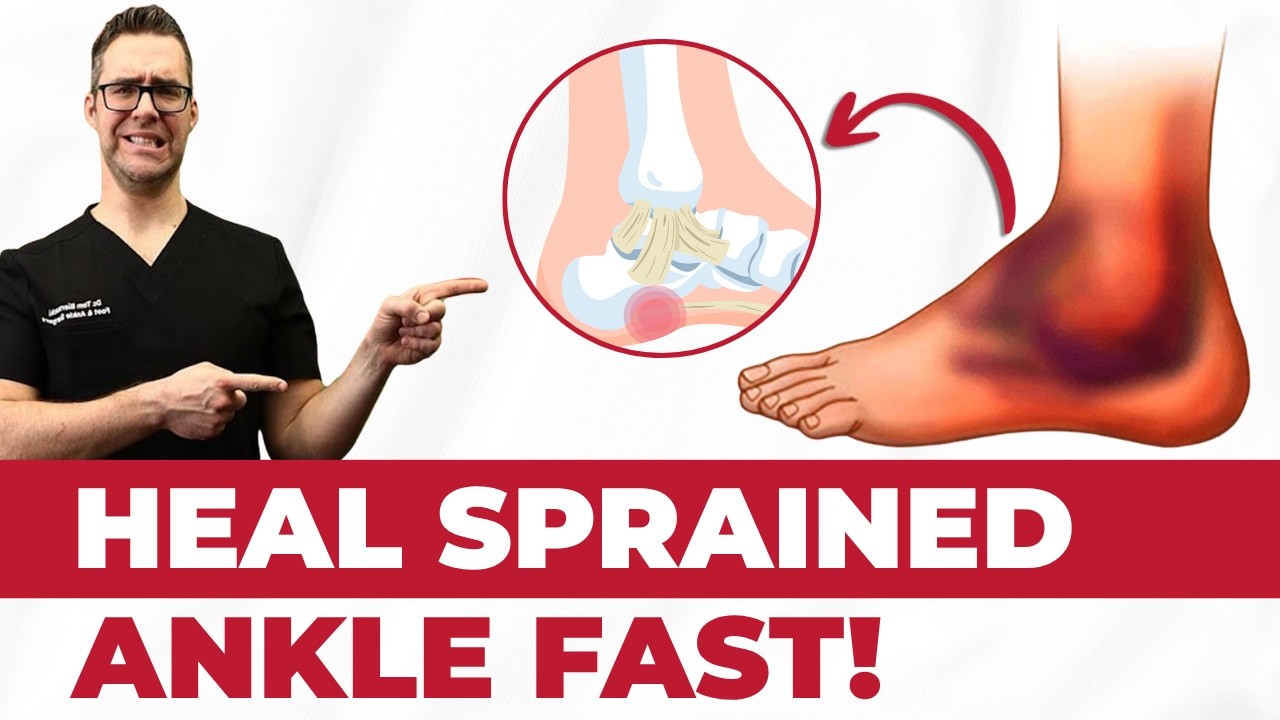
Watch: Fix TWISTED Ankle, ROLLED Ankle or SPRAINED Ankle Ligaments FASTER! — MichiganFootDoctors YouTube
PowerStep Pinnacle — arch support reduces re-injury risk during recovery.
As an Amazon Associate, Balance Foot & Ankle earns from qualifying purchases. Product recommendations are based on clinical experience; prices and availability shown above update live from Amazon.
When to See a Podiatrist
A sprain that hasn’t fully recovered after 6 weeks often has residual ligament laxity or occult fracture that keeps the ankle unstable. Balance Foot & Ankle X-rays and stress-tests every lingering sprain — if the ligament is torn, we offer bracing, PRP, and (for chronic instability) minimally-invasive repair. Don’t keep re-rolling the same ankle; let us stabilize it properly.
Call Balance Foot & Ankle: (810) 206-1402 · Book online · Offices in Howell & Bloomfield Township
Frequently Asked Questions: Ankle Sprain Recovery
The Ottawa Ankle Rules — developed through research at the Ottawa Civic Hospital and validated across millions of patients worldwide — provide a reliable clinical decision tool for determining when ankle X-rays are necessary. X-rays are indicated if there is bone tenderness at the posterior edge or tip of either malleolus (the bony bumps on the inside and outside of the ankle), bone tenderness at the base of the fifth metatarsal (the bony prominence on the outer edge of the foot), bone tenderness at the navicular bone (inner midfoot), or if the patient cannot bear weight (four steps) both immediately after the injury and in the clinical evaluation setting. If none of these criteria are present, the probability of a fracture is extremely low and X-rays are generally unnecessary. However, the Ottawa Rules have important limitations: they were developed for adults and may not apply to children (whose growth plates can fracture with inversion injuries that produce only mild tenderness), they do not rule out bone contusions or osteochondral dome fractures (which require MRI), and they may miss high ankle (syndesmotic) injuries. When in doubt, a podiatric evaluation with X-rays is always appropriate — the cost of an unnecessary X-ray is far lower than the cost of missing a fracture that requires different management.
Brace duration depends on sprain grade and return-to-activity demands. For Grade I sprains in sedentary or low-activity individuals, a brace may only be needed for 1–2 weeks of the most symptomatic period. For Grade I–II sprains in athletes, most sports medicine guidelines recommend bracing during all training and competition for a minimum of 6 weeks after the acute injury has resolved — and many high-risk-sport athletes continue bracing indefinitely given the significant recurrence reduction data for the ASO and similar devices. For Grade III sprains, bracing from a functional ankle brace (after the acute immobilization phase in a boot) should continue for 3–6 months minimum, and some patients with chronic instability after Grade III sprains benefit from indefinite bracing during high-risk activity. The principle to follow: continue bracing until you have completed a full peroneal strengthening and proprioceptive rehabilitation program AND demonstrated the ability to perform sport-specific tasks at full speed without instability. Removing the brace before completing rehabilitation is the primary modifiable risk factor for re-sprain.
For Grade I sprains and most Grade II sprains, walking with an appropriate ankle brace is not only safe but actually beneficial — functional weight-bearing rehabilitation produces better outcomes than immobilization and non-weight-bearing for lateral ankle sprains of these grades. The key qualifier is “with appropriate support”: walking on a Grade II sprain in flat sandals or bare feet without mechanical protection risks re-spraining the partially healed ligament and potentially worsening the injury to Grade III. Walking in a well-fitted functional ankle brace (like the Aircast A60) that limits inversion while allowing normal gait mechanics is the appropriate protocol. For Grade III sprains with complete ligament rupture, significant mechanical instability, or associated fractures, a period of non-weight-bearing in a walking boot may be necessary before transitioning to functional rehabilitation. The decision about weight-bearing status for Grade III sprains should be made with a podiatric physician or orthopedic surgeon, as the individual injury pattern, swelling level, and imaging findings all influence this decision.
Chronic ankle instability (CAI) develops in approximately 40% of people after an initial lateral ankle sprain and represents the persistence of functional instability (the ankle “giving way”) beyond 12 months after the original injury. The primary cause is inadequate neuromuscular rehabilitation following the acute injury — specifically, failure to restore peroneal muscle strength, reaction time, and proprioceptive feedback to pre-injury levels before returning to full activity. Mechanically, the healed ligament may also have lengthened during the healing process, providing less passive restraint against inversion than the pre-injury ligament. Treatment of established CAI follows a stepped protocol: Phase 1 is a dedicated peroneal strengthening and proprioceptive training program lasting 8–12 weeks (using TheraBand and balance board work), often with concurrent bracing using the ASO or McDavid 195. Phase 2, if Phase 1 fails to eliminate instability, involves consultation with a foot and ankle surgeon for consideration of the Brostrom-Gould lateral ligament reconstruction — an outpatient procedure with excellent outcomes that tightens and reinforces the ATFL and CFL using the extensor retinaculum as reinforcement. Over 90% of patients who complete Brostrom-Gould surgery return to full athletic activity at their pre-injury level. Most patients, however, can achieve acceptable functional stability with Phase 1 alone when it is performed correctly and consistently.
The answer depends entirely on which phase of recovery you are in. During the acute phase (first 72 hours), ice (cryotherapy) is strongly indicated and heat is contraindicated. The acute inflammatory phase generates prostaglandins, histamine, and bradykinin that drive swelling, pain, and secondary tissue damage — cryotherapy reduces the metabolic activity of these inflammatory mediators and causes vasoconstriction that limits swelling accumulation. Applying heat in the acute phase causes vasodilation, increases local blood flow, and significantly amplifies swelling — the opposite of what you want. After 72–96 hours, when acute inflammation has largely subsided and the body is in the proliferative (tissue repair) phase, moist heat can be used to increase tissue extensibility before range-of-motion exercises and to improve comfort during rehabilitation activities. Some patients benefit from contrast therapy (alternating cold and warm soaks) during the subacute phase, as the temperature cycling is thought to create a “pumping” effect in the superficial vasculature that helps resolve residual edema. As a general rule: if the ankle is visibly swollen, warm to touch, or was injured within the past 72 hours, use ice. If the ankle is stiff and uncomfortable but not acutely swollen, gentle heat before exercise (followed by ice after) is appropriate.
- Cannot bear weight at all — 4-step weight-bearing test is an Ottawa Rule indicator for fracture evaluation
- Bone tenderness at malleolus tips, base of 5th metatarsal, or navicular — Ottawa Rules X-ray criteria
- Significant deformity or visible malposition — possible fracture-dislocation requiring emergency reduction
- Gross mechanical instability (ankle wobbles dramatically with light stress) — possible complete Grade III tear or fracture
- Numbness or tingling in foot or toes — possible peroneal nerve injury or compartment syndrome
- Severe pain in the calf or shin above the ankle — evaluate for high ankle (syndesmotic) injury or leg fracture
- Ankle sprain in a child or adolescent — Salter-Harris growth plate fractures present similarly to sprains and require specific evaluation
- No improvement after 7–10 days of appropriate conservative care — imaging needed to rule out osteochondral dome lesion or missed fracture
The Complete Ankle Sprain Recovery Timeline: Week-by-Week Protocol
Recovery from an ankle sprain is not linear — it progresses through distinct biological phases, each requiring a different management approach. Treating the 6-week point of recovery the same as the acute phase (continuing maximum ice and rest) is as counterproductive as returning to full sport too early. This week-by-week framework reflects the tissue healing timeline and the functional milestones that define appropriate progression.
Days 1–3: Acute Inflammatory Phase
The body’s immediate response to ligament injury is acute inflammation — vasodilation, increased capillary permeability, and migration of inflammatory mediators to the injury site. This process is biologically necessary (it initiates healing) but produces the swelling, warmth, redness, and pain that characterize the first 72 hours. Your management goal is to modulate (not eliminate) this response while protecting the ankle from re-injury.
Protocol for Days 1–3: Apply the Vive Ankle Ice Wrap 3–4 times daily for 20-minute sessions with the ankle elevated above heart level. Fit the Aircast A60 (for Grade I–II) or a walking boot (for Grade III or uncertain grade) and use it for all weight-bearing. Take OTC anti-inflammatory medication per package instructions if not contraindicated (consult your prescriber if you take blood thinners or have kidney disease). Do not actively stretch or mobilize the ankle — the inflammatory phase ligament is weakest and most vulnerable to extension injury in the first 48 hours. Gentle ankle circles within pain-free range (not forced to the point of pain) are acceptable after 24 hours to prevent joint stiffness. Elevate the ankle whenever seated or lying down — even 30-degree elevation significantly reduces swelling accumulation compared to a dependent position.
Days 4–14: Proliferative Phase (Subacute)
By day 3–4, the acute inflammatory response transitions to the proliferative phase — fibroblasts migrate to the injury site and begin laying down new collagen. This immature collagen is mechanically weak (approximately 20% of normal ligament strength) but represents the scaffolding for eventual recovery. The management goal shifts from swelling control to controlled mobility and initial strength restoration.
Protocol for Days 4–14: Continue ankle brace use for all weight-bearing. Transition from 3–4 ice sessions daily to 1–2 sessions post-activity. Begin gentle active range-of-motion exercises: ankle alphabet (trace all letters of the alphabet with the toe, using ankle motion only), towel toe curls for intrinsic foot strength, and seated calf raises for early gastroc-soleus engagement. Begin gentle band eversion with the yellow TheraBand in sitting — 2 sets of 15 repetitions, once daily, within pain-free range. Apply KT Tape for any walking activity outside the home if proprioceptive deficit is perceived. Walking distance can progressively increase as swelling decreases — use pain and swelling response as the guide (if swelling increases significantly after walking, reduce distance and duration).
Weeks 3–6: Remodeling Phase
The remodeling phase is when collagen organization improves, cross-linking increases, and ligament mechanical strength approaches (but does not yet equal) pre-injury levels. Mechanically, the ankle is ready for progressively increased functional loading, but the tissue remains weaker than normal and the proprioceptive nervous system is still recovering. Most patients feel “almost normal” in weeks 3–4 — this is the most dangerous phase of recovery, as the perception of normalcy often leads to premature return to activity before the ligament has achieved adequate mechanical strength.
Protocol for Weeks 3–6: Transition from the Aircast A60 to the ASO Ankle Orthosis for daily activity if mechanical stability is good — the ASO allows slightly more natural movement while still providing inversion restraint and proprioceptive enhancement. Progress TheraBand exercises from sitting eversion to standing lateral band walking (2 sets of 20 steps in each direction). Add single-leg balance training — stand on the recovering ankle for 30 seconds, eyes open, then progress to eyes closed as balance improves. The goal is eyes-closed single-leg balance for 30 seconds without wobbling before advancing to the return-to-sport phase. Apply KT Tape for any jogging or running attempts. Ice post-exercise if any residual soreness or minor swelling occurs.
Weeks 6–12: Functional Rehabilitation and Return to Sport
The return-to-sport phase begins when the ankle is pain-free with normal daily walking, single-leg balance is solid, and progressive running has been initiated without pain or instability. This phase is characterized by sport-specific loading progression and the neuromuscular training that determines long-term sprain recurrence risk.
Protocol for Weeks 6–12: Progress jogging to running to cutting and direction-change activities in sequential weekly steps, only advancing when the previous level is pain-free. Continue ASO brace use during all sport activities for a minimum of 6 weeks of symptom-free sport before considering brace weaning. Advance TheraBand work to sport-specific patterns: resisted lateral shuffles, resisted single-leg landing, and eventually plyometric bounding with band resistance. Proprioceptive training advances to balance board and wobble board single-leg work (the balance board affiliate page on this site details this progression). The athlete is considered functionally cleared for return to full competition when they can complete sport-specific agility drills at full speed without instability, pain, or movement compensation — with an ASO brace in place for all competition until the 12-week mark at minimum.
Preventing the Next Ankle Sprain: Evidence-Based Long-Term Strategies
The single most powerful predictor of future ankle sprains is previous ankle sprain history. The first sprain creates proprioceptive deficits, ligamentous laxity, and altered movement patterns that compound with each subsequent injury — eventually producing chronic ankle instability that can only be corrected surgically. Three evidence-based strategies dramatically reduce the risk of future sprains after a first episode.
Strategy 1 — Complete the full rehabilitation program. Most ankle sprain recurrences occur in the first 12 months after injury in patients who stopped rehabilitation when they felt better, rather than when they were objectively rehabilitated. “Feeling better” at week 4 means the pain is gone — it does not mean the peroneal muscles are back to full strength and reaction speed, and it does not mean the proprioceptive nervous system has compensated for lost intra-ligamentous sensation. Completing the full 8–12 week peroneal strengthening program, even when symptoms have resolved, is the most impactful choice a patient can make to prevent re-sprain.
Strategy 2 — Use ankle bracing for all high-risk activity indefinitely. The recurrence reduction data for ankle bracing in athletes with previous sprain history is clear and compelling: braced athletes sprain significantly less often than unbraced athletes with equivalent injury history. The ASO ankle orthosis is comfortable enough, well-researched enough, and inexpensive enough that there is no rational reason to forego it during recreational and competitive sport after a significant ankle sprain. Many elite athletes wear ankle braces for their entire careers after a first serious lateral sprain — this is not weakness or over-caution, it is a data-driven decision.
Strategy 3 — Address intrinsic foot and ankle mechanical factors. Some individuals sprain their ankles because of structural factors that create elevated inversion stress — high-arched (cavus) foot type, rearfoot varus alignment, peroneal muscle weakness from other causes (L5 radiculopathy, peroneal nerve injury), and ankle joint hypermobility. If you are spraining your ankle repeatedly despite appropriate bracing and rehabilitation, a podiatric evaluation for intrinsic mechanical contributors is warranted. Foot orthotics to address cavus foot mechanics, physical therapy for radiculopathy, or surgical evaluation for chronic instability may be the appropriate next step.
Related Ankle & Foot Resources from Balance Foot & Ankle Specialists
- Best Balance Boards for Ankle Rehab 2026: Podiatrist Guide
- Best Achilles Tendon Braces 2026: Podiatrist Guide
- Best Kinesiology Tape for Foot & Ankle Pain 2026
- Best Ice Packs for Foot Pain 2026
- Best Compression Socks for Foot & Ankle Pain 2026
- Best Foot & Ankle Braces 2026: Dr. Tom’s Top 12
- Plantar Fasciitis Complete Treatment Guide
Still Having Ankle Pain or Instability? See Dr. Tom in Howell, Michigan
Ankle sprains that don’t improve with 2 weeks of conservative care, or ankles that continue to feel unstable after completing a rehabilitation program, deserve professional evaluation. Dr. Tom Biernacki provides comprehensive ankle instability assessment — including stress X-rays, diagnostic ultrasound, and MRI coordination — at Balance Foot & Ankle Specialists in Howell, Michigan.
Balance Foot & Ankle Specialists
Howell, Michigan |(810) 206-1402
Schedule Your Ankle Evaluation →
In Our Clinic
Most of our ankle sprains are acute — a patient comes in the same day or within 48 hours after rolling the ankle. We apply the Ottawa Ankle Rules first: bone tenderness at the posterior malleolus, navicular, or base of the 5th metatarsal, or inability to bear weight for 4 steps, means we image immediately to rule out fracture. For a clean grade 1–2 lateral ligament sprain, we use a short period of boot immobilization if needed, then transition into an ankle brace + proprioception training. The mistake we often see: patients skip the rehab phase and re-sprain within a year.
In-Office Treatment at Balance Foot & Ankle
When conservative care isn’t enough, Dr. Tom Biernacki and the team at Balance Foot & Ankle offer advanced treatment options — including Ankle Sprain & Instability Treatment in Michigan at our Howell and Bloomfield Township clinics.
Book online 24/7. Call (810) 206-1402 or book online.
Med Spec ASO Ankle Stabilizer
Best for: Chronic ankle instability · Repeat ankle sprains · Proprioception & return-to-play · Athletes

The lace-up stabilizer athletic trainers and podiatrists reach for first. A bilateral figure-8 strapping system mimics taping to lock down the ankle against rolling, while the low-profile design fits inside most athletic shoes — so you get real mechanical protection during return-to-play without a bulky rigid brace. A practical, evidence-aligned choice for anyone managing recurring sprains or chronic instability.
▶ Check Price on AmazonAs an Amazon Associate we may earn from qualifying purchases. Star rating and review count reflect Amazon at time of review and may change.
![Is My Ankle Broken or Sprained? [Best Broken Ankle Home Treatment!]](https://www.michiganfootdoctors.com/wp-content/cache/flying-press/67456cc904888ad02ca88f46d7712643.jpg)
Dr. Tom’s Complete Ankle Sprain Recovery Stack
- Doctor Hoy’s Natural Pain Relief Gel — Acute ankle sprain: #1 topical anti-inflammatory for the first 72 hours. Arnica + camphor gel replaces ice in the PEACE protocol — no freezing, just apply to the lateral ankle every 4 hours.
- DASS Medical Compression Socks — Compression phase: DASS graduated compression socks deliver true graduated ankle compression during the first week post-sprain — better sustained compression than Ace bandage wrapping.
- PowerStep Pinnacle — Load and exercise phase (week 2+): arch support inside the shoe during progressive return to activity reduces the supination moment that caused the sprain.
Ankle sprain still swollen or giving way at 3 weeks? Syndesmosis injury and peroneal tendon tears need imaging. Balance Foot & Ankle → (810) 206-1402
In-Office Treatment at Balance Foot & Ankle
If home treatment isn’t providing relief for your ankle instability, our podiatry team at Balance Foot & Ankle can help with expert evaluations and advanced in-office care.
Book online 24/7. (810) 206-1402
Ready to feel better?
Appointments available in Howell and Bloomfield Township, Michigan.
Book Your VisitGet Expert Care at Balance Foot & Ankle
Appointments at our Howell and Bloomfield Township offices. Board-certified podiatric surgeons. Most insurance accepted.
Appointments in Howell & Bloomfield Township
Three board-certified podiatric surgeons. 1,200+ five-star reviews. Most insurance accepted.

Dr. Tom Biernacki, DPM is a board-certified foot & ankle surgeon (ABFAS & ABPM) at Balance Foot & Ankle Specialists in Southeast Michigan. With over a decade of clinical experience, he specializes in heel pain, bunions, diabetic foot care, sports injuries, and minimally invasive surgery. Dr. Biernacki is a member of the APMA and ACFAS, and his patient education content on MichiganFootDoctors.com and YouTube has made him one of the most-followed foot & ankle educators on YouTube.