

You are in the right place. Dr. Tom Biernacki, DPM, FACFAS — board-certified foot & ankle surgeon with 3,000+ surgeries — explains exactly what hiking backpacking foot care blisters ankle sprains means and what works. Call (810) 206-1402 for same-day appointment at Howell or Bloomfield Hills.
Quick answer: Hiking Backpacking Foot Care Blisters Ankle Sprains is a common foot/ankle topic that affects many patients. The 2026 evidence-based approach combines proper diagnosis, conservative-first treatment, and escalation only when needed. We treat this regularly at our Howell and Bloomfield Hills practices. Call (810) 206-1402.
Medically reviewed by Dr. Tom Biernacki, DPM — Board-Certified Podiatric Surgeon — Balance Foot & Ankle, Howell & Bloomfield Hills, MI. Last updated April 2026.
▶ Watch

Medically reviewed by Dr. Tom Biernacki, DPM | Board-certified podiatrist | 3,000+ surgeries performed
Last updated: April 2, 2026
The most important clinical decision with Hiking Backpacking Foot Care Blisters Ankle Sprains isn’t which treatment to start with — it’s identifying the correct subtype. That changes everything. Call (810) 206-1402.
How Hiking Challenges Your Feet Differently Than Walking
Hiking amplifies every force your feet experience during normal walking. An average day hiker takes 15,000-25,000 steps over 6-10 hours on uneven terrain, compared to the 6,000-8,000 steps of typical daily activity on flat surfaces. Adding a backpack weighing 20-50 pounds increases ground reaction forces by 15-25 percent with every step, accelerating fatigue and injury risk.
Trail surfaces demand constant foot adaptation that flat ground does not require. Roots, rocks, grades, and loose surfaces engage the intrinsic foot muscles and ankle stabilizers continuously, creating muscular fatigue that reduces their protective function as the day progresses. This fatigue explains why most hiking ankle sprains occur in the afternoon when neuromuscular control is compromised.
Michigan’s trail systems — from the rugged terrain of Porcupine Mountains and Pictured Rocks to the rolling hills of the Manistee River Trail — present diverse challenges. Rocky Upper Peninsula trails stress the forefoot and ankle differently than the sandy Lower Peninsula paths. Understanding terrain-specific demands helps hikers prepare appropriately for each environment.
Blister Prevention: The Hiker’s Most Common Foot Problem
Blisters form from the combination of friction, moisture, and pressure — all three must be present. Friction generates heat between the skin and sock or shoe surface, moisture softens the epidermis and reduces its shear resistance, and pressure concentrates these forces on bony prominences. Eliminating any one factor significantly reduces blister risk.
Moisture management is the single most effective blister prevention strategy. Merino wool or synthetic wicking socks pull perspiration away from skin contact, maintaining the dry surface that resists friction. Cotton socks absorb and retain moisture, keeping the skin perpetually wet and vulnerable. Changing into dry socks at lunch breaks can halve afternoon blister incidence during multi-day trips.
Friction reduction through proper boot fit, sock layering systems (thin liner plus thicker outer sock), and targeted lubrication of hotspot areas with petroleum jelly or specialized anti-blister balms provides the second line of defense. Hotspot detection — stopping at the first sensation of warmth or irritation to apply moleskin or tape before a blister forms — is far more effective than treating a fully developed blister on the trail.
Ankle Sprain Prevention on the Trail
Lateral ankle sprains are the most common acute hiking injury, occurring when the foot lands on an uneven surface and the ankle rolls inward. The risk multiplies with pack weight (shifting center of gravity), trail grade (downhill creates the highest risk), fatigue (reduced proprioceptive responses), and time of day (most sprains occur in the last third of the hiking day).
Footwear selection directly impacts ankle sprain risk. Mid-cut and high-cut hiking boots provide mechanical ankle support that reduces inversion range, though they add weight that some ultralight hikers find counterproductive. Trail runners with lightweight ankle braces offer an alternative that provides equivalent protection at lower weight. The best choice depends on individual ankle stability history.
Pre-hike ankle conditioning is more effective than any external support. Single-leg balance exercises, ankle alphabet drills, and progressive trail exposure with increasing difficulty build the proprioceptive reflexes that prevent ankle sprains before they happen. Hikers with previous ankle sprains should combine conditioning with external support for maximum protection.
Preventing Black Toenails and Toenail Loss
Subungual hematoma (blood under the toenail) and eventual toenail loss are almost considered rites of passage among serious hikers, but they are entirely preventable. The mechanism is repetitive microtrauma from the toes hitting the front of the shoe during downhill walking, compounded by foot swelling that tightens the fit as the day progresses.
Proper boot sizing eliminates most toenail problems. Hiking footwear should be fitted in the afternoon when feet are naturally swollen, with a full thumb’s width of space between the longest toe and the shoe end. When standing on a downhill slope, toes should not contact the front of the boot. Many hikers undersize their hiking shoes based on their casual shoe size.
Lacing techniques provide additional protection. Heel-lock lacing secures the heel in the back of the boot, preventing the foot from sliding forward during descents. Keeping toenails trimmed straight across with no more than 1mm extending beyond the nail bed eliminates the nail edge that catches on the shoe and transmits impact force to the nail bed.
Managing Plantar Fasciitis on Multi-Day Trips
Plantar fasciitis affects hikers who rapidly increase their mileage, carry heavier packs than they have trained for, or hike in footwear with inadequate arch support. The sustained loading of 8-10 hour hiking days creates cumulative microtrauma to the plantar fascia that overwhelms its repair capacity, producing the characteristic morning heel pain and post-rest stiffness.
On-trail management includes calf stretching at every rest stop, icing the plantar fascia with a cold stream crossing or snowfield, arch taping using strips of athletic tape in a low-dye pattern, and switching to camp shoes with arch support rather than flat flip-flops during camp hours. These measures manage symptoms enough to continue hiking without causing further damage.
Post-trip recovery for hiking-induced plantar fasciitis requires 2-4 weeks of reduced mileage, daily eccentric calf stretches, rolling the arch on a frozen water bottle, and wearing supportive shoes throughout the day. Persistent symptoms beyond 4 weeks warrant professional evaluation and potentially custom orthotics designed for hiking boot compatibility.
Essential Foot Care Kit for the Trail
A lightweight foot care kit weighing under 4 ounces can prevent trip-ending foot problems. Essential items include moleskin sheets (pre-cut into circles and strips), medical-grade superglue for blister edges, antiseptic wipes, Leukotape for hotspot prevention, toenail clippers, a small tube of anti-chafing balm, and an elastic bandage for ankle sprain compression.
Blister treatment in the field follows specific principles. Small blisters under 1 centimeter should be left intact and protected with moleskin donut padding that relieves pressure. Larger blisters that impair walking can be carefully drained by inserting a sterilized needle at the blister’s base, expressing fluid, and applying benzoin tincture and a thin dressing beneath protective moleskin.
Acute ankle sprain management on the trail uses the mnemonic PRICE: Protection (ankle wrap or brace), Rest (immediate stop), Ice (cold stream water for 15 minutes), Compression (elastic bandage), and Elevation at rest stops. If weight-bearing is impossible, hiking poles become essential walking aids until evacuation. Any suspected fracture (severe swelling, point tenderness over bone, audible pop) warrants evacuation.
Warning Signs Requiring Urgent Evaluation
- function bold() { [native code] } — undefined
- function bold() { [native code] } — undefined
- function bold() { [native code] } — undefined
- function bold() { [native code] } — undefined
The Most Common Mistake We See
The biggest mistake hikers make is breaking in new boots on the trail rather than before the trip. Brand-new hiking footwear needs 50-100 miles of wear before a major hike to mold to your foot shape and identify pressure points. Starting a multi-day backpacking trip in untested boots virtually guarantees blister problems that can end your trip on day one.
Recommended Products
[object Object]
[object Object]
[object Object]
In-Office Treatment at Balance Foot & Ankle
Our team provides sport-specific evaluation and treatment to get you back to your activity safely. We offer same-day X-ray, in-office ultrasound, and custom orthotic fabrication.
Same-day appointments available. Call (810) 206-1402 or book online.
More Podiatrist-Recommended Ankle Sprain Essentials
Stability Walking/Running Shoe
Brooks Adrenaline GTS 25 — lateral support during recovery walking.
KT Tape for Ankle Support
KT Tape — proprioceptive support for athletic return-to-play.
Supportive Insole


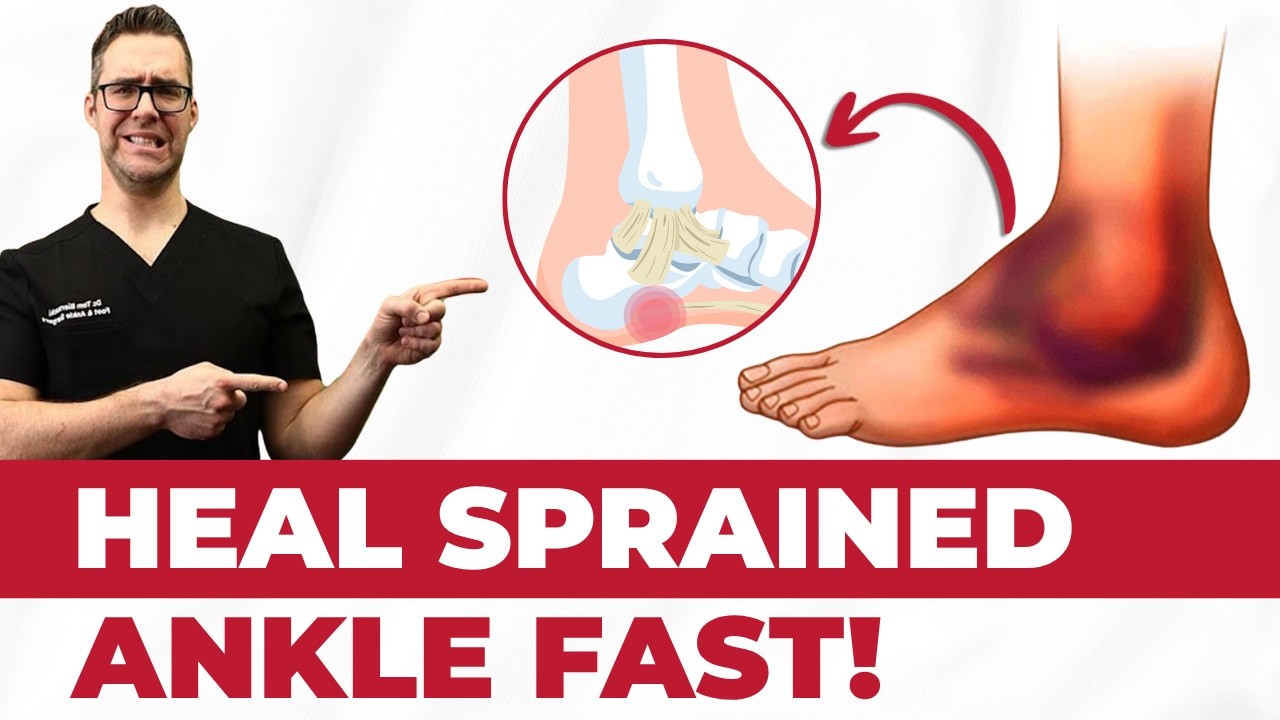
Watch: Fix TWISTED Ankle, ROLLED Ankle or SPRAINED Ankle Ligaments FASTER! — MichiganFootDoctors YouTube
PowerStep Pinnacle — arch support reduces re-injury risk during recovery.
As an Amazon Associate, Balance Foot & Ankle earns from qualifying purchases. Product recommendations are based on clinical experience; prices and availability shown above update live from Amazon.
When to See a Podiatrist
A sprain that hasn’t fully recovered after 6 weeks often has residual ligament laxity or occult fracture that keeps the ankle unstable. Balance Foot & Ankle X-rays and stress-tests every lingering sprain — if the ligament is torn, we offer bracing, PRP, and (for chronic instability) minimally-invasive repair. Don’t keep re-rolling the same ankle; let us stabilize it properly.
Call Balance Foot & Ankle: (810) 206-1402 · Book online · Offices in Howell & Bloomfield Hills
Frequently Asked Questions
Should I wear hiking boots or trail runners?
Both are appropriate depending on conditions and personal ankle stability. Mid-cut boots provide ankle support ideal for loaded backpacking and rough terrain. Trail runners with ankle braces offer lighter weight for day hiking and fast-packing. Hikers with previous ankle sprains benefit from the mechanical support of boots.
How do I prevent blisters on long hikes?
Use moisture-wicking wool or synthetic socks, ensure proper boot fit with a thumb’s width of toe room, apply anti-friction balm to hotspot areas before hiking, stop immediately at the first sensation of hotspot warmth to apply moleskin, and change into dry socks at midday rest stops.
Why do my feet swell when hiking?
Foot swelling during hiking is caused by increased blood flow from sustained activity, gravity pulling fluid downward during upright hours, heat generation inside boots, and occasionally mild sodium retention. Feet typically swell half a shoe size during long hiking days, which is why boots should be fitted with this expansion in mind.
How should I treat a blister on the trail?
Small blisters: leave intact and protect with moleskin donut padding. Large painful blisters: carefully drain with a sterilized needle at the base, express fluid, leave the roof intact as a natural bandage, apply benzoin tincture for adhesion, and cover with a thin dressing beneath moleskin.
The Bottom Line
Proper foot care transforms hiking from a painful ordeal into an enjoyable outdoor experience. Prevention through appropriate footwear, conditioning, blister management, and ankle strengthening keeps your feet healthy on every trail. If hiking is causing persistent foot or ankle problems, schedule an evaluation so we can address the underlying issues and keep you on Michigan’s beautiful trails.
In Our Clinic
Most of our ankle sprains are acute — a patient comes in the same day or within 48 hours after rolling the ankle. We apply the Ottawa Ankle Rules first: bone tenderness at the posterior malleolus, navicular, or base of the 5th metatarsal, or inability to bear weight for 4 steps, means we image immediately to rule out fracture. For a clean grade 1–2 lateral ligament sprain, we use a short period of boot immobilization if needed, then transition into an ankle brace + proprioception training. The mistake we often see: patients skip the rehab phase and re-sprain within a year.
Sources
- Knapik JJ, et al. Injury reduction effectiveness of prescribing running shoes on the basis of foot arch height. J Orthop Sports Phys Ther. 2014;44(3):164-170.
- Richie DH. Functional instability of the ankle and the role of neuromuscular control: a thorough review. J Foot Ankle Surg. 2001;40(4):240-251.
- Brennan FH, et al. Managing blisters in the field: a systematic review. Wilderness Environ Med. 2014;25(1):95-101.
- Willems TM, et al. Intrinsic risk factors for inversion ankle sprains in males: a prospective study. Am J Sports Med. 2005;33(3):415-423.
Keep Your Feet Trail-Ready With Expert Foot Care
Dr. Tom Biernacki has performed over 3,000 foot and ankle surgeries with a 4.9-star rating from 1,123 patient reviews.
Or call (810) 206-1402 for same-day appointments
Hiking & Backpacking Foot Care in Michigan
Proper foot care is essential for enjoyable hiking and backpacking. At Balance Foot & Ankle, we help outdoor enthusiasts prepare their feet for the trail and treat hiking-related injuries.
Explore Our Sports Injury Treatments | Book Your Appointment | Call (810) 206-1402
Clinical References
- Knapik JJ, et al. “Injuries associated with long-distance walking and hiking.” Sports Med. 2014;44(6):877-891.
- Richie DH. “How to manage common hiking injuries.” Podiatry Today. 2017;30(4):24-32.
- Reynolds KL, et al. “Injuries and risk factors in a 100-mile (161-km) infantry road march.” Prev Med. 1999;28(2):167-173.
Insurance Accepted
BCBS · Medicare · Aetna · Cigna · United Healthcare · HAP · Priority Health · Humana · View All →
Howell Office
4330 E Grand River Ave
Howell, MI 48843
Get Directions →
Bloomfield Hills Office
43494 Woodward Ave, Suite 208
Bloomfield Township, MI 48302
Get Directions →
Your Board-Certified Podiatrists



Ready to Get Back on Your Feet?
Same-week appointments available at both locations.
Book Your AppointmentIn-Office Treatment at Balance Foot & Ankle
If home treatment isn’t providing relief for your ankle sprains, our podiatry team at Balance Foot & Ankle can help with same-day evaluations and advanced in-office care.
Same-day appointments available. (810) 206-1402
Doctor Hoy’s Natural Pain Relief Gel
Natural topical pain relief I use in our clinic. Arnica + camphor formula — apply directly to the area 3–4x daily. ($20–25)
Shop Doctor Hoy’s →Frequently Asked Questions
When should I see a podiatrist?
If symptoms persist past 2 weeks, affect your normal activity, or are accompanied by red-flag symptoms (warmth, redness, swelling, inability to bear weight).
What does treatment cost?
Most diagnostic visits and conservative treatments are covered by Medicare and major insurers. Out-of-pocket costs vary by your specific plan.
How quickly can I get an appointment?
Most non-urgent cases see us within 5 business days. Urgent cases (sudden pain, possible fracture) typically same or next business day.
What is Ankle sprain?
Ankle sprain is a common foot/ankle condition that affects mobility and quality of life. Understanding the underlying cause is the first step in successful treatment. Our podiatrists at Balance Foot & Ankle perform a hands-on biomechanical exam, review your activity history, and use diagnostic imaging when appropriate to identify the root cause—not just treat the symptom. Many patients have been told to “rest and ice” without a deeper diagnostic workup; our approach is different.
Symptoms and warning signs
Common signs of ankle sprain include pain that worsens with activity, morning stiffness, swelling, tenderness when palpated, and difficulty bearing weight. If you experience sudden severe pain, inability to walk, visible deformity, numbness or color change, contact our office the same day or visit urgent care—these can signal a more serious injury such as a fracture, tendon rupture, or vascular compromise. Diabetics with any foot wound should seek same-day care.
Conservative treatment options
Most cases of ankle sprain respond to non-surgical care: structured rest, supportive footwear changes, custom orthotics, targeted stretching and strengthening protocols, anti-inflammatory medications when medically appropriate, and in-office procedures such as ultrasound-guided injections. We also offer advanced therapies including MLS laser therapy, EPAT/shockwave, regenerative injections, and image-guided procedures. Treatment is sequenced from least invasive to most invasive, and we explain the rationale at every step.
When is surgery considered?
Surgery is reserved for cases that fail 3-6 months of well-structured conservative care, when there is structural pathology (severe deformity, complete tear, advanced arthritis), or when imaging shows damage that will not heal without intervention. Our surgeons have performed 3,000+ foot and ankle procedures and prioritize minimally-invasive techniques whenever appropriate. We discuss recovery timelines, return-to-activity milestones, and realistic outcome expectations before any procedure is scheduled.
Recovery timeline and prevention
Recovery from ankle sprain varies based on severity and chosen treatment path. Conservative cases often improve within 4-8 weeks with consistent adherence to the protocol. Post-procedural recovery may range from a few days (in-office procedures) to several months (reconstructive surgery). Long-term prevention involves footwear assessment, activity modification, structured strengthening, and regular check-ins with your podiatrist if you have a history of recurrence. We provide written home-exercise plans and digital follow-up support.
Ready to feel better?
Same-week appointments available in Howell and Bloomfield Hills, Michigan.
Book Your VisitReady to fix this for good?
Reading goes so far. The fastest path is a 30-minute office visit. Same-day Howell or Bloomfield Hills. Call (810) 206-1402.

Dr. Tom Biernacki, DPM is a board-certified foot & ankle surgeon (ABFAS & ABPM) at Balance Foot & Ankle Specialists in Southeast Michigan. With over a decade of clinical experience, he specializes in heel pain, bunions, diabetic foot care, sports injuries, and minimally invasive surgery. Dr. Biernacki is a member of the APMA and ACFAS, and his patient education content on MichiganFootDoctors.com and YouTube has made him one of the most-followed foot & ankle educators on YouTube.