

Quick answer: Traveling With Foot Ankle Problems Planes Long Trips is a common foot/ankle topic that affects many patients. The 2026 evidence-based approach combines proper diagnosis, conservative-first treatment, and escalation only when needed. We treat this regularly at our Howell and Bloomfield Township practices. Call (810) 206-1402.
Medically reviewed by Dr. Tom Biernacki, DPM — Board-Certified Podiatric Surgeon — Balance Foot & Ankle, Howell & Bloomfield Township, MI. Last updated April 2026.
▶ Watch
Medically reviewed by Dr. Tom Biernacki, DPM | Board-certified podiatrist | 3,000+ surgeries performed
Last updated: April 2, 2026
The most important clinical decision with Traveling With Foot Ankle Problems Planes Long Trips isn't which treatment to start with — it's which subtype or underlying cause you actually have. Our podiatrists regularly see patients who've been treated for months for the wrong diagnosis. The correct identification changes the entire treatment path. Call (810) 206-1402 — Dr. Tom evaluates this condition at both Howell and Bloomfield Township locations.
Pre-Travel Planning for Foot Conditions
Successful travel with foot problems begins weeks before departure. Schedule a podiatric visit at least 2-3 weeks before your trip to ensure your condition is optimally managed and to obtain any prescriptions, medical documentation, or supplies you may need. Dr. Tom Biernacki provides travel-specific consultations that address destination-appropriate footwear recommendations, medication adjustments, and contingency planning for symptom flare-ups.
Assemble a travel foot care kit including your current orthotics, backup supportive insoles (PowerStep Pinnacle makes an excellent travel backup), blister prevention supplies, compression socks, topical pain relief like Doctor Hoy’s Natural Pain Relief Gel, any prescribed medications, and basic wound care supplies. Diabetic travelers should also pack a monofilament for daily sensation testing and a mirror for foot inspection.
Research your destination’s terrain, expected walking distances, and available medical resources. Airport layouts, hotel configurations, and tourist site accessibility vary dramatically. Knowing what to expect allows you to plan appropriate footwear changes, schedule rest breaks, and identify nearby podiatric or medical facilities in case of emergencies.
Air Travel and Foot Health
Flying presents specific challenges for people with foot conditions. Cabin pressure changes and prolonged immobility cause significant lower extremity swelling — studies show foot volume increases by 6-8% during flights longer than four hours. This swelling exacerbates conditions like plantar fasciitis, bunion pain, arthritis, and post-surgical edema. Wearing compression socks rated 15-20 mmHg throughout the flight counteracts fluid accumulation.
Request an aisle seat whenever possible to support regular movement breaks. Stand and walk the cabin aisle every 60-90 minutes during long flights. While seated, perform ankle pumps (dorsiflexion/plantarflexion), toe curls, and calf raises every 20-30 minutes to maintain circulation. These exercises are particularly critical for patients with peripheral arterial disease, diabetic neuropathy, or recent foot surgery.
Wear your most supportive and easily removable shoes for air travel. You will need to remove them at security checkpoints, and swollen feet may not fit back into tight shoes after a long flight. Slip-on shoes with good arch support are ideal. Avoid flip-flops and flat sandals through airports — the extensive walking on hard terminal floors in unsupportive footwear is a leading cause of travel-related foot pain flare-ups.
Footwear Strategy for Travel
Pack footwear strategically rather than hoping one pair will cover all activities. Your travel shoe rotation should include a well-broken-in walking shoe with your custom orthotics for primary sightseeing, a supportive sandal with contoured footbed for warm-weather casual wear, and a dressier option if needed for restaurants or events. Never bring only new, unworn shoes — blisters from new footwear can derail an entire trip.
Travelers with plantar fasciitis, Achilles tendinitis, or metatarsalgia should ensure every pair of travel shoes accommodates their orthotics or supportive insoles. CURREX RunPro insoles pack flat and provide excellent arch support as a versatile backup insert that works across multiple shoe types. Having orthotics in all your shoes prevents the common mistake of wearing unsupportive footwear because the orthotics were left in another pair.
Diabetic travelers must be especially careful about footwear choices. Shoes should have wide toe boxes, seamless interiors, and be well broken-in before the trip. Inspect feet twice daily when traveling — once in the morning and once in the evening — paying careful attention to pressure points from walking more than usual. New blisters, redness, or hot spots demand immediate attention and potential activity modification.
Managing Pain During Travel Activities
Activity pacing is the most effective strategy for managing foot conditions during travel. Rather than pushing through an entire day of walking until pain becomes severe, schedule regular rest breaks every 60-90 minutes of walking. Use these breaks to improve your feet, apply topical pain relief, and assess how your feet are responding to the day’s demands.
Doctor Hoy’s Natural Pain Relief Gel is an ideal travel companion — the portable tube fits easily in a daypack and provides on-demand pain relief without the drowsiness or gastrointestinal side effects of oral medications. Apply it to sore areas during rest breaks and again in the evening after daily activities conclude. Ice packs from hotel ice machines wrapped in a washcloth provide additional evening relief for inflamed joints and tendons.
Consider alternative transportation strategies at your destination. Many cities offer hop-on hop-off buses, trams, or rickshaws that reduce walking distances between attractions. Renting mobility aids is available at most major tourist destinations and airports for travelers who need them. There is no shame in using assistive devices — protecting your feet allows you to enjoy more of your trip overall.
Specific Conditions and Travel Considerations
Plantar fasciitis travelers should pack a night splint if space allows, or at minimum a Strasbourg sock, to prevent morning heel pain that can be especially debilitating in unfamiliar settings. Perform calf stretches before getting out of bed each morning and before beginning daily walking activities. Hotel rooms often lack the familiar stretching surfaces you have at home, so a travel-sized foam roller or tennis ball for plantar fascia massage is worth the luggage space.
Post-surgical patients cleared for travel must follow their surgeon’s specific activity guidelines. Bring your surgical boot or brace even if you have been transitioned to regular shoes — having it available provides protection if swelling increases or pain flares during travel. Carry a letter from your podiatrist describing your condition and any metal hardware present, as joint replacements and surgical screws may trigger airport security scanners.
Arthritic patients should take anti-inflammatory medications proactively before high-activity days rather than waiting for pain to develop. Pack medications in carry-on luggage with pharmacy labels intact for international travel. Warm-climate destinations often benefit arthritic conditions while cold, damp environments may worsen joint stiffness — plan activities accordingly.
Post-Travel Recovery
Even with careful planning, increased walking and activity during travel often causes temporary symptom flare-ups. The first 48 hours after returning home should prioritize foot recovery: elevate feet above heart level for 20-30 minutes several times daily, apply ice to any areas of increased pain or swelling, resume your full orthotic and stretching routine, and avoid extended walking or standing.
Schedule a follow-up podiatric appointment within two weeks of returning from trips longer than one week, especially if you experienced symptom flare-ups, developed new pain areas, or had any injuries during travel. Dr. Biernacki can assess whether any conditions worsened, adjust treatment plans, and address new concerns before they become chronic problems.
Keep a travel foot journal noting which shoes worked best, what activities caused the most discomfort, and which strategies were most effective for your specific conditions. This information becomes invaluable for planning future trips and helps your podiatrist optimize your treatment plan for your activity level and travel goals.
Warning Signs Requiring Urgent Evaluation
- function bold() { [native code] } — undefined
- function bold() { [native code] } — undefined
- function bold() { [native code] } — undefined
- function bold() { [native code] } — undefined
The Most Common Mistake We See
The most common mistake travelers with foot conditions make is abandoning their normal foot care routine because it feels inconvenient while traveling. Skipping orthotics, ditching supportive shoes for flip-flops, forgetting to stretch, and ignoring early pain signals creates a perfect storm for severe flare-ups. Your feet need more support during travel, not less — packing and using your foot care essentials is non-negotiable.
Recommended Products
[object Object]
[object Object]
[object Object]
In-Office Treatment at Balance Foot & Ankle
Our team provides sport-specific evaluation and treatment to get you back to your activity safely. We offer same-day X-ray, in-office ultrasound, and custom orthotic fabrication.
Same-day appointments available. Call (810) 206-1402 or book online.
More Podiatrist-Recommended Foot Health Essentials
Hoka Clifton 10


Max-cushion everyday shoe — podiatrist favorite for walking and running.

OOFOS Recovery Slide

Impact-absorbing recovery sandal — wear after long days on your feet.
As an Amazon Associate, Balance Foot & Ankle earns from qualifying purchases. Product recommendations are based on clinical experience; prices and availability shown above update live from Amazon.
When to See a Podiatrist
If foot or ankle pain has been bothering you for more than a few weeks, home care alone may not be enough. Balance Foot & Ankle offers same-week appointments at our Howell and Bloomfield Township clinics — no referral needed in most cases. Bring your current shoes and a short list of symptoms and we’ll build you a treatment plan in one visit.
Call Balance Foot & Ankle: (810) 206-1402 · Book online · Offices in Howell & Bloomfield Township
Frequently Asked Questions
How can I prevent foot swelling during long flights?
Wear graduated compression socks rated 15-20 mmHg throughout the flight, perform ankle pumps and toe curls every 20-30 minutes, walk the cabin aisle every 60-90 minutes, stay hydrated, and avoid alcohol which promotes dehydration and swelling. Request an aisle seat for easier movement.
Should I bring my orthotics when traveling?
Absolutely. Custom orthotics or supportive insoles should be worn in your primary walking shoes throughout your trip. Bring backup insoles like PowerStep Pinnacle for secondary shoes. Abandoning orthotic support during travel is one of the most common causes of foot pain flare-ups.
Can I travel after foot surgery?
Travel timing depends on your specific procedure and recovery progress. Most patients can fly 2-4 weeks after minor foot surgery and 6-8 weeks after major procedures, with surgeon clearance. Bring your surgical boot, carry a medical letter for airport security, and plan for reduced activity at your destination.
What shoes should I pack for travel with foot problems?
Pack a well-broken-in walking shoe that fits your orthotics, a supportive sandal with contoured footbed, and a dressier option if needed. Never bring only new unworn shoes. Ensure every pair provides adequate arch support and has been tested for comfort before the trip.
The Bottom Line
Traveling with foot conditions is absolutely possible with thoughtful preparation and consistent self-care. At Balance Foot & Ankle, Dr. Tom Biernacki provides pre-travel consultations to optimize your foot health plan, ensure you have the right supplies and footwear recommendations, and develop a personalized strategy for your specific destination and activities.
Sources
- Aerospace Medicine and Human Performance (2024) — Lower extremity edema during commercial air travel
- Journal of Travel Medicine (2025) — Foot injury prevention for travelers with chronic conditions
- Diabetic Foot & Ankle (2024) — Travel guidelines for diabetic patients
- Foot & Ankle International (2024) — Activity modification strategies for traveling patients with foot pathology
Travel-Ready Foot Care from Michigan’s Podiatry Experts
Dr. Tom Biernacki has performed over 3,000 foot and ankle surgeries with a 4.9-star rating from 1,123 patient reviews.
Or call (810) 206-1402 for same-day appointments
Foot Care Tips Before You Travel
Long flights, extended walking, and unfamiliar terrain can worsen existing foot conditions. Our podiatrists at Balance Foot & Ankle can prepare you for comfortable travel with pre-trip evaluations at our Howell and Bloomfield Township offices.
Explore Our Foot Pain Treatment Options | Book Your Appointment | Call (810) 206-1402
Clinical References
- Clarke MJ, et al. “Compression stockings for preventing deep vein thrombosis in airline passengers.” Cochrane Database Syst Rev. 2016;(9):CD004002.
- Calder JD, et al. “Foot problems in travelers.” Travel Med Infect Dis. 2011;9(3):129-134.
- Kuklane K. “Protection of feet in cold exposure.” Ind Health. 2009;47(3):242-253.
Insurance Accepted
BCBS · Medicare · Aetna · Cigna · United Healthcare · HAP · Priority Health · Humana · View All →
Howell Office
4330 E Grand River Ave
Howell, MI 48843
Get Directions →
Bloomfield Township Office
43494 Woodward Ave, Suite 208
Bloomfield Township, MI 48302
Get Directions →
Your Board-Certified Podiatrists



Ready to Get Back on Your Feet?
Same-week appointments available at both locations.
Book Your AppointmentWatch Dr. Tom on Travel With Foot Problems
Dr. Tom’s tips for long flights and road trips with PF, swelling, DVT risk, and chronic foot conditions — what to pack, what to avoid.
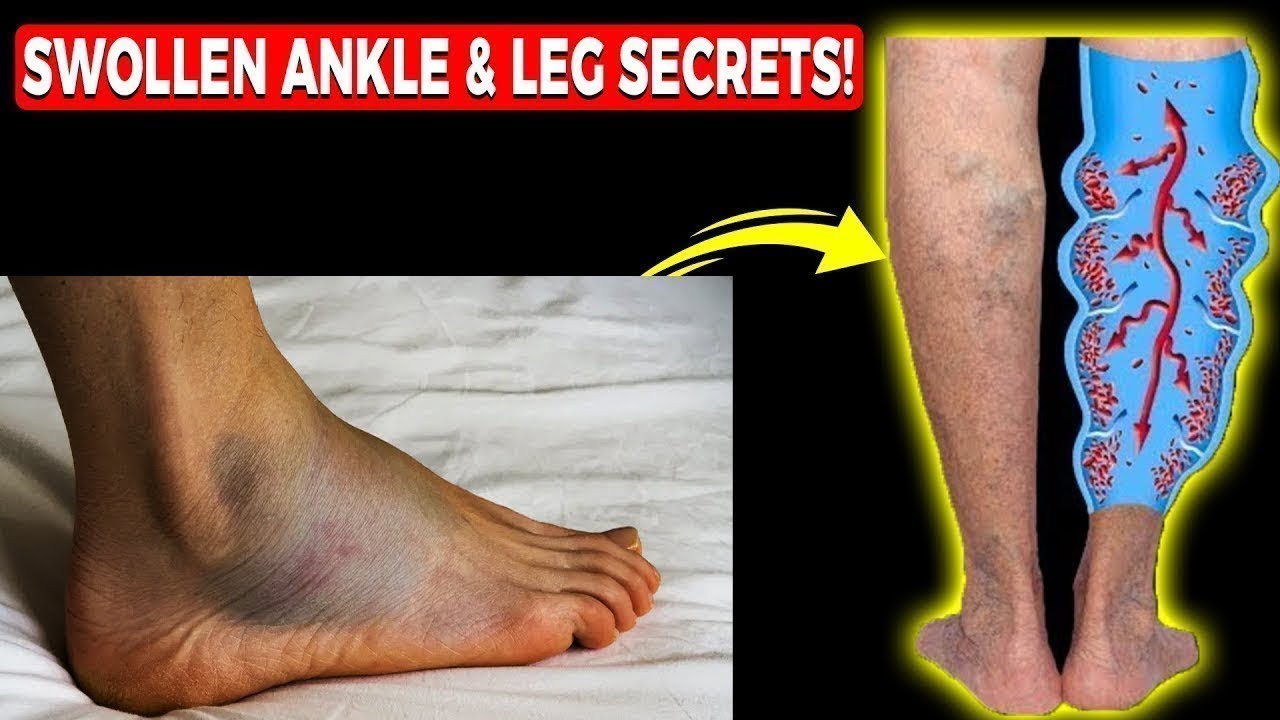
Travel Kit for Foot & Ankle Patients
Flights and long drives aggravate PF, cause swelling, and raise DVT risk. Our kit for every patient with chronic foot issues:
Compression Crew Socks (8-pack)
15–20 mmHg compression reduces DVT risk on flights >4 hours and prevents end-of-trip ankle swelling.
Check Amazon Price →PowerStep Insoles (Travel Pair)
Remove from regular shoes, slip into travel shoes — maintains arch support across all footwear on your trip.
Check Amazon Price →Doctor Hoy’s Pain Relief Gel (TSA-Approved Size)
Topical menthol for flare-ups in the airport or hotel — no pill-count restrictions at security.
Check Amazon Price →Dr. Teal’s Epsom Salt (Travel Size)
Hotel bathtub soaks after long walking days — reduces next-day foot fatigue significantly.
Check Amazon Price →Affiliate disclosure: Amazon links are affiliate links — we earn a small commission if you buy through them. We only recommend products we actually prescribe to patients at Balance Foot & Ankle.
Related from Balance Foot & Ankle
Watch: Dr. Tom explains

Podiatrist-recommended products
As an Amazon Associate, Dr. Tom earns from qualifying purchases.
Travel support
View on Amazon →In-flight swelling
View on Amazon →Long-haul relief
View on Amazon →Forefoot pressure offload
View on Amazon →Related resources
Ready to solve this? Book today.
Same-week appointments · Howell & Bloomfield Township · 4.9★ (1,123+ reviews)
☎ (810) 206-1402Book Online →Podiatrist-Recommended Products for Travel Comfort
- DASS Medical Compression Socks — graduated medical compression that reduces swelling and DVT risk on long flights
- PowerStep Pinnacle — portable arch support that fits any travel shoe or sneaker
- Doctor Hoy’s Natural Pain Relief Gel — compact pain relief gel for foot and ankle soreness during long trips
These are the same products Dr. Biernacki recommends in clinic. Available through our partner Foundation Wellness.
In-Office Treatment at Balance Foot & Ankle
If home treatment isn’t providing relief for your foot and ankle conditions, our podiatry team at Balance Foot & Ankle can help with same-day evaluations and advanced in-office care.
Same-day appointments available. (810) 206-1402
Frequently Asked Questions
When should I see a podiatrist?
If symptoms persist past 2 weeks, affect your normal activity, or are accompanied by red-flag symptoms (warmth, redness, swelling, inability to bear weight).
What does treatment cost?
Most diagnostic visits and conservative treatments are covered by Medicare and major insurers. Out-of-pocket costs vary by your specific plan.
How quickly can I get an appointment?
Most non-urgent cases see us within 5 business days. Urgent cases (sudden pain, possible fracture) typically same or next business day.

Dr. Tom Biernacki, DPM is a board-certified foot & ankle surgeon (ABFAS & ABPM) at Balance Foot & Ankle Specialists in Southeast Michigan. With over a decade of clinical experience, he specializes in heel pain, bunions, diabetic foot care, sports injuries, and minimally invasive surgery. Dr. Biernacki is a member of the APMA and ACFAS, and his patient education content on MichiganFootDoctors.com and YouTube has made him one of the most-followed foot & ankle educators on YouTube.