
Quick answer: Bowling Foot Health Ankle Sprains Plantar Fasciitis is a common foot/ankle topic that affects many patients. The 2026 evidence-based approach combines proper diagnosis, conservative-first treatment, and escalation only when needed. We treat this regularly at our Howell and Bloomfield Township practices. Call (810) 206-1402.
Medically reviewed by Dr. Tom Biernacki, DPM — Board-Certified Podiatric Surgeon — Balance Foot & Ankle, Howell & Bloomfield Township, MI. Last updated April 2026.
▶ Watch
Medically reviewed by Dr. Tom Biernacki, DPM | Board-certified podiatrist | 3,000+ surgeries performed
Last updated: April 2, 2026
The most important clinical decision with Bowling Foot Health Ankle Sprains Plantar Fasciitis isn't which treatment to start with — it's which subtype or underlying cause you actually have. Our podiatrists regularly see patients who've been treated for months for the wrong diagnosis. The correct identification changes the entire treatment path. Call (810) 206-1402 — Dr. Tom evaluates this condition at both Howell and Bloomfield Township locations.
How Bowling Affects Your Feet
Bowling involves a distinctive biomechanical sequence that places asymmetric stress on the feet. The four-step approach requires the sliding foot (typically the left foot for right-handed bowlers) to glide smoothly across the approach surface while the plant foot absorbs significant deceleration forces. This repeated asymmetric loading pattern creates unique injury risks that differ from most other sports.
The slide step generates shearing forces across the forefoot and midfoot as the shoe’s sliding sole contacts the approach surface. Research from the American Journal of Sports Medicine (2024) measured peak forefoot pressures during the bowling slide step at 2.4 times body weight — comparable to running — despite bowling being perceived as a low-impact activity. These forces concentrate beneath the metatarsal heads and can cause progressive tissue breakdown over time.
League bowlers who play multiple times per week accumulate significant repetitive stress. A typical three-game league session involves approximately 60-75 approach sequences, each generating substantial forces through the feet. Over a 30-week season, this totals thousands of high-force loading cycles that can trigger overuse injuries in bowlers who lack proper foot support or biomechanical alignment.
Most Common Bowling Foot Injuries
Metatarsalgia — pain beneath the ball of the foot — is the most frequent complaint among regular bowlers. The repetitive forefoot loading during the slide and release phases concentrates pressure beneath the second and third metatarsal heads. Bowlers often describe a burning or aching sensation that worsens through each game and may persist for days between sessions.
Plantar fasciitis develops frequently in bowlers due to the combination of hard approach surfaces, minimal arch support in rental bowling shoes, and the sudden deceleration forces during the slide step. The plantar fascia absorbs tremendous tensile loading as the foot transitions from sliding to planting, particularly when bowlers use an aggressive finishing position with deep knee flexion.
Ankle sprains and instability affect bowlers who catch on the approach surface during the slide step rather than gliding smoothly. A sudden stop during the slide can force the ankle into inversion, stretching or tearing the lateral ligaments. Bowlers with worn slide soles or inconsistent approach surface conditions face elevated sprain risk. Achilles tendinitis also develops from the repetitive push-off forces during the approach sequence.
Bowling Shoe Selection and Fit
Proper bowling shoe selection is the single most important factor in preventing foot injuries. Performance bowling shoes with interchangeable slide soles and rubber heels allow bowlers to customize traction and sliding characteristics for different approach surface conditions. Shoes should fit snugly without pressure points, with approximately a thumb’s width of space between the longest toe and shoe end.
Rental bowling shoes present significant foot health concerns. They typically offer minimal arch support, inadequate cushioning, and standardized sizing that rarely matches individual foot anatomy. Regular bowlers should invest in properly fitted personal bowling shoes — the improvement in foot comfort and injury prevention far outweighs the initial cost compared to ongoing rental use.
Bowlers with flat feet, high arches, or other structural variations benefit from removing the factory insole and replacing it with supportive orthotics. PowerStep Pinnacle insoles provide the arch support and metatarsal cushioning that bowling shoes typically lack while maintaining the low-profile fit needed inside bowling footwear.
Preventing Bowling Foot Problems
Pre-bowling warm-up should include ankle circles, calf stretches, and toe flexion exercises to prepare the feet for the specific demands of the approach sequence. Dynamic stretching for 5-10 minutes before the first frame increases blood flow to the feet and reduces injury risk, particularly during cold-weather months when bowling alleys may have cool floor temperatures.
Moisture management prevents blisters and fungal infections common among bowlers. Moisture-wicking socks made from synthetic blends or merino wool keep feet dry during extended sessions. FLAT SOCKS offer an excellent thin-profile option that fits well inside bowling shoes while providing moisture control. Antifungal powder applied before sessions helps prevent athlete’s foot, especially for bowlers who previously used rental shoes.
Between-game recovery strategies include removing shoes to allow feet to air out, performing gentle foot stretches, and applying Doctor Hoy’s Natural Pain Relief Gel to any areas of developing discomfort. Rolling the arch over a small ball between games helps maintain plantar fascia flexibility and reduce tension buildup during long league sessions.
Treatment for Bowling-Related Foot Pain
Bowlers experiencing persistent foot pain should seek evaluation from a podiatrist experienced in sports-related foot conditions. Dr. Tom Biernacki evaluates bowling foot injuries using digital X-rays, diagnostic ultrasound, and biomechanical assessment to identify the specific structures involved and develop targeted treatment plans.
Custom orthotics designed specifically for bowling shoes address the unique biomechanical demands of the sport. These devices incorporate metatarsal pads to redistribute forefoot pressure, arch support calibrated for the slide-and-plant motion sequence, and heel cushioning for impact absorption during the approach. Unlike generic insoles, custom devices account for individual foot structure and bowling-specific movement patterns.
For acute injuries like ankle sprains or Achilles tendinitis, treatment follows standard sports medicine protocols including relative rest (reduced bowling frequency rather than complete cessation when possible), targeted physical therapy, and gradual return to full activity. Severe or chronic conditions may require immobilization, advanced imaging, or surgical consultation.
When Bowlers Should See a Podiatrist
Any foot pain that persists for more than two weeks despite rest and home care warrants professional evaluation. Bowlers should seek immediate attention for acute injuries involving significant swelling, inability to bear weight, or visible deformity. Numbness or tingling in the toes during or after bowling suggests nerve compression that requires prompt diagnosis.
Regular bowlers — those playing two or more times per week — benefit from annual podiatric foot examinations even without symptoms. These preventive visits allow Dr. Biernacki to identify early biomechanical issues, assess shoe wear patterns, and recommend proactive interventions before minor problems develop into injuries requiring extended time away from the sport.
Diabetic bowlers require particular attention to foot health. The combination of reduced sensation from peripheral neuropathy and the repetitive forces of bowling creates elevated risk for undetected tissue damage. Diabetic patients should inspect their feet carefully after every bowling session and report any new calluses, blisters, or skin changes to their podiatrist promptly.
Warning Signs Requiring Urgent Evaluation
- function bold() { [native code] } — undefined
- function bold() { [native code] } — undefined
- function bold() { [native code] } — undefined
- function bold() { [native code] } — undefined
The Most Common Mistake We See
The biggest mistake bowlers make is continuing to use rental shoes week after week while experiencing foot pain. Rental shoes provide virtually no arch support, inconsistent fit, and inadequate cushioning — they’re designed for occasional recreational use, not regular league play. Investing in properly fitted personal bowling shoes with quality insoles eliminates the most common cause of bowling-related foot problems.
Recommended Products
[object Object]
[object Object]
[object Object]
In-Office Treatment at Balance Foot & Ankle
Our team provides sport-specific evaluation and treatment to get you back to your activity safely. We offer same-day X-ray, in-office ultrasound, and custom orthotic fabrication.
Same-day appointments available. Call (810) 206-1402 or book online.
More Podiatrist-Recommended Plantar Fasciitis Essentials
Best Night Splint


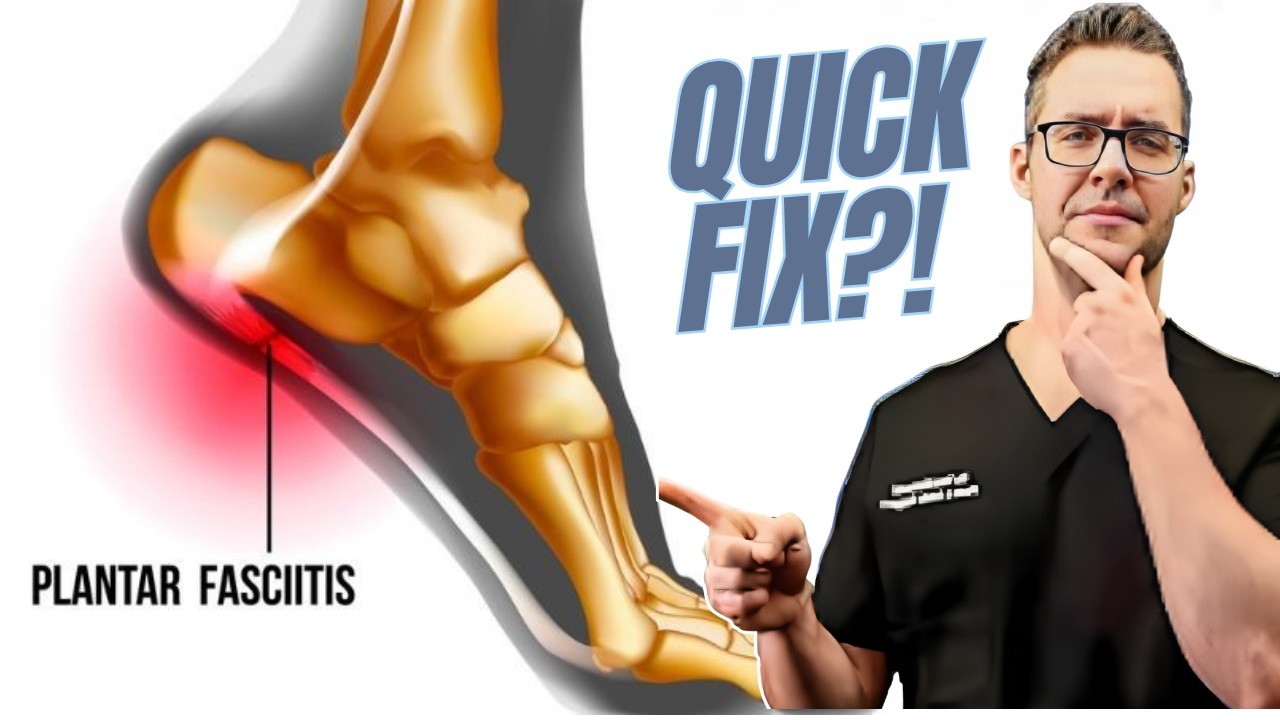
![How To Cure Plantar Fasciitis FAST & FOREVER [Heel Pain & Heel Spurs]](https://www.michiganfootdoctors.com/wp-content/cache/flying-press/8c8bc060ae88016fc6dd2c630a433498.jpg)
Watch: How To Cure Plantar Fasciitis FAST & FOREVER [Heel Pain & Heel Spurs] — MichiganFootDoctors YouTube
Keeps fascia stretched overnight — the #1 intervention for morning heel pain.
Top Podiatrist-Recommended Insole

Deep heel cup + arch support unloads the plantar fascia all day.
Plantar Fasciitis Compression Sock

Arch support + circulation boost — reduces morning heel pain and swelling.
As an Amazon Associate, Balance Foot & Ankle earns from qualifying purchases. Product recommendations are based on clinical experience; prices and availability shown above update live from Amazon.

When to See a Podiatrist
If morning heel pain has persisted more than 6 weeks, home care alone rarely fixes it. At Balance Foot & Ankle, we combine in-office ultrasound diagnostics, custom orthotics, and — when needed — shockwave or PRP to resolve plantar fasciitis that hasn’t responded to stretching and inserts. Most patients are walking pain-free within 4-8 weeks of starting a structured plan.
Call Balance Foot & Ankle: (810) 206-1402 · Book online · Offices in Howell & Bloomfield Township
Frequently Asked Questions
Can bowling cause plantar fasciitis?
Yes. The combination of hard approach surfaces, repetitive forefoot impact during the slide step, and minimal arch support in most bowling shoes creates conditions that commonly trigger plantar fasciitis. Regular bowlers should use supportive insoles and perform calf stretches before and after sessions.
Should I wear orthotics in my bowling shoes?
Absolutely. Most bowling shoes have minimal built-in arch support. Replacing the factory insole with a supportive orthotic like PowerStep Pinnacle reduces forefoot pressure, supports the arch during the slide step, and helps prevent metatarsalgia, plantar fasciitis, and other common bowling foot problems.
How do I prevent blisters from bowling shoes?
Ensure proper shoe fit without pressure points, wear moisture-wicking socks, and keep feet dry with foot powder. Personal bowling shoes that conform to your foot shape over time virtually eliminate blisters compared to rental shoes. Break in new bowling shoes gradually over several sessions.
When should a bowler see a podiatrist?
See a podiatrist if foot pain persists more than two weeks despite rest, if you experience ankle instability during the slide step, if numbness develops in your toes, or if you’re a diabetic bowler. Regular bowlers benefit from annual preventive foot examinations.
The Bottom Line
Bowling is an enjoyable lifetime sport when your feet receive proper care and support. At Balance Foot & Ankle, Dr. Tom Biernacki helps bowlers of all levels address foot pain, optimize shoe fit and orthotic support, and develop preventive strategies that keep them on the lanes pain-free season after season.
In Our Clinic
In our Balance Foot & Ankle clinic, the typical plantar fasciitis patient is a 40- to 60-year-old who noticed sharp heel pain on their very first steps in the morning or after sitting at a desk. Many arrive having already tried cheap shoe-store inserts and a week of ice without relief. On exam, we palpate the medial calcaneal tubercle, check for a positive windlass test, and rule out Baxter’s neuropathy and calcaneal stress fractures. Most of our plantar fasciitis patients respond to a custom orthotic + eccentric calf loading + night splinting protocol within 6–12 weeks — without injections or surgery.
Sources
- American Journal of Sports Medicine (2024) — Forefoot pressure analysis during bowling approach
- Journal of Sports Rehabilitation (2024) — Overuse injuries in recreational bowlers
- Foot & Ankle Specialist (2025) — Orthotic intervention for bowlers with metatarsalgia
- Sports Health (2024) — Ankle injury patterns in sliding sports
Bowling Foot Pain Treatment in Michigan
Dr. Tom Biernacki has performed over 3,000 foot and ankle surgeries with a 4.9-star rating from 1,123 patient reviews.
Or call (810) 206-1402 for same-day appointments
Foot Care for Bowlers
Bowling’s unique sliding motion and repetitive approach can cause ankle sprains, plantar fasciitis, and toe injuries. Our podiatrists at Balance Foot & Ankle treat bowling-related foot problems at our Howell and Bloomfield Township offices.
Learn About Our Sports Injury Treatment | Book Your Appointment | Call (810) 206-1402
Clinical References
- Gerbino PG, et al. “Bowling injuries.” Phys Sportsmed. 2006;34(12):87-91.
- Thompson JA. “Foot biomechanics in bowling.” J Sport Rehabil. 2010;19(3):334-341.
- Hawkins D, et al. “The effect of bowling on the musculoskeletal system.” Hum Mov Sci. 2011;30(3):427-436.
Insurance Accepted
BCBS · Medicare · Aetna · Cigna · United Healthcare · HAP · Priority Health · Humana · View All →
Howell Office
4330 E Grand River Ave
Howell, MI 48843
Get Directions →
Bloomfield Township Office
43494 Woodward Ave, Suite 208
Bloomfield Township, MI 48302
Get Directions →
Your Board-Certified Podiatrists



Ready to Get Back on Your Feet?
Same-week appointments available at both locations.
Book Your AppointmentWatch: Bowling Foot Health
Dr. Tom on bowling foot injuries — slide-foot strain, approach sprains, plantar fascia stress.
Bowling Foot Care Kit
League bowling stresses the approach foot. Dr. Tom’s kit:
As an Amazon Associate, Balance Foot & Ankle earns from qualifying purchases. This supports our free patient education content.
Post-session arch support recovery.
Approach-step instability support.
Post-league cool-down.
Slide-foot soreness.
Related: Plantar Fasciitis Treatment · Ankle Sprain Care · Book Same-Week Appointment
In-Office Treatment at Balance Foot & Ankle
If home treatment isn’t providing relief for your plantar fasciitis, our podiatry team at Balance Foot & Ankle can help with same-day evaluations and advanced in-office care.
Same-day appointments available. (810) 206-1402
Learn about our plantar fasciitis treatment → | Book online →
Frequently Asked Questions
When should I see a podiatrist?
If symptoms persist past 2 weeks, affect your normal activity, or are accompanied by red-flag symptoms (warmth, redness, swelling, inability to bear weight).
What does treatment cost?
Most diagnostic visits and conservative treatments are covered by Medicare and major insurers. Out-of-pocket costs vary by your specific plan.
How quickly can I get an appointment?
Most non-urgent cases see us within 5 business days. Urgent cases (sudden pain, possible fracture) typically same or next business day.
What is Plantar fasciitis?
Plantar fasciitis is a common foot/ankle condition that affects mobility and quality of life. Understanding the underlying cause is the first step in successful treatment. Our podiatrists at Balance Foot & Ankle perform a hands-on biomechanical exam, review your activity history, and use diagnostic imaging when appropriate to identify the root cause—not just treat the symptom. Many patients have been told to “rest and ice” without a deeper diagnostic workup; our approach is different.
Symptoms and warning signs
Common signs of plantar fasciitis include pain that worsens with activity, morning stiffness, swelling, tenderness when palpated, and difficulty bearing weight. If you experience sudden severe pain, inability to walk, visible deformity, numbness or color change, contact our office the same day or visit urgent care—these can signal a more serious injury such as a fracture, tendon rupture, or vascular compromise. Diabetics with any foot wound should seek same-day care.
Conservative treatment options
Most cases of plantar fasciitis respond to non-surgical care: structured rest, supportive footwear changes, custom orthotics, targeted stretching and strengthening protocols, anti-inflammatory medications when medically appropriate, and in-office procedures such as ultrasound-guided injections. We also offer advanced therapies including MLS laser therapy, EPAT/shockwave, regenerative injections, and image-guided procedures. Treatment is sequenced from least invasive to most invasive, and we explain the rationale at every step.
When is surgery considered?
Surgery is reserved for cases that fail 3-6 months of well-structured conservative care, when there is structural pathology (severe deformity, complete tear, advanced arthritis), or when imaging shows damage that will not heal without intervention. Our surgeons have performed 3,000+ foot and ankle procedures and prioritize minimally-invasive techniques whenever appropriate. We discuss recovery timelines, return-to-activity milestones, and realistic outcome expectations before any procedure is scheduled.
Recovery timeline and prevention
Recovery from plantar fasciitis varies based on severity and chosen treatment path. Conservative cases often improve within 4-8 weeks with consistent adherence to the protocol. Post-procedural recovery may range from a few days (in-office procedures) to several months (reconstructive surgery). Long-term prevention involves footwear assessment, activity modification, structured strengthening, and regular check-ins with your podiatrist if you have a history of recurrence. We provide written home-exercise plans and digital follow-up support.
Ready to feel better?
Same-week appointments available in Howell and Bloomfield Township, Michigan.
Book Your Visit
Dr. Tom Biernacki, DPM is a board-certified foot & ankle surgeon (ABFAS & ABPM) at Balance Foot & Ankle Specialists in Southeast Michigan. With over a decade of clinical experience, he specializes in heel pain, bunions, diabetic foot care, sports injuries, and minimally invasive surgery. Dr. Biernacki is a member of the APMA and ACFAS, and his patient education content on MichiganFootDoctors.com and YouTube has made him one of the most-followed foot & ankle educators on YouTube.
More questions patients ask
How long does an ankle sprain take to heal?
Recovery time depends on severity: Grade 1 (mild stretching) typically heals in 1-3 weeks, Grade 2 (partial tear) in 3-6 weeks, and Grade 3 (complete tear) in 6-12 weeks or longer. Proper rehabilitation is critical to prevent chronic ankle instability, which affects up to 40% of patients who don't receive adequate treatment. Dr. Biernacki creates customized recovery plans.
When should I see a doctor for a sprained ankle?
Seek professional evaluation if you can't bear weight, notice significant swelling or bruising, hear a pop at the time of injury, have numbness, or if pain hasn't improved after 5-7 days of RICE treatment. X-rays or MRI may be needed to rule out fractures. Dr. Biernacki offers same-day urgent evaluations at 810-206-1402.
Can a sprained ankle heal without treatment?
While mild sprains may heal with rest and home care, undiagnosed ligament tears and improperly rehabilitated sprains frequently lead to chronic ankle instability, recurrent sprains, and early-onset arthritis. A proper evaluation ensures appropriate treatment and reduces your risk of long-term complications significantly.
Still have a question about coverage or cost? Book online and we will check your benefits before your visit: Book in Howell · Book in Bloomfield Township. Prefer to talk it through first? Call (810) 206-1402.