

You are in the right place. Dr. Tom Biernacki, DPM, FACFAS — board-certified foot & ankle surgeon with 3,000+ surgeries — explains exactly what volleyball foot/ankle injuries means and what actually works. Call (810) 206-1402 for a same-day appointment at our Howell or Bloomfield Township office.
Quick answer: Volleyball Foot Ankle Injuries Jump Landing Ankle Sprains Libero is a common foot/ankle topic that affects many patients. The 2026 evidence-based approach combines proper diagnosis, conservative-first treatment, and escalation only when needed. We treat this regularly at our Howell and Bloomfield Township practices. Call (810) 206-1402.
Medically reviewed by Dr. Tom Biernacki, DPM — Board-Certified Podiatric Surgeon — Balance Foot & Ankle, Howell & Bloomfield Township, MI. Last updated April 2026.
🩺 Medical Review: This article was written and reviewed by Dr. Tom Biernacki, DPM, board-qualified podiatric surgeon at Balance Foot & Ankle Specialists. Last updated April 2026.
Quick Answer: Volleyball creates distinctive foot and ankle injuries from repetitive jumping, landing on uneven surfaces (other players’ feet), explosive lateral movements, and diving. Ankle sprains account for nearly 40% of all volleyball injuries, while stress fractures, plantar fasciitis, Achilles tendinopathy, and patellar region overuse injuries are common chronic conditions. Prevention through proper training, ankle support, court shoes, and orthotic insoles significantly reduces injury risk.
Volleyball is one of the highest-impact sports for the foot and ankle. A competitive volleyball player performs 300-500 jumps per match, each generating landing forces of 3-5 times body weight through the lower extremities. Combined with lateral shuffling, diving, and the constant threat of landing on another player’s foot at the net, volleyball creates a unique injury profile that demands sport-specific prevention and treatment strategies.
Table of Contents
- Volleyball Biomechanics and Foot Impact
- Ankle Sprains: The #1 Volleyball Injury
- Stress Fractures in Volleyball Players
- Plantar Fasciitis from Volleyball
- Achilles Tendinopathy
- Jumper’s Knee Connection to Foot Mechanics
- Metatarsalgia and Forefoot Pain
- Sesamoid Injuries
- Ankle Impingement in Volleyball
- Peroneal Tendon Injuries
- Volleyball Court Shoe Guide
- Prevention and Training Strategies
- Position-Specific Foot Concerns
- Recommended Products
- Complete Volleyball Kit
- Most Common Mistake
- Warning Signs
- FAQ
- Sources
- Video
Volleyball Biomechanics and Foot Impact
Volleyball demands a unique combination of vertical jumping power, lateral agility, and rapid deceleration that places extraordinary stress on the foot and ankle complex. The approach for an attack involves a 3-4 step acceleration ending in a penultimate braking step that generates peak ground reaction forces, followed by an explosive vertical jump. Landing from heights of 30-60 cm creates impact forces that must be absorbed through the ankle, midfoot, and forefoot in milliseconds. Net play adds the dangerous variable of landing on opponents’ feet — the leading cause of acute ankle sprains in volleyball. Defensive play requires low-position lateral shuffling and explosive diving that loads the forefoot and Achilles tendon in ways unique to the sport. Sand volleyball increases Achilles and calf demands due to the unstable surface, while indoor volleyball generates higher impact forces from the hard court surface.
Ankle Sprains: The #1 Volleyball Injury
Ankle sprains account for approximately 40% of all volleyball injuries, making them the single most common injury in the sport. The mechanism is classic — landing on another player’s foot under the net causes forced inversion that tears the lateral ankle ligaments. The anterior talofibular ligament (ATFL) tears first, followed by the calcaneofibular ligament (CFL) in more severe sprains. What makes volleyball ankle sprains particularly problematic is the height of the jump — landing from a block or attack amplifies the inversion force dramatically compared to a simple ground-level misstep. Studies show that players with a history of ankle sprain are 5-7 times more likely to sustain another sprain, creating a cycle of instability that ends careers if not addressed. DASS compression sleeves provide dynamic ankle stabilization during play without restricting the jumping motion essential for volleyball performance.
Stress Fractures in Volleyball Players
The repetitive high-impact loading from hundreds of jumps per training session and match creates ideal conditions for stress fractures. The second and third metatarsals absorb the highest forefoot forces during takeoff and landing, making them the most common stress fracture sites. Fifth metatarsal stress fractures develop from the lateral loading during defensive shuffling. Navicular stress fractures, while less common, are particularly concerning because they present with vague midfoot pain and are easily missed without MRI. Tibial stress fractures develop from the cumulative vertical loading. Risk factors include sudden increases in training volume (especially at season start), insufficient recovery between sessions, inadequate calcium and vitamin D intake, and the female athlete triad. Prevention requires gradual training progression, proper nutrition, and shock-absorbing insoles like PowerStep Pinnacle insoles that distribute forefoot impact forces across a wider area.
Plantar Fasciitis from Volleyball
Plantar fasciitis in volleyball players develops from the repetitive high-impact loading during jumping and landing. Each jump creates an eccentric stretch of the plantar fascia during takeoff, followed by compressive loading during landing — hundreds of these cycles per session progressively overload the fascia. The constant transition between jumping, lateral shuffling, and low defensive positioning creates varied tensile demands that the plantar fascia must absorb. Indoor court surfaces provide minimal shock absorption compared to outdoor terrain. PowerStep Pinnacle Maxx insoles provide the arch support and motion control that reduces plantar fascia strain during volleyball-specific movements, while adequate calf stretching before and after play maintains the tissue flexibility needed to tolerate the sport’s demands.
Achilles Tendinopathy in Volleyball
The Achilles tendon is the primary power generator for every jump in volleyball, absorbing forces of 6-12 times body weight during explosive takeoffs. Insertional tendinopathy develops at the calcaneal attachment from repetitive loading-unloading cycles, while midsubstance tendinopathy occurs in the tendon’s watershed zone where blood supply is poorest. Volleyball’s demand for repeated maximum-effort vertical jumps creates cumulative microdamage that exceeds the tendon’s repair capacity when training volume is too high or recovery is insufficient. Eccentric heel drop exercises are the gold standard treatment. Doctor Hoy’s Natural Pain Relief Gel applied before warm-up increases tissue comfort, while Doctor Hoy’s Arnica Boost cream after training supports recovery between sessions.
Jumper’s Knee Connection to Foot Mechanics
While patellar tendinopathy (jumper’s knee) primarily affects the knee, its development is closely linked to foot and ankle biomechanics. Poor landing mechanics — landing stiff-legged with inadequate ankle dorsiflexion — transfers excessive force through the patellar tendon. Limited ankle dorsiflexion range of motion forces compensatory knee loading during the deep squat position used in volleyball receiving and defense. Flat feet and overpronation alter the entire kinetic chain, increasing valgus knee stress that overloads the patellar tendon. Addressing foot mechanics with PowerStep Pinnacle insoles can reduce patellar tendon load by improving the alignment of the entire lower extremity during landing and jumping. This demonstrates why comprehensive foot care is essential for overall volleyball injury prevention.
Metatarsalgia and Forefoot Pain in Volleyball
The forefoot absorbs tremendous force during volleyball — both during explosive takeoff and impact landing. Metatarsalgia affects the metatarsal heads, particularly the second and third, which bear the greatest load during the push-off phase of jumping. The constant cycling between loading and unloading creates inflammation of the metatarsophalangeal joint capsules and surrounding soft tissues. Wearing court shoes with inadequate forefoot cushioning amplifies the problem. Metatarsal pads positioned proximal to the metatarsal heads redistribute pressure effectively, and insoles with both arch support and forefoot cushioning like PowerStep Pinnacle insoles reduce metatarsal head loading during every jump.
Sesamoid Injuries in Volleyball Players
The sesamoid bones beneath the first metatarsal head endure enormous compressive forces during volleyball takeoff, when the big toe pushes forcefully against the ground. Sesamoiditis (inflammation) and sesamoid stress fractures develop from the repetitive high-load push-off demands. Players report sharp pain directly under the ball of the foot at the big toe joint, worsening with jumping and pivoting. Imaging with MRI differentiates inflammation from fracture and bipartite (naturally divided) sesamoid from acute fracture. Treatment includes offloading with dancer’s pads, modified activity, and proper forefoot cushioning. Chronic sesamoid injuries can be career-limiting in volleyball due to the sport’s absolute requirement for forceful forefoot push-off.
Ankle Impingement in Volleyball
Repetitive deep dorsiflexion during volleyball landing creates anterior ankle impingement — bone spurs develop on the front of the tibial margin and dorsal talus, pinching soft tissue during ankle flexion. Players describe a deep, blocking sensation in the front of the ankle during the landing phase. Posterior ankle impingement develops from the extreme plantar flexion during aggressive toe-pointing serves and attacks. Both conditions restrict the full ankle range of motion needed for optimal jumping and landing mechanics. Conservative treatment includes heel lifts, manual therapy, and anti-inflammatory management with Doctor Hoy’s Pain Relief Gel. Arthroscopic debridement provides definitive treatment when conservative measures fail.
Peroneal Tendon Injuries in Volleyball
The peroneal tendons stabilize the lateral ankle during landing — a critical function in volleyball where ankle inversion forces are extreme. Peroneal tendinopathy develops from the repetitive eccentric loading as these tendons resist inversion during landing. Peroneal tendon subluxation or dislocation occurs when the superior peroneal retinaculum tears, allowing the tendons to snap over the fibula during forceful dorsiflexion and eversion. Players report a popping or snapping sensation behind the lateral ankle. Treatment ranges from bracing and physical therapy for tendinopathy to surgical repair of the retinaculum for recurrent subluxation. DASS compression sleeves provide external support that helps stabilize the peroneal tendons during play.
Volleyball Court Shoe Guide
Volleyball shoes differ from other court shoes in their emphasis on lightweight vertical cushioning and forefoot flexibility. Key features include a gum rubber outsole for indoor court traction, generous forefoot cushioning for landing impact absorption, a lower heel-to-toe drop that supports natural jumping mechanics, and lateral stability features without excessive weight. The shoe should secure the midfoot firmly while allowing forefoot flexibility for natural toe-off during jumps. Replace volleyball shoes every 4-6 months of regular play — the midsole loses shock absorption before the outsole shows visible wear. Adding PowerStep Pinnacle insoles to volleyball shoes dramatically improves the arch support and cushioning that factory insoles cannot provide.
Prevention and Training Strategies
Evidence-based injury prevention programs reduce volleyball foot and ankle injuries by 40-50%. Neuromuscular training including balance board exercises, single-leg stability work, and sport-specific landing drills teaches proper jump-landing mechanics. Ankle proprioception training on unstable surfaces improves the reflexive ankle stabilization that prevents sprains during net play. Progressive jump training gradually builds the tissue tolerance needed for the sport’s demands. Dynamic warm-up before every session activates the ankle stabilizers and Achilles tendon. Post-training recovery with Doctor Hoy’s Arnica Boost cream and DASS compression sleeves supports tissue recovery between sessions. Monitoring training load and ensuring adequate rest days prevents the overuse injuries that develop from accumulated fatigue.
Position-Specific Foot Concerns in Volleyball
Each volleyball position creates different foot and ankle demands. Middle blockers perform the most jumps per match and face the highest ankle sprain risk from net play — they need maximum ankle support from DASS compression sleeves and strong proprioception training. Outside hitters combine high jump volumes with aggressive approach angles, increasing Achilles tendon and forefoot loading. Setters perform moderate jumping but extensive lateral movement, making metatarsalgia and plantar fasciitis more common. Liberos perform minimal jumping but maximal lateral shuffling, diving, and low-position defense — their primary injuries are forefoot overuse, ankle sprains from sudden direction changes, and wrist/shoulder injuries from diving. Understanding position-specific demands allows targeted prevention programs that address each player’s unique risk profile.
Recommended Products for Volleyball Players
These products address the specific biomechanical demands volleyball places on the foot and ankle, from impact absorption to ankle stability.
PowerStep Pinnacle Orthotic Insoles
PowerStep Pinnacle orthotic insoles are my top recommendation for volleyball players. The double-layer cushioning absorbs landing impact forces that factory insoles cannot handle, while the semi-rigid arch shell provides stability during lateral movements. PowerStep Pinnacle insoles fit volleyball shoes without changing the fit, and the improved forefoot pressure distribution reduces metatarsalgia risk from repetitive jumping. Every volleyball player I treat gets recommended PowerStep Pinnacle insoles as their first line of foot protection.
PowerStep Pinnacle Maxx Orthotic Insoles
For volleyball players with flat feet, overpronation, or plantar fasciitis, PowerStep Pinnacle Maxx insoles provide maximum motion control and arch support. The enhanced stability is critical for players whose foot mechanics increase injury risk throughout the kinetic chain — from the foot through the knee. PowerStep Maxx insoles also benefit players returning from injury who need extra support during their transition back to full competition.
Doctor Hoy’s Natural Pain Relief Gel
Doctor Hoy’s Natural Pain Relief Gel provides targeted pain relief for volleyball-specific overuse injuries. Applied to the Achilles, plantar fascia, or forefoot before warm-up, Doctor Hoy’s gel increases tissue comfort during training. After matches, Doctor Hoy’s pain relief gel addresses the acute soreness from hours of high-impact activity.
Doctor Hoy’s Arnica Boost Recovery Cream
Doctor Hoy’s Arnica Boost Recovery Cream supports the critical recovery period between volleyball sessions. With training schedules often including 5-6 sessions per week during competitive season, recovery optimization becomes as important as training itself. Nightly Doctor Hoy’s arnica cream application manages cumulative inflammation and helps tissues heal between the high-impact demands of practice and competition.
DASS Original Dynamic Ankle Stabilizing System
The DASS Original Dynamic Ankle Stabilizing System is arguably the single most important protective product for volleyball players. Ankle sprains are the #1 volleyball injury, and DASS sleeves provide dynamic ankle stabilization without restricting the jumping and landing motion that rigid braces impede. The graduated compression supports proprioceptive function that helps the ankle respond correctly when landing on an opponent’s foot. DASS compression sleeves should be standard equipment for every volleyball player, especially those with any history of ankle sprains.
FLAT SOCKS
FLAT SOCKS provide the moisture-wicking, low-friction interface that volleyball players need for long training sessions and tournaments. When combined with PowerStep insoles inside volleyball shoes, FLAT SOCKS prevent the bunching and friction that standard socks create during the constant jumping and lateral movement demands of the sport.
Complete Volleyball Foot Care Kit
🏥 Dr. Biernacki’s Volleyball Foot Care Kit:
For complete volleyball foot and ankle protection:
• PowerStep Pinnacle Insoles — landing impact absorption and arch support
• PowerStep Pinnacle Maxx Insoles — maximum stability for pronation and flat feet
• Doctor Hoy’s Pain Relief Gel — pre and post-training pain management
• Doctor Hoy’s Arnica Boost Cream — overnight recovery between sessions
• DASS Compression Sleeves — essential ankle sprain prevention
• FLAT SOCKS — moisture management during long training sessions
This kit covers the three pillars of volleyball foot health: impact protection, ankle stability, and recovery optimization.
The Most Common Volleyball Foot Mistake
🔑 Key Takeaway: I treated a 16-year-old Rochester Hills club volleyball player who suffered her third ankle sprain in one season during a blocking drill. After the first two sprains, she was told to “tape it up and play through it” without any formal rehabilitation. Each subsequent sprain was more severe because the ligaments never properly healed, and she developed chronic ankle instability that affected her jumping confidence and performance. After a structured rehabilitation program focusing on proprioception and neuromuscular control, combined with DASS compression sleeves for every practice and match, and PowerStep Pinnacle insoles in her volleyball shoes, she completed the next full season without a single ankle sprain. The biggest mistake in volleyball is treating ankle sprains as minor injuries — each one increases future sprain risk by 5-7 times unless properly rehabilitated.
Warning Signs During Volleyball
⚠️ Stop playing and seek evaluation if you experience:
1. Ankle giving way during landing — chronic instability requiring rehabilitation and possibly surgical stabilization
2. Sudden sharp pain in the Achilles with a “pop” — possible tendon rupture requiring emergency evaluation
3. Gradually worsening forefoot pain over several weeks — possible metatarsal or navicular stress fracture needing MRI
4. Morning heel pain that isn’t improving — plantar fasciitis requiring professional treatment to avoid chronic issues
5. Sharp pain under the big toe joint during jumping — possible sesamoid fracture needing imaging
6. Snapping or popping behind the lateral ankle — peroneal tendon subluxation that may need surgical repair
7. Blocking sensation in the front of the ankle during landing — ankle impingement limiting jump mechanics
8. Knee pain that worsens with jumping despite rest — foot mechanics may be contributing to patellar tendon overload
More Podiatrist-Recommended Ankle Sprain Essentials
Stability Walking/Running Shoe
Brooks Adrenaline GTS 25 — lateral support during recovery walking.
KT Tape for Ankle Support
KT Tape — proprioceptive support for athletic return-to-play.
Supportive Insole


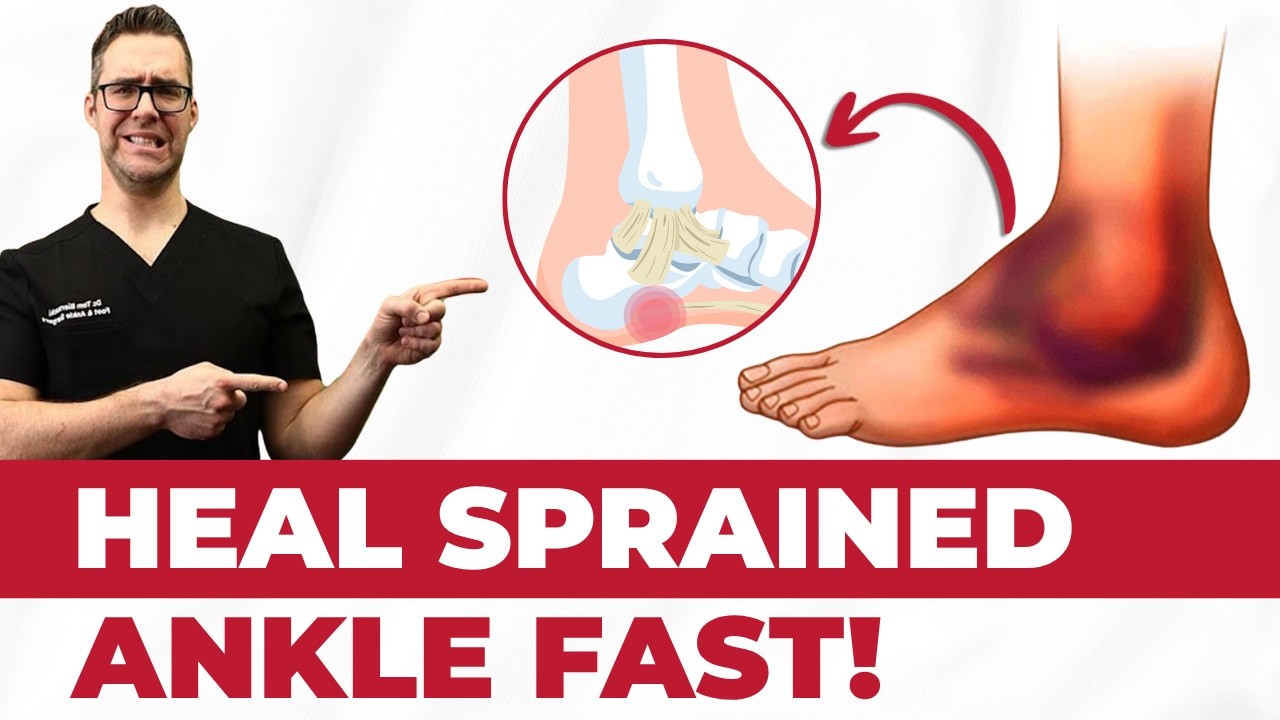
Watch: Fix TWISTED Ankle, ROLLED Ankle or SPRAINED Ankle Ligaments FASTER! — MichiganFootDoctors YouTube
PowerStep Pinnacle — arch support reduces re-injury risk during recovery.
As an Amazon Associate, Balance Foot & Ankle earns from qualifying purchases. Product recommendations are based on clinical experience; prices and availability shown above update live from Amazon.

When to See a Podiatrist
A sprain that hasn’t fully recovered after 6 weeks often has residual ligament laxity or occult fracture that keeps the ankle unstable. Balance Foot & Ankle X-rays and stress-tests every lingering sprain — if the ligament is torn, we offer bracing, PRP, and (for chronic instability) minimally-invasive repair. Don’t keep re-rolling the same ankle; let us stabilize it properly.
Call Balance Foot & Ankle: (810) 206-1402 · Book online · Offices in Howell & Bloomfield Township
Frequently Asked Questions About Volleyball Foot Injuries
Should volleyball players wear ankle braces?
External ankle support significantly reduces sprain risk in volleyball. DASS compression sleeves provide dynamic stabilization without restricting the vertical jumping motion that rigid braces can impede. For players returning from acute sprains, a rigid brace during the initial return-to-play phase may be appropriate before transitioning to DASS sleeves. All volleyball players with any history of ankle sprains should wear ankle support during every practice and match.
How often should volleyball players replace shoes?
Replace volleyball shoes every 4-6 months of regular play (3+ sessions per week) or every 300-500 hours of court time. The midsole loses shock absorption before the outsole shows significant wear, so even shoes that look fine may no longer provide adequate cushioning for the sport’s high-impact demands. Consider having two pairs in rotation to extend each pair’s lifespan.
Can I play volleyball with plantar fasciitis?
Modified participation is possible with proper management. Use PowerStep Pinnacle Maxx insoles for maximum arch support, perform thorough calf and plantar fascia stretching before and after play, apply Doctor Hoy’s Pain Relief Gel before warm-up, and reduce jump training volume initially. Many volleyball players manage plantar fasciitis while continuing to play at a modified level.
Are volleyball injuries different from basketball injuries?
While both sports involve jumping and lateral movement, volleyball has a higher rate of ankle sprains (due to net play landing risks) and a relatively lower rate of ACL injuries compared to basketball. Volleyball generates more repetitive vertical loading from the sheer volume of jumps per match. Basketball involves more running and change-of-direction forces. The injury prevention strategies overlap significantly, but volleyball ankle sprain prevention through DASS sleeves and proprioception training deserves special emphasis.
Is sand volleyball easier or harder on the feet?
Sand volleyball creates different stresses than indoor. The sand reduces impact forces during landing (softer surface) but dramatically increases Achilles tendon and calf demands because the unstable surface requires more muscular effort for each jump. Sand volleyball players have higher rates of Achilles tendinopathy but lower rates of stress fractures. The barefoot nature of beach volleyball eliminates shoe-related issues but increases risk of plantar puncture wounds, sand-related skin irritation, and sunburn on the feet.
In Our Clinic
Most of our ankle sprains are acute — a patient comes in the same day or within 48 hours after rolling the ankle. We apply the Ottawa Ankle Rules first: bone tenderness at the posterior malleolus, navicular, or base of the 5th metatarsal, or inability to bear weight for 4 steps, means we image immediately to rule out fracture. For a clean grade 1–2 lateral ligament sprain, we use a short period of boot immobilization if needed, then transition into an ankle brace + proprioception training. The mistake we often see: patients skip the rehab phase and re-sprain within a year.
Sources
- Bahr R, Bahr IA. Incidence of acute volleyball injuries: a prospective cohort study of injury mechanisms and risk factors. Scand J Med Sci Sports. 1997;7(3):166-171.
- Verhagen EA, Van der Beek AJ, Bouter LM, Bahr RM, Van Mechelen W. A one season prospective cohort study of volleyball injuries. Br J Sports Med. 2004;38(4):477-481.
- Eerkes K. Volleyball injuries. Curr Sports Med Rep. 2012;11(5):251-256.
- Reeser JC, Verhagen E, Briner WW, Askeland TI, Bahr R. Strategies for the prevention of volleyball related injuries. Br J Sports Med. 2006;40(7):594-600.
- Bahr R, Karlsen R, Lian O, Ovrebo RV. Incidence and mechanisms of acute ankle inversion injuries in volleyball. Am J Sports Med. 1994;22(5):595-600.
Watch: Preventing Volleyball Foot and Ankle Injuries
Schedule Your Volleyball Injury Evaluation
Foot or Ankle Pain Affecting Your Game?
Dr. Biernacki at Balance Foot & Ankle Specialists treats competitive and recreational volleyball players with sport-specific evaluation and treatment plans designed to get you back on the court safely.
Book Your Sports Evaluation →
📍 Serving Southeast Michigan from our Novi office — most insurance plans accepted
Related Foot & Ankle Guides
- Best Foot Care Products
- Foot Pain Conditions
- Podiatrist Recommended Shoes
- Sports Foot Care
- Complete Foot Care Product Guide
Dr. Tom’s Recommended Products: See our clinically tested product recommendations for this condition. View Dr. Tom’s recommended products →
When to See a Podiatrist for Volleyball Injuries
If you have ankle pain from repeated landing, stress fractures from jumping, or plantar fasciitis from indoor court play, a sports podiatrist can get you back on the court. At Balance Foot & Ankle, we treat volleyball athletes at our Howell and Bloomfield Township offices.
→ Learn about our sports medicine services
→ Book your appointment
→ Call (810) 206-1402
Clinical References
- Bahr R, Bahr IA. Incidence of acute volleyball injuries: a prospective cohort study of injury mechanisms and risk factors. Scand J Med Sci Sports. 1997;7(3):166-171.
- Verhagen E, Van der Beek AJ, Bouter LM, et al. A one season prospective cohort study of volleyball injuries. Br J Sports Med. 2004;38(4):477-481. doi:10.1136/bjsm.2003.005785
- Reeser JC, Verhagen E, Briner WW, et al. Strategies for the prevention of volleyball related injuries. Br J Sports Med. 2006;40(7):594-600. doi:10.1136/bjsm.2005.018234
Insurance Accepted
BCBS · Medicare · Aetna · Cigna · United Healthcare · HAP · Priority Health · Humana · View All →
Howell Office
4330 E Grand River Ave
Howell, MI 48843
Get Directions →
Bloomfield Township Office
43494 Woodward Ave, Suite 208
Bloomfield Township, MI 48302
Get Directions →
Your Board-Certified Podiatrists



Ready to Get Back on Your Feet?
Same-week appointments available at both locations.
Book Your AppointmentIn-Office Treatment at Balance Foot & Ankle
If home treatment isn’t providing relief for your ankle sprains, our podiatry team at Balance Foot & Ankle can help with same-day evaluations and advanced in-office care.
Same-day appointments available. (810) 206-1402
Frequently Asked Questions
When should I see a podiatrist?
If symptoms persist past 2 weeks, affect your normal activity, or are accompanied by red-flag symptoms (warmth, redness, swelling, inability to bear weight).
What does treatment cost?
Most diagnostic visits and conservative treatments are covered by Medicare and major insurers. Out-of-pocket costs vary by your specific plan.
How quickly can I get an appointment?
Most non-urgent cases see us within 5 business days. Urgent cases (sudden pain, possible fracture) typically same or next business day.
What is Ankle sprain?
Ankle sprain is a common foot/ankle condition that affects mobility and quality of life. Understanding the underlying cause is the first step in successful treatment. Our podiatrists at Balance Foot & Ankle perform a hands-on biomechanical exam, review your activity history, and use diagnostic imaging when appropriate to identify the root cause—not just treat the symptom. Many patients have been told to “rest and ice” without a deeper diagnostic workup; our approach is different.
Symptoms and warning signs
Common signs of ankle sprain include pain that worsens with activity, morning stiffness, swelling, tenderness when palpated, and difficulty bearing weight. If you experience sudden severe pain, inability to walk, visible deformity, numbness or color change, contact our office the same day or visit urgent care—these can signal a more serious injury such as a fracture, tendon rupture, or vascular compromise. Diabetics with any foot wound should seek same-day care.
Conservative treatment options
Most cases of ankle sprain respond to non-surgical care: structured rest, supportive footwear changes, custom orthotics, targeted stretching and strengthening protocols, anti-inflammatory medications when medically appropriate, and in-office procedures such as ultrasound-guided injections. We also offer advanced therapies including MLS laser therapy, EPAT/shockwave, regenerative injections, and image-guided procedures. Treatment is sequenced from least invasive to most invasive, and we explain the rationale at every step.
When is surgery considered?
Surgery is reserved for cases that fail 3-6 months of well-structured conservative care, when there is structural pathology (severe deformity, complete tear, advanced arthritis), or when imaging shows damage that will not heal without intervention. Our surgeons have performed 3,000+ foot and ankle procedures and prioritize minimally-invasive techniques whenever appropriate. We discuss recovery timelines, return-to-activity milestones, and realistic outcome expectations before any procedure is scheduled.
OrthoInfo – AAOS: Sprained Ankle
Recovery timeline and prevention
Recovery from ankle sprain varies based on severity and chosen treatment path. Conservative cases often improve within 4-8 weeks with consistent adherence to the protocol. Post-procedural recovery may range from a few days (in-office procedures) to several months (reconstructive surgery). Long-term prevention involves footwear assessment, activity modification, structured strengthening, and regular check-ins with your podiatrist if you have a history of recurrence. We provide written home-exercise plans and digital follow-up support.
Ready to feel better?
Same-week appointments available in Howell and Bloomfield Township, Michigan.
Book Your VisitReady to fix this for good?
Reading goes only so far. The fastest path to relief is a 30-minute office visit with Dr. Biernacki — same-day Howell or Bloomfield Township. Call (810) 206-1402 or use our online booking.
📋 Dr. Tom Biernacki, DPM, FACFAS answers:
Volleyball foot and ankle injuries require prompt evaluation with X-rays to rule out fractures before taping or returning to play. Ankle sprains are graded by ligament involvement — Grade 1 and 2 sprains are managed with RICE, bracing, and progressive rehabilitation; Grade 3 complete tears may require immobilization or surgical repair in elite athletes. Metatarsal stress fractures need boot immobilization for 4 to 6 weeks. Sesamoiditis from chronic jumping impact responds to dancer pads and activity modification. Our clinic provides sport-specific return-to-play protocols and custom bracing for volleyball athletes.

Dr. Tom Biernacki, DPM is a board-certified foot & ankle surgeon (ABFAS & ABPM) at Balance Foot & Ankle Specialists in Southeast Michigan. With over a decade of clinical experience, he specializes in heel pain, bunions, diabetic foot care, sports injuries, and minimally invasive surgery. Dr. Biernacki is a member of the APMA and ACFAS, and his patient education content on MichiganFootDoctors.com and YouTube has made him one of the most-followed foot & ankle educators on YouTube.
More questions patients ask
How long does an ankle sprain take to heal?
Recovery time depends on severity: Grade 1 (mild stretching) typically heals in 1-3 weeks, Grade 2 (partial tear) in 3-6 weeks, and Grade 3 (complete tear) in 6-12 weeks or longer. Proper rehabilitation is critical to prevent chronic ankle instability, which affects up to 40% of patients who don't receive adequate treatment. Dr. Biernacki creates customized recovery plans.
When should I see a doctor for a sprained ankle?
Seek professional evaluation if you can't bear weight, notice significant swelling or bruising, hear a pop at the time of injury, have numbness, or if pain hasn't improved after 5-7 days of RICE treatment. X-rays or MRI may be needed to rule out fractures. Dr. Biernacki offers same-day urgent evaluations at 810-206-1402.
Can a sprained ankle heal without treatment?
While mild sprains may heal with rest and home care, undiagnosed ligament tears and improperly rehabilitated sprains frequently lead to chronic ankle instability, recurrent sprains, and early-onset arthritis. A proper evaluation ensures appropriate treatment and reduces your risk of long-term complications significantly.
How do you treat volleyball foot and ankle injuries?
Volleyball foot and ankle injuries require prompt evaluation with X-rays to rule out fractures before taping or returning to play. Ankle sprains are graded by ligament involvement — Grade 1 and 2 sprains are managed with RICE, bracing, and progressive rehabilitation; Grade 3 complete tears may require immobilization or surgical repair in elite athletes. Metatarsal stress fractures need boot immobilization for 4 to 6 weeks. Sesamoiditis from chronic jumping impact responds to dancer pads and activity modification. Our clinic provides sport-specific return-to-play protocols and custom bracing for volleyball athletes.
Still have a question about coverage or cost? Book online and we will check your benefits before your visit: Book in Howell · Book in Bloomfield Township. Prefer to talk it through first? Call (810) 206-1402.