
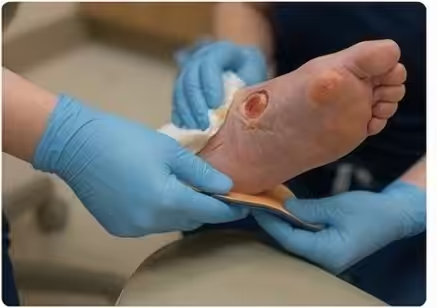
Dr. Tom’s Wound Care Kit
Medically reviewed by Dr. Tom Biernacki, DPM · Board-Certified Podiatric Surgeon · Last reviewed: April 2026 · Editorial Policy
Related Conditions
Quick Answer
Foot and ankle wounds heal when the cause is addressed: pressure, circulation, infection, or all three. Wounds present more than four weeks, or any wound on a diabetic foot, warrant specialist wound care rather than continued self-treatment. Same-week appointments in Howell + Bloomfield Township: (810) 206-1402.

Quick Answer
Most foot and ankle problems respond to conservative care — proper footwear, supportive inserts, activity modification, and targeted stretching — within 4-8 weeks. Persistent pain beyond that window, or any symptom that prevents walking, warrants a podiatric evaluation to rule out fracture, tendon tear, or systemic cause.
Medically reviewed by Dr. Tom Biernacki, DPM — Board-Certified Podiatric Surgeon — Balance Foot & Ankle, Howell & Bloomfield Township, MI. Last updated April 2026.
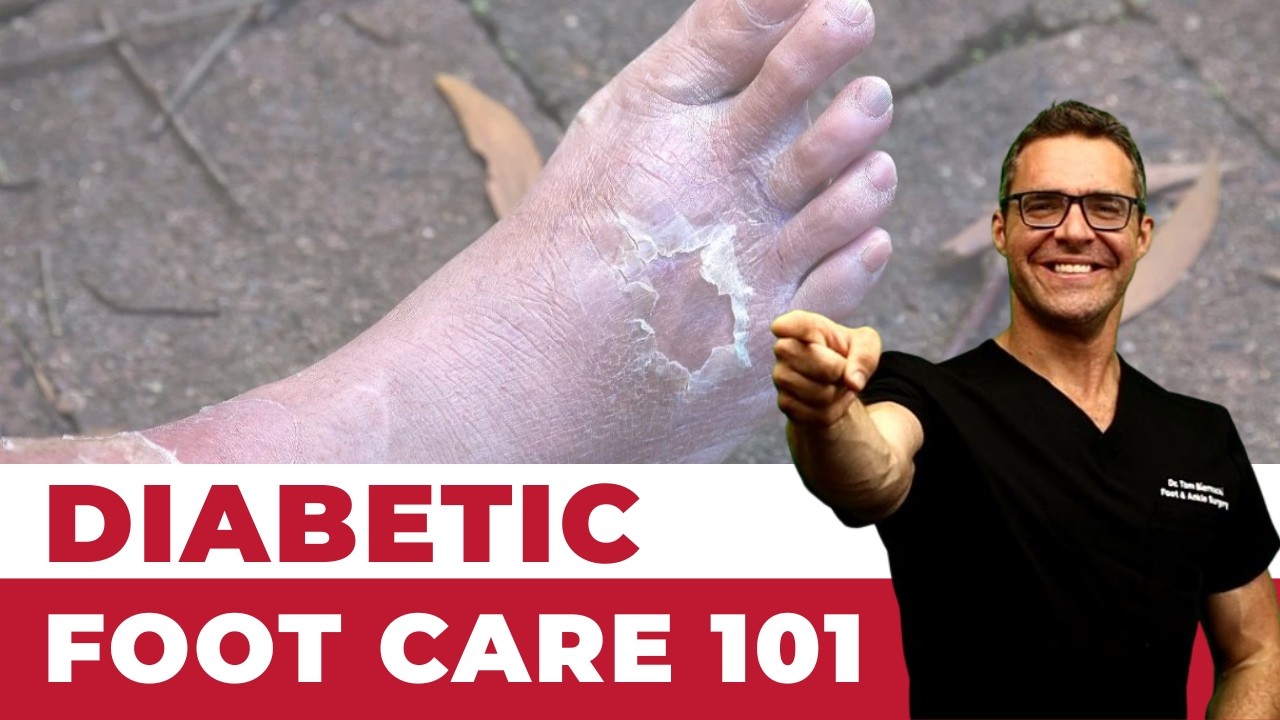
Watch: Dr. Tom Biernacki, DPM
👟 Dr. Tom Also Recommends
Podiatrist Recommended Shoes 2026: Dr. Tom’s Top Picks for Every Condition
The right footwear can make or break your recovery. Dr. Tom’s complete guide to the best shoes for plantar fasciitis, flat feet, neuropathy, bunions & more — with clinical picks for every foot type.
See Dr. Tom’s Top Shoe Picks →Wound Care Foot & Ankle Michigan
Chronic foot and ankle wounds that fail to heal represent one of the most serious — and most preventable — complications in podiatric medicine. At Balance Foot & Ankle, Dr. Tom Biernacki DPM provides comprehensive wound care for foot and ankle conditions in Michigan at our Howell, Brighton, and Bloomfield Township locations, including advanced wound dressings, sharp débridement, total contact casting, and coordination with vascular surgery when needed.
Types of Foot & Ankle Wounds Treated
- Diabetic foot ulcers: The most common cause of non-traumatic lower-extremity amputation. Risk is dramatically reduced with early intervention.
- Venous stasis ulcers: Shallow, irregular wounds on the lower leg caused by venous hypertension. Require compression therapy and wound débridement.
- Arterial (ischemic) ulcers: Punched-out, painful wounds from peripheral arterial disease. Require vascular evaluation before local wound care.
- Pressure ulcers: Wounds from sustained pressure on bony prominences — common in neuropathic and bedridden patients.
- Post-surgical wounds: Dehiscence (wound opening) after foot or ankle surgery requiring wound management.
- Traumatic wounds: Lacerations, puncture wounds, and degloving injuries of the foot and ankle.
Our Wound Care Approach
Wound assessment — At each visit Dr. Biernacki measures wound dimensions (length × width × depth), photographs the wound for objective tracking, evaluates granulation tissue, and assesses signs of infection (erythema, warmth, drainage, odor). Wound probing identifies exposed bone or tendon, suggesting osteomyelitis or deep space infection.
Sharp débridement removes necrotic tissue, wound biofilm, and callus from wound margins using a scalpel and curette. Débridement is the single most effective intervention for stimulating wound healing — it removes the bacterial burden and stimulates the wound edges to advance inward.
Total contact casting (TCC) is the gold standard for healing neuropathic diabetic foot ulcers. A well-molded cast distributes plantar pressure evenly across the entire foot, reducing pressure at the ulcer site by 85–90% compared to ambulatory devices. TCC heals 70–90% of uncomplicated plantar forefoot and midfoot diabetic ulcers within 6–8 weeks.
Advanced wound dressings — appropriate moisture management is critical. Dry wounds receive moisture-retentive dressings (hydrogel, hydrocolloid); wet, draining wounds receive absorptive dressings (foam, alginate, silver-containing antimicrobial dressings). Dr. Biernacki selects the appropriate dressing for each wound type and stage.
Bioengineered tissue and advanced therapies — for wounds that fail to progress with standard care after 4 weeks, Dr. Biernacki coordinates access to bioengineered skin substitutes (Apligraf, Dermagraft), platelet-rich plasma application, and hyperbaric oxygen therapy through affiliated Michigan wound care centers.
When to Seek Urgent Wound Care
Seek emergency or urgent podiatric care immediately for: spreading redness or warmth (cellulitis), dark discoloration or black tissue (gangrene), foul odor, visible bone or tendon, rapidly worsening pain, fever, or chills. These signs suggest deep infection that may require hospitalization and surgical intervention to prevent limb loss.
Frequently Asked Questions
How long does it take for a diabetic foot ulcer to heal?
With aggressive offloading and débridement, uncomplicated neuropathic ulcers heal in 6–12 weeks. Ulcers complicated by infection or poor circulation require longer — sometimes 3–6 months. Infected wounds may need surgical drainage or antibiotics before healing can proceed.
Is wound care covered by Medicare?
Yes — Medicare Part B covers wound débridement, dressings, and wound evaluations for chronic wounds. Diabetic patients with documented neuropathy have additional coverage for preventive foot care visits. Our team verifies benefits and handles billing.

Schedule your wound care evaluation at Balance Foot & Ankle in Howell, Brighton, or Bloomfield Township, Michigan. Dr. Biernacki provides same-week or same-day urgent wound appointments.
Dr. Tom’s Recommended Products for Diabetic Foot Care
📍 Located in Michigan?
Our board-certified podiatrists treat this condition at two convenient locations. Most new patients are seen the same week.
These are products I personally use and recommend to my patients at Balance Foot & Ankle.
- Dr. Comfort Men’s Paradise Diabetic Shoe — Medicare-covered diabetic shoe with seamless interior — eliminates pressure points that cause diabetic ulcers
- Foundation Wellness DASS Diabetic Socks (Levanta) — non-binding, seamless toe, moisture-wicking diabetic socks protecting neuropathic feet
- Derma Sciences Bordered Gauze Dressings — Non-adherent wound dressing ideal for diabetic foot wound management between podiatry visits
Affiliate disclosure: As an Amazon Associate, Balance Foot & Ankle earns from qualifying purchases. We only recommend products we trust for our own patients.
Join 950,000+ Learning About Foot Health
Dr. Tom shares honest medical advice, supplement reviews, and treatment guides you won’t find anywhere else.
Subscribe on YouTube →Insurance Accepted
BCBS · Medicare · Aetna · Cigna · United Healthcare · HAP · Priority Health · Humana · View All →
Howell Office
4330 E Grand River Ave
Howell, MI 48843
Get Directions →
Bloomfield Township Office
43494 Woodward Ave, #208
Bloomfield Township, MI 48302
Get Directions →
Your Board-Certified Podiatrists



Ready to Get Back on Your Feet?
Same-week appointments available at both locations.
Book Your AppointmentMost Common Mistake We See
The most common mistake we see is: Waiting too long before seeking care. Fix: any foot pain lasting more than 4 weeks, or any sudden severe symptom, deserves a professional evaluation rather than more rest.
Warning Signs That Need Same-Day Care
Seek immediate evaluation at Balance Foot & Ankle if you experience any of the following:
- Unable to bear weight
- Severe swelling with skin colour change
- Fever with foot pain (possible infection)
- Diabetes plus any new foot symptom
Book online or call (810) 206-1402 — same-week appointments at our Howell and Bloomfield Township offices.
In-Office Treatment at Balance Foot & Ankle
When conservative care isn’t enough, Dr. Tom Biernacki and the team at Balance Foot & Ankle offer advanced, same-day options — including Diabetic Wound Care Michigan at our Howell and Bloomfield Township clinics.
Same-week appointments available. Book online or call (810) 206-1402 or book online.
Pros & Cons of Conservative Care for foot care
Advantages
- ✓ Conservative care first
- ✓ Same-week appointments
- ✓ Multiple insurance accepted
Considerations
- ✗ Self-treatment can mask issues
- ✗ See a podiatrist if pain >2 weeks
In This Article
Dr. Tom’s Recommended Products for foot care
Affiliate disclosure: As an Amazon Associate, Balance Foot & Ankle earns from qualifying purchases. We only recommend products we use with patients.
Footnanny Heel Cream Dr. Tom’s Pick
Best for: Daily moisturizer for cracked heels
Ready to Get Back on Your Feet?
Same-week appointments in Howell + Bloomfield Township. Most insurance accepted. Dr. Tom Biernacki, DPM & team.
Book Today — Same-Week Appointments Available
Call Now: (810) 206-1402
About Your Care Team at Balance Foot & Ankle
Dr. Tom Biernacki, DPM · Board-Certified Foot & Ankle Surgeon. Specializes in conservative-first care, minimally invasive bunion surgery, and complex reconstruction.
Dr. Carl Jay, DPM · Accepting new patients. Specializes in sports medicine, athletic injuries, and routine podiatric care.
Dr. Daria Gutkin, DPM, AACFAS · Accepting new patients. Specializes in surgical reconstruction and pediatric podiatry.
Locations: 4330 E Grand River Ave, Howell, MI 48843 · 43494 Woodward Ave Suite 208, Bloomfield Township, MI 48302
Hours: Mon–Fri 8:00 AM – 5:00 PM · (810) 206-1402
Ready for Expert Care?
Same-week appointments in Howell & Bloomfield Township, MI.
4.9★ | 1,123 Reviews | 3,000+ Surgeries
Or call: (810) 206-1402
