
Medically reviewed by Dr. Tom Biernacki, DPM
Board-certified podiatric surgeon | Balance Foot & Ankle, Howell & Bloomfield Hills, MI
Last reviewed: May 2026
| Condition | Location | MRI Finding | Clinical Test | Conservative Treatment | Surgical Option |
|---|---|---|---|---|---|
| Non-insertional Tendinopathy | 2–7cm above calcaneus (watershed) | Tendon thickening, mucoid degeneration, intratendinous signal | Arc sign, painful nodule on palpation | Alfredson eccentric protocol 12 wk | Tendon debridement + percutaneous longitudinal tenotomy |
| Insertional Tendinopathy | At calcaneal insertion | Calcification, cortical irregularity, enthesopathy | Posterior heel pain with direct pressure | Isometrics, heel lift, avoid eccentric drops | Insertional debridement + Haglund resection |
| Haglund’s Deformity | Posterior superior calcaneal prominence | Retrocalcaneal bursa fluid, Haglund’s spur | Posterior heel swelling “pump bump” | Heel lift, backless shoes, cortisone bursa injection | Calcaneal spur resection + bursal debridement |
| Partial Achilles Tear | Watershed zone (usually) | Partial thickness tear — <50% or >50% fibers | Pain + weakness, partial Thompson | Boot 6–8 wk + PT; PRP injection | Repair if >50% fiber loss |
| Complete Achilles Rupture | Watershed zone | Complete gap, tendon retraction | Thompson test positive — no plantarflexion | Functional brace protocol (if within 48 hrs) | Primary repair (competitive athletes / delayed cases) |
| Treatment | Indication | Protocol | Success Rate | Return to Sport |
|---|---|---|---|---|
| Alfredson Eccentric Protocol | Non-insertional tendinopathy | 3×15 reps BID x 12 weeks, add load as tolerated | 60–90% improvement at 12 wk | 3–6 months |
| Isometric Loading | Insertional tendinopathy, acute pain management | 45 sec holds at max plantarflexion, 4–5 reps, 2x daily | Excellent immediate pain reduction | Adjunct — progress to isotonic |
| Heel Lifts | All Achilles pathology — reduces tendon strain | 10mm lift in both shoes (bilateral) | Adjunct — symptom management | Ongoing until PT resolved |
| PRP Injection (Achilles) | Non-insertional tendinopathy — failed 12 wk PT | 1–2 ultrasound-guided injections | 60–75% improvement at 6 months | 3–4 months post-injection |
| Extracorporeal Shockwave (ESWT) | Chronic tendinopathy — failed all conservative | 3–5 sessions every 1–2 weeks | 60–80% improvement | 3–6 months |
| Functional Brace Protocol (rupture) | Acute complete rupture — <48 hours | Equinus boot → progressive dorsiflexion over 8 weeks | Equivalent to surgery at 1–2 years | 9–12 months |
| Open Achilles Repair (rupture) | Competitive athletes, delayed/chronic rupture | Surgical suture repair + cast/boot 6 weeks NWB | 85–95% return to prior sport | 6–9 months |
For Achilles tendon problems in Michigan, the right combination of conservative options (eccentric exercises, shockwave) and surgical options (Tenex, repair) preserves athletic function for the right candidate.
You’re in the right place. Dr. Tom Biernacki, DPM, FACFAS — board-certified foot & ankle surgeon with 3,000+ surgeries — explains exactly what Achilles tendon treatment in Michigan means and what works. Call (810) 206-1402 for same-day appointment at Howell or Bloomfield Hills.

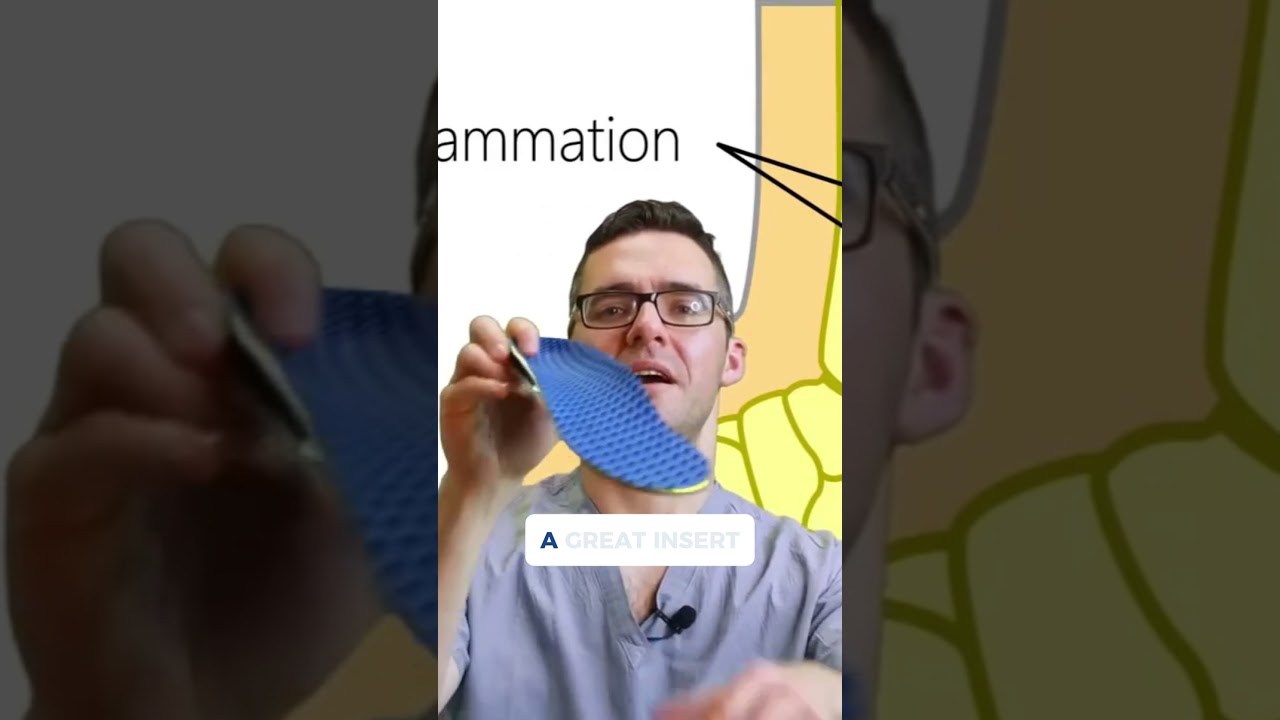
![Achilles Tendonitis & Back of Heel Pain [BEST Home Treatments 2024!]](https://www.michiganfootdoctors.com/wp-content/cache/flying-press/d645ea3f3d27024136b88a074b2b7894.jpg)
Watch: Achilles Tendonitis & Back of Heel Pain [BEST Home Treatments 2024!] — MichiganFootDoctors YouTube
Medically Reviewed | Dr. Tom Biernacki, DPM | Board-Certified Podiatric Surgeon | Balance Foot & Ankle, Michigan
Related Conditions
In This Article
- What is the Achilles tendon and what can go wrong?
- Achilles Tendon Problems in Michigan: A Comprehensive Guide
- Midportion Tendinopathy: The Degenerative Core
- The Alfredson Eccentric Protocol
- Insertional Tendinopathy: A Different Problem Entirely
- Peritendinitis vs. Tendinopathy
- Ultrasound-Guided Procedures for Achilles Tendinopathy
- Achilles Tendon Rupture: Complete vs. Partial
- Surgical Options for Recalcitrant Tendinopathy
- Dr. Tom's Product Recommendations
- Frequently Asked Questions
- Frequently Asked Questions

Achilles Tendon Problems in Michigan: A Comprehensive Guide
The Achilles is the largest and strongest tendon in the body — and one of the most injured. Michigan runners, weekend athletes, and active adults represent the core population at risk. Whether you’re dealing with morning stiffness that loosens up through a run, a painful nodule on the tendon, a pump-bump behind your heel, or the sudden “pop” of a complete rupture, Achilles pathology encompasses a wide spectrum requiring precise diagnosis before treatment can succeed.
Midportion Tendinopathy: The Degenerative Core
Midportion Achilles tendinopathy occurs 2–6 cm above the calcaneal insertion — the zone of relative avascularity where degenerative changes accumulate under repetitive tensile load. Histologically, this is tendinosis rather than tendinitis: the pathology is disorganized collagen, neovascularization, and matrix degeneration — not acute inflammation. This distinction matters clinically because anti-inflammatory treatments (NSAIDs, corticosteroid injection directly into the tendon) have limited efficacy and actually reduce long-term tendon strength.
Clinical findings: spindle-shaped fusiform swelling at the midportion, pain with palpation of the tendon body, a painful arc sign (pain shifts with ankle position when the tendon is palpated, confirming pathology is within the tendon and not peritendinous). Ultrasound demonstrates tendon thickening, hypoechoic areas of degeneration, and neovascularity on Doppler — the definitive in-office diagnostic.
The Alfredson Eccentric Protocol
The Alfredson heavy-load eccentric protocol remains the gold standard for midportion Achilles tendinopathy, with 60–80% success rates in motivated patients. The protocol: standing with the affected heel off a step, rising on both toes (concentric), then slowly lowering only on the affected leg (eccentric). Three sets of 15 repetitions, twice daily, for 12 weeks. Both straight-knee (primarily gastrocnemius) and bent-knee (primarily soleus) versions are performed.
The mechanism: heavy eccentric load stimulates collagen remodeling, reduces neovascularity, and gradually reconstructs the degenerative tendon core. Pain during the exercise is expected and does not indicate harm — patients are instructed to push through mild-moderate discomfort. The exercise fails when patients don’t load sufficiently or stop when pain begins.
Insertional Tendinopathy: A Different Problem Entirely
Insertional Achilles tendinopathy involves the distal 2 cm where the tendon attaches to the posterior calcaneus. Unlike midportion disease, insertional tendinopathy involves a compressive component — the tendon is pinched between the calcaneal tuberosity and footwear during dorsiflexion. This compression drives both the pathology and the treatment strategy.
The Haglund’s deformity is a prominent posterior-superior calcaneal bony excrescence that increases compressive load on the Achilles insertion — the classic “pump bump” seen in women who wear heeled shoes. Haglund’s accelerates insertional tendinopathy and can be treated surgically when conservative measures fail.
Treatment differences from midportion: heel lifts (not dorsiflexion stretching) reduce compressive load at the insertion. Open-back footwear that avoids direct posterior heel pressure helps during flares. Eccentric loading with the heel dropped below step level is contraindicated in insertional disease — it maximally compresses the tendon against the calcaneus. Isometric and concentric (heel raise without drop) loading is appropriate instead.
Peritendinitis vs. Tendinopathy
Peritendinitis — inflammation of the paratenon (the soft tissue sheath surrounding the Achilles) — is a distinct entity from intrinsic tendon pathology. It presents with diffuse, circumferential swelling along the tendon (not focal), crepitus on palpation, and absence of the painful arc sign. Treatment includes anti-inflammatory measures (NSAIDs, icing) that are inappropriate for intrinsic tendinopathy. Ultrasound distinguishes peritendinitis from tendinopathy reliably.
Ultrasound-Guided Procedures for Achilles Tendinopathy
Platelet-rich plasma (PRP): Evidence for PRP in Achilles tendinopathy is mixed — well-designed RCTs show benefit beyond eccentric exercise in some populations (particularly chronic, recalcitrant midportion tendinopathy), while others show equivalent outcomes. Best evidence supports PRP as an adjunct to structured eccentric loading, not as a replacement. Dr. Biernacki discusses PRP candidacy based on the most current literature.
High-volume injection: Saline + local anesthetic delivered under ultrasound guidance into the peritendinous space strips neovasculature and relieves associated pain. Strong evidence in recalcitrant cases — British athletic medicine groups have published excellent results in athletic populations.
Corticosteroid: Corticosteroid directly into the Achilles tendon body is contraindicated — it significantly increases short-term rupture risk. Peritendinous injection (around the paratenon) is appropriate for peritendinitis and has a better safety profile.
Achilles Tendon Rupture: Complete vs. Partial
Complete Achilles rupture typically occurs during explosive push-off or sudden deceleration — middle-aged “weekend warriors” are the classic demographic. The patient often reports hearing a pop and feeling as if they were kicked in the back of the leg. Thompson test: prone position, squeeze the calf; absence of plantar flexion response confirms complete rupture. Ultrasound or MRI confirms diagnosis and characterizes gap size.
Treatment: the ACHILLES trial (2010) and subsequent meta-analyses show equivalent functional outcomes at 12 months between surgical repair and functional non-operative treatment (early weight-bearing in equinus, progressive rehabilitation). Surgical repair offers slightly lower re-rupture rates (3% vs. 8%); conservative functional management offers lower complication rates (infection, wound dehiscence, sural nerve injury). In Michigan’s active athletic population, surgical repair is often preferred for patients who require rapid return to high-level sport or physical labor.
Surgical Options for Recalcitrant Tendinopathy
When 4–6 months of structured conservative care fails, surgical intervention for Achilles tendinopathy includes: open or endoscopic debridement of the degenerate core (flexor hallucis longus transfer added when >50% of tendon cross-section is involved), Haglund resection for insertional disease with significant bony pathology, and Topaz radiofrequency coblation as an intermediate option between non-operative and major surgical debridement.
Dr. Tom's Product Recommendations
CURREX RunPro Insoles
⭐ Highly Rated
Dynamic arch technology with biomechanical Achilles load optimization for runners. CURREX RunPro is engineered for the running gait cycle and reduces Achilles tensile load during push-off. Available in Low, Medium, and High arch profiles. Used by elite distance runners and triathletes worldwide.
Dr. Tom says: “After my midportion Achilles tendinopathy, my podiatrist prescribed the Alfredson protocol and these insoles. Back to full training in 10 weeks.”
Runners with Achilles tendinopathy, midportion loading reduction, return-to-run programs
Not a substitute for the eccentric loading protocol — use together for best outcomes
Disclosure: We earn a commission at no extra cost to you.
Heel Lifts Orthotic Inserts (Tuli’s)
⭐ Highly Rated
Viscoelastic heel lifts reduce Achilles tensile load and posterior calcaneal compression — the first-line intervention for insertional Achilles tendinopathy. 3/8-inch elevation reduces dorsiflexion demand at the insertion. Use bilaterally to avoid creating a leg length discrepancy.
Dr. Tom says: “My insertional Achilles was so painful I could barely walk. My podiatrist prescribed these heel lifts and within two weeks the pain dropped dramatically.”
Insertional Achilles tendinopathy, Haglund’s deformity, acute flare management
Use bilaterally — unilateral heel lift creates limb length discrepancy
Disclosure: We earn a commission at no extra cost to you.
Bauerfeind AchilloTrain Achilles Tendon Support
⭐ Highly Rated
Medical-grade knit ankle brace with anatomic Achilles pads that apply targeted massage and compression during activity. Reduces peritendinous swelling and provides proprioceptive support during Achilles rehabilitation. Used in professional athletic settings globally.
Dr. Tom says: “Wore this during my entire Achilles rehab program. Reduced swelling significantly and gave me confidence to progress through the loading protocol.”
Midportion Achilles tendinopathy rehabilitation, peritendinitis management, return-to-sport
Not appropriate during acute rupture — medical evaluation needed first
Disclosure: We earn a commission at no extra cost to you.
✅ Pros / Benefits
- In-office diagnostic ultrasound differentiates midportion vs. insertional vs. peritendinitis
- Alfredson eccentric protocol prescribed correctly — loading intensity and technique matter
- Insertional Achilles managed without contraindicated eccentric drop loading
- PRP and high-volume injection for recalcitrant tendinopathy — ultrasound-guided precision
- Achilles rupture: surgical vs. functional non-operative discussion with full evidence base
❌ Cons / Risks
- Eccentric loading protocol requires 12 weeks of consistent compliance — not a quick fix
- PRP is not covered by most insurance plans
- Surgical debridement for chronic tendinopathy involves 3–6 month recovery timeline
Dr. Tom Biernacki’s Recommendation
The biggest Achilles mistake I see is patients doing heel drops for insertional tendinopathy after reading about the Alfredson protocol online. The eccentric drop is exactly wrong for insertional disease — it jams the tendon into the calcaneus and makes it worse. Location diagnosis determines the exercise prescription. That’s why you need an evaluation, not just a YouTube protocol.
— Dr. Tom Biernacki, DPM | Board-Certified Podiatric Surgeon | Balance Foot & Ankle
Frequently Asked Questions
How long does Achilles tendinopathy take to heal?
Midportion Achilles tendinopathy with proper eccentric loading typically improves 60–80% within 12 weeks. Complete resolution often takes 3–6 months. Insertional tendinopathy responds more slowly — 4–6 months of consistent management is realistic. Long-standing cases (2+ years) with significant tendon degeneration have lower recovery rates and may require procedural or surgical intervention.
Can I keep running with Achilles tendinopathy?
Continuing modified training is generally recommended over complete rest — load is the stimulus for tendon adaptation, and sudden deloading leads to further deconditioning. The key is managing load: reduce mileage and eliminate speedwork and hill training during the acute phase, then gradually reload based on symptom response. Pain during activity above 5/10 or pain that doesn’t settle within 24 hours of a run indicates too much load.
What’s the difference between Achilles tendinopathy and a partial tear?
Tendinopathy describes degenerative pathology without disruption of the tendon’s continuity. A partial tear involves actual fiber disruption — usually within an existing degenerative area. Partial tears are visible on ultrasound as hypoechoic (dark) areas within the tendon. Treatment is similar to tendinopathy initially, but larger partial tears (>50% cross-section) carry elevated complete rupture risk and may warrant surgical evaluation.
Should I get a cortisone injection for my Achilles?
Cortisone injected directly into the Achilles tendon body is contraindicated — it weakens collagen structure and significantly increases rupture risk. Peritendinous cortisone (around the paratenon) is appropriate for peritendinitis. For intrinsic tendinopathy, PRP, high-volume injection, or structured eccentric loading are the evidence-supported options.
Michigan Foot Pain? See Dr. Biernacki In Person
4.9★ rated | 1,123 Reviews | 3,000+ Surgeries
Same-week appointments · Howell & Bloomfield Hills
📞 (810) 206-1402 Book Online →Frequently Asked Questions
When should I see a podiatrist?
If symptoms persist past 2 weeks, affect your normal activity, or are accompanied by red-flag symptoms (warmth, redness, swelling, inability to bear weight).
What does treatment cost?
Most diagnostic visits and conservative treatments are covered by Medicare and major insurers. Out-of-pocket costs vary by your specific plan.
How quickly can I get an appointment?
Most non-urgent cases see us within 5 business days. Urgent cases (sudden pain, possible fracture) typically same or next business day.
Frequently Asked Questions
What’s the difference between Achilles tendinitis and tendinosis?
Tendinitis is acute inflammation (early-stage, under 6 weeks). Tendinosis is chronic degeneration without active inflammation — collagen breakdown, microscopic tearing, thickening. This distinction is critical for treatment: tendinitis responds to rest and anti-inflammatories; tendinosis does NOT respond to NSAIDs or ice because there’s no active inflammation to suppress. Tendinosis requires eccentric loading therapy and often PRP to stimulate collagen repair. Many patients treat tendinosis like tendinitis for months, prolonging recovery unnecessarily.
Will Achilles tendinitis lead to a rupture?
Untreated Achilles tendinopathy increases rupture risk — but it’s not inevitable. Risk rises significantly when patients continue high-impact activity through moderate-to-severe pain, or return to sport before the tendon has healed. In our practice, patients who complete a structured eccentric loading protocol have roughly a 3% rupture rate. Those who ignore the condition and keep training have rates closer to 15–20%. Early treatment isn’t optional — it’s rupture prevention.
How long does Achilles tendinitis take to heal?
Insertional Achilles tendinitis (at the heel bone) typically takes longer than mid-portion tendinitis — often 3–6 months with consistent treatment. Mid-portion responds faster, usually 6–12 weeks. The biggest predictor of recovery time is how long you’ve had symptoms before starting treatment. Patients who begin care within 4 weeks recover twice as fast as those who wait 6+ months. Chronic tendinosis can require 12–18 months even with optimal care.
What is eccentric heel drop exercise and does it work?
Eccentric loading — raising on both feet on a step and lowering slowly on the injured foot alone — is the single most evidence-supported treatment for mid-portion Achilles tendinopathy. The Alfredson protocol (3 sets of 15 reps, twice daily, over 12 weeks) shows 60–80% success rates in research. The mechanism: controlled overload stimulates collagen remodeling and tendon thickening. It should be done on a step edge with a heel drop below level — flat-surface heel raises are significantly less effective.
Can I exercise with Achilles tendinitis?
Yes, with modification. Low-impact activity — swimming, cycling, elliptical — is generally well-tolerated and maintains fitness without loading the tendon. Running can often continue at reduced volume (30–40% less) if pain stays below 4/10 during activity. Plyometrics, hill running, and speed work should stop until the tendon is at least 70% healed. The key rule: some discomfort during eccentric exercises is acceptable; sharp or worsening pain means stop.
Should I use heat or ice for Achilles tendinitis?
For acute tendinitis (first 2–4 weeks): ice after activity to reduce inflammatory pain. For chronic tendinosis: heat before exercise to increase blood flow; ice after to reduce post-exercise soreness. Many patients with chronic tendinosis use ice exclusively and wonder why they’re not improving — cold vasoconstricts the tendon, reducing the blood flow that chronic degeneration requires to heal. If symptoms have been present more than 6 weeks, switch your protocol.
What shoes help Achilles tendinitis?
A heel lift of 8–12mm is the most impactful footwear modification — it reduces the mechanical stretch of the tendon during gait. Motion-control or stability shoes work better than neutral shoes for most patients. Avoid minimalist and zero-drop shoes entirely during treatment. Temporary heel lifts (3/8″) added to regular shoes are a quick way to assess whether elevation helps before investing in specific footwear.
What is PRP therapy and does it work for Achilles tendinopathy?
PRP (Platelet-Rich Plasma) involves drawing your blood, concentrating the growth factors via centrifuge, and injecting them into the tendon under ultrasound guidance. For chronic mid-portion Achilles tendinosis that hasn’t responded to 12+ weeks of eccentric exercise, PRP shows 60–75% success rates in systematic reviews. Results take 6–12 weeks to manifest. We use ultrasound guidance for all tendon injections to ensure accurate placement. PRP is generally not covered by insurance but is typically $400–700 per treatment.
Does Achilles tendinitis affect both feet?
Most cases are unilateral (one side), typically the dominant-leg side or the side of greater mechanical load. Bilateral Achilles tendinopathy can occur in runners who dramatically increase training volume, but also warrants evaluation for systemic conditions — particularly fluoroquinolone antibiotic use (ciprofloxacin, levofloxacin are known to weaken tendons), seronegative arthropathies, and hypothyroidism. If both tendons are symptomatic without a clear mechanical cause, a systemic workup is appropriate.
When does Achilles tendinopathy require surgery?
Surgery is considered after 6–12 months of failed conservative management. Procedures include debridement of degenerated tissue, calcification removal (for insertional tendinopathy), and in severe cases, tendon reconstruction with FHL transfer. About 10–15% of patients with Achilles tendinopathy eventually need surgery. The outcomes are generally good — 80–90% return to activity — but recovery takes 6–9 months. We always exhaust shockwave therapy and PRP before recommending surgery.
Is Achilles tendinitis related to plantar fasciitis?
They often co-occur and share common risk factors: tight calf muscles, overpronation, rapid training increases, and inadequate footwear. Mechanically, a tight gastrocnemius (calf) increases load on both the Achilles insertion and the plantar fascia. Treating one effectively often improves the other. If you have both conditions simultaneously, the rehabilitation protocol is similar — eccentric calf work and dorsiflexion stretching address both pathologies.
In-Office Treatment at Balance Foot & Ankle
If home treatment isn’t providing relief for your foot and ankle issues, our podiatry team at Balance Foot & Ankle can help with same-day evaluations and advanced in-office care.
OrthoInfo – AAOS: Achilles Tendinitis
Ready to Get Relief?
Same-day appointments available in Howell & Bloomfield Hills, MI
4.9★ | 1,123 Reviews | 3,000+ Surgeries
Or call: (810) 206-1402

Dr. Tom Biernacki, DPM is a board-certified foot & ankle surgeon (ABFAS & ABPM) at Balance Foot & Ankle Specialists in Southeast Michigan. With over a decade of clinical experience, he specializes in heel pain, bunions, diabetic foot care, sports injuries, and minimally invasive surgery. Dr. Biernacki is a member of the APMA and ACFAS, and his patient education content on MichiganFootDoctors.com and YouTube has made him one of the most-followed foot & ankle educators on YouTube.