
Medically reviewed by Dr. Tom Biernacki, DPM
Board-certified podiatric surgeon | Balance Foot & Ankle, Howell & Bloomfield Township, MI
Last reviewed: May 2026

Ankle Inversion: Quick Answer
Ankle inversion is the inward rolling of the foot at the ankle joint — the mechanism that causes 85% of all ankle sprains. The ATFL (anterior talofibular ligament), CFL (calcaneofibular ligament), and PTFL (posterior talofibular ligament) on the outside of the ankle are the three lateral ligaments that get stretched or torn during inversion. Sprains are graded 1-3: Grade 1 (mild stretch, full weight-bearing OK), Grade 2 (partial tear, painful weight-bearing), Grade 3 (complete tear, unable to bear weight). Treatment uses the PEACE & LOVE protocol (Protection, Elevation, Avoid anti-inflammatories early, Compression, Education + Load, Optimism, Vascularization, Exercise). Most Grade 1-2 sprains return to full activity in 4-8 weeks; Grade 3 sprains may need MRI and bracing for 8-12 weeks. Recurrent inversion sprains warrant evaluation for chronic ankle instability.
Ankle Inversion Anatomy: The Three Lateral Ligaments
The ankle has three lateral (outer) ligaments that resist inversion: the ATFL (anterior talofibular ligament) — connects the front of the lateral malleolus to the talus; the CFL (calcaneofibular ligament) — connects the lateral malleolus to the calcaneus; and the PTFL (posterior talofibular ligament) — connects the back of the lateral malleolus to the talus. The ATFL is the weakest and is injured first in 70-85% of ankle sprains.
When you “roll” your ankle inward (inversion), the ATFL takes the initial stretch. With a more forceful injury, the CFL is also affected. Only the most severe inversion injuries reach the PTFL. Knowing which ligaments are injured guides treatment — isolated ATFL sprains heal well with conservative care; combined ATFL+CFL injuries may need bracing for longer; PTFL involvement often signals additional bone or tendon injury and needs MRI.
On the inner (medial) side of the ankle, the deltoid ligament resists eversion. Eversion sprains are much less common (only 15% of ankle sprains) because the bony architecture (the lateral malleolus extends further down than the medial malleolus) blocks excessive eversion.
How to Grade Your Ankle Sprain at Home
Grade 1 (mild): Mild swelling, mild tenderness over the lateral ankle, can bear weight with mild discomfort, no instability on testing. ATFL stretched but not torn. Recovery: 1-2 weeks.
Grade 2 (moderate): Moderate swelling and bruising, painful weight-bearing, some instability with anterior drawer test or talar tilt. Partial ATFL tear, possibly CFL stretch. Recovery: 4-8 weeks.
Grade 3 (severe): Significant swelling and bruising, unable to bear weight, definite instability, often a “pop” felt at injury. Complete ATFL tear, often combined with CFL tear. Recovery: 8-12+ weeks; may need surgery if instability persists.
Red flags requiring expert evaluation: Inability to bear weight on the foot for 4+ steps; pinpoint tenderness over the lateral malleolus, medial malleolus, or 5th metatarsal base (Ottawa Ankle Rules — predict need for X-ray with ~95% sensitivity); audible “pop” with severe pain; obvious deformity. These need X-ray to rule out fracture.
The PEACE & LOVE Treatment Protocol (2026 Standard)
The old “RICE” protocol (Rest, Ice, Compression, Elevation) has been replaced by PEACE & LOVE based on 2019+ sports medicine evidence:
P — Protection: Brief 1-3 days of relative rest. Use crutches if non-weight-bearing.
E — Elevation: Elevate the ankle above heart level multiple times daily.
A — Avoid anti-inflammatories early: Don’t use NSAIDs in the first 48 hours — they may impair tissue healing. Acetaminophen (Tylenol) is fine for pain.
C — Compression: Elastic bandage or compression sleeve to reduce swelling.
E — Education: Understand the recovery timeline. Active rehab outperforms prolonged immobilization.
& LOVE (after 48 hours):
L — Load: Begin progressive weight-bearing as tolerated. Pain is your guide.
O — Optimism: Positive expectation improves outcomes (real evidence base).
V — Vascularization: Cardio activity (cycling, pool walking) promotes healing.
E — Exercise: Begin proprioceptive (balance) and strengthening exercises by day 4-7. Single-leg balance, ankle alphabet, calf raises, resistance band work.
Best Ankle Braces for Recovery and Prevention
For Grade 1-2 sprains, a lace-up ankle brace (Aircast A60, Active Ankle T2, McDavid 195) provides medial-lateral support during the 4-8 week recovery without restricting plantarflexion needed for normal gait.
For Grade 3 sprains or chronic instability, a stirrup-style brace (Aircast Air-Stirrup) or a CAM walker boot for 1-2 weeks followed by a lace-up brace gives more aggressive immobilization while still allowing dorsiflexion-plantarflexion.
For prevention during sports (especially basketball, volleyball, ice hockey), athletes with previous sprains should wear an ankle brace during play — this reduces recurrence rates by 50-80% per multiple meta-analyses.
When You Need a Podiatrist or Surgery
See a podiatrist within 1 week if: Any Grade 3 sprain (complete tear suspected), inability to bear weight after 5-7 days, persistent ankle “giving way,” recurrent sprains (3+ in a year), pain that worsens after initial improvement (could be osteochondral injury), persistent swelling beyond 4 weeks.
Imaging: X-ray to rule out fracture (Ottawa Ankle Rules). MRI to evaluate ligament integrity, peroneal tendon tears, osteochondral lesions of the talus, and sinus tarsi syndrome. Stress X-rays (anterior drawer with mortise view) for chronic instability assessment.
Surgical options: The Brostrom-Gould procedure is the gold standard for chronic lateral ankle instability — anatomic repair of the ATFL and CFL with augmentation of the inferior extensor retinaculum. 90%+ patient satisfaction. Outpatient surgery, 2-3 weeks immobilization, 8-12 weeks return to sport.
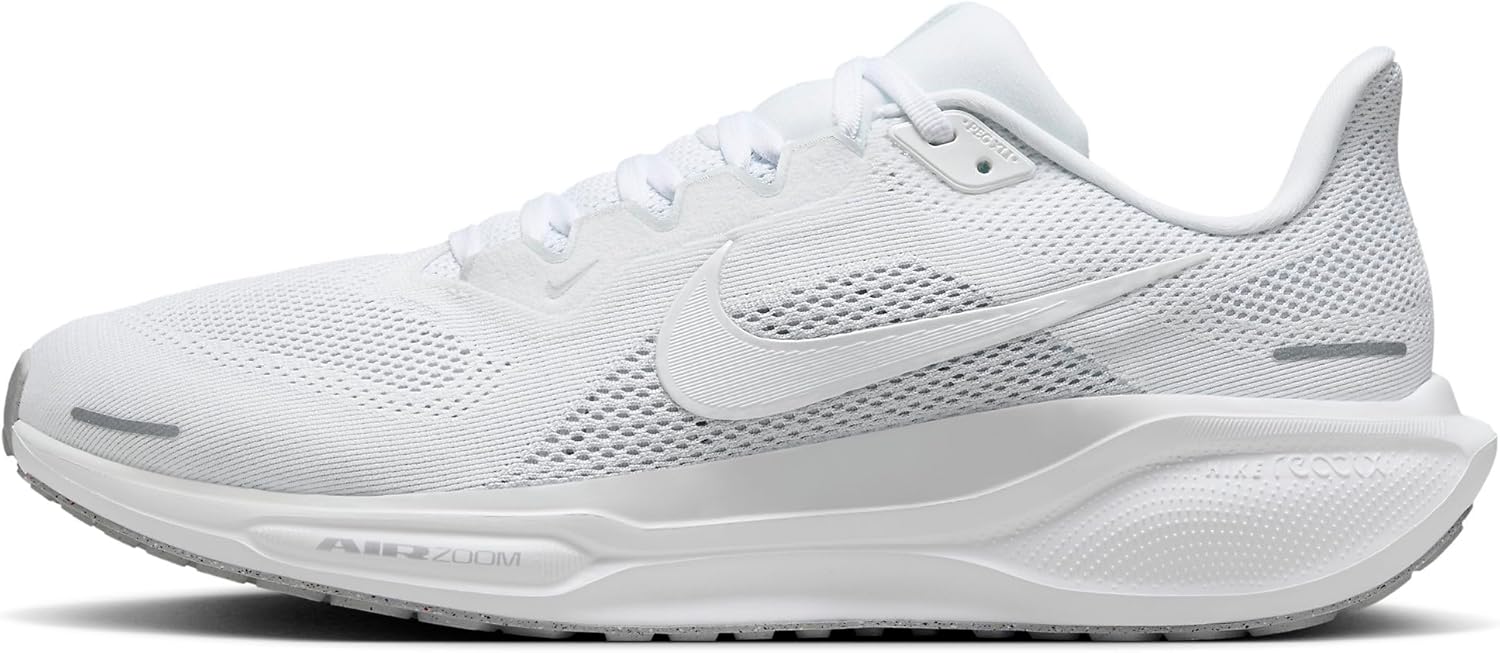
When Shoes Aren’t Enough — Dr. Tom’s Top 9 Orthotics
About 30% of patients I see for foot pain need MORE than a great shoe — they need a structured insole. Below: my complete 2026 orthotic ranking with pros, cons, and the specific patient I’d give each one to.




In-Office Treatment at Balance Foot & Ankle
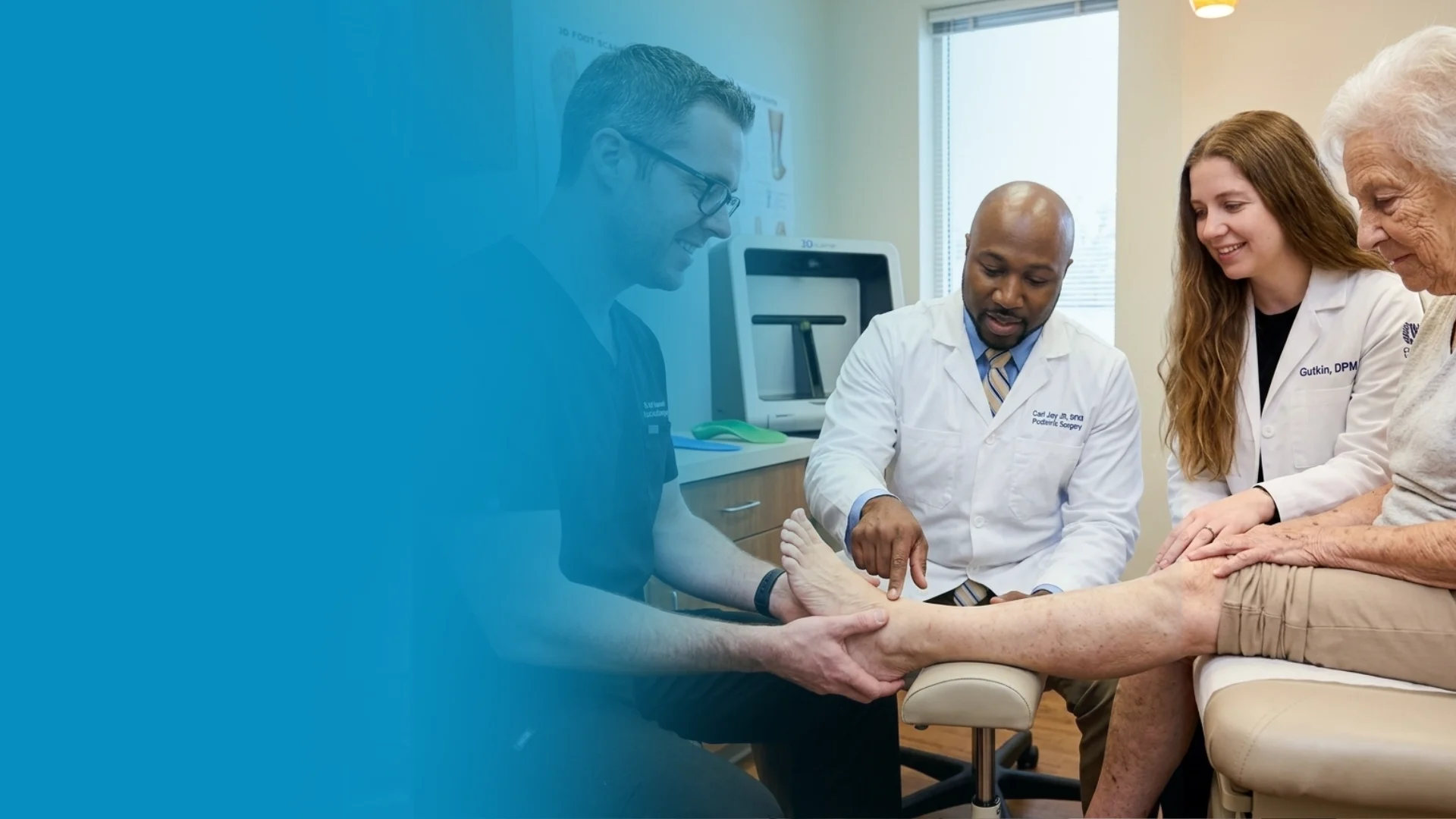
If home treatment isn’t providing relief for your ankle condition, our podiatry team at Balance Foot & Ankle can help with expert evaluations and advanced in-office care.
Frequently Asked Questions About Ankle Inversion
What is an ankle inversion?
The inward rolling motion of the foot at the ankle joint — the most common mechanism for ankle sprains, accounting for 85% of all ankle injuries.
How long does an ankle inversion sprain take to heal?
Grade 1: 1-2 weeks. Grade 2: 4-8 weeks. Grade 3: 8-12+ weeks (sometimes requires surgery for chronic instability).
Should I see a doctor for an ankle inversion sprain?
Yes if: cannot bear weight after the injury; pinpoint tenderness over malleoli or 5th metatarsal base (Ottawa Ankle Rules); significant deformity; severe pain or recurrent sprains. X-ray and possibly MRI guide treatment.
Can you walk on an inverted ankle?
You may be able to with mild Grade 1 sprains. Inability to bear weight (4+ steps) usually indicates Grade 2-3 sprain or fracture and requires evaluation.
Should I ice an ankle sprain?
Cryotherapy in the first 24-48 hours reduces pain and swelling. Modern evidence does not strongly support prolonged icing for tissue healing — focus shifts to gentle active motion after 48 hours.
Why should I avoid NSAIDs for the first 48 hours?
Inflammation is part of the natural healing response — early NSAID use may impair this. Use acetaminophen for pain in the first 48 hours; switch to ibuprofen after 48-72 hours if needed.
What exercises help recover from an ankle sprain?
Single-leg balance (start eyes-open, progress to eyes-closed), ankle alphabet, calf raises (double then single), resistance band inversion/eversion, towel scrunches with toes. Start at day 4-7 and progress over 6-8 weeks.
Related Resources from Balance Foot & Ankle
- Walking Boot for Sprained Ankle – Best Picks
- Lateral Ankle Ligaments Anatomy
- Chronic Ankle Sprain Instability
- Midtarsal Joint Sprain
- Ankle Arthroscopy Surgery
- Ankle Swelling Causes
AAOS: Ankle Inversion and Sprain Recovery
Ready to Get Relief?
Book online 24/7 in Howell & Bloomfield Township, MI
4.9★ | 1,200+ Reviews | 3,000+ Surgeries
Or call: (810) 206-1402

Dr. Tom Biernacki, DPM is a board-certified foot & ankle surgeon (ABFAS & ABPM) at Balance Foot & Ankle Specialists in Southeast Michigan. With over a decade of clinical experience, he specializes in heel pain, bunions, diabetic foot care, sports injuries, and minimally invasive surgery. Dr. Biernacki is a member of the APMA and ACFAS, and his patient education content on MichiganFootDoctors.com and YouTube has made him one of the most-followed foot & ankle educators on YouTube.