
Quick answer: Treatment for arthritis in the feet types symptoms treatment follows a stepwise approach: 1) conservative care first (rest, ice, supportive footwear, OTC anti-inflammatories), 2) physical therapy and targeted exercises, 3) in-office treatments (injections, custom orthotics) if conservative fails at 4-6 weeks, 4) surgery for refractory cases. Most patients resolve at step 1 or 2. Call (810) 206-1402.
Medically reviewed by Dr. Tom Biernacki, DPM — Board-Certified Podiatric Surgeon — Balance Foot & Ankle, Howell & Bloomfield Township, MI. Last updated April 2026.
Medically reviewed by Dr. Tom Biernacki, DPM — Board-certified podiatrist at Balance Foot & Ankle Specialists, serving Howell and Bloomfield Township, Michigan.
Quick Answer: Arthritis in the feet — including osteoarthritis, rheumatoid arthritis, and gout — causes joint pain, stiffness, and swelling that limits walking and daily activities. Treatment includes custom orthotics, anti-inflammatory medication, corticosteroid injections, physical therapy, and in advanced cases, joint fusion or replacement surgery.

Types of Arthritis Affecting the Feet
Osteoarthritis (OA)
The most common type. Cartilage — the smooth covering on joint surfaces — gradually wears away, allowing bone to rub against bone. Osteoarthritis in the foot most commonly affects the first metatarsophalangeal joint (big toe joint), the midfoot, and the ankle joint (often after previous fracture or ligament injury).
Rheumatoid Arthritis (RA)
An autoimmune inflammatory condition where the immune system attacks joint linings. RA in the foot typically affects multiple joints symmetrically, especially the metatarsophalangeal joints (ball of the foot). RA causes characteristic deformities: bunions, hammer toes, claw toes, and midfoot collapse. It’s managed in coordination with a rheumatologist.
Gout
A crystal arthropathy caused by uric acid deposits in joints. Gout classically causes sudden, severe pain and swelling in the big toe joint (podagra) — often waking patients from sleep. Attacks can be triggered by diet, alcohol, medications, and dehydration. Managed with medications and dietary modification.
Psoriatic Arthritis
Associated with psoriasis, psoriatic arthritis can cause “sausage digit” (dactylitis) in toes and affects the entheses (where tendons attach to bone) — including the Achilles and plantar fascia insertions.
Post-Traumatic Arthritis
Develops in joints following fractures or ligament injuries that damaged cartilage. Very common in the ankle after ankle fractures or recurrent sprains. Post-traumatic arthritis can appear years after the original injury.

Symptoms and Where Foot Arthritis Hurts
Foot arthritis symptoms vary by type and location, but common presentations include:
- Big toe joint (1st MTP joint): Stiffness, pain with push-off, a bony bump on top of the joint (dorsal osteophyte). Called hallux rigidus when severe.
- Midfoot: Aching across the arch, difficulty with prolonged standing or walking, visible bony prominences on the top of the foot
- Ankle joint: Deep joint aching, stiffness after rest, swelling around the ankle, loss of range of motion
- Ball of the foot (MTP joints in RA): Pain under the forefoot, toe deformities, calluses under metatarsal heads
Morning stiffness that eases with movement is characteristic of inflammatory arthritis (RA, psoriatic). Pain that worsens with activity and improves with rest is more typical of osteoarthritis. Both may cause swelling, warmth, and joint crepitus (grinding sensation).
Diagnosis
Dr. Biernacki begins with a thorough history and physical examination assessing joint range of motion, tenderness, swelling, and deformity. Imaging studies include:
- Weight-bearing X-rays: Essential for assessing joint space narrowing, osteophytes (bone spurs), and alignment under load
- MRI: Detects cartilage loss, synovitis, and early erosive changes before they appear on X-ray
- Laboratory studies: Uric acid (gout), rheumatoid factor, anti-CCP antibodies, ESR, CRP (inflammatory arthritis workup)
- Diagnostic injection: Local anesthetic injected into the joint confirms arthritis as the pain source
Conservative Treatment Options
The goal of conservative treatment is to reduce pain, preserve function, and slow progression. Most patients achieve significant relief without surgery:
Activity modification: Identifying activities that aggravate symptoms and substituting lower-impact alternatives (swimming, cycling instead of high-impact running on hard surfaces).
Footwear modification: Shoes with a wider toe box, rocker-bottom sole, and adequate cushioning reduce stress on arthritic joints. For big toe arthritis, a rigid or semi-rigid soled shoe prevents painful joint motion.
Custom orthotics: Offload arthritic joints and improve foot mechanics. Accommodative orthotics for RA and MTP joint pain; rigid functional orthotics for midfoot and ankle OA to reduce motion.
Physical therapy: Range of motion exercises, strengthening, and modalities (ultrasound, laser) to reduce pain and maintain function.
Corticosteroid injections: Targeted intra-articular steroid injections provide significant short-term pain relief — particularly useful for acute flares.
Medications: NSAIDs for OA flares; DMARDs (disease-modifying anti-rheumatic drugs) and biologics coordinated with rheumatology for RA; colchicine and allopurinol for gout management.

When Surgery Is Needed
Surgery for foot arthritis is considered when conservative management fails and quality of life is significantly impacted. Options depend on the location and severity:
- Cheilectomy: Removal of dorsal bone spurs in hallux rigidus — preserves joint motion in early-to-moderate OA
- Joint fusion (arthrodesis): The gold standard for end-stage arthritis. The joint is fused in a position of function, eliminating motion and pain. Highly reliable and durable for ankle, midfoot, and big toe joint arthritis
- Total ankle replacement (arthroplasty): Preserves ankle motion while replacing damaged cartilage surfaces — for appropriately selected patients with end-stage ankle arthritis
- Synovectomy: Removal of inflamed joint lining in RA to reduce joint destruction
Podiatrist-Recommended Products for Foot Arthritis
The right daily foot care products help manage arthritis symptoms and protect arthritic joints from further stress.
Disclosure: This page contains affiliate links. We may earn a small commission at no cost to you. We only recommend products Dr. Biernacki trusts for his own patients.
Joint-Protecting Insoles: PowerStep Pinnacle
For patients with osteoarthritis of the midfoot, big toe joint, or forefoot, PowerStep Pinnacle Orthotic Insoles provide the structured arch support and cushioning needed to reduce joint loading during everyday walking.
PowerStep’s firm arch support reduces compensatory midfoot collapse that accelerates OA progression. The dual-layer EVA cushioning absorbs impact stress before it reaches already-damaged cartilage surfaces. Patients with hallux rigidus (big toe arthritis) benefit from the rigid base that limits painful first MTP joint motion. Dr. Biernacki recommends them as a first-line OTC option before custom orthotics for mild-to-moderate foot arthritis.
Topical Pain Relief: Doctor Hoy’s Natural Pain Relief Gel
Doctor Hoy’s Natural Pain Relief Gel provides targeted joint pain relief without systemic NSAID side effects — important for arthritic patients who are often on multiple medications. Its menthol and arnica formula delivers anti-inflammatory and analgesic effects directly to the affected joint.
Apply Doctor Hoy’s over arthritic joints before activity, after prolonged standing, or at bedtime when joint aching is worst. The fast-absorbing formula works well under socks and doesn’t interfere with bedding. Many of Dr. Biernacki’s arthritis patients use it as part of a nightly foot care routine combined with stretching.
Supportive Compression: DASS Compression Socks
Joint swelling is one of the most debilitating symptoms of inflammatory foot arthritis. DASS Compression Socks at 15–20 mmHg graduated compression help manage end-of-day swelling in the foot and ankle, improve venous return, and provide mild proprioceptive support to painful arthritic joints.
DASS compression socks are particularly helpful for RA patients with forefoot and ankle involvement and for OA patients who stand for long periods. They’re a conservative, daily-use tool that complements medical arthritis management without interfering with medications.
🧰 The Complete Foot Arthritis Management Kit
Dr. Biernacki’s recommended daily protocol for managing foot arthritis at home between office visits:
- PowerStep Pinnacle — structured support to reduce joint loading and slow OA progression
- Doctor Hoy’s Natural Pain Relief Gel — topical joint pain relief without systemic NSAID concerns
- DASS Compression Socks — swelling management and joint support for inflammatory arthritis
🚨 Warning Signs — See a Podiatrist Soon
- Sudden severe joint swelling with extreme pain — possible gout attack or septic (infected) arthritis; infected joint is a medical emergency
- Fever with a hot, swollen joint — septic arthritis requires immediate evaluation and often surgical drainage
- Rapidly progressive deformity — Charcot foot in diabetic patients can masquerade as arthritis
- Inability to bear weight on the foot
- Numbness or vascular changes associated with joint swelling
- New joint swelling in a diabetic patient — always warrants prompt evaluation
🔑 The Most Common Arthritis Mistake
Wearing soft, unsupportive “comfort” shoes that actually allow excessive joint motion. Many arthritis patients gravitate toward very soft, flexible shoes thinking cushioning equals comfort. For foot arthritis — especially big toe and midfoot OA — more flexibility means more painful joint motion with every step. A semi-rigid or rocker-bottom soled shoe that limits motion through the arthritic joint dramatically reduces pain. The best shoe for foot arthritis is often firmer than you’d expect.
Watch: Foot Arthritis — Symptoms, Causes & Treatment Options
Treatment Bridge
- Hallux Rigidus — big toe joint arthritis treatment
- Gout in the Foot — crystal arthropathy management
- Ankle Arthritis — conservative and surgical options
- Custom Orthotics — joint offloading for arthritis patients
When to Seek Care: See a podiatrist if you experience joint stiffness that limits walking, swelling that persists more than two weeks, pain that does not respond to over-the-counter medication, a visible bump or deformity developing at a foot joint, or difficulty fitting into shoes due to joint enlargement.
More Podiatrist-Recommended Arthritis Essentials
Cushioned Running Shoe


Watch: How to Regrow Cartilage & Reverse OsteoArthritis? [Can We Do It?] — MichiganFootDoctors YouTube
Hoka Clifton 10 — max cushioning reduces joint impact for arthritic feet.
Wide Walking Shoe
New Balance 990v6 — wide toe box accommodates arthritic first-MTP (hallux rigidus).

As an Amazon Associate, Balance Foot & Ankle earns from qualifying purchases. Product recommendations are based on clinical experience; prices and availability shown above update live from Amazon.
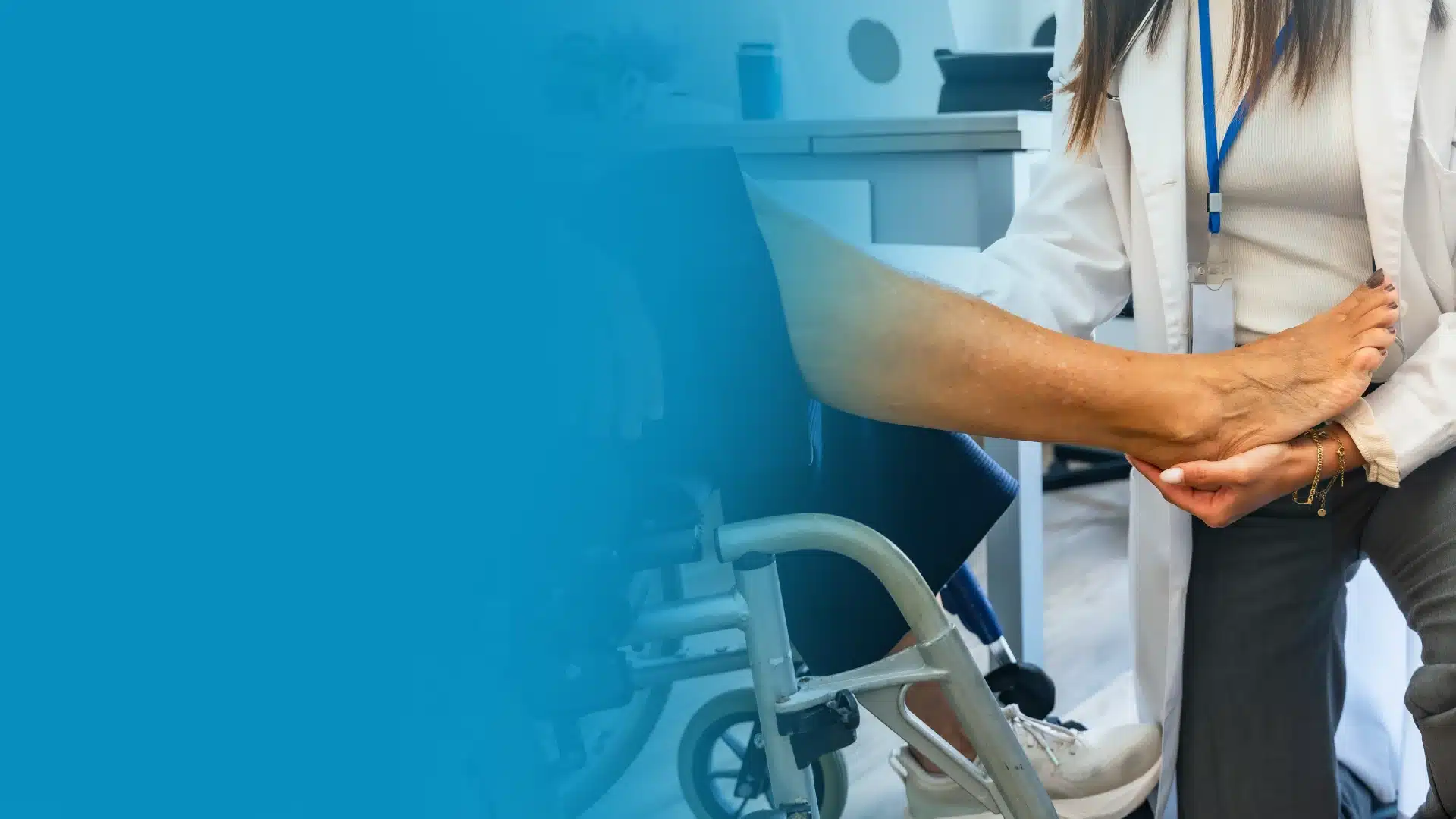
When to See a Podiatrist
Foot and ankle arthritis progresses silently — cartilage doesn’t regrow, but joint fusion, cheilectomy, and biologic injections can restore function at every stage. Balance Foot & Ankle offers the full arthritis spectrum: bracing, injections, and reconstructive surgery. Start with a consult so we can image the joint and give you a realistic 5-year outlook.
Call Balance Foot & Ankle: (810) 206-1402 · Book online · Offices in Howell & Bloomfield Township
Frequently Asked Questions About Foot Arthritis
What does arthritis in the foot feel like?
Foot arthritis typically causes a deep joint aching that is worse with activity and at the end of the day. Morning stiffness that improves after a few minutes of walking is characteristic. You may notice swelling around the joint, a grinding or catching sensation with movement, and over time, visible deformity or bony prominences at the joint.
Can foot arthritis be cured?
Arthritis cannot be cured — damaged cartilage does not regenerate. However, pain and function can be dramatically improved. Many patients achieve excellent symptom control with conservative management (orthotics, footwear, therapy, injections). For end-stage arthritis, joint fusion surgery provides reliable, durable pain relief with high patient satisfaction rates.
Is walking good for arthritis in the feet?
Yes — low-to-moderate walking on supportive surfaces is generally beneficial for foot arthritis. It maintains joint mobility, strengthens supporting muscles, and helps manage weight. Avoid hard, uneven surfaces and wear supportive footwear with orthotic insoles. If walking significantly worsens pain or causes swelling, discuss activity modification with Dr. Biernacki.
What is the best shoe for foot arthritis?
Look for shoes with a wide toe box (no toe crowding), a firm or rocker-bottom sole that reduces motion through arthritic joints, substantial cushioning, and a low heel-to-toe drop. Avoid very flexible, flat shoes — the flexibility that feels comfortable may allow harmful joint motion. Dr. Biernacki can recommend specific shoe characteristics based on which joints are affected.
Can a podiatrist treat arthritis in the feet?
Yes — podiatrists are specialists in foot and ankle arthritis and provide the full spectrum of conservative management including orthotics, injections, and footwear guidance. Dr. Biernacki performs both conservative and surgical management (cheilectomy, arthrodesis, joint replacement for appropriate candidates) for foot and ankle arthritis.
Sources
- Huch K, et al. “Osteoarthritis in Ankle and First Metatarsophalangeal Joints: A Survey in a Referral Population.” Arthritis & Rheumatism. 1997;40(6):1163-1169.
- Michelson J, et al. “Foot and Ankle Problems in Rheumatoid Arthritis.” Foot & Ankle International. 1994;15(11):608-613.
- Dalbeth N, et al. “Gout.” The Lancet. 2021;397(10287):1843-1855.
- Daniels TR, et al. “Intermediate and Long-Term Outcomes of Total Ankle Replacement and Ankle Arthrodesis: A Systematic Review of the Literature.” Journal of Bone & Joint Surgery. 2014;96(2):135-142.
- Coughlin MJ, Shurnas PS. “Hallux Rigidus: Grading and Long-term Results of Operative Treatment.” Journal of Bone & Joint Surgery. 2003;85(11):2072-2088.
Living With Foot Arthritis?
Dr. Tom Biernacki and the team at Balance Foot & Ankle Specialists provide comprehensive arthritis management including custom orthotics, injections, and surgical options in Howell and Bloomfield Township, Michigan.
Book Your AppointmentCall (810) 206-1402 | Same-day appointments available
Foot Arthritis Treatment in Michigan
Whether it’s osteoarthritis, rheumatoid arthritis, or gout, our podiatrists provide comprehensive arthritis foot care including orthotics, injections, and surgery at our Howell and Bloomfield Township offices.
Learn About Arthritis Treatment | Book Your Appointment | Call (810) 206-1402
Clinical References
- Roddy E, et al. Prevalence and associations of hallux valgus in a primary care population. Arthritis Rheum. 2008;59(6):857-862.
- Menz HB, et al. Foot pain in community-dwelling older people: radiographic findings and associations. Arthritis Rheum. 2009;61(10):1352-1358.
- Rome K, et al. Foot involvement in rheumatoid arthritis: a clinical perspective. Curr Opin Rheumatol. 2009;21(2):159-163.
Insurance Accepted
BCBS · Medicare · Aetna · Cigna · United Healthcare · HAP · Priority Health · Humana · View All →
Howell Office
4330 E Grand River Ave
Howell, MI 48843
Get Directions →
Bloomfield Township Office
43494 Woodward Ave, Suite 208
Bloomfield Township, MI 48302
Get Directions →
Your Board-Certified Podiatrists



Ready to Get Back on Your Feet?
Same-week appointments available at both locations.
Book Your AppointmentIn-Office Treatment at Balance Foot & Ankle
If home treatment isn’t providing relief for your foot arthritis, our podiatry team at Balance Foot & Ankle can help with same-day evaluations and advanced in-office care.
Same-day appointments available. (810) 206-1402
Learn about our arthritis and gout treatment → | Book online →
Frequently Asked Questions
How long does treatment take to work?
Most patients see improvement in 4-8 weeks with consistent conservative care. Persistent symptoms after 8 weeks need imaging and escalation.
When is surgery needed?
Surgery is reserved for cases that fail 3-6 months of conservative care, structural deformities, or fractures requiring stabilization.
AAOS: arthritis of the foot and ankle
Is this covered by insurance?
Most diagnostic visits and conservative treatments are covered by Medicare and major insurers. Custom orthotics often require diabetic or post-surgical justification.
Get Expert Care at Balance Foot & Ankle
Same-week appointments at our Howell and Bloomfield Township offices. Board-certified podiatric surgeons. Most insurance accepted.

Dr. Tom Biernacki, DPM is a board-certified foot & ankle surgeon (ABFAS & ABPM) at Balance Foot & Ankle Specialists in Southeast Michigan. With over a decade of clinical experience, he specializes in heel pain, bunions, diabetic foot care, sports injuries, and minimally invasive surgery. Dr. Biernacki is a member of the APMA and ACFAS, and his patient education content on MichiganFootDoctors.com and YouTube has made him one of the most-followed foot & ankle educators on YouTube.