
Quick answer: Hiking Backpacking Foot Problems Blisters Ankle Sprains is a common foot/ankle topic that affects many patients. The 2026 evidence-based approach combines proper diagnosis, conservative-first treatment, and escalation only when needed. We treat this regularly at our Howell and Bloomfield Township practices. Call (810) 206-1402.
Medically reviewed by Dr. Tom Biernacki, DPM — Board-Certified Podiatric Surgeon — Balance Foot & Ankle, Howell & Bloomfield Township, MI. Last updated April 2026.
Medically reviewed by Dr. Tom Biernacki, DPM — Board-certified podiatrist at Balance Foot & Ankle Specialists, serving Howell and Bloomfield Township, Michigan.
Quick Answer: The most common hiking foot problems are blisters, plantar fasciitis, black toenails, ankle sprains, and stress fractures. Proper boot fit, moisture-wicking socks, gradual mileage increases, and custom orthotics prevent most trail injuries.

Most Common Hiking Foot Injuries
These are the injuries Dr. Biernacki sees most frequently in hikers and backpackers:
- Blisters — friction-caused fluid-filled pockets; #1 complaint of hikers worldwide
- Plantar fasciitis — heel and arch pain from repetitive impact on hard or uneven terrain
- Achilles tendinitis — pain above the heel, especially on uphill grades
- Ankle sprains — lateral ankle injury from stepping on rocks or roots
- Black toenails (subungual hematoma) — toe repeatedly jamming into the boot front on descents
- Metatarsal stress fractures — hairline fractures from heavy pack weight and long distances
- Sesamoiditis — pain under the big toe joint from rocky terrain
- Hot spots and calluses — pressure areas that develop over multi-day trips
- Trench foot (immersion foot) — prolonged moisture exposure; risk on wet trails

Blisters: Prevention and Treatment
Blisters form when friction between your skin, sock, and boot creates shear stress that separates skin layers, filling the gap with fluid. They can end a hike just as effectively as a sprained ankle.
Prevention: Moisture-wicking socks (merino wool or technical synthetic), properly fitted boots with no heel slippage, double-layer socks or blister-prevention socks, and body glide or petroleum jelly on known hot spots before hiking. Break in new boots with multiple short hikes before committing to a long trip.
Treatment on the trail: If a blister forms, keep it intact as long as possible — the fluid provides natural protection. If it ruptures or must be drained, use a sterilized needle, drain from the edge, keep the roof of the blister in place as a biologic dressing, and cover with a hydrocolloid bandage.
When to seek care: Signs of infection (increasing redness, warmth, pus, fever) require medical evaluation. Diabetic hikers should never treat foot blisters on their own without podiatric guidance.
Plantar Fasciitis on the Trail
The plantar fascia — the thick band of tissue running from your heel to your toes — is under intense repetitive stress on the trail, especially on hard-packed dirt, rocky terrain, and long descents. Hikers often report classic plantar fasciitis pain: sharp heel pain with the first steps of the morning or after rest, easing with movement but returning toward the end of a long hike.
Risk factors for hiking-related plantar fasciitis include: carrying a heavy pack, wearing worn-out footwear without arch support, increasing mileage too quickly, having high arches or flat feet, and tight calf muscles or Achilles tendons.
Treatment during a trip: reduce mileage, stretch calves and plantar fascia aggressively, use supportive orthotic insoles, and apply topical pain relief gel to the heel at night. Post-trip: rest, ice, stretching, and evaluation by a podiatrist if pain persists more than 2 weeks.
Black Toenails and Subungual Hematoma
Black toenails (subungual hematoma) are the signature injury of downhill hiking — especially with a heavy pack. With each downhill step, your toes slide forward and jam into the front of the boot, creating repetitive microtrauma under the nail. The nail bed bleeds, creating the characteristic dark discoloration.
Prevention: Cut toenails straight across and short (1–2 weeks before a big trip). Make sure hiking boots have at least a thumb’s width of space beyond your longest toe. Lace boots tightly on descents to limit foot slide. Descend in a zigzag pattern on very steep grades to reduce toe impact.
Treatment: Small hematomas can be left to resolve on their own. Painful pressure under the nail can be relieved by nail trephination (drilling a small hole through the nail) — a procedure performed in our office. The nail will often eventually detach and regrow. See a podiatrist if the nail is loose, infected, or if you’re a diabetic patient.
Ankle Sprains and Instability
Uneven trail surfaces dramatically increase ankle sprain risk compared to road or gym exercise. Lateral ankle sprains (inversion injuries — rolling the ankle outward) are most common, injuring the anterior talofibular ligament (ATFL).
Mild sprains can be managed on the trail with R.I.C.E. (Rest, Ice, Compression, Elevation) and taping or bracing. Moderate-to-severe sprains require medical evaluation to rule out fracture (Ottawa ankle rules). High ankle sprains (syndesmotic injuries) are more serious and require immobilization.
Chronic ankle instability — giving way repeatedly — may require physical therapy, bracing, or surgical ligament reconstruction. If you’re having frequent ankle sprains on the trail, a podiatric evaluation is warranted.
Stress Fractures from Hiking
Stress fractures are hairline fractures from cumulative repetitive loading — not a single traumatic event. They’re most common in the second metatarsal but can occur in any metatarsal, the navicular, or the calcaneus. Heavy backpack weight significantly increases metatarsal stress fracture risk.
Suspect a stress fracture if you develop focal bone tenderness (reproducible pain when you press directly on the bone), swelling, and increasing pain that doesn’t resolve with rest. Diagnosis requires X-ray (often normal early) or MRI. Treatment is typically non-weight-bearing or reduced weight-bearing in a boot for 6–8 weeks.

Podiatrist-Recommended Hiking Foot Care Products
These are the products Dr. Biernacki recommends for hikers and backpackers to prevent injury and recover faster on and off the trail.
Disclosure: This page contains affiliate links. We may earn a small commission at no cost to you. We only recommend products Dr. Biernacki trusts for his own patients.
Trail Insoles: PowerStep Pinnacle
Most hiking boots — even quality ones — come with flat, thin factory insoles that provide minimal arch support. Adding PowerStep Pinnacle Orthotic Insoles gives your arches structured support that dramatically reduces plantar fasciitis, Achilles strain, and metatarsal stress on the trail.
PowerStep Pinnacle features a firm arch with dual-layer EVA cushioning — the right balance of support and shock absorption for hard terrain. They fit most hiking boots and trail runners and can be trimmed to size. Dr. Biernacki routinely recommends them as a first-line intervention for hikers with foot pain and as prevention for those starting multi-day backpacking.
Trail Recovery: Doctor Hoy’s Natural Pain Relief Gel
After a long day on the trail, sore feet, aching arches, and tender Achilles tendons are common. Doctor Hoy’s Natural Pain Relief Gel delivers targeted topical relief with a menthol and arnica blend that penetrates quickly without greasy residue.
Apply Doctor Hoy’s to aching heels, arches, and Achilles tendons after hiking, or to sore spots before sleep on multi-day trips. It’s lightweight enough to carry in a pack and provides meaningful symptom relief to get you through the next day’s miles. Non-NSAID formula means no concern about systemic drug interactions.
Recovery Compression: DASS Compression Socks
Graduated compression during and after hiking helps reduce lower leg swelling, improve venous return, and support fatigued calf muscles. DASS Compression Socks provide 15–20 mmHg graduated compression — the ideal therapeutic range for trail athletes.
Wear DASS compression socks on long driving days to and from the trailhead, after long hiking days at camp for recovery, or during hiking if you have known venous insufficiency or heavy-leg fatigue. They reduce end-of-day swelling and speed next-morning recovery.
🧰 The Complete Hiker’s Foot Recovery Kit
Dr. Biernacki recommends this three-product protocol for hikers and backpackers serious about preventing foot injury and recovering faster between trail days:
- PowerStep Pinnacle — structured arch support in your hiking boots to prevent plantar fasciitis and metatarsal stress
- Doctor Hoy’s Natural Pain Relief Gel — topical recovery for aching arches, heels, and Achilles after long miles
- DASS Compression Socks — graduated compression for leg recovery at camp and on travel days
🚨 Warning Signs — Stop Hiking, Seek Medical Care
- Focal bone tenderness with swelling on the top of the foot or ankle — possible stress fracture or fracture
- Ankle giving way repeatedly or inability to bear full weight after a roll
- A blister with spreading redness, warmth, or pus — cellulitis
- Severe, throbbing heel pain that is constant and not improving with rest
- Numbness or tingling in the entire foot or toes after a fall or compression
- Any foot wound you cannot fully assess if you are diabetic — do not wait; seek care
🔑 The Most Common Mistake Hikers Make
Wearing brand-new boots on a long hike without breaking them in. We see this every spring — a hiker gets new boots, takes them on a 10-mile trail, and ends up with severe blisters, heel bruising, and metatarsalgia. Boots must be broken in over multiple short hikes (at least 10–15 miles total) before committing to a full-day or multi-day trip. The “stiffness” that causes blisters early on is also the stiffness that causes stress fractures if the foot has to fight the boot all day under pack weight.
Watch: How to Prevent Hiking Foot Injuries
Dr. Biernacki covers the most common trail foot injuries and how to prevent them before your next hike:

Treatment Bridge: Related Conditions
- Plantar Fasciitis — the most common hiking-related overuse injury
- Ankle Sprains and Instability — treatment and prevention for trail athletes
- Metatarsal Stress Fractures — diagnosis and management
- Custom Orthotics — for hikers with chronic foot pain needing more than OTC support
When to Seek Care: See a podiatrist if you develop a blister that shows signs of infection (redness, warmth, pus), ankle swelling that persists more than 48 hours after a sprain, persistent foot pain that worsens with each hike, black toenails that are painful or show signs of infection, or numbness that does not resolve after removing boots.
More Podiatrist-Recommended Ankle Sprain Essentials
Stability Walking/Running Shoe
Brooks Adrenaline GTS 25 — lateral support during recovery walking.
KT Tape for Ankle Support
KT Tape — proprioceptive support for athletic return-to-play.
Supportive Insole


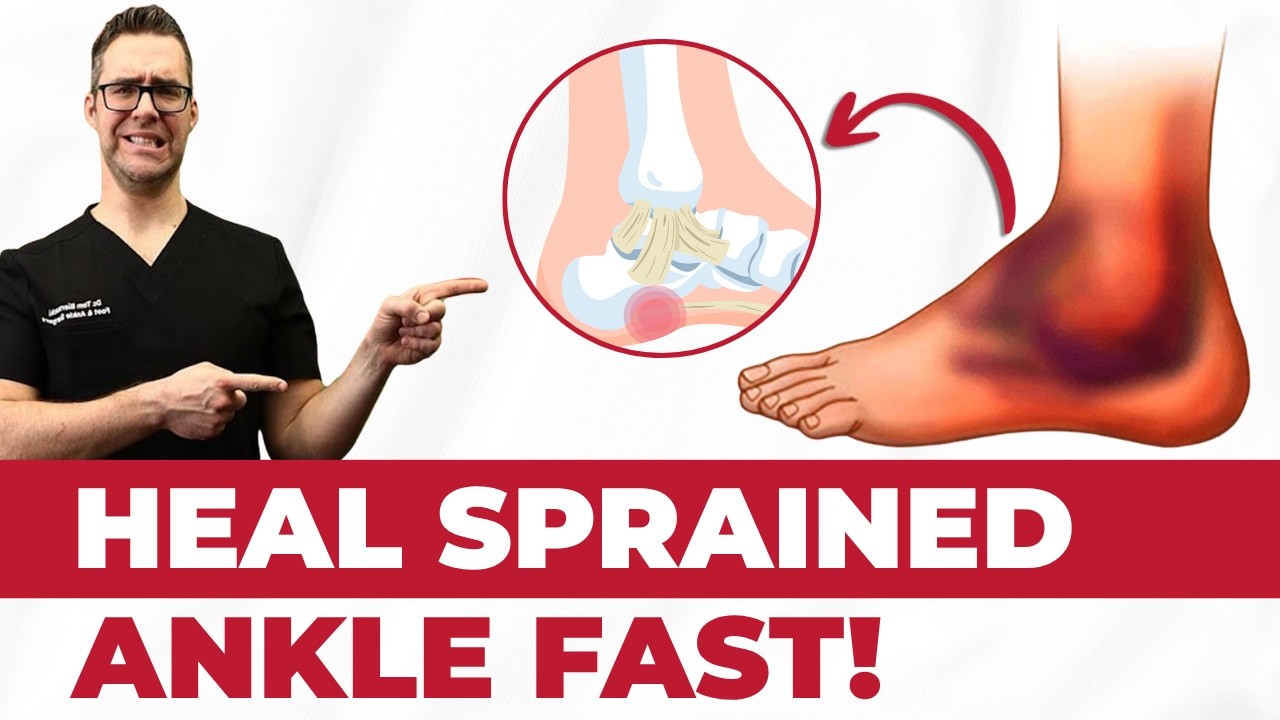
Watch: Fix TWISTED Ankle, ROLLED Ankle or SPRAINED Ankle Ligaments FASTER! — MichiganFootDoctors YouTube
PowerStep Pinnacle — arch support reduces re-injury risk during recovery.
As an Amazon Associate, Balance Foot & Ankle earns from qualifying purchases. Product recommendations are based on clinical experience; prices and availability shown above update live from Amazon.
When to See a Podiatrist
A sprain that hasn’t fully recovered after 6 weeks often has residual ligament laxity or occult fracture that keeps the ankle unstable. Balance Foot & Ankle X-rays and stress-tests every lingering sprain — if the ligament is torn, we offer bracing, PRP, and (for chronic instability) minimally-invasive repair. Don’t keep re-rolling the same ankle; let us stabilize it properly.
Call Balance Foot & Ankle: (810) 206-1402 · Book online · Offices in Howell & Bloomfield Township
Frequently Asked Questions About Hiking Foot Problems
Why do my feet hurt so much after hiking?
Post-hiking foot pain typically reflects the cumulative stress of repetitive impact on hard or uneven terrain. Plantar fasciitis (heel and arch pain), metatarsalgia (ball-of-foot pain), and Achilles soreness are most common. Often the cause is inadequate arch support in the footwear, worn-out boot cushioning, or a sudden increase in mileage beyond what your feet are conditioned to handle.
How do I stop getting blisters when hiking?
The key is minimizing friction and moisture. Wear moisture-wicking socks (merino wool is ideal), ensure boots fit properly with no heel slippage, apply blister-prevention lubricant to known hot spots before hiking, and break in new boots gradually. Double-layer blister-prevention socks can also help. If you feel a hot spot developing mid-hike, stop and apply a hydrocolloid bandage immediately before it becomes a full blister.
What kind of insoles are best for hiking boots?
For most hikers, a semi-rigid orthotic insole with structured arch support and cushioning provides the best combination of support and shock absorption. PowerStep Pinnacle insoles are a strong OTC choice. Hikers with significant flat feet, high arches, or a history of plantar fasciitis may benefit from custom orthotics prescribed by a podiatrist.
Is hiking bad for plantar fasciitis?
Hiking with plantar fasciitis is possible but requires management. Use supportive insoles, stretch your calf and plantar fascia before and after hiking, keep mileage conservative, and avoid minimalist footwear. If pain is severe enough to alter your gait, take a rest day. Persistent plantar fasciitis that isn’t improving with conservative care warrants a podiatric evaluation.
When should I see a podiatrist for hiking foot pain?
See a podiatrist if you have: foot or ankle pain that doesn’t improve after 2 weeks of rest; bone tenderness with swelling; ankle instability; a black toenail that is painful or showing signs of infection; or any foot wound if you are diabetic. Early evaluation prevents minor trail injuries from becoming chronic problems that sideline you for a season.
In Our Clinic
Most of our ankle sprains are acute — a patient comes in the same day or within 48 hours after rolling the ankle. We apply the Ottawa Ankle Rules first: bone tenderness at the posterior malleolus, navicular, or base of the 5th metatarsal, or inability to bear weight for 4 steps, means we image immediately to rule out fracture. For a clean grade 1–2 lateral ligament sprain, we use a short period of boot immobilization if needed, then transition into an ankle brace + proprioception training. The mistake we often see: patients skip the rehab phase and re-sprain within a year.
Sources
- Knapik JJ, et al. “Blister-Prevention Strategies for Military Foot Marches.” Military Medicine. 2014;179(6):693-699.
- Molloy MG, et al. “Incidence of Injuries in Wilderness Hiking and Backpacking.” Wilderness & Environmental Medicine. 2007;18(3):158-164.
- Tenforde AS, et al. “Metatarsal Stress Fractures in Athletes.” Clinics in Sports Medicine. 2020;39(4):817-831.
- DiGiovanni CW, et al. “Plantar Fasciitis.” Journal of the American Academy of Orthopaedic Surgeons. 2002;10(5):338-346.
- Beynnon BD, et al. “Treatment of Ankle Sprains.” American Journal of Sports Medicine. 2006;34(7):1171-1191.
Trail Injury Slowing You Down?
Dr. Tom Biernacki and the team at Balance Foot & Ankle Specialists treat hiking injuries and fit custom trail orthotics in Howell and Bloomfield Township, Michigan.
Book Your AppointmentCall (810) 206-1402 | Same-day appointments available
Hiking Foot Problem Treatment in Michigan
Blisters, ankle sprains, and trail-related foot pain can sideline your outdoor adventures. Our podiatrists treat hiking injuries and provide trail-ready custom orthotics at our Howell and Bloomfield Township offices.
Learn About Sports Medicine Podiatry | Book Your Appointment | Call (810) 206-1402
Clinical References
- Knapik JJ, et al. Friction blisters: pathophysiology, prevention, and treatment. Sports Med. 1995;20(3):136-147.
- Richie DH Jr. Functional instability of the ankle and the role of neuromuscular control: a comprehensive review. J Foot Ankle Surg. 2001;40(4):240-251.
- Lun V, et al. Relation between running injury and static lower limb alignment in recreational runners. Br J Sports Med. 2004;38(5):576-580.
Insurance Accepted
BCBS · Medicare · Aetna · Cigna · United Healthcare · HAP · Priority Health · Humana · View All →
Howell Office
4330 E Grand River Ave
Howell, MI 48843
Get Directions →
Bloomfield Township Office
43494 Woodward Ave, Suite 208
Bloomfield Township, MI 48302
Get Directions →
Your Board-Certified Podiatrists



Ready to Get Back on Your Feet?
Same-week appointments available at both locations.
Book Your AppointmentIn-Office Treatment at Balance Foot & Ankle
If home treatment isn’t providing relief for your ankle instability, our podiatry team at Balance Foot & Ankle can help with same-day evaluations and advanced in-office care.
Same-day appointments available. (810) 206-1402
Frequently Asked Questions
When should I see a podiatrist?
If symptoms persist past 2 weeks, affect your normal activity, or are accompanied by red-flag symptoms (warmth, redness, swelling, inability to bear weight).
What does treatment cost?
Most diagnostic visits and conservative treatments are covered by Medicare and major insurers. Out-of-pocket costs vary by your specific plan.
How quickly can I get an appointment?
Most non-urgent cases see us within 5 business days. Urgent cases (sudden pain, possible fracture) typically same or next business day.
What is Ankle sprain?
Ankle sprain is a common foot/ankle condition that affects mobility and quality of life. Understanding the underlying cause is the first step in successful treatment. Our podiatrists at Balance Foot & Ankle perform a hands-on biomechanical exam, review your activity history, and use diagnostic imaging when appropriate to identify the root cause—not just treat the symptom. Many patients have been told to “rest and ice” without a deeper diagnostic workup; our approach is different.
Symptoms and warning signs
Common signs of ankle sprain include pain that worsens with activity, morning stiffness, swelling, tenderness when palpated, and difficulty bearing weight. If you experience sudden severe pain, inability to walk, visible deformity, numbness or color change, contact our office the same day or visit urgent care—these can signal a more serious injury such as a fracture, tendon rupture, or vascular compromise. Diabetics with any foot wound should seek same-day care.
Conservative treatment options
Most cases of ankle sprain respond to non-surgical care: structured rest, supportive footwear changes, custom orthotics, targeted stretching and strengthening protocols, anti-inflammatory medications when medically appropriate, and in-office procedures such as ultrasound-guided injections. We also offer advanced therapies including MLS laser therapy, EPAT/shockwave, regenerative injections, and image-guided procedures. Treatment is sequenced from least invasive to most invasive, and we explain the rationale at every step.
When is surgery considered?
Surgery is reserved for cases that fail 3-6 months of well-structured conservative care, when there is structural pathology (severe deformity, complete tear, advanced arthritis), or when imaging shows damage that will not heal without intervention. Our surgeons have performed 3,000+ foot and ankle procedures and prioritize minimally-invasive techniques whenever appropriate. We discuss recovery timelines, return-to-activity milestones, and realistic outcome expectations before any procedure is scheduled.
OrthoInfo – AAOS: Sprained Ankle
Recovery timeline and prevention
Recovery from ankle sprain varies based on severity and chosen treatment path. Conservative cases often improve within 4-8 weeks with consistent adherence to the protocol. Post-procedural recovery may range from a few days (in-office procedures) to several months (reconstructive surgery). Long-term prevention involves footwear assessment, activity modification, structured strengthening, and regular check-ins with your podiatrist if you have a history of recurrence. We provide written home-exercise plans and digital follow-up support.
Ready to feel better?
Same-week appointments available in Howell and Bloomfield Township, Michigan.
Book Your VisitGet Expert Care at Balance Foot & Ankle
Same-week appointments at our Howell and Bloomfield Township offices. Board-certified podiatric surgeons. Most insurance accepted.

Dr. Tom Biernacki, DPM is a board-certified foot & ankle surgeon (ABFAS & ABPM) at Balance Foot & Ankle Specialists in Southeast Michigan. With over a decade of clinical experience, he specializes in heel pain, bunions, diabetic foot care, sports injuries, and minimally invasive surgery. Dr. Biernacki is a member of the APMA and ACFAS, and his patient education content on MichiganFootDoctors.com and YouTube has made him one of the most-followed foot & ankle educators on YouTube.
More questions patients ask
How long does an ankle sprain take to heal?
Recovery time depends on severity: Grade 1 (mild stretching) typically heals in 1-3 weeks, Grade 2 (partial tear) in 3-6 weeks, and Grade 3 (complete tear) in 6-12 weeks or longer. Proper rehabilitation is critical to prevent chronic ankle instability, which affects up to 40% of patients who don't receive adequate treatment. Dr. Biernacki creates customized recovery plans.
When should I see a doctor for a sprained ankle?
Seek professional evaluation if you can't bear weight, notice significant swelling or bruising, hear a pop at the time of injury, have numbness, or if pain hasn't improved after 5-7 days of RICE treatment. X-rays or MRI may be needed to rule out fractures. Dr. Biernacki offers same-day urgent evaluations at 810-206-1402.
Can a sprained ankle heal without treatment?
While mild sprains may heal with rest and home care, undiagnosed ligament tears and improperly rehabilitated sprains frequently lead to chronic ankle instability, recurrent sprains, and early-onset arthritis. A proper evaluation ensures appropriate treatment and reduces your risk of long-term complications significantly.
Still have a question about coverage or cost? Book online and we will check your benefits before your visit: Book in Howell · Book in Bloomfield Township. Prefer to talk it through first? Call (810) 206-1402.