
Medically reviewed by Dr. Tom Biernacki, DPM · Board-Certified Podiatric Surgeon · Last reviewed: April 2026 · Editorial Policy
Quick Answer
Best Insoles for Standing All Day 2026 — Nurses, Retai relates to orthotic fitting — typically caused by biomechanical foot needs. Most patients improve in 2 weeks to break in with conservative care. Appointments in Howell + Bloomfield Township: (810) 206-1402.
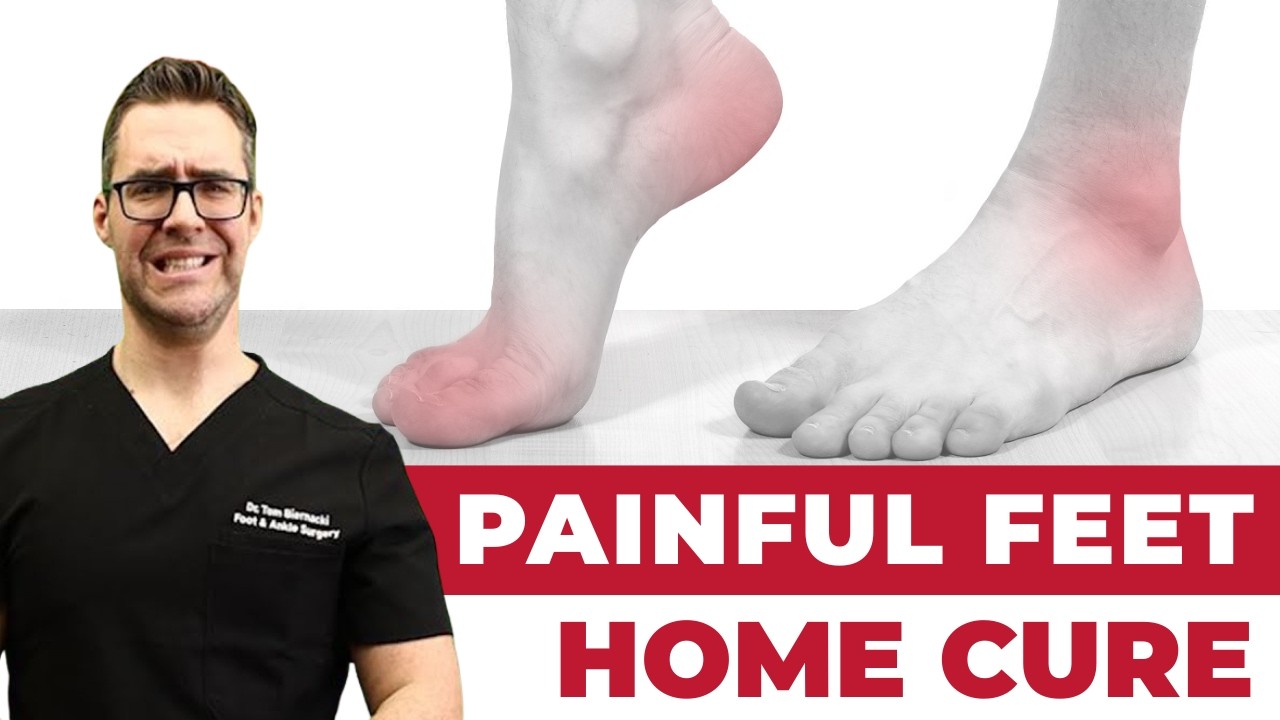
Medically reviewed by Dr. Tom Biernacki, DPM — Board-certified foot & ankle surgeon, 3,000+ surgeries performed. Updated April 2026 with current clinical evidence. This article reflects real practice experience from Balance Foot & Ankle Specialists in Howell and Bloomfield Township, Michigan.
Quick Answer
Custom orthotics are prescription inserts made from a 3D scan of your foot. They address the structural cause of plantar fasciitis, flat feet, or metatarsalgia rather than just cushioning symptoms. Most patients feel improvement within 2-4 weeks. Covered by most PPO plans and Medicare when medically indicated.
Watch: Dr. Tom Biernacki, DPM
Medically reviewed by Dr. Tom Biernacki, DPM — Board-Certified Podiatric Surgeon — Balance Foot & Ankle, Howell & Bloomfield Township, MI. Last updated April 2026.
▶ Watch
📋 Dr. Tom Also Recommends
Podiatrist Recommended Orthotics 2026: Dr. Tom’s Top 10 Insoles & Arch Supports
A podiatrist’s complete clinical guide to the best insoles — custom orthotics, OTC picks, and what actually works for plantar fasciitis, flat feet, neuropathy & more.
Read the Full Guide →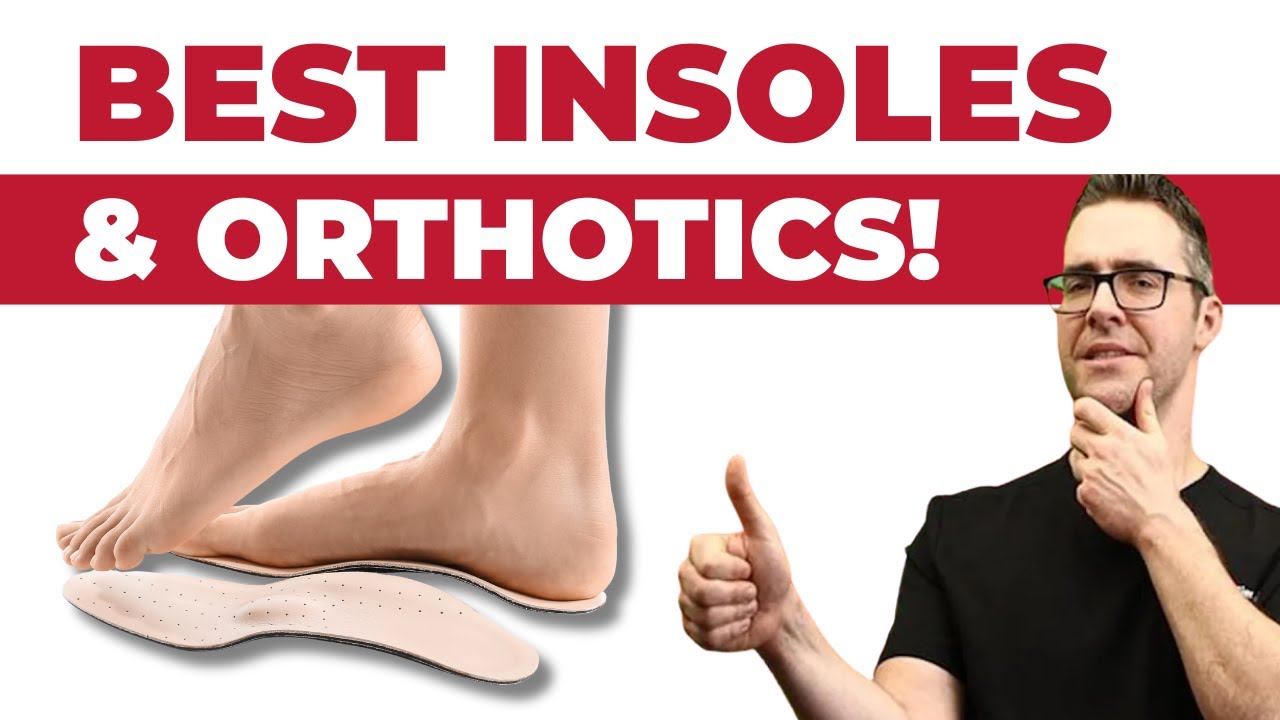
Medically Reviewed by Dr. Tom Biernacki, DPM — Board-Certified Podiatrist, Balance Foot & Ankle Specialists, Michigan. Last updated April 2026.
Standing 8–12 hours on hard floors is one of the highest-risk activities for developing plantar fasciitis, metatarsalgia, Achilles tendinopathy, and chronic knee pain. The right insole can reduce ground reaction forces at the heel by 20–30% and significantly redistribute pressure from the metatarsal heads. Dr. Tom Biernacki, DPM at Balance Foot & Ankle (Howell & Bloomfield Township, MI) recommends these 2026 insoles based on patient outcomes across nursing, retail, hospitality, manufacturing, and service industries.
What Makes an Insole Work for Prolonged Standing
The biomechanical requirements of standing-all-day insoles differ from running insoles. Static standing requires sustained arch support under the medial longitudinal arch to prevent progressive pronation fatigue — the arch literally flattens over a shift as intrinsic muscles tire. Metatarsal support is equally important: standing concentrates forefoot pressure in a way that running (with heel strike) does not. Heel cushioning addresses both plantar fascia insertion forces and calcaneal fat pad protection.
Best Overall: PowerStep Pinnacle Professional Insoles
📍 Located in Michigan?
Our board-certified podiatrists treat this condition at two convenient locations. Book online 24/7 at either office.
The PowerStep Pinnacle Professional Insoles are the most clinically recommended OTC insole across all foot types for prolonged standing. The deep heel cup (rearfoot posting) controls subtalar pronation; the high-density foam base provides sustained arch support that doesn’t compress out by hour 4 of a shift (unlike gel insoles). The semi-rigid nylon stabilizer cap differentiates PowerStep Pinnacle from cushion-only insoles. Best for: normal to high arches; plantar fasciitis; occupational use in nursing, retail, and service industries.
Best for Flat Feet: Powerstep Pinnacle Maxx Insoles
The Powerstep Pinnacle Maxx provides maximum pronation control in an OTC package — the highest motion control rating available without a prescription. The dual-layer EVA foam (firm base, cushioned top) with polypropylene shell functions close to entry-level custom orthotics for neutral-to-flat foot types. The angled heel post specifically combats the rearfoot eversion that causes plantar fasciitis and PTTD. Best for: moderate-to-severe flat feet; workers with history of plantar fasciitis; patients who need motion control without a custom orthotic prescription.
Best for Metatarsalgia / Forefoot Pain: Tuli’s Heavy Duty Gel Heel Cups + Metatarsal Pad Combo
For workers whose primary complaint is ball-of-foot pain rather than arch or heel pain, a targeted approach outperforms a full-length insole. The Tuli’s Heavy Duty Gel Heel Cups combined with self-adhesive metatarsal pads placed PROXIMAL to (behind) the metatarsal heads redistribute pressure off the ball of the foot. This combination works in any shoe without requiring insole removal — useful for work boots with custom removable insoles already in place.
Best Thin Insole for Dress Shoes: Currex WorkPro Insoles
Healthcare workers and professionals in dress shoes often cannot fit a full-volume insole into their footwear. The Currex WorkPro Insoles offer dynamic arch support in a slim 5mm profile appropriate for dress shoes, nursing clogs, and low-profile athletic shoes. The 3-profile system (Low/Mid/High arch) ensures appropriate support for different foot types. The moisture-wicking antimicrobial cover is particularly valuable for 12-hour shifts.
Best Anti-Fatigue Mat Supplement: TOPO Anti-Fatigue Mat
For workers with fixed workstations (assembly, lab, reception), an anti-fatigue mat addresses the ground side of the standing equation. The Topo Anti-Fatigue Mat by Ergodriven features a terrain-like surface with raised ridges that encourage micro-movements, preventing the static loading that causes calf fatigue and plantar fascia strain. Paired with a quality insole, it represents the most complete intervention for workstation standing pain.
Podiatrist Tips for Insole Selection by Occupation
- Nurses & hospital workers: PowerStep Pinnacle in nursing clogs (Dansko); replace insoles every 6 months regardless of appearance
- Retail / service workers: Powerstep Pinnacle in athletic sneakers; avoid gel insoles which compress out within 3–4 hours
- Factory / warehouse workers: Steel-toe boot requires a firm-base insole that doesn’t compress under the steel cap; PowerStep Pinnacle or custom orthotics; avoid thick soft insoles that destabilize the ankle in heavy boots
- Teachers / classroom workers: Currex WorkPro if in dress shoes; PowerStep Pinnacle if in casual/athletic shoes
- Diabetic workers: Prescription diabetic insoles (A5512-coded) are the appropriate choice; OTC insoles are acceptable for maintenance but should not replace therapeutic footwear programs
When OTC Insoles Are Not Enough
If 6 weeks of consistent OTC insole use hasn’t resolved your occupational foot pain, a structural biomechanical problem likely requires custom orthotic fabrication and a podiatric evaluation. Custom orthotics are fabricated from a 3D scan of your specific foot and address individual biomechanical faults that OTC insoles approximate. Most PPO insurance plans and Medicare Part B cover custom orthotics when medically necessary. Schedule an evaluation or call (810) 206-1402.
Affiliate disclosure: As an Amazon Associate, Balance Foot & Ankle earns from qualifying purchases. All product recommendations are based solely on clinical utility.
Join 950,000+ Learning About Foot Health
Dr. Tom shares honest medical advice, supplement reviews, and treatment guides you won’t find anywhere else.
Subscribe on YouTube →Podiatrist-Recommended Running Shoes
- Brooks Adrenaline GTS — Best Overall Stability
- HOKA Bondi 8 — Maximum Cushioning
- New Balance 860v14 — Best for Overpronators
- ASICS Gel-Kayano 31 — Premium Stability
Amazon affiliate links — we may earn a small commission at no extra cost to you.
Insurance Accepted
BCBS · Medicare · Aetna · Cigna · United Healthcare · HAP · Priority Health · Humana · View All →
Howell Office
4330 E Grand River Ave
Howell, MI 48843
Get Directions →
Bloomfield Township Office
43494 Woodward Ave, #208
Bloomfield Township, MI 48302
Get Directions →
In-Office Treatment at Balance Foot & Ankle
If home care isn’t resolving your your foot or ankle concern, a visit with a board-certified podiatrist is the fastest path to accurate diagnosis and a personalized plan. At Balance Foot & Ankle Specialists, Dr. Tom Biernacki, Dr. Carl Jay, and Dr. Daria Gutkin offer appointments at both our Howell and Bloomfield Township offices. We perform on-site diagnostic ultrasound, digital X-ray, conservative care, advanced regenerative treatments, and minimally invasive surgery when indicated.
Call (810) 206-1402 or request an appointment online. Most insurance plans accepted, including Medicare, Blue Cross Blue Shield, Aetna, Cigna, and United Healthcare.
In Our Clinic
The patients we see for custom orthotic consultations usually fall into two groups. First are athletes — runners, hikers, basketball players — looking to correct a biomechanical asymmetry they’ve identified themselves or their coach has flagged. Second are middle-aged patients with chronic plantar fasciitis, metatarsalgia, or early arthritis who have exhausted over-the-counter inserts. Our process begins with a 3D foot scan plus a gait-video analysis on our in-office treadmill. We select materials based on activity — a stiffer carbon composite for performance running, a softer plastazote top cover for diabetic patients, a semi-rigid polypropylene for everyday wear. Most patients adapt in 2–4 weeks.
Most Common Mistake We See
The most common mistake we see is: Wearing new orthotics all day from day one. Fix: break-in schedule of 2 hours on day one, adding 2 hours per day until full-day tolerance.
Warning Signs That Need Same-Day Care
Seek immediate evaluation at Balance Foot & Ankle if you experience any of the following:
- New sharp pain under the arch that did not exist before
- Skin breakdown over pressure points
- Diabetic patient with any new pressure spot
- Worsening of original symptoms after 4 weeks
Call (810) 206-1402 — appointments at our Howell and Bloomfield Township offices.
More Podiatrist-Recommended Orthotics Essentials
PowerStep Pinnacle


The podiatrist-recommended OTC orthotic — arch support + heel cup.
CURREX RunPro Insole
Performance insole for runners — reduces fatigue and prevents injuries.
Tuli’s Heel Cups

Shock-absorbing heel cushion — adds lift and relief under painful heels.
As an Amazon Associate, Balance Foot & Ankle earns from qualifying purchases. Product recommendations are based on clinical experience; prices and availability shown above update live from Amazon.
When to See a Podiatrist
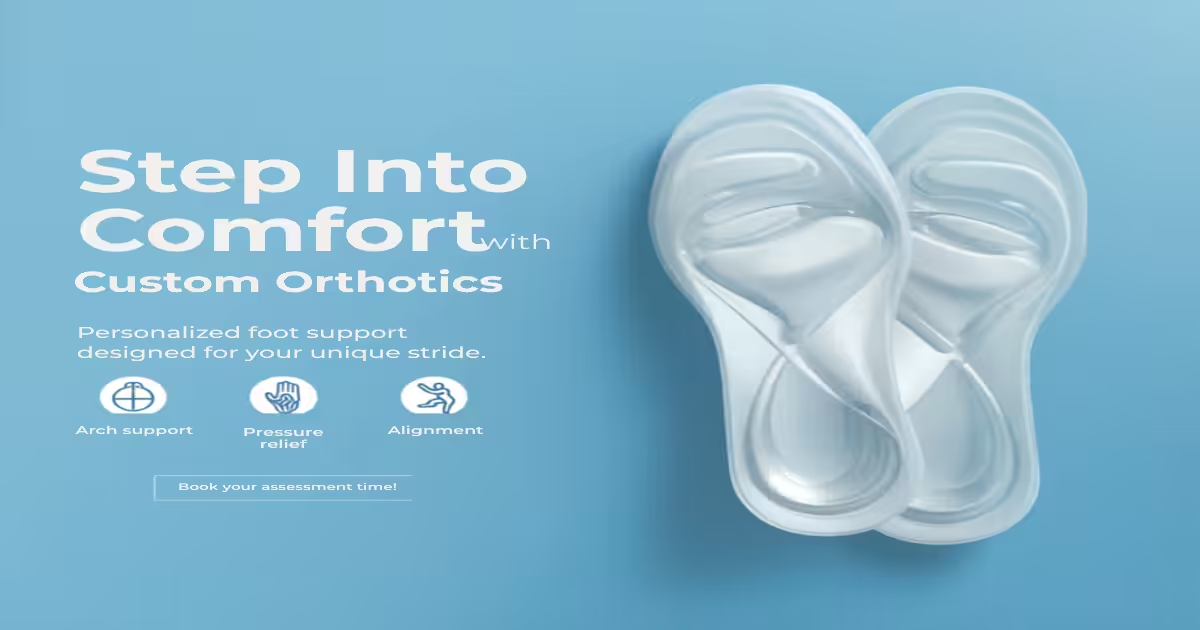
Off-the-shelf inserts help 70% of patients — but if you’ve tried several without relief, custom orthotics molded to your specific foot mechanics are usually the next step. Balance Foot & Ankle makes custom orthotics in-office and most major insurance plans cover them. We’ll cast or scan your feet and have them ready in about 2 weeks.
Call Balance Foot & Ankle: (810) 206-1402 · Book online · Offices in Howell & Bloomfield Township
Pros & Cons of Conservative Care for orthotics
Advantages
- ✓ Custom orthotics 80%+ improvement
- ✓ Most insurance covers
- ✓ Lasts 3-5 years
Considerations
- ✗ 2-week break-in
- ✗ Custom can be $400-700
- ✗ OTC limits effectiveness
Dr. Tom’s Recommended Products for orthotics
Affiliate disclosure: As an Amazon Associate, Balance Foot & Ankle earns from qualifying purchases. We only recommend products we use with patients.
Ready to Get Back on Your Feet?
Appointments in Howell + Bloomfield Township. Most insurance accepted. Dr. Tom Biernacki, DPM & team.
Call Now: (810) 206-1402

Dr. Tom Biernacki, DPM is a board-certified foot & ankle surgeon (ABFAS & ABPM) at Balance Foot & Ankle Specialists in Southeast Michigan. With over a decade of clinical experience, he specializes in heel pain, bunions, diabetic foot care, sports injuries, and minimally invasive surgery. Dr. Biernacki is a member of the APMA and ACFAS, and his patient education content on MichiganFootDoctors.com and YouTube has made him one of the most-followed foot & ankle educators on YouTube.