
You are in the right place. Dr. Tom Biernacki, DPM, FACFAS — board-certified foot & ankle surgeon with 3,000+ surgeries — explains exactly what best shoes for supination means and what works. Call (810) 206-1402 for same-day appointment at Howell or Bloomfield Hills.
Quick answer: For supination, podiatrists recommend shoes with structured arch support, deep heel cup, and forefoot rocker. Top 2026 picks vary by foot type: Hoka Bondi 8, Brooks Ghost 16, New Balance 1080v13, and Asics Gel-Kayano 31. Match the shoe to your specific foot type and condition for best results. Call (810) 206-1402.
Medically reviewed by Dr. Tom Biernacki, DPM
Board-certified podiatric surgeon | Balance Foot & Ankle | Last reviewed: May 2026
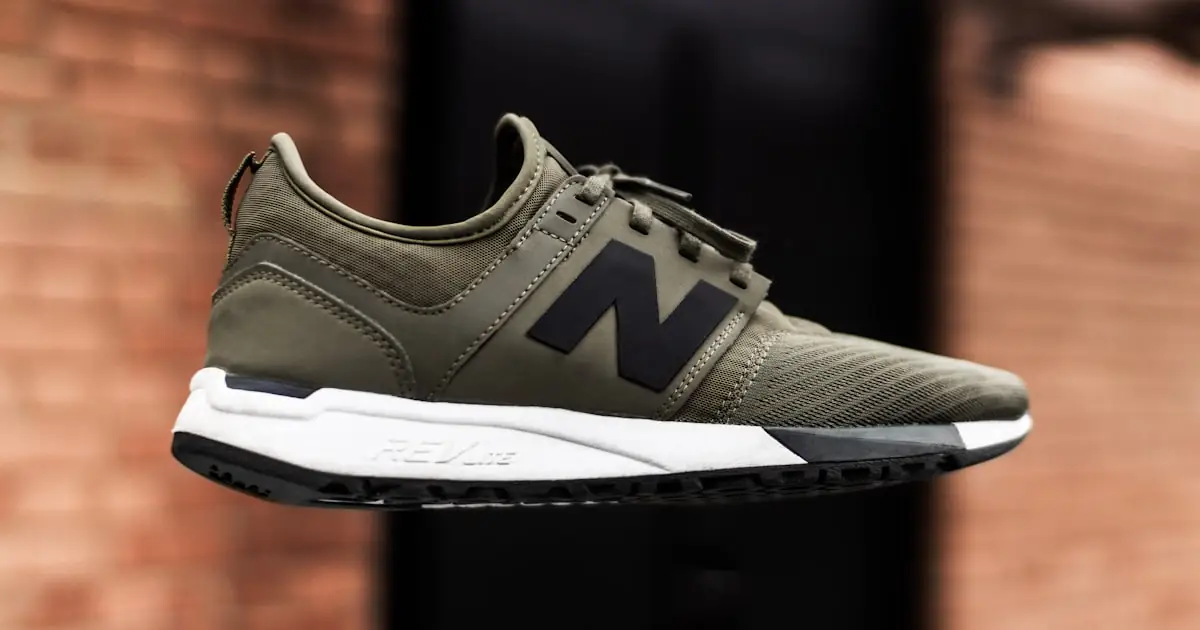

Supination — also called underpronation — is one of the most misunderstood foot mechanics in footwear. Most shoe recommendations focus entirely on overpronation, leaving supinators to figure it out on their own. At Balance Foot & Ankle, we regularly see patients with high arches, lateral ankle sprains, and stress fractures who have been in the wrong shoes for years. Here’s what supination actually means and which shoes address it correctly.
The most important clinical decision with Best Shoes For Supination isn’t which treatment to start with — it’s identifying the correct subtype. That changes everything. Call (810) 206-1402.
What Is Supination (Underpronation)?
Supination means the foot rolls outward during the gait cycle, placing excessive load on the outer edge of the foot and the lateral metatarsals. The opposite of overpronation, it’s associated with high arches — the rigid arch structure doesn’t allow the foot to flatten and absorb shock normally. With each step, impact forces that a normal pronating foot would distribute are instead transmitted directly up through the lateral foot, ankle, and leg. This is why supinators are disproportionately prone to lateral ankle sprains, metatarsal stress fractures, iliotibial band syndrome, and plantar fasciitis (presenting as midarch and forefoot pain rather than heel-dominant pain).
What Supinators Need in a Shoe
Supinators need neutral construction (no medial post or motion control), maximum cushioning to compensate for poor shock absorption, curved or semi-curved last that accommodates high arch shape, and flexible midsole that allows some natural foot motion rather than rigidly limiting it. The single biggest mistake supinators make is buying stability or motion control shoes — these further increase lateral loading and worsen supination mechanics.
Best Shoes for Supination (2026)
1. Brooks Ghost 16 — Best Overall for Supination
The Ghost 16 is the most consistently recommended shoe for supinators in our practice. Its neutral construction, semi-curved last, and DNA Loft v3 foam provide the cushioning and accommodation that supinating feet need without any corrective medial elements. The segmented crash pad at the heel distributes lateral heel strike impact effectively. Around $140. Best for: mild to moderate supination, versatile walking and running use.
2. Hoka Clifton 9 — Best Cushioned Option for Supination
The Clifton 9 is lighter than the Bondi but provides exceptional cushioning for a supinating foot. The neutral design and meta-rocker geometry promote a more natural foot transition, which helps reduce the lateral loading pattern of supination. The wide platform also provides some lateral stability that supinators benefit from without adding a corrective post. Around $145. Best for: runners with supination, patients seeking lighter weight than maximum-stack options.
3. New Balance Fresh Foam 1080v13 — Best for Supination with Metatarsal Pain
For supinators dealing with metatarsal stress fractures or chronic lateral metatarsal pain, the 1080v13’s ultra-plush Fresh Foam X provides the forefoot cushioning that reduces peak pressure at vulnerable metatarsal stress points. The neutral construction doesn’t interfere with supination correction from orthotics. Around $165. Best for: metatarsal stress fractures, lateral forefoot pain, supinators with high injury history.
Key takeaway: Supinators should never wear stability or motion control shoes. These add medial support that increases the outward rolling force in supinating feet. Look specifically for shoes labeled “neutral” with maximum cushioning. If a running store employee tries to put you in a stability shoe after watching you walk, tell them you supinate.
⚠️ See a podiatrist for supination-related issues if you have:
- Recurrent lateral ankle sprains — chronic instability from supination requires proprioceptive rehabilitation
- Multiple stress fractures — structural supination needs formal orthotic intervention
- Lateral foot pain that doesn’t resolve with cushioned neutral shoes in 6–8 weeks
- Claw toes or hammertoes developing — intrinsic weakness in high-arch feet needs assessment
In-Office Treatment at Balance Foot & Ankle
If home treatment isn’t providing relief for your flat feet, our podiatry team at Balance Foot & Ankle can help with same-day evaluations and advanced in-office care.
Same-day appointments available. (810) 206-1402
Doctor Hoy’s Natural Pain Relief Gel
Natural topical pain relief I use in our clinic. Arnica + camphor formula — apply directly to the area 3–4x daily. ($20–25)
Shop Doctor Hoy’s →Frequently Asked Questions
How do I know if I supinate? Check your shoe wear pattern: if the outer edge of your heel and the lateral forefoot wear out significantly faster than the medial side, you’re supinating. A wet footprint showing only the heel, ball, and toes (with no midfoot) also indicates a high arch with supination.
Can custom orthotics help supination? Yes — accommodative orthotics with lateral wedging (posting under the outer edge of the foot) can partially correct supination and distribute pressure more evenly. These are different from the medial-posted orthotics prescribed for flat feet.
The Bottom Line
Supinators need neutral, cushioned, flexible shoes — not stability or motion control options. Brooks Ghost 16 is our top overall pick; Hoka Clifton 9 for runners; NB 1080v13 for metatarsal pain. If you have recurring ankle sprains, stress fractures, or foot pain that persists despite correct shoe selection, custom orthotics and a biomechanical evaluation at our Howell or Bloomfield Hills office will give you a complete picture of what’s driving the problem.
Sources
- Williams DS, et al. “High-arched runners exhibit increased leg stiffness compared to low-arched runners.” Gait Posture. 2001;14(1):29–34.
- Kaufman KR, et al. “The effect of foot structure and range of motion on musculoskeletal overuse injuries.” Am J Sports Med. 1999;27(5):585–593.
- Burns J, et al. “Randomised trial of custom foot orthoses for high-arched (cavus) feet.” BMJ. 2006;333(7566):463.
- American College of Foot and Ankle Surgeons. “Cavus Foot.” 2023. https://www.acfas.org
Ready to Get Relief?
Same-day appointments available in Howell & Bloomfield Hills, MI
4.9★ | 1,123 Reviews | 3,000+ Surgeries
Or call: (810) 206-1402
Frequently Asked Questions
How long do these shoes last?
Quality running shoes last 300-500 miles. Daily walking shoes last 9-12 months. Replace when the midsole feels soft or your symptoms return.
Should I add insoles?
Yes if you have plantar fasciitis or overpronation. Powerstep Pinnacle or a custom orthotic improves results. Healthy feet often do fine with the stock insole.
Are expensive shoes worth it?
Beyond about $130 most extra cost is materials and aesthetics. Match the shoe to your foot type, not budget. The right $80 stability shoe beats the wrong $250 maximalist shoe.
APMA: Supination and Underpronation Footwear Guide
Ready to fix this for good?
Reading goes so far. The fastest path is a 30-minute office visit. Same-day Howell or Bloomfield Hills. Call (810) 206-1402.

Dr. Tom Biernacki, DPM is a board-certified foot & ankle surgeon (ABFAS & ABPM) at Balance Foot & Ankle Specialists in Southeast Michigan. With over a decade of clinical experience, he specializes in heel pain, bunions, diabetic foot care, sports injuries, and minimally invasive surgery. Dr. Biernacki is a member of the APMA and ACFAS, and his patient education content on MichiganFootDoctors.com and YouTube has made him one of the most-followed foot & ankle educators on YouTube.