
Medically reviewed by Dr. Tom Biernacki, DPM
Board-certified podiatric surgeon | Balance Foot & Ankle, Howell & Bloomfield Township, MI
Last reviewed: May 2026

You are in the right place. Dr. Tom Biernacki, DPM, FACFAS — board-certified foot & ankle surgeon with 3,000+ surgeries — explains exactly what foot edema treatment means and what works. Call (810) 206-1402 for same-day appointment at Howell or Bloomfield Township.
Quick answer: Treatment for foot edema treatment follows a stepwise approach: 1) conservative care first (rest, ice, supportive footwear, OTC anti-inflammatories), 2) physical therapy and targeted exercises, 3) in-office treatments (injections, custom orthotics) if conservative fails at 4-6 weeks, 4) surgery for refractory cases. Most patients resolve at step 1 or 2. Call (810) 206-1402.
The most important clinical decision with Foot Edema Treatment isn’t which treatment to start with — it’s identifying the correct subtype. That changes everything. Call (810) 206-1402.
Common Causes of Foot and Ankle Edema
Swelling in the feet and ankles (edema) is one of the most common complaints in podiatry. It can be bilateral (both feet) or unilateral (one foot), and the pattern provides important diagnostic clues. Bilateral swelling suggests a systemic cause; unilateral swelling suggests a local cause such as injury, DVT, or lymphatic blockage.
Venous Insufficiency — Failure of the calf muscle pump and venous valves allows blood to pool. Pitting edema (leaves a dent when pressed) that is worse at end of day and improves overnight. Most common cause in adults over 50.
Lymphedema — Impaired lymphatic drainage produces non-pitting edema that does not improve with overnight elevation. Often affects the dorsum (top) of the foot and lower leg.
Heart Failure / Kidney Disease / Liver Disease — Systemic fluid retention causes bilateral pitting edema. Accompanied by shortness of breath, weight gain, or other systemic symptoms.
Medication-Induced — Calcium channel blockers (amlodipine), NSAIDs, steroids, and some diabetes medications cause fluid retention edema.
Injury / Inflammation — Ankle sprain, fracture, or arthritis flare causes unilateral swelling localized to the injured area.
Treatment Options
Compression therapy (20–30 mmHg graduated compression stockings) is the cornerstone of venous and lymphedema management. Elevation above heart level for 30 minutes twice daily accelerates fluid reabsorption. Exercise — particularly walking and calf raises — activates the calf muscle pump, the primary driver of venous return. For cardiac or renal causes, diuretic medication prescribed by your primary care physician addresses the systemic fluid overload. Lymphedema requires complete decongestive therapy (CDT) with a certified lymphedema therapist.
When Foot Edema Requires Urgent Evaluation
Seek emergency evaluation for: sudden unilateral swelling with calf pain or warmth (possible DVT); swelling with chest pain or shortness of breath; new-onset bilateral swelling with weight gain greater than 2–3 pounds in a week (possible cardiac decompensation); or swelling with fever and redness in a diabetic patient (possible infection).
In-Office Treatment at Balance Foot & Ankle
If home treatment isn’t providing relief for your foot swelling, our podiatry team at Balance Foot & Ankle can help with same-day evaluations and advanced in-office care.
Frequently Asked Questions
What compression level do I need for foot edema? For mild venous edema, 15–20 mmHg is appropriate. For moderate venous insufficiency and lymphedema, 20–30 mmHg provides better control. Patients with arterial disease (PAD) require ABI testing before wearing compression — constriction can worsen arterial circulation.
Does drinking more water help foot swelling? Counterintuitively, yes in most cases. Adequate hydration supports kidney function and helps flush retained sodium. However, in patients with heart or kidney failure, fluid restriction may be necessary — follow your physician’s guidance.
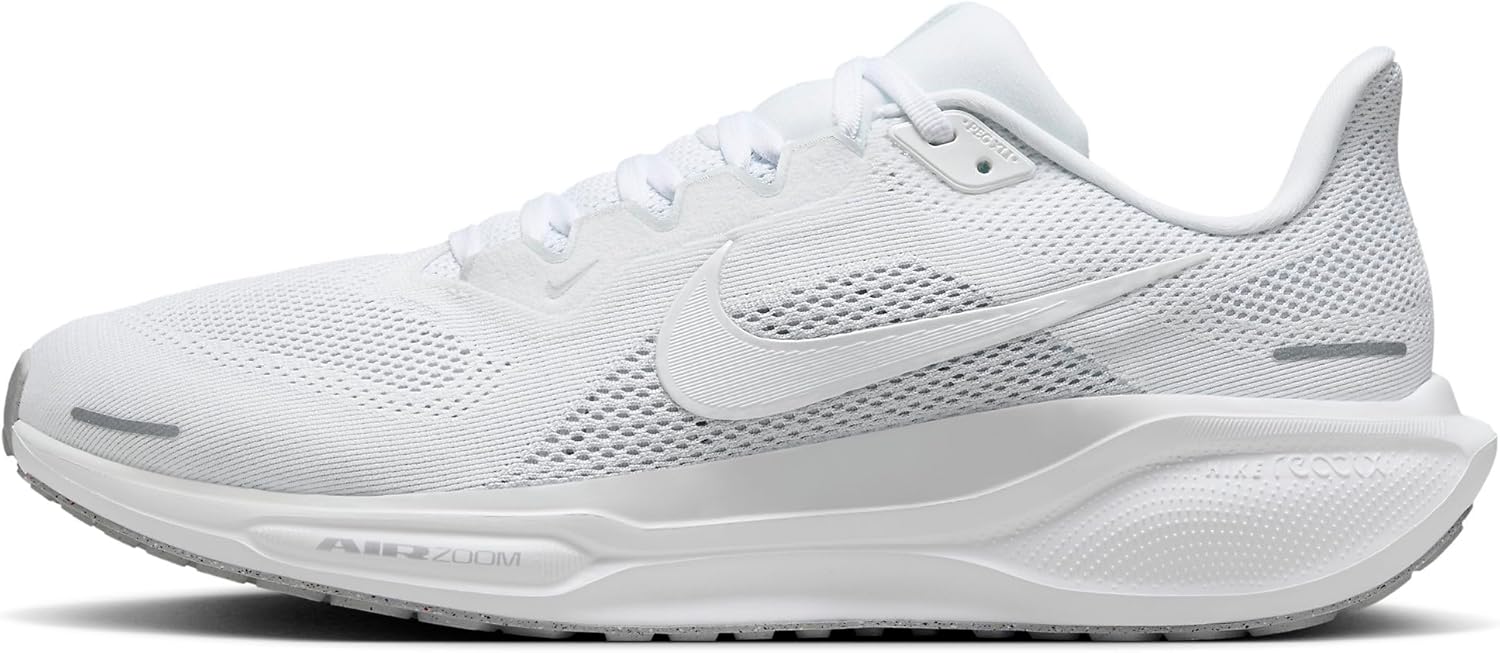
When Shoes Aren’t Enough — Dr. Tom’s Top 9 Orthotics
About 30% of patients I see for foot pain need MORE than a great shoe — they need a structured insole. Below: my complete 2026 orthotic ranking with pros, cons, and the specific patient I’d give each one to.




Frequently Asked Questions
How long does treatment take to work?
Most patients see improvement in 4-8 weeks with consistent conservative care. Persistent symptoms after 8 weeks need imaging and escalation.
When is surgery needed?
Surgery is reserved for cases that fail 3-6 months of conservative care, structural deformities, or fractures requiring stabilization.
Is this covered by insurance?
Most diagnostic visits and conservative treatments are covered by Medicare and major insurers. Custom orthotics often require diabetic or post-surgical justification.
Ready to fix this for good?
Reading goes so far. The fastest path is a 30-minute office visit. Same-day Howell or Bloomfield Township. Call (810) 206-1402.
NCBI: Foot and Ankle Edema — Causes and Treatment
Ready to Get Relief?
Same-day appointments available in Howell & Bloomfield Township, MI
4.9★ | 1,123 Reviews | 3,000+ Surgeries
Or call: (810) 206-1402

Dr. Tom Biernacki, DPM is a board-certified foot & ankle surgeon (ABFAS & ABPM) at Balance Foot & Ankle Specialists in Southeast Michigan. With over a decade of clinical experience, he specializes in heel pain, bunions, diabetic foot care, sports injuries, and minimally invasive surgery. Dr. Biernacki is a member of the APMA and ACFAS, and his patient education content on MichiganFootDoctors.com and YouTube has made him one of the most-followed foot & ankle educators on YouTube.