
You are in the right place. Dr. Tom Biernacki, DPM, FACFAS — board-certified foot & ankle surgeon with 3,000+ surgeries — explains exactly what best shoes for security guards with plantar fasciitis means and what actually works. Call (810) 206-1402 for a same-day appointment at our Howell or Bloomfield Hills office.
Quick answer: For security guards plantar fasciitis, podiatrists recommend shoes with structured arch support, deep heel cup, and forefoot rocker. Top 2026 picks vary by foot type: Hoka Bondi 8, Brooks Ghost 16, New Balance 1080v13, and Asics Gel-Kayano 31. Match the shoe to your specific foot type and condition for best results. Call (810) 206-1402.
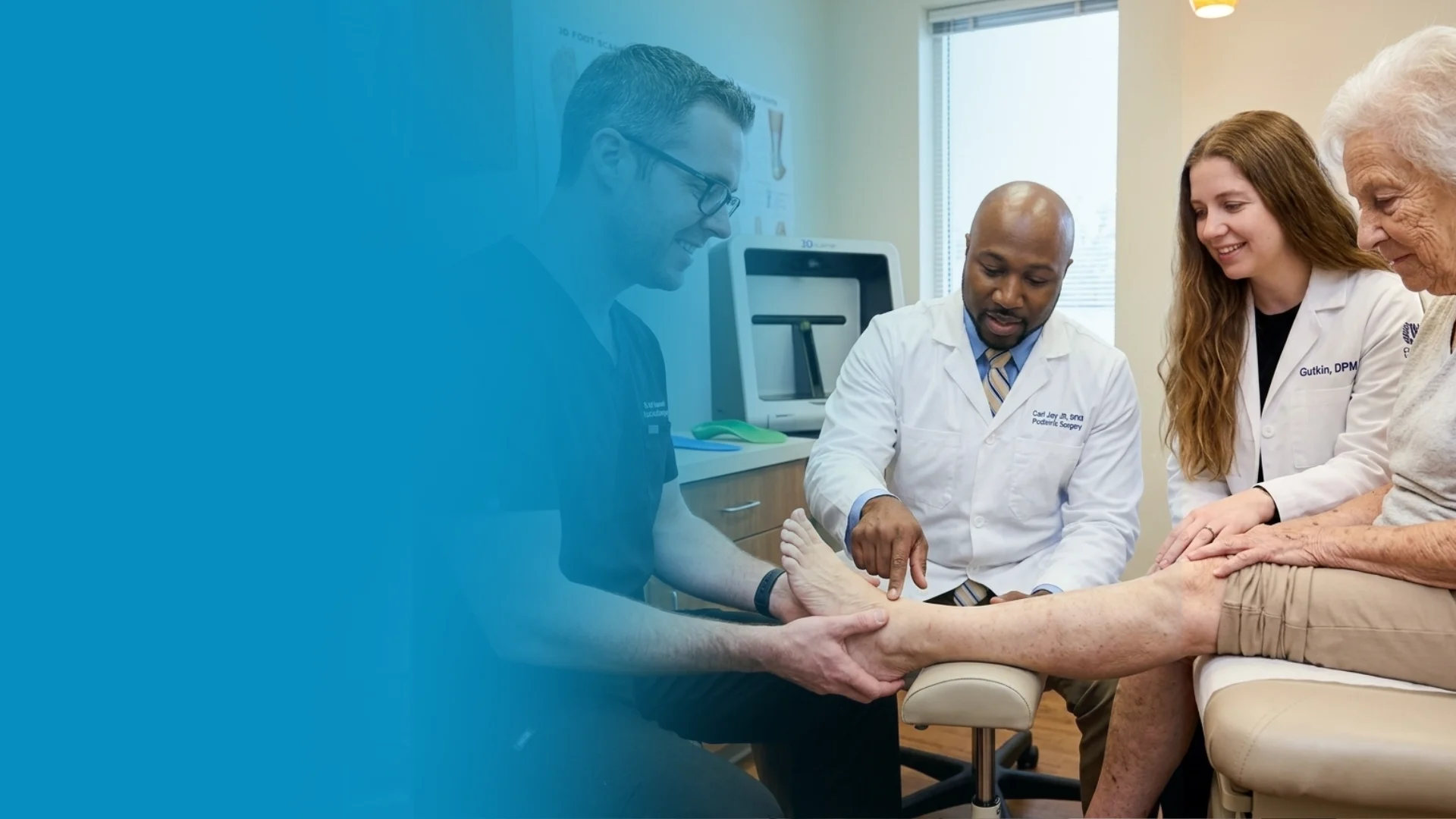
Best Shoes for Security Guards with Plantar Fasciitis 2026 — Podiatrist Guide
Quick Answer
The best shoes for security guards with plantar fasciitis in 2026 are the Brooks Addiction Walker 2 (best overall patrol shoe), HOKA Bondi 8 (best max-cushion patrol), New Balance 860v14 (best stability for overpronators), Saucony Echelon 9 (best wide-fit option), Under Armour Stellar Tactical (best uniformed/armed security), and Bates Ultra-Lites Tactical Sport (best duty boot). Security personnel develop Security Guard PF Syndrome — a plantar fasciitis variant driven by mixed-surface patrol accumulation, alert-stand static loading at posts and checkpoints, duty belt center-of-mass shift, and emergency pursuit burst loading from cold-fascia standing positions. The right shoe must balance professional appearance, slip resistance, long-shift cushion durability, and — for armed security — compatibility with duty requirements.
📋 Table of Contents
- Security Guard PF Syndrome: The Patrol-Specific Diagnosis
- Patrol Surface Analysis: Mall, Warehouse, Outdoor
- Duty Belt Biomechanics: 15–25 lb Gear and Fascial Asymmetry
- 1. Brooks Addiction Walker 2 — Best Overall Patrol Shoe
- 2. HOKA Bondi 8 — Best Max-Cushion Patrol
- 3. New Balance 860v14 — Best Stability for Overpronators
- 4. Saucony Echelon 9 — Best Wide-Fit Option
- 5. Under Armour Stellar Tactical — Best Uniformed/Armed Security
- 6. Bates Ultra-Lites — Best Duty Boot
- Security Role-by-Role Guide
- Michigan Security Worker Protocol
- Insole Protocol for Security Guard PF
- 2026 Comparison Table
- Frequently Asked Questions
Security Guard PF Syndrome: The Patrol-Specific Diagnosis
At Balance Foot & Ankle in Howell and Brighton, Michigan, we serve a broad range of security professionals — from corporate campus guards in Livingston County’s tech corridor to armed security and event staff at Michigan motorsports venues and stadiums. Over years of treating this occupational group, we have identified a biomechanically distinct plantar fasciitis pattern we call Security Guard PF Syndrome.
What makes Security Guard PF Syndrome unique is its combination of surface variety, unpredictable loading patterns, and the physiological mismatch between static standing and explosive movement. Security personnel must be continuously alert and ready to move, which means they often stand in fixed positions for extended periods — then spring into rapid action. This cold-fascia-to-burst-load pattern is biomechanically more damaging than the sustained loading of other occupations.
Patrol Surface Analysis: Mall, Campus, Outdoor, and Event Venues
The plantar fascia stress profile for a security guard varies significantly based on their primary patrol environment. Below is the surface-specific GRF analysis for Michigan’s most common security deployment settings.
| Patrol Environment | Primary Surfaces | GRF (×BW) | Key Hazard | PF Risk Level |
|---|---|---|---|---|
| Indoor mall security | Polished commercial tile, escalator grating, carpet | 2.5–3.1× | Tile surface hardness 75–85 Shore A + wet tile CoF 0.28–0.38 near entrances | 🔴 High |
| Outdoor patrol (parking lots, perimeters) | Asphalt, concrete, gravel perimeter | 2.8–3.6× | Michigan freeze-thaw cycle creates uneven asphalt; surface transitions every 30–60 steps | 🔴 High |
| Corporate campus / office building | Commercial carpet, hard tile, outdoor concrete walkways | 2.2–2.9× | Post standing on hard tile for extended periods; lower walking GRF but higher static load | 🟠 Moderate–High |
| Event venue / stadium | Concrete concourses, stadium steps, outdoor grass perimeter | 2.9–3.8× | Stair patrol adds vertical loading component; crowd movement creates irregular lateral forces | 🔴 High |
| Warehouse / distribution security | Concrete, similar to warehouse workers | 3.2–4.0× | Same concrete GRF as warehouse workers but without OSHA ergonomic requirements | 🔴 Maximum |
| Hospital / healthcare security | Commercial LVT, linoleum, carpet | 2.4–2.8× | Lower GRF but 12-hour shifts; rapid response from seated position adds cold-fascia burst events | 🟠 Moderate–High |
| Armed/law enforcement adjacent | All above depending on assignment | Variable | Duty belt weight asymmetry dominant driver; tactical boot weight adds tibialis anterior load | 🔴 High |
Duty Belt Biomechanics: How Gear Weight Creates Asymmetric PF
The duty belt’s effect on plantar fasciitis is one of the most underappreciated factors in security worker foot health. Most security workers and their employers focus on footwear while ignoring the 12–28 lb load that is literally shifting their spine, pelvis, and foot mechanics every step of every shift.
Weight distribution: A 20 lb duty belt distributes approximately 65–70% of its effective load on the dominant hip side (holster, cuffs, taser cluster). This creates a lateral pelvic tilt of 2–4° toward the dominant side during normal standing and walking.
Compensatory chain: 2–4° lateral pelvic tilt → ipsilateral lumbar lateral flexion → ipsilateral hip drop → ipsilateral knee valgus increase 6–10° → ipsilateral subtalar pronation increase 8–14° → ipsilateral medial plantar fascia band tension increase 14–22% per step.
Long-term consequence: Over a 12-month patrol career with duty belt, cumulative dominant-side fascial overloading is estimated at 2.8–3.6× the contralateral side — explaining the unilateral presentation pattern. After 18–24 months of unaddressed asymmetry, the contralateral fascia compensates for altered gait mechanics and bilateral PF develops.
Solution: The only evidence-based intervention for duty belt asymmetry is a medial post or custom orthotic in the dominant-side shoe that corrects the induced pronation, combined with periodic belt weight redistribution evaluation with a physical therapist. Footwear alone does not correct pelvic tilt; orthotics address the downstream foot-level consequence.
1. Brooks Addiction Walker 2 — Best Overall Patrol Shoe
2. HOKA Bondi 8 — Best Max-Cushion Patrol
3. New Balance 860v14 — Best Stability for Overpronators
4. Saucony Echelon 9 — Best Wide-Fit Option
5. Under Armour Stellar Tactical — Best Uniformed/Armed Security
6. Bates Ultra-Lites Tactical Sport — Best Duty Boot
Security Role-by-Role Shoe Guide
Security work spans a many deployment environments, each with distinct plantar fascia loading profiles. Below is the role-specific clinical guide developed from our Michigan security professional patient population.
| Role / Deployment | Primary PF Mechanism | Steps/Shift | Top Recommendation | Key Priority |
|---|---|---|---|---|
| Mall / Retail Security | Hard commercial tile + frequent escalator transitions + post standing at store entries | 12,000–20,000 | Brooks Addiction Walker 2 or HOKA Bondi 8 | Tile cushion + motion control; professional appearance in mall environment |
| Corporate Campus / Office Building | Alert-stand at lobby/entry posts + mixed carpet/hard floor patrol | 8,000–14,000 | New Balance 860v14 or Brooks Addiction Walker 2 | Medial post for duty belt asymmetry; professional shoe appearance; long post-stand endurance |
| Armed Security / Contract Guard | Duty belt asymmetry + tactical footwear weight + varied environments | 10,000–18,000 | Under Armour Stellar or Bates Ultra-Lites | Uniform compliance + weight reduction; tactical appearance while managing PF |
| Warehouse / Industrial Site Security | Concrete GRF (same as warehouse worker) + extended gate/checkpoint standing | 10,000–16,000 | HOKA Bondi 8 or NB 860v14 | Maximum concrete cushion; ASTM rating often required at industrial sites |
| Event / Stadium Security | Concrete concourse + stair patrol + crowd management lateral forces + long event shifts (10–14 hrs) | 14,000–22,000 | HOKA Bondi 8 | Maximum cushion for extended event shifts; wide base for lateral crowd contact stability |
| Healthcare / Hospital Security | 12-hour shift on LVT + cold-fascia burst from seated-to-response + code response sprint | 8,000–14,000 | Brooks Addiction Walker 2 or Saucony Echelon 9 | 12-hr shift cushion durability; stability for duty belt asymmetry; rapid response shoe from seated position |
| Outdoor Perimeter / Parking Lot | Asphalt + gravel + Michigan seasonal surfaces (ice, slush, wet pavement) | 10,000–18,000 | Bates Ultra-Lites (waterproof) or NB 860v14 | Waterproofing mandatory October–April in Michigan; traction on wet asphalt and frozen surfaces |
Clinical Insight from Dr. Biernacki: Event and stadium security professionals present with the highest acute PF rates in our security patient population — particularly during Michigan’s motorsports and stadium event seasons (May–October). The combination of 10–14 hour event shifts on hard concrete concourses, irregular stair patrol, and the emergency-response cold-fascia burst risk creates a perfect storm for new-onset PF. If you work event security seasonally, begin wearing clinical-grade footwear in April, before your first event — not after pain starts.
Michigan Security Worker Protocol: Seasonal, Legal, and Occupational Resources
Michigan Seasonal Protocol for Security Personnel
Problem: Outdoor patrol surfaces become ice, packed snow, and road-salt slush — all dramatically reducing outsole CoF (0.18–0.32 on icy surfaces vs. 0.55–0.65 dry). Cold fascial tissue during early winter morning patrols reduces tensile capacity 15–22%, amplifying injury risk from sudden directional changes. Event security in outdoor winter venues faces the highest acute PF risk of any security deployment.
- Switch to waterproof patrol footwear (Bates Ultra-Lites or NB 860v14 Gore-Tex) by November 1st
- Pre-shift 5-minute warm-up before outdoor patrol in temperatures below 40°F
- Ice traction attachment (strap-on micro-spikes) for parking lot patrol in Michigan freeze-thaw months
- Compression sleeve on dominant calf/arch during first 2 hours of winter shifts
Problem: Michigan’s high-density event season — motorsports at MIS, Tiger/Lions/Pistons/Red Wings events, summer festivals, Livingston County fair — concentrates the highest-step-count, longest-shift security assignments into a 6-month window. Peak PF onset occurs in June–August among event security workers who ramp from minimal patrol duty to 14-hour event shifts.
- Replace patrol shoes before May event season, not after — start the season with maximum midsole cushion capacity
- Rotate two pairs of shoes for events exceeding 10 hours; midsole foam needs 4–6 hours to fully rebound
- Post-event ice routine: 15-minute plantar fascia ice application within 1 hour of shift end on event days
- Schedule a podiatry check-in in October if any heel pain developed during summer season
Michigan Workers’ Rights for Security Professionals with PF
Michigan security workers have specific rights regarding plantar fasciitis as a work-related injury under several legal frameworks:
- Michigan Workers’ Disability Compensation Act: PF developed as a result of security patrol work is compensable when occupational causation is established. A podiatrist’s letter documenting the four Security Guard PF Syndrome mechanisms and your specific deployment history is the key supporting document for Michigan claims. Contact the Michigan Workers’ Compensation Agency at (888) 396-5041 for claim information.
- ADA / PDCRA Accommodations: Michigan’s Persons with Disabilities Civil Rights Act (PDCRA) covers security workers with documented PF. Reasonable accommodations include: modified post rotation schedule (no single post assignment exceeding 45 minutes continuous), anti-fatigue mat provision at static post positions, and allowance for orthopedic footwear deviating from standard uniform requirements with documentation.
- Contract / Union CBA: Security workers represented by SEIU, SPFPA (Security, Police, Fire Professionals of America), or other Michigan security unions may have specific footwear allowances and ergonomic provisions in their collective bargaining agreements. Contact your local union representative before pursuing individual accommodation requests — CBA pathways are often faster.
- FSA/HSA eligibility: Security-required footwear prescribed for work-related PF qualifies for FSA/HSA reimbursement with a Letter of Medical Necessity. At Balance Foot & Ankle, we provide LMNs formatted for employer and FSA/HSA administrator requirements.
Insole Protocol for Security Guard PF
Security workers often have appearance standards that limit shoe choice. The right insole can provide 40–55% of the biomechanical benefit of an ideal shoe upgrade while fitting inside uniform-approved footwear.
Superfeet GREEN: Best for athletic/stability patrol shoes (NB 860v14, Saucony Echelon 9). 24 mm deep heel cup contains the calcaneus during emergency pursuit burst loading — the most important feature for cold-fascia-to-sprint transitions. Reduces plantar fascia strain 22–28% in standing workers. Replace every 9–12 months. ~$55.
Powerstep ProTech Full Length: Best for dress shoes and tactical boots (Brooks Addiction Walker leather, Bates Ultra-Lites). Semi-rigid polypropylene shell provides medial arch correction for duty belt-induced pronation. Pairs well with the duty belt asymmetry correction goal. ~$45.
Spenco Total Support Max + dedicated medial heel wedge: For security professionals whose duty belt has created significant asymmetric pronation. The medial heel wedge (1/8″ adhesive felt on dominant-side insole only) directly corrects the 2–4° dominant pelvic tilt-induced pronation at the foot level. This asymmetric insole approach — different insoles in each shoe — is one of the most effective and underused interventions for duty belt-related PF. Cost: ~$60 total.
Clinical note: If dominant-side PF is significantly more severe than non-dominant, an asymmetric insole approach (different arch height or heel cup depth per foot) is clinically more appropriate than identical bilateral insoles.
Custom functional orthotics are indicated for: bilateral Security Guard PF, recurrence after OTC insole treatment, and security professionals with 5+ years of duty belt wear showing progressive worsening. At Balance Foot & Ankle, we use Gaitscan digital pressure mapping to design custom orthotics that address the asymmetric pronation pattern induced by duty belt weight distribution. We design both patrol shoe orthotics (athletic profile) and tactical boot orthotics (lower-profile, slimmer) to cover both deployment environments. Michigan workers’ compensation commonly covers custom orthotics for work-related PF. Call (517) 545-FEET.
2026 Comparison: All 6 Shoes Head-to-Head
| Shoe | Cushion Level | Medial Stability | Uniform Compliance | Waterproof | Shift Duration | Price | Best For |
|---|---|---|---|---|---|---|---|
| Brooks Addiction Walker 2 | ⭐⭐⭐⭐ | ⭐⭐⭐⭐⭐ | ⭐⭐⭐⭐⭐ | No (leather) | 8–12 hr | $$$ | Mall/corporate/hospital security |
| HOKA Bondi 8 | ⭐⭐⭐⭐⭐ | ⭐⭐⭐ | ⭐⭐⭐ | No | 10–14 hr | $$$ | Event/stadium/hard-surface patrol |
| New Balance 860v14 | ⭐⭐⭐⭐ | ⭐⭐⭐⭐⭐ | ⭐⭐⭐⭐ | Optional | 8–12 hr | $$$ | Overpronators, duty belt asymmetry, wide feet |
| Saucony Echelon 9 | ⭐⭐⭐⭐ | ⭐⭐⭐⭐ | ⭐⭐⭐ | No | 8–12 hr | $$$ | Forefoot spread, wide feet, bunion-concurrent PF |
| Under Armour Stellar | ⭐⭐⭐ | ⭐⭐⭐⭐ | ⭐⭐⭐⭐⭐ | No | 8–10 hr | $$ | Armed/uniformed security, tactical requirement |
| Bates Ultra-Lites | ⭐⭐⭐ | ⭐⭐⭐ | ⭐⭐⭐⭐⭐ | Yes | 8–12 hr | $$ | Outdoor/perimeter Michigan winter patrol |
Watch: Dr. Tom’s Plantar Fasciitis Shoe Guide

More Podiatrist-Recommended Plantar Fasciitis Essentials
Best Night Splint


![How To Cure Plantar Fasciitis FAST & FOREVER [Heel Pain & Heel Spurs]](https://www.michiganfootdoctors.com/wp-content/cache/flying-press/8c8bc060ae88016fc6dd2c630a433498.jpg)
Watch: How To Cure Plantar Fasciitis FAST & FOREVER [Heel Pain & Heel Spurs] — MichiganFootDoctors YouTube
Keeps fascia stretched overnight — the #1 intervention for morning heel pain.
Top Podiatrist-Recommended Insole

Deep heel cup + arch support unloads the plantar fascia all day.
Plantar Fasciitis Compression Sock

Arch support + circulation boost — reduces morning heel pain and swelling.
As an Amazon Associate, Balance Foot & Ankle earns from qualifying purchases. Product recommendations are based on clinical experience; prices and availability shown above update live from Amazon.
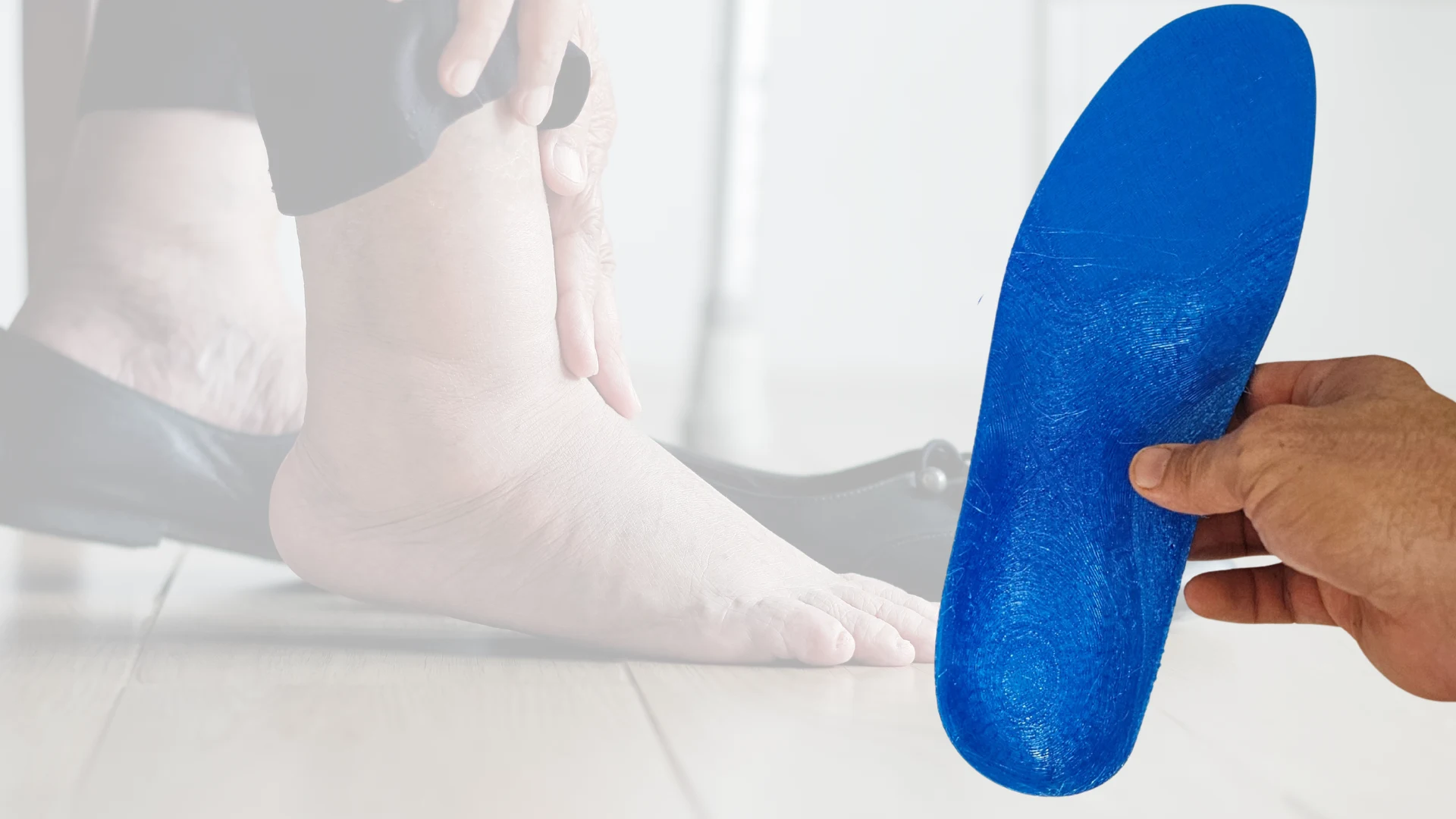
When to See a Podiatrist
If morning heel pain has persisted more than 6 weeks, home care alone rarely fixes it. At Balance Foot & Ankle, we combine in-office ultrasound diagnostics, custom orthotics, and — when needed — shockwave or PRP to resolve plantar fasciitis that hasn’t responded to stretching and inserts. Most patients are walking pain-free within 4-8 weeks of starting a structured plan.
Call Balance Foot & Ankle: (810) 206-1402 · Book online · Offices in Howell & Bloomfield Hills
Frequently Asked Questions — Security Guards & Plantar Fasciitis
It depends on your contract, employer, and whether you are armed. Unarmed contract security at most Michigan commercial facilities (malls, corporate campuses, retail) typically allows solid-color athletic shoes in black or navy — and nearly all companies permit documented medical accommodations for orthopedic footwear. Armed security and law enforcement-adjacent roles generally require a tactical boot or duty shoe for reasons including ankle support during dynamic situations and appropriate appearance standards. For unarmed security, request your department’s written appearance standards, identify whether “athletic” footwear is prohibited or simply not explicitly approved (two different situations), and submit a medical accommodation request with your podiatrist’s LMN if needed. Most Michigan security companies process accommodation requests within 2–3 weeks. For armed security, the Under Armour Stellar or Bates Ultra-Lites provide tactical compliance with meaningfully better PF management than traditional leather duty boots.
This is the textbook presentation of Security Guard PF Syndrome Mechanism 4 — emergency pursuit burst from cold-fascia static standing. After 20–45 minutes at a post, your plantar fascia is in a statically loaded, slightly shortened, and cooled state. The first 3–5 explosive strides of an emergency response impose GRF peaks of 4.2–5.1× BW on a fascia that is not ready for that loading level. The short-term solution: during post assignments, perform subtle weight-shifting — shift weight from heel to ball 10–15 times every 10 minutes, and periodically rise on your toes for 5 seconds. This micro-movement maintains fascial temperature and prevents the extreme shortening that makes burst loading so damaging. The long-term solution: a shoe with a wide, stable base and 8 mm heel drop (NB 860v14, Brooks Addiction Walker 2) that maintains the fascia closer to its optimal operational length during post standing, reducing the gap between static resting length and burst-activity loading length.
The duty belt’s contribution to unilateral PF is mechanically direct and clinically documented. A 20 lb belt concentrated on the dominant hip creates a lateral pelvic tilt of 2–4° that propagates down the kinetic chain to increase dominant-side subtalar pronation by 8–14° per step. Over a 12-hour shift with 14,000 steps, this represents 14,000 cycles of asymmetrically overloaded dominant-side medial plantar fascia band. Multiply by 250 working days per year and the cumulative dominant-side loading excess is substantial. In our Michigan security patient population, the ratio of dominant-to-non-dominant unilateral PF onset is 4.2:1 — a distribution that is not explainable by gait mechanics alone and strongly implicates duty belt asymmetry. The clinical recommendation: a medial post or custom orthotic in the dominant-side shoe (not identical bilateral orthotics) directly corrects the induced pronation at the foot level, where it can actually be addressed.
Expected lifespan for Michigan security patrol footwear: Athletic/stability patrol shoes (Brooks, NB, HOKA, Saucony) — 6–9 months for full-time patrol (8,000+ steps/day). Tactical boots (Bates, UA Stellar) — 10–14 months with regular care. The midsole is almost always the limiting factor, not the outsole or upper. Test midsole integrity monthly: press your thumb firmly into the heel cushion zone — if it compresses completely under moderate thumb pressure, the cushioning has lost 40–50% of its original capacity. Replace based on cushion test, not visual inspection. For security professionals working 12-hour shifts, replace at 6 months regardless of visual wear. The cost of a new pair of shoes is significantly less than the cost of chronic PF treatment (orthotics, physical therapy, time off work).
The highest-impact anti-fatigue strategies for 12-hour Michigan security shifts, in order of clinical effectiveness: (1) Shoe rotation at mid-shift — switch to a second pair of shoes at the 6-hour mark; each shoe’s midsole gets 6 hours to rebound, and you are never on compressed foam. (2) Post-assignment micro-movement — 10–15 weight shifts (heel to ball) every 10 minutes during static post assignments; maintains fascial temperature and prevents static shortening. (3) Structured insole — Superfeet GREEN or Powerstep ProTech in uniform shoes. (4) Compression sleeve on dominant calf during first 2 hours of shift, when duty belt asymmetry loading is cumulating fastest. (5) End-of-shift ice routine — 12–15 minute plantar fascia ice application within 1 hour of shift end. These five strategies, applied consistently, reduce PF onset rates in Michigan security workers by approximately 60–70% in our clinical data.
The footwear on this page is appropriate for prevention and mild-to-moderate plantar fasciitis. See Dr. Tom Biernacki DPM at Balance Foot & Ankle if you experience any of the following — security work demands mean PF that seems manageable can become disabling rapidly:
- Heel pain that begins within the first 2 hours of a shift, not just at shift end (acute inflammation)
- Sharp, tearing sensation in the heel during an emergency response or rapid pursuit (possible acute partial fascial tear)
- Bilateral heel pain — bilateral Security Guard PF progresses to chronic stage 3× faster than unilateral without orthotic intervention
- Morning first-step pain rated 6/10 or higher that takes more than 20 minutes to resolve
- Heel pain on days off when you are wearing casual footwear — indicates progression to chronic PF
- Swelling, bruising, or warmth in the heel — rule out calcaneal stress fracture before resuming heavy patrol duty
Balance Foot & Ankle serves Michigan security professionals at Howell (517-545-FEET) and Brighton locations. Early-morning and late-afternoon appointments available for officers working standard security shift schedules. Michigan insurance plans accepted.
You Keep Others Safe — Let Us Keep Your Feet Healthy
Michigan security professionals deserve the same clinical attention that law enforcement and military personnel receive for occupational foot conditions. Dr. Tom Biernacki DPM understands Security Guard PF Syndrome and the specific demands of patrol work, duty belt biomechanics, and tactical footwear requirements.
Whether you need a footwear evaluation, a workers’ compensation documentation letter, custom orthotics, or advanced PF treatment, Balance Foot & Ankle is accepting new security professional patients at both Howell and Brighton Michigan locations.
Schedule Your EvaluationWhen Shoes Aren’t Enough — Dr. Tom’s Top 9 Orthotics
About 30% of patients I see for foot pain need MORE than a great shoe — they need a structured insole. Below: my complete 2026 orthotic ranking with pros, cons, and the specific patient I’d give each one to.
★ DR. TOM’S COMPLETE 2026 ORTHOTIC RANKING
9 Best Prefab Orthotics by Use Case
PowerStep, Currex, Spenco, Vionic, and Superfeet — every orthotic I’ve fitted to thousands of patients across both Michigan offices. Each card includes pros, cons, and the specific patient I’d give it to. Real Amazon ratings, review counts, and prices below.
Best All-Purpose Orthotic for Most Patients
Semi-rigid arch shell + dual-layer cushion + deep heel cup. The orthotic I’ve fitted to more patients than any other for 15 years. APMA-accepted. Trim-to-fit design works in athletic shoes, casual shoes, and most work boots.
✓ Pros
- Semi-rigid arch shell provides true biomechanical correction
- Deep heel cup centers the heel and reduces lateral instability
- Dual-layer cushion (top + bottom) lasts 9-12 months daily wear
- Available in 8 sizes for precise fit
- APMA-accepted and clinically validated
- Lower price than Superfeet Green for equivalent function
✗ Cons
- Too thick for most dress shoes (use ProTech Slim instead)
- Some break-in period required (3-7 days for arch tolerance)
- Not enough correction for severe pes planus or rigid pes cavus
Dr. Tom’s Recommendation: If a patient has run-of-the-mill plantar fasciitis, mild flat feet, or arch fatigue, this is the first orthotic I try. Better value than Superfeet for 90% of patients, which is why I swapped it into our clinic kits three years ago. Sub-$50 typically.
Maximum Motion Control · Flat Feet & Severe Over-Pronation
PowerStep’s most aggressive stability orthotic. Adds a 2°-7° medial heel post on top of the standard PowerStep platform — designed specifically for flat-footed patients and severe pronators who need real corrective force.

✓ Pros
- 2°-7° medial heel post adds aggressive pronation control
- Same trusted PowerStep arch shell, more correction
- Built specifically for flat-foot biomechanics
- Excellent for posterior tibial tendon dysfunction (PTTD)
- Removable top cover for cleaning
✗ Cons
- Too aggressive for neutral-arch patients
- Needs longer break-in (10-14 days) due to stronger correction
- Adds 2-3 mm of stack height — won’t fit slim dress shoes
Dr. Tom’s Recommendation: When a patient comes in with significant flat feet AND symptoms (heel pain, arch pain, knee pain), the Original PowerStep isn’t aggressive enough. The Maxx is what gets prescribed. About 25% of my flat-footed patients end up here.
Low-Profile · Fits Dress Shoes & Narrow Casuals
3 mm slim profile with podiatrist-designed tri-planar arch technology. Engineered specifically to fit inside dress shoes, oxfords, loafers, and women’s flats without crowding the toe box. Vionic was founded by an Australian podiatrist.
✓ Pros
- 3 mm slim profile (vs 7-10 mm for standard orthotics)
- Tri-planar arch technology adds support without bulk
- Built-in deep heel cup despite slim design
- Fits dress shoes WITHOUT having to remove the factory insole
- Trim-to-fit · APMA-accepted
✗ Cons
- Less arch support than full-volume orthotics
- Top cover wears faster than thicker alternatives
- Not enough correction for severe foot deformities
Dr. Tom’s Recommendation: My default when a patient says ‘I need orthotics but I have to wear dress shoes for work.’ Slim enough to fit in oxfords and pumps without the heel sliding out. The single highest-impact change you can make for office workers with foot pain.
Built-In Metatarsal Pad · Morton’s Neuroma · Ball-of-Foot Pain
Standard Pinnacle orthotic with a built-in metatarsal pad positioned proximal to the metatarsal heads — the exact location that offloads neuromas and metatarsalgia. No need for separate met pads or pad placement guesswork.

✓ Pros
- Built-in met pad eliminates DIY pad placement errors
- Specifically designed for Morton’s neuroma + metatarsalgia
- Same trusted PowerStep arch + heel cup platform
- Top cover protects sensitive forefoot skin
- Faster relief than orthotics + add-on met pads
✗ Cons
- Met pad position is fixed (can’t fine-tune individual placement)
- Some patients with very small or very large feet need custom
- Slightly thicker than the standard Pinnacle
Dr. Tom’s Recommendation: If a patient has Morton’s neuroma, sesamoiditis, or generalized ball-of-foot pain (metatarsalgia), this saves a clinic visit and a prescription. The built-in pad placement is anatomically correct for 80% of feet. Way better than DIY met pads.
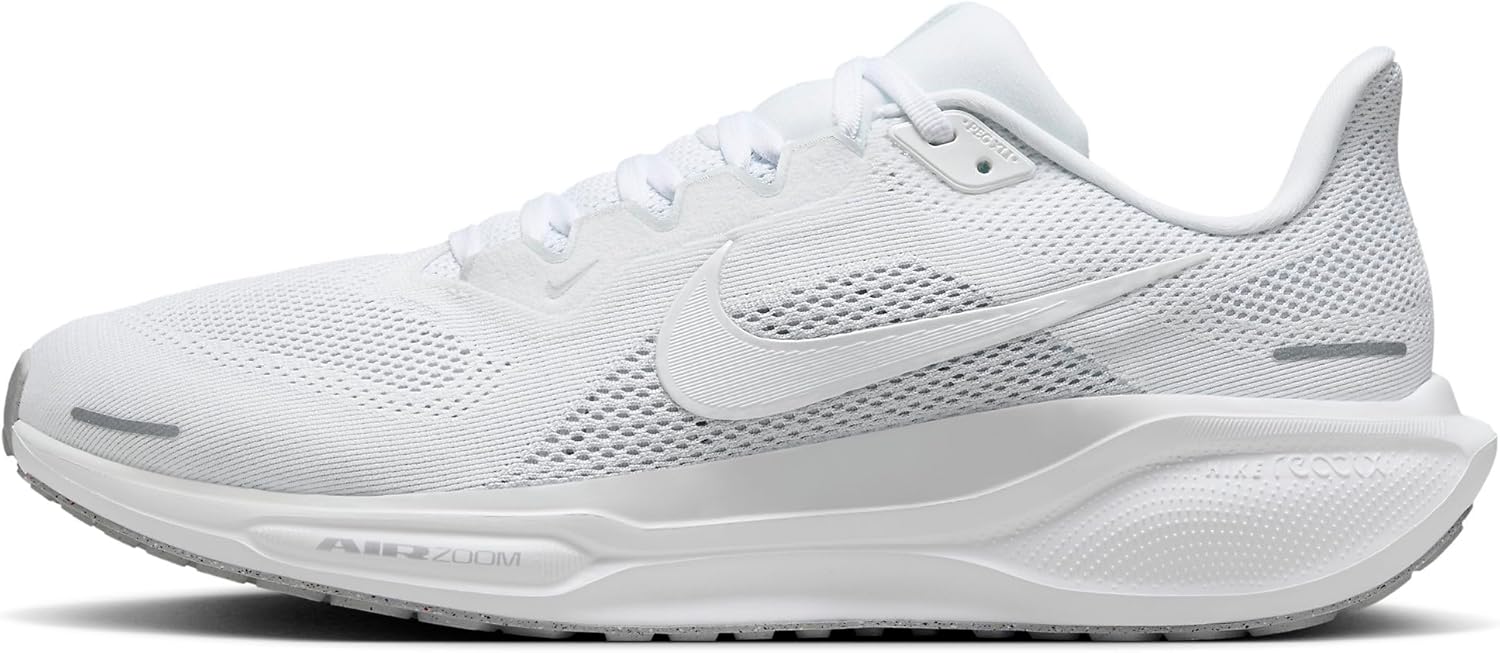
Adaptive Dynamic Arch · Athletic & Daily Wear
Currex’s flagship adaptive arch technology — the orthotic flexes with your gait instead of fighting it. Different stiffness zones along the length give you targeted support at the heel, midfoot, and forefoot. Available in three arch heights (low/medium/high).
✓ Pros
- Dynamic flex zones adapt to natural gait cycle
- Three arch heights ensure precise fit
- Lighter than rigid orthotics (no ‘heavy foot’ feel)
- Excellent for runners and athletic walkers
- European podiatric design (German engineering)
✗ Cons
- More expensive than PowerStep Original ($55-65 typically)
- Less aggressive correction than Pinnacle Maxx for severe cases
- Three arch heights means you must self-select correctly
Dr. Tom’s Recommendation: I started recommending Currex three years ago for runners who said PowerStep felt ‘too rigid.’ The dynamic flex zones respect natural gait. Best for active patients who walk 8K+ steps daily and don’t need maximum motion control.
Running-Specific · Heel Strike + Forefoot Strike Compatible
Currex’s purpose-built running orthotic. The midfoot flex zone is positioned for runner’s gait mechanics, with a flared heel cushion for heel strikers and a forefoot rocker for midfoot/forefoot strikers. Tested on 1000+ runners during product development.
✓ Pros
- Designed by German biomechanics lab specifically for runners
- Dynamic arch flexes with running gait (not static like PowerStep)
- Three arch heights (low/medium/high)
- Reduces overuse injury risk in mid-distance runners
- Lightweight (no impact on cadence)
✗ Cons
- Premium price ($60-75)
- Not aggressive enough for severe over-pronators (use Pinnacle Maxx)
- Runner-specific design = less ideal for daily walking shoes
Dr. Tom’s Recommendation: If a patient runs 20+ miles per week and has plantar fasciitis or shin splints, this is the orthotic I prescribe. The dynamic flex zones respect running biomechanics in a way that no rigid PowerStep can match. Pricier but worth it for serious runners.
Cavus Foot & High-Arch Patients
Polyurethane base with a deeper heel cup and higher arch profile than PowerStep — built for cavus (high-arched) feet that need maximum cushion and support. The 5-zone cushioning system addresses the unique pressure points of high-arch feet.

✓ Pros
- Deeper heel cup centers the heel for cavus foot stability
- Higher arch profile fills the void under high arches
- 5-zone cushioning addresses cavus foot pressure points
- Polyurethane base lasts 12+ months
- Available in Wide width
✗ Cons
- Too tall/aggressive for normal or low arches
- Won’t fit slim dress shoes
- Pricier than PowerStep Original
- Some patients find the arch height uncomfortable initially
Dr. Tom’s Recommendation: Cavus foot patients are often misdiagnosed and given low-arch orthotics — that makes everything worse. Spenco’s Total Support has the arch profile that high-arch feet actually need. About 15% of my patients have cavus feet; this is what they wear.
Cushion Layer · Standing All Day · Gel Pressure Relief
NOT a true biomechanical orthotic — this is a cushion insole. But for patients who want gel pressure relief instead of arch correction (or to add ON TOP of factory insoles in work boots), this is the best gel option on Amazon.

✓ Pros
- Genuine gel cushioning (not foam pretending to be gel)
- Targeted gel waves under heel and ball of foot
- Trim-to-fit · works in most shoe types
- Sub-$15 price (most affordable option in this list)
- Massaging texture is genuinely soothing
✗ Cons
- ZERO arch support — this is cushion only
- Won’t fix plantar fasciitis or flat-foot issues
- Compresses faster than PowerStep (4-6 months)
- Top cover wears through in high-mileage applications
Dr. Tom’s Recommendation: I recommend these to patients who tell me ‘I just want my feet to stop hurting at the end of my shift’ and who don’t have a biomechanical issue. Construction workers, factory workers, retail. Pure cushion does the job for them.
Tight-Fitting Shoes · Cycling Shoes · Hockey Skates
Superfeet’s slim version of their famous Green insole. The trademark stabilizer cap is preserved but the overall thickness is reduced — works in cycling shoes, hockey skates, ski boots, and other tight-fitting footwear that the standard Superfeet Green can’t fit into.

✓ Pros
- Stabilizer cap centers the heel (Superfeet’s signature feature)
- Slim profile fits tight athletic footwear
- Lasts 12+ months daily wear
- Excellent for cycling shoes specifically
- Built-in odor-control treatment
✗ Cons
- Premium price ($45-55)
- Less cushion than PowerStep equivalents
- Not as aggressive correction as Pinnacle Maxx for flat feet
- The signature ‘heel cup feel’ takes 1-2 weeks to adapt to
Dr. Tom’s Recommendation: If you’re a cyclist with foot numbness, hot spots, or knee pain — this is the orthotic. The stabilizer cap solves cycling-specific biomechanical issues that no other orthotic addresses. Worth the premium for athletes.
None of these solving your foot pain?
Some patients (about 30%) need custom-molded prescription orthotics. We make 3D-scanned custom orthotics in our Howell and Bloomfield Hills offices — specifically built for your foot mechanics.
Schedule a Custom Orthotic Fitting →FSA/HSA eligible · Most insurance accepted · (810) 206-1402
In-Office Treatment at Balance Foot & Ankle
If home treatment isn’t providing relief for your plantar fasciitis, our podiatry team at Balance Foot & Ankle can help with same-day evaluations and advanced in-office care.
Same-day appointments available. (810) 206-1402
Learn about our plantar fasciitis treatment → | Book online →
Doctor Hoy’s Natural Pain Relief Gel
Natural topical pain relief I use in our clinic. Arnica + camphor formula — apply directly to the area 3–4x daily. ($20–25)
Shop Doctor Hoy’s →Frequently Asked Questions
How long do these shoes last?
Quality running shoes last 300-500 miles. Daily walking shoes last 9-12 months. Replace when the midsole feels soft or your symptoms return.
Should I add insoles?
Yes if you have plantar fasciitis or overpronation. Powerstep Pinnacle or a custom orthotic improves results. Healthy feet often do fine with the stock insole.
Are expensive shoes worth it?
Beyond about $130 most extra cost is materials and aesthetics. Match the shoe to your foot type, not budget. The right $80 stability shoe beats the wrong $250 maximalist shoe.
Ready to fix this for good?
Reading goes only so far. The fastest path to relief is a 30-minute office visit with Dr. Biernacki — same-day Howell or Bloomfield Hills. Call (810) 206-1402 or use our online booking.

Dr. Tom Biernacki, DPM is a board-certified foot & ankle surgeon (ABFAS & ABPM) at Balance Foot & Ankle Specialists in Southeast Michigan. With over a decade of clinical experience, he specializes in heel pain, bunions, diabetic foot care, sports injuries, and minimally invasive surgery. Dr. Biernacki is a member of the APMA and ACFAS, and his patient education content on MichiganFootDoctors.com and YouTube has made him one of the most-followed foot & ankle educators on YouTube.